Introduction
The first thing that hits you in बिहार is the smell of woodsmoke and roasted gram at dawn, mixed with the faint metallic tang of the Ganga. Most visitors arrive expecting dusty ruins and Buddhist quiet. They leave changed by a state that quietly carries the weight of three major world religions, the ruins of the world’s first university, and a cuisine built on sattu and resilience.
This is where the Buddha sat beneath the peepal tree in Bodh Gaya and found enlightenment. It is also where Nalanda’s scholars once debated logic and medicine with students from as far as Korea and Turkey. Yet बिहार refuses to be frozen in history. The same soil grows litti chokha, hosts raucous Chhath rituals at the river’s edge, and shelters both tiger reserves and 1,500-year-old rock-cut caves.
Patna moves to its own rhythm. One moment you are standing inside the cool, echoing 80-pillared hall of Kumhrar that once hosted Mauryan emperors. The next you are drinking thick, sweet tea on Boring Road while autorickshaws weave past stalls selling Maner laddoos and Silao khaja. The contrasts never quite resolve. That tension is the point.
Few places on earth let you trace human thought from the caves of Barabar to the monasteries of Bodh Gaya to the manuscript rooms of Khuda Bakhsh Library in a single week. बिहार does not shout. It simply waits for those willing to slow down and listen.
Patna City Food Tour | Nandu Kachori, Mahadev Khurchan, Tandon Samosa | Veggie Paaji Patna EP 3
Veggie PaajiPlaces to Visit
The Most Interesting Places in बिहार
Munger Ganga Bridge (Shri Krishna Setu)
Spanning approximately 3.7 kilometers across the mighty Ganges River, the Munger Ganga Bridge—also known as Shri Krishna Setu—is a monumental rail-cum-road…
Ara–Chhapra Bridge
A 4.35-kilometer bridge, about 48 football fields long, cut the Arrah-Chhapra route from roughly 130 km to 40 and turned Bihar traffic into live theater.
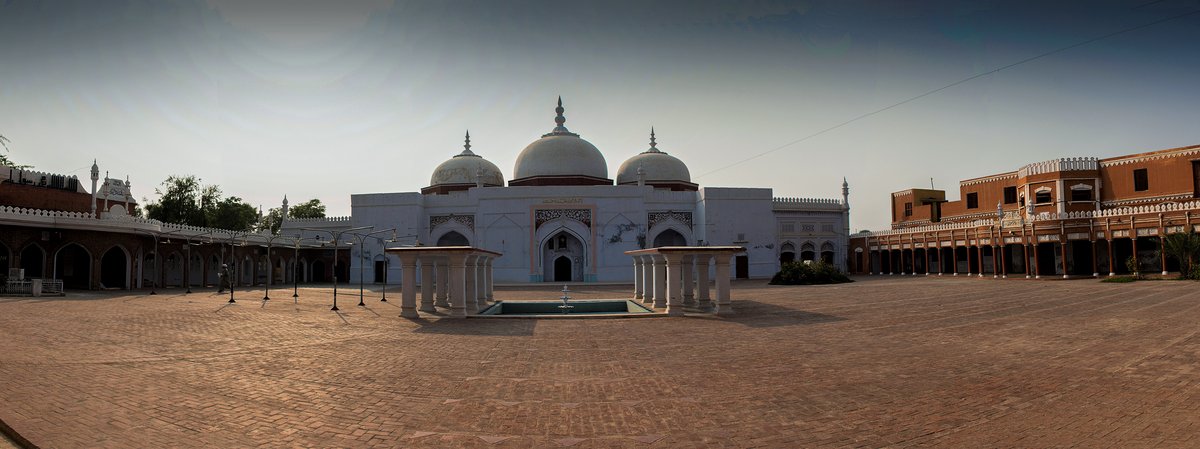
Sher Shah Suri Masjid
Welcome to an in-depth guide to visiting the Sher Shah Suri Masjid in Patna, Bihar!
Jal Mandir
The lotus-filled pond at Pawapuri isn't decorative — it's the crater left by mourners who stripped the earth bare for Mahavira's cremation ashes in 527 BCE.
Takht Sri Patna Sahib
Takht Sri Patna Sahib, situated in Patna, Bihar, stands as one of Sikhism's five supreme Takhts—seats of authority—and is profoundly revered as the birthplace…
Kesaria Stupa
Nestled in the East Champaran district of Bihar, India, Kesaria Stupa stands as one of the largest and most significant Buddhist monuments in the world.
Venuvana Vihara
Nestled in the historic town of Rajgir, Bihar, India, Venuvana Vihara—also known as the Bamboo Grove Monastery—stands as one of the most significant and…
Barauni Refinery
Nestled in Bihar's Begusarai district, Barauni Refinery stands as a monumental symbol of India's industrial heritage and a cornerstone of regional economic…
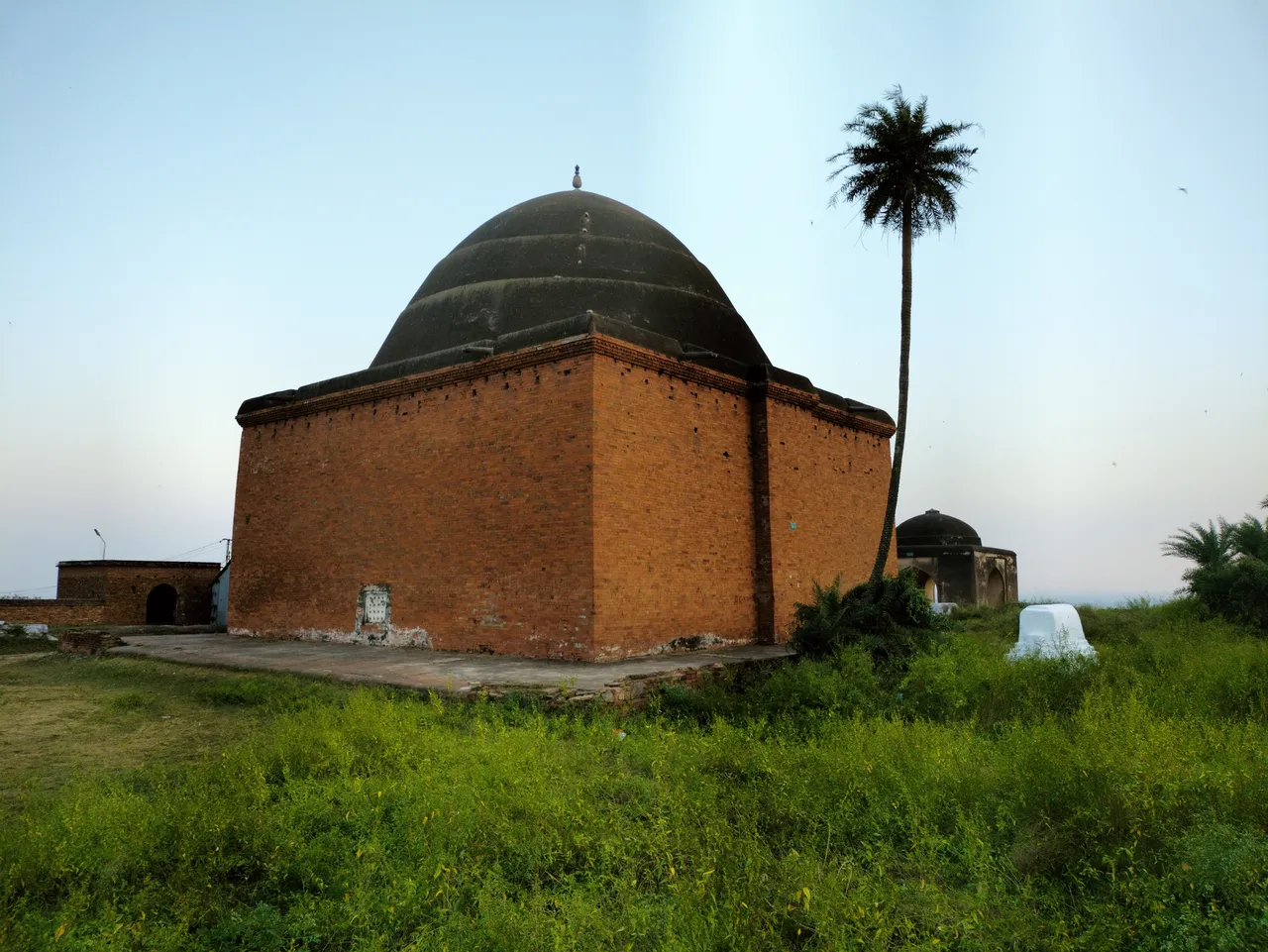
Tomb of Malik Ibrahim Bayu
Perched on Peer Pahari, this 14th-century tomb feels less like a lone monument than a hilltop meeting point of Sufi memory, city views, and local life.
What Makes This City Special
Buddha’s Footprint
The Mahabodhi Temple in Bodh Gaya rises from the exact spot where Siddhartha attained enlightenment under the Bodhi tree in 528 BCE. Sit on the stone railing at dusk and watch monks chant as the last light catches the 52-metre spire. Few places make 2500 years feel like yesterday.
University of the World
Nalanda’s red-brick ruins once housed 10,000 students and scholars from China to Korea. Walk the 30-metre-wide courtyard at sunrise and the scale still astonishes. The library that burned for three months in 1193 held knowledge the world has never fully replaced.
Layered Hills
Rajgir’s five sacred hills hide a 40-kilometre Cyclopean Wall built before the Buddha, hot springs at Brahmakund, and the cave where he delivered the Lotus Sutra. The ropeway to Vishwa Shanti Stupa is useful, but the real secret is walking the old stone paths at first light.
Forgotten Capitals
Sher Shah Suri’s tomb floats in an artificial lake at Sasaram, built in 1545 with proportions that influenced the Taj Mahal. Further south, the Mundeshwari Devi Temple has been in continuous worship since at least 108 CE. Bihar keeps rewriting the timeline.
Historical Timeline
The Land That Forged Empires and Sages
From Magadha's iron ambition to the quiet echo of the Bodhi tree
Neolithic Dawn at Chirand
The first farmers settled the rich Ganga alluvium at Chirand. They shaped clay into pots and tools from bone and stone. Their modest village marks the beginning of continuous human life in what would become Bihar. The river gave and the river took, but people stayed.
Rise of the Vajji Republic
At Vaishali the Licchavis built one of the world's earliest republican systems. No single king ruled their confederacy. Instead elected representatives gathered under a mango tree to debate law and war. The idea that ordinary men could govern themselves was born here.
Mahavira's Birth Near Vaishali
Mahavira entered the world in a village outside Vaishali. He would later renounce everything and teach a radical non-violence that still shapes millions of lives. The same soil that grew republican politics also produced one of history's greatest ethical teachers.
Buddha Attains Enlightenment
Under a pipal tree in Bodh Gaya, Siddhartha Gautama found the answer he had sought for years. The morning star was visible when he looked up. What he realised there would quietly reshape much of Asia. A simple shrine was later built on that exact spot.
Ajatashatru Founds Pataliputra
Ajatashatru built a fort at the confluence of the Ganga and Son rivers. The wooden walls of Pataligrama would grow into the imperial capital of half the known world. Mud and ambition mixed here to create something that would outlast dynasties.
Ashoka Claims the Mauryan Throne
The blood of Kalinga changed him. Ashoka walked the streets of Pataliputra a different man, carving edicts on stone that spoke of tolerance instead of conquest. His capital became the centre of an empire stretching from Afghanistan to Karnataka.
Ashoka Builds First Bodh Gaya Shrine
Ashoka raised a simple temple at the place where the Buddha had sat. The scent of incense and the sound of chanting began here. Centuries of pilgrims would follow the path he first marked with brick and faith.
Mauryan Empire Begins to Fracture
When Ashoka died the great wheel of empire started turning more slowly. Pataliputra remained rich but its grip on distant provinces loosened. Yet the idea of a unified India had been planted in Bihar soil.
Nalanda University is Founded
Kumaragupta I gave land and funds to establish Nalanda. Students from Korea to Turkey soon filled its halls. The vast library of palm-leaf manuscripts caught the afternoon light as monks debated logic and metaphysics deep into the night.
Aryabhata Works at Kusumapura
In the scholarly quarters of ancient Patna, Aryabhata calculated π to four decimal places and explained why planets appear to move backward. He wrote his masterpiece at twenty-three. The mathematics he developed here would later reach Europe through Arab scholars.
Mahabodhi Temple Rebuilt in Brick
The temple that still stands at Bodh Gaya took its current form. Its pyramidal tower rose 55 metres into the sky, the tallest brick structure of its time in India. Pilgrims from China described its beauty in travelogues that survive today.
Pala Dynasty Brings Buddhist Revival
The Palas made Bihar and Bengal their heartland. They poured patronage into monasteries and created a distinctive school of bronze and stone sculpture. For four centuries their rule kept the flame of Mahayana Buddhism burning brightly.
Bakhtiyar Khalji Destroys Nalanda
The Turkish commander set fire to the great library. It is said the flames burned for months. Monks were slaughtered or fled. The destruction of Nalanda and Odantapuri marked the end of organised Buddhist scholarship in its ancient home.
Vidyapati Begins Writing in Maithili
Born in Bisfi, Vidyapati started composing songs in the language of ordinary people rather than Sanskrit. His love poems and devotional verses travelled across eastern India. He gave literary dignity to Maithili and shaped how later poets would write.
Sher Shah Suri Defeats Humayun
The battle at Chausa changed Indian history. Sher Shah, born in Sasaram, routed the Mughal emperor and seized control of the Gangetic plain. Within a year he would build the Grand Trunk Road and reform taxation across the north.
Patna is Refounded
After centuries of decline, the city was reborn as Patna under Afghan rulers. New markets and mosques rose along the Ganga. The old imperial ghosts of Pataliputra found new life in a bustling Mughal trading centre.
Guru Gobind Singh Born in Patna
In a house in Patna, the tenth Sikh Guru entered the world. The site became Takht Sri Patna Sahib. Decades later marble and gold would transform the modest birthplace into one of Sikhism's five temporal seats.
Battle of Buxar Hands Bihar to the British
The East India Company defeated the combined forces of three Indian rulers on Buxar battlefield. The Treaty of Allahabad followed. Real power in Bihar shifted from Mughal successors to a trading company based in London.
Golghar Granary Rises in Patna
After the devastating 1770 famine, British engineers built the massive Golghar. Its 29-metre-high dome could hold 137,000 tonnes of grain. The echo inside is so perfect that a whisper at one end can be heard at the other.
Kunwar Singh Leads Revolt in Bihar
At nearly eighty years old, Kunwar Singh raised the standard of rebellion against the British. He won a remarkable victory near Jagdishpur before dying from battle wounds. His statue still watches over the town he defended.
Gandhi Begins Champaran Satyagraha
In a dusty corner of north Bihar, Gandhi conducted his first experiment with civil disobedience in India. He stood with indigo farmers against European planters. The movement that began here would eventually bring down the entire British Raj.
Bihar-Nepal Earthquake Devastates Region
On 15 January the earth shook with magnitude 8.0. Entire towns in Munger and Muzaffarpur collapsed. Over 7,000 people died in Bihar alone. The disaster left permanent scars on both the land and the collective memory.
Quit India Movement Explodes in Bihar
Seven students died in Patna trying to hoist the tricolour during the Quit India agitation. Across the state, parallel governments briefly took root in villages. The British response was brutal, but the spirit of resistance proved stronger.
Jayaprakash Narayan Launches Total Revolution
From Patna, JP called for a complete moral and political transformation of India. Students filled the streets. His movement against Indira Gandhi's government would lead directly to the Emergency and then to the first non-Congress government at the centre.
Jharkhand Carved from Southern Bihar
On 15 November Bihar lost its mineral-rich southern plateau. The new state of Jharkhand took away much of the state's industrial base. What remained was a more homogeneous but economically challenged Bihar.
Nalanda Ruins Gain UNESCO Status
The ancient university's remains were finally recognised as a World Heritage Site. Scholars and tourists began arriving in greater numbers. The dream of reviving Nalanda as a centre of learning gained new momentum.
New Nalanda University Campus Opens
On 19 June Prime Minister Modi inaugurated the gleaming new campus at Rajgir. Built at a cost of ₹1,749 crore, the revival project that began with Abdul Kalam's vision now has modern buildings where ancient scholars once debated under mango trees.
Notable Figures
Gautama Buddha
c. 563–483 BCE · Spiritual teacherHe sat beneath a pipal tree in what is now Bodh Gaya and refused to stand until he understood suffering. That tree’s descendant still stands. Today the temple complex echoes with chants in languages he never heard, yet the place still feels like the moment everything changed.
Sher Shah Suri
1486–1545 · Emperor and administratorBorn in Sasaram, he built an empire from Bihar before seizing Delhi. His tomb there rises elegantly beside an artificial lake. One wonders if he would smile at how the Grand Trunk Road he strengthened still carries millions of trucks across India every year.
Guru Gobind Singh
1666–1708 · Sikh GuruHe entered the world in a house that is now Takhat Sri Harimandir Ji Patna Sahib. The city was just beginning its long story when the tenth Guru was born here. Sikhs still come in large numbers, taking the same streets his family once walked.
Aryabhata
476–550 CE · Mathematician and astronomerIn the old city of Pataliputra he calculated the length of the year with startling accuracy and declared the Earth spins on its axis. The ruins of Nalanda were still young when he worked. The same sky he studied still stretches above modern Patna at night.
Vidyapati
c. 1352–1448 · PoetBorn in Bisfi, Madhubani district, he wrote love songs in Maithili that are still sung during festivals. His verses turned local speech into literature. Centuries later, people in the Mithila region still quote lines he wrote about rain and longing.
Photo Gallery
Explore बिहार in Pictures
Practical Information
Getting There
Fly into Jayprakash Narayan International Airport (PAT) in Patna or Gaya International Airport (GAY), 8 km from Bodh Gaya. IndiGo runs daily flights from Delhi and Kolkata; seasonal direct flights arrive from Bangkok, Yangon and Paro in winter. Major railheads are Patna Junction and Gaya Junction with over 200 daily trains. In 2026 the Patna–Gaya expressway remains the fastest road link.
Getting Around
No metro or tram system exists in Bihar as of 2026. BSRTC runs frequent ordinary and AC buses between Patna, Rajgir, Bodh Gaya and Bhagalpur. Trains are quickest for longer hops; the Patna–Gaya Shatabdi takes two hours. Within towns use app cabs or auto-rickshaws. Walk only inside compact sites like Mahabodhi or Nalanda ruins.
Climate & Best Time
November to February brings daytime highs of 20–25 °C and cool nights. March to May sees temperatures climb past 40 °C before the monsoon arrives in late June. Rainfall peaks July–August with over 300 mm monthly. The sweet window is mid-November to late February when the light is clear and the sites feel almost peaceful.
Safety
Alcohol is completely banned across Bihar. Stick to registered guides and avoid isolated areas after dark. The US State Department advises increased caution and requires special permission for government employees outside Patna. Keep valuables secure and use hotel safes. Emergency numbers: 112 for police, 108 for ambulance.
Where to Eat
Don't Leave Without Trying
HOT & SPICY
local favoriteOrder: Local spiced curries and regional Bihari meat dishes — the kitchen does straightforward, bold flavors without pretension.
This is where locals actually eat in Bihar Sharif. Perfect 5-star rating with solid review count signals consistent, no-nonsense home-style cooking.
APNA CHAI BALE
quick biteOrder: Chai and local tea-time snacks — this is a proper neighborhood chai spot, not a corporate cafe.
A genuine local gathering place on Nala Road where you'll find real Bihar Sharif residents, not tourists. The name says it all: 'Your Chai House.'
Santu Coffee Corner
cafeOrder: Coffee and breakfast — this is a proper morning-to-evening cafe stop with the highest review count in the dataset, suggesting consistent quality.
Nearly 50 reviews and a 4.9 rating make this the most trusted cafe in Bihar Sharif. Opens early for breakfast, closes early enough for a proper evening wind-down.
Brunch Italino
cafeOrder: Baked goods, pastries, and light meals — this is Bihar Sharif's most polished bakery-cafe option with both sweet and savory offerings.
45 reviews and a 4.9 rating signal the most reliable modern bakery in the area. Located near Smart Bazar, it's accessible and has extended evening hours.
Pushpanjali CAKE
quick biteOrder: Fresh cakes and baked goods — a neighborhood bakery with consistent quality and round-the-clock availability.
Perfect 5-star rating and 24-hour operation make this a reliable late-night and early-morning bakery stop for sweets and basics.
Sumitra Bhawan
quick biteOrder: Local cafe fare — a neighborhood spot in Master Colony where residents gather for everyday meals and chai.
Perfect 5-star rating in a residential colony area signals a trusted, no-frills local cafe that's been doing right by its neighbors.
DEEPAK
quick biteOrder: Tea, snacks, and light meals available round the clock — a reliable 24-hour neighborhood cafe.
Perfect rating and 24-hour availability make this a dependable late-night and early-morning cafe for locals in Ramchandrapur.
Aavya Confectionery and Cake Shop
quick biteOrder: Confections and cakes — a neighborhood bakery offering fresh sweets and baked goods for local celebrations and everyday treats.
Perfect 5-star rating from a local confectionery shop suggests reliable, quality baked goods and sweets in the Sherpur area.
Dining Tips
- check Cash is still king in Bihar Sharif — while urban cafes accept cards, many local spots prefer cash payments.
- check Lunch hours (12:00–2:00 PM) and dinner hours (7:00–9:00 PM) are peak times; arrive early to avoid waits at popular local spots.
- check Many neighborhood cafes and bakeries do not take advance reservations — walk-ins are the norm.
- check Spice levels in local Bihari restaurants are robust; ask for 'mild' if you prefer less heat, though the cuisine is traditionally bold.
Restaurant data powered by Google
Tips for Visitors
Visit in winter
Come between November and February. The light is clear, the dust has settled, and Bodh Gaya’s monasteries fill with monks from across Asia. Summers are brutally hot.
Dry state reality
Bihar has been alcohol-free since 2016. Don’t waste time looking for bars. Focus instead on strong coffee at Craft Coffee or late-night mithai runs.
Eat with your hand
Litti chokha and Champaran mutton taste best eaten with the right hand. Locals at Bhola Litti Chokha or Old Champaran Meat House will appreciate the effort.
Base in Patna
Stay in Patna and do day trips to Rajgir-Nalanda-Silao and Bodh Gaya. The roads are better than they were ten years ago but still demand patience.
Modest dress at sites
Cover shoulders and knees at Mahabodhi Temple and Vishnupad. The afternoon light on the Bodhi Tree is worth the effort of dressing appropriately.
Buy sweets on the road
Stop in Silao for fresh khaja and Maner for laddoos. These GI-tagged sweets travel poorly and taste far better bought warm from the source.
Explore the city with a personal guide in your pocket
Your Personal Curator, in Your Pocket.
Audio guides for 1,100+ cities across 96 countries. History, stories, and local insight — offline ready.
Audiala App
Available on iOS & Android
Join 50k+ Curators
Frequently Asked
Is Bihar worth visiting? add
Yes, if you’re interested in the roots of Buddhism, ancient learning, and layered Indian history. The state rewards curiosity more than casual sightseeing.
How many days do I need in Bihar? add
Give it 5–7 days. Three days for Patna plus Bodh Gaya, two more for the Rajgir-Nalanda-Silao cluster. Add extra time if you want to reach Vikramshila or the Barabar Caves.
Is it safe to travel in Bihar? add
Tourist routes around Patna, Bodh Gaya, Rajgir and Nalanda are generally safe. Use common sense, avoid isolated areas after dark, and stick to reputable transport.
Can I drink alcohol in Bihar? add
No. The state has enforced prohibition since 2016. Hotels sometimes serve non-alcoholic drinks but you will not find bars or licensed liquor shops.
What is the best food to try in Bihar? add
Start with litti chokha, then Champaran mutton, ghughni, Silao khaja and Maner laddoo. In Bodh Gaya mix local Bihari meals with Tibetan momos from monastery-area cafés.
How do I get around Bihar? add
Trains and private taxis work best. The Patna–Gaya–Rajgir circuit has decent road links. Overnight trains from Delhi or Kolkata are often more comfortable than long bus rides.
Sources
- verified Bihar Tourism Official Website — Primary source for attractions, opening details, Rajgir Mahotsav, and official descriptions of Mahabodhi Temple, Nalanda, and food specialties.
- verified UNESCO World Heritage Centre — Detailed information on Mahabodhi Temple Complex and Nalanda Mahavihara.
- verified Indian Express - Bihar cuisine list — Official list of 18 Bihar delicacies and local food context.
Last reviewed: