Plan and listen to Uttaresvara Siva Temple with Audiala.
Audio guide in your pocket, itinerary in your browser. Built for the way you actually visit.
Introduction to Uttaresvara Siva Temple and Its Significance
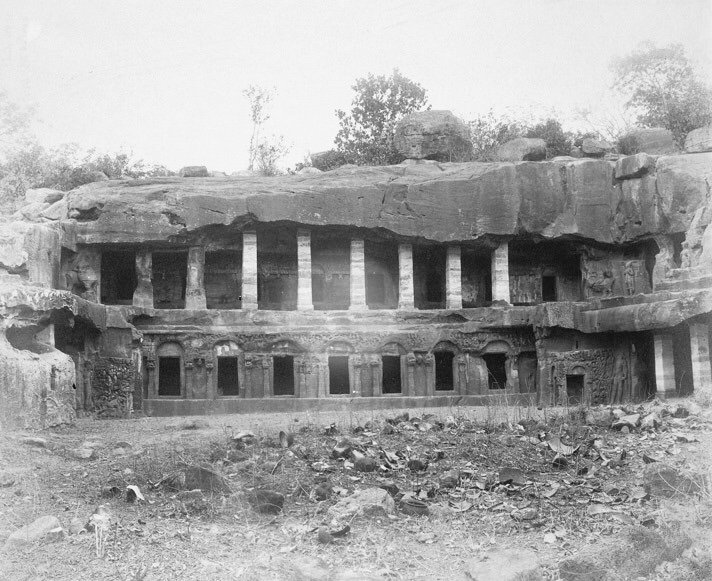
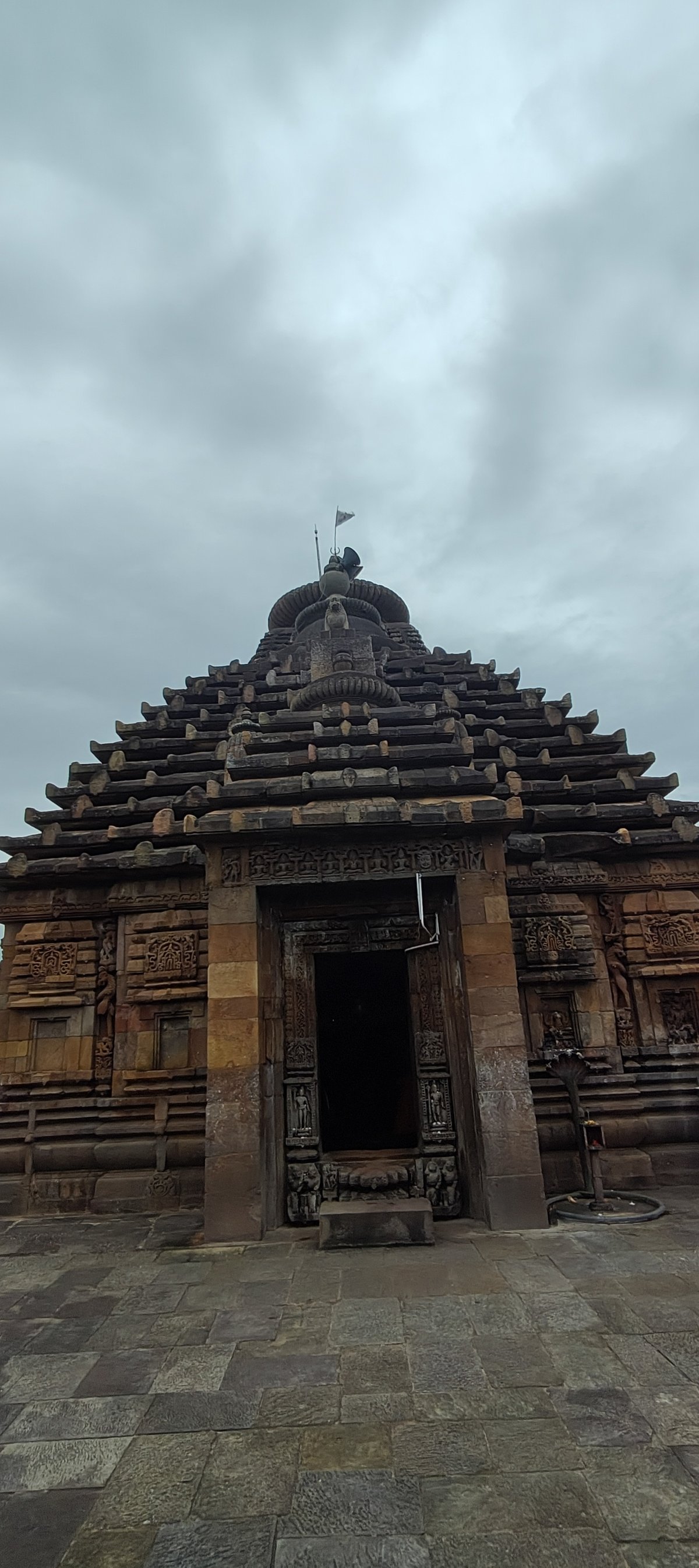
The Uttaresvara Siva Temple, located in the historic heart of Bhubaneswar, Odisha, stands as a profound emblem of India’s ancient religious and architectural legacy. Dedicated to Lord Shiva—locally revered as Uttaresvara, or “the Lord of the North”—the temple was constructed in the late 10th or early 11th century CE during the Somavamsi dynasty. This shrine exemplifies mature Kalinga architecture, distinguished by its towering rekha deul (curvilinear spires), intricate pidha deul (pyramidal) roofs, and masterful stone carvings.
Beyond its remarkable architecture, the temple is a vibrant center of Shaivite worship and a living testament to Odisha’s syncretic spiritual traditions, integrating iconography from Vaishnavism and Shaktism. Uttaresvara Siva Temple also plays a pivotal role in local community life, especially during festivals like Maha Shivaratri, Kartika Purnima, and Ganesh Chaturthi, when the temple precincts become lively hubs of devotion and celebration.
This comprehensive guide aims to equip visitors with detailed insights about the temple’s history, spiritual and architectural significance, visitor information (including hours, entry policies, accessibility, and nearby attractions), and tips for experiencing its festival calendar. Whether you are a pilgrim, history enthusiast, or cultural traveler, this guide is designed to enrich your visit and deepen your appreciation of this treasured heritage site.
For further exploration, consult official resources such as Odisha Tourism and in-depth guides like OrissaGuide.

Historical Origins of Uttaresvara Siva Temple
Situated in the northern sector of Bhubaneswar’s Old Town, the Uttaresvara Siva Temple traces its origins to the late 10th or early 11th century CE, during the mature phase of Kalinga temple architecture under the Somavamsi dynasty. As part of the famed Astasambhu (eight Shiva shrines) group, it reflects the apex of medieval Odishan temple construction, blending spiritual symbolism with artistic mastery (OrissaGuide).
Religious Significance in Shaivism
Dedicated to Lord Shiva as Uttaresvara, the temple is a focal point for Shaivite worship in Bhubaneswar. The Shiva lingam in the sanctum attracts devotees year-round, especially during Maha Shivaratri, when thousands gather for night-long rituals and prayers. The temple’s religious life is closely aligned with centuries-old Shaiva traditions, making it a vital part of Odisha’s spiritual landscape.
Architectural Features and Symbolism
Kalinga Style and Layout
The Uttaresvara Siva Temple showcases the mature Kalinga architectural style:
- Vimana (Sanctum Tower): Features a soaring rekha deul, adorned with miniature shrines and intricate carvings.
- Jagamohana (Assembly Hall): Houses a pyramidal pidha deul roof for congregational worship.
- Pradakshina Patha: The circumambulatory path allows devotees to circle the sanctum in ritual reverence.
- Compound Wall: Encloses the temple, providing a sense of seclusion (OrissaGuide).
Exterior Ornamentation
The exterior is embellished with:
- Deities and Mythological Panels: Carvings depict Shiva, Parvati, Ganesha, Kartikeya, and mythological scenes.
- Decorative Motifs: Floral, geometric patterns, chaitya motifs, and scrollwork, symbolizing cosmic harmony.
- Guardians: Dvarapalas and makaras flank the entrances as protectors (OrissaGuide).
Sanctum and Subsidiary Shrines
The sanctum houses a Shiva lingam on a yonipitha, reflecting the union of Shiva and Shakti. Subsidiary shrines within the complex honor other deities, illustrating Odisha’s syncretic spiritual culture.
Syncretism and Living Traditions
While the temple’s primary dedication is to Shiva, its iconography reflects influences from Vaishnavism and Shaktism, including images of Parvati and Ganesha. Ongoing rituals and vibrant festivals maintain the temple as a living heritage site.
Visiting Uttaresvara Siva Temple: Practical Information
Visiting Hours
- General Hours: 6:00 AM to 8:00 PM daily. During major festivals, hours may be extended to accommodate special rituals.
- Alternate Timing: Some guides mention 8:00 AM to 7:00 PM (OrissaGuide). It is advisable to confirm locally for any seasonal variations.
Entry and Tickets
- Entry Fee: Free for all visitors. Donations for temple upkeep are welcome.
- Photography: Generally permitted in the outer premises; always seek permission before photographing rituals or inside the sanctum.
Accessibility
- Transport: Easily accessible by auto-rickshaw, taxi, or city buses from Bhubaneswar’s airport, railway station, or city center (OrissaGuide).
- On Foot: Located within the old city’s walkable temple district. Parking is limited; public transport is recommended.
Guided Tours and Visitor Tips
- Guided Tours: Available via local operators; negotiate fees in advance at the temple entrance.
- Best Time to Visit: Early mornings offer tranquility; festivals like Maha Shivaratri or Kartika Purnima provide vibrant cultural experiences.
- Dress Code: Modest attire is required—long trousers or dhotis for men; sarees or salwar kameez for women. Footwear must be removed.
Facilities and Amenities
- Restrooms: Basic public facilities nearby.
- Footwear Storage: Shoe racks provided at entrances.
- Shops: Offerings and light snacks available from nearby vendors.
- Drinking Water: Carry bottled water.
Cultural Role and Modern Relevance
The Uttaresvara Siva Temple remains an active center of worship and cultural gatherings. Local priests and heritage groups ensure the preservation of rituals and restoration of the structure. Community activities, including charitable events and cultural performances, reinforce the temple’s modern relevance.
Major Festivals and Rituals
Maha Shivaratri
The most significant festival, drawing thousands for night-long vigils, abhisheka (ritual bathing), and chanting (Incredible Odisha).
Kartika Purnima and Bali Yatra
Commemorates Odisha’s maritime heritage. Devotees float miniature boats and participate in special pujas (Incredible Odisha).
Prathamastami
Celebrates the eldest child’s welfare with ritual offerings and community feasts (Incredible Odisha).
Ganesh Chaturthi
Temporary installations and rituals honor Ganesha, culminating in idol immersion (Incredible Odisha).
Other Observances
The temple also celebrates Janmashtami, Durga Puja, Saraswati Puja, and other regional festivals, often featuring traditional music and dance.
Visitor Guide: Hours, Tickets, and Travel Tips
Location, Access, and Transportation
- Address: Northern embankment of Bindusagar tank, Old Town, Bhubaneswar (Wikipedia; ApniSanskriti).
- By Air: 4 km from Biju Patnaik International Airport.
- By Rail: 3–4 km from Bhubaneswar Railway Station.
- By Road: Accessible via city buses, auto-rickshaws, and taxis; limited parking nearby.
Guided Tours and Special Events
Local guides provide in-depth tours; special events mark major festivals.
Dress Code and Etiquette
- Attire: Modest and traditional; remove footwear.
- Ritual Protocol: Maintain silence, follow circumambulation customs (pradakshina), and avoid leather goods.
Facilities and Accessibility
- Restrooms, Shoe Racks, Shops: Available nearby.
- Accessibility: Steps and uneven paths may challenge those with mobility issues; facilities for differently-abled visitors improve during festivals.
Responsible Tourism and Cultural Sensitivity
Respect rituals, avoid littering, and support local artisans by purchasing offerings and souvenirs. Participate in community activities respectfully, especially during festivals.
Unique Features and Photo Spots
- Key Highlights: Intricate stonework, the serene Bindusagar tank backdrop, and dynamic festival scenes.
- Photography: Best during early morning or late afternoon for optimal lighting.
Frequently Asked Questions (FAQ)
Q: What are the Uttaresvara Siva Temple visiting hours?
A: Generally open from 6:00 AM to 8:00 PM; confirm locally for festival hours.
Q: Is there an entry fee?
A: No, entry is free; donations are voluntary.
Q: Are guided tours available?
A: Yes, local guides can be hired on-site.
Q: What is the best time to visit?
A: October to March for pleasant weather or during festivals for vibrant rituals.
Q: Is the temple wheelchair accessible?
A: The temple has steps and uneven surfaces; accessibility is limited.
Q: How can I reach the temple from the airport or railway station?
A: Taxis, auto-rickshaws, and app-based cabs are readily available.
Plan Your Visit
Download the Audiala app for the latest travel guides, festival updates, and local insights. Follow us on social media for timely updates and exclusive content about Bhubaneswar’s temples and cultural heritage.
Listen to the full story in the app
The whole Uttaresvara Siva Temple,
told well.
Audio guides for 1,100+ cities across 96 countries. History, stories, and local insight — offline ready.
Verified, and shown.
Researched and written by the Audiala editorial team from historical records, architectural archives, and local expertise.
Researched from Wikidata, Wikipedia & official sources · fact-checked · How we make our guides →