Plan and listen to Svapnesvara Siva Temple with Audiala.
Audio guide in your pocket, itinerary in your browser. Built for the way you actually visit.
Introduction
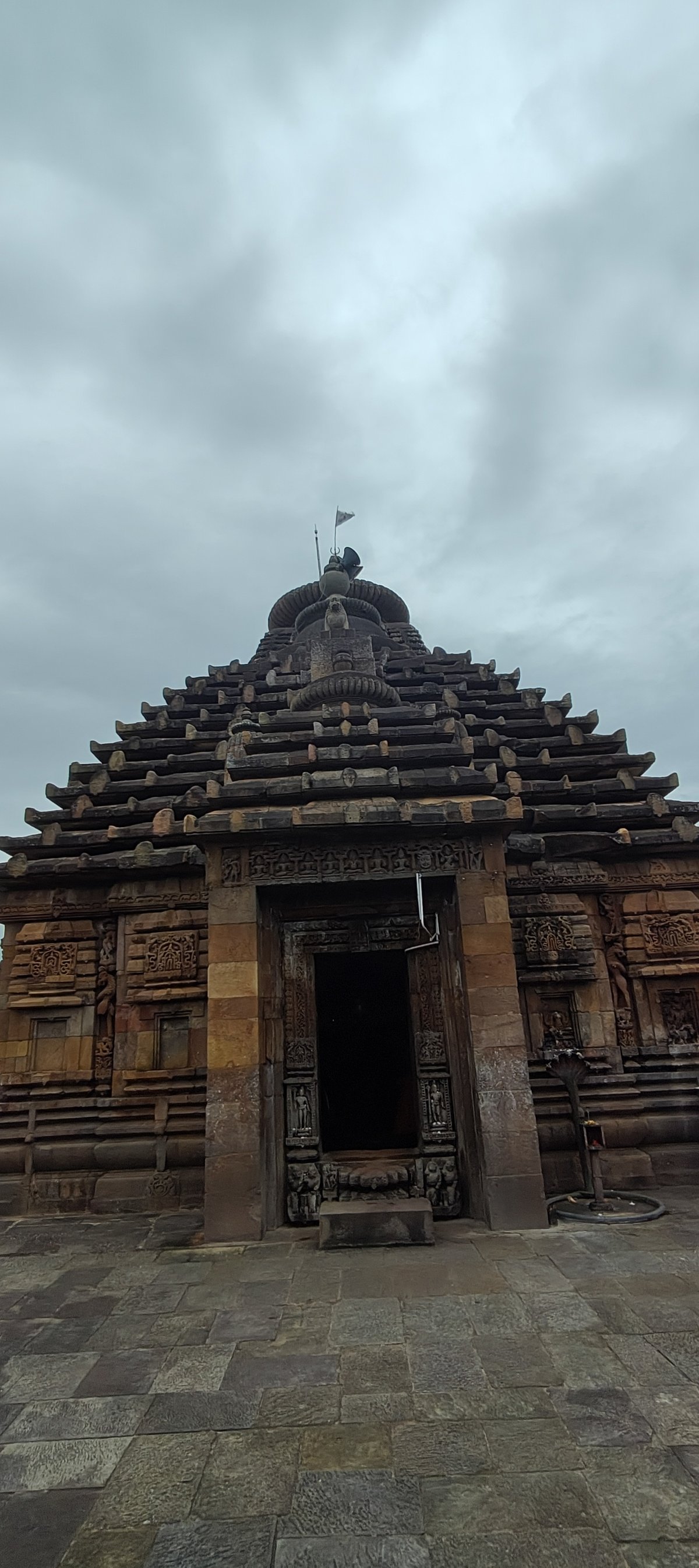
Nestled in the historic precincts of Old Town Bhubaneswar, Odisha, the Svapnesvara Siva Temple stands as a testament to India’s enduring Shaivite traditions and the masterful artistry of Kalinga architecture. While often overshadowed by grander temples like Lingaraj and Mukteswar, Svapnesvara offers a tranquil yet profound experience for visitors, illuminating Bhubaneswar’s rich spiritual and cultural tapestry. Constructed between the 10th and 12th centuries CE during the Somavamsi dynasty, the temple is an excellent example of the rekha deul typology, featuring a soaring curvilinear spire and elegant base mouldings (Discover Bhubaneswar; TravelSetu; Temples of India).
This guide provides essential information for visitors, including the temple’s historical context, architectural highlights, visiting hours, ticket details, accessibility, conservation efforts, travel tips, and recommendations for nearby attractions. Whether you are a history buff, architecture enthusiast, spiritual seeker, or casual traveler, understanding Svapnesvara’s legacy will enhance your Bhubaneswar experience (Native Planet; Indianetzone; WanderOn).
Historical Background and Cultural Significance
Origins and Context
The Svapnesvara Siva Temple, also referred to as Swapneswar, is one of the ancient shrines in Bhubaneswar, a city that once housed over 2,000 temples—of which around 700 remain today (Discover Bhubaneswar). The temple likely dates to the 10th–12th centuries CE, corresponding to the Somavamsi dynasty, a period marked by remarkable growth in temple architecture and Shaivite worship (TravelSetu).
Religious Importance
Dedicated to Lord Shiva, Svapnesvara is part of a network of revered Shaivite temples in Bhubaneswar, including Lingaraj, Mukteswar, and Kedar Gauri. Despite the sanctum being vacant today, the site remains spiritually significant, especially during Maha Shivaratri and Shraavana, drawing devotees to its hallowed precincts (Native Planet).
Architectural Features
Svapnesvara Siva Temple exemplifies the rekha deul style, prominent in Odisha’s temple architecture. Key features include:
- Orientation and Layout: East-facing, built on a high platform (pista) with three mouldings. The sanctum is square-shaped and adjoined by a frontal porch.
- Dimensions: Approximately 50.8 m in length, 5.75 m in width, and 0.92 m in height, with the main structure rising to 10 m.
- Elevation: Includes the bada (base), gandi (spire), and mastaka (crown). The bada is trianga (three-part) with ornate mouldings, the gandi is relatively plain with chaitya motifs, and the mastaka crowns the spire (Temples of India).
- Material: Constructed from locally sourced sandstone using dry masonry.
- Iconography: Decorative elements include Shaivite motifs, floral patterns, and guardian figures, reflecting a synthesis of Hindu, Buddhist, and Jain influences from Bhubaneswar’s medieval era.
Visiting Svapnesvara Siva Temple
Visiting Hours
- Open daily: 6:00 AM to 8:00 PM
- Best time to visit: October–March (pleasant weather)
Ticket Information
- Entry: Free for all visitors
- Donations: Voluntary contributions are welcomed for maintenance
How to Reach
- By Air: Biju Patnaik International Airport (approx. 5–6 km)
- By Train: Bhubaneswar Railway Station (approx. 4–5 km)
- By Road: Well-served by buses, auto-rickshaws, and taxis. Located in Gourinagar, Old Town Bhubaneswar.
Accessibility
- Mobility: Some areas have steps and uneven pathways; assistance can be arranged with local guides.
- Facilities: Basic amenities are available nearby, though the temple itself has limited infrastructure.
Travel Tips
- Dress Modestly: Cover shoulders and knees; remove footwear before entering.
- Photography: Allowed in outer precincts; avoid flash and seek permission inside sanctum.
- Guided Tours: Local guides are available for in-depth exploration of temple history and symbolism.
- Etiquette: Maintain decorum and silence, especially during rituals.
Conservation and Restoration
Preservation Efforts
- Archaeological Survey of India (ASI): Manages structural stabilization and periodic upkeep (Temples of India).
- INTACH & Local Bodies: Focus on cleaning, restoring motifs, and community engagement (New Indian Express).
- Challenges: Pollution of temple tanks, urban encroachment, and resource constraints threaten the temple’s environment and water bodies.
Environmental Concerns
- Temple Tanks: Suffering from pollution and aquifer depletion due to urbanization and borewell usage.
- Community Initiatives: Advocacy for reviving traditional water management, stakeholder involvement, and public awareness.
Nearby Attractions
Enhance your visit by exploring these Bhubaneswar historical sites:
- Lingaraj Temple: The city’s largest and most celebrated Shiva temple.
- Mukteswar Temple: Renowned for its intricate carvings.
- Rajarani Temple: Known for its unique spire and sculptural art.
- Bindusagar Lake: Sacred water body integral to temple rituals.
Explore these sites on heritage walks or guided tours to fully appreciate Bhubaneswar’s spiritual and architectural richness (WanderOn).
Responsible Tourism
- Respect temple rules and local customs.
- Support conservation through donations and by avoiding litter.
- Use eco-friendly transport and refillable water bottles.
- Patronize local artisans and vendors.
- Participate in heritage walks and cultural programs for deeper engagement.
Frequently Asked Questions (FAQs)
Q: What are the visiting hours of Svapnesvara Siva Temple?
A: The temple is open daily from 6:00 AM to 8:00 PM, with possible midday breaks for rituals.
Q: Is there an entry fee?
A: No, entry is free. Donations for upkeep are appreciated.
Q: Are guided tours available?
A: Yes, local guides can be hired for informative tours.
Q: How accessible is the temple for differently-abled visitors?
A: There are steps and uneven pathways; assistance is recommended.
Q: Is photography allowed?
A: Photography is allowed in outer areas; seek permission for interior shots.
Q: What is the best season to visit?
A: October to March, for pleasant weather and festival celebrations.
Listen to the full story in the app
The whole Svapnesvara Siva Temple,
told well.
Audio guides for 1,100+ cities across 96 countries. History, stories, and local insight — offline ready.

Verified, and shown.
Researched and written by the Audiala editorial team from historical records, architectural archives, and local expertise.
Researched from Wikidata, Wikipedia & official sources · fact-checked · How we make our guides →