Plan and listen to Sivatirtha Matha, Old Town with Audiala.
Audio guide in your pocket, itinerary in your browser. Built for the way you actually visit.
Introduction: The Living Legacy of Sivatirtha Matha
Sivatirtha Matha, nestled in the vibrant Old Town of Bhubaneswar, is a cornerstone of the city’s Shaiva heritage and an enduring monument to Odisha’s spiritual and architectural traditions. Bhubaneswar, renowned as the “City of Temples,” flourished between the 8th and 12th centuries CE as a hub of Saivism, with mathas and temples shaping its unique religious landscape. Sivatirtha Matha, believed to have originated between the 11th and 13th centuries, is not only a center for Shaiva monasticism but also a living testament to the city’s medieval history (Blogbadi; Wikipedia: Bharati Matha Temple).
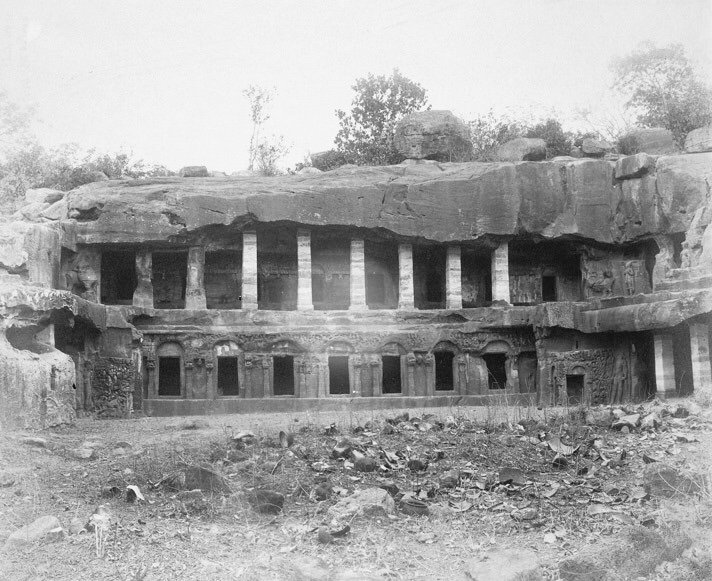
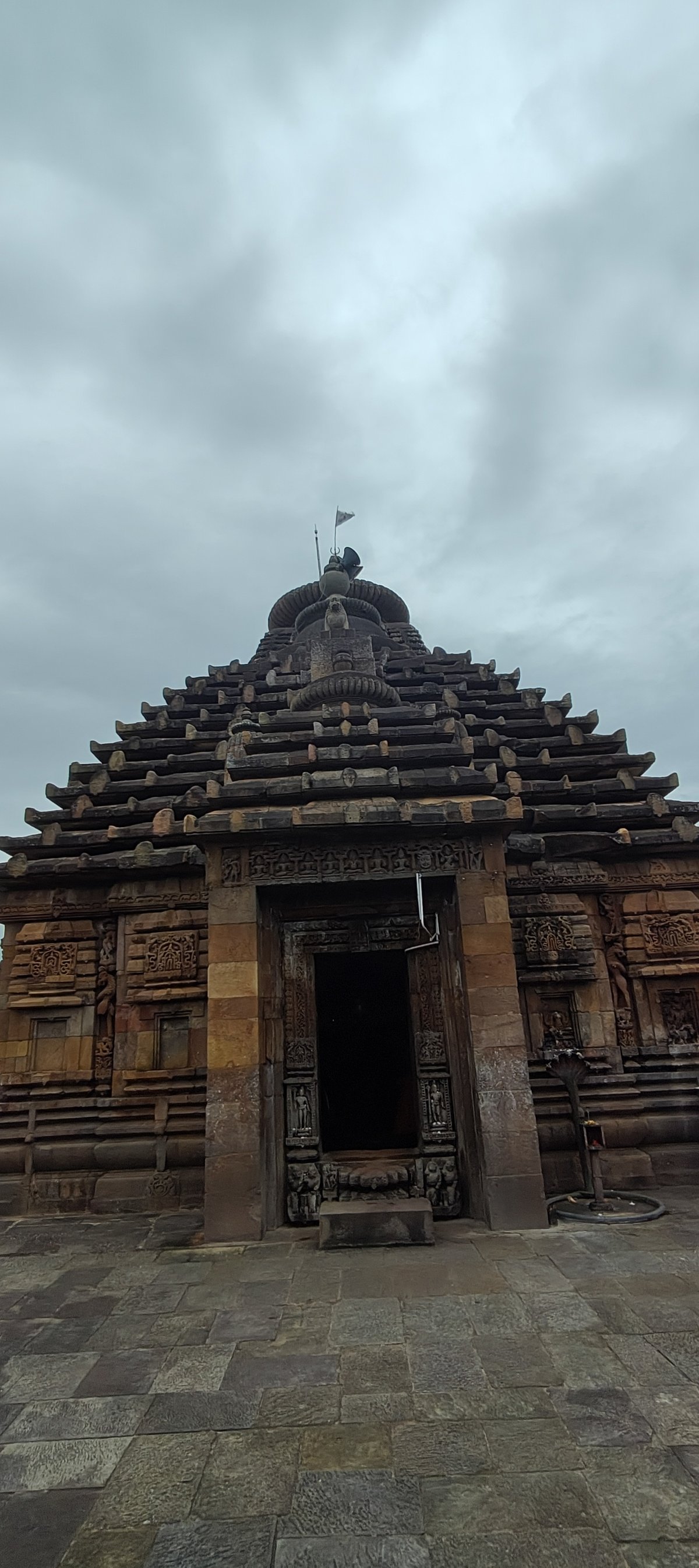
Distinctive for its traditional Odishan architecture, Sivatirtha Matha features intricately carved stone pillars, sculpted doorways, and a unique cluster of samadhi mandirs (burial temples) that honor revered ascetics and spiritual leaders. Its proximity to iconic sites such as the Lingaraj Temple and Bharati Matha situates it within a dense sacred network, enriching the city’s spiritual geography (Wikipedia: Bharati Matha Temple; TourMyIndia).
Beyond its architectural splendor, Sivatirtha Matha is a vibrant center for Shaiva rituals, festivals like Maha Shivaratri, educational outreach, and cultural preservation. Its accessible visiting hours, free entry policy, and welcoming atmosphere make it an inviting destination for pilgrims, historians, and tourists alike.
Historical Evolution of Sivatirtha Matha
Sivatirtha Matha’s origins are intertwined with the rise of Shaiva monasticism in Odisha. As Bhubaneswar emerged as a major center of Saivism, mathas like Sivatirtha became pivotal in nurturing religious learning, spiritual practice, and the continuity of sacred traditions. While its exact founding date is uncertain, architectural cues place its establishment in the late medieval era, likely between the 11th and 13th centuries (Wikipedia: Bharati Matha Temple).
The matha has historically served both as a monastery and as a center for the preservation of Shaiva rituals, often in collaboration with the neighboring Lingaraj Temple, one of Bhubaneswar’s most revered shrines (Wikipedia: Lingaraja Temple).
Architectural Features and Layout
Monastic Compound and Orientation
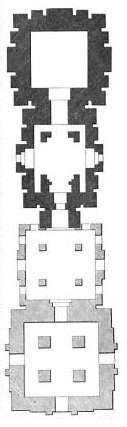
Sivatirtha Matha exemplifies classic Odishan architectural elements. Its compound, facing east at Rathagada Chowk just 30 meters from the northern gateway of Lingaraj Temple, is thoughtfully organized with a central courtyard, monks’ quarters, shrines, and areas for rituals (Wikipedia; Orissa Guide). The spatial layout supports both residential life and communal worship.
Samadhi Mandirs (Burial Temples)
A signature feature is the cluster of thirteen samadhi mandirs honoring past mahants and spiritual leaders. Arranged in one and a half rows, these temples follow the pidha deul order—characterized by a stepped pyramidal roof (gandi), a solid base (bada), and a crowning mastaka (Orissa Guide; Touristlink). Their modest yet dignified design reflects their commemorative, rather than purely decorative, purpose.
Ritual and Community Spaces
The matha includes a consecration area for the annual Rath Yatra chariot logs, a pankti bhogo (community dining hall) for festival feasts, and residential quarters for monks and visiting scholars. The use of laterite and sandstone, common in Bhubaneswar’s temples, lends the matha both resilience and aesthetic warmth.
Religious and Cultural Significance
Sivatirtha Matha is a hub for Shaiva worship, scriptural study, and major festivals. Its mahants oversee daily rituals, festival celebrations, and the maintenance of the samadhi mandirs. Special observances—particularly Maha Shivaratri—draw thousands of devotees for night-long vigils, elaborate pujas, and processions (Sambalpuriverse). The matha also plays a pivotal role in ritual processions and the consecration of items for the adjacent Lingaraj Temple.
Preservation and Contemporary Relevance
Despite the passage of centuries, Sivatirtha Matha remains an active monastery. Ongoing preservation efforts, supported by heritage organizations and the Archaeological Survey of India, ensure the matha’s architectural and spiritual legacy endures. Educational and charitable programs, community feasts, and cultural performances keep the matha vibrant and relevant in contemporary Bhubaneswar (WanderOn: Bhubaneswar).
Practical Visitor Information
Location and Accessibility
- Address: Rathagada Chowk, Old Town, Bhubaneswar
- Access: Walkable from Lingaraj Temple; reachable by auto-rickshaw, taxi, or city bus; 4 km from Bhubaneswar Railway Station and 4.1 km from Biju Patnaik International Airport (Orissa Guide)
Visiting Hours and Ticket Information
- Hours: 6:00 AM – 8:00 PM daily (extended during major festivals)
- Entry: Free; donations encouraged for maintenance
Etiquette and Facilities
- Dress Modestly: Shoulders and knees covered
- Footwear: Remove before entering shrines or ritual areas
- Photography: Permitted in exteriors, but seek permission indoors or during rituals
- Facilities: Drinking water, rest areas, clean washrooms, ramps, and volunteer assistance for those with mobility needs
Guided Tours and Accessibility
- Guided Tours: Available via local operators or the Ekamra Heritage Walks, which include the matha (Ekamra Walks)
- Accessibility: Wheelchair accessible in most areas, but some stone pathways may require assistance
Nearby Attractions
- Lingaraj Temple
- Mukteswara Temple
- Rajarani Temple
- Odisha State Museum
Combining these sites offers a full immersion into Bhubaneswar’s sacred and architectural heritage.
Major Festivals and Rituals
Maha Shivaratri
Celebrated annually in February or March, Maha Shivaratri is the matha’s principal festival. Features include fasting, night-long worship, Mahadipa Darshan, and special pujas, with vibrant processions and devotional music enhancing the spiritual atmosphere (Sambalpuriverse).
Kartik Purnima and Other Observances
Kartik Purnima (Oct–Nov) involves ritual baths in Bindusagar Lake and lamp-lighting ceremonies. Pradosha Vrata and Shravan Mondays also feature unique rituals and offerings.
Daily Rituals
- Mangala Arati: Pre-dawn Vedic worship
- Midday & Evening Pujas: Offerings of flowers, fruits, and bilva leaves
- Bhajans and Kirtans: Evening devotional singing attracts locals and pilgrims (Ekamra Walks)
Community Activities and Heritage Walks
- Annadana: Free community meals during festivals
- Cultural Events: Odissi dance, classical music, and educational workshops on Shaivism
- Heritage Walks: The matha is a highlight on the Ekamra Heritage Walks, which connect visitors to the region’s sacred traditions and sites
Visitor Experience and Travel Tips
- Best Time to Visit: Early morning or late afternoon for rituals and architecture
- Festival Days: Arrive early for a good viewing spot; expect larger crowds
- Local Guides: Enhance your visit by joining heritage walks or arranging a guided tour
Frequently Asked Questions (FAQs)
Q: What are the visiting hours of Sivatirtha Matha?
A: Daily from 6:00 AM to 8:00 PM (hours may extend during festivals).
Q: Is there an entry fee?
A: No; entry is free, but donations are appreciated.
Q: Are guided tours available?
A: Yes, through local operators and the Ekamra Heritage Walks.
Q: Is the matha wheelchair accessible?
A: Most areas are accessible; assistance is available for those with mobility needs.
Q: Can tourists participate in rituals?
A: Most rituals are open for observation; some inner sanctum activities may be reserved for Hindus.
Q: How do I reach Sivatirtha Matha?
A: It is easily accessible by public transport, taxi, or on foot from other Old Town sites.
Related Articles and Internal Links
- Top Temples to Visit in Bhubaneswar
- Guide to Shaiva Monastic Institutions in Odisha
- Exploring Burial Temples of India
Listen to the full story in the app
The whole Sivatirtha Matha, Old Town,
told well.
Audio guides for 1,100+ cities across 96 countries. History, stories, and local insight — offline ready.

Verified, and shown.
Researched and written by the Audiala editorial team from historical records, architectural archives, and local expertise.
Researched from Wikidata, Wikipedia & official sources · fact-checked · How we make our guides →