History and Development of NH 503
Early Origins and Strategic Importance
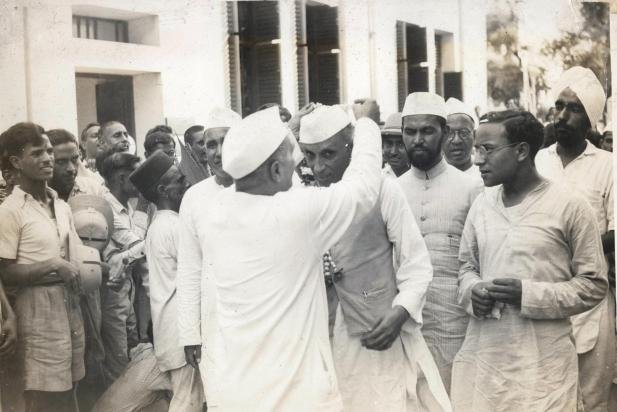
NH 503’s roots go deep, following paths used for centuries by traders and pilgrims moving between Punjab and the Himalayas. With India’s independence and the creation of a unified highway network, these ancient routes were upgraded into national highways, cementing NH 503’s role in economic and strategic connectivity.
Phased Development and Expansion
Initial Construction and Upgradation
The highway’s development began with upgrading state and district roads, widening carriageways, and constructing bridges to ensure all-weather connectivity. The route was designed to link significant urban centers and support the economic and social needs of the region.
Integration and Modernization
NH 503 was further expanded under the National Highways Development Project, with significant portions widened and realigned to bypass congested areas. The government’s continuous push resulted in record construction speeds and the implementation of advanced safety measures (PIB, 2024).
Route Alignment and Key Junctions
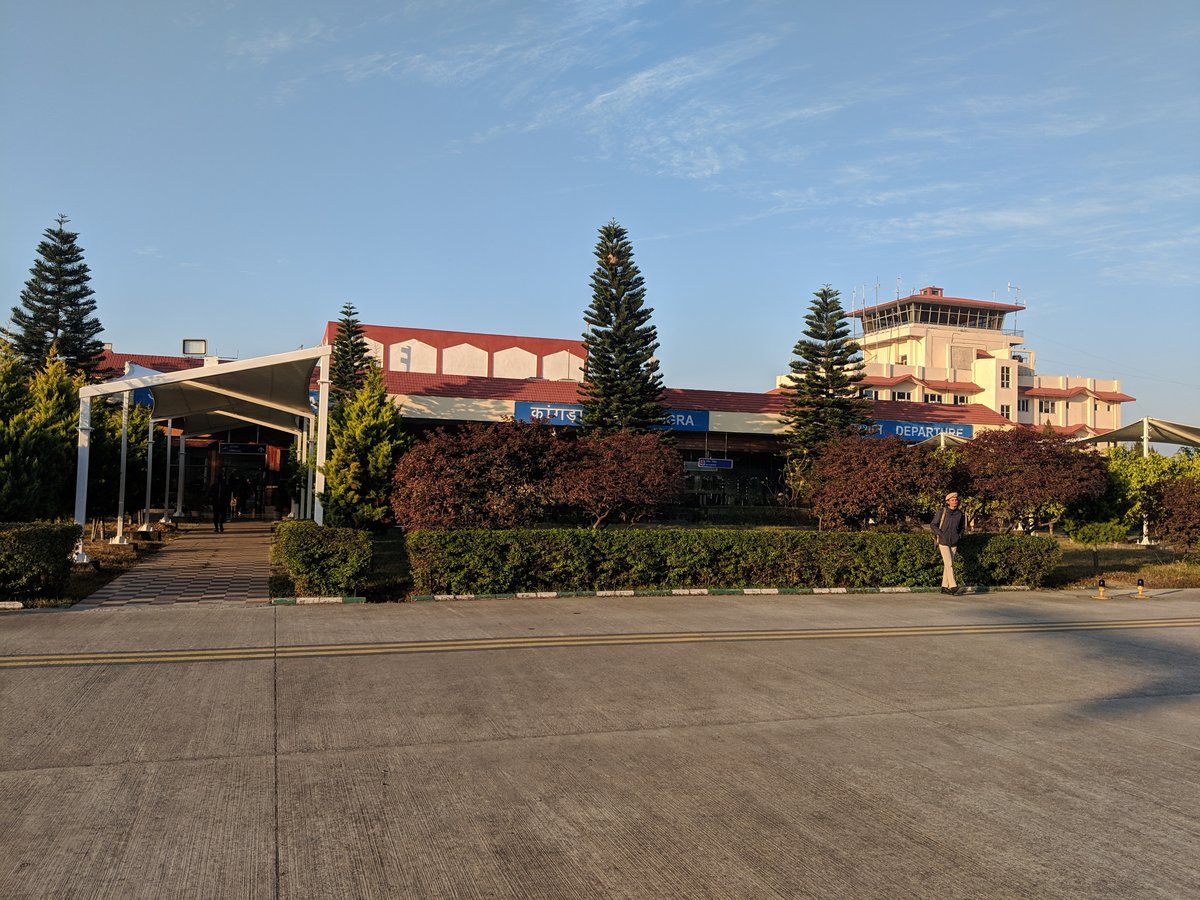
Starting at Una near the Punjab border, NH 503 traverses Anandpur Sahib, Kangra, Dharamshala, and culminates at McLeod Ganj. It intersects with other key highways, including NH 3 and NH 154, enabling seamless travel to other parts of Himachal Pradesh and neighboring states (Wikiwand).
Economic, Social, and Strategic Impact
Boost to Tourism
NH 503 underpins Himachal Pradesh’s thriving tourism sector, offering easy access to popular and offbeat destinations. Improved infrastructure has increased tourist arrivals and supported community-driven tourism (Indian Visit).
Regional Development
Enhanced connectivity facilitates the movement of agricultural products, handicrafts, and industrial goods, while also improving access to essential services in remote communities. Over 99% of rural habitations now benefit from all-weather roads (PIB, 2024).
Strategic Significance
NH 503’s proximity to the international border enhances national security, allowing rapid movement of defense personnel and equipment.
Construction Challenges and Environmental Concerns
Geographical and Climatic Hurdles
The mountainous terrain and unpredictable weather pose significant challenges, with landslides and flash floods being common during monsoon. Engineering solutions such as slope stabilization and real-time monitoring have been implemented (Rough Guides).
Environmental and Social Considerations
Highway expansion has necessitated environmental safeguards, including compensatory afforestation and wildlife corridors. Preserving local heritage and minimizing social displacement remain priorities (Indian Visit).
Recent Investments and Future Plans
Major government investments, including projects worth thousands of crores, aim to further upgrade NH 503 with widened lanes, better safety, and integration into national initiatives like Bharatmala Pariyojana (Economic Times; PIB, 2024). Technological upgrades—such as electronic tolling and real-time traffic updates—are also being rolled out.
Cultural and Heritage Significance
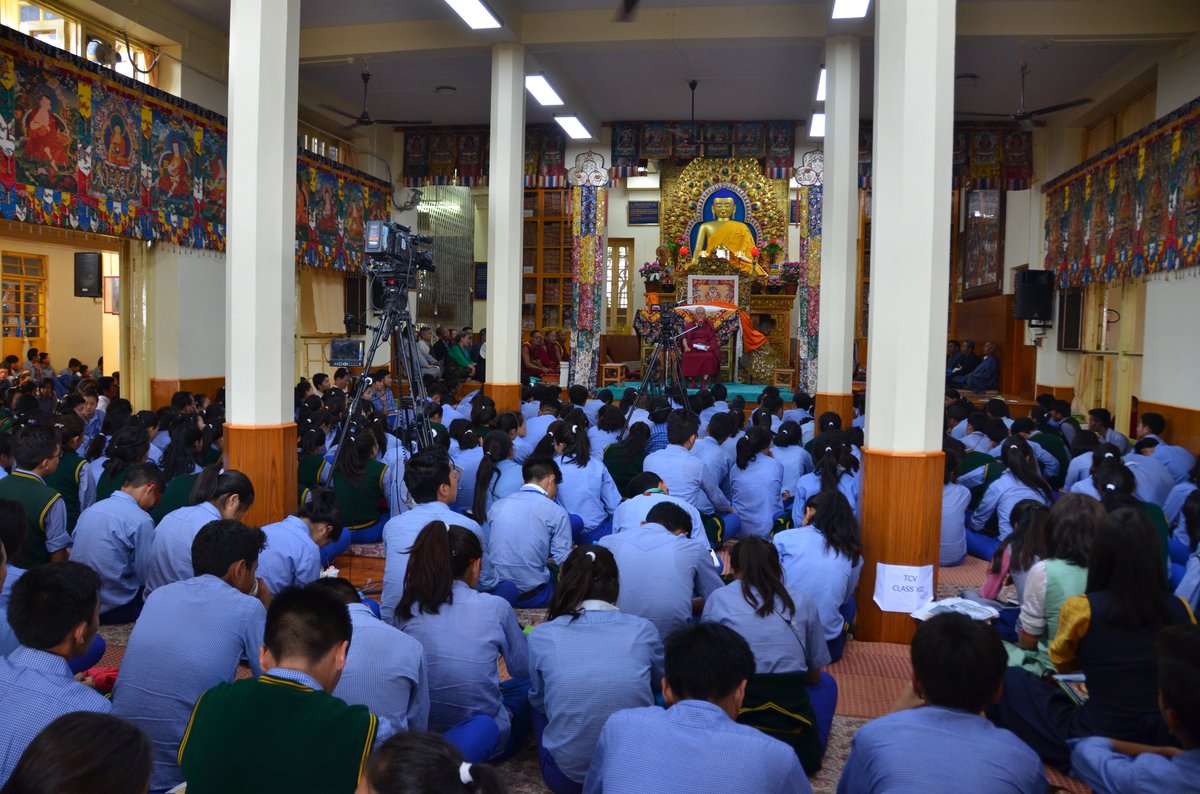
NH 503 is a living conduit of Himachal’s diverse culture, passing through regions known for ancient temples, Tibetan monasteries, and colonial-era architecture. Major festivals like Losar and Kullu Dussehra draw visitors from across India and abroad (Rough Guides).
Visitor Information: Hours, Tickets, and Travel Tips
Highway Accessibility
- NH 503 Open 24/7; no highway entry fees.
- Attractions Visiting hours generally range from 9:00 AM to 6:00 PM for forts and temples; check individual sites for specifics.
Tickets and Permits
Some attractions (e.g., Kangra Fort, Masroor Temples) charge entry fees. No special permits are required for NH 503, but permits may be necessary for restricted border areas.
Guided Tours and Special Events
Guided tours are available at major attractions and during local festivals. Advance booking is recommended during peak seasons.
Photographic Spots
Scenic viewpoints abound along the route, especially in Kangra Valley and near tea gardens.
Travel Tips
- Best Time to Visit March–June and September–November.
- Road Conditions Well-maintained, but landslides are possible during monsoon.
- Amenities Fuel, food, and emergency services are available in major towns; sparse in remote areas.
- Local Cuisine Sample Himachali dishes like Chha Gosht and Siddu.
Key Destinations and Attractions
Kangra Fort
- Hours 9:00 AM – 6:00 PM
- Tickets ₹20 (Indians), ₹300 (foreigners)
- Features Ancient fort, temples, panoramic views (hptourtravel.com)
Masroor Rock Cut Temples
- Hours 8:00 AM – 5:30 PM
- Tickets ₹30 (Indians), ₹100 (foreigners)
- Features Monolithic temples, limited wheelchair access
Dharamshala & McLeod Ganj
- Tsuglagkhang Complex 9:00 AM – 5:00 PM, free entry
- Bhagsu Waterfall/Temple 6:00 AM – 8:00 PM, free entry
- Namgyal Monastery 10:00 AM – 4:00 PM, donations welcome
Palampur
- Attractions Tea gardens, Tashi Jong Monastery, Neugal Khad (travellingslacker.com)
Baijnath Temple
- Hours 6:00 AM – 8:00 PM, free entry
- Features Medieval Shiva temple (travellingslacker.com)
Jawalamukhi Temple
- Hours 5:00 AM – 9:00 PM, free entry, wheelchair accessible
Pragpur & Garli
- Features Heritage villages, colonial mansions, walking tours
Andretta
- Features Artists’ village, Sobha Singh Art Gallery, pottery workshops
Chamunda Devi Temple & Gopalpur Zoo
- Features Religious site and family-friendly zoo near Palampur
Tea Gardens and Scenic Drives
- Route Palampur–Dharamshala stretch; panoramic views and local cuisine (travelmax.in)
Practical Travel Tips
- Transport Private vehicles, state-run buses, and taxis are common. Book in advance during peak seasons (travelmax.in).
- Accommodation Range from luxury resorts to homestays; book ahead in high season.
- Packing Layered clothing, sturdy shoes, sunscreen, rain gear, first-aid kit.
- Safety Monitor weather, check road conditions, and carry emergency contacts.
Notable Festivals and Events
- Losar (McLeod Ganj) Tibetan New Year, February–March
- Navratri (Jawalamukhi) Major Hindu festival, March–April or September–October
- Kangra Valley Summer Festival Celebrates local arts and culture (travellingslacker.com)
Offbeat Experiences
- Trekking Triund, Kareri Lake, tea estate trails
- Village Homestays Experience local life and cuisine
- Workshops Pottery and art in Andretta
Accessibility and Connectivity
NH 503 is being continually upgraded for better accessibility and safety. For real-time updates, refer to NHAI or HPPWD.
Frequently Asked Questions (FAQ)
Q1: What are the highway’s road conditions?
A1: Generally good, but check for weather-related updates, especially during monsoon.
Q2: Are tickets required for the highway?
A2: No, but some attractions charge entrance fees.
Q3: When is the best time to visit?
A3: March–June and September–November are ideal.
Q4: Are guided tours available?
A4: Yes, especially at Kangra Fort and McLeod Ganj.
Q5: How to stay connected on the route?
A5: Use local SIM cards (Jio, Airtel); Wi-Fi in hotels and cafes.
Summary and Recommendations
NH 503 is a dynamic blend of natural splendor, cultural richness, and historical grandeur. With seamless connectivity, varied attractions, and a range of experiences—from trekking and birdwatching to temple visits and tea garden strolls—it offers something for every traveler. Plan visits during favorable seasons, respect local customs, and support sustainable tourism for a fulfilling journey (PIB, 2024; Economic Times; Indian Visit; travellingslacker.com; Travel Destination Club).
For live updates, maps, and exclusive travel tips, download the Audiala app and follow us on social media.