

Ancient and Mythological Foundations
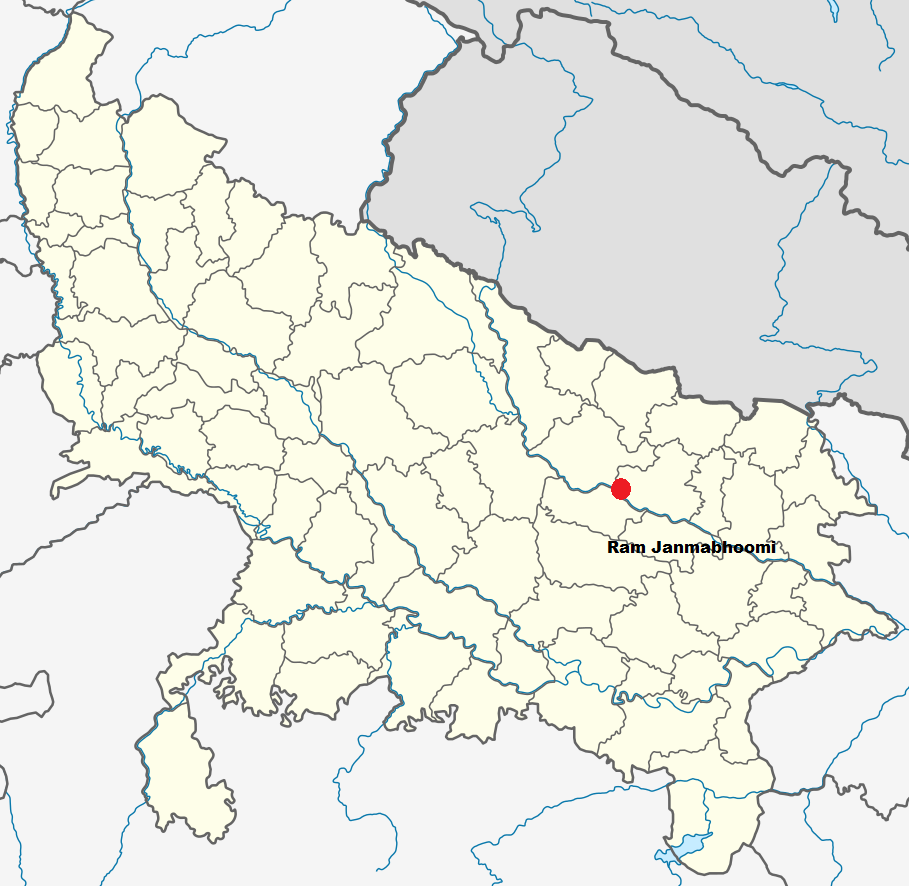
Ayodhya’s roots are woven into some of the oldest Hindu scriptures. The Ramayana, attributed to sage Valmiki, describes Ayodhya as the utopian capital of the Kosala kingdom, ruled by King Dasharatha and his son, Rama (lordhanuman.org). The Mahabharata and Puranas also reference Ayodhya, reinforcing its place in ancient Indian consciousness. Sites such as Ram Janmabhoomi, Ramkot, and Guptar Ghat anchor these legends in the city’s physical landscape (tripcosmos.co).
Archaeological and Historical Landscape
Excavations by figures like Alexander Cunningham and B.B. Lal have unearthed evidence of Ayodhya’s antiquity, including remains from the 5th century BCE (dhramshala.in). Artifacts and inscriptions—like the Vishnu Hari Shila Phalak—indicate an enduring continuum of religious and civic activity. The city, historically known as Saketa, was a flourishing center along major trade routes, shaping its cosmopolitan identity (pilgrimagetour.in).
Spiritual Significance Across Faiths
Ayodhya is a sacred confluence for Hindu, Jain, and Buddhist traditions. For Jains, it is the birthplace of Rishabhadeva. Under the Mauryan emperor Ashoka, Ayodhya became a center for Buddhist study, with stupas and viharas established across the region (dhramshala.in, lordhanuman.org). This interfaith heritage is visible in the city’s diverse religious architecture and ongoing traditions of pilgrimage.
Dynastic and Cultural Flourishing
Rulers such as the Guptas (3rd–6th centuries CE) fostered a golden age of artistic and spiritual activity in Ayodhya (dhramshala.in). Subsequent centuries saw the city influenced by the kingdoms of Kannauj, the Delhi Sultanate, and the Mughal Empire, each leaving a distinct architectural and cultural imprint (traveltriangle.com).
Ram Janmabhoomi: From Controversy to Harmony
The Ram Janmabhoomi site, believed to be Rama’s birthplace, was marked in the 16th century by the construction of the Babri Masjid atop earlier Hindu structures (pilgrimagetour.in). Centuries of contestation culminated in the 1992 demolition and a prolonged legal battle. The 2019 Supreme Court decision allocated the site for a new Ram temple, with the first phase of consecration completed in January 2024. The temple complex, once fully completed, is poised to become one of India’s most significant spiritual landmarks (tfipost.com).
Visiting Hours, Tickets, and Travel Tips
Major Temples’ Timings:
- Ram Janmabhoomi Mandir 5:00 AM–9:00 PM
- Hanuman Garhi 6:00 AM–8:00 PM
- Kanak Bhawan 5:00 AM–8:00 PM
- Nageshwarnath Temple 5:00 AM–8:00 PM
- Treta Ke Thakur 6:00 AM–7:00 PM
Entry:
- Entry to most temples is free. Special darshan or guided tours may require tickets or donations.
- During festivals (Ram Navami, Diwali), online registration or advance booking is recommended due to crowds.
Accessibility:
- Ramps and assistance are increasingly available at major sites.
- Comfortable footwear is advised for extended walking and uneven terrain.
Accommodation:
- Ranges from budget lodges to luxury hotels, with options concentrated near the city center and ghats.
- Book early during festival seasons.
Guided Tours:
- Available through local operators and pilgrimage agencies; booking ahead is suggested during peak times.
Festivals and Cultural Events
Ayodhya’s calendar is rich with festivals that animate the city’s spiritual and cultural life.
- Diwali The city glows with millions of lamps to celebrate Rama’s return from exile.
- Ram Navami Draws immense crowds for processions and temple rituals.
- Navratri, Dussehra, and Makar Sankranti Feature a blend of religious observances and communal celebrations (ayodhyacity.co.in).
Modern Infrastructure and Tourism
Recent years have brought robust infrastructural improvements—new airport, enhanced roads, and riverfront beautification. The city now welcomes millions of pilgrims and tourists annually, with expanded hospitality options and improved public amenities (tfipost.com).
Key Historical Sites: Hours & Entry Details
- Ram Janmabhoomi Mandir 5:00 AM–9:00 PM. Free entry; special darshan tickets available (tripcosmos.co).
- Hanuman Garhi 6:00 AM–8:00 PM (akbartravels.com).
- Kanak Bhawan 5:00 AM–8:00 PM (traveltriangle.com).
- Guptar Ghat Open daily, no entry fee (tripcosmos.co).
- Treta Ke Thakur 6:00 AM–7:00 PM (tripcosmos.co).
- Mani Parvat & Sugriv Parvat Open for visitors; guided tours recommended (tripcosmos.co).
- Nageshwarnath Temple 5:00 AM–8:00 PM (tripcosmos.co).
Frequently Asked Questions (FAQ)
Q: What are the Ram Janmabhoomi Mandir visiting hours?
A: Daily from 5:00 AM to 9:00 PM.
Q: Do temples in Ayodhya require tickets?
A: Entry is usually free; some special darshan or tours may require tickets/donations.
Q: How can I book guided tours?
A: Book via official websites or local agencies.
Q: Best time to visit Ayodhya?
A: October–March, coinciding with major festivals and pleasant weather.
Q: Are accommodations nearby?
A: Yes—ranging from budget to luxury near the main temples and riverfront.
Q: Is Ayodhya accessible for differently-abled visitors?
A: Major sites have improved accessibility; check specifics in advance.
Planning Your Visit
- Travel Accessible by air (Maharishi Valmiki International Airport), rail (Ayodhya Junction), and road.
- Local Transport Auto-rickshaws, e-rickshaws, and taxis are widely available.
- Dress Code Modest, respectful attire is encouraged.
- Safety Stay alert in crowds, use authorized transport, and respect local customs.
- Health Drink only bottled water and eat at reputable venues.
Tip: Download the Audiala app for real-time updates, guided tours, and festival alerts.
Summary and Visitor Recommendations
Ayodhya harmonizes ancient myth, historical evidence, and vibrant spiritual traditions. The Ram Janmabhoomi Mandir and other sacred sites offer a profound pilgrimage experience, while the city’s festivals and local culture provide a unique immersion into India’s living heritage. Respect local customs, plan your itinerary around major festivals, and utilize available resources for a seamless journey (tripcosmos.co, traveltriangle.com, ayodhyacity.co.in).
For real-time guidance, ticketing, and audio tours, the Audiala app can enhance your experience. Stay informed via official resources and plan early during peak seasons for the best hospitality and access.
A journey to Ayodhya is not just a visit—it is an immersion into the heart of India’s spiritual and cultural identity (tfipost.com, akbartravels.com).