Dehing Patkai National Park
AssamIndia 27° N · 95° E Updated Apr 2026
An Italian engineer named this Assam coal town after a European queen in 1880. Gateway to the WWII Stilwell Road and the Dehing Patkai rainforest.
 Photo: Vikramjit Kakati · CC BY-SA 3.0
- Time needed
- 2-3 days
- Entry
- Free to explore; guided forest walks vary by operator
- Access
- Town centre is walkable; rainforest and Stilwell Road require 4WD and sturdy footwear
- Best season
- Winter (October–February)
Somewhere in the far northeast of India, an Italian engineer named a coal town after his queen, and nobody bothered to change it back. Margherita, tucked into Assam's Tinsukia district near the Myanmar border, wears its strange colonial inheritance with the quiet confidence of a place that has outlasted every empire that tried to claim it. Come here for the oldest industrial story in Assam, a rainforest that earned comparisons to the Amazon, and a World War II road that once connected India to China.
The town sits where the Dihing River bends through hills thick with dipterocarp forest, and the air carries the layered scent of tea leaves, damp earth, and coal dust — sometimes all three at once. Before the British arrived with railways and extraction plans, the local name was Ma-Kum, meaning "Abode of all tribes." That older identity still pulses beneath the surface in Singpho villages and Buddhist monasteries scattered through the surrounding hills.
Margherita doesn't try to charm you the way Darjeeling or Shillong might. It's rougher, more honest, and far less visited. The reward is proportional to the effort: you get tea gardens without the crowds, colonial ruins without the polish, and a rainforest canopy so dense it swallows sound. Keep cash in your pocket — digital payments are unreliable here — and pack insect repellent like your comfort depends on it, because it does.
The best window for visiting runs from October through February, when the monsoon retreats and the humidity drops to something survivable. Fly into Dibrugarh's Mohanbari Airport, about 55 kilometers west, and take a taxi through tea country. The drive alone sets the tone.
What to see
-
Dehing Patkai Wildlife Sanctuary
Called "the Amazon of the East" — a comparison that's generous but not entirely wrong — Dehing Patkai covers roughly 111 square kilometers of lowland tropical rainforest, an area about half the size of the city of Pittsburgh. The canopy is dense enough to block most direct sunlight, and the forest floor stays perpetually damp, smelling of rotting leaves and wild orchids. Hoolock gibbons swing through the upper branches, and if you're quiet and lucky, you might spot a clouded leopard's tracks in the mud near a stream crossing. The sanctuary borders Margherita's southern edge, making it one of the few places in India where heavy industry and primary rainforest exist within a short drive of each other. Hire a local guide — the trails are unmarked and the leeches are enthusiastic. -
The Tea Gardens of Margherita
Margherita's tea estates — Namdang, Dirak, and the eponymous Margherita Tea Estate among them — don't operate as polished tourist attractions. They're working plantations where pluckers move through waist-high bushes in the early morning mist, filling baskets that weigh as much as a small child by midday. The best way to experience them is to ask at your accommodation about visiting a local estate; some allow informal tours, and the tea served fresh at the processing sheds tastes nothing like what arrives in boxes three months later. The gardens also preserve a scattering of British-era planter bungalows, their deep verandas and corrugated roofs designed for a life of humidity and gin. A few heritage clubs and a golf course survive from that era, though the fairways have seen better decades. -
Coal Heritage Park and the Road to Ledo
The small Coal Heritage Park opposite Margherita's railway station collects mining equipment, underground telephone systems, and locomotive models into a single open-air display. It's modest — you can see everything in twenty minutes — but it grounds the town's identity in something tangible. From here, the road to Ledo runs about 10 kilometers northeast, passing through country that looks unremarkable until you remember that American military convoys once jammed this route bumper to bumper, hauling supplies toward the Patkai hills and China beyond. A weathered milestone marks the start of the Stilwell Road. Stand there and look east: the hills rise into cloud, and the forest thickens into a wall of green. The road kept going for 1,700 kilometers. The milestone just stands.
Plan your visit
- Getting There
- Fly into Dibrugarh (Mohanbari) Airport, roughly 55 km west — about 90 minutes by taxi depending on road conditions and tea-garden traffic. From Tinsukia, the nearest major railway junction, Margherita is a 30 km drive east. No direct trains run into Margherita itself, so you'll need a hired car or shared auto from Tinsukia station.
- Opening Hours
- Margherita is an open town, not a ticketed site, so there are no gates or closing times. The Coal Heritage Park & Museum near the railway station keeps irregular hours — as of 2025, expect it open roughly 10:00–16:00 on weekdays, though it may close without notice on government holidays. Tea gardens that allow visits typically welcome guests between 09:00 and 14:00; call ahead.
- Time Needed
- A focused day trip covers the Coal Heritage Museum, a tea garden visit, and a walk through the colonial-era bungalow quarter. Two to three days lets you add the Dehing Patkai rainforest, a Singpho village stay, and the drive toward the Stilwell Road at Ledo — that route alone eats half a day. Rushing Margherita defeats its purpose; the town rewards slowness.
- Accessibility
- Margherita's terrain is flat in town but turns muddy and uneven quickly once you head toward the rainforest or coal-mining remnants at Tipong. Wheelchair access is essentially nonexistent at heritage sites and forest trails. The Coal Heritage Park has paved ground but no ramps; tea garden paths are compacted earth that becomes slippery after rain.
Photo Gallery


History
Coal, Tea, and a Queen's Name on a Foreign River
Margherita's history reads like a ledger of extraction — coal pulled from hillsides, timber stripped from forests, tea plucked from gardens that stretched to the horizon. The Assam Railways & Trading Company drove much of this enterprise from the 1880s onward, laying narrow-gauge track through terrain so uncooperative that bridges had to be rebuilt after every monsoon season. The town became Assam's oldest industrial township, a distinction it holds to this day.
But industry alone doesn't explain the place. Margherita sat at the edge of empire, where British India met the dense, ungovernable hills leading into Burma. That geographic fact made it a staging ground for one of the most audacious engineering projects of the Second World War — and gave it a layered identity that neither coal nor tea can fully account for.
The turning point
Chevalier Paganini and the Name That Stuck
According to local tradition, the town owes its name to an Italian engineer called Chevalier Roberto Paganini, who arrived around 1880 to supervise the construction of a bridge over the Dihing River. Paganini, far from home and apparently feeling sentimental, christened the settlement after Queen Margherita Maria Teresa Giovani, the consort of Italy's King Umberto I. A competing story attributes the name to the daughter of Dr. John Berry White, a British physician who died in the region in the late 1870s. Neither account has been conclusively verified.
What's certain is that the name replaced Ma-Kum, the indigenous designation, and that the change stuck through more than a century of upheaval. The Italian queen never visited. Dr. White's daughter, if she existed, left no other trace. Yet the name persists — a small colonial accident frozen in place, now printed on railway timetables and tea-chest labels alike.
Paganini's bridge is long gone, rebuilt and replaced many times over. But his act of naming proved more durable than anything he built from iron and stone.
The Stilwell Road and the War That Passed Through
Tipong and the Forgotten Plywood Factory
Tips for visitors
Visit October to February
Monsoon rains between June and September turn forest trails into ankle-deep mud and can wash out the road toward Ledo. Winter months (November–January) bring dry air, morning fog that burns off by 10:00, and temperatures around 15–22°C — perfect for walking tea gardens without dissolving into sweat.Carry Cash Always
Digital payments are unreliable outside the main bazaar. ATMs exist in Margherita town center, but they run dry on weekends — withdraw what you need in Tinsukia or Dibrugarh before arriving.Don't Skip Tipong
Most visitors stick to the main road and miss Tipong, about 15 km south, where the ruins of Asia's oldest plywood factory and abandoned coal mines sit quietly rotting into the forest. Hire a local guide — the overgrown paths are easy to lose, and the stories of the Assam Railways & Trading Company are better heard than read.Eat at Local Dhabas
The dhabas along the Margherita–Ledo road serve Assamese thalis with smoked pork, bamboo shoot curry, and black rice for under ₹150. Skip anything marketed to tourists near the railway station — the food is blander and costs twice as much.Check Permit Requirements
Traveling beyond Ledo toward the Pangsau Pass and Myanmar border requires an Inner Line Permit or Protected Area Permit for non-Assam residents and foreigners. Apply through the Changlang district administration at least a week in advance — showing up without paperwork means turning around.Pack Serious Repellent
The Dehing Patkai rainforest earns its "Amazon of the East" nickname partly through its mosquitoes. Bring DEET-based repellent and long sleeves — leeches are common on forest trails during and just after the monsoon season.
Frequently asked
Is Margherita Assam worth visiting?
Yes, if you're drawn to places where industrial history and rainforest collide in ways that don't show up on standard itineraries. Margherita sits at the edge of the Dehing Patkai — one of the largest lowland rainforests east of the Brahmaputra — and is the closest town to the start of the Stilwell Road, the WWII supply route that took 17,000 American soldiers and an unknown number of lives to carve through the Patkai hills into Burma. Most visitors to Assam stop at Kaziranga and turn back. That's their loss.
How long do you need at Margherita?
Two to three days covers the town itself and the main draws around it. One day for the Coal Heritage Park, a tea garden visit, and the colonial-era streets; a second day for the Dehing Patkai Wildlife Sanctuary or the drive toward Ledo and the Stilwell Road start point. Add a third if you want to reach Tipong, where the ruins of Asia's oldest plywood factory sit largely unvisited, about 15 km from town.
How do I get to Margherita from Dibrugarh?
The nearest airport is Dibrugarh's Mohanbari Airport, roughly 55 km from Margherita — about the same distance as London Heathrow to central Cambridge. Taxis are available at the airport and take around 90 minutes depending on road conditions. Alternatively, Tinsukia is the major rail hub; from there, Margherita is accessible by road in under an hour.
What is Margherita Assam known for?
Margherita is known as Assam's 'Coal Queen' — it was the engine room of the region's coal, tea, and timber industries under the Assam Railways & Trading Company, making it the oldest industrial township in the state. The town is also the gateway to the Stilwell Road, the 1,736-km Allied supply route built from 1942 that connected Ledo to Kunming, China, passing through some of the most difficult terrain on earth.
Why is Margherita called Margherita?
Two competing stories exist, and neither is fully verified. The more widely cited account attributes the name to Italian engineer Chevalier Roberto Paganini, who around 1880 named the settlement after Queen Margherita of Italy during construction of a bridge over the Dihing River. A second theory holds it was named after the daughter of British doctor John Berry White, who died in the region in the late 1870s. Before either story, the area was called Ma-Kum — meaning 'abode of all tribes' — which tells you something about how completely the colonial period rewrote the place.
What is the best time to visit Margherita Assam?
October through February, when the monsoon has cleared and temperatures sit between roughly 10°C and 25°C — cool enough for forest walks, clear enough for views toward the Patkai hills. Avoid June to September if you're planning anything outdoors; the region receives heavy rainfall and jungle trails become genuinely difficult. The tea gardens look their best in spring, around March to April, when new flush growth turns the estates a bright, almost electric green.
Do I need a permit to visit Margherita or the Stilwell Road?
Margherita town itself is freely accessible. Travel further along the Stilwell Road toward the Pangsau Pass and the Myanmar border requires an Inner Line Permit (ILP) for Indian nationals from outside Assam, and additional permissions for foreign nationals. Arrange these in advance through the district administration in Changlang or Tinsukia — don't assume you can sort it on arrival at a remote checkpoint.
What wildlife can you see near Margherita?
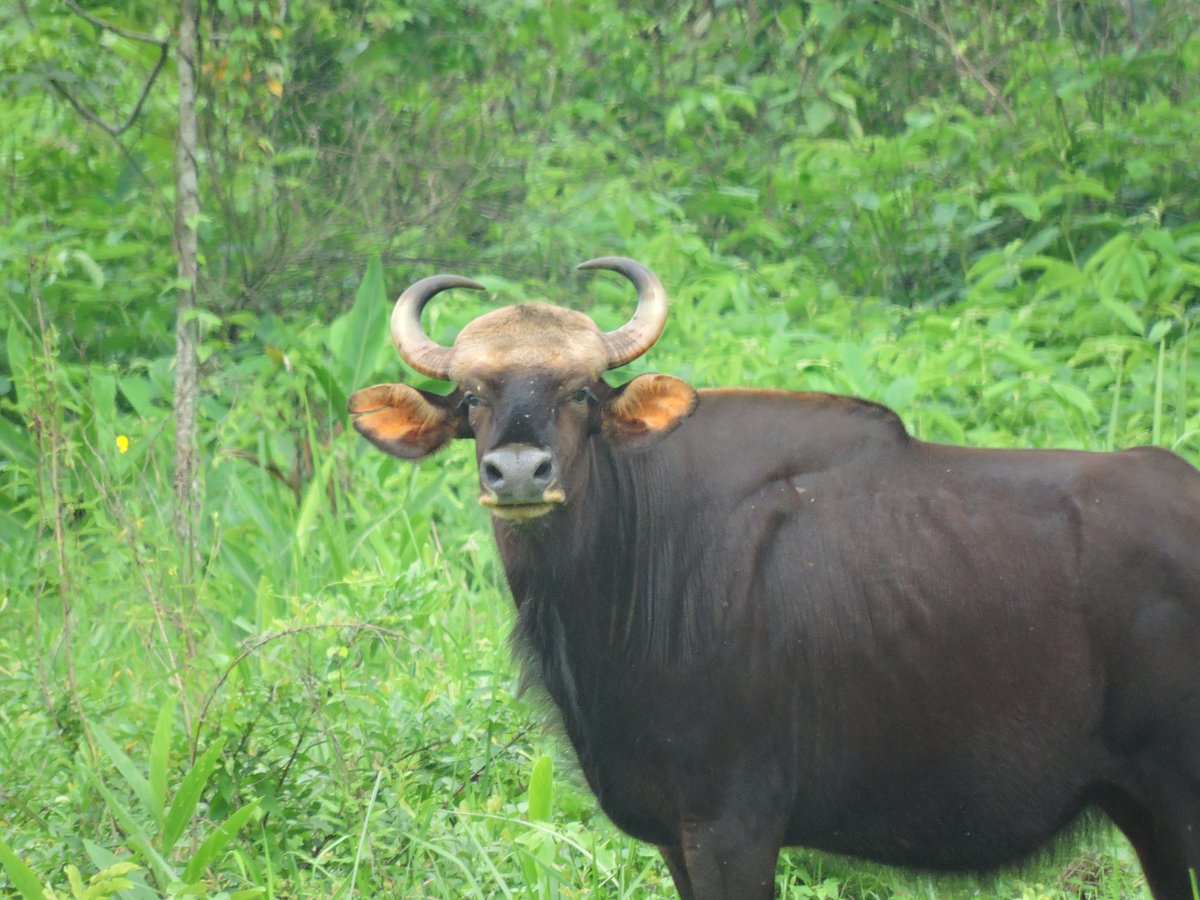
The Dehing Patkai Wildlife Sanctuary, bordering the town, shelters elephants, clouded leopards, Hoolock gibbons, and over 300 bird species in what researchers sometimes call the 'Amazon of the East' — a lowland dipterocarp rainforest that covers roughly 111 sq km, an area slightly larger than Paris within the périphérique. Guided forest walks are the most reliable way to see wildlife; the dense canopy makes self-guided spotting difficult.
Sources & attribution 8
- SoloBackpacker — Stilwell Road — Source for the naming theories behind 'Margherita', the original name Ma-Kum, the Coal Heritage Park details, and the 'Coal Queen' moniker.
- Margherita Urban Development Authority — Source for Margherita's status as the oldest industrial township in Assam and its role in tea, coal, and timber industries under the AR&T Company.
- Kaziranga National Park — Stilwell Road Overview — Source for WWII logistics context, colonial-era bungalows and golf courses, practical travel tips including weather and terrain preparation.
- Kaziranga National Park — AR&T Company and Asia's Oldest Plywood Factory — Source for the Tipong region, the AR&T Company history, and Asia's oldest plywood factory ruins.
- Changlang NIC — Stilwell Road / Ledo Road — Source for WWII context and the Stilwell Road's construction starting in 1942.
- Wikipedia — Margherita, Assam — Source for local tea estates including Namdang, Dirak, and Margherita Tea Estate.
- India-Guide — Margherita — Source for best time to visit (October to February) and general visitor planning information.
- Assam Tourism — Dibru-Saikhowa National Park — Source for transport access: Dibrugarh airport distance and Tinsukia as the nearest major rail hub.
Built from cited sources · see the method · How we make our guides →
More in Assam.
2 places to discover — a few worth pairing.

Pick up where you left off
Saved and recently read places — kept on this device only.
Photo credits (8)
- Margherita Assam India — Vikramjit Kakati — CC BY-SA 3.0 (https://creativecommons.org/licenses/by-sa/3.0/) — Source: https://commons.wikimedia.org/wiki/File:Margherita_Assam_India.jpg
- A view of Coal Heritage museum — পৰশমণি বড়া — CC BY-SA 3.0 (https://creativecommons.org/licenses/by-sa/3.0/) — Source: https://commons.wikimedia.org/wiki/File:A_view_of_Coal_Heritage_museum.jpg
- Railway bridge margherita — Nasrsyed — CC BY-SA 4.0 (https://creativecommons.org/licenses/by-sa/4.0/) — Source: https://commons.wikimedia.org/wiki/File:Railway_bridge_margherita.jpg
- Tea Garden in Tinsukia District — Keshabn — CC BY-SA 3.0 (https://creativecommons.org/licenses/by-sa/3.0/) — Source: https://commons.wikimedia.org/wiki/File:Tea_Garden_in_Tinsukia_District.JPG
- Randia P1100166 — Rohit Naniwadekar — CC BY-SA 4.0 (https://creativecommons.org/licenses/by-sa/4.0/) — Source: https://commons.wikimedia.org/wiki/File:Randia_P1100166.jpg
- Plant animal interaction nectary P1100136 — Rohit Naniwadekar — CC BY-SA 4.0 (https://creativecommons.org/licenses/by-sa/4.0/) — Source: https://commons.wikimedia.org/wiki/File:Plant_animal_interaction_nectary_P1100136.jpg
- Randia P1100164 — Rohit Naniwadekar — CC BY-SA 4.0 (https://creativecommons.org/licenses/by-sa/4.0/) — Source: https://commons.wikimedia.org/wiki/File:Randia_P1100164.jpg
- Saprosma ternatum P1100108 — Rohit Naniwadekar — CC BY-SA 4.0 (https://creativecommons.org/licenses/by-sa/4.0/) — Source: https://commons.wikimedia.org/wiki/File:Saprosma_ternatum_P1100108.jpg
Photos may have been resized or cropped.