Plan and listen to Gurdwara Baba Atal with Audiala.
Audio guide in your pocket, itinerary in your browser. Built for the way you actually visit.
Introduction
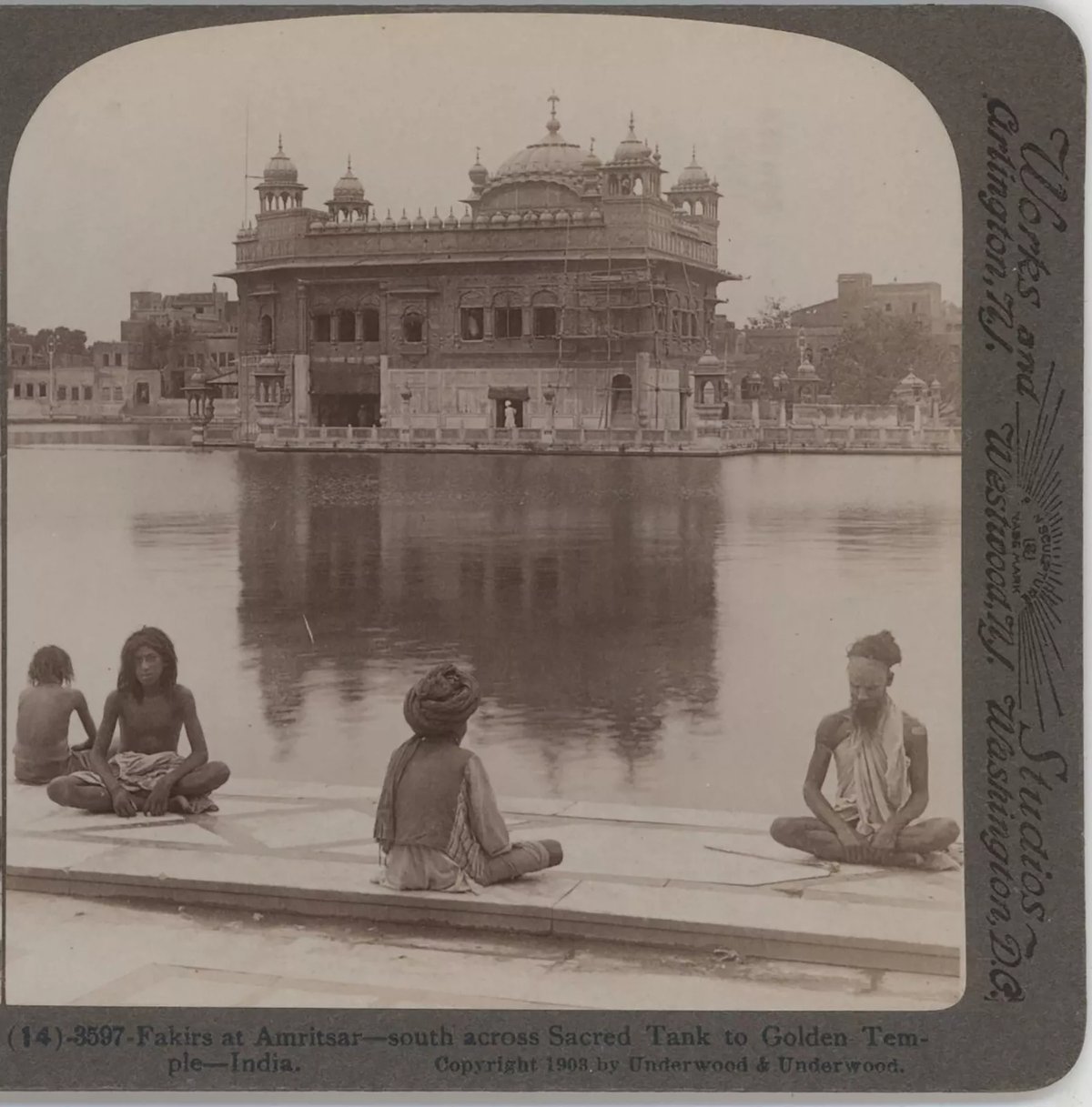
Gurdwara Baba Atal Sahib, one of Amritsar’s most iconic landmarks, stands as a symbol of Sikh spirituality, youthful wisdom, and architectural grandeur. Located just south of the Golden Temple, this nine-storey octagonal tower commemorates Baba Atal Rai, the son of the sixth Sikh Guru, Guru Hargobind Sahib. The monument's unique design and enduring cultural practices offer visitors a profound connection to Sikh history and community life. This detailed guide explores the Gurdwara’s origins, architecture, significance, visiting hours, accessibility, travel tips, and more, ensuring an enriching experience for every visitor.


Origins and Early History
Baba Atal Rai, born in 1619 CE, was renowned for his spiritual depth even as a child. At the age of nine, he revived his friend Mohan, who had died from a snakebite—an act that, while miraculous, was discouraged in Sikhism as misuse of spiritual power. Recognizing this, Baba Atal Rai chose to relinquish his own life through meditation in 1628 CE. The site of his cremation became a revered location, inspiring the eventual construction of the Gurdwara (World Gurudwaras).
Architectural Features and Symbolism
Towering Structure:
The Gurdwara’s nine-storey octagonal tower, rising 40–45 meters, is the tallest in Amritsar. Each floor represents a year in Baba Atal Rai’s short but impactful life. The octagonal plan is rare among Sikh shrines and symbolizes completeness and eternity (Sadda Pind).
Entrances and Doors:
The ground floor features four ornately decorated doors, primarily facing east, crafted from silver and brass, reflecting Punjab’s rich artistic heritage.
Interior and Murals:
The interior is adorned with murals and frescoes depicting scenes from Sikh history. While many have faded, several panels remain, showcasing the artistic traditions of Punjab.
Dome and Gilding:
The gilded dome atop the tower, added during Maharaja Ranjit Singh’s period, visually connects the shrine with the Golden Temple, reinforcing spiritual unity (Golden Temple Amritsar Tour).
Central Sanctum:
On the ground floor, the sanctum enshrines the Guru Granth Sahib under a beautiful brass canopy, where daily recitations and kirtan take place.
Materials:
Traditional brick, lime mortar, and gold leaf finishes are used throughout, exemplifying North Indian craftsmanship.
Historical and Cultural Significance
Gurdwara Baba Atal Sahib is not only a memorial to Baba Atal Rai’s spiritual insight and humility but also a symbol of Sikh values—obedience, submission to divine will, and the importance of service to humanity. Its proximity to the Golden Temple makes it a vital part of Amritsar’s sacred geography. The site also houses samadhs (memorials) for notable Sikh leaders, linking it to broader Sikh history (World Gurudwaras).
Rituals and Community Traditions
A distinctive practice at Gurdwara Baba Atal Sahib is the distribution of “pakkian pakaian” (well-baked bread), reflecting Baba Atal Rai’s legendary generosity. The tradition of langar (community kitchen) is also strong here, with free vegetarian meals served to all visitors, exemplifying Sikh ideals of equality and charity (World Gurudwaras).
Visiting Hours, Tickets & Accessibility
- Visiting Hours:
- Most sources agree on opening times between 4:00 AM and 10:00 PM daily, with some variation for early morning prayers.
- Entry Fee:
- There is no fee; entry is free for all.
- Accessibility:
- The ground floor is wheelchair accessible, with ramps and wide entrances.
- The upper floors (tower) are accessible only by stairs; assistance is advised for those with mobility challenges (myguru.in).
Travel Tips & Nearby Attractions
- Location:
- Located just 135–200 meters south of the Golden Temple in Amritsar, easily reached on foot or by local transport.
- Best Time to Visit:
- Early mornings or late afternoons are quieter and cooler.
- Nearby Attractions:
- Golden Temple (Sri Harmandir Sahib), Akal Takht Sahib, Gurdwara Mata Kaulan, Jallianwala Bagh, and local markets (Native Planet).
- Guided Tours:
- Local guides and volunteers offer historical insights; organized tours may be booked through Amritsar tourism or Sikh heritage groups.
Facilities and Amenities
- Langar:
- 24/7 vegetarian meal service for all visitors.
- Restrooms:
- Clean facilities available on-site.
- Drinking Water:
- Filtered water stations provided.
- Shoe Storage:
- Complimentary, secure shoe storage near the entrance.
- Seating Areas:
- Benches and shaded spaces for rest.
Visitor Etiquette and Dress Code
- Head Covering:
- Mandatory for all; scarves are available or bring your own.
- Footwear:
- Remove shoes before entry; storage provided.
- Modest Clothing:
- Wear attire covering arms and legs.
- Cleanliness:
- Wash hands and feet before entering the prayer hall.
- Silence and Respect:
- Maintain a quiet atmosphere; phones on silent.
- Photography:
- Permitted in outer areas; discouraged or prohibited in the prayer hall and near the Guru Granth Sahib.
Accessibility for Differently-Abled Visitors
- Ground Floor:
- Wheelchair accessible with ramps.
- Upper Floors:
- Only accessible by stairs; assistance recommended for those with mobility issues (myguru.in).
Special Events and Guided Tours
- Festivals:
- Major Sikh festivals (e.g., Guru Nanak Gurpurab, Vaisakhi) are celebrated with fervor.
- Guided Tours:
- Volunteers and staff often provide information; tours can be arranged via local operators.
- Photographic Opportunities:
- The exterior, murals, and panoramic terrace views are popular for photography.
Frequently Asked Questions (FAQs)
Q: What are the visiting hours of Gurdwara Baba Atal Sahib?
A: Open daily from 4:00 AM to 10:00 PM (timings may vary slightly by season).
Q: Is there an entry fee?
A: No, entry is free for all visitors.
Q: Are guided tours available?
A: Local volunteers offer insights; organized tours are available through tourism services.
Q: Is photography allowed?
A: Yes, in outer areas; restricted in the prayer hall.
Q: How accessible is the Gurdwara?
A: The ground floor is accessible; upper floors require stair access.
Q: What amenities are available?
A: Free meals (langar), restrooms, filtered water, shoe storage, and seating areas.
Listen to the full story in the app
The whole Gurdwara Baba Atal,
told well.
Audio guides for 1,100+ cities across 96 countries. History, stories, and local insight — offline ready.
Verified, and shown.
Researched and written by the Audiala editorial team from historical records, architectural archives, and local expertise.
Researched from Wikidata, Wikipedia & official sources · fact-checked · How we make our guides →