Plan and listen to Hutheesing Jain Temple with Audiala.
Audio guide in your pocket, itinerary in your browser. Built for the way you actually visit.
Introduction to Hathi Singh Jain Temple
The Hathi Singh Jain Temple, an architectural marvel located in Ahmedabad, India, stands as a testament to Jain cultural and religious heritage. Commissioned in 1848 by Seth Hathi Singh, a wealthy merchant and a prominent figure in the Jain community, this temple is dedicated to Dharmanatha, the fifteenth Tirthankara of Jainism (source). Completed in 1850 under the supervision of Shethani Harkunwar, Hathi Singh's wife, the temple exemplifies the intricate Maru-Gurjara style of architecture, characterized by detailed carvings, sculptures, and the extensive use of white marble (source).
Spanning approximately 10,000 square meters, the Hathi Singh Jain Temple complex includes a main shrine housing a 2.5-meter-tall idol of Dharmanatha, surrounded by 52 smaller shrines dedicated to various Tirthankaras. It is not only a significant place of worship for Jains but also a hub for various cultural and religious activities, including festivals and educational programs aimed at promoting Jain philosophy (source).
Visitors to the temple are often captivated by its serene atmosphere and architectural grandeur. The temple is open to people of all faiths and provides an enriching experience through its museum housing ancient manuscripts and religious relics. This guide aims to offer comprehensive information on visiting the Hathi Singh Jain Temple, including historical insights, architectural highlights, visitor guidelines, and travel tips to ensure a fulfilling visit.
Hathi Singh Jain Temple - Visiting Hours, Ticket Information, and Historical Insights
Foundation and Construction
The Hathi Singh Jain Temple, located in Ahmedabad, India, is a significant religious and historical landmark. The temple was commissioned in 1848 by Seth Hathi Singh, a wealthy trader and prominent member of the Jain community. The construction of the temple was completed in 1850, two years after Hathi Singh's death, under the supervision of his wife, Shethani Harkunvar. The temple is dedicated to Dharmanatha, the fifteenth Tirthankara of Jainism.
Architectural Design
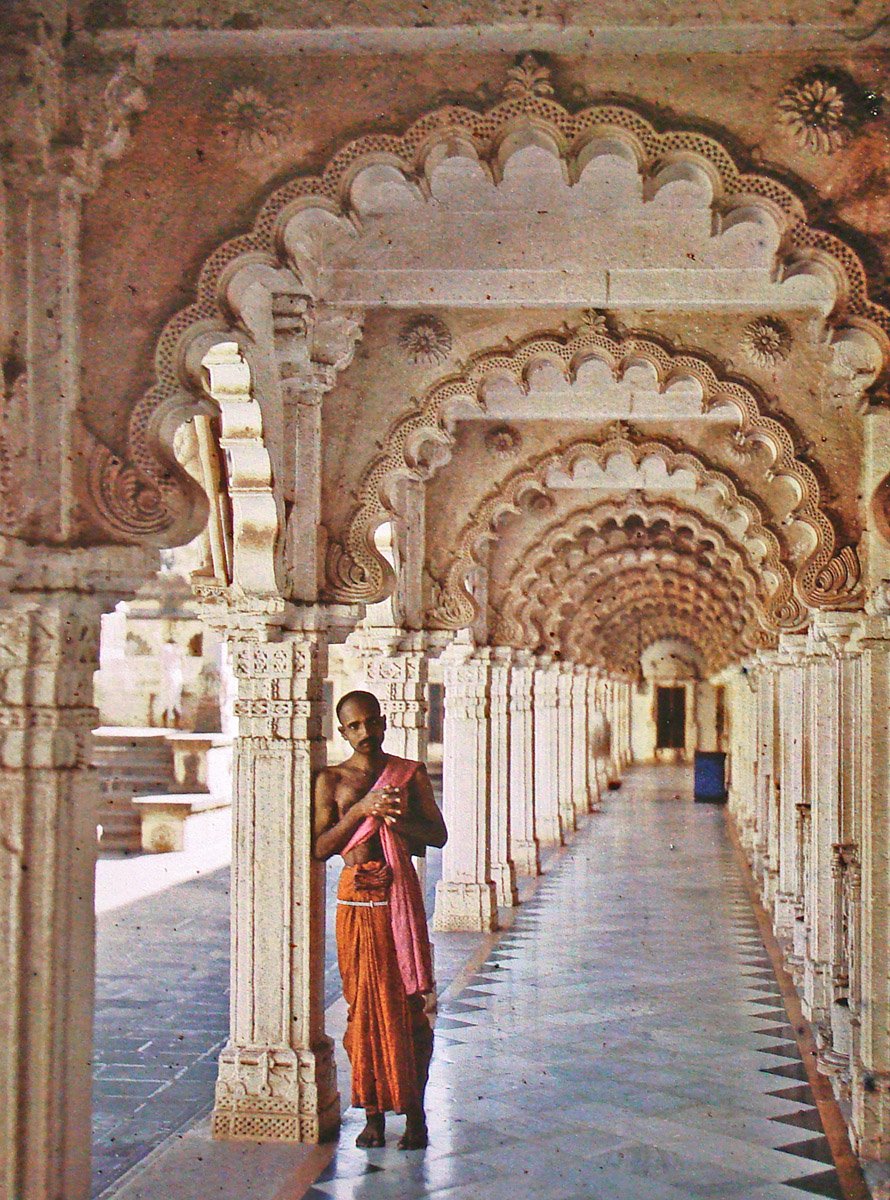
The temple is renowned for its intricate architectural design, which is a fine example of the Maru-Gurjara style, also known as the Solanki style. This style is characterized by its elaborate carvings, detailed sculptures, and the use of white marble. The temple complex covers an area of approximately 10,000 square meters and includes a central shrine, a large courtyard, and numerous subsidiary shrines.
The main shrine houses an idol of Dharmanatha, which is made of white marble and stands about 2.5 meters tall. The idol is adorned with precious stones and intricate carvings, reflecting the high level of craftsmanship that went into its creation. Surrounding the main shrine are 52 smaller shrines, each dedicated to different Tirthankaras, making the temple a significant pilgrimage site for Jains.
Cultural and Religious Significance
The Hathi Singh Jain Temple holds immense cultural and religious significance for the Jain community. It serves as a place of worship, meditation, and community gatherings. The temple is also a center for various religious activities, including festivals, rituals, and educational programs aimed at promoting Jain philosophy and values.
One of the most important festivals celebrated at the temple is Paryushana, an eight-day festival that is considered the most significant event in the Jain calendar. During this festival, devotees engage in fasting, prayer, and reflection, seeking forgiveness for their sins and striving to purify their souls. The temple becomes a hub of activity during Paryushana, with thousands of devotees visiting to participate in the rituals and ceremonies.
Historical Events and Preservation
Over the years, the Hathi Singh Jain Temple has witnessed several historical events and has undergone various preservation efforts to maintain its architectural integrity. During the Indian independence movement, the temple served as a meeting place for freedom fighters and social reformers. It was also a site for various community initiatives aimed at promoting education, healthcare, and social welfare.
In recent years, the temple has been the focus of several restoration projects aimed at preserving its historical and architectural significance. These efforts have included the cleaning and repair of the marble structures, the restoration of the intricate carvings, and the installation of modern amenities to accommodate the growing number of visitors. The temple is now managed by a trust that oversees its maintenance and ensures that it continues to serve as a place of worship and cultural heritage.
Architectural Highlights
The Hathi Singh Jain Temple is renowned for its architectural highlights, which include the intricately carved pillars, domes, and arches. The temple's façade is adorned with detailed sculptures depicting scenes from Jain mythology, as well as floral and geometric patterns. The central dome, which is supported by twelve ornate pillars, is a masterpiece of design and craftsmanship.
One of the most striking features of the temple is the Manastambha, or "column of honor," which stands at the entrance. This column is intricately carved with images of Tirthankaras and other religious symbols, and it serves as a symbol of the temple's spiritual significance. The temple also features a large courtyard, which is surrounded by a colonnade of beautifully carved pillars and arches.
Visitor Information
For those planning to visit, here is some essential information:
- Visiting Hours: The Hathi Singh Jain Temple is open from 6:00 AM to 8:00 PM every day.
- Tickets: There is no entry fee to visit the temple. Donations are welcome.
- Guidelines: Visitors are required to remove their shoes before entering the shrine, dress modestly, and maintain a quiet and respectful demeanor. Photography is allowed in certain areas but is prohibited during religious ceremonies.
Travel Tips
- Best Time to Visit: The best time to visit the Hathi Singh Jain Temple is during the winter months (November to February) when the weather is pleasant.
- Nearby Attractions: While in Ahmedabad, consider visiting other historical sites such as the Sabarmati Ashram, Sidi Saiyyed Mosque, and the Adalaj Stepwell.
- How to Get There: The temple is easily accessible by local transport. It is approximately 4 km from the Ahmedabad Railway Station and 12 km from Sardar Vallabhbhai Patel International Airport.
FAQ
- What are the visiting hours for Hathi Singh Jain Temple? The temple is open from 6:00 AM to 8:00 PM daily.
- How can I buy tickets for Hathi Singh Jain Temple? There is no entry fee, and no tickets are required. Donations are welcome.
- What are the guidelines for visitors? Remove shoes before entering, dress modestly, maintain silence, and avoid photography during ceremonies.
Visitor Experience
Visitors to the Hathi Singh Jain Temple can expect to be awed by its architectural beauty and serene atmosphere. The temple is open to people of all faiths, and visitors are encouraged to explore the various shrines and learn about Jain philosophy and traditions. The temple complex includes a museum that houses a collection of ancient manuscripts, artifacts, and religious relics, providing visitors with a deeper understanding of Jain history and culture.
To ensure a respectful and enjoyable visit, it is important for visitors to adhere to the temple's guidelines, which include removing shoes before entering the shrine, dressing modestly, and maintaining a quiet and respectful demeanor. Photography is allowed in certain areas of the temple, but visitors should be mindful of the rules and avoid taking pictures during religious ceremonies.
Discover More
For more updates and information, download our mobile app Audiala, check out related posts on our website, and follow us on social media.
Tickets & tours.
These are guided options from our partners — same price as booking direct.
Prices are indicative — final pricing and availability are confirmed at checkout. Audiala may earn a commission from bookings made through these links.
Listen to the full story in the app
The whole Hutheesing Jain Temple,
told well.
Audio guides for 1,100+ cities across 96 countries. History, stories, and local insight — offline ready.

Verified, and shown.
Researched and written by the Audiala editorial team from historical records, architectural archives, and local expertise.
Last reviewed
Researched from Wikidata, Wikipedia & official sources · fact-checked · How we make our guides →