About Gaekwad Haveli
Gaekwad Haveli, in the heart of Ahmedabad, India, is an 18th-century historical residence built by the Gaekwad dynasty. Its architecture blends Maratha and traditional Gujarati styles, and its carved woodwork, courtyards, and ornate balconies reflect the craftsmanship of the period (Discover the Historical and Cultural Significance of Gaekwad Haveli in Ahmedabad; Gaekwad Haveli - Visiting Hours, Tickets, and Historical Significance in Ahmedabad).
Today, the haveli is open to the public. Visitors can explore its rooms, courtyards, and balconies, and learn about its history through guided tours, exhibitions, and cultural events.
History
Origins and construction
Gaekwad Haveli dates to the late 18th century. It was built as a residential palace for the Gaekwad family, a prominent Maratha clan that ruled the princely state of Baroda, now Vadodara, in Gujarat. The residence also served as a symbol of the family’s power and prestige.
Architecture
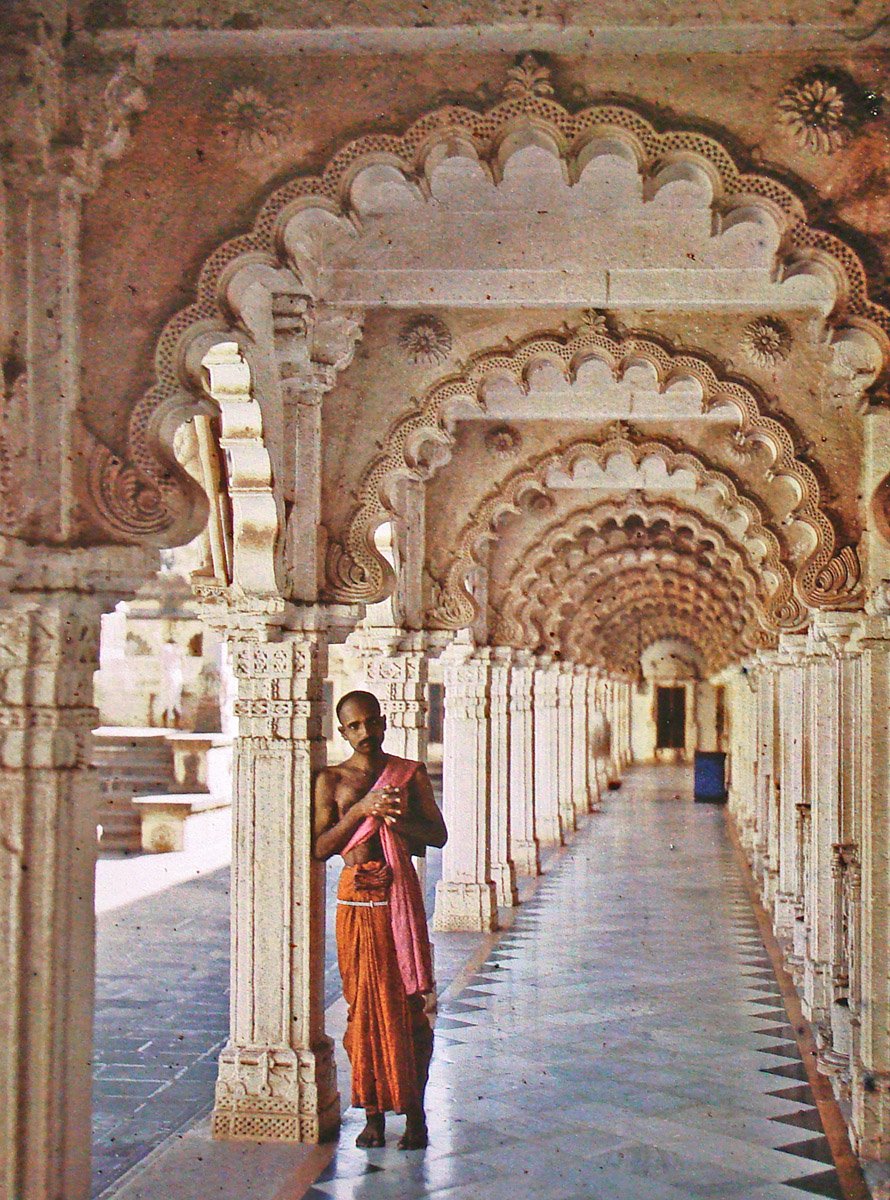
The haveli combines traditional Gujarati and Maratha styles. Its features include intricate wooden carvings, spacious courtyards, ornate balconies, detailed jharokhas (overhanging enclosed balconies), and chabutras (platforms). Locally sourced materials and traditional construction techniques reflect the craftsmanship of the period.
Historical role
During the British colonial period, the haveli was a strategic location for meetings and discussions between the Gaekwad rulers and British officials. It also hosted cultural and social gatherings and played a part in Ahmedabad’s socio-political life.
The Gaekwad dynasty was known for progressive policies and support for social reforms. Maharaja Sayajirao Gaekwad III, one of its most notable rulers, supported education and social welfare. During the Indian independence movement, the haveli served as a meeting hub and safe space for intellectuals and freedom fighters to discuss and plan ways to challenge British rule.
Preservation and cultural significance
Over time, the haveli faced neglect. The Archaeological Survey of India (ASI) and local heritage organizations have undertaken preservation and restoration work to maintain its structural integrity and historical significance. Projects have focused on repairing wooden carvings, reinforcing foundations, and preserving original architectural elements.
The haveli has featured in cultural events, exhibitions, and heritage walks organized by local tourism boards and cultural organizations. Its artifacts, paintings, and historical documents provide a resource for students and researchers studying Gujarat’s history and architecture. Educational institutions also organize field trips to explore the haveli’s architectural styles, cultural practices, and association with the Gaekwad dynasty.
What to see and do
Explore the haveli’s carved facades, rooms, courtyards, balconies, and other architectural details. These spaces offer insight into the lifestyle and history of the Gaekwad rulers. The haveli also offers picturesque spots for photography, particularly its carved facades and courtyards.
Cultural performances and exhibitions are among the special events held at the haveli. Check the official website or local listings for upcoming events during your visit.
Practical visiting information
Visiting hours and tickets
The haveli is open daily from 10 AM to 5 PM. Check with local authorities for any changes to the hours.
Ticket prices vary for adults, children, and international visitors. For detailed pricing, visit the official website of the Archaeological Survey of India.
Guided tours and photography
Guided tours are available and provide information about the haveli’s history, architecture, and significance. Photography is generally allowed, but check with the authorities for any restrictions.
Getting there
Gaekwad Haveli is in central Ahmedabad and is accessible by various modes of transportation. Sardar Vallabhbhai Patel International Airport is approximately 10 kilometers away. The haveli is also connected by road and rail; Ahmedabad Junction is the nearest railway station.
Visitor tips
As the haveli includes a private temple, modest dress is advisable. Comfortable clothing and footwear are recommended: exploring the site involves walking through narrow corridors and staircases, and visitors may need to walk through several sections.
The cooler months, from October to March, are the best time to visit to avoid the extreme summer heat.
The area around the haveli has eateries serving Ahmedabad street food, including dhokla, khandvi, and fafda. Nearby markets and shops offer traditional Gujarati handicrafts, textiles, and jewelry, from budget-friendly souvenirs to high-end artisanal products.
Nearby places
- Sabarmati Ashram — The residence of Mahatma Gandhi during the Indian independence movement (Sabarmati Ashram).
- Sidi Saiyyed Mosque — Known for its intricate stone lattice work, the mosque is an example of Indo-Islamic architecture (Sidi Saiyyed Mosque).
- Manek Chowk — A bustling market area that becomes a street food hub in the evenings (Manek Chowk).
- Jama Masjid — One of the largest mosques in India, known for its architecture and historical significance.
FAQ
What are the visiting hours for Gaekwad Haveli?
The haveli is open daily from 10 AM to 5 PM. Check with local authorities for any changes to the hours.
Are there guided tours available at Gaekwad Haveli?
Yes. Guided tours provide information about the haveli’s history, architecture, and significance.
Is there an entry fee for Gaekwad Haveli?
Ticket prices vary for adults, children, and international visitors. For detailed pricing, visit the official website of the Archaeological Survey of India.
Can I take photographs inside Gaekwad Haveli?
Photography is generally allowed, but check with the authorities for any restrictions.
What are some nearby attractions to Gaekwad Haveli?
Nearby attractions include Sabarmati Ashram, Sidi Saiyyed Mosque, Manek Chowk, and Jama Masjid.