
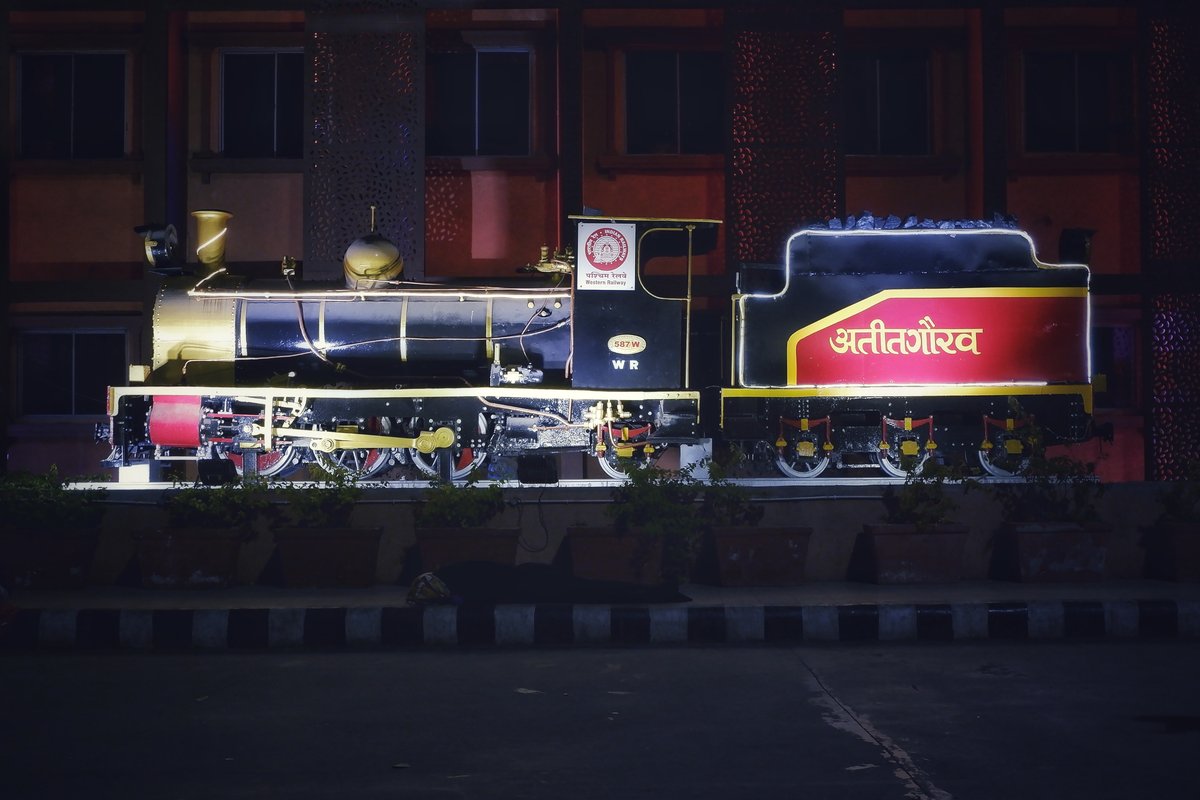
Origins and Early Development
Established in 1864, Ahmedabad Junction was pivotal in connecting Gujarat with India’s burgeoning rail network. The first train from Kalupur to Surat departed in 1863, made possible by the influential Mahajan community’s advocacy to the British colonial authorities. Interestingly, stone intended for Kankaria Lake renovations was repurposed for the station’s construction, highlighting the project’s priority (The Heritage Art).
Architectural Heritage and Design Evolution
Colonial-Era Features
The original station building boasts classic British colonial design, featuring robust stonework, high, airy ceilings, and arched windows—all engineered for the local climate. Expansion to nine active platforms and triple electric-line tracks reflects both historical growth and present-day demand (India Rail Info).
Integration with Ahmedabad’s Heritage
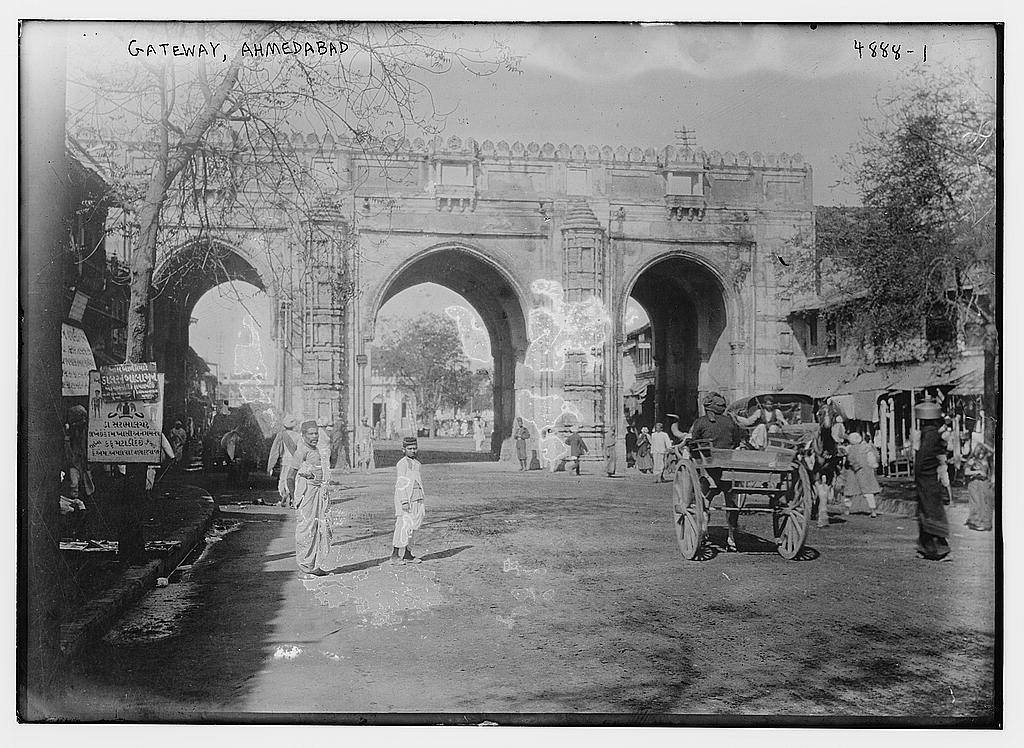
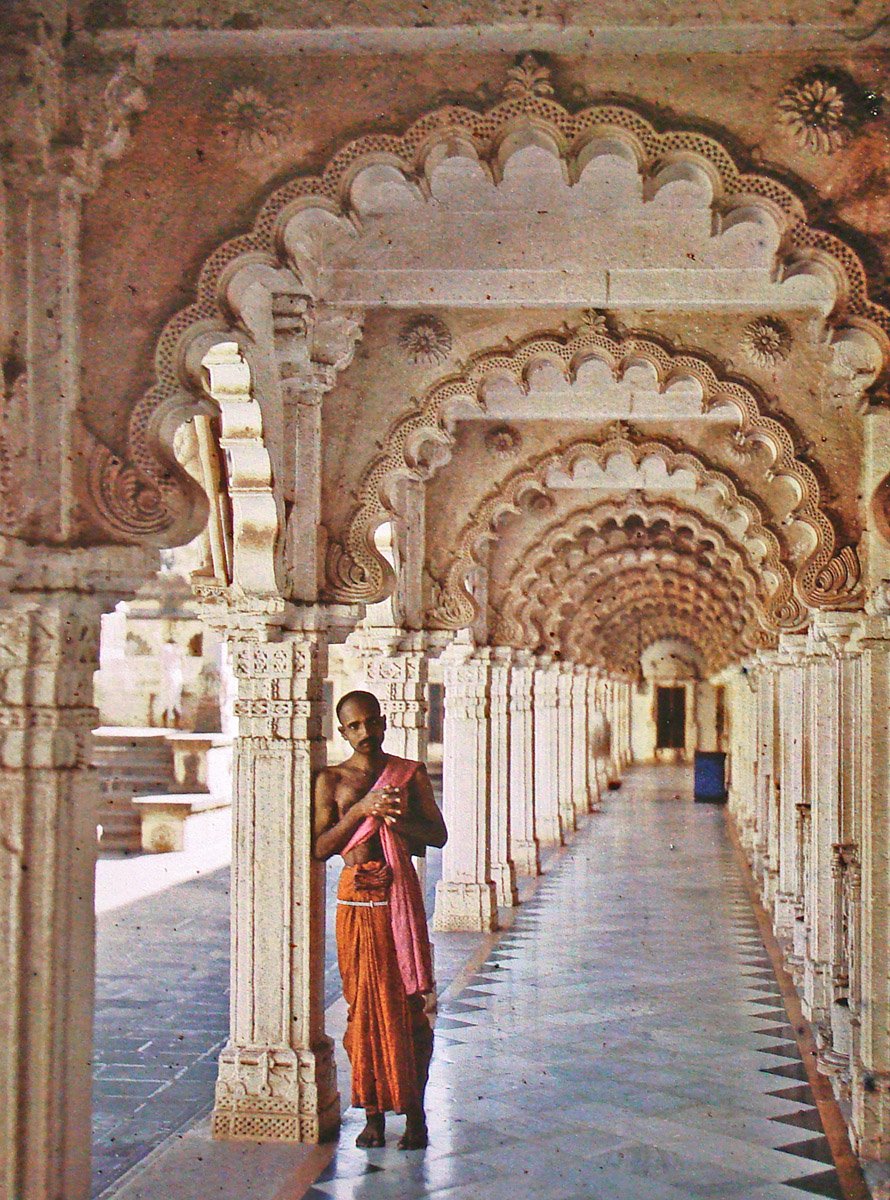
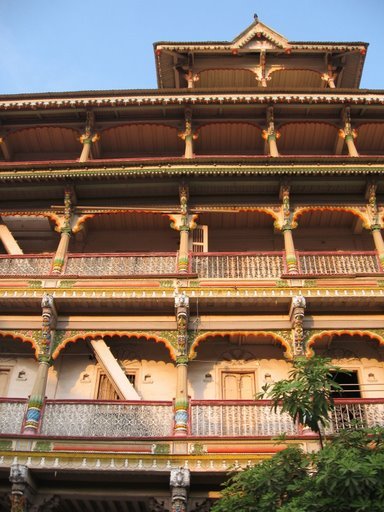
Sited adjacent to the Walled City, Ahmedabad Junction’s development has been shaped by the need to respect and conserve nearby monuments. The station’s expansion has been carefully balanced with heritage preservation efforts (Swarajya Mag).
Modern Redevelopment
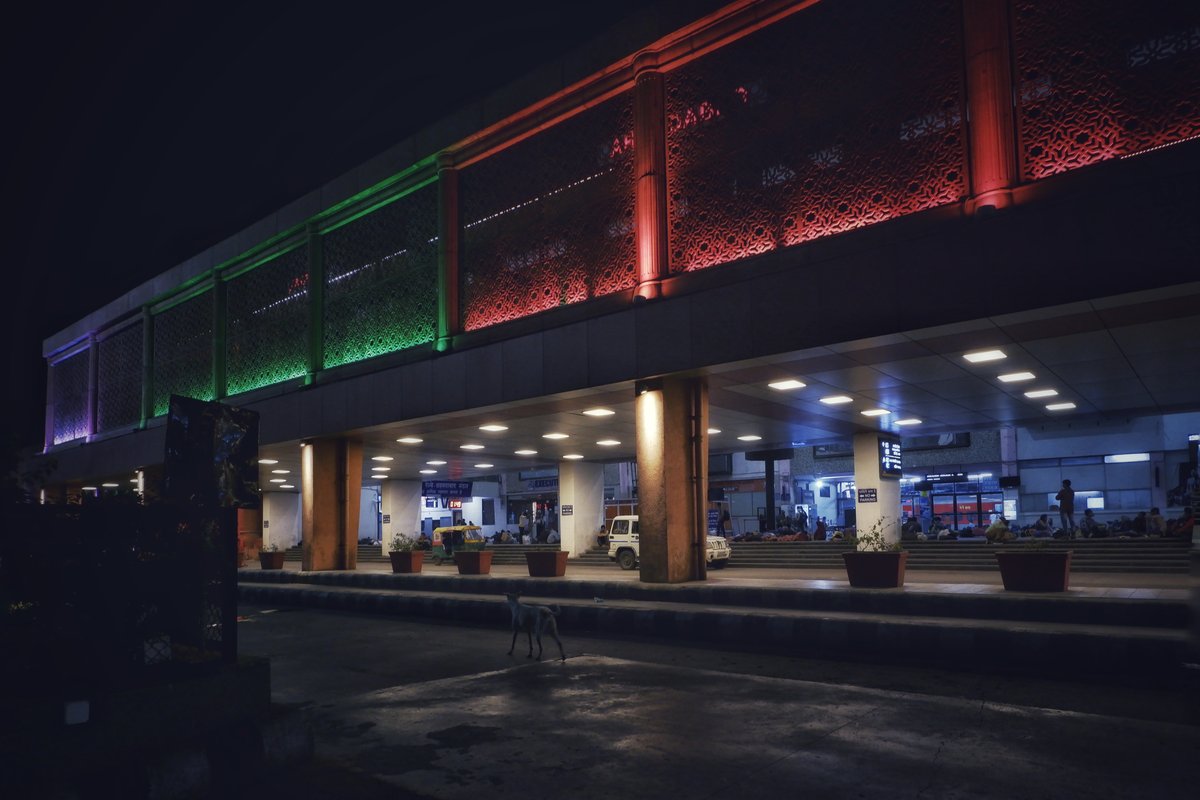
The 2022 redevelopment plan draws inspiration from Gujarat’s iconic Modhera Sun Temple and Adalaj Stepwell, introducing monumental arches and sun-themed design elements. Elevated plazas and improved amenities are central to the upgrade, along with seamless integration with metro and bus services (Swarajya Mag).
Heritage Conservation
Redevelopment takes care to protect the visual and structural integrity of heritage structures, especially the Jhulta Minar, by routing new infrastructure to avoid direct impact (Swarajya Mag).
Practical Visitor Information
Visiting Hours
- Station Open 24/7 for train services.
- Ticket Counters Generally open 6:00 AM – 10:00 PM.
- Nearby Heritage Sites Recommended visiting hours are 8:00 AM – 6:00 PM.
Ticketing
- Online Book through IRCTC.
- At Station Ticket counters and automated vending machines.
- Mobile Apps Official Indian Railways apps.
- Tip Book in advance, especially during festivals or peak travel periods.
Accessibility
- Ramps, lifts, escalators, and accessible restrooms available.
- Assistance for differently-abled travelers can be requested at the station.
Travel Tips
- Arrive early during busy hours.
- Use only official ticketing channels.
- Keep valuables secure.
- Check for updates on train departures, especially due to temporary changes from redevelopment.
Nearby Attractions
- Walled City of Ahmedabad UNESCO World Heritage site with vibrant bazaars and monuments.
- Jhulta Minar Remarkable shaking minarets within the station precincts.
- Adalaj Stepwell Historical stepwell, easily accessible by local transport.
- Sabarmati Ashram Gandhi’s historic residence, ~5 km away.
- Kankaria Lake and Sidi Saiyyed Mosque Popular recreational and architectural sites.
Facility Highlights
- Waiting Lounges and Retiring Rooms Air-conditioned and non-AC options.
- Food Courts Local and standard cuisine.
- Free Wi-Fi Available throughout the station.
- Medical and Banking Services First aid, medical stores, and multiple ATMs.
- Luggage Services Hand trolleys and secure parcel tunnels.
- Parking Capacity for 3,300+ vehicles.
Transportation Integration
- Metro Ahmedabad Metro station within walking distance, connecting key city zones.
- Bus/BRTS GSRTC bus stand 3.5 km away; access to city and BRTS routes.
- Taxi/Auto Prepaid services from both station exits.
- Airport Sardar Vallabhbhai Patel International Airport is 10–11 km away.
Historical Milestones Timeline
- 1853 First Indian train (Mumbai-Thane).
- 1863 First train from Kalupur to Surat.
- 1864 Ahmedabad Junction established.
- 2017 Walled City named a UNESCO World Heritage Site.
- 2022 Major station redevelopment begins.
- 2027 Target for completion of redevelopment.
Redevelopment and Temporary Changes
To facilitate construction, some train services have been shifted to Sabarmati and Gandhinagar Capital stations:
- 18 trains relocated (12 to Sabarmati, 6 to Gandhinagar Capital)
- Supporting stations (Maninagar, Vatva, Chandlodia, Asarva) are being upgraded.
- Check schedules ahead of travel (Urban Acres).
Redevelopment aims to ensure sustainability, minimize disruptions, and enhance amenities such as digital information systems, accessible restrooms, and open-air amphitheaters.
Frequently Asked Questions (FAQ)
Q: What are the station’s operating hours?
A: Open 24/7; ticket counters from 6:00 AM–10:00 PM.
Q: How can I buy tickets?
A: Online via IRCTC, at station counters, or through mobile apps.
Q: Are there special facilities for differently-abled passengers?
A: Yes—ramps, lifts, accessible restrooms, and staff assistance.
Q: Are luggage and food services available?
A: Yes—luggage trolleys, secure parcel services, food courts, and retail outlets.
Q: What is the impact of redevelopment on train services?
A: Some trains are temporarily shifted to satellite stations; check schedules before departure.
Summary and Visitor Recommendations
Ahmedabad Junction is a living monument to India’s railway legacy, blending historic architecture with state-of-the-art amenities. The ongoing redevelopment, inspired by regional heritage, promises a globally competitive facility integrated with high-speed rail and metro services (Swarajya Mag; Urban Acres). Travelers should:
- Plan journeys with awareness of current construction and service changes.
- Use official ticketing channels for security and convenience.
- Take advantage of accessibility and passenger amenities.
- Explore nearby heritage sites for a richer cultural experience.
- Download the Audiala app for real-time schedules and travel tips.
Ahmedabad Junction is not just a transit point, but an entryway into the vibrant heritage and dynamic spirit of Gujarat. Begin your journey here and discover all that this unique landmark and its surroundings have to offer (IRCTC; Ahmedabad Municipal Corporation).