Plan and listen to Tomb Of Mariam-Uz-Zamani with Audiala.
Audio guide in your pocket, itinerary in your browser. Built for the way you actually visit.
Introduction
The Tomb of Mariam-Uz-Zamani, located in Sikandra, Agra, India, is a remarkable testament to the architectural brilliance and cultural heritage of the Mughal era. This historical monument commemorates Mariam-Uz-Zamani, also known as Jodha Bai, the wife of Mughal Emperor Akbar and mother of Emperor Jahangir. Her legacy is immortalized through this stunning structure, which not only serves as her final resting place but also as a symbol of Hindu-Muslim unity and the strategic alliances that shaped Mughal rule in India. Constructed in the early 17th century by her son Jahangir, the tomb is a fine example of Mughal architecture, showcasing intricate carvings, detailed calligraphy, and a harmonious blend of Hindu and Islamic styles. As you plan your visit, this comprehensive guide will provide you with essential information on the history, architectural significance, ticket prices, visiting hours, and travel tips. Whether you are a history enthusiast, architectural aficionado, or casual traveler, this guide will help you make the most of your visit to this culturally significant site (Agra Tourism, Tour My India, Taj Mahal in Agra).
History of Mariam-Uz-Zamani
The Legacy of Mariam-Uz-Zamani
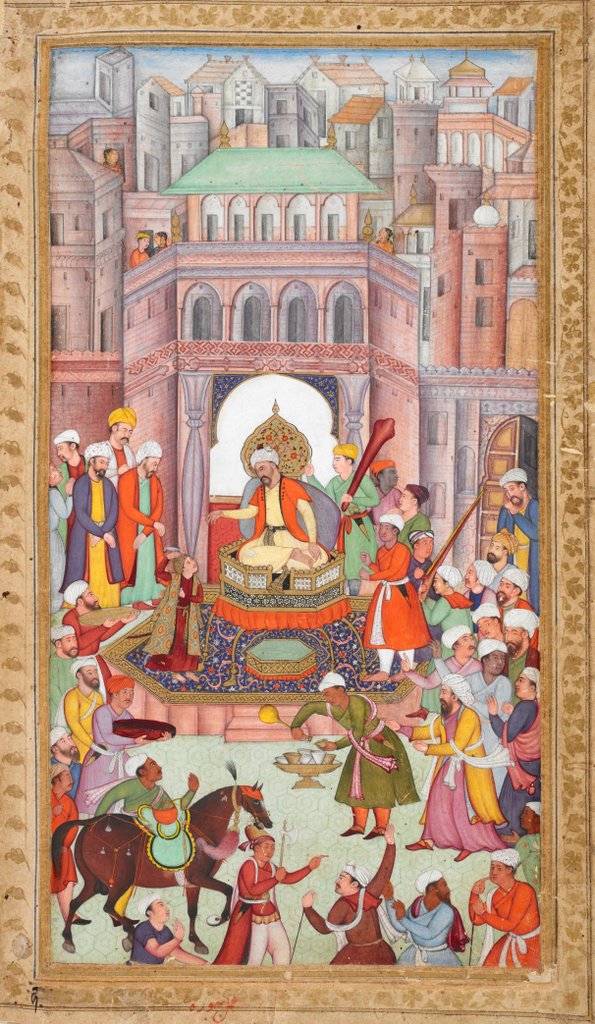
Mariam-Uz-Zamani, a Rajput princess from the kingdom of Amer (present-day Jaipur), married Emperor Akbar in 1562, forming a significant political alliance that helped consolidate Mughal rule in India. Known for her influence in the Mughal court and her role in promoting Hindu-Muslim unity, Mariam-Uz-Zamani's legacy is immortalized through her tomb, highlighting her importance in Mughal history.
Construction and Architectural Significance
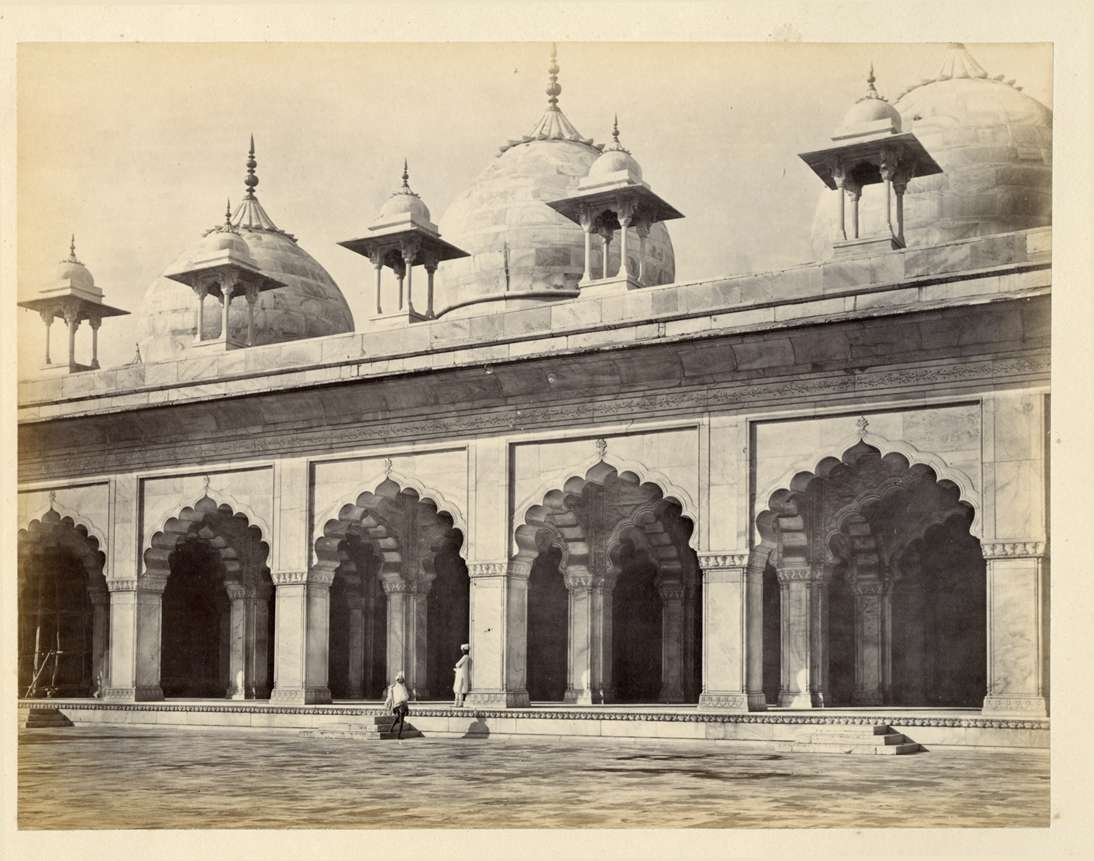
The Tomb of Mariam-Uz-Zamani was constructed in the early 17th century by her son, Emperor Jahangir, in memory of his beloved mother. Located near the tomb of Akbar in Sikandra, Agra, the structure is a fine example of Mughal architecture, characterized by its use of red sandstone and white marble. The tomb features intricate carvings and detailed calligraphy, showcasing the artistic excellence of the Mughal era.
The architecture blends Hindu and Islamic styles, reflecting Mariam-Uz-Zamani's Rajput heritage and her life in the Mughal court. The dome-shaped main structure is adorned with beautiful carvings and intricate patterns, while the interior features delicate artwork and designs. Surrounding lush gardens provide a serene atmosphere for visitors.
Historical Context and Significance
The Tomb of Mariam-Uz-Zamani represents the cultural and political dynamics of the Mughal era. Mariam-Uz-Zamani was not only a queen but also a symbol of Hindu-Muslim unity. Her marriage to Akbar was a strategic alliance that consolidated the Mughal Empire. During the Indian Rebellion of 1857, the tomb was used as a refuge by the British, adding another layer of historical significance. Today, it attracts scholars and tourists alike for its historical importance.
Visitor Information
Ticket Prices and Visiting Hours
The tomb is open from sunrise to sunset. The entry fee is INR 5 for Indians and citizens of SAARC and BIMSTEC countries, and INR 100 for foreign tourists. For the most up-to-date information, please refer to reliable sources (Agra Tourism).
Travel Tips and Nearby Attractions
The best time to visit the tomb is during the winter months, from October to March, when the weather is pleasant. The tomb is located near other significant monuments such as the Taj Mahal, Agra Fort, and the Tomb of Akbar, making it convenient for a comprehensive tour of Agra's rich historical and cultural heritage.
Accessibility and Special Events
The tomb is accessible to all visitors, and special events and guided tours are often available. Check with local guides and tourism websites for more information.
Preservation and Restoration Efforts
The Archaeological Survey of India (ASI) has been actively involved in the conservation of the tomb. Efforts include cleaning and restoring intricate carvings, repairing structural damages, and maintaining the surrounding gardens. These efforts are crucial for maintaining the cultural heritage of India and promoting the tomb as a tourist destination.
Visitor Experience and Cultural Insights
Visitors to the Tomb of Mariam-Uz-Zamani can expect to be transported back in time to the Mughal era. The tomb offers an exciting opportunity to admire the exquisite architecture and learn about the Mughal dynasty. The lush gardens surrounding the tomb provide a peaceful atmosphere, ideal for a leisurely stroll or a picnic.
FAQ
1. What are the visiting hours for the Tomb of Mariam-Uz-Zamani?
The tomb is open from sunrise to sunset.
2. How much are the tickets for the Tomb of Mariam-Uz-Zamani?
The entry fee is INR 5 for Indians and citizens of SAARC and BIMSTEC countries, and INR 100 for foreign tourists.
Listen to the full story in the app
The whole Tomb Of Mariam-Uz-Zamani,
told well.
Audio guides for 1,100+ cities across 96 countries. History, stories, and local insight — offline ready.

Verified, and shown.
Researched and written by the Audiala editorial team from historical records, architectural archives, and local expertise.
Researched from Wikidata, Wikipedia & official sources · fact-checked · How we make our guides →