Plan and listen to Ram Bagh with Audiala.
Audio guide in your pocket, itinerary in your browser. Built for the way you actually visit.
Introduction
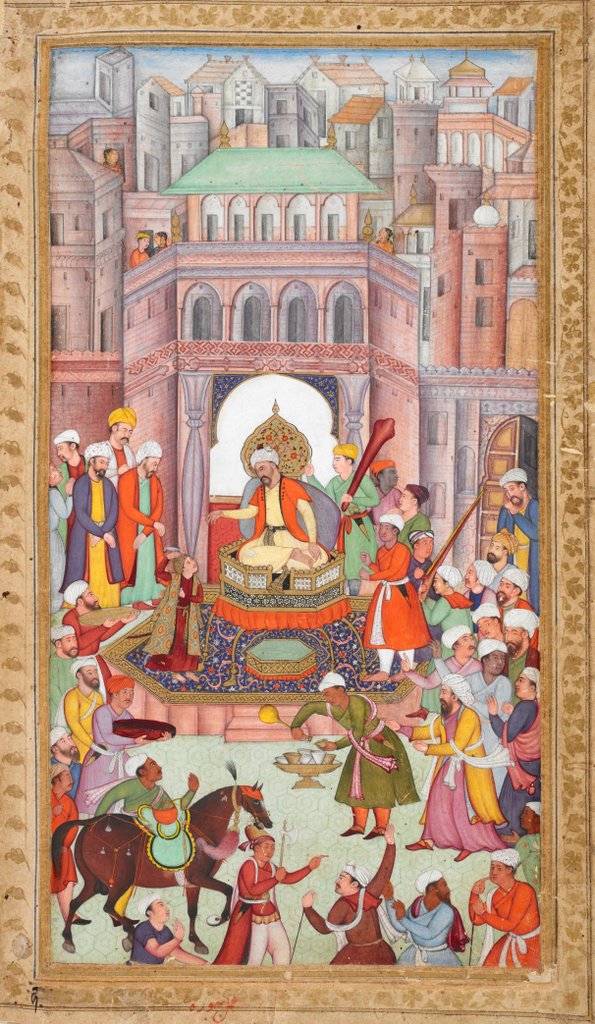
Ram Bagh, perched on the eastern bank of the Yamuna River in Agra, is India's oldest surviving Mughal garden—a lush testament to imperial vision and horticultural artistry. Commissioned by Emperor Babur between 1526 and 1528 CE, the garden, originally named Aram Bagh ("Garden of Rest"), reflects the Persian charbagh (four-part garden) design, symbolizing paradise with its flowing water channels and verdant flora (travelsetu.com, Wikipedia, tajmahalinagra.com). Ram Bagh's architectural and botanical significance, historical associations with the Mughal dynasty, and serene ambiance make it a must-visit for travelers seeking both beauty and historical depth in Agra.

Origins and Foundation
Ram Bagh was founded by Babur, the first Mughal emperor, in 1528 CE. Inspired by the gardens of his Central Asian homeland, Babur envisioned Ram Bagh as a tranquil retreat and an earthly representation of paradise. The garden’s Persian charbagh layout, with its geometric symmetry and water features, set the precedent for subsequent Mughal gardens and marked a new era in Indian landscape design (namasteindiatrip.com).
Evolution of Name and Patronage
Originally known as Aram Bagh, signifying rest and relaxation, the garden's name changed under Maratha rule in the late 18th century to Ram Bagh, a reflection of Agra's changing political and cultural influences (namasteindiatrip.com). Successive rulers, including Akbar and Jahangir, maintained and enhanced the garden. Notably, Nur Jahan, Jahangir’s wife, added ornamental features and enriched the plantings (travelsetu.com).
Key Historical Associations
Ram Bagh holds dynastic importance as Babur’s temporary resting place before his remains were moved to Kabul. It also served as a favored imperial retreat and the site where Emperor Jahangir awaited an auspicious moment to enter Agra following military victory (namasteindiatrip.com, tourmyindia.com).
Architectural and Horticultural Features
Garden Layout and Design
The garden embodies the charbagh concept, dividing space into four quadrants via raised walkways and intersecting water channels. These channels, sourced from the Yamuna, not only irrigate the garden but also create a cooling microclimate—an innovative solution to Agra’s intense summers (Wikipedia, Incredible India). Ram Bagh’s terraced layout, with three descending levels connected by cascades and pools, enhances both visual aesthetics and practical function.
Pavilions and Architectural Elements
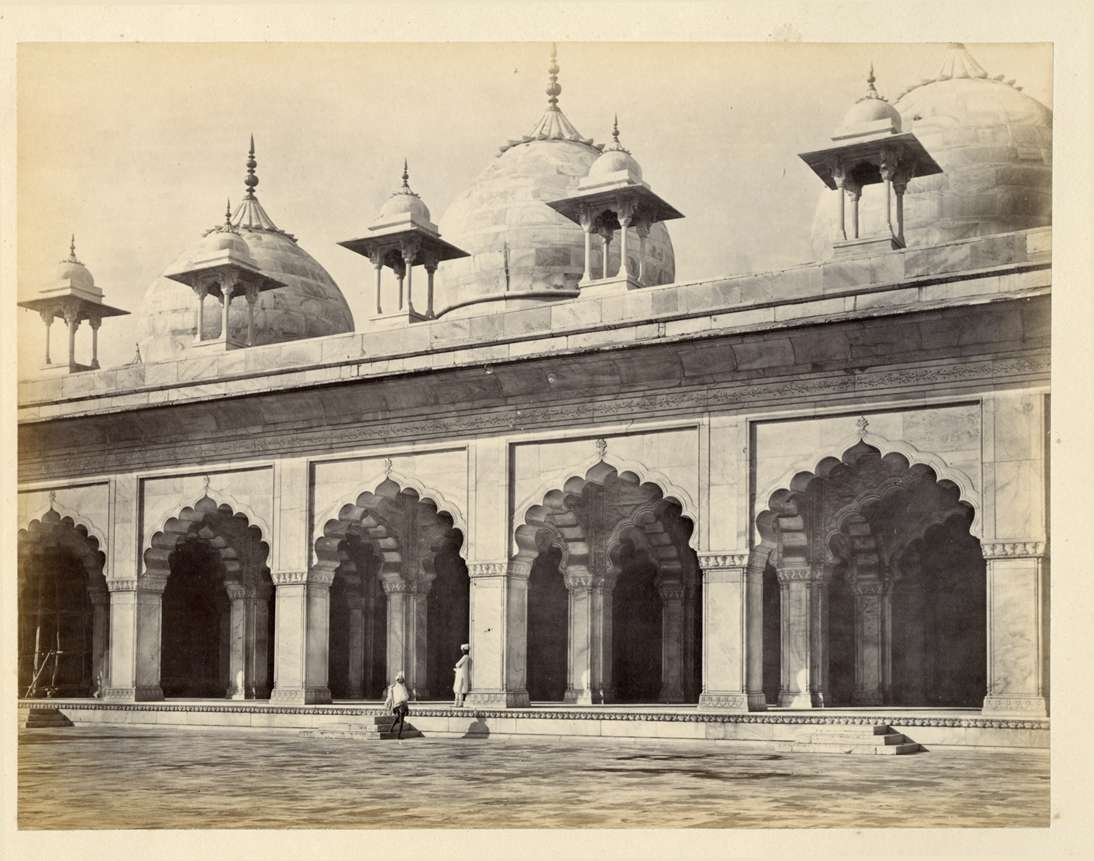
High walls enclose the garden, with gateways on each side and prominent river-facing pavilions offering panoramic views. Marble chhatris (canopied kiosks) and intricate stonework, many attributed to Nur Jahan’s patronage, add elegance and historical depth (PlaceApp).
Botanical Diversity
The garden features a diversity of plantings—pomegranate, orange, guava, and mango trees; roses, jasmine, marigolds, lilies; and medicinal herbs such as tulsi and neem—arranged in geometric patterns to maximize sensory impact. Seasonal blooms ensure year-round vibrancy, attracting birds and butterflies and enhancing the garden's ecological richness (Incredible India, PlaceApp).
Restoration and Conservation
After periods of neglect, especially during the Maratha occupation, Ram Bagh has been restored by the Archaeological Survey of India. Restoration efforts focus on reviving water channels, architectural features, and historically accurate plantings (Incredible India, travelsetu.com).
Visiting Ram Bagh: Hours, Tickets & Practical Information
Location
Ram Bagh is about 5–8 km from the Taj Mahal and near other Agra heritage sites, making it easy to include in a historical tour (Wikipedia).
Visiting Hours
- 6:00 AM to 6:00 PM, daily
Entry Fees
- Indian Citizens: ₹30
- Foreign Nationals: ₹500
- Children under 15: Free
(Ticket prices may vary; check Agra Tourism or ASI Agra Circle for updates.)
Accessibility
Ram Bagh features paved and mostly level pathways, with some uneven surfaces on terraces. Wheelchair access is possible in main areas; assistance is available at the entrance.
Facilities
- Restrooms near the entrance
- Benches and shaded seating
- Drinking water (limited; carrying your own recommended)
- Limited parking
Visitor Conduct
- Photography is permitted; tripods/professional equipment may require ASI approval.
- Do not climb on monuments or pick flowers.
- Food and beverages (other than water), smoking, and littering are prohibited.
Safety
Security personnel are present during opening hours. The garden is enclosed, and visitors are advised to keep personal belongings secure and avoid isolated areas after dusk.
Duration of Visit
Most visits last about 1 hour, but those interested in architecture, history, or photography may wish to stay longer.
Cultural and Historical Significance
Ram Bagh is a living symbol of Mughal syncretism—blending Persian, Central Asian, and Indian garden traditions. Its charbagh layout, water features, and plant diversity represent the Mughal vision of paradise on earth, inspiring later masterpieces like the Taj Mahal gardens and Shalimar Bagh in Kashmir (namasteindiatrip.com).
The garden’s association with Babur, Akbar, Jahangir, and Nur Jahan cements its place in Mughal dynastic history. Local legends, such as Jahangir’s stay and Akbar’s romance with a Ram Bagh gardener, add layers of narrative and mystique (tajmahalinagra.com).
Travel Tips and Nearby Attractions
- Visit during October–March for pleasant weather.
- Combine your visit with nearby sites: Taj Mahal, Agra Fort, Itimad-ud-Daulah’s Tomb, and Mehtab Bagh.
- Carry sun protection and mosquito repellent.
- Hire a local guide for historical insights.
Frequently Asked Questions (FAQs)
Q: What are Ram Bagh’s visiting hours?
A: 6:00 AM–6:00 PM daily.
Q: What is the entry fee?
A: ₹30 for Indian citizens, ₹500 for foreigners, free for children under 15. Prices may vary; check official sources.
Q: Is the garden wheelchair accessible?
A: Main pathways are accessible; some areas may pose challenges.
Q: Are guided tours available?
A: Local guides can be hired for a more informative visit.
Q: Can I buy tickets online?
A: Tickets are usually sold at the entrance. For group visits, notify ASI in advance.
Listen to the full story in the app
The whole Ram Bagh,
told well.
Audio guides for 1,100+ cities across 96 countries. History, stories, and local insight — offline ready.
Verified, and shown.
Researched and written by the Audiala editorial team from historical records, architectural archives, and local expertise.
Researched from Wikidata, Wikipedia & official sources · fact-checked · How we make our guides →