Plan and listen to Agra Fort Railway Station with Audiala.
Audio guide in your pocket, itinerary in your browser. Built for the way you actually visit.
Introduction: Agra Fort and Its Enduring Significance
Agra Fort, a UNESCO World Heritage Site, is a monumental symbol of India’s Mughal heritage, architectural splendor, and historical significance. Located just 2.5 kilometers from the Taj Mahal and adjacent to Agra Fort Railway Station, the fort is a key stop for travelers exploring the Golden Triangle (Delhi–Agra–Jaipur). Originally built in the 11th century by the Chauhan Rajputs and later transformed by the Mughals, Agra Fort has witnessed dynastic upheavals, imperial grandeur, and the evolution of Indian history (Cultural India; Thrilling Travel).
This comprehensive guide covers essential aspects of visiting Agra Fort: hours of operation, ticketing, accessibility, nearby attractions, travel tips, and more. Whether you’re a history buff, architecture enthusiast, or first-time traveler, this article will help you make the most of your Agra visit (ASI; MakeMyTrip).

Early Origins and Dynastic Transformations
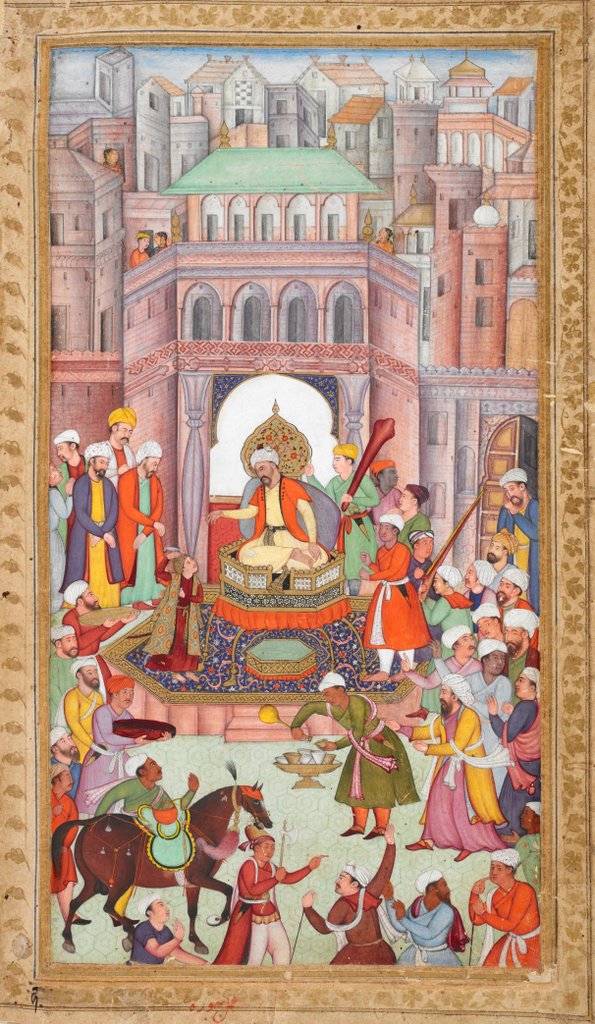
Originally built as Badalgarh by the Chauhan Rajputs in the 11th century, Agra Fort was later expanded and fortified by successive rulers. The fort became pivotal when Sikander Lodi moved his capital to Agra in the early 16th century. The First Battle of Panipat (1526) marked the beginning of Mughal rule, with Babur and later Humayun utilizing the fort as a royal residence and administrative hub (Cultural India).
Mughal Expansion and Architectural Flourishing
Emperor Akbar reconstructed the fort in red sandstone between 1565 and 1573, establishing it as the Mughal capital. Shah Jahan later added marble palaces, the Musamman Burj (his place of imprisonment), and other iconic structures, blending Persian, Islamic, and Hindu architectural styles (Thrilling Travel).
Later Periods: Colonial and Modern Significance
Following Mughal decline, Agra Fort came under the control of the Jats, Marathas, and finally the British, who repurposed it for military use—especially during the 1857 Rebellion (Get Explore). Agra Fort became a UNESCO World Heritage Site in 1983 and today remains partially occupied by the Indian Army, with about 30% open to tourists.
The adjacent Agra Fort Railway Station, established during British rule, remains a crucial gateway for visitors arriving in Agra (India Rail Info; TrainSpread).
Architectural Marvels of Agra Fort
Fort Layout and Defensive Features
- Structure: Semi-circular, double-battlemented walls stretching 2.5 km and rising up to 21 meters.
- Main Gates: The Delhi Gate (originally for ceremonial use) and Amar Singh Gate (public entry).
- Defenses: Moats, drawbridges, and the Elephant Gate for added protection (Cultural India).
Palaces, Mosques, and Halls
- Jahangiri Mahal: Akbar’s palace, showcasing an elegant blend of Hindu and Islamic motifs.
- Khas Mahal: Shah Jahan’s marble palace with exquisite pietra dura.
- Diwan-i-Am & Diwan-i-Khas: Halls for public and private audience, respectively.
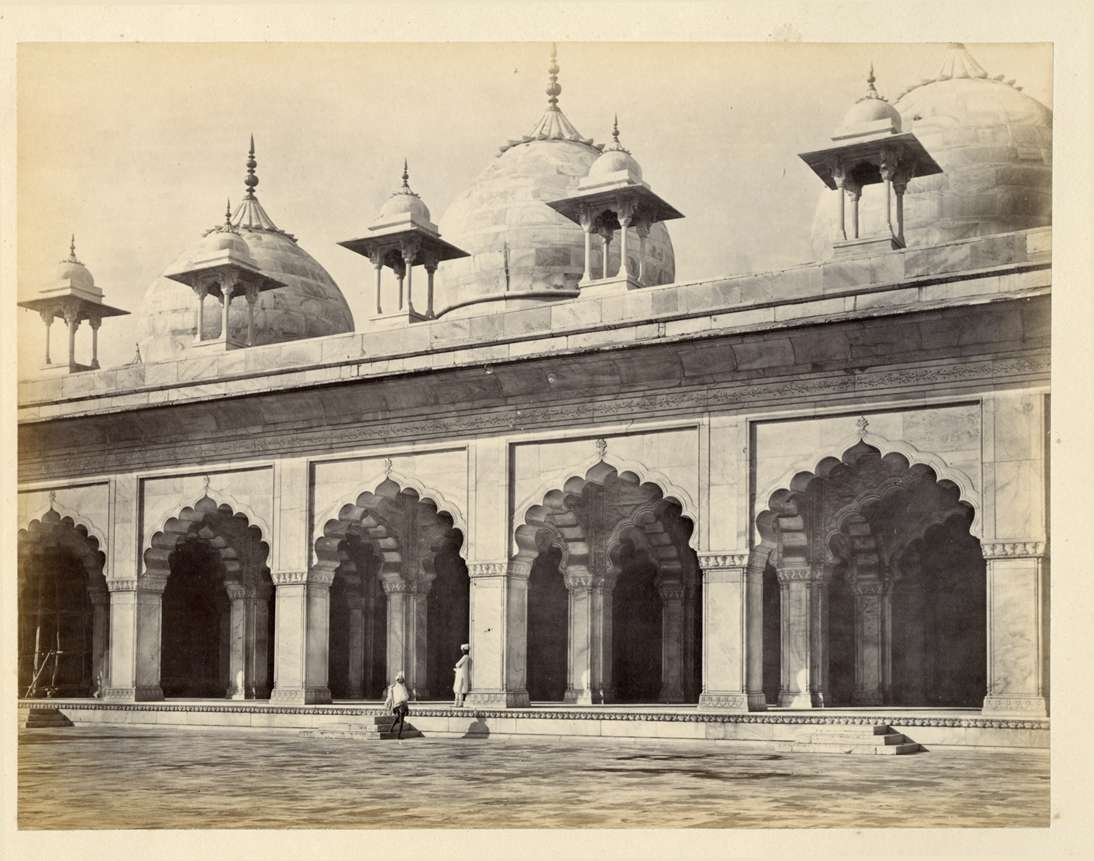
- Moti Masjid: The “Pearl Mosque,” a serene white marble structure.
- Nagina Masjid: A private mosque for royal women (Cultural India).
Engineering Marvels
- Intricate ventilation systems, thick walls, and rumored secret tunnels connecting to the Yamuna River for escape and cool interiors.
Visual and Cultural Impact
Panoramic views from the Musamman Burj offer a poignant vista of the Taj Mahal, underlining the fort’s connection to Mughal history (Thrilling Travel).
Agra Fort Visiting Hours, Tickets, and Visitor Information
Visiting Hours
- Open: Daily, 6:00 AM – 6:00 PM (last entry at 5:30 PM)
- Closed: Fridays for maintenance (MakeMyTrip)
Ticket Prices
- Indian Citizens: ₹40
- Foreign Tourists: ₹550
- SAARC/BIMSTEC Citizens: ₹90
- Children under 15: Free
- Separate charges apply for camera/video equipment in some areas.
Where to Buy Tickets
- Online: ASI official portal
- Onsite: At Amar Singh Gate
Online booking is recommended, especially in peak season (October–March).
Accessibility
- Wheelchair access: Available at main entrances and along certain paths; some historic areas may have uneven terrain.
- Assistance: Wheelchairs and ramps provided upon request.
Guided Tours and Special Experiences
- Guided tours: Available in multiple languages; book online or at the fort.
- Audio guides and virtual apps: Download before your visit.
- Light & Sound Show: Occasionally held in the evenings—confirm schedule in advance.
Photography
- Best light: Early morning or late afternoon.
- Top spots: Musamman Burj overlooking the Taj Mahal, Diwan-i-Khas, ramparts by the Yamuna.
How to Reach Agra Fort via Agra Fort Railway Station
Agra Fort Railway Station (AF) is less than 1 km from the fort’s entrance—a 10–15 minute walk or a short rickshaw ride. The station connects Agra to major tourist destinations like Jaipur, Varanasi, and Kolkata, making it the preferred stop for those visiting the fort and other historical sites (TrainSpread; India Rail Info).
Facilities include:
- Multiple platforms and waiting rooms
- Digital train boards
- Food stalls, restrooms, and accessibility features
Local transport: Auto-rickshaws, cycle rickshaws, taxis, and public buses are widely available. The upcoming Agra Metro will further enhance connectivity (PIB).
Role in Agra’s Tourism and Connectivity
Strategic Location
Agra Fort Railway Station’s proximity to the fort and other sites (Taj Mahal, Itimad-ud-Daulah, Mehtab Bagh) maximizes sightseeing efficiency, especially for day-trippers and Golden Triangle travelers (TrainSpread).
Multimodal Transport
- Rickshaws: Quick, affordable rides to Taj Mahal (approx. 15 minutes, ₹30).
- Taxis/Car rentals: Ideal for flexible, city-wide touring.
Urban Mobility & Sustainability
The Agra Metro Rail Project will soon connect the station with major tourist and residential areas, aiming to ease congestion and foster eco-friendly travel (PIB).
Practical Tips for Tourists
- Plan ahead: Buy tickets online and visit early to avoid crowds and heat.
- Travel light: Large bags are not allowed inside the fort.
- Dress comfortably: Wear sturdy shoes; surfaces may be uneven.
- Seasonal advice: Best time is October–March for pleasant weather.
- Local etiquette: Respect cultural and religious norms; bargaining is common in markets.
- Stay safe: Watch your belongings and avoid engaging with monkeys.
- Hydrate: Carry water, especially in summer.
Frequently Asked Questions (FAQs)
Q: What are Agra Fort’s visiting hours?
A: 6:00 AM to 6:00 PM daily; closed on Fridays.
Q: What is the ticket price for Agra Fort?
A: ₹40 (Indian citizens), ₹550 (foreign tourists), children under 15 free.
Q: Can I buy tickets online?
A: Yes, via ASI’s official website.
Q: Is Agra Fort wheelchair accessible?
A: Yes, to major areas; some sections have uneven terrain.
Q: Are guided tours available?
A: Yes, in multiple languages; book onsite or online.
Q: How do I get from Agra Fort Railway Station to the Taj Mahal?
A: Take a rickshaw (approx. 15 minutes, ₹30).
Explore More & Plan Your Visit
- Guide to the Taj Mahal
- Mughal Architecture in Agra
- Top Things to Do in Agra
- Guide to Agra’s Local Markets and Cuisine
Listen to the full story in the app
The whole Agra Fort Railway Station,
told well.
Audio guides for 1,100+ cities across 96 countries. History, stories, and local insight — offline ready.
Verified, and shown.
Researched and written by the Audiala editorial team from historical records, architectural archives, and local expertise.
Researched from Wikidata, Wikipedia & official sources · fact-checked · How we make our guides →