Introduction
An India travel guide starts with a correction: this is not one trip but a continent-sized argument held together by trains, spice, and ritual.
India rewards travelers who want specifics, not blur. One morning can begin with filter coffee and temple bells in Chennai, continue through the clipped glass-and-granite confidence of Bengaluru, and end over a plate of fiery biryani in Hyderabad that settles the argument about dinner before the first bite. Distances are huge, languages shift by state, and etiquette changes with them. That is the point. India makes you pay attention, and attention pays you back.
History here rarely sits behind velvet ropes. It spills into riverbanks, bazaars, station platforms, and old neighborhoods where a mosque, a Jain temple, and a colonial courthouse can stand within the same walk. In Mumbai, the city runs on trade, cinema, and appetite. In Varanasi, dawn on the Ganges still feels older than the idea of a nation-state. Ahmedabad holds merchant wealth in carved wood and stone. Lucknow keeps its manners polished, even when the traffic does not.
Practicality matters as much as wonder. October to March is the easiest nationwide window, though Kerala and Thiruvananthapuram stay greener longer, and Karnataka opens onto coffee country, temple towns, and cooler plateau air. UPI payments have changed daily travel, domestic flights save punishing overland hops, and rail still gives the clearest sense of the country's scale. Come with a route, but leave room for appetite, weather, and the useful chaos that makes India feel alive.
A History Told Through Its Eras
Bricks, Ashes, and an Emperor Who Read His Own Conscience
Indus Cities and Early Kingdoms, c. 2600 BCE-320 CE
Dust sits differently at Dholavira. The reservoirs are empty now, the stone streets broken open by centuries of wind, yet the place still feels organized, almost stubbornly so. Long before Delhi, before dynasties, before the courtly intrigues that later seduced chroniclers, the subcontinent had cities with drains, warehouses, bead workshops, and a script that still refuses to confess its secrets.
Ce que l'on ignore souvent, c'est que early India first returns to modern view not through crowns or epics, but through urban plumbing and discarded brick. Mohenjo-daro and Harappa were recognized in the early 20th century by archaeologists who understood that garbage, street grids, and fired bricks could tell a grander story than any fallen palace. That silence remains part of the fascination: a civilization sophisticated enough to plan water storage on a monumental scale, yet mute because its signs have not been securely read.
Then power acquires a name. Chandragupta Maurya builds an empire out of the political wreckage left after Alexander's eastern adventure, and by the 3rd century BCE his grandson Ashoka has the subcontinent at his feet. Kalinga changes everything. His own Rock Edict XIII records the horror with a candor rare in any monarch: victory, yes, but also deportation, grief, and remorse cut into stone for strangers to read.
That is why Ashoka still matters when you stand in places tied to Buddhism or state power, whether in Patna, ancient Pataliputra, or on the pilgrim routes that later converged on Varanasi. He did not merely conquer; he performed repentance as policy. From that turn came pillars, edicts, monasteries, and the idea that a ruler might wish to be feared less than remembered.
Ashoka turns from conqueror to moral showman after Kalinga, and one feels that his guilt was as political as it was sincere.
The most famous emperor of early India left some of his deepest thoughts not in a palace archive but on rocks beside roads, where merchants and pilgrims could read his regret.
Gold, Granite, and the Woman the Nobles Refused to Obey
Courts of Sanskrit, Temples, and Sultanates, 320-1526
Imagine Thanjavur in 1010: oil lamps trembling, bronze vessels shining, musicians waiting, and a king measuring devotion in stone. Rajaraja I consecrates Brihadishvara Temple with the precision of an accountant and the appetite of an emperor. Inscriptions list jewels, land grants, temple dancers, lamps, grain, salaries. Piety, here, comes itemized.
Northern India at the same time is no single story of invasion and defeat, whatever later politics may wish. Kingdoms rise and split, ports trade across the Indian Ocean, monasteries decline, courts change language, and cities are remade by each new elite. The subcontinent absorbs shock without becoming one thing. That is the deeper pattern.
Then Delhi produces one of its great dramatic figures: Razia Sultan. In 1236 she takes the throne not as ornament but as ruler, appearing unveiled in public ceremony, riding out, hearing petitions, and alarming the Turkish nobility who had expected obedience in silk. They found authority instead. Court gossip about her closeness to Jamal-ud-Din Yaqut did its usual work, which is to say that scandal became a weapon when policy failed.
Her fall is swift and bitter. Deposed, allied by marriage with Altunia, marching again toward Delhi, she dies near Kaithal in 1240, her reign reduced by enemies to a cautionary tale. But memory is often more generous than court politics. Local tradition later treated her tomb with reverence, as though the sovereign denied in life returned in death as something harder to dismiss.
Razia Sultan reads like a tragic heroine because she was one: politically gifted, publicly visible, and destroyed by men who could not forgive competence in a woman.
Near-contemporary accounts suggest people later visited Razia's tomb seeking blessings, a strange second career for a ruler her own court refused to accept.
Perfume in the Harem, Gunpowder in the Garden
Mughals, Merchants, and the Cracks in Empire, 1526-1858
A cold morning in Panipat, 1526: cannon smoke, cavalry confusion, and Babur gambling everything on a battle far from his Central Asian home. He wins, and with that victory the Mughal story begins, though its true splendor arrives later in marble halls, jeweled turbans, and gardens designed as if symmetry itself were a form of rule. The dynasty loved refinement, but it trusted artillery.
Ce que l'on ignore souvent, c'est que the Mughal court was never only a parade of emperors. Women shaped it from within and beyond the zenana. Nur Jahan signed imperial orders, minted authority in her own name, and turned taste into government. Jahanara Begum, daughter of Shah Jahan, rebuilt markets and patronized urban life after catastrophe. Behind the latticed screens, one often finds the sharper political mind.
By the 17th century, India has become irresistible to European merchants. The English East India Company arrives to trade textiles and spices, then learns the old lesson of ambitious corporations: profit likes soldiers. In Chennai, then Fort St. George, in Mumbai, handed to the English through a royal marriage dowry before it became a port of raw ambition, and in Ahmedabad, where textile wealth had long attracted traders, commerce begins to grow teeth.
Aurangzeb extends the empire farther than any Mughal before him, yet size can be a form of weakness. Endless war drains treasure, regional powers gather confidence, and the court that once dictated the subcontinent's etiquette begins to lose its grip. By the time the Company tightens its hold after Plassey in 1757 and the revolt of 1857 ends with the last Mughal reduced to a melancholy symbol, the empire has already been dying room by room.
Nur Jahan understood something many princes never did: style is not decoration at court, it is power made visible.
Mumbai entered English hands in 1661 as part of Catherine of Braganza's marriage portion to Charles II, one of history's more profitable wedding gifts.
The Raj in Full Dress, and the Nation Waiting Behind the Curtain
Empire, Revolt, and the Long Argument of Independence, 1858-1947
Picture a durbar: velvet canopies, uniforms heavy with braid, princes glittering under chandeliers, and British authority staged like theater in Delhi. The Raj adored ceremony because ceremony can hide anxiety. After the revolt of 1857, the Crown replaces the East India Company, and empire begins to speak in a grander voice, even while mistrust lingers in every cantonment and court.
The rebellion itself had been many things at once: sepoy mutiny, peasant anger, dynastic gamble, urban insurrection. In Lucknow the Residency becomes a siege legend; in Delhi the old Mughal court is briefly pulled back into history's center; in Kanpur and elsewhere, violence strips away the sentimental language of imperial mission. No side keeps clean hands. That is what makes 1857 so difficult, and so alive.
Then another style of politics appears. Gandhi turns homespun cloth into argument, marching, fasting, and insisting that moral theater can unsettle an empire more effectively than grand conspiracies. Yet independence was never his work alone. Nehru gives the nation a modern political vocabulary, Ambedkar writes its constitutional conscience, Subhas Chandra Bose tempts it with a more militant dream, and countless unnamed workers, students, and women do the slow labor of making dissent ordinary.
August 1947 arrives with flags, speeches, exhaustion, and blood. India becomes independent, and Partition tears Punjab and Bengal apart. Trains arrive full of corpses; families flee with keys in their pockets; the map is redrawn in ink that behaves like a wound. Freedom is won. The price is appalling.
Gandhi's genius lay in understanding that a spinning wheel, handled correctly, could humiliate an empire more elegantly than a cannon.
During the 1930 Salt March, Gandhi walked about 390 kilometers to the sea so that making salt with his own hands would expose the absurdity of imperial taxation.
A Democratic Giant, Forever Being Invented Again
Republic of Many Voices, 1947-Present
At midnight on 14-15 August 1947, the language is lofty, the hour ceremonial, the hope almost unbearable. But dawn brings paperwork, refugees, food shortages, princely states to absorb, borders to police, and a republic still only imagined. India does not emerge finished. It emerges arguing.
That argument becomes constitutional in 1950. The republic promises universal adult franchise on a scale that should, by all tidy theories, have failed. It does not. States are reorganized along linguistic lines, elections become a national habit, and power keeps changing hands through ballots, coalitions, defections, and the occasional political melodrama that would not disgrace a palace chronicle.
Ce que l'on ignore souvent, c'est que modern India is as shaped by its cities as by Parliament. Mumbai turns cinema and finance into competing mythologies. Bengaluru makes software look like destiny. Hyderabad moves from Nizam memory to pharmaceutical and tech muscle. Chennai keeps one foot in classical tradition and the other in manufacturing and film. Varanasi remains old in a way modernity cannot cancel. Each city argues a different version of India, and none is complete without the others.
The country still carries old burdens: caste injustice, communal violence, rural distress, and the noisy vanity of leaders who mistake electoral victory for immortality. Yet it also keeps producing something rare in history: democratic scale without sameness. India survives by refusing to be reduced, and that refusal is now its oldest modern habit.
B. R. Ambedkar stands at the center of the republic because he knew freedom without social dignity would be a polished lie.
India's first general election of 1951-52 required hundreds of thousands of ballot boxes, many voters casting ballots in a democracy they were encountering for the first time.
The Cultural Soul
A Mouth Full of Honorifics
India speaks in layers of permission. A name arrives, then another word lands softly after it: ji, bhaiya, didi, sahib, amma. You think you are learning vocabulary. You are really learning distance, warmth, rank, irony, affection, and the tiny daily miracle of making room for another person in a sentence.
Listen in Mumbai local trains, in a tea stall in Varanasi, in an auto ride through Bengaluru. The same language will change posture every few kilometers. Hindi leans one way, Urdu another, Tamil refuses the north's assumptions, Bengali rounds the edges, Malayalam seems to breathe through water, and English, that old imperial intruder, has been adopted, seasoned, and sent back into the world with new music.
Then comes the head wobble, that masterpiece of civilized ambiguity. It can mean yes, maybe, I hear you, carry on, poor innocent soul, or all of these at once. A country is a table set for strangers. In India, language lays the plates before you even sit down.
The Right Hand Knows
Etiquette in India is not decorative. It is choreography. The right hand gives money, receives prasad, tears dosa, lifts rice mixed with dal, and offers the first courtesy to another body. The left hand still exists, of course, but not for intimacy, not for food, not for the things a society has decided deserve a cleaner route between one human being and the next.
Watch a family meal in Chennai or Hyderabad and you understand that manners can be physical intelligence. Fingers do not grab. They compose. Rice, curry, curd, pickle, all of it gathered into a neat morsel and guided upward with a movement so economical it looks inherited rather than taught. Civilization often hides in cutlery. India proves the opposite.
The refusal is another art. Rarely blunt. You may hear possible, later, we'll see, after some time. A European hears agreement and prepares disappointment. An Indian hears tact. Courtesy here is not the absence of truth. It is truth dressed well enough to remain welcome in the room.
A Continent Served on Steel
Indian cuisine does not exist. The phrase is too small. What exists is a parliament of kitchens arguing in spice, fat, grain, caste memory, temple rule, trade routes, and climate. One breakfast in Chennai gives you idli, sambar, coconut chutney, and the suspicion that fermentation may be a form of elegance. One lunch in Ahmedabad offers dhokla and a thali whose sweet, salty, sour, and bitter elements behave like a debate no one intends to win.
In Hyderabad, biryani arrives as stratigraphy: rice on top, fragrance in the middle, treasure below. In Mumbai, pav bhaji tastes of labor, haste, and a griddle that has seen too much and therefore knows everything. In Kerala, banana leaf meals teach you that sequence matters, that texture matters, that a meal can proceed like grammar. Food is never just sustenance here. It is social order with steam rising from it.
And then tea. Or coffee. North India boils chai into submission with milk, sugar, ginger, cardamom, patience, and gossip. The south pours filter coffee between tumbler and dabarah until froth appears like a reward for discipline. Every civilization chooses where to place devotion. India, wisely, has placed some of it in breakfast.
When the Gods Look Back
Religion in India does not keep to its assigned address. It spills onto thresholds, dashboards, shop counters, banyan trunks, railway platforms, and apartment shelves lit at dusk. In Varanasi, the Ganga is not scenery. It is witness, mother, route, purifier, and argument. A river can carry theology better than a book.
The word darshan explains more than any guidebook can. You do not merely see the deity. The deity sees you. That reversal changes everything. It turns a temple visit into an encounter rather than an inspection. Remove your shoes, feel the stone underfoot, hear the bell strike, smell ghee and marigold and old smoke, and the modern habit of standing outside things begins to fail.
India is often described as spiritual by people who mean picturesque. This is lazy. The sacred here is not decorative mist. It is scheduling, gesture, obligation, appetite, and architecture of the day itself. Even secularity must live beside ritual and make peace with the sound system.
The Nation Learns Its Close-Up
Cinema in India is not an evening plan. It is a second bloodstream. People do not merely watch films. They quote them, dress after them, borrow courage from them, steal flirtation techniques from them, and measure political charisma against them. A star is not famous in the timid Western sense. A star can become weather.
This would already be enough, but India refuses singularity here too. Mumbai built Hindi cinema into an empire of faces and songs. Chennai and Hyderabad built their own vast screens, their own gods of movement, their own audiences that cheer before the hero has done anything except enter. In a packed hall, applause can arrive for a silhouette. Faith likes rehearsal.
And songs. Of course songs. A plot may pause for one, or reveal itself through one, or escape embarrassment by breaking into one. Realism has never been the only form of truth. India understood this early. Sometimes a feeling requires six minutes, three costume changes, rain, and twenty backup dancers. Why be modest when melodrama can tell the truth faster?
Stone That Refuses Silence
Indian architecture has one vulgar habit I admire: it does not know when to stop. A temple tower in Tamil country rises as if carving were a fever. A Mughal garden tries to discipline paradise into geometry. Stepwells in western India descend story by story into shade, as if thirst itself had hired an architect. Buildings here rarely settle for being useful. They want cosmology, vanity, dynasty, acoustics, drainage, and afterlife all at once.
Go from the carved density of old temples in Karnataka to the colonial facades of Mumbai, from Charminar in Hyderabad to the riverfront ghats of Varanasi, and you begin to see that Indian cities are not neat historical chapters. They are arguments still standing. Sultanate arches answer temple columns. British clock towers interrupt older rhythms. Glass towers in Bengaluru try to look inevitable. Nothing is inevitable. Stone remembers the previous sentence.
What moves me most is scale without abstraction. A corridor cools the body. A courtyard edits light. A jali screen turns heat into pattern. Monumentality here often remains intimate at the level of skin. That is rare. Most empires know how to impress. India also knows how to ventilate.
What Makes India Unmissable
Sacred Geography
Ritual shapes daily life here with unusual force, from riverfront ceremonies in Varanasi to temple rhythms in Chennai. You do not just visit monuments in India; you step into systems of belief that still organize time, sound, and movement.
Regional Food Worlds
Indian food changes every few hundred kilometers, and often every few streets. Hyderabad biryani, Mumbai street snacks, Kerala seafood, and Lucknow kebabs belong to different culinary histories, not one generic national menu.
Epic Rail Journeys
Few countries reveal themselves as clearly by train. Overnight routes across the plains, commuter crushes into old city centers, and station chai breaks turn transport into one of the trip's real experiences.
Layered History
India's past is not a clean timeline but a stack of empires, faiths, trading networks, and regional courts. That is why cities like Ahmedabad and Mumbai can hold Sultanate stonework, colonial ambition, and modern industry in the same frame.
Climate in One Country
India contains desert, mangroves, Himalayan highlands, monsoon coast, and dry plateau within one border. Travel planning matters because the best month for Kerala is not the best month for the Gangetic plain.
Modern Travel Ease
For all its scale and complexity, India is easier to move through than many first-time visitors expect. E-visas, app taxis, budget flights, and UPI-based payments have removed a lot of the old friction in major hubs.
Cities
Cities in India
Chennai
"Chennai smells of jasmine and roasting coffee before the city fully wakes โ and by the time you finish your first tumbler of kaapi, you understand that you are somewhere ancient, confident, and entirely itself."
121 guides
Hyderabad
"Hyderabad smells like rain on old stone and cardamom tea at midnight. Every turn feels like a negotiation between courtly memory and restless, modern ambition."
88 guides
Mumbai
"Mumbai smells like sea salt, diesel, and frying chilies, and somehow all three feel right together. At dusk, Deco facades glow, local trains roar, and the city turns routine into drama."
77 guides
Bengaluru
"A 16th-century fort, a Victorian-era botanical garden, and a density of craft breweries that would embarrass Portland โ Bengaluru is the city India built to prove it could do something entirely new."
66 guides
Karnataka
"The afternoon light hits Halebiduโs walls and every centimetre of soapstone carving suddenly looks alive. You realise one dynasty spent two centuries turning stone into lace and then simply walked away."
56 guides
Ahmedabad
"Ahmedabad is a city where a 15th-century stepwell and a Le Corbusier slab cast the same shadow. Walk it at dawn, and the smell of ghee from an 1890 farsan shop drifts across Louis Kahnโs brick arches."
45 guides
Thiruvananthapuram
"The city where Lord Vishnu sleeps on a serpent throne of gold, where morning mist rolls through tea estates above, and where fishermen still cast nets from catamarans unchanged for a thousand years."
37 guides
Lucknow
"Lucknow doesnโt shout its grandeurโit lets it echo through a beamless hall, a ruined Residency wall, and the soft hiss of kebabs on evening coals. You arrive for monuments and leave remembering manners, light, and scent."
31 guides
Kerala
"Kerala doesnโt flaunt itself. It leaks into youโthrough the peppery steam of a toddy-shop curry, through the green hush of a canal at dawn, through the drumbeat that starts at 4 am and tells you the gods are awake."
30 guides
Patna
"Stand on the 145 steps of Golghar at dusk and the Ganga seems to rewind 2,500 years, carrying Ashokaโs edicts and Guru Gobind Singhโs lullabies in the same copper light."
29 guides
Varanasi
"At 4:47 am the Ganges doesn't reflect the sky. It absorbs it. The same water that's carried ashes for three thousand years suddenly holds the color of saffron robes and marigolds without ever looking polluted."
25 guides
Thrissur
"In Thrissur, the city breathes in circles: a temple at the center, drums in the air, tea steam at dusk, and roads that keep bringing you back to the same glowing heart."
22 guides
Delhi
"Seven cities buried beneath one another, then an eighth built by the British and a ninth still being invented โ Delhi is less a capital than a geological argument about who owns the subcontinent."
Agra
"The Taj Mahal at dawn is not a clichรฉ until you have stood in front of it and understood that Shah Jahan spent 22 years and the equivalent of a modern nation's GDP on grief made marble."
Jaipur
"The Pink City earns its nickname not from romance but from a 1876 royal decree ordering every faรงade painted terracotta-pink to receive the Prince of Wales โ a whole city repainted for one visit."
Kolkata
"The city that gave the world Mother Teresa, Rabindranath Tagore, and the adda โ that Bengali art of long, serious, pointless conversation โ still argues loudest, reads most, and eats best."
Udaipur
"Built around a lake in a desert state by a Rajput dynasty that claimed descent from the sun, Udaipur's marble palaces still sit on the water as though the architects were daring the Thar to prove them wrong."
Kochi
"Chinese fishing nets on the waterfront, a 16th-century synagogue in Mattancherry, a Portuguese church where Vasco da Gama was temporarily buried โ Kochi is where the spice trade left its furniture."
Amritsar
"The Harmandir Sahib โ the Golden Temple โ floats on the Amrit Sarovar pool and feeds 100,000 people a day for free in its langar; no other building on earth combines theology, architecture, and logistics at this scale."
Hampi
"The ruined capital of the Vijayanagara Empire โ once the world's second-largest city in the 1500s โ spreads across 26 square kilometres of boulders and broken temples in Karnataka, almost entirely without a crowd."
Regions
Delhi
North India
North India is where empires advertised themselves in stone. Delhi gives you the broadest entry point, but the region only makes sense when you read it as a chain: Mughal capitals, Rajput courts, Sikh memory in Amritsar, and the older Gangetic cities such as lucknow. Distances are manageable, winters are kind, and the historical density is almost unfair.
mumbai
Western India
Western India runs on trade, money, migration, and old mercantile self-confidence. mumbai is the obvious anchor, but Ahmedabad brings carved pol houses and textile history, while Udaipur gives the lakes-and-palaces version of power that northbound travelers often come looking for. The food changes fast here, and so does the architecture.
hyderabad
Deccan Heartland
The Deccan is not a leftover between north and south; it has its own political grammar. hyderabad carries the richest urban expression of that story, with Indo-Persian court culture, minarets, and a food scene that still tastes imperial, while Bengaluru points to the modern plateau and Hampi to the ruined magnificence that came before it. Long train rides here often make more sense than they look on a map.
chennai
Tamil Coast
The southeast coast is about temple ritual, old port histories, and a daily life shaped by heat, sea air, and exacting food habits. chennai is less eager to flatter visitors than many capitals, which is part of its appeal: it rewards time, appetite, and attention. This is also the cleanest base for moving into Tamil temple country or catching the late-year monsoon edge.
Thiruvananthapuram
Kerala and the Malabar Coast
Kerala feels denser, greener, and more literate in its public life than much of the country, with church towers, mosques, temples, seafood stalls, and Communist posters sharing the same roads. Thiruvananthapuram is the political anchor, but Kochi brings the port-city layers and thrissur the ceremonial heart. The southwest monsoon hits hard here, which is either a warning or the whole point.
Kolkata
Eastern Ganges Corridor
This region carries some of the country's heaviest historical freight without always packaging it neatly for visitors. Kolkata still feels argumentative and literary, Patna sits close to the Buddhist and Mauryan worlds, and Varanasi turns the river into theater from dawn onward. You come here for depth, not polish.
Suggested Itineraries
7 days
7 Days: Delhi, Agra, Jaipur
This is the classic first trip because the distances are reasonable and the contrasts are sharp: Mughal Delhi, the marble theater of Agra, then the painted facades and forts of Jaipur. It works best if you move by train or private car, book major monuments early, and treat afternoons as rest time rather than a test of stamina.
Best for: first-timers, history fans, short winter trips
10 days
10 Days: chennai, Bengaluru, hyderabad
This southern circuit trades palace grandeur for temples, tech corridors, old bazaars, and one of the country's strongest food arcs. Start in chennai for the coast and Tamil urban rhythm, cut inland to Bengaluru, then finish in hyderabad for biryani, minarets, and late-Qutb Shahi drama.
Best for: food-focused travelers, repeat visitors, urban culture
14 days
14 Days: Kolkata, Patna, Varanasi, lucknow
This is a river-and-memory route through eastern and north-central India, where colonial streets, Buddhist sites, ghats, and courtly etiquette all sit within the same journey. Distances are longer and logistics less polished than the Golden Triangle, but the reward is a trip that feels less staged and more lived in.
Best for: second trips, cultural travelers, readers of history
3 days
3 Days: Thiruvananthapuram, thrissur, Kochi
This is a compact Kerala sampler: the state capital, temple-town thrissur, then Kochi's layered port history. It suits travelers who have only a long weekend but still want seafood, backwater air, church facades, and a sense of how different the southwest coast feels from the rest of India.
Best for: long weekends, coastal culture, easy south India add-ons
Notable Figures
Ashoka
c. 304 BCE-232 BCE ยท Mauryan emperorHe begins as the sort of ruler chroniclers fear and ends as the sort of ruler pilgrims remember. After Kalinga, he carved remorse and policy into stone, giving India one of history's rare examples of an emperor advertising his own moral discomfort.
Rajaraja I
947-1014 ยท Chola kingRajaraja did not build small. Brihadishvara was his act of devotion, certainly, but also a granite announcement that the Cholas intended to dominate sea routes, temples, and memory itself. His inscriptions read like an empire doing its own bookkeeping.
Razia Sultan
c. 1205-1240 ยท Sultan of DelhiShe mounted the throne in a court that wanted a figurehead and discovered, too late for its comfort, a sovereign. Razia's brief reign remains unforgettable because every accusation thrown at her carries the sound of men panicking.
Nur Jahan
1577-1645 ยท Mughal empressNur Jahan was no decorative consort. She issued orders, shaped imperial taste, backed family alliances, and understood that perfume, textiles, and protocol could be instruments of rule as sharp as any decree.
Shah Jahan
1592-1666 ยท Mughal emperorHe is remembered for marble and mourning, which is fair as far as it goes. Yet the man behind the Taj Mahal was also a hard dynast, dethroned by his own son and left to contemplate beauty from confinement.
Tipu Sultan
1751-1799 ยท Ruler of MysoreTipu understood before many of his rivals that the East India Company was not merely a merchant nuisance. He modernized, negotiated, experimented with military technology, and died in battle rather than stage a graceful surrender.
Mahatma Gandhi
1869-1948 ยท Anti-colonial leaderGandhi's gift was theatrical precision. A pinch of salt, a spinning wheel, a fast undertaken at the right moment: he kept finding gestures small enough to repeat and large enough to shame an empire before the world.
B. R. Ambedkar
1891-1956 ยท Jurist and principal architect of the ConstitutionAmbedkar never allowed India the comfort of confusing independence with justice. He wrote the republic's legal skeleton while reminding it, relentlessly, that caste humiliation could not be edited out by patriotic rhetoric.
Photo Gallery
Explore India in Pictures
Vibrant lush green rural landscape with dense trees and houses in Mudbidri, India.
Photo by Dheeraj Devadig on Pexels · Pexels License
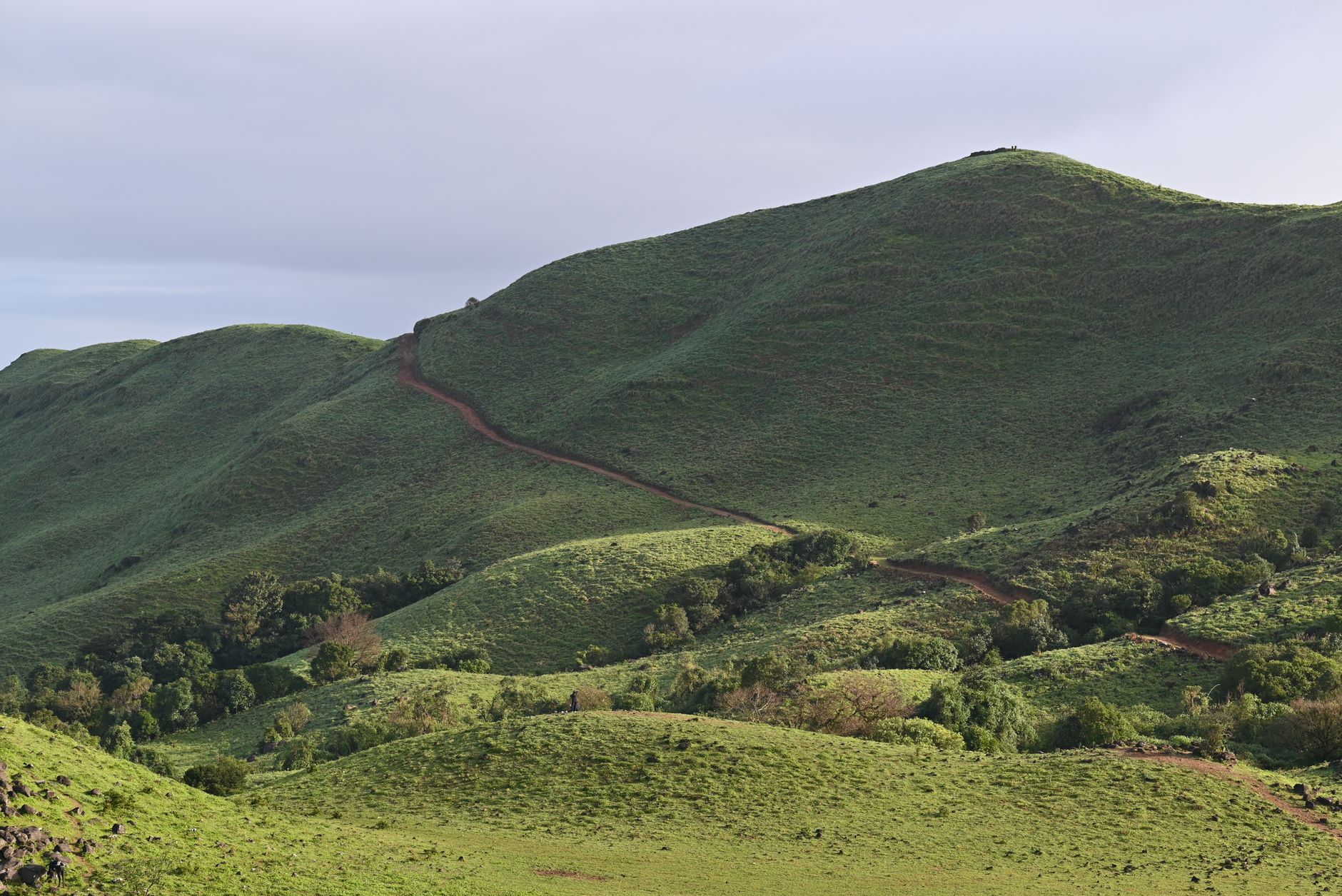
Lush green hills under a clear sky in Madikeri, Karnataka, showcasing natural beauty and tranquility.
Photo by Ankit Bhattacharjee on Pexels · Pexels License
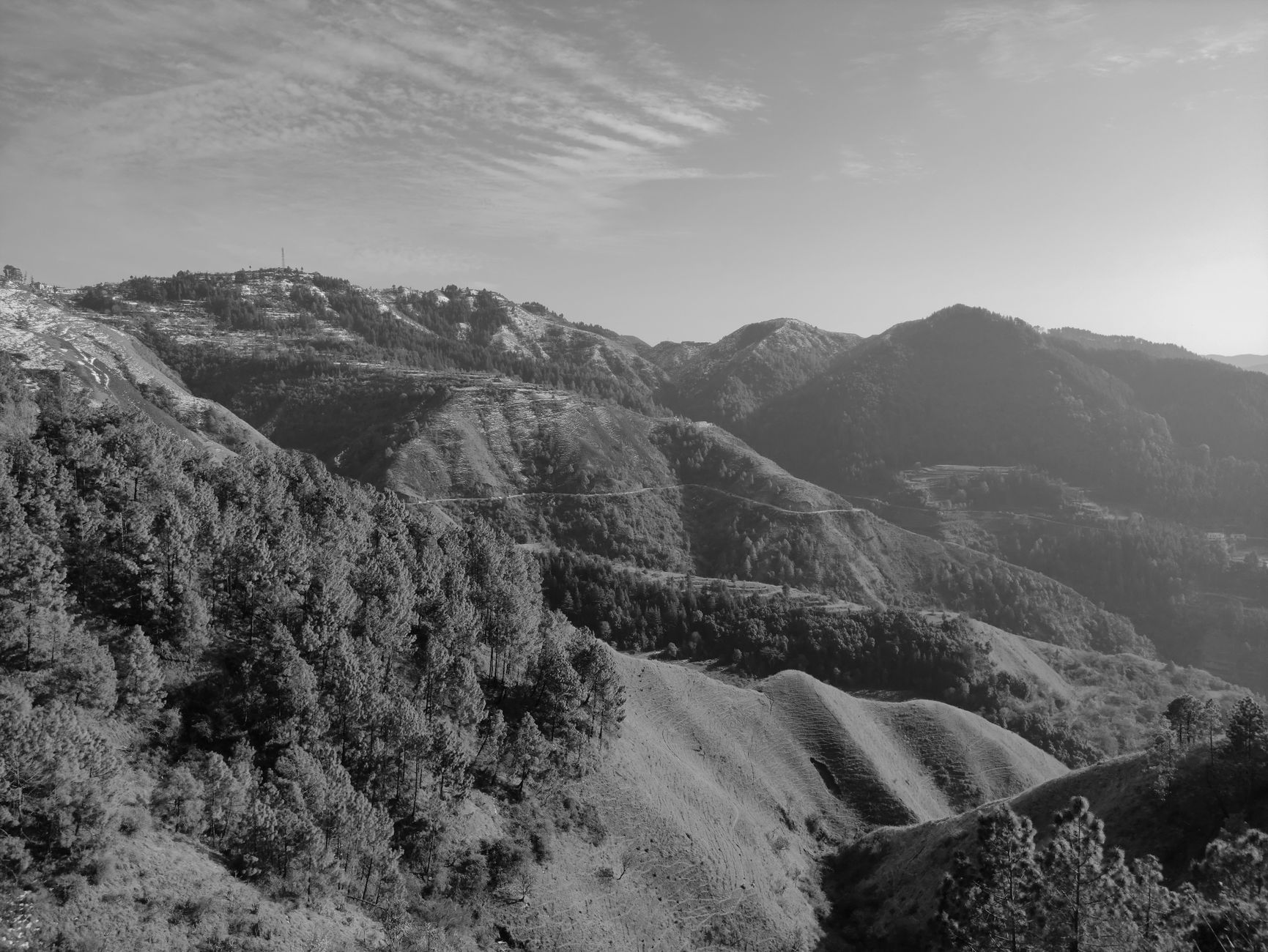
Black and white landscape of rolling hills and mountains in Dehradun, Uttarakhand, India.
Photo by Samar L. on Pexels · Pexels License
Top Monuments in India
Mecca Masjid
Hyderabad
Built with bricks said to contain soil from Mecca, this vast Old City mosque feels split between stillness inside and Hyderabad's traffic outside.
Vypin Lighthouse
Kerala
Built in 1979 after Fort Kochi ran out of room for a taller beacon, Vypin Lighthouse surveys a shoreline where fishing boats, ferries, and port cranes meet.
Vanchikulam
Thrissur
Once Thrissur's trade jetty, Vanchikulam now sits behind the railway station as a small waterside park where cargo history still lingers in the humid air.
Tamil Nadu Agricultural University
Coimbatore
A working farm-science campus doubles as Coimbatore's green lung, where old trees, flower shows, and an insect museum reveal the city's practical soul.
Diwan-I-Khas
New Delhi
Home to the Peacock Throne before Nadir Shah carried it to Persia, Diwan-i-Khas now stands as a marble shell of Mughal power beside Chandni Chowk's market chaos.
Max Healthcare
New Delhi
Delhi locals use Max as shorthand for serious private care in Saket: trusted for specialists, dreaded for bills, and framed by malls and old lanes.
Junagarh Fort
Bikaner
Built on flat desert ground when most Rajput forts climbed hills, Junagarh hides lacquered rooms, temple rituals, and Bikaner's royal memory behind walls.
Eden Gardens
Kolkata
India's oldest cricket ground overshadows a quieter surprise: a 19th-century park with a neglected Burmese pagoda beside Kolkata's loudest sporting myth.
Banashankari Amma Temple
Badami
Badami's living goddess shrine sits 5 km from the caves, where a quiet tank-side temple turns into a winter fair of chariots, cattle, and 108 vegetables.
National Gallery of Modern Art, Mumbai
Mumbai
Housed in Sir Cowasji Jehangir Hall, NGMA Mumbai pairs Bombay modernism with a Grade I heritage shell in Fort's quieter, more serious art circuit.
Meenakshi Temple
Madurai
Madurai still bends around Meenakshi: a temple where the goddess is queen, the streets form ritual rings, and painted towers rise over a crowded old bazaar.
Tomb of Malik Ibrahim Bayu
Bihar
Perched on Peer Pahari, this 14th-century tomb feels less like a lone monument than a hilltop meeting point of Sufi memory, city views, and local life.
Taj Mahal
Agra
Shah Jahan's hair turned white with grief in months.
Sion Hillock Fort
Mumbai
Built in 1669 to mark a colonial border, Sion Hillock Fort is free to enter and sits 500m from Sion Station.
Raj Ghat and Associated Memorials
New Delhi
Gandhi's last words โ 'Hey Ram' โ are carved into a 12x12 ft black marble platform where a nation cremated its father on January 31, 1948.
Lotus Temple
New Delhi
Built from the same Greek marble as the Parthenon, this free-entry temple has no idols, no clergy, and no ritual โ just silence open to all humanity.
Rumi Darwaza
Lucknow
Built in 1784 as a famine relief project, Rumi Darwaza's flower buds once sprayed water jets.
Fateh Sagar Lake
Rajasthan
A 400-year-old lake that has shrunk by nearly 40% due to illegal construction โ and a High Court order now fights to save what remains.
Practical Information
Visa
Most travelers from the EU, US, Canada, UK, and Australia can use India's official e-Tourist Visa system. The 30-day visa is double-entry; the 1-year and 5-year options are multiple-entry, with a 180-day annual stay cap on those longer visas. Apply at least 4 days before arrival, and make sure your passport has 6 months' validity.
Currency
India uses the Indian Rupee (INR, โน). Budget travelers can get by on about โน1,500-3,000 a day, while a comfortable mid-range trip usually lands around โน4,000-8,000. Cash still matters for small purchases, but cards and QR payments are standard in bigger cities.
Getting There
Delhi, mumbai, Bengaluru, hyderabad, and chennai are the main international entry points, with the best onward connections by air and rail. Delhi works best for North India, while chennai, Bengaluru, and hyderabad make cleaner starts for southern routes. If you are heading straight to Kerala, Kochi is usually the easiest landing point.
Getting Around
India moves by train, low-cost flights, app cabs, and long-distance buses, but trains are still the backbone for most independent trips. Book popular routes early on IRCTC, especially sleeper and AC classes, because holiday and weekend trains fill fast. For airport transfers, Delhi's Airport Express is unusually efficient; mumbai still works better by taxi or app cab.
Climate
October to March is the safest all-country window: cooler air in the north, drier days in much of the south, and fewer weather-related transport headaches. May and June are punishingly hot across the plains, often above 40C, while July to September brings monsoon delays, flooded roads, and cheaper hotel rates. Tamil Nadu has its own late-season rain pattern, with the northeast monsoon peaking around October to December.
Connectivity
Mobile data is cheap, fast, and easy to set up once you have an airport SIM or eSIM sorted. Urban India runs heavily on QR payments, and foreign visitors can now use UPI One World at participating counters and partners after passport and visa verification. Keep offline tickets, hotel addresses, and screenshots anyway, because station Wi-Fi and rural signal can still wobble.
Safety
India is manageable for independent travelers, but the basics matter more here than in easier countries. Use bottled or properly filtered water, watch food hygiene on your first two days, and be firm with unofficial taxi touts outside airports and stations. Women traveling solo usually do better with prebooked transport, reputable hotels, and daytime arrivals when possible.
Taste the Country
restaurantHyderabadi biryani
Lunch or late dinner. Family table, wedding hall, Friday appetite. Spoon lifts from the top, then deeper, then deepest. Rice, meat, mint, fried onion, silence.
restaurantIdli-sambar
Morning meal. Stainless-steel plate, standing counter, office canteen, train platform near Chennai. Fingers tear, dip, gather, repeat. Coffee follows.
restaurantVada pav
Commuter food in Mumbai. Pav opens, batata vada enters, dry garlic chutney burns, green chili snaps. One hand eats. The other guards the bag.
restaurantThali
Noon meal, family lunch, highway stop, temple town. Small bowls circle the metal tray. Rice receives dal, sabzi, curd, pickle in sequence. Refills arrive before refusal.
restaurantFilter coffee
Dawn or mid-morning in Chennai and Bengaluru. Decoction meets hot milk and sugar. Tumbler pours into dabarah, back again, froth rises. Conversation starts.
restaurantPaan
After meals, after weddings, after too much biryani. Betel leaf folds around areca nut, lime paste, fennel, sometimes gulkand. Mouth chews. Street corner watches.
Tips for Visitors
Check Hotel Taxes
A room that looks cheap at booking stage can jump once GST is added. Read whether the quoted rate is tax-inclusive, especially in mid-range and business hotels.
Book Trains Early
Popular routes and decent AC classes can sell out days or weeks ahead, especially around festivals and school holidays. If your train matters to the shape of the trip, reserve it before you book the hotel after it.
Carry Three Ways To Pay
Use a card, some cash, and a UPI option if you can set one up. Small vendors, station stalls, and auto-rickshaws often prefer QR or exact notes over cards.
Ease Into Street Food
Street food is one of the best reasons to travel in India, but your stomach may need 48 hours to understand that. Start with busy stalls cooking food fresh in front of you, then work outward.
Use The Right Hand
For eating, giving money, or accepting something in a home, the right hand is the safe choice. Nobody expects perfection from visitors, but the gesture is noticed.
Arrive In Daylight
Late-night arrivals are where simple transfers turn messy, especially in smaller cities. A daytime arrival gives you functioning transport counters, easier hotel check-in, and less room for negotiation theater.
Reserve Key Sights
Top monuments, internal flights, and holiday trains all reward advance planning. December and January are the tightest months in the north, while long weekends can distort prices almost anywhere.
Use Official Airport Transport
Prepaid taxi booths, app cabs, and airport buses are worth the small premium after a long flight. The cheapest unofficial offer outside the terminal is often the one that wastes the most time.
Explore India with a personal guide in your pocket
Your Personal Curator, in Your Pocket.
Audio guides for 1,100+ cities across 96 countries. History, stories, and local insight โ offline ready.
Audiala App
Available on iOS & Android
Join 50k+ Curators
Frequently Asked
Do I need a visa for India as a US, UK, EU, Canadian, or Australian traveler? add
Yes, in most cases you do. India's official e-Tourist Visa covers travelers from the US, UK, Canada, Australia, and most EU countries, with 30-day, 1-year, and 5-year options available online through the government portal.
What is the best month to visit India? add
October to March is the best broad answer for most travelers. Those months avoid the worst heat, reduce monsoon disruption, and make routes through Delhi, Agra, Jaipur, Varanasi, mumbai, and Kerala much easier to manage.
How many days do you need for a first trip to India? add
Seven to ten days is enough for a focused first trip. That gives you time for a tight route such as Delhi, Agra, Jaipur or a southern circuit through chennai, Bengaluru, and hyderabad without spending the whole trip in transit.
Is India cheap for tourists in 2026? add
Yes, by long-haul travel standards it still can be. You can travel on about โน1,500-3,000 a day if you keep rooms simple and move mostly by train, but major-city hotels and internal flights will push a comfortable trip higher.
Can foreigners use UPI in India? add
Yes, some foreigners now can through approved visitor products such as UPI One World. It is not as frictionless as using your home card on day one, so carry backup cash and a physical card while you set it up.
Is it better to travel India by train or by flight? add
Use trains for medium-distance classic routes and flights for long jumps. Delhi to Agra or Jaipur makes sense by rail, while something like Kolkata to Kochi or mumbai to Thiruvananthapuram usually works better by air.
Can I drink tap water in India? add
No, assume tap water is not for drinking unless your hotel is very clear about filtration. Stick to sealed bottled water or trusted filtered water, and be cautious with ice in places that look careless about hygiene.
Is India safe for solo female travelers? add
Yes, many women travel India alone successfully, but the margin for sloppy planning is smaller than in easier destinations. Prebook your first hotel, favor daytime arrivals, use reputable transport, and trust your instinct if a situation starts to feel wrong.
How far in advance should I book trains in India? add
Book as early as you can for any route that matters. Popular services, holiday dates, and better AC classes can fill fast, especially on routes touching Delhi, Varanasi, mumbai, and Kerala during peak season.
Sources
- verified Indian e-Visa Official Portal โ Official visa categories, eligibility, fees, validity rules, and designated entry points.
- verified Bureau of Immigration, India โ Official arrival procedures, immigration updates, and e-Arrival card guidance.
- verified NPCI International Payments - UPI One World โ Official information on UPI-based payment options for inbound foreign travelers.
- verified IRCTC โ Official train booking platform for Indian Railways, used for reservation planning and route timing.
- verified India Meteorological Department โ Official climate and seasonal weather information, including monsoon timing and alerts.
Last reviewed: