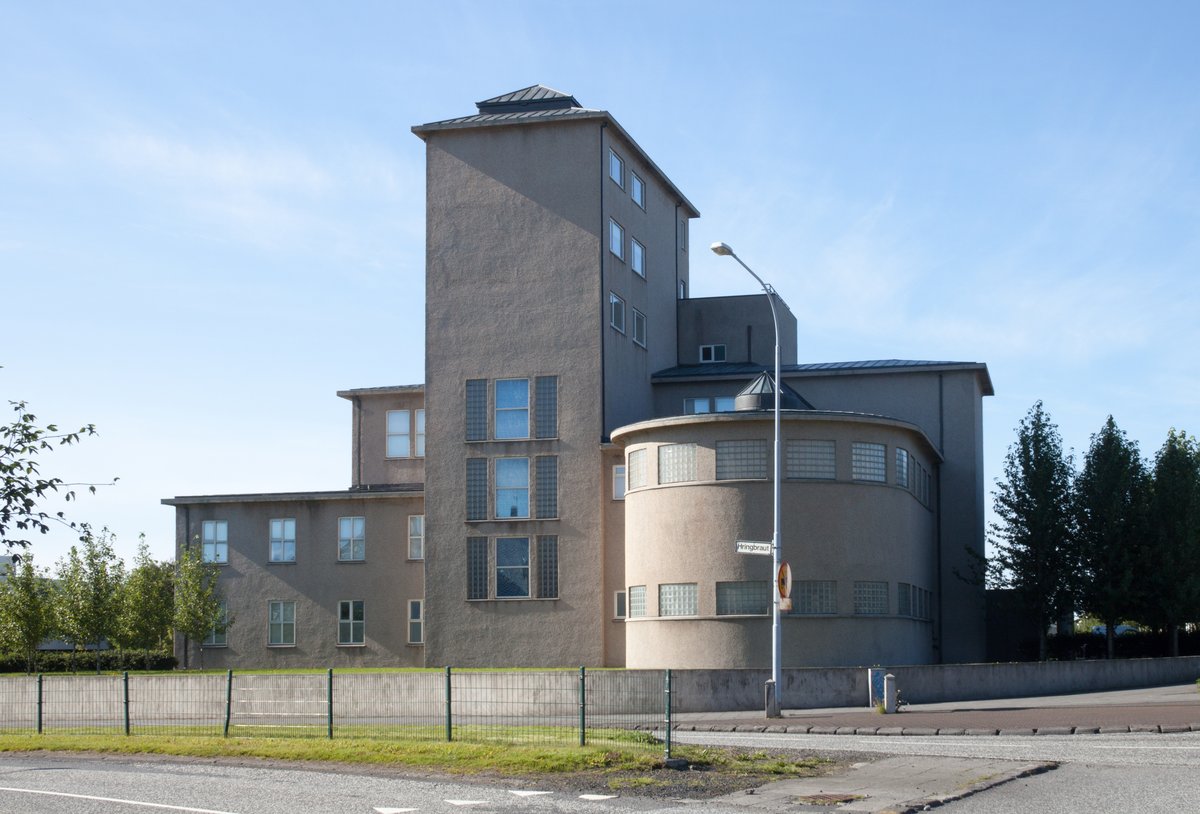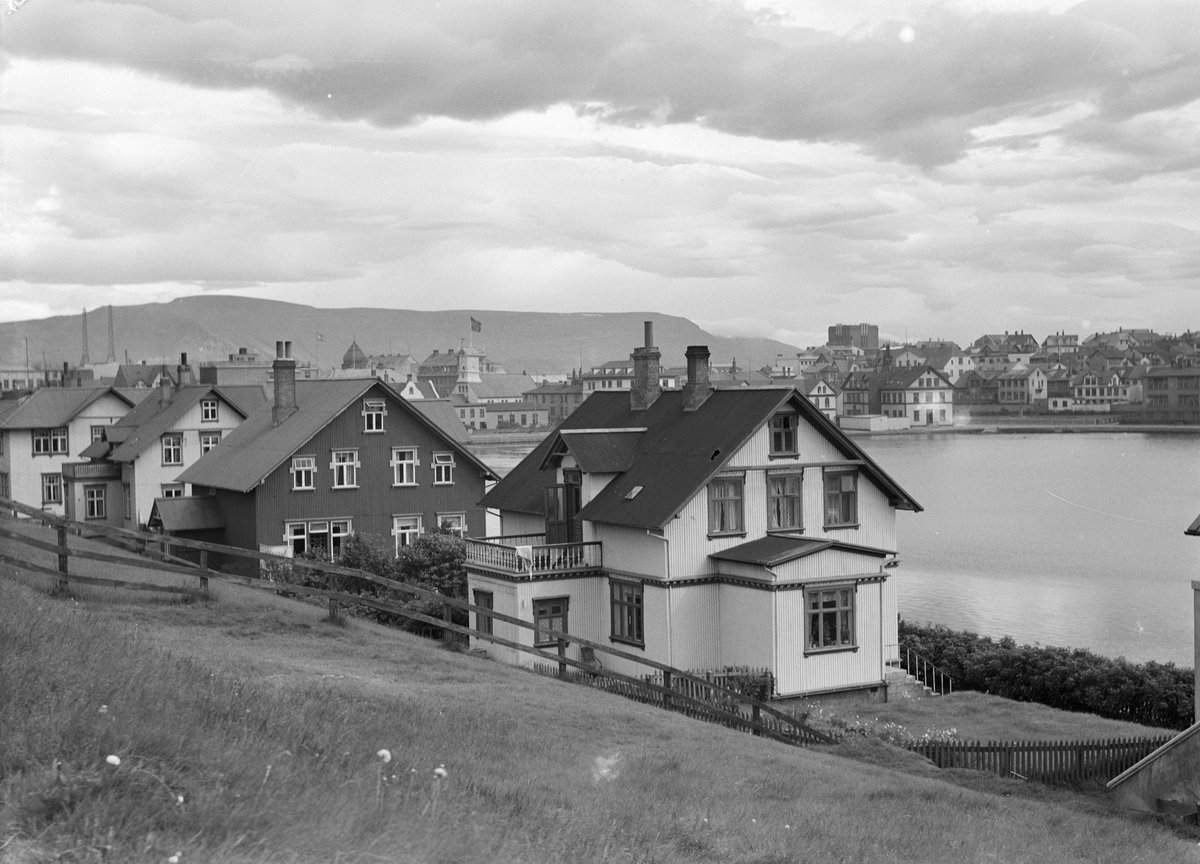
Plan and listen to Ráðhús Reykjavíkur with Audiala.
Audio guide in your pocket, itinerary in your browser. Built for the way you actually visit.
Introduction
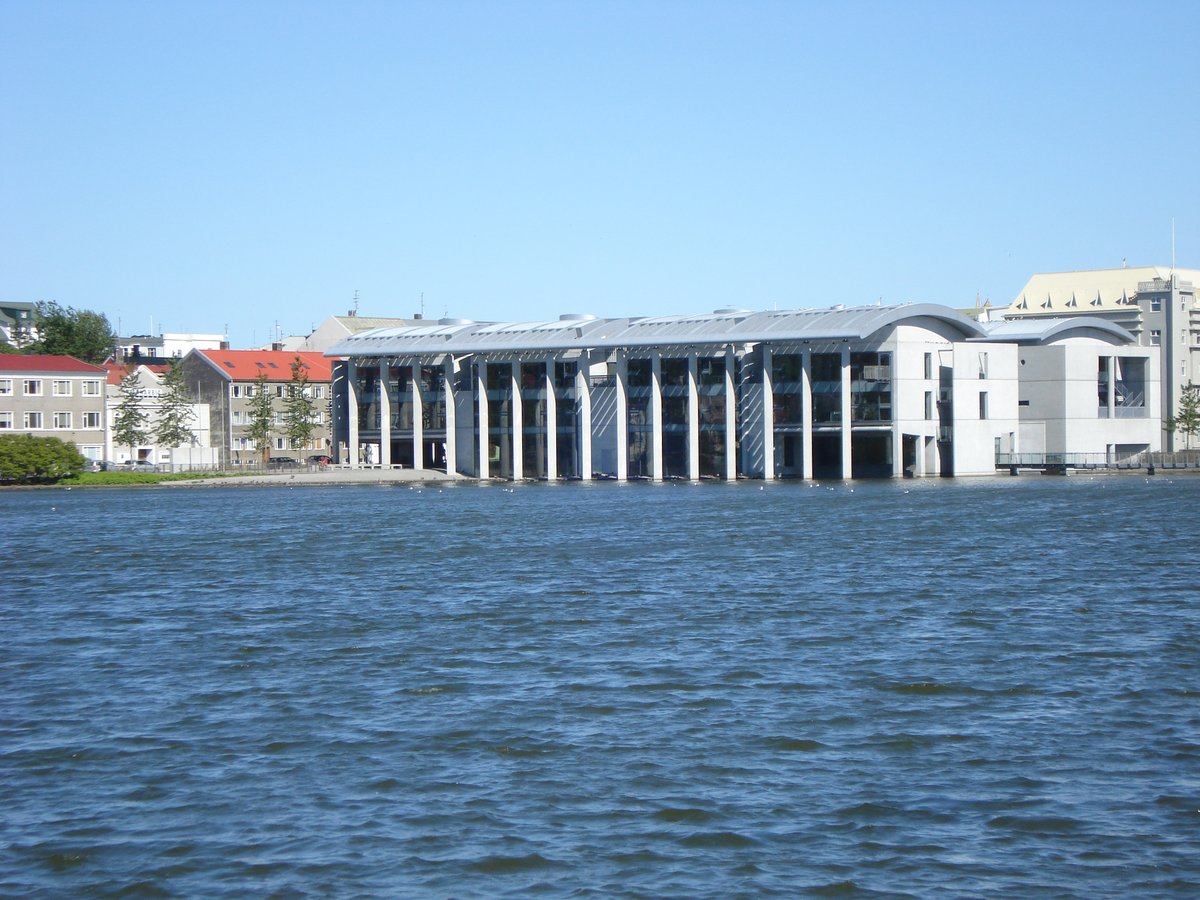
Ráðhús Reykjavíkur (Reykjavík City Hall) is a striking landmark at the northern edge of Tjörnin Pond in downtown Reykjavík. It is not only the center of municipal governance but also a vibrant cultural venue and an architectural icon that seamlessly blends civic function with Iceland’s natural beauty. This guide will provide detailed information on the building’s history, design significance, visiting hours and tickets, accessibility, nearby attractions, sustainability practices, and practical tips to make your visit enriching and memorable (nat.is; visitreykjavik.is).

Historical Background
Early Proposals and Development
The idea of a city hall in Reykjavík emerged as early as the late 18th century, with repeated discussions throughout the 19th and 20th centuries. Initial proposals called for a central administrative space to serve as the city’s civic heart (nat.is). After numerous committees and proposals, momentum grew in the 1980s, when an international architectural competition was announced in 1986.
Construction and Inauguration
Studio Granda, led by Margrét Harðardóttir and Steve Christer, won the competition with their design focused on harmonizing the building with its lakeside setting (visitreykjavik.is). Construction started in 1988, and the City Hall officially opened its doors in April 1992, quickly becoming a symbol of Reykjavík’s modern identity (reykjavik.is).
Architectural Significance
Design Philosophy
The building exemplifies modern Nordic architecture, featuring clean lines, extensive use of glass, and sustainable materials. Its layout is designed to serve both administrative and public purposes. With two main interconnected wings—one for city council activities and the other for offices—the structure reflects both Reykjavík’s civic aspirations and its deep connection to nature (is.nat.is).
Integration with Nature
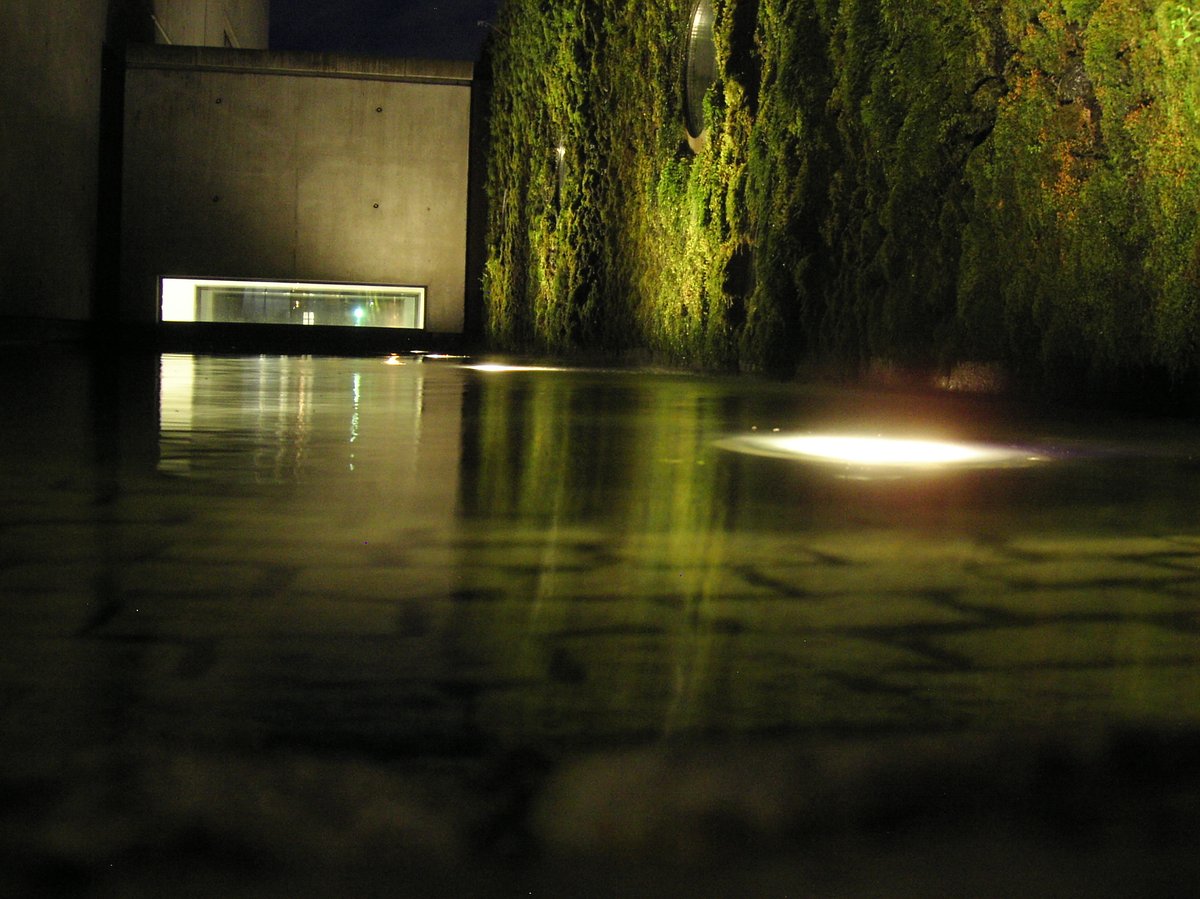
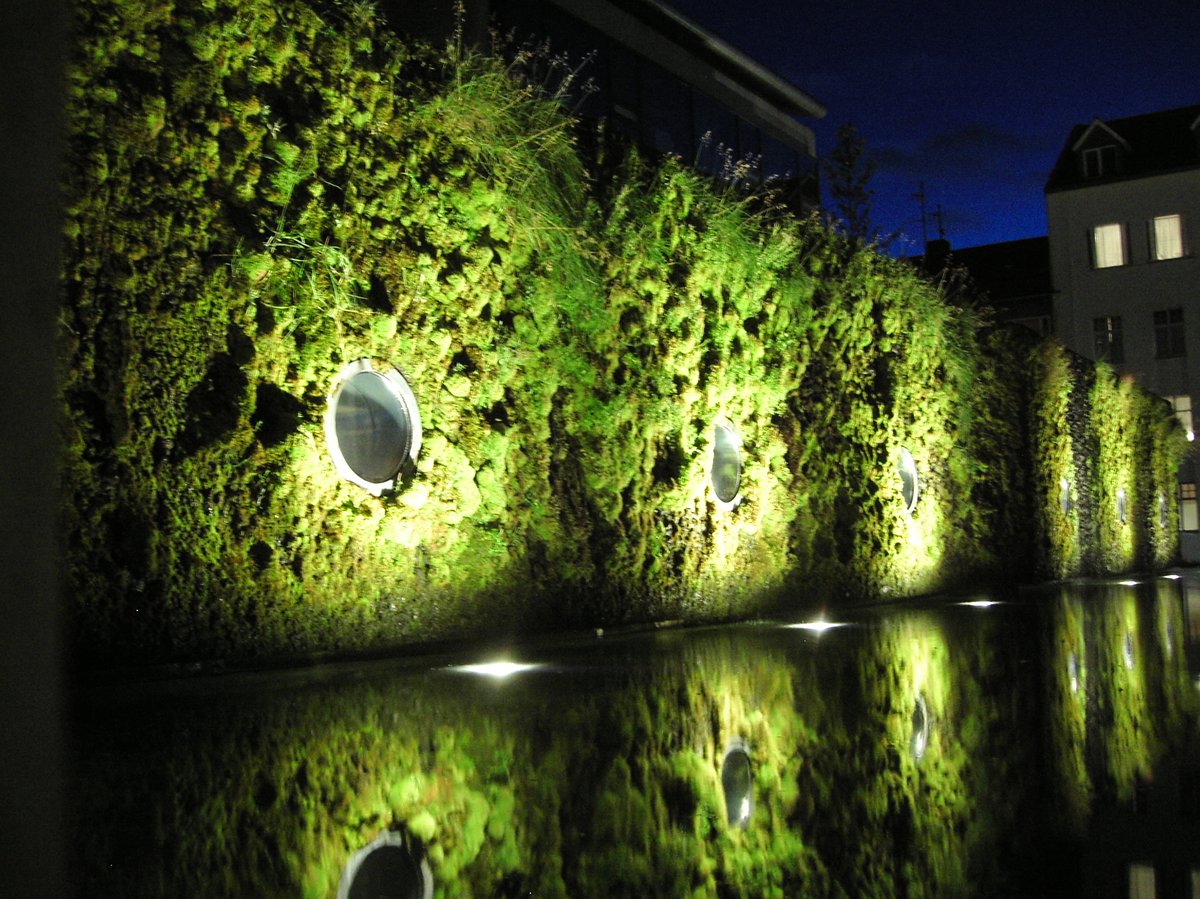
Reykjavík City Hall’s southern façade opens directly onto Tjörnin Pond, with panoramic windows and terraces that bring in natural light and offer stunning views. Moss-clad walls and strategic landscaping highlight the interplay between the urban and natural environments, reinforcing the building’s role as both a civic and ecological space (nat.is).
Interior Features
A key attraction inside is the large 3D topographical map of Iceland, crafted from layered cardboard and covering over 70 square meters. This immersive exhibit offers educational value for all ages, allowing visitors to explore the country’s geography in detail (reykjavik.is).
The ground floor’s Tjarnarsalur Hall doubles as a venue for art exhibitions, community events, and public forums, underscoring the City Hall’s function as a gathering place for Reykjavík’s citizens and visitors alike.
Visitor Information
Location and Getting There
- Address: Tjarnargata 11, 101 Reykjavík, Iceland
- Located on the northern shore of Tjörnin Pond, the City Hall is within easy walking distance of Reykjavík’s major sites, including Parliament House, Austurvöllur Square, and Harpa Concert Hall (Guide to Iceland; BusTravel).
- Public Transport: Served by Ráðhúsið bus stop and multiple city bus lines.
- Parking: Limited street and garage parking nearby; visitors are encouraged to walk or use public transit for sustainability.
Visiting Hours and Tickets
- Monday–Friday: 8:00–18:00
- Saturday: 10:00–18:00
- Sunday: 12:00–18:00
- Admission: Free for all visitors; no tickets required (Guide to Iceland).
Accessibility
The building is fully accessible, featuring ramps, elevators, step-free entrances, and accessible restrooms (reykjavik.is).
Visitor Facilities
- Tourist Information Desk: Maps, brochures, and city tips available on the ground floor (BusTravel).
- Restrooms: Clean, accessible, and available to the public.
- Free Wi-Fi: Throughout the building.
- Seating Areas: Comfortable spaces to relax and enjoy lake views.
Exhibitions and Guided Tours
- 3D Relief Map of Iceland: A must-see for geography enthusiasts and families.
- Rotating Art Exhibitions: Showcasing Icelandic and international artists.
- Guided Tours: Offered Monday–Thursday between 10:00–15:00 (booking required via official website). Tours provide insight into the building’s history, architecture, and civic functions.
Practical Tips for Visitors
- Best Time to Visit: Early mornings and weekdays for a quieter atmosphere.
- Photography: Permitted in public areas and exhibitions. Please be mindful during official meetings or private events.
- Children: The 3D map and pond are highlights for kids; supervise children near the water.
- Combine Your Visit: Pair City Hall with a walk around Tjörnin, or visits to Harpa, Parliament House, and the National Museum.
Sustainability and Community Initiatives
Green Transportation
Reykjavík’s public transport system is powered mostly by renewable energy. Visitors are encouraged to arrive by bus, bike, or on foot.
Eco-Friendly Facilities
City Hall features energy-efficient systems, recycling stations, and a café serving local seasonal fare. The building itself is heated with geothermal energy and designed for minimal environmental impact.
Responsible Visitor Practices
- Feed pond birds with grains or seeds, not bread, to protect local wildlife.
- Recycle and use reusable items.
- Choose eco-certified tours and accommodations.
Educational Programs
The City Hall regularly hosts exhibitions on sustainability, Icelandic nature, and renewable energy. The interactive map is a favorite among school groups and families.
Frequently Asked Questions (FAQ)
Q: What are the visiting hours?
A: Monday–Friday 8:00–18:00, Saturday 10:00–18:00, Sunday 12:00–18:00.
Q: Is admission free?
A: Yes, entry is free; some special events may require tickets.
Q: Are guided tours available?
A: Yes, by arrangement through the City Hall website or local tourism offices.
Q: Is the building accessible?
A: Fully wheelchair accessible with ramps and elevators.
Q: Can I take photos inside?
A: Yes, except during certain official meetings or private events.
Q: What are nearby attractions?
A: Tjörnin Pond, Harpa Concert Hall, Austurvöllur Square, Hallgrímskirkja, National Museum of Iceland.
Nearby Attractions
- Tjörnin Pond: Birdwatching, seasonal ice skating, and scenic strolls.
- Hljómskálagarður Park: Sculpture garden and green space at the pond’s southern end.
- Historic Old Town Streets: Colorful houses and Reykjavík’s classic architecture.
- Harpa Concert Hall: Modern glass landmark hosting concerts and cultural events.
- Austurvöllur Square: A hub for city life, cafés, and outdoor gatherings.
- Hallgrímskirkja: Iconic church with panoramic city views.
- National Museum of Iceland: In-depth look at Iceland’s history and culture.
Listen to the full story in the app
The whole Ráðhús Reykjavíkur,
told well.
Audio guides for 1,100+ cities across 96 countries. History, stories, and local insight — offline ready.
Verified, and shown.
Researched and written by the Audiala editorial team from historical records, architectural archives, and local expertise.
Researched from Wikidata, Wikipedia & official sources · fact-checked · How we make our guides →