Plan and listen to Landakotskirkja with Audiala.
Audio guide in your pocket, itinerary in your browser. Built for the way you actually visit.
Introduction
Perched atop Landakot hill in Reykjavík, Landakotskirkja—also known as the Basilica of Christ the King or Christ the King Cathedral—stands as a remarkable emblem of Iceland’s religious heritage, architectural ingenuity, and cultural diversity. Completed in 1929, this neo-Gothic Catholic cathedral, designed by Guðjón Samúelsson, is celebrated for its unique adaptation of traditional Gothic architecture to Icelandic materials and climate. Far more than a church, Landakotskirkja embodies the story of Catholicism’s revival in a predominantly Lutheran nation, and today serves a congregation representing over 100 nationalities.
Visitors to Landakotskirkja can enjoy its serene atmosphere, marvel at its pointed arches, ribbed vaults, and vibrant stained-glass windows, and explore a space steeped in both spirituality and history. The church offers free entry, hosts multilingual services, and provides guided tours that illuminate its architectural and historical importance. Its proximity to Reykjavík’s city center, along with accessible facilities and a welcoming environment, makes Landakotskirkja an essential destination for anyone interested in the city’s historical sites, religious architecture, or multicultural community.
For up-to-date information on visiting hours, events, and visitor services, consult the Catholic Church in Iceland website and trusted tourism resources (Lonely Planet, Guide to Iceland). This guide offers everything you need to plan a meaningful and memorable visit to Landakotskirkja.

Landakotskirkja: Reykjavík’s Iconic Catholic Cathedral
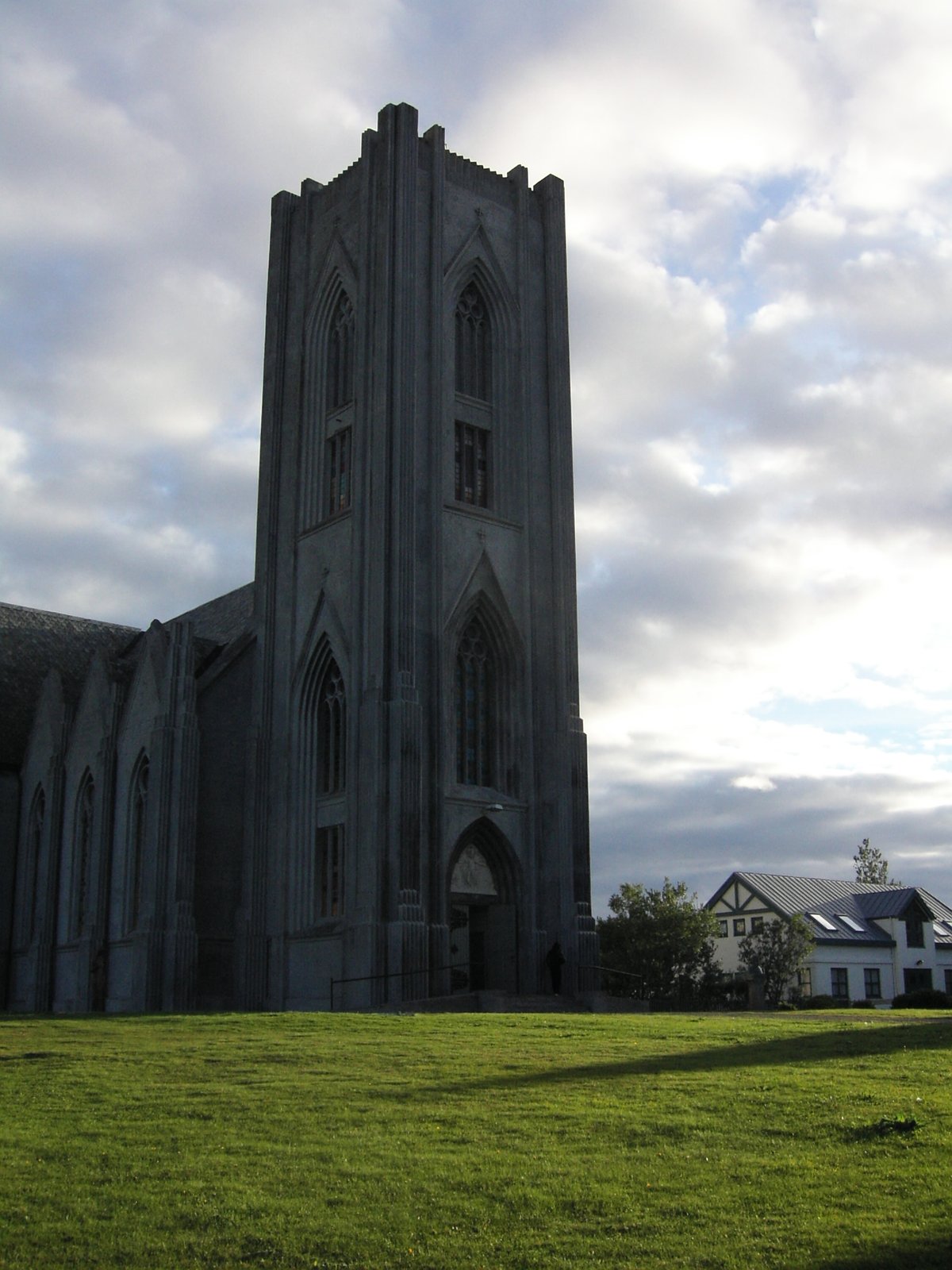
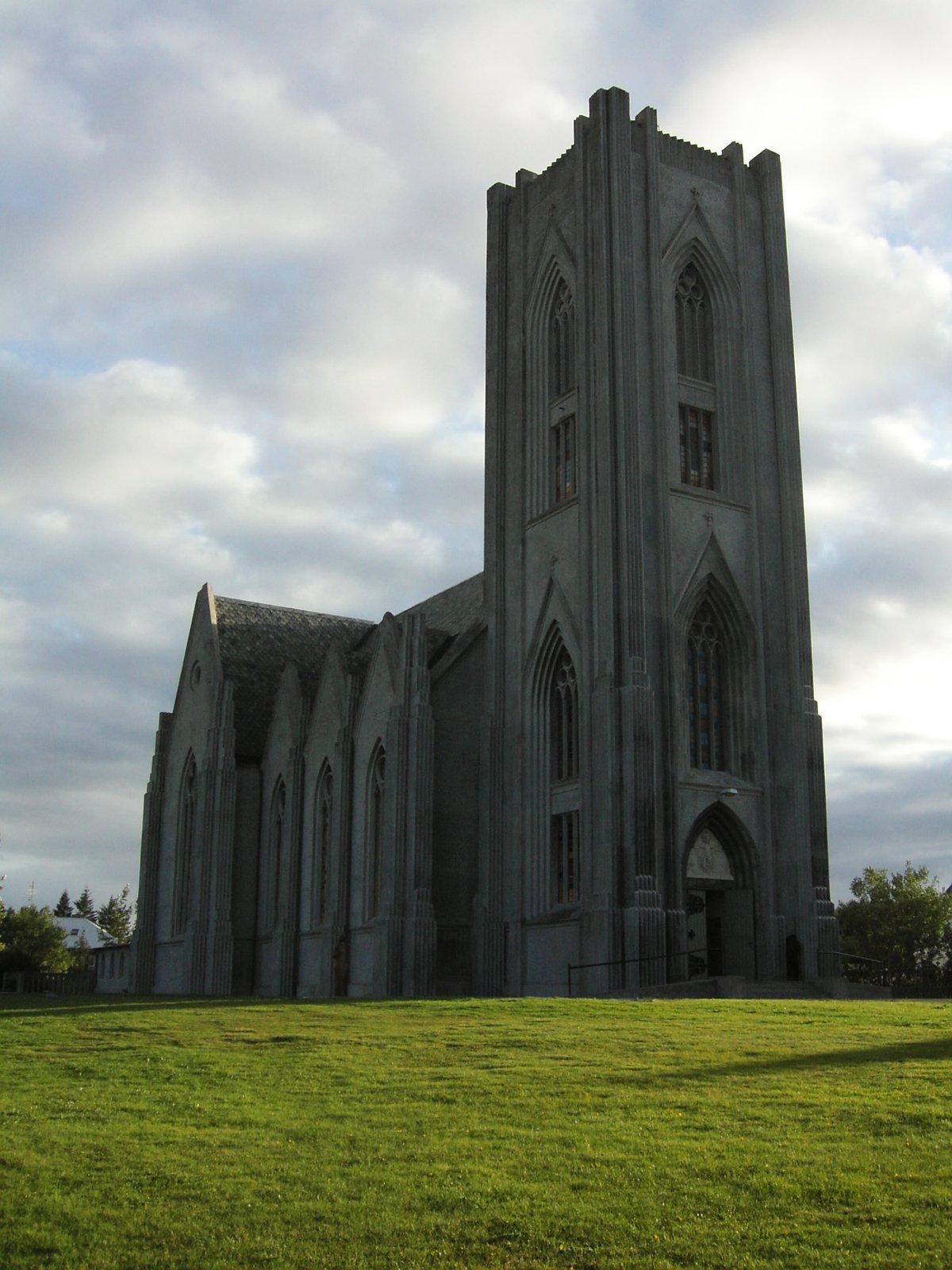
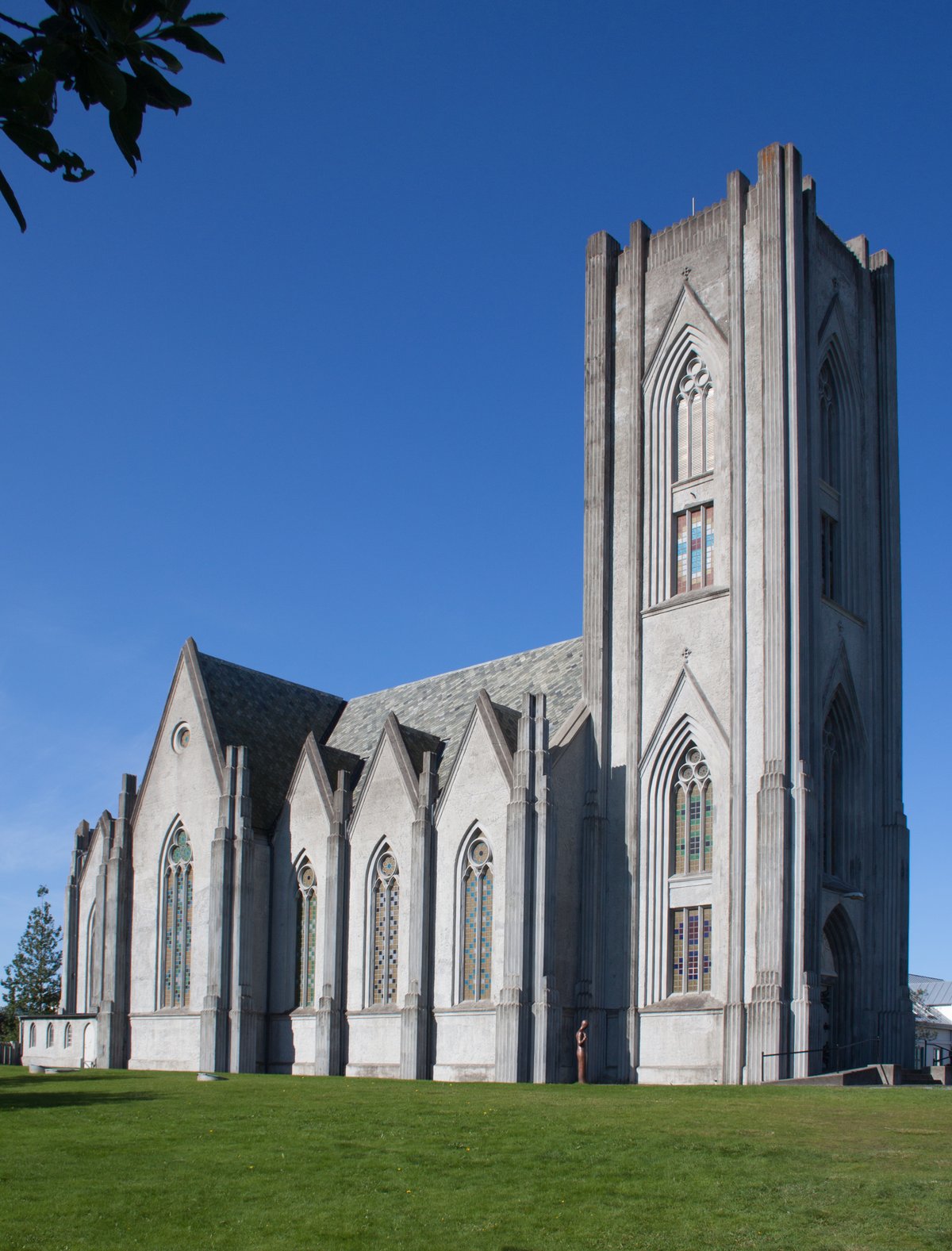
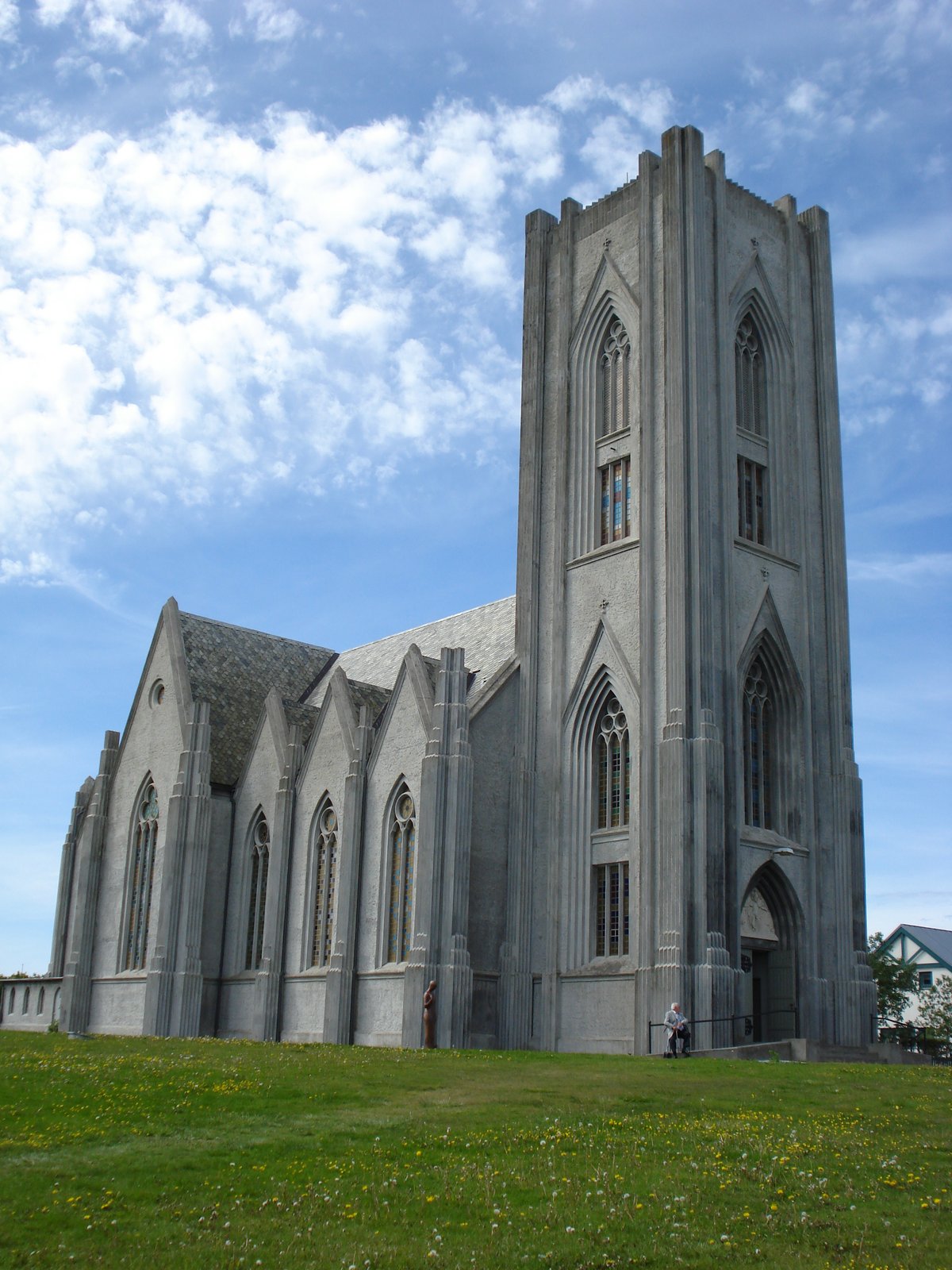
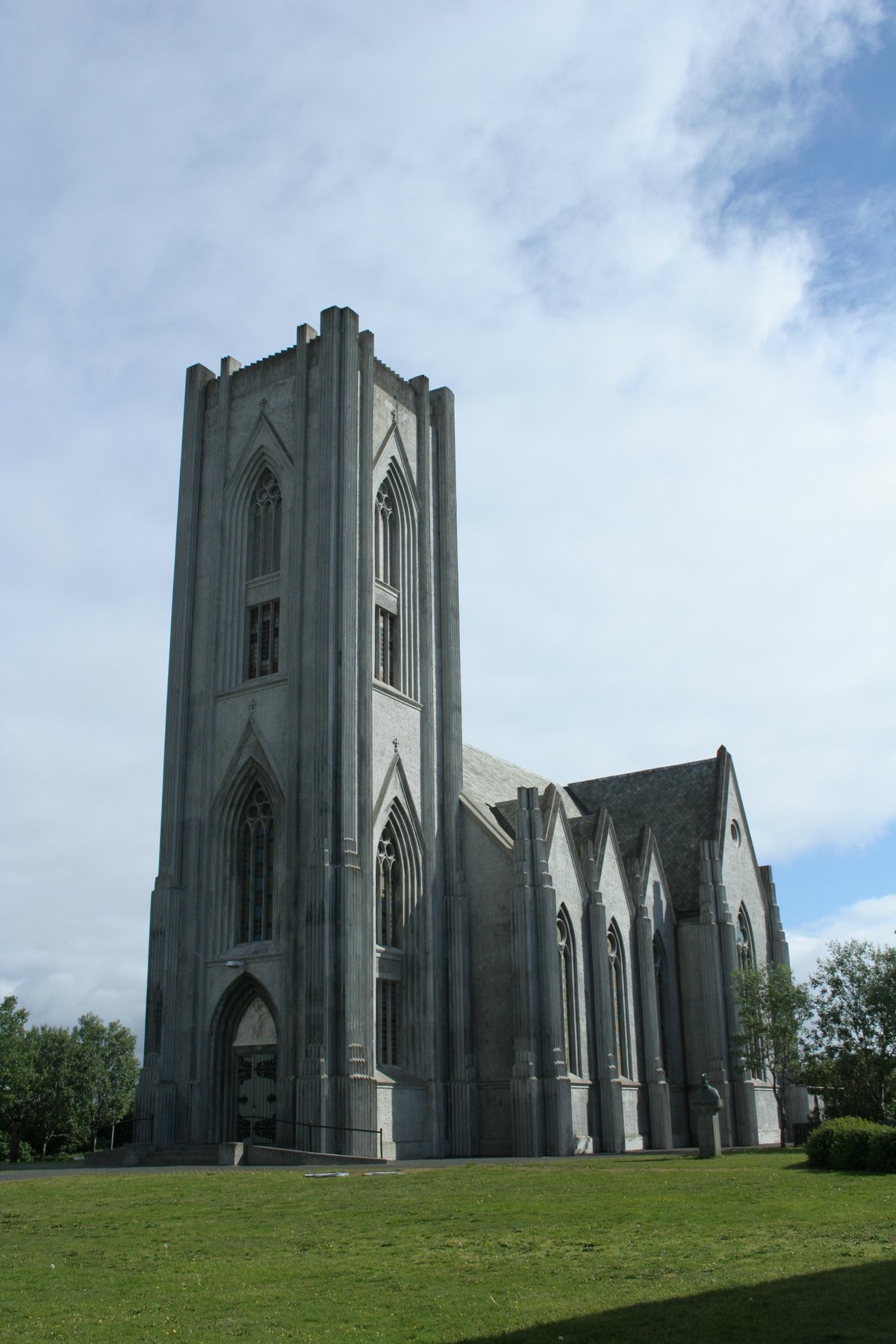
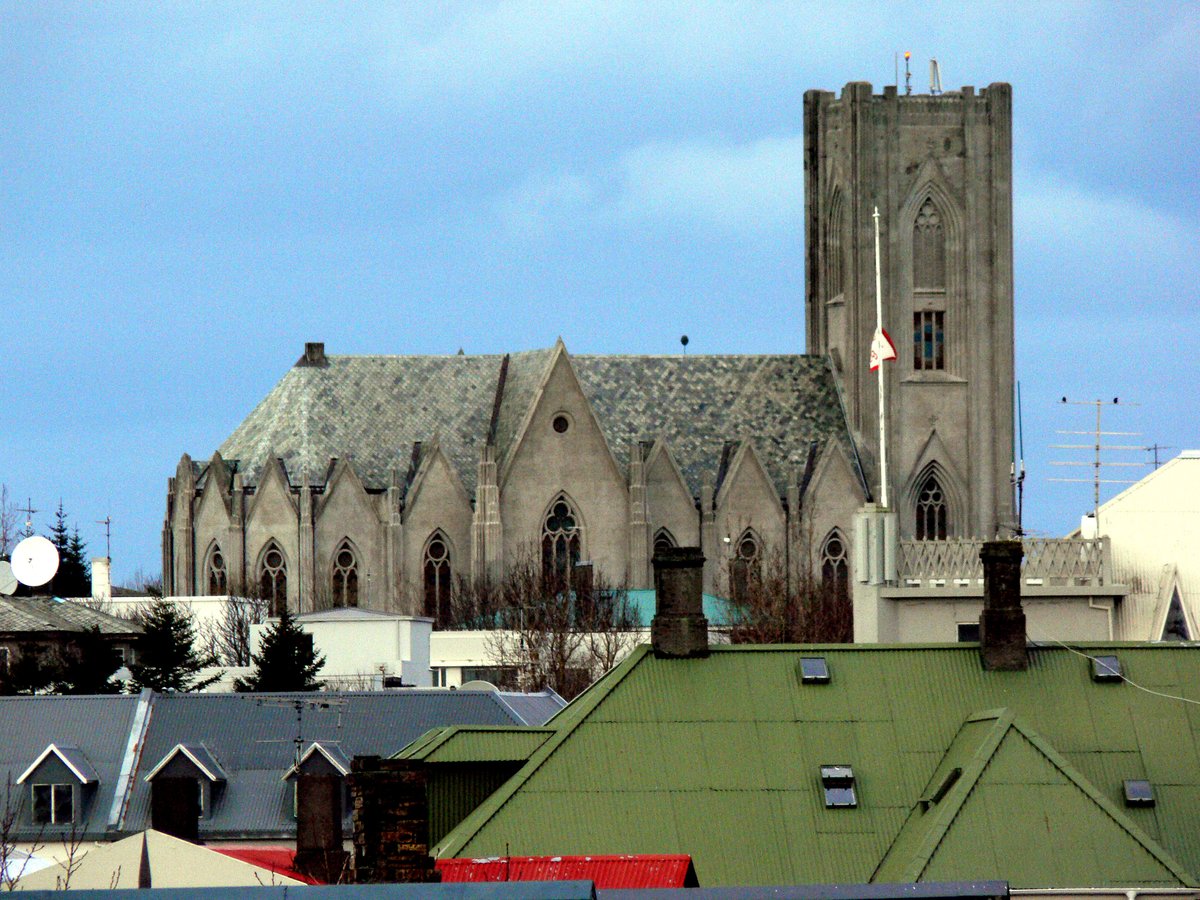
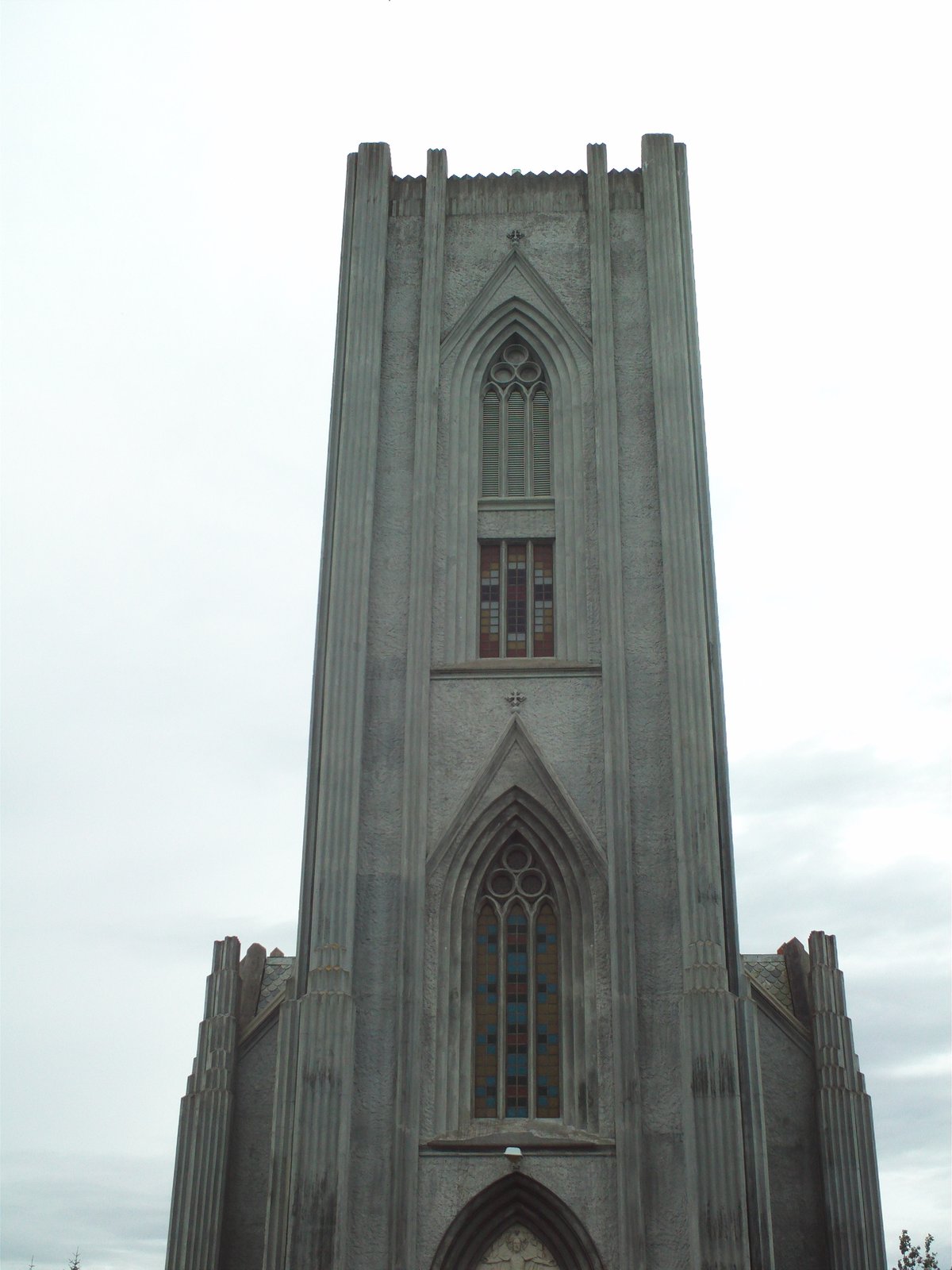
Landakotskirkja, the Basilica of Christ the King, is regarded as one of Reykjavík’s most important religious and architectural landmarks. Dominating the city’s western skyline, its neo-Gothic design, striking concrete façade, and unique flat-topped tower set it apart from any other church in Iceland. The cathedral is not only a place of worship but also a center for cultural events, music, and social outreach.
Historical Context and Construction
Catholicism in Iceland: Suppression and Revival
Catholicism first took root in Iceland around 1000 AD, following the Christianization of the island, and flourished for centuries. However, the Protestant Reformation in the 16th century, enforced by Danish rule, led to centuries of Catholic suppression. The execution of the last Catholic bishop, Jón Arason, in 1550 symbolized this shift (Catholic Share).
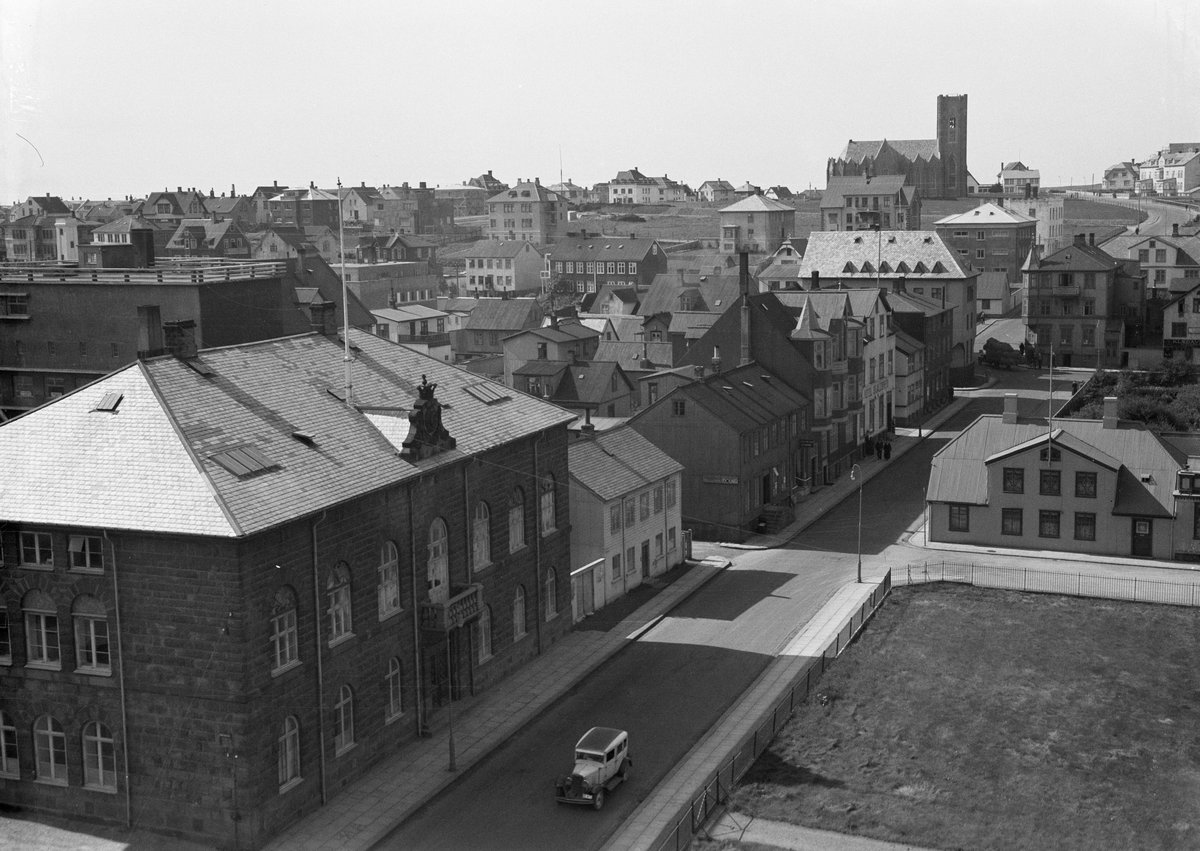
In the 19th century, religious freedom returned, and foreign missionaries—especially from France—reestablished a Catholic presence in Reykjavík, building the first modest chapel at Landakot in 1864. As the small Catholic community grew, the need for a larger, permanent church became evident.
Planning and Building Landakotskirkja
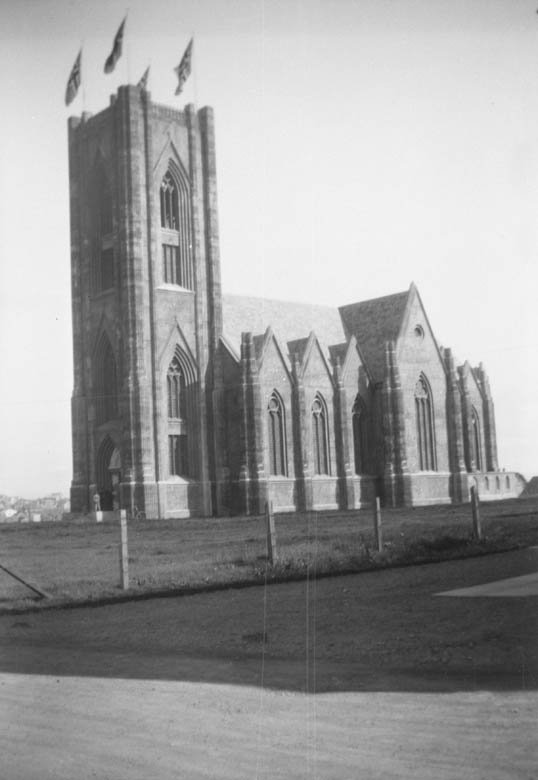
Architect Guðjón Samúelsson, whose work includes Hallgrímskirkja, designed Landakotskirkja in the 1920s. Construction was completed in 1929, largely funded by European Catholic organizations (Lonely Planet). The church’s elevation to basilica status in 1968 further cemented its importance.
Architectural Highlights and Symbolism
Neo-Gothic Adaptation
Landakotskirkja’s neo-Gothic design stands out in Iceland. Its flat-topped tower—a departure from the traditional Gothic spire—was both a practical response to Iceland's challenging weather and a creative statement (Guide to Iceland). The exterior features pointed arches, buttresses, and tall, narrow windows, all constructed from Icelandic concrete.
Artistic and Liturgical Details
Inside, the nave’s soaring arches and ribbed vaults create an atmosphere of light and elevation. The marble altar, intricate woodwork, and stained-glass windows depicting Christ and Icelandic saints are highlights. The historic pipe organ, crafted by Atelier J.W. Ramakers & Sons, is used for both services and concerts (christianedirectory.com). The church’s excellent acoustics make it a favored concert venue (reykjavikattractions.is).
Cultural Integration
Landakotskirkja embodies the revival of Catholicism in a Lutheran country, and its architecture reflects both Icelandic and European influences. The surrounding park and the “Kollun” statue by Steinunn Þórarinsdóttir add to its cultural richness.
Visiting Landakotskirkja: Practical Information
Visiting Hours
- Generally open daily from 9:00 AM to 6:00 PM (some sources note 07:30–18:30 or 10:00–17:00, with longer hours in summer) (Catholica.is, landakotkirkja.is).
- Hours may vary for holidays and special events; check the official website before visiting.
Admission and Tours
- Entry is free; donations are appreciated for church upkeep.
- Guided tours can be arranged in advance and are available in multiple languages, especially in summer.
Accessibility
- Wheelchair access to the nave and accessible restrooms.
- Staff assistance available if needed.
Services and Events
- Multilingual Masses (Icelandic, English, Polish, Spanish) are held regularly.
- Concerts and cultural events are frequently hosted; check the event calendar.
Photography and Etiquette
- Photography is welcome but avoid flash and be respectful during services.
- Modest dress and quiet are expected inside.
Community and Cultural Significance
Landakotskirkja is the heart of Iceland’s Catholic community, which is increasingly diverse due to immigration. The cathedral fosters inclusivity through multilingual services and outreach programs, supporting a congregation from over 100 countries (Catholic Share). It also plays an ecumenical role, collaborating with other Christian communities, and is a visible part of Reykjavík’s cultural and social life through concerts, festivals, and educational events.
Travel Tips and Nearby Attractions
- Getting There: A 10-minute walk from Reykjavík’s city center; accessible by public buses (Strætó). Limited parking nearby.
- Best Time to Visit: Early mornings or late afternoons for quiet reflection and ideal lighting.
- Nearby Attractions: Combine your visit with Hallgrímskirkja, the National Museum of Iceland, Reykjavík Art Museum, and the Old Harbour.
- Amenities: Restrooms onsite; cafés and shops nearby.
Frequently Asked Questions (FAQ)
Q: What are Landakotskirkja’s visiting hours?
A: Typically open daily from 9:00 AM to 6:00 PM, with some seasonal variation. Always check the official website before your visit.
Q: Is there an entrance fee?
A: No, entry is free. Donations are welcome.
Q: Are guided tours available?
A: Yes, especially in summer or by prior arrangement.
Q: Is the cathedral accessible to wheelchairs?
A: Yes, the nave is accessible. Some areas may require assistance.
Q: Can I attend Mass as a visitor?
A: Yes, visitors are welcome at services held in multiple languages.
Q: Is photography allowed?
A: Yes, but please avoid flash and respect worshippers.
Listen to the full story in the app
The whole Landakotskirkja,
told well.
Audio guides for 1,100+ cities across 96 countries. History, stories, and local insight — offline ready.
Verified, and shown.
Researched and written by the Audiala editorial team from historical records, architectural archives, and local expertise.
Researched from Wikidata, Wikipedia & official sources · fact-checked · How we make our guides →