Plan and listen to Fríkirkjan Í Reykjavík with Audiala.
Audio guide in your pocket, itinerary in your browser. Built for the way you actually visit.
Introduction
Fríkirkjan í Reykjavík, or the Free Church in Reykjavík, is a cornerstone of Icelandic heritage, located beside the tranquil Tjörnin pond at the heart of the capital. Established in 1899, this iconic wooden church stands as a testament to Iceland’s spirit of religious independence, democratic values, and community inclusivity. Today, Fríkirkjan is not only a place of worship but a vibrant cultural venue, welcoming visitors to explore its unique architecture, rich history, and active community life (Fríkirkjan Official Website; Lonely Planet).

Origins and Founding Principles
Fríkirkjan í Reykjavík was established in 1899 by a group of parishioners seeking a more accessible, people-centered Lutheran congregation, distinct from the state church (Þjóðkirkjan) and its close ties to Danish colonial administration. The church’s foundation was deeply rooted in grassroots activism, democratic ideals, and the broader Icelandic movement for self-determination during a period of national awakening (Fríkirkjan Official Website; Wikipedia).
Early members included artisans, tradespeople, and migrants to Reykjavík, reflecting the church’s commitment to serving ordinary citizens and fostering religious pluralism. Rather than doctrinal disputes, the founders were motivated by a desire for a congregation that embodied equality, freedom of belief, and social inclusivity (Tripomatic; Unistica).
Growth and Development
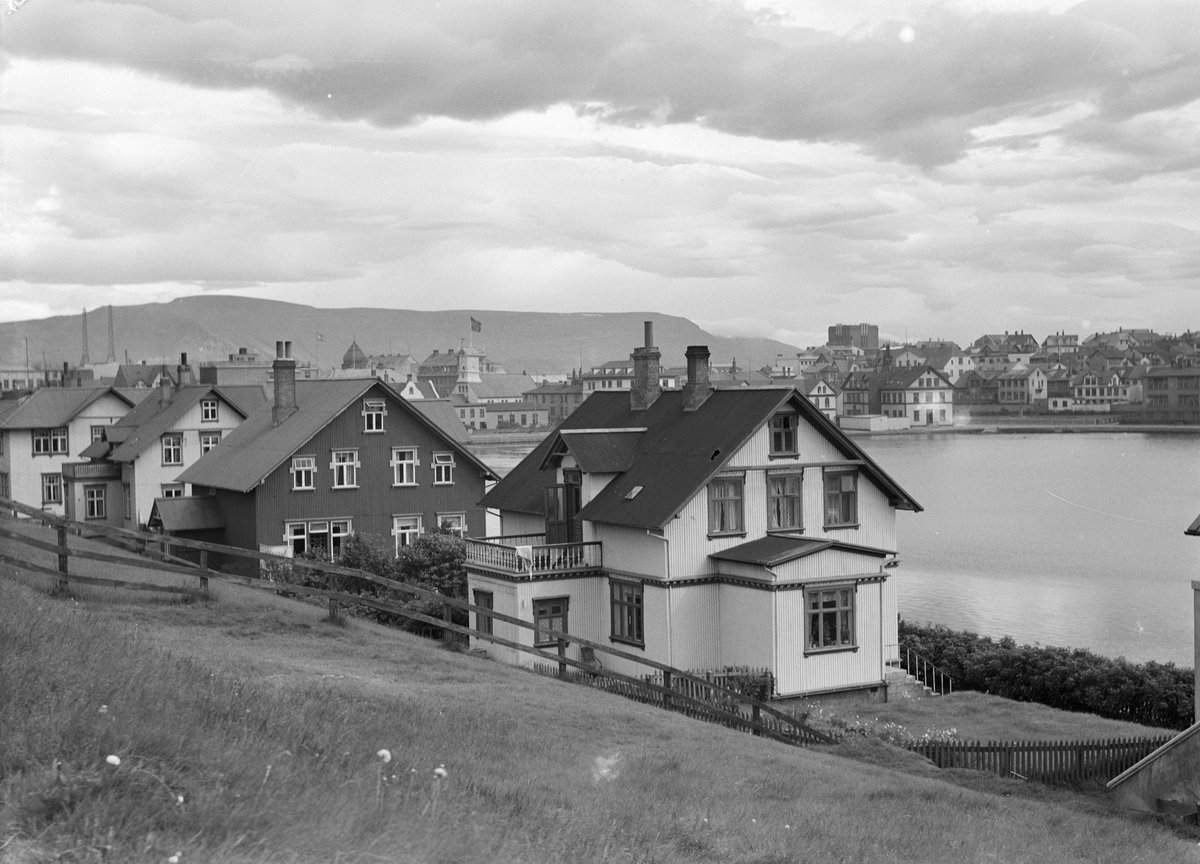
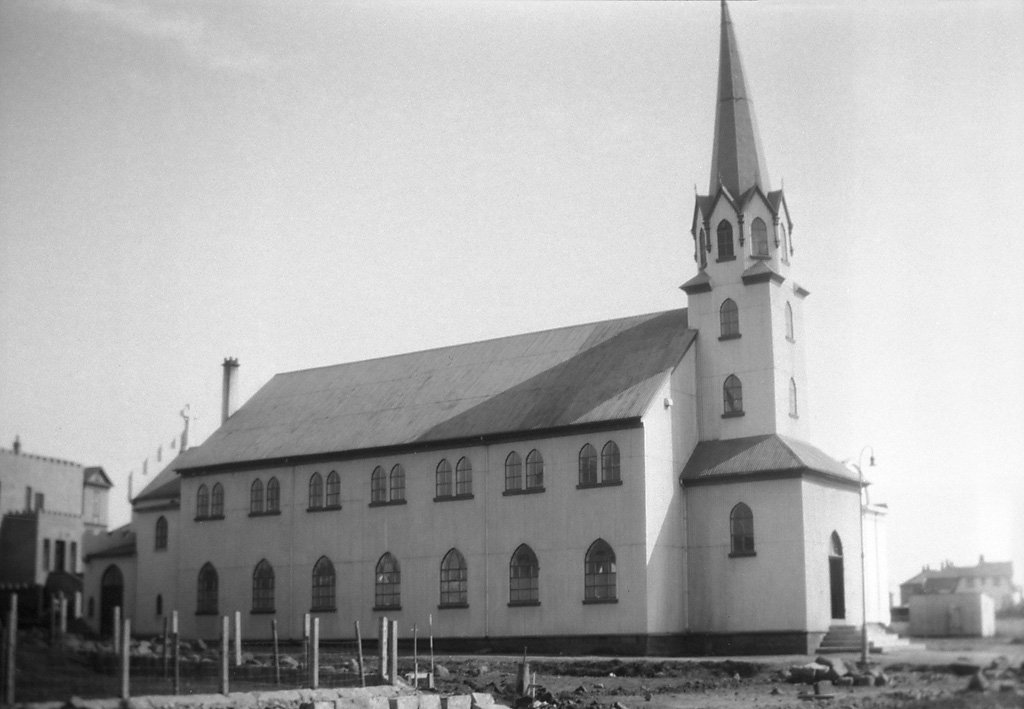
Officially formed in autumn 1899, the congregation rapidly grew, acquiring land on the eastern shore of Tjörnin. The church was consecrated in 1903 under Reverend Ólafur Ólafsson, with subsequent expansions in 1905 and 1924 to accommodate the increasing number of parishioners (is.nat.is). The church played a significant role in Iceland’s social and political history, hosting events such as the founding of Eimskipafélag Íslands in 1914 and supporting social reforms, including women’s rights and educational initiatives (Fríkirkjusöfnuðurinn í Reykjavík 111 ára).
Architectural Features
Exterior Design
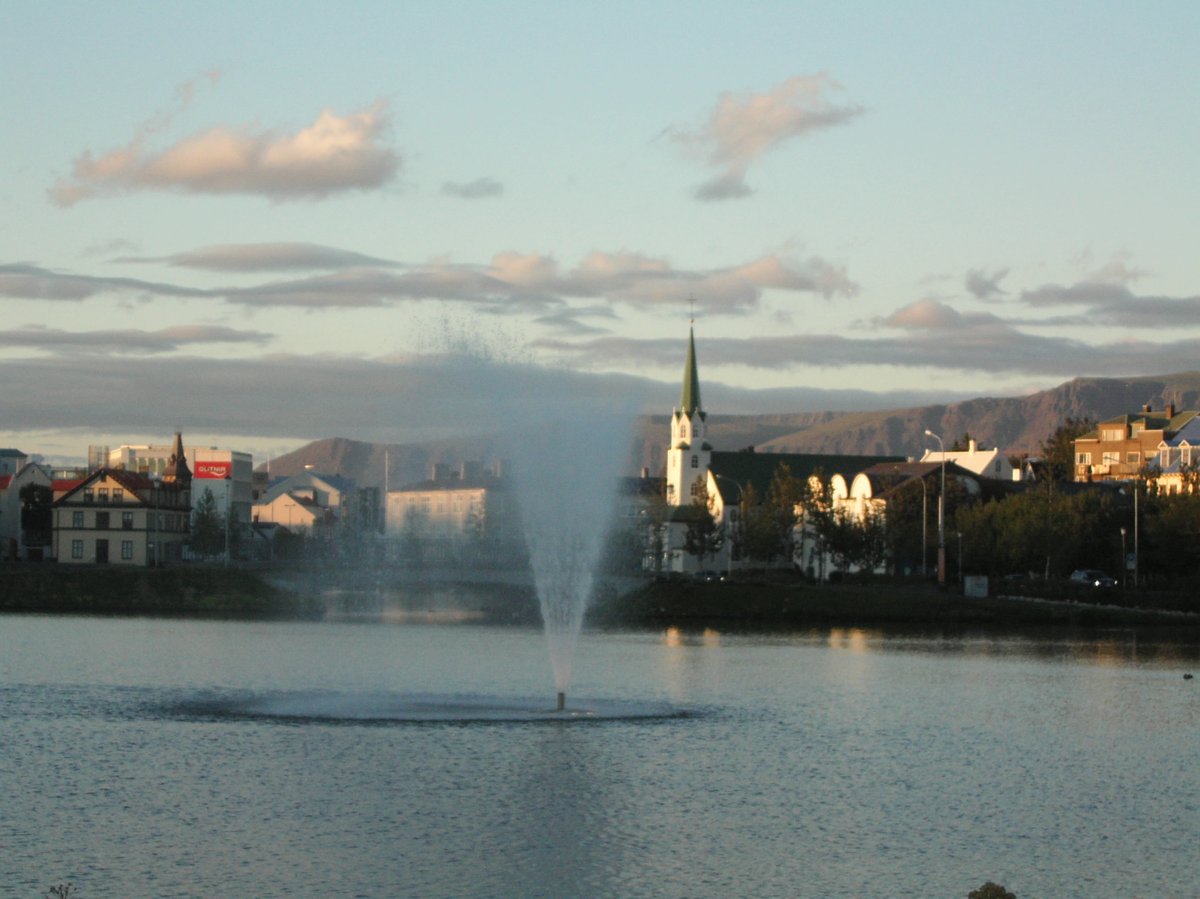
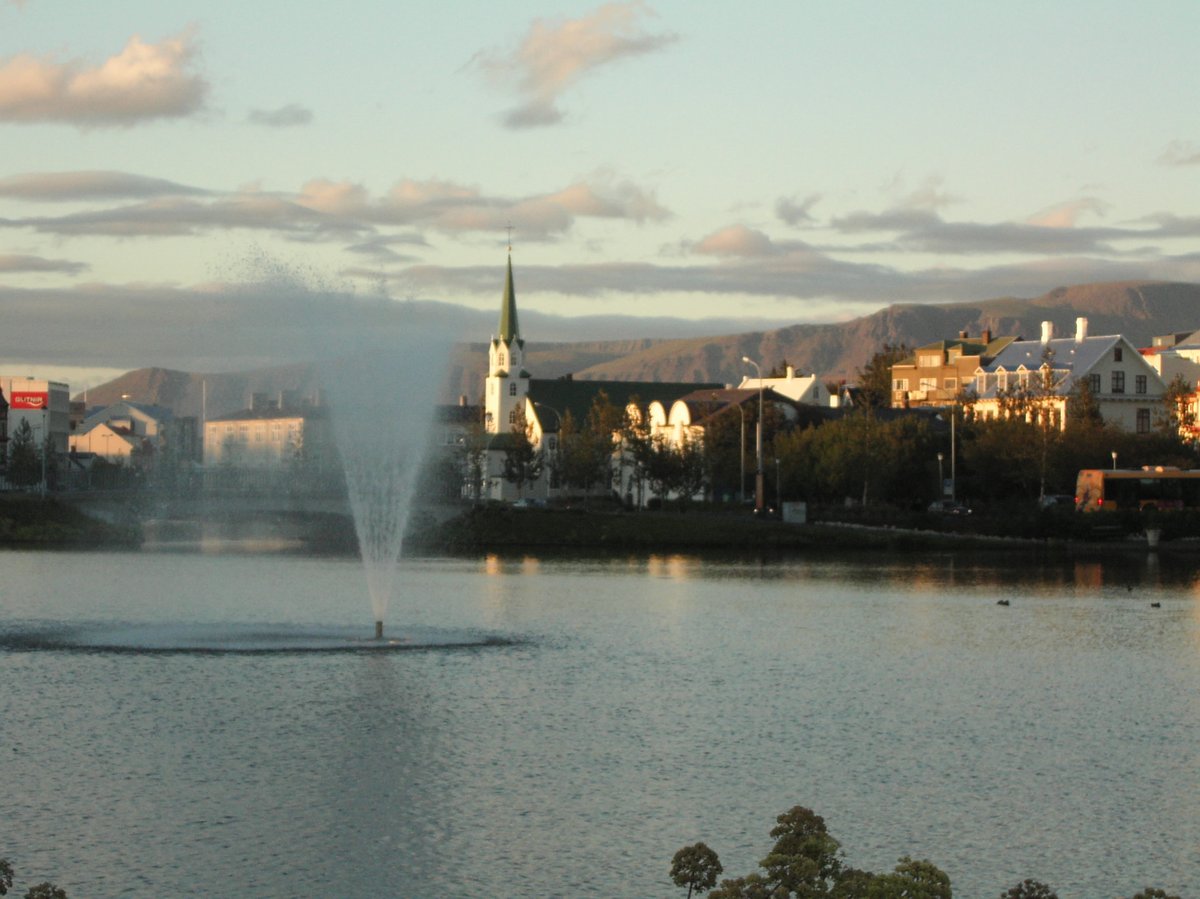
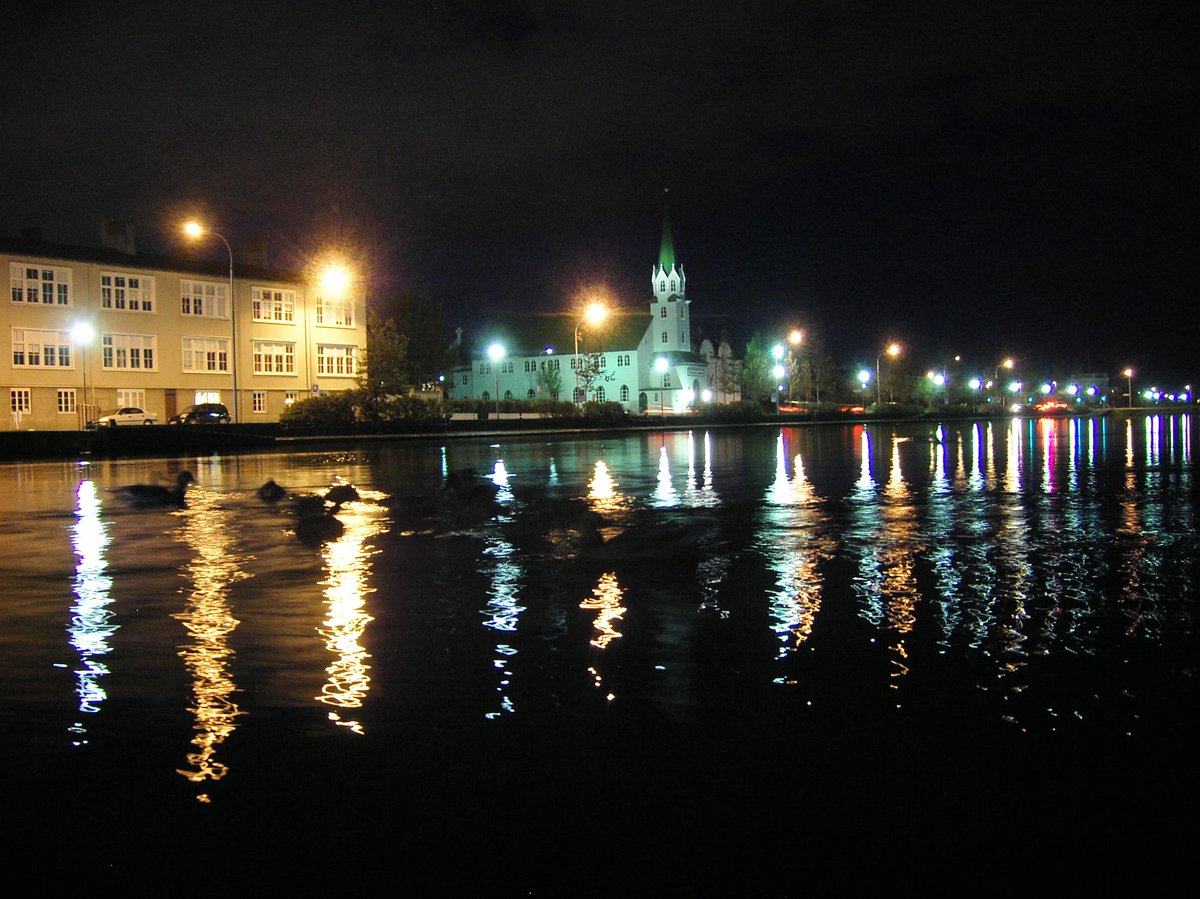
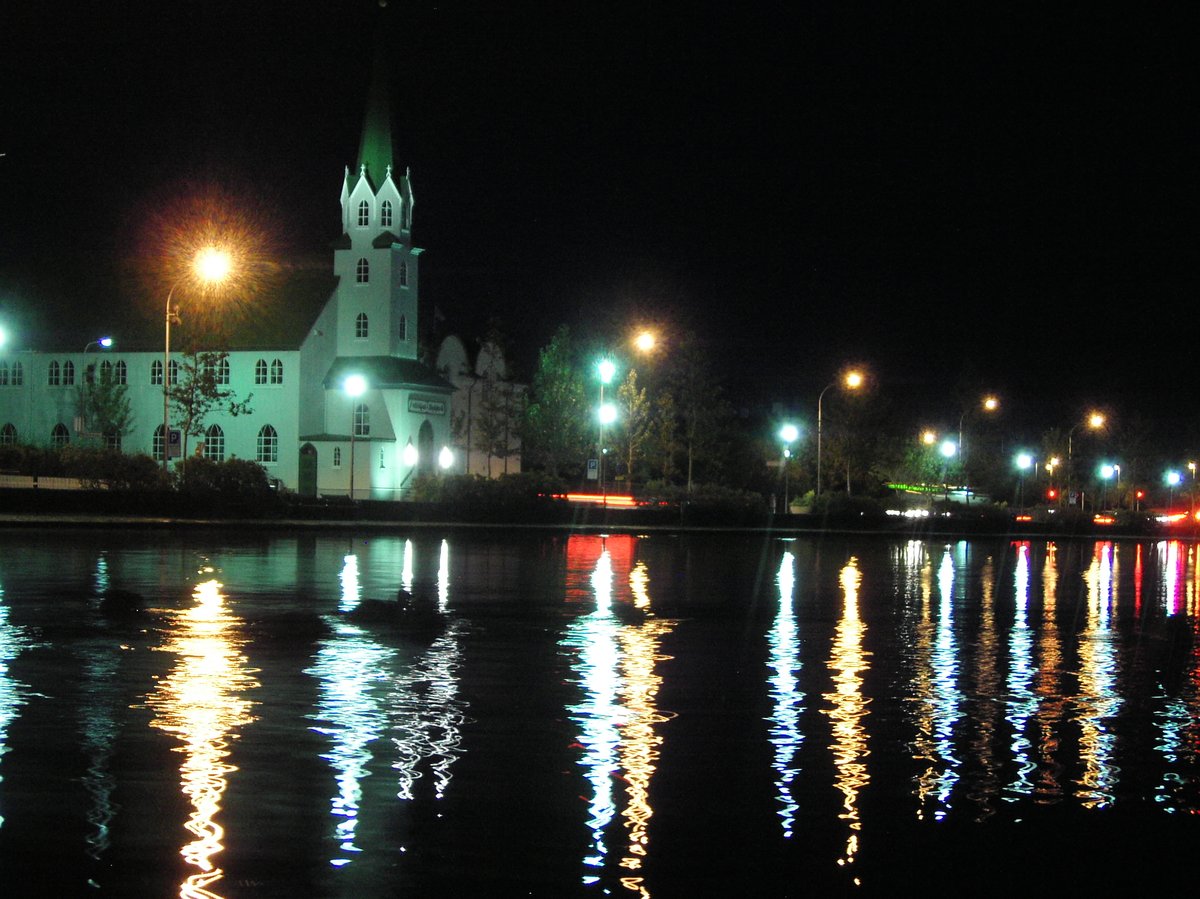
Fríkirkjan’s architecture is characterized by its distinctive white wooden façade with green accents, a steeply pitched roof, and an elegant spire visible across the cityscape. The church blends traditional Icelandic wooden church design with continental European influences, resulting in a structure that is both approachable and visually striking (adventures.is; Travel Reykjavik).
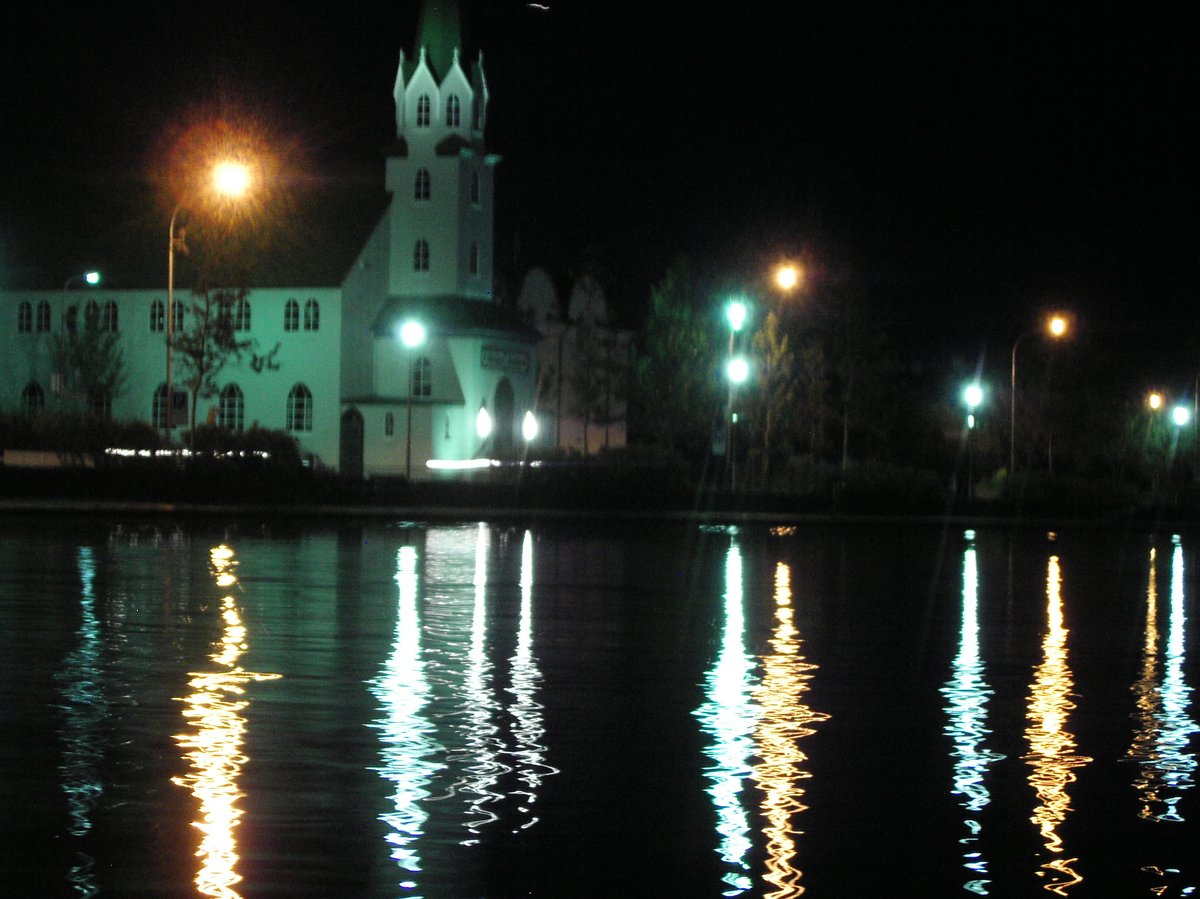
Large arched windows and a green-roofed, modest tower complete the exterior, which is particularly picturesque reflected in the waters of Tjörnin pond.
Interior Ambiance
Inside, the church exudes warmth through extensive use of wood, natural lighting, and simple décor. The nave features wooden pews, a high ceiling, and a bright, welcoming atmosphere. Artistic elements include subtle stained-glass windows with biblical motifs and geometric patterns, enhancing the spiritual ambiance (adventures.is).
The organ, installed in 1926, remains a focal point for musical events and services, while the altar area is simply adorned, reflecting the congregation’s values of modesty and community.
Construction and Materials
The church was built using locally sourced timber, with horizontal wooden siding painted white and a green corrugated metal roof—practical for Iceland’s weather. The wooden frame rests on a stone foundation, ensuring stability near the damp lakeside ground.
Cultural Role and Community Impact
Social Justice and Inclusivity
From its inception, Fríkirkjan has championed equality, social reform, and religious freedom. Leaders like Reverend Ólafur Ólafsson advocated for working-class rights, women’s education, and suffrage, embedding values such as honesty, tolerance, and open-mindedness into the church’s mission (Fríkirkjusöfnuðurinn í Reykjavík 111 ára).
Cultural Hub
Fríkirkjan is renowned for its vibrant cultural life, regularly hosting concerts, art exhibitions, lectures, and community events. The church’s acclaimed acoustics make it a favored venue for local and international musicians, especially during festivals like Iceland Airwaves (Lonely Planet; revieweuro.com).
LGBTQ+ Inclusion
Fríkirkjan is a pioneer in inclusivity, widely recognized for officiating LGBTQ+ weddings and actively participating in Reykjavík’s Pride celebrations. Its openness and support for diversity have made it a symbol of equality and social progress in Iceland (IGLTA).
Visiting Hours and Admission
- Sanctuary Access: Open Monday to Friday, 10:00 AM–4:00 PM; hours may extend during special events or festivals. Always check the official website or contact the church to confirm.
- Admission: Free of charge for visitors. Donations are welcome but not required.
- Guided Tours: Available upon request. Contact the church by phone (+354 552 7270) or email ([email protected]) to arrange tours or group visits.
- Concerts and Special Events: Entry may require tickets, which can be purchased in advance or at the door. Event details are listed on the church’s website and local event platforms (revieweuro.com).
Accessibility and Facilities
- Wheelchair Access: The church is equipped with ramps and accessible restrooms, ensuring comfortable access for visitors with mobility challenges.
- Restrooms: Available in the adjacent parish hall.
- Language: Most services are in Icelandic, but staff typically speak English and are welcoming to international visitors.
- Photography: Permitted for personal use, both inside and outside the church. Please be respectful during services or events.
Special Events and Cultural Activities
Fríkirkjan is an active venue for:
- Sunday Services: Open to all, with a welcoming atmosphere.
- Concerts: Especially popular during Iceland Airwaves and other music festivals.
- Community Events: Educational programs, art exhibitions, and lectures.
- Private Functions: The parish hall can be rented for events such as weddings, receptions, and community gatherings (advance booking recommended).
Travel Tips and Practical Information
- Location: Laufásvegur 13, 101 Reykjavík, on the eastern shore of Tjörnin pond.
- Getting There: Walking distance from Reykjavík’s main shopping street, Laugavegur, and near major attractions like the National Gallery and City Hall. Public buses stop nearby; street parking is limited.
- Nearby Attractions: Hallgrímskirkja, National Museum of Iceland, Harpa Concert Hall, and the scenic Tjörnin pond. Combine your visit for a full cultural day (Guide to Iceland).
- Weather: Dress in layers and bring a waterproof jacket; Reykjavík’s weather is famously variable.
- Amenities: Cafés, restaurants, shops, and hotels are all within easy reach.
Frequently Asked Questions (FAQ)
Q: What are the visiting hours?
A: Monday–Friday, 10:00 AM–4:00 PM. Hours may vary for events—check the official website.
Q: Is there an entry fee?
A: No. Admission is free; donations are optional.
Q: Are guided tours available?
A: Yes, by request. Contact the church to arrange.
Q: Is the church wheelchair accessible?
A: Yes, with ramps and accessible restrooms.
Q: Can I take photos?
A: Yes, photography is permitted, but please be respectful during services and events.
Q: Are there concerts or special events?
A: Yes, especially during festivals. Check the church’s website for event listings.
Listen to the full story in the app
The whole Fríkirkjan Í Reykjavík,
told well.
Audio guides for 1,100+ cities across 96 countries. History, stories, and local insight — offline ready.
Verified, and shown.
Researched and written by the Audiala editorial team from historical records, architectural archives, and local expertise.
Researched from Wikidata, Wikipedia & official sources · fact-checked · How we make our guides →