Plan and listen to Austurvöllur with Audiala.
Audio guide in your pocket, itinerary in your browser. Built for the way you actually visit.
Introduction
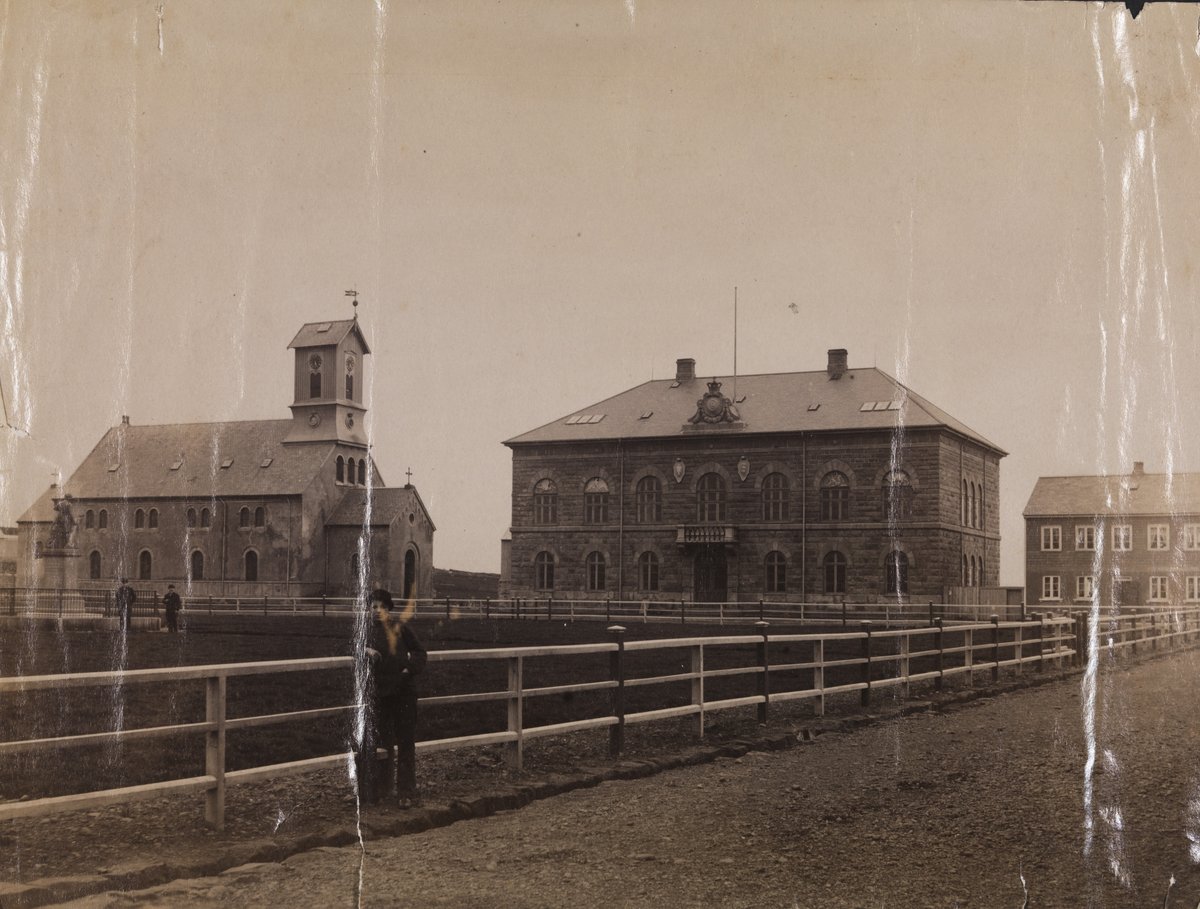
Austurvöllur, Reykjavík’s central public square, embodies the city’s historical, political, and cultural life. Meaning “East Field,” Austurvöllur once marked the edge of a growing settlement in the early 19th century and has since evolved into the civic heart of Iceland’s capital. Surrounded by iconic landmarks like Alþingishúsið (the Parliament House) and Dómkirkjan (Reykjavík Cathedral), Austurvöllur is a living testament to Iceland’s democratic spirit and urban vibrancy. This comprehensive guide explores the square’s origins, significance, architectural highlights, visiting information, and practical tips, ensuring visitors can fully appreciate this Reykjavik icon (Hey Iceland; berloga-workshop.com; Visit Reykjavík Official Site).

Early Origins and Urban Development
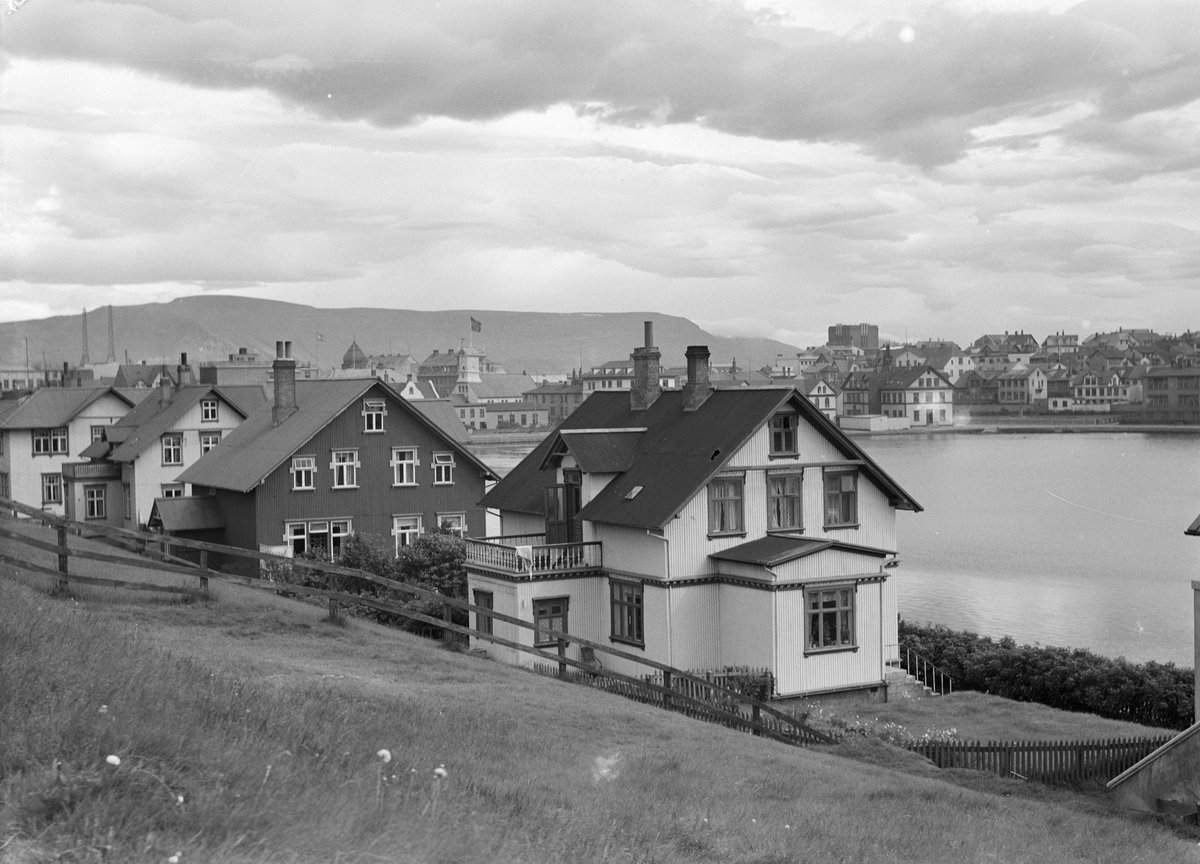
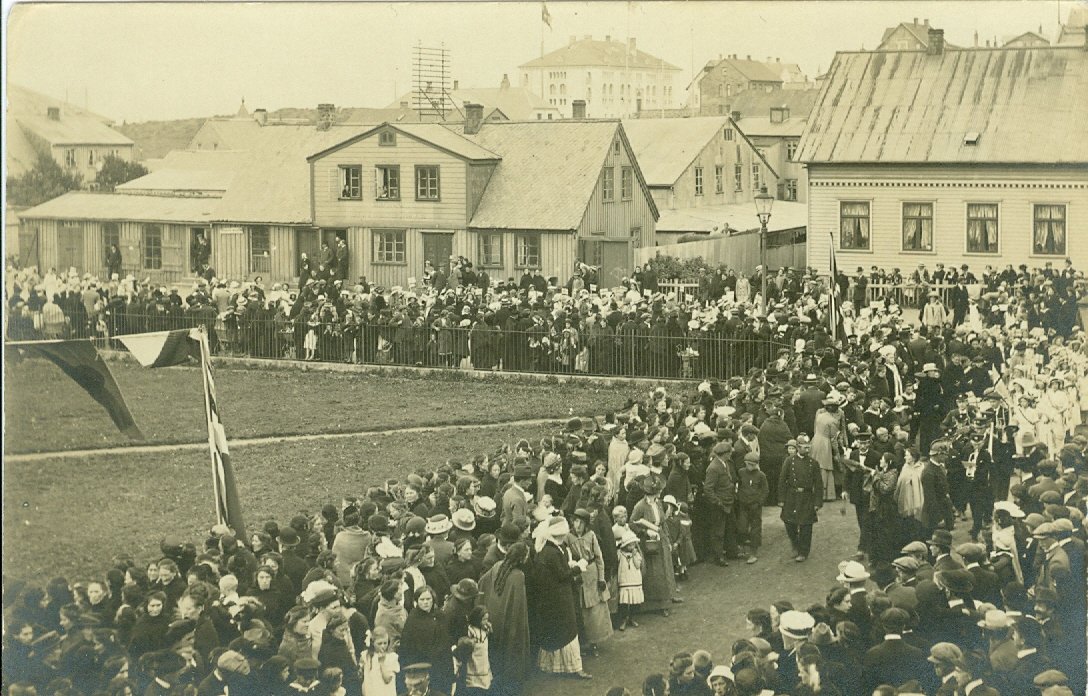
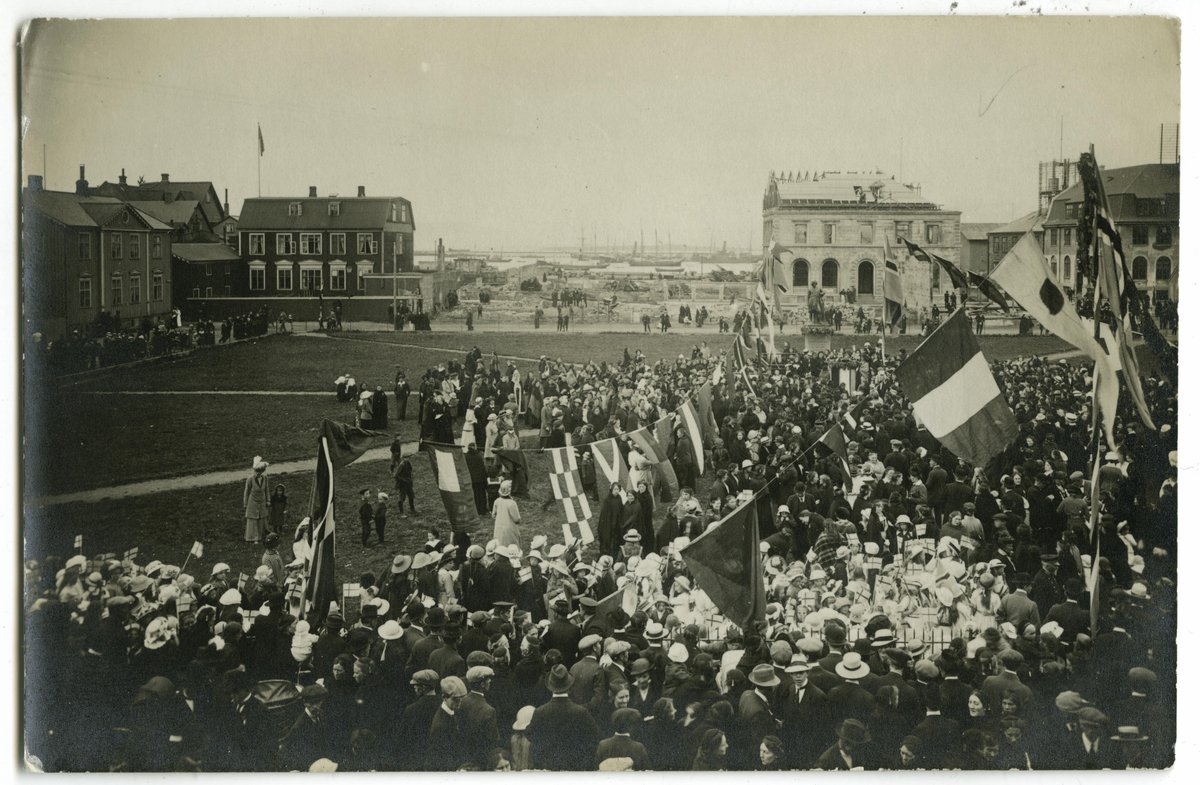
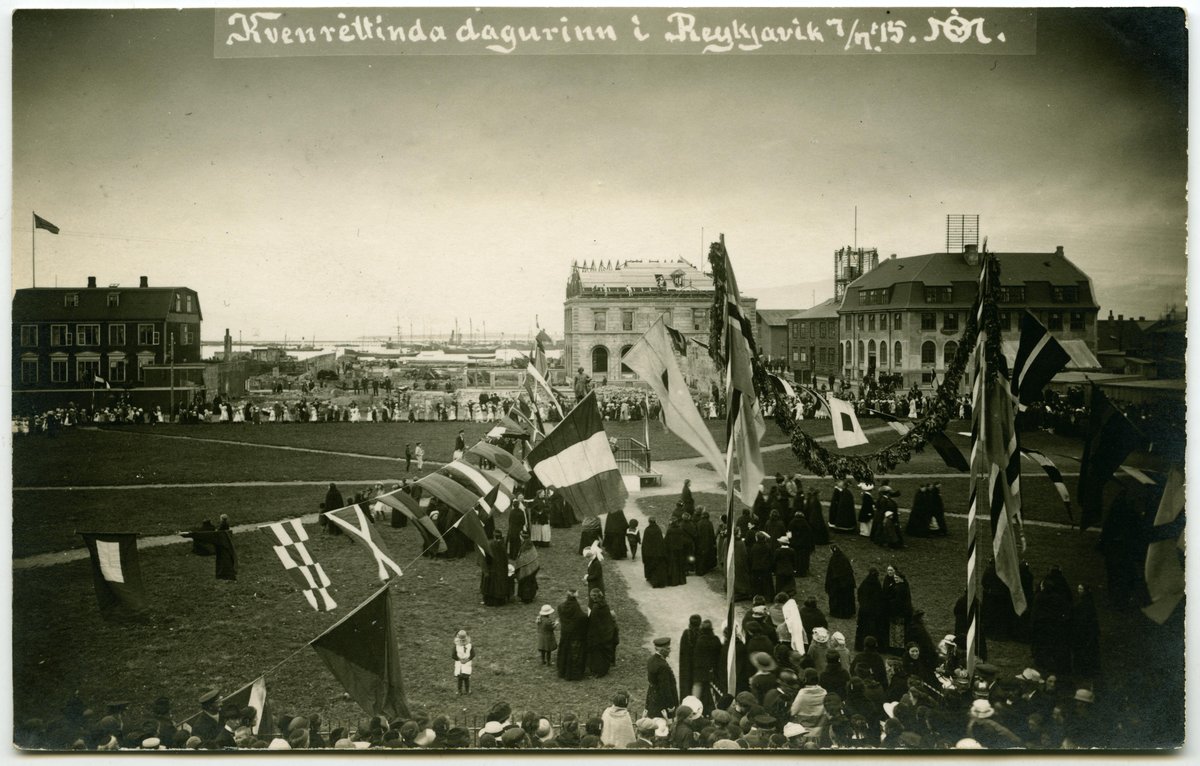
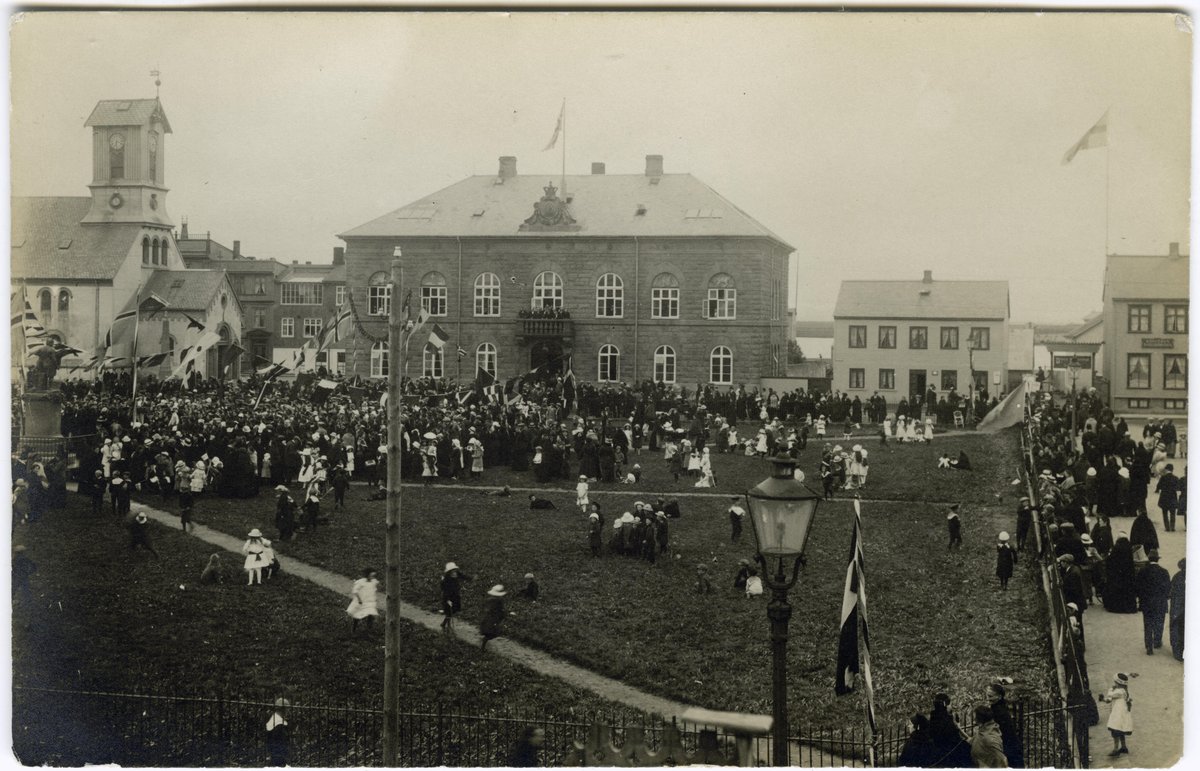
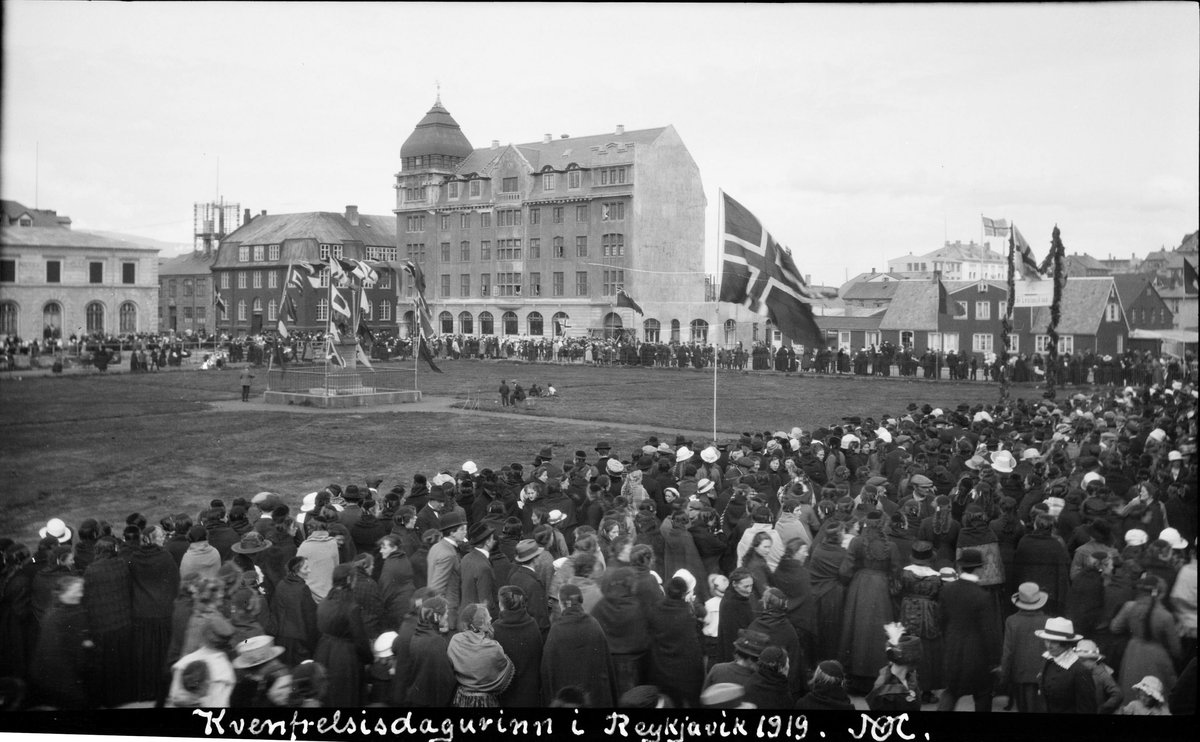
Austurvöllur’s roots trace to the city’s formative years. Once an open, grassy field on the settlement’s eastern edge, it became increasingly central as Reykjavík expanded in the late 19th and early 20th centuries. The construction of major civic buildings—Alþingishúsið (1881) and Dómkirkjan (1796)—transformed the square into Reykjavik’s urban and political nucleus (Hey Iceland). The square’s intentional design—open lawns, paved walkways, and perimeter streets—catered to both daily city life and major public gatherings.
Political and Social Significance
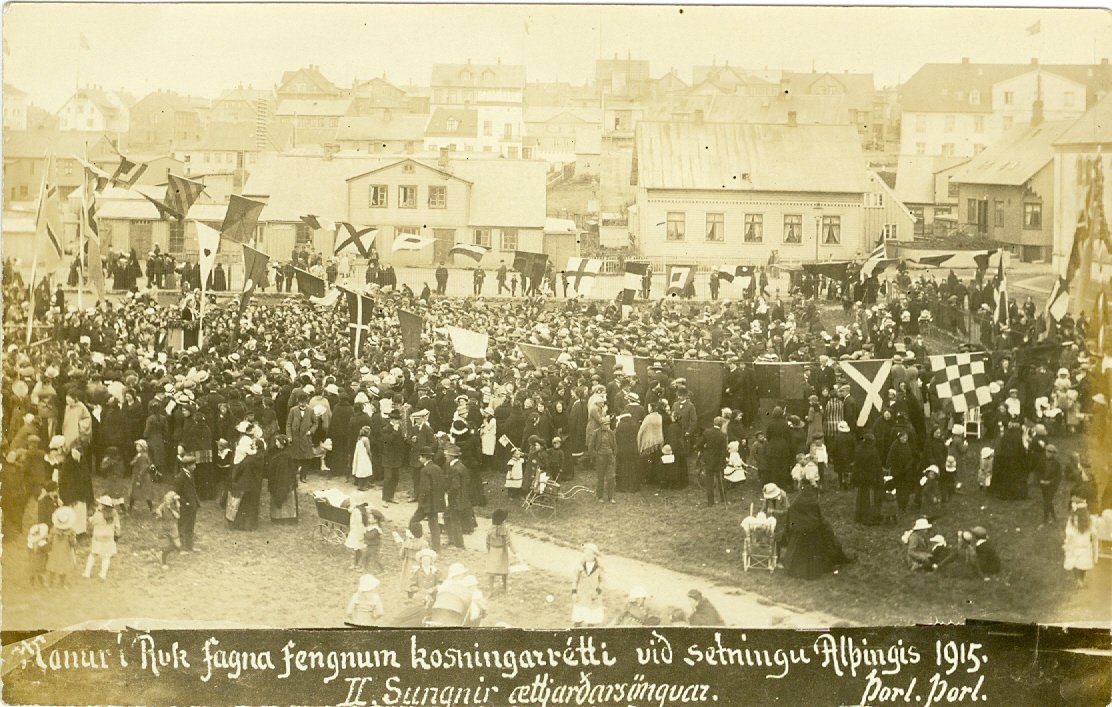
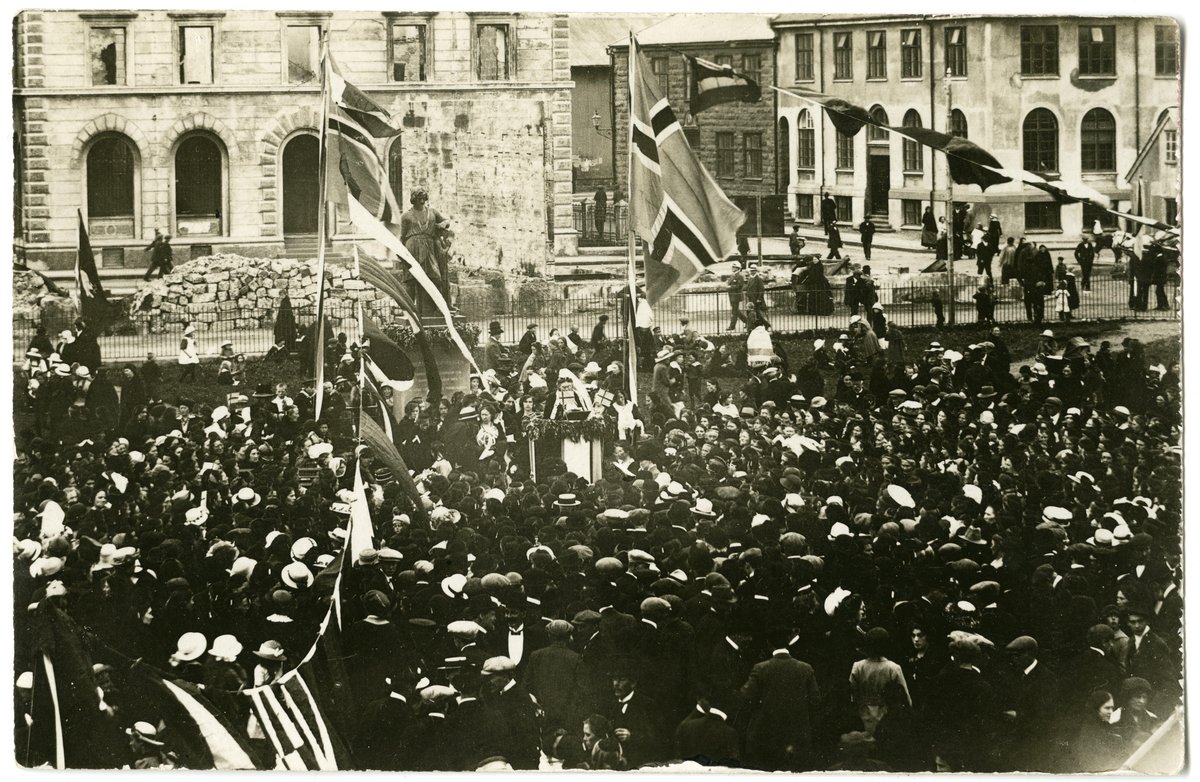
Austurvöllur’s proximity to Alþingishúsið has made it the symbolic and literal stage for Icelandic democracy. Key historic moments unfolded here:
- 1944: Crowds celebrated Iceland’s declaration as a republic, marking independence from Denmark.
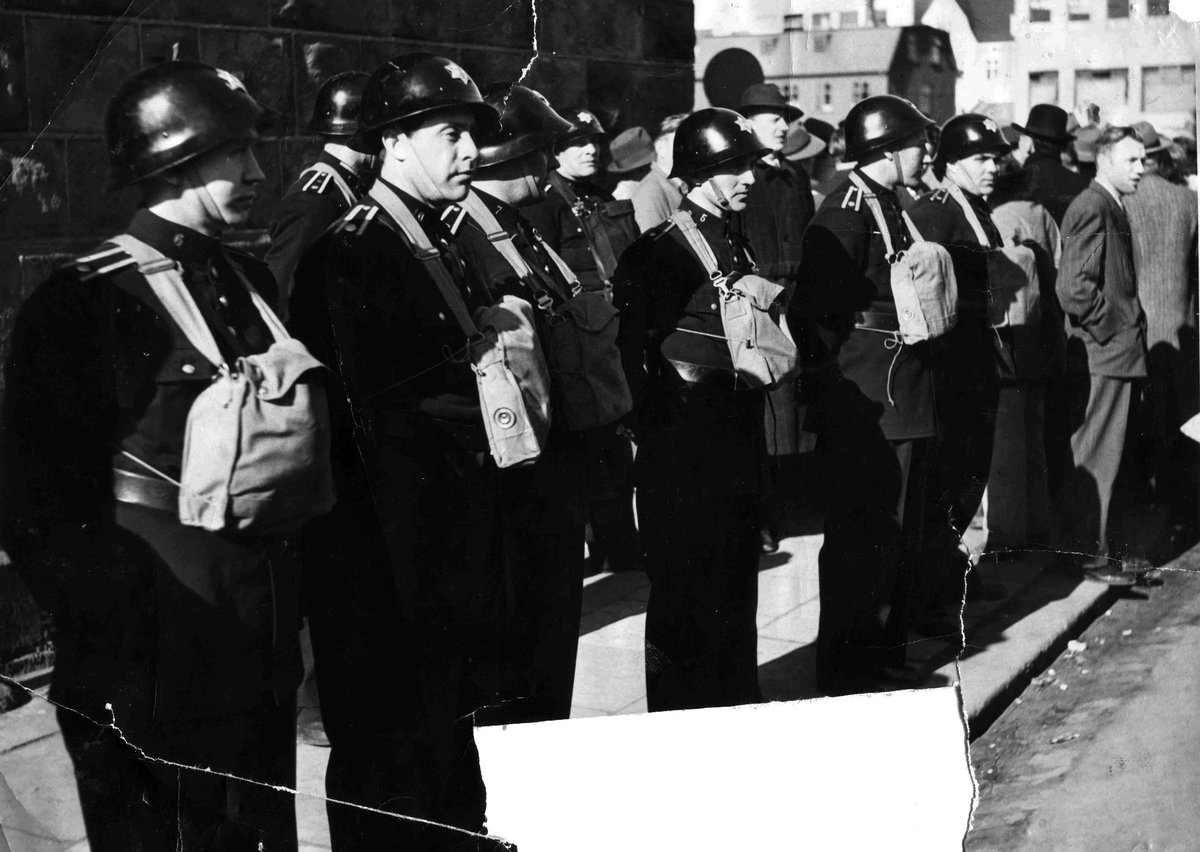
- 1949: The square witnessed the NATO riots, significant anti-membership protests (berloga-workshop.com).
- 2008–2009: The “Kitchenware Revolution” saw thousands protest the financial crisis, catalyzing government change.
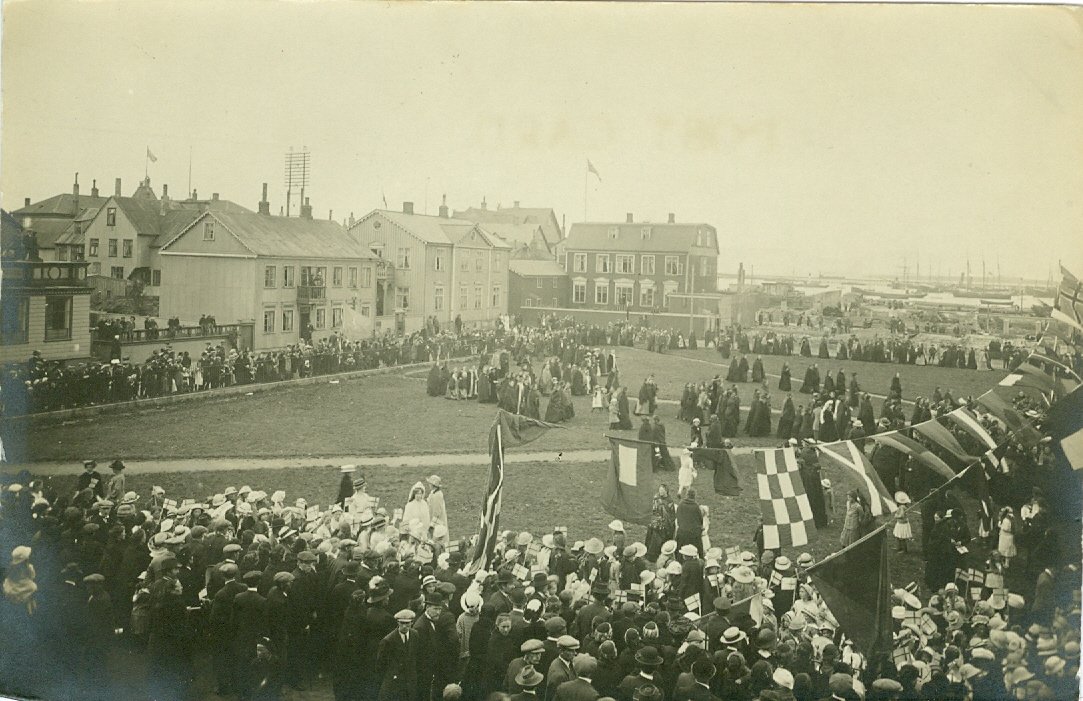
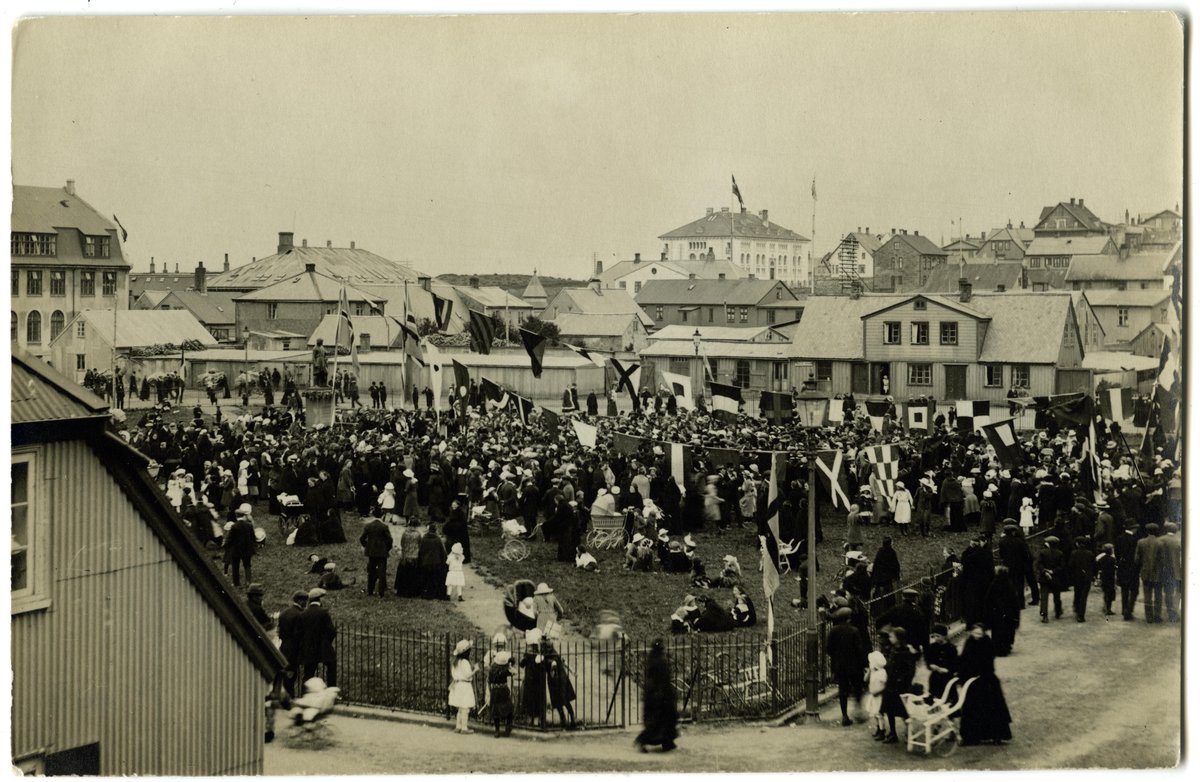
Throughout its history, Austurvöllur has been the focal point for demonstrations, civic engagement, and national celebrations, symbolizing Iceland’s participatory democracy and collective identity (Visit Reykjavík Official Site).
Cultural and Community Role
Beyond politics, Austurvöllur is a vibrant social space for the people of Reykjavík. In summer, locals and visitors enjoy picnics, sunbathing, and café culture around the square (wakeupreykjavik.com). The square hosts:
- National Day (June 17th): Parades and concerts centered around Jón Sigurðsson’s statue (iceland.nordicvisitor.com).
- Winter Festivities: The Oslo Christmas tree lighting transforms Austurvöllur into a festive focal point (Reykjavík.is).
- Art and Literature Events: Street art displays and poetry readings reflect the square’s role in Reykjavík’s cultural life (reykjavikcityjournal.com).
Architectural Landmarks and Surroundings
Austurvöllur is framed by some of Reykjavík’s most significant civic and cultural buildings:
- Alþingishúsið (Parliament House): Built in 1881 of Icelandic stone, it anchors the city’s political life (thevikingherald.com).
- Dómkirkjan (Reykjavík Cathedral): Completed in 1796, it is the oldest church in Reykjavík and a site for state and religious ceremonies.
- Hotel Borg: An Art Deco hotel opened in 1930, a landmark for its architecture and hospitality.
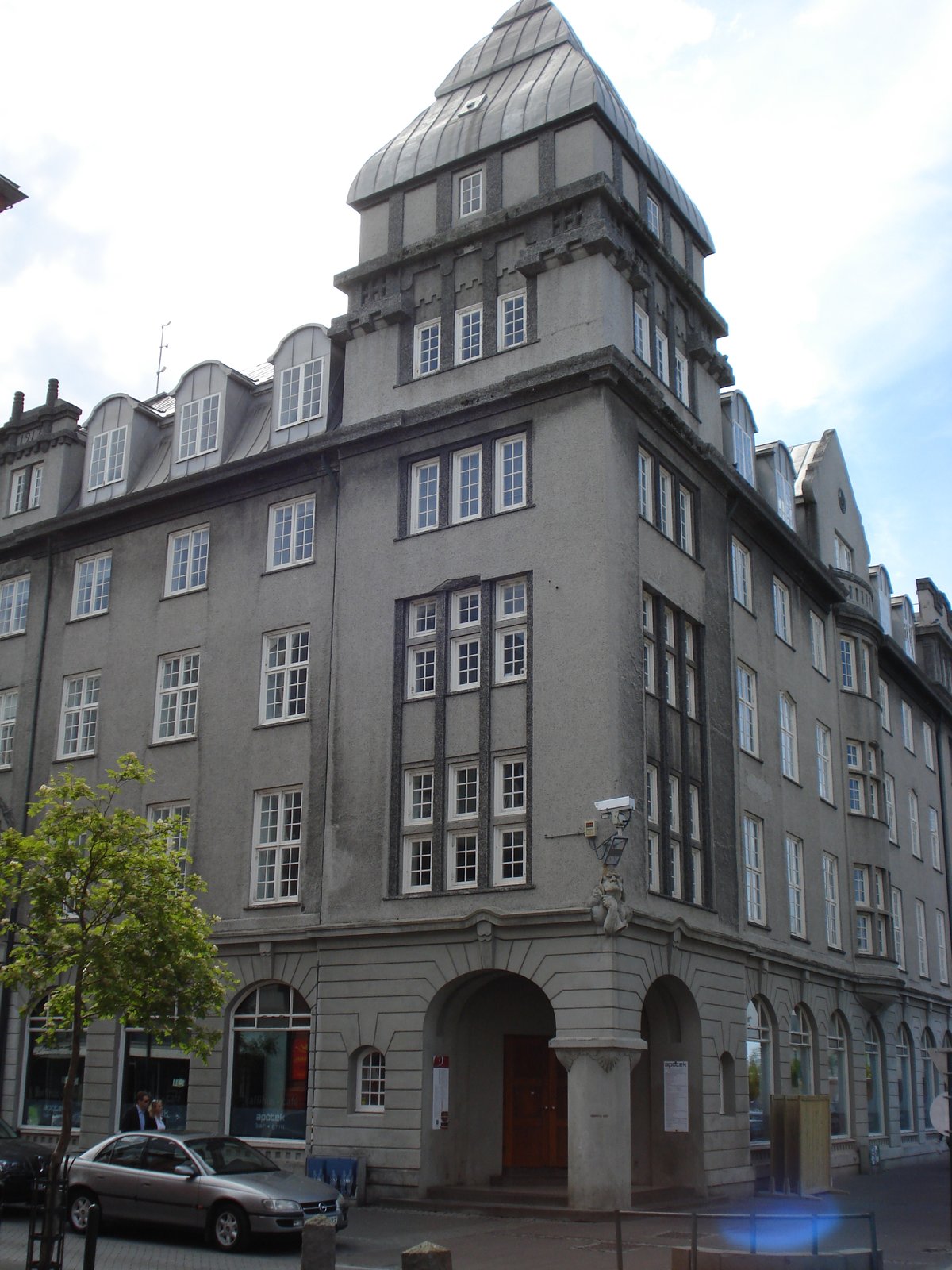
- Cafés, Restaurants, and Shops: The square is lined with popular venues such as Apótek Restaurant, Café Paris, and Kaffibrennslan, making it a culinary hotspot (Fun Iceland).
- Jón Sigurðsson Statue: At the center stands the statue of Iceland’s independence leader, a powerful symbol for national events (Guide to Iceland).
The square’s open, accessible layout is designed for both leisure and large gatherings. Benches, lawns, gardens, and seasonal decorations add to its inviting atmosphere.
Visiting Hours and Practical Information
- Open Hours: Austurvöllur is accessible 24 hours a day, year-round. There are no entrance fees or tickets required.
- Guided Tours: Many Reykjavík walking tours include Austurvöllur as a key stop; check with local operators for schedules (berloga-workshop.com).
- Best Visiting Times: Summer offers lively outdoor socializing and events; winter provides tranquility and festive lights.
- Nearby Attractions: The square’s central location places it within walking distance of Laugavegur shopping street, Hallgrímskirkja, Harpa Concert Hall, and Tjörnin pond (All Things Iceland).
Accessibility and Amenities
- Wheelchair Accessibility: The square features flat, paved paths and is suitable for wheelchairs and strollers. Accessible public transport is nearby (Reykjavík.is).
- Benches and Seating: Ample public seating and grassy areas.
- Restrooms: Facilities are available in adjacent cafés and restaurants.
- Wi-Fi: Many surrounding establishments offer free Wi-Fi.
Seasonal Activities and Events
- Summer: Sunbathing, picnics, open-air concerts, and National Day parades (wakeupreykjavik.com).
- Winter: Christmas tree lighting, festive decorations, and a peaceful setting for a stroll.
- Political Events: Demonstrations and rallies, reflecting the square’s ongoing civic role (Hitched to Travel).
Frequently Asked Questions (FAQ)
Q: What are Austurvöllur’s visiting hours?
A: The square is open 24/7, year-round.
Q: Is there an entrance fee or ticket required?
A: No, Austurvöllur is free to visit.
Q: Are guided tours available?
A: Many Reykjavík city tours include Austurvöllur; check with local operators.
Q: Is Austurvöllur accessible for visitors with disabilities?
A: Yes, the square is wheelchair accessible with paved paths.
Q: When is the best time to visit?
A: Summer months offer vibrant events, while winter is tranquil and festive.
Visuals and Media
- Explore interactive maps and virtual tours of Austurvöllur and surrounding landmarks.
- High-quality images and virtual tours are available on Reykjavík Attractions.
Listen to the full story in the app
The whole Austurvöllur,
told well.
Audio guides for 1,100+ cities across 96 countries. History, stories, and local insight — offline ready.
Verified, and shown.
Researched and written by the Audiala editorial team from historical records, architectural archives, and local expertise.
Researched from Wikidata, Wikipedia & official sources · fact-checked · How we make our guides →