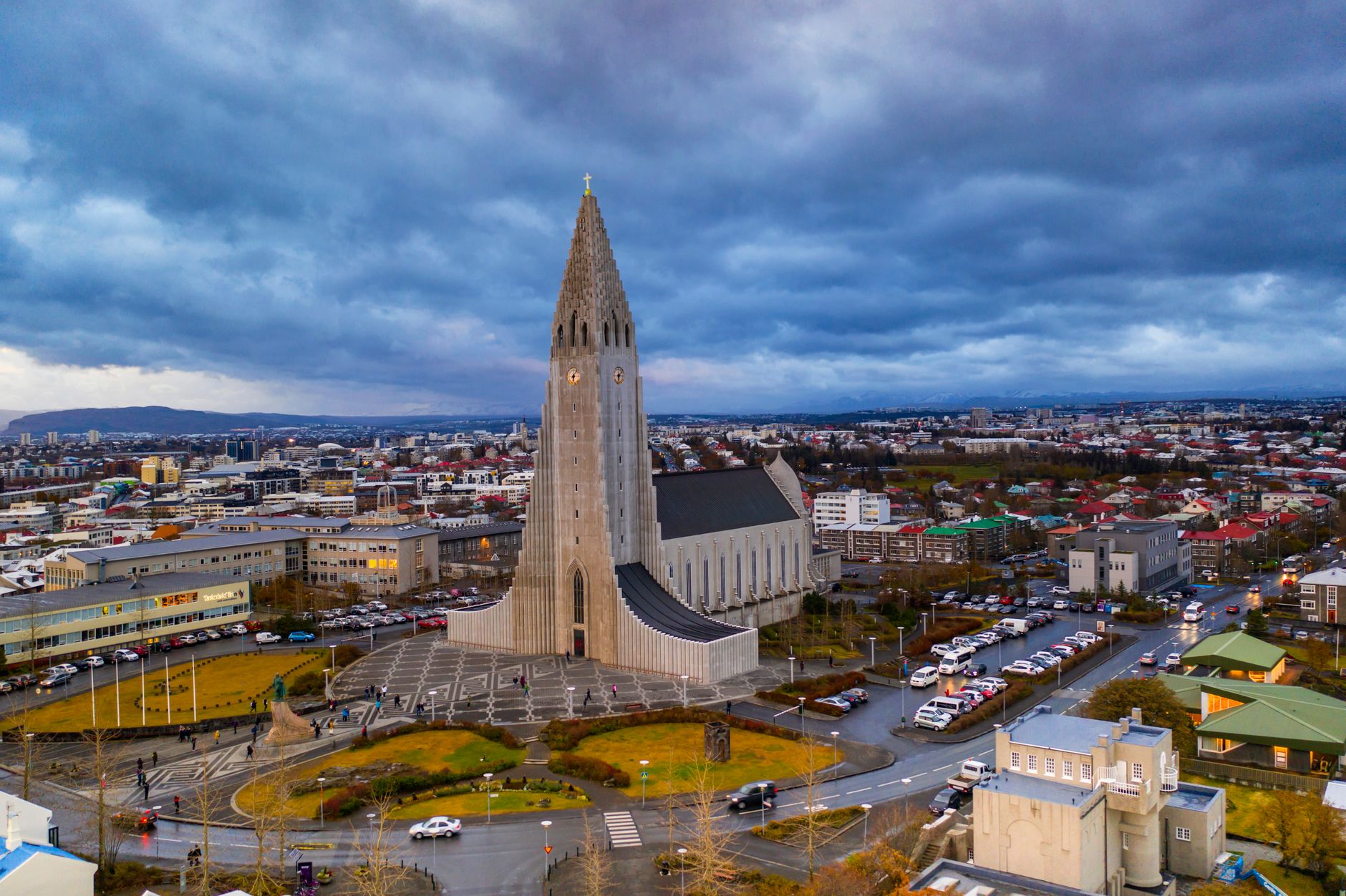
Hallgrímskirkja's 74.5 m Spire
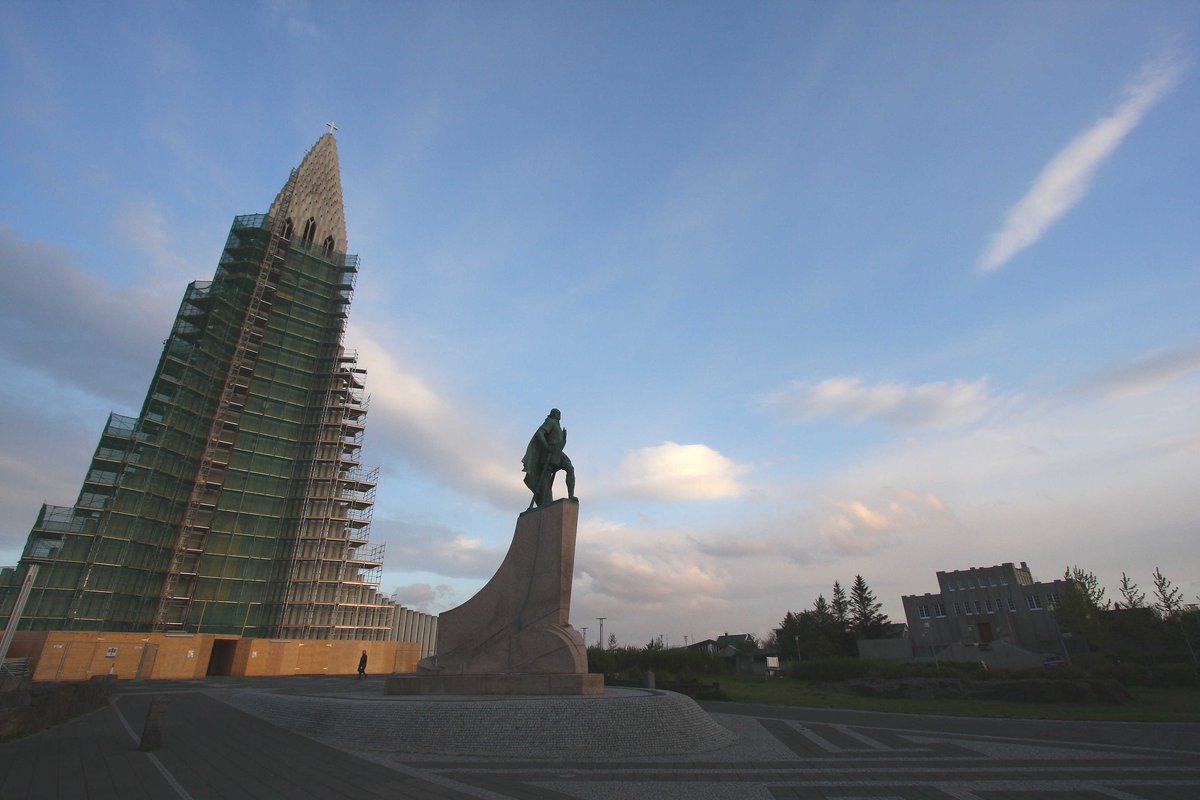
Guðjón Samuelsson's 41-year concrete eruption mirrors basalt columns and glacier walls. Ride the elevator to the bell deck at dusk—city roofs glow like embers against Snæfellsjökull's distant ice.
Reykjavík, Iceland, the world’s northernmost capital, keeps 139,000 people and a 74 m lava-column church. The best season to visit is mid-June – late August (midnight sun) or Sep–Mar (Northern Lights), with a suggested visit duration of 2–3 days. The guide covers 54 listed attractions.
The first thing that catches you off guard in Reykjavík is the smell of geothermal steam rising from the street vents — a warm, sulfuric exhale that makes the whole city feel like it's breathing through the earth's lungs. Iceland's capital sits just below the Arctic Circle, yet its residents swim in outdoor heated pools year-round while the North Atlantic pounds black basalt shores a few blocks away. This is a place where Viking parliament traditions meet Bluetooth speakers in public hot tubs, where the sun barely sets in June and barely rises in December, and where the national dish is fermented shark that could strip paint.
 Reykjavík · Iceland
Curated from places in this city. Same price as official sites.


Prices shown are indicative — final pricing and availability are confirmed at checkout. Audiala may receive a commission from bookings made via these links.
Researched from Wikidata, Wikipedia & official sources · fact-checked · How we make our guides →
RThe first thing that catches you off guard in Reykjavík is the smell of geothermal steam rising from the street vents — a warm, sulfuric exhale that makes the whole city feel like it's breathing through the earth's lungs. Iceland's capital sits just below the Arctic Circle, yet its residents swim in outdoor heated pools year-round while the North Atlantic pounds black basalt shores a few blocks away. This is a place where Viking parliament traditions meet Bluetooth speakers in public hot tubs, where the sun barely sets in June and barely rises in December, and where the national dish is fermented shark that could strip paint.
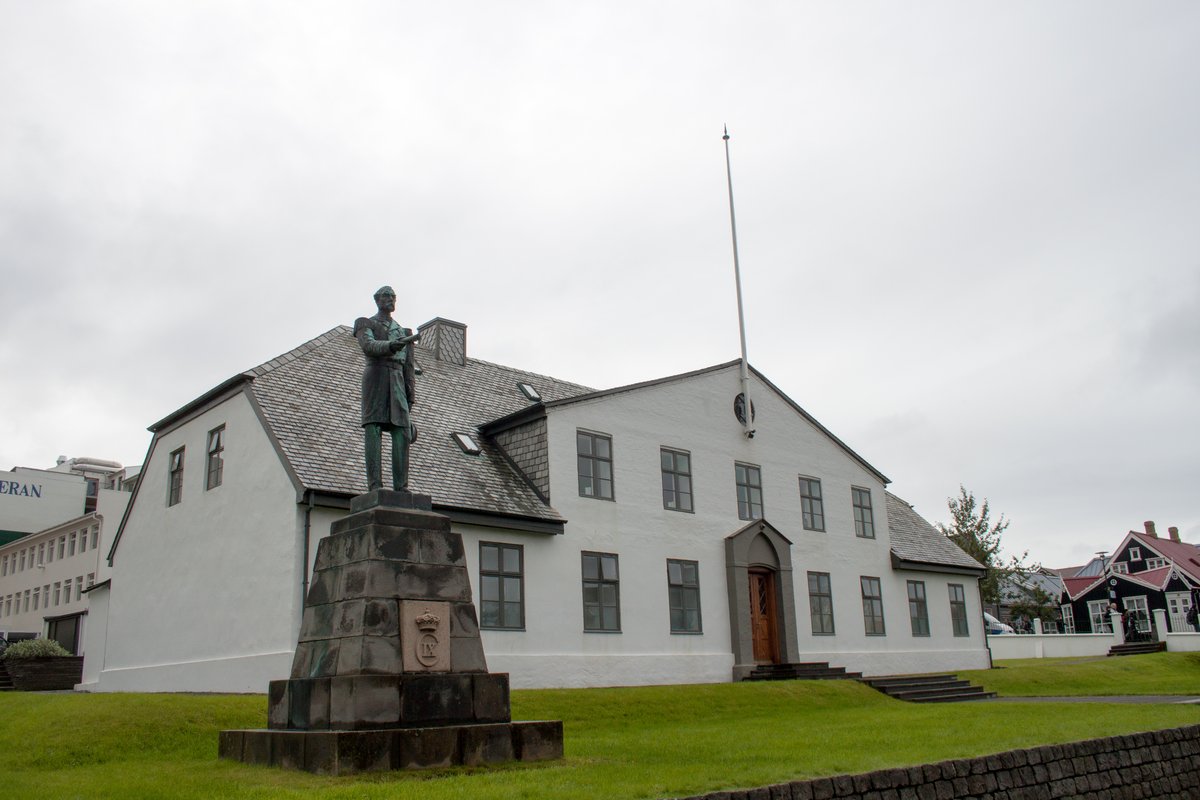
With 130,000 people in the city proper — barely the population of a mid-sized American suburb — Reykjavík operates like a village that accidentally became a capital. You'll run into the same bartender who served you at 2am when you're buying skyr at Bonus supermarket the next morning. The prime minister's office sits unfenced on a downtown corner, occasionally toilet-papered by protesters when the public gets cranky. Teenagers practice black metal riffs in repurposed fish factories while their grandparents discuss elves over coffee strong enough to wake the dead.
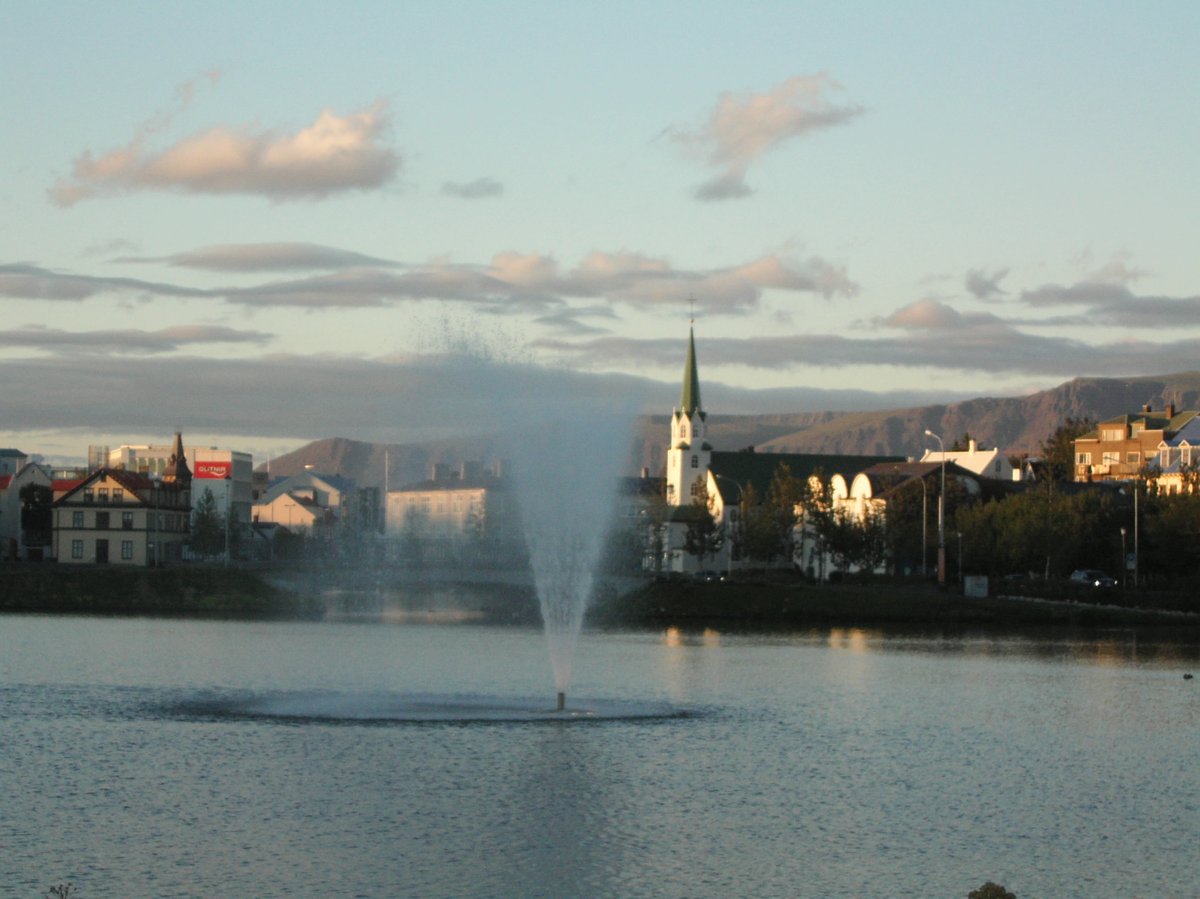
What makes the city extraordinary isn't size or spectacle — it's density of experience. Within a 20-minute walk you can stand inside a 74.5-meter church that took 41 years to complete, eat lamb hot dogs that Bill Clinton called the best in the world, tour a punk museum located in underground public toilets, and catch the northern lights reflected in a pond where swans glide past City Hall. The architecture swings from corrugated iron houses painted cheerful reds and blues to a concert hall whose glass facade shifts from amber to indigo depending on how the North Atlantic light hits it.
What makes this place worth slowing down for.
Guðjón Samuelsson's 41-year concrete eruption mirrors basalt columns and glacier walls. Ride the elevator to the bell deck at dusk—city roofs glow like embers against Snæfellsjökull's distant ice.
Ólafur Elíasson's 1,024 glass bricks shift from coal-black to molten copper as weather moves across the harbor. Inside, the Iceland Symphony's 5,275-pipe organ releases chords that feel like tectonic plates sighing.
Nauthólsvík's golden sand is trucked in, but the 38 °C lagoon is pure volcanic runoff. Locals steam in hot tubs while Arctic terns dive-bomb the surf—Reykjavík's summer rebellion against latitude.
Former fish-meal factories now house Omnom's bean-to-bar chocolate and Marshall House's edgy galleries. Eat langoustine soup at Reykjavík Street Food, then trace 30 m murals of neon cod.
Not every monument, just the ones we'd walk you past ourselves.
Hallgrímskirkja, perched atop Skólavörðuholt hill, is not only Reykjavík’s tallest and most visually striking landmark but also a profound symbol of Icelandic…
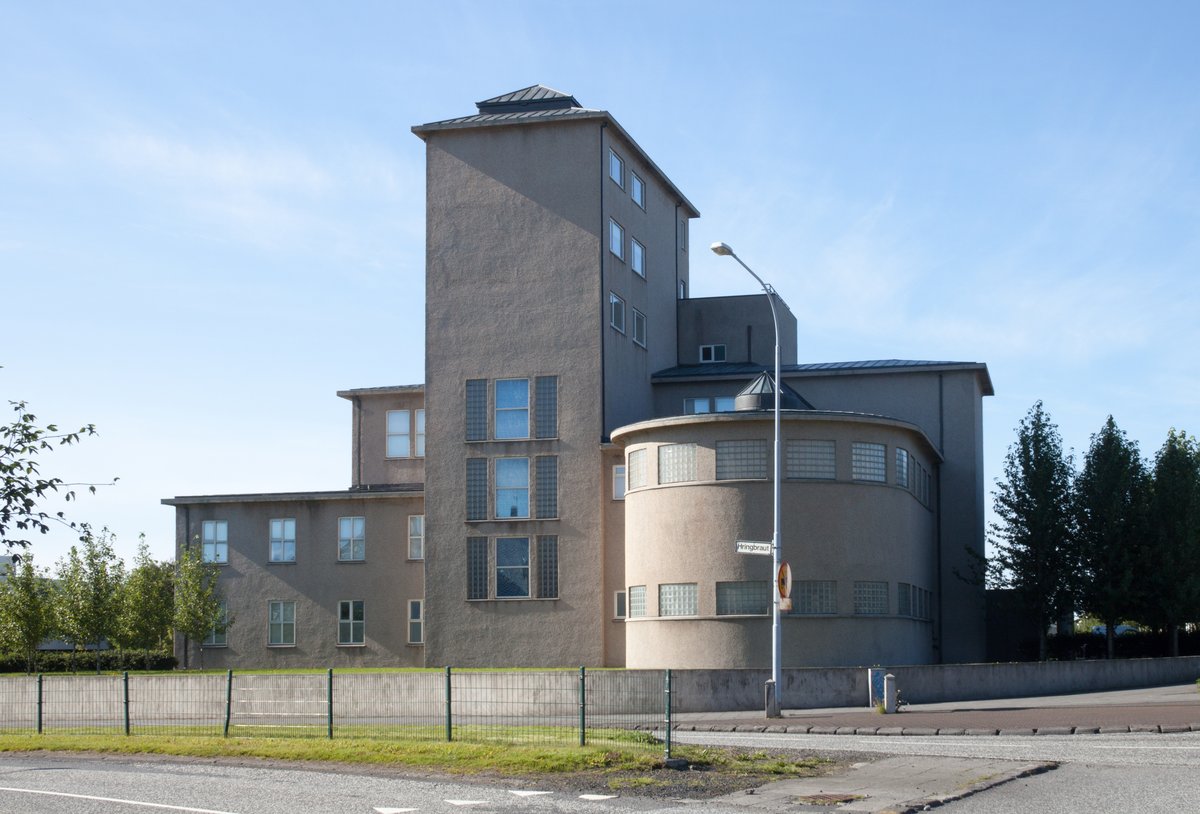
Nestled in the vibrant heart of Reykjavík, the National Museum of Iceland (Þjóðminjasafn Íslands) stands as a beacon of Icelandic heritage, offering visitors…
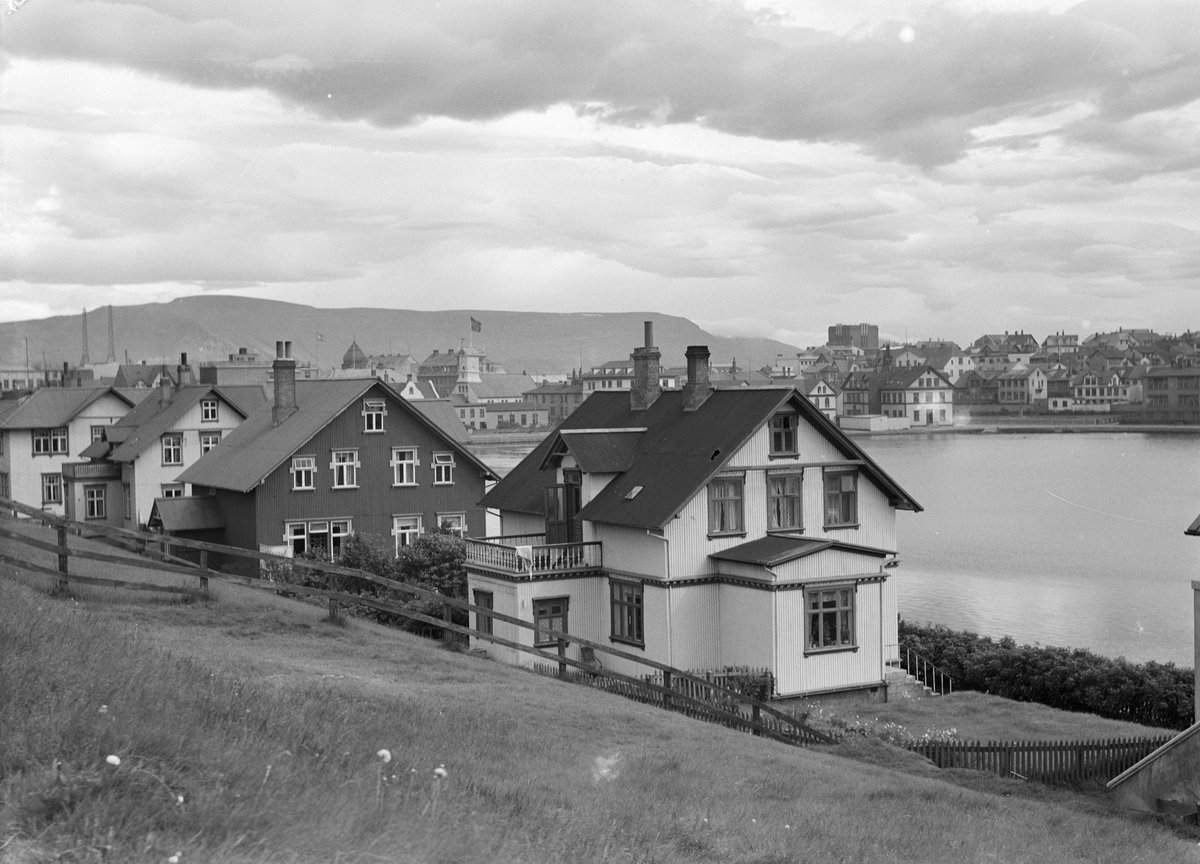
Located in the vibrant heart of Reykjavík, the National Theatre of Iceland (Þjóðleikhúsið) is a cultural beacon that invites visitors to explore the rich…
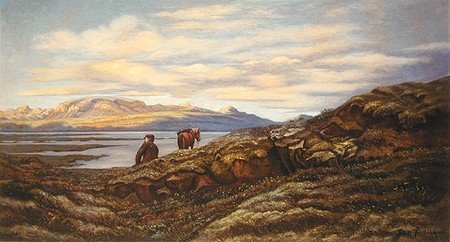
Nestled in the heart of Reykjavík, the National Gallery of Iceland (Listasafn Íslands) stands as a beacon of Icelandic art and cultural heritage, inviting…
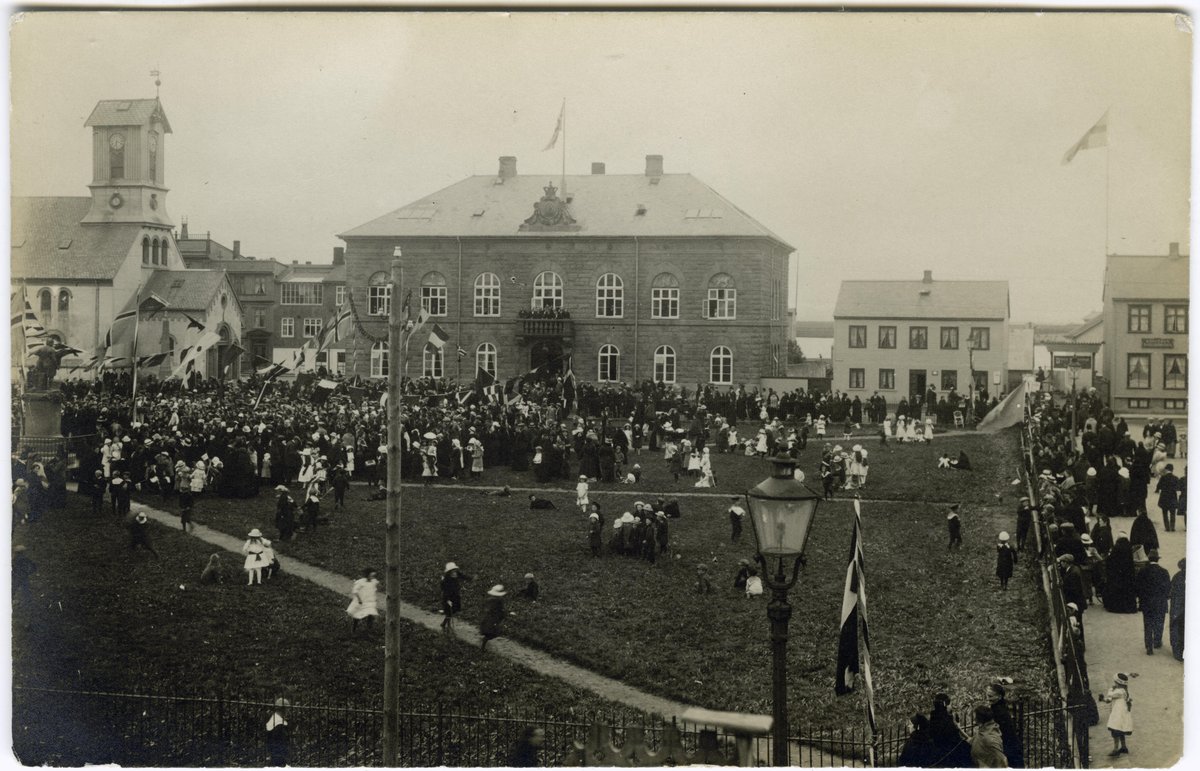
Reykjavík Cathedral (Dómkirkjan í Reykjavík) stands as one of Iceland’s most iconic and historically rich landmarks, located in the very heart of the nation’s…
Perlan, Reykjavík’s architectural gem perched atop Öskjuhlíð hill, stands as a unique fusion of Iceland’s geothermal heritage, innovative design, and cultural…
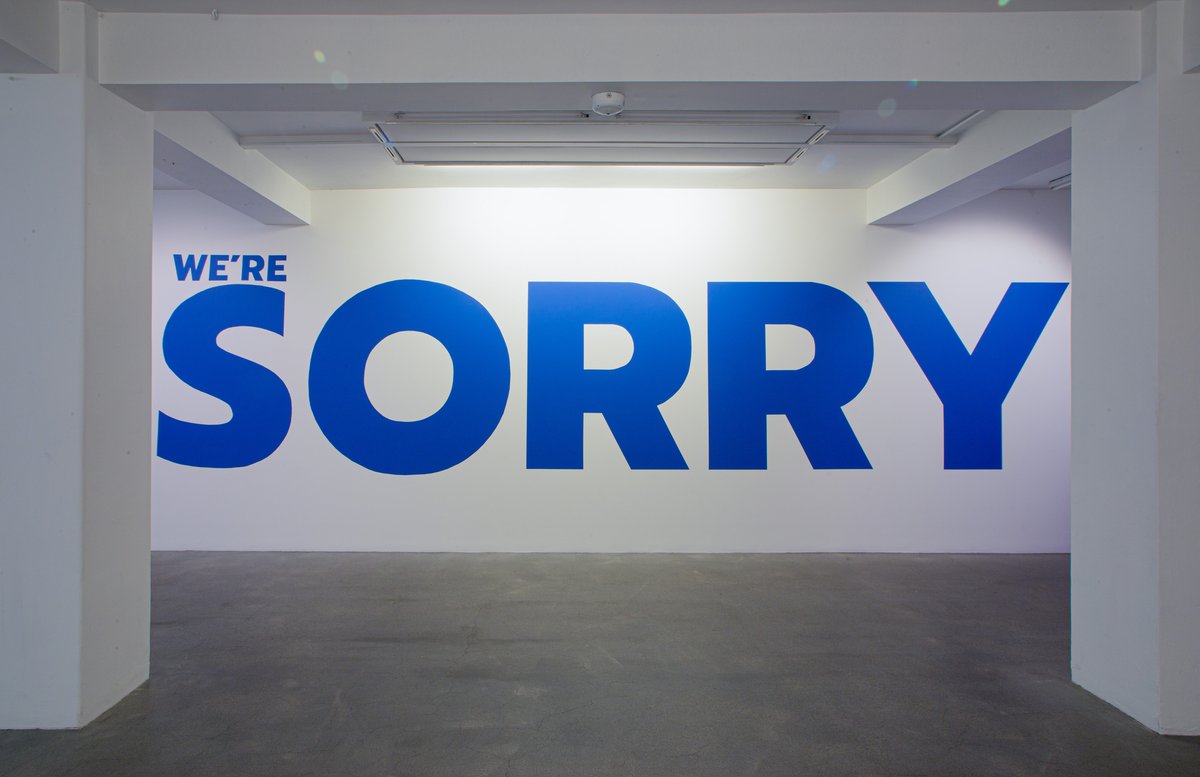
The Reykjavík Art Museum stands as Iceland’s largest and most significant visual art institution, offering an expansive and insightful journey into both the…
Where to wander, by quarter — each with its own rhythm.
The beating heart where everything converges — rainbow-painted Skólavörðustígur leading up to Hallgrímskirkja's 74.5-meter tower, record shops smelling of old vinyl, and bars where musicians discuss chord progressions over $15 cocktails. This is where tourists and locals collide in thermal-lined jackets, where you can buy hand-knitted lopapeysa sweaters one block from a store selling miniature fermented shark in gift boxes. The density of experiences per square meter here rivals cities ten times its size.
Former fish factories now house some of Reykjavík's most interesting spaces — Marshall House contains cutting-edge art galleries where you might stumble into an Olafur Eliasson installation, while across the street Omnom Chocolate pumps out bean-to-bar treats that make the whole district smell like Madagascar vanilla. Street art covers corrugated iron warehouses between whale-watching boats and the life-size whale models at Whales of Iceland. It's gentrification done right — still smelling slightly of sea salt and diesel, but with better coffee.
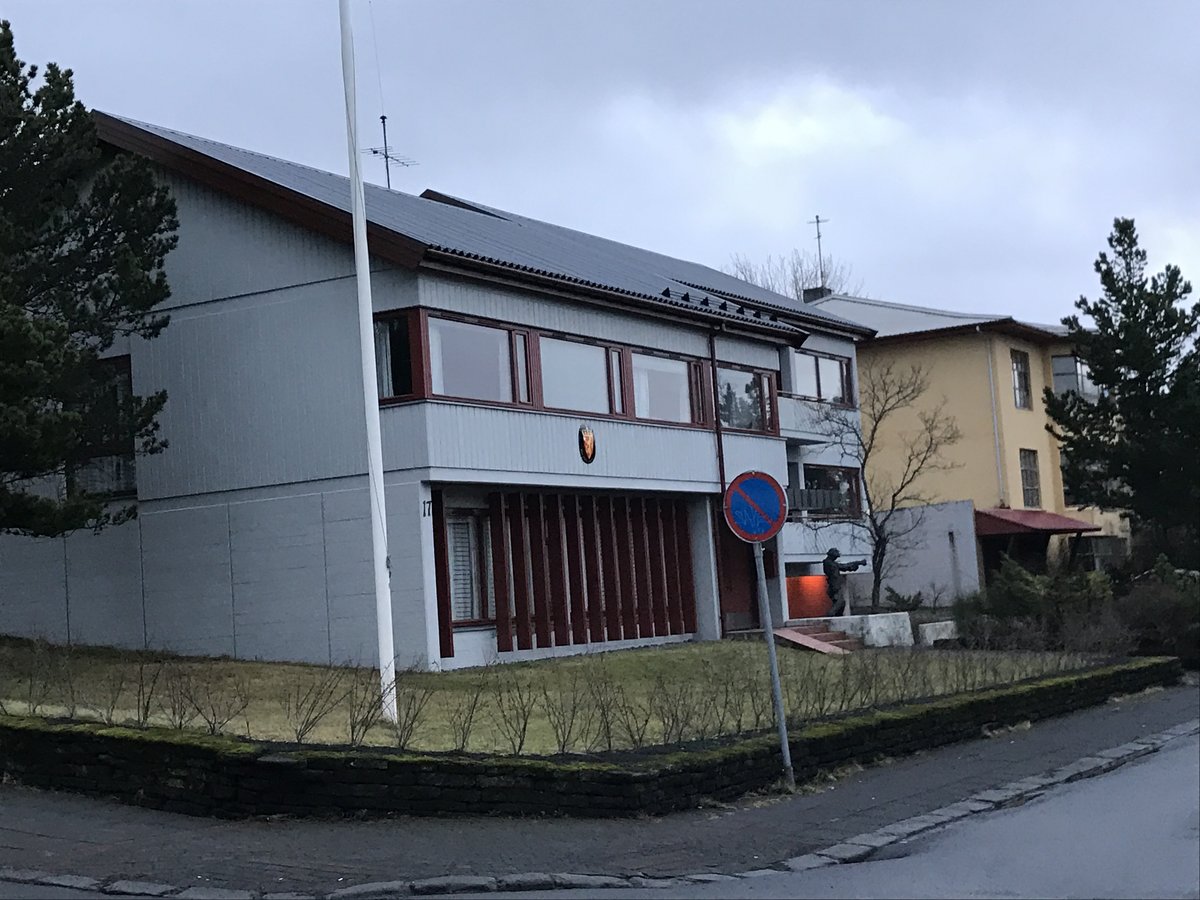
The quiet west side where diplomats live in 1930s houses and locals actually get annoyed when tourists find their neighborhood pool. Nauthólsvík geothermal beach stays packed with Icelanders even when snow blows sideways — they've figured out that hot seawater plus cold air equals perfect Sunday plans. Grab coffee at Kaffihús Vesturbæjar where everyone seems to know everyone else's business, which in Iceland means they're probably related.
The old bus terminal transformed into a food hall that saved downtown dining — Skál! serves Arctic char that makes chefs weep while teenagers argue about Viking metal bands at nearby tables. Outside, the square hosts impromptu protests when the government angers someone (weekly occurrence) and pop-up markets selling everything from vintage lava jewelry to fermented shark cubes. It's where Reykjavík's famous lack of hierarchy shows — you might queue for noodles behind a government minister.
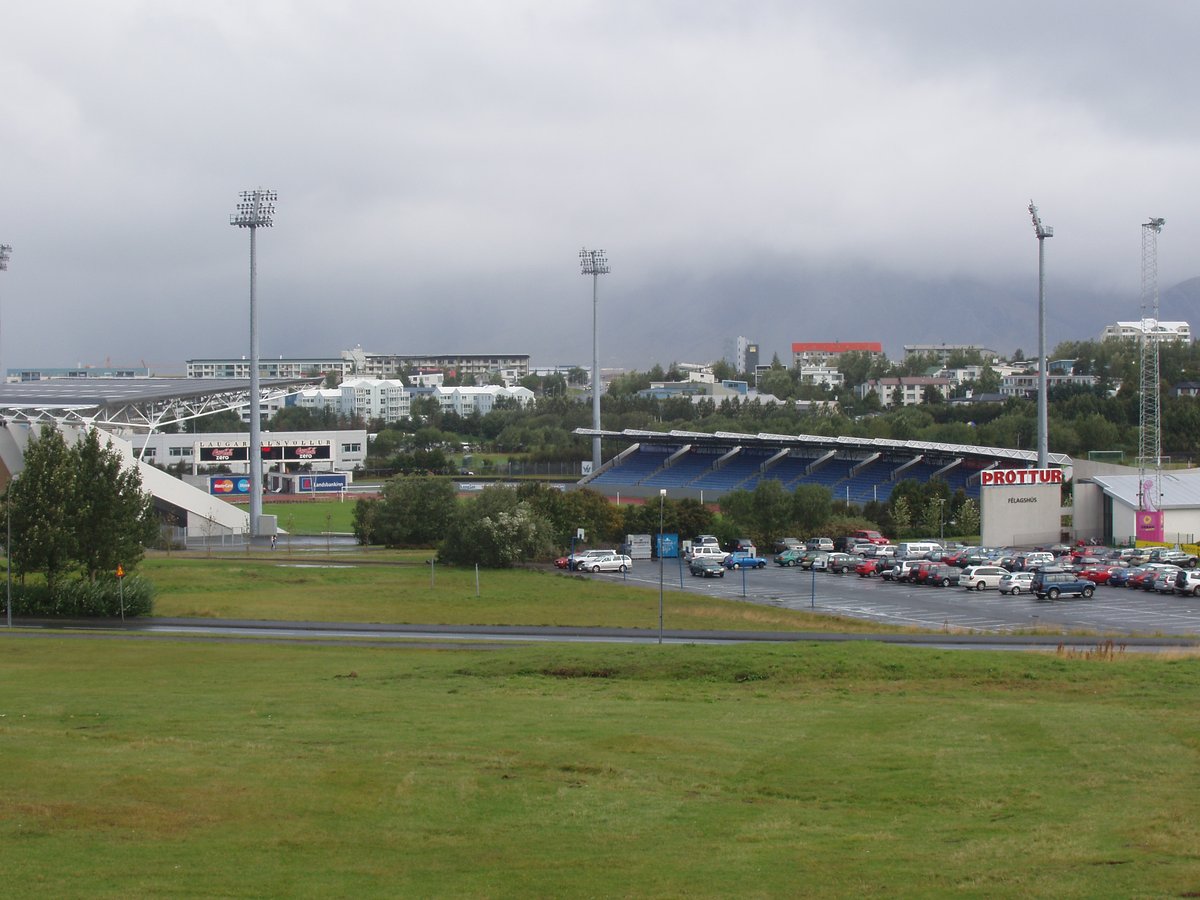
Where Reykjavík goes to play — the massive Laugardalslaug pool complex with its 50-meter outdoor lane staying toasty while steam rises into sub-zero air, botanical gardens where 5,000 plant species somehow survive thanks to geothermal greenhouses, and sports stadiums where Iceland's Euro 2016 victory still echoes. Families bike here on dedicated paths while teenagers sneak into the botanical garden's tropical house for warmth and Instagram photos among banana plants that shouldn't exist at this latitude.
How a driftwood farm became the capital of an island that refused to disappear
The Norwegian chieftain casts his high-seat pillars overboard and waits three winters until slaves find them washed up in a steam-filled bay. He names the place Reykjavík—'Smoky Bay'—after the geothermal vents that hiss like breath through the lava. A turf-and-driftwood hall rises where the cathedral square stands today.
Ingólfur’s descendants help found the Althing at Þingvellir, 40 km east. The world’s oldest parliament pulls power away from the bay; Reykjavík sinks into 800 years of grazing sheep and drying fish. Even the name fades—maps call the farm Vík á Seltjarnarnesi.
Danish crown donates the estate to Skúli Magnússon’s Innréttingar corporation. Water-driven fulling mills clatter where salmon once leapt; the first stone houses appear to house imported weavers. Smoke from coal-fired lofts replaces geothermal steam above the bay.
The Danish governor reads out a royal decree granting Reykjavík permanent trading rights. Six chartered towns receive the same letter; only this one survives. Population: 167 souls, one tavern, and a warehouse still smelling of seal blubber.
A Lutheran church of rough-hewn basalt and Norwegian pine is consecrated on the main lane. It seats 200—three times the adult townsfolk—proof of missionary optimism. The bell, cast in Copenhagen, cracks the first winter and still sounds slightly drunk.
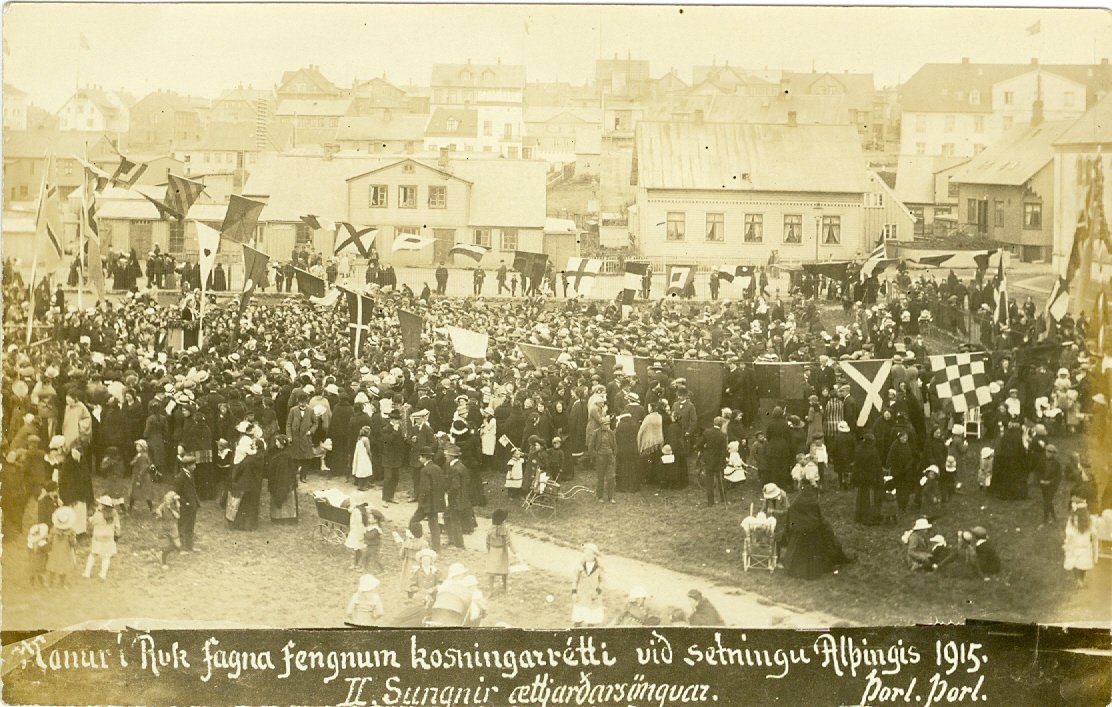
The Althing reconvenes in Reykjavík after 47 years of silence. Delegates arrive on horseback over sea-ice so thick that riders detour across Faxaflói bay. They meet in a borrowed schoolroom; the stove explodes during the opening prayer.
King Christian IX sails from Denmark with a constitution for Iceland’s millennium. Cannons fire from gravel batteries; 6,000 Icelanders—more than the town’s entire population—crowd the mud streets. Reykjavík learns to call itself a capital.
In a timber house on Laugavegur, Halldór Guðjónsson later renames himself after the family farm and writes ‘Independent People’. Nobel Stockholm will phone in 1955; he’ll answer in Reykjavík slang and refuse to wear shoes for the ceremony.
Fireworks made from fishing-flares arc over Tjörnin pond as Iceland becomes sovereign—still sharing a king with Denmark. The Danish flag is lowered; the new Icelandic flag soaks up sleet. Reykjavík finally has a capital it can print on postage.
Royal Marines march unopposed into a city whose policemen still wear ceremonial swords. Local taxi drivers ferry Bren-gun carriers because the invaders brought no vehicles. Barracks rise on the town’s only football pitch; teenagers learn to jitterbug in Nissen huts.
At Þingvellir, 25 km away, the thunder of a 21-gun salute rolls across the lava plains. In Reykjavík, citizens tear down the last Danish signage. The city’s single traffic light—installed by American engineers—blinks red-white-blue in confusion.
Construction begins on a church that will take 41 years to finish. Architect Guðjón Samúelsson sketches basalt columns he saw cooling by the sea. Each volcanic block is hauled up Skólavörðuholt hill by winches built from trawler engines.
Born in Reykjavík’s naval hospital, Björk Guðmundsdóttir grows up singing into the heating pipes of her concrete block. By 11 she’s released an album on the state label; by 25 she’ll export the city’s internal weather to the world.
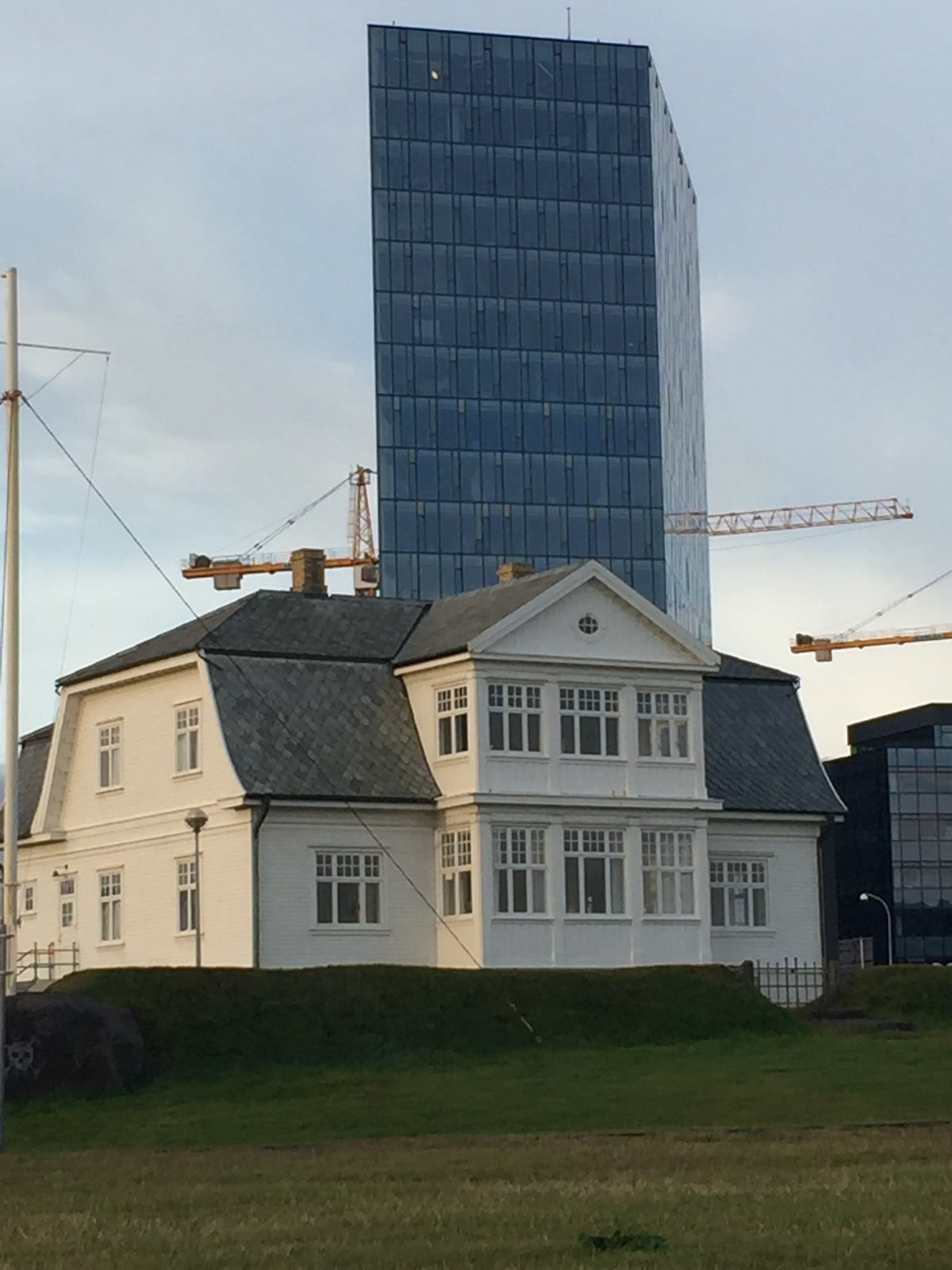
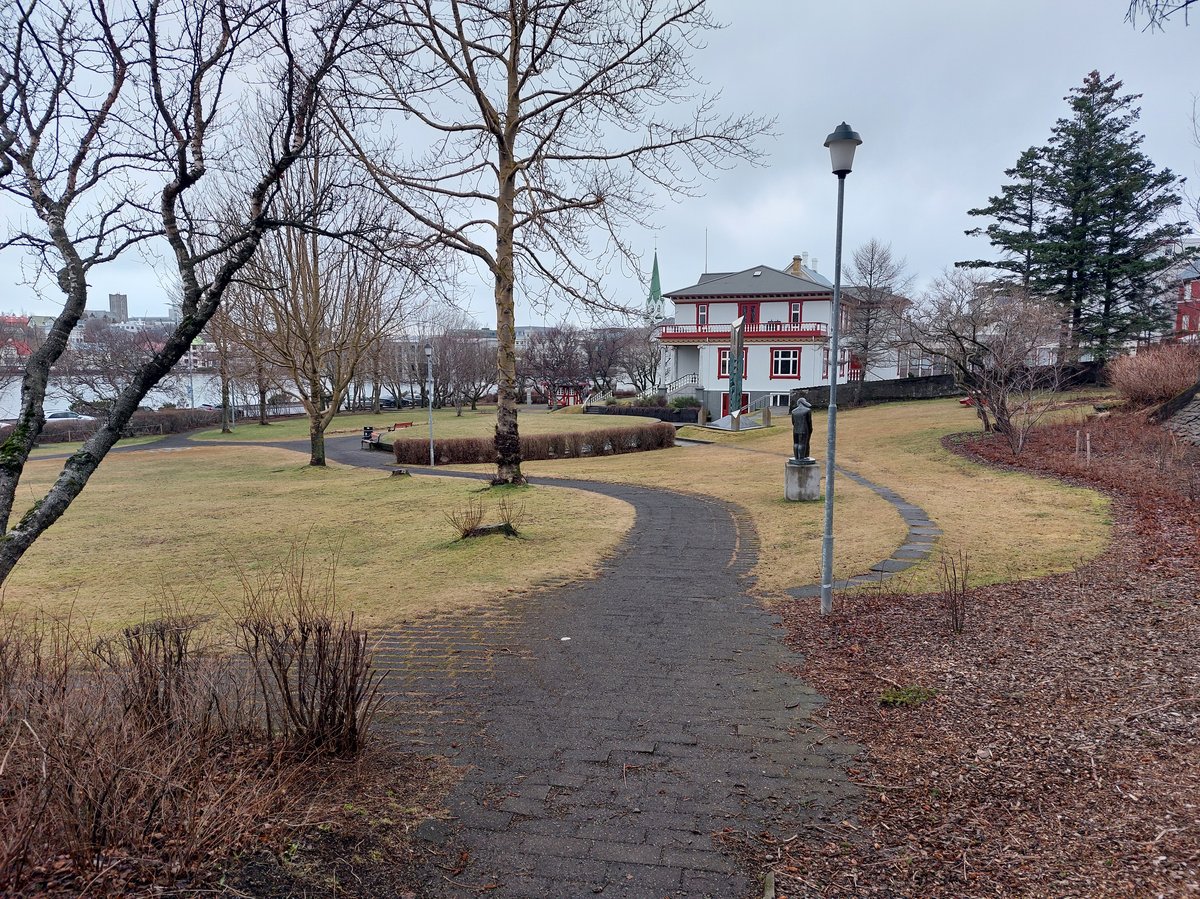
Höfði House, once a French hospital for tubercular sailors, hosts the superpower summit that edges the Cold War toward thaw. Snipers crouch on the cathedral roof; protestors chant in 40 languages. The world watches a city accustomed to fog learn to handle flashbulbs.
Hallgrímskirkja’s 74-metre tower is consecrated. The elevator climbs slower than a fishing boat leaving harbour; at the top you see 360 degrees of lava, sea and red tin roofs. Locals still time their walks by its shadow slicing Laugavegur at 16:30 sharp.
Iceland’s banks collapse; Reykjavík feels it first. The Harpa concert hall, half-built, stands skeletal against the harbour like a frozen wave. Citizens bang pots outside parliament—an orchestra of aluminium and anger that lasts until the government resigns.
The completed concert hall lights up the old harbour with a façade of honeycomb glass that catches the low sun and throws it back like cod scales. Inside, the Iceland Symphony plays Sibelius while geothermal pumps hum beneath the floor—stone-cold winter outside, warm currents within.
A geothermal river valley inside city limits wins Europe’s architecture laurels. Salmon still run past outdoor hot taps where teenagers fill thermoses after school. Reykjavík proves you can pave roads over lava but the lava keeps breathing through the cracks.
The people who shaped the city — and were shaped by it.
She started singing at Reykjavík school concerts at eleven; today her old neighborhood of 101 Reykjavík still hums with the same do-it-yourself spirit she exported to the world. Walk Laugavegur on a Friday night and you’ll hear bedroom producers trying to be the next her.
He used the city’s muddy lanes and gossiping cafés as the backdrop for *Independent People*, winning Iceland’s only Nobel Prize in Literature. His house-museum in Mosfellsbær is a ten-minute bus ride—he’d approve of the public-pool stop en route.
Elected 1980, she became the world’s first democratically chosen female head of state and used Reykjavík as her pulpit for environmental and language preservation. Schoolgirls still pass her childhood house on their way to classes where 90% of lessons are in Icelandic.
His haunting scores for *Arrival* and *The Theory of Everything* began in a small studio off Hverfisgata; locals remember him cycling to the record shop for vintage synths. The city’s nightly drone of wind and geothermal pipes sneaks into his orchestral textures.
‘The Mountain’ from *Game of Thrones* still deadlifts at the local gym downtown—tourists spot him buying skyr at the supermarket next door. He credits Reykjavík’s geothermal recovery spas for keeping his 200-kg frame mobile.
He turned Harpa’s façade into a kaleidoscope of geometric glass and lit Viðey Island with Yoko Ono’s Peace Tower. Walk the harbour at dusk and you’ll see his studio glowing like another artwork among the trawlers.
Where locals actually book dinner — not the tourist menus.
Small things that change how the city treats you.
From mid-June to late August the sun sets after midnight and rises around 3 a.m.—book a 23:00 harbor cruise for golden-hour photos without crowds.
The church elevator opens at 9 a.m.; be first in line to photograph the city waking up. After 10 a.m. tour buses add a 30-minute wait.
Skip the postcard shops and wander the old fishing docks—every warehouse wall is a mural. Start at Omnom Chocolate for free samples, finish at the micro-pubs on Hafnarstræti.
A Keflavík taxi costs ~20,000 ISK (€130) solo; the Flybus is €13–20 and waits for delayed flights. Share a cab only if you’re four people splitting the meter.
Iceland is nearly cashless—every kiosk takes cards, including the famous Bæjarins Beztu Pylsur stand. Order ‘ein með öllu’ (one with everything) for the local price.
Public geothermal pools are hushed; loud conversation is frowned upon. Sit on the underwater benches, gaze at the steam, and you’ll pass as a local.
The city, as it actually looks.

The tranquil, frozen waters of Tjörnin lake reflect the soft twilight glow of the Reykjavík city skyline during a crisp Icelandic winter evening.
Jón T Jónsson on Pexels
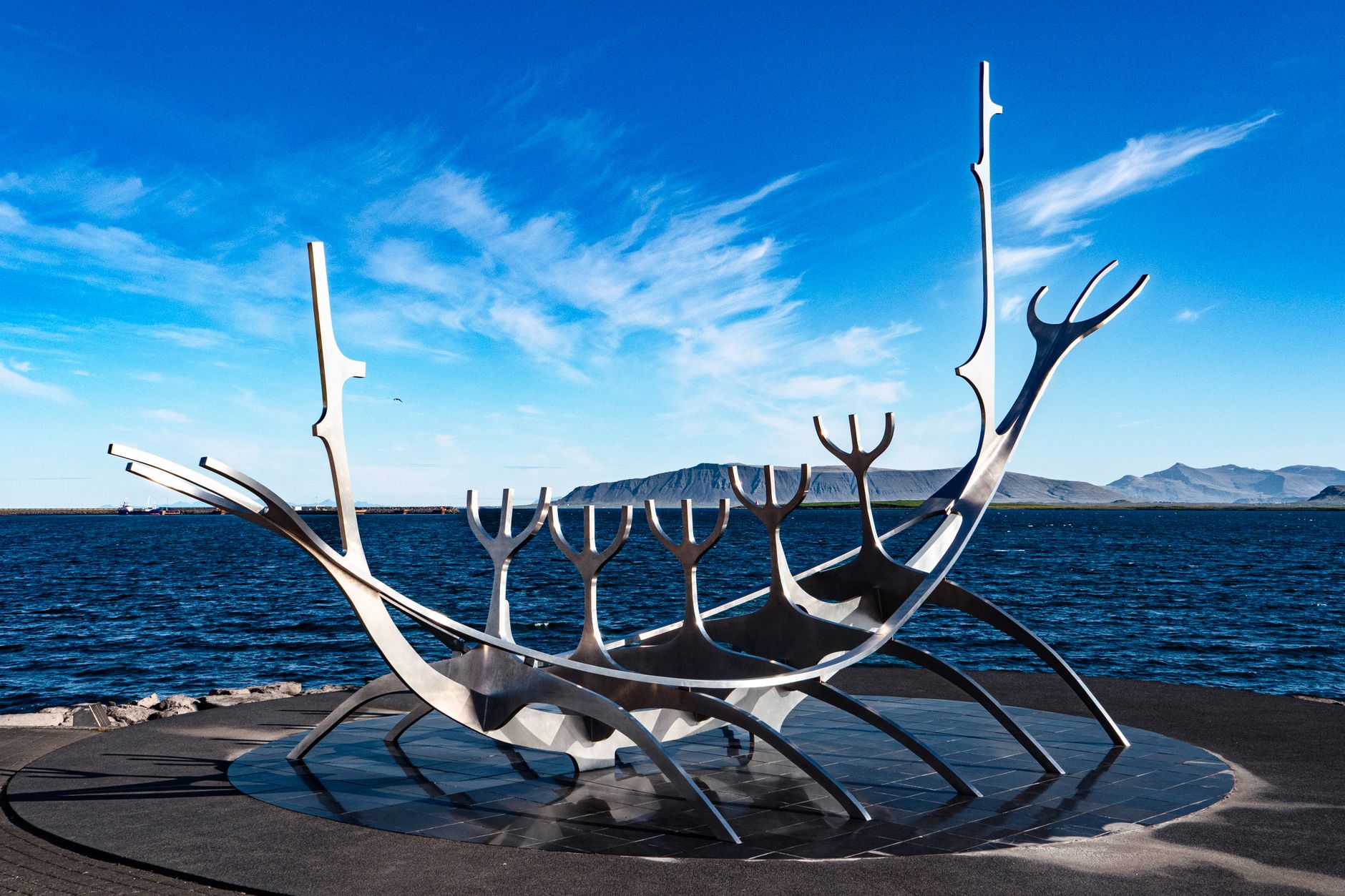
The iconic Sun Voyager sculpture, a dream boat and ode to the sun, stands gracefully on the waterfront in Reykjavík, Iceland.
Audrey B on Pexels
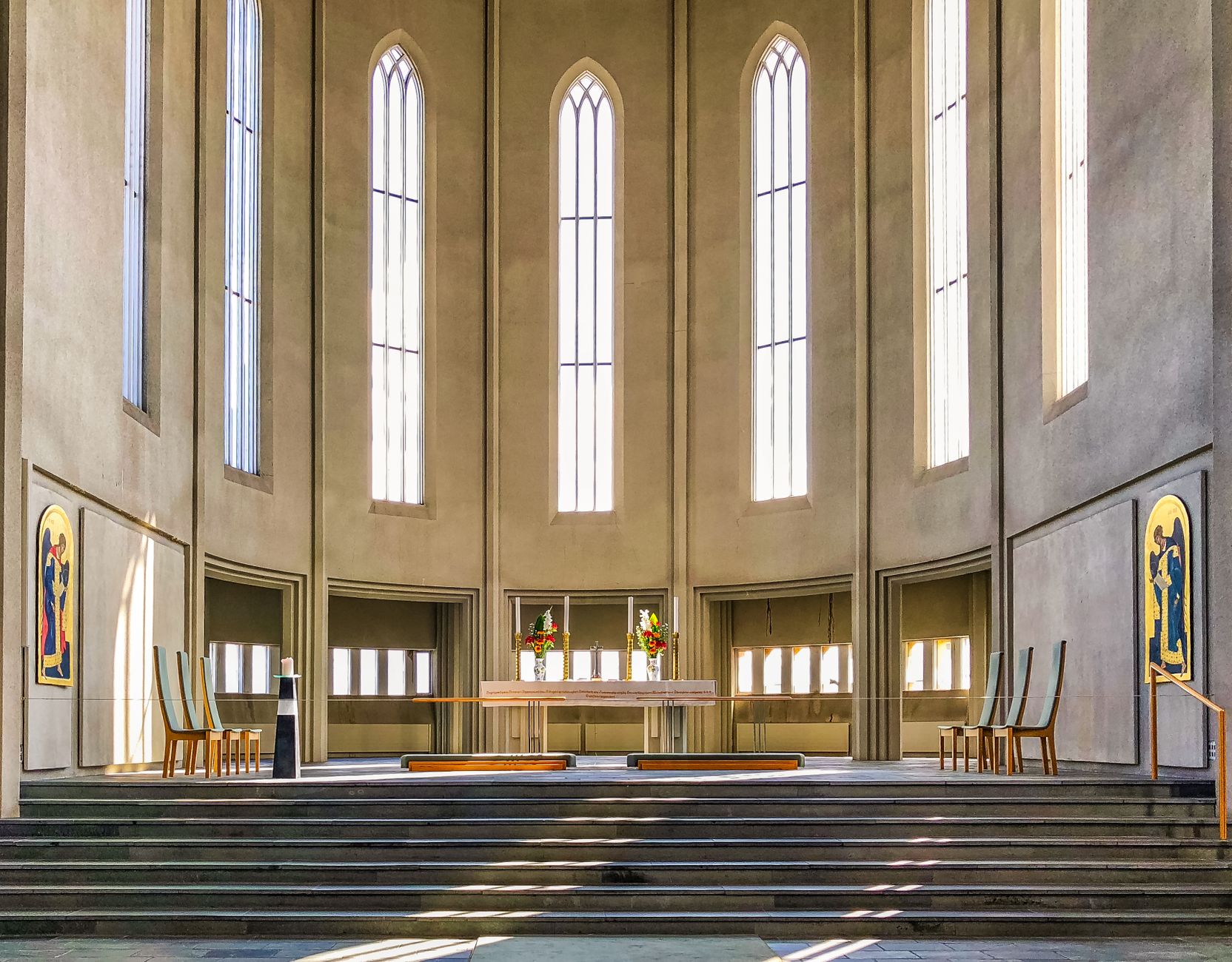
The serene and minimalist altar area of Hallgrímskirkja, one of the most iconic architectural landmarks in Reykjavík, Iceland.
Nextvoyage on Pexels
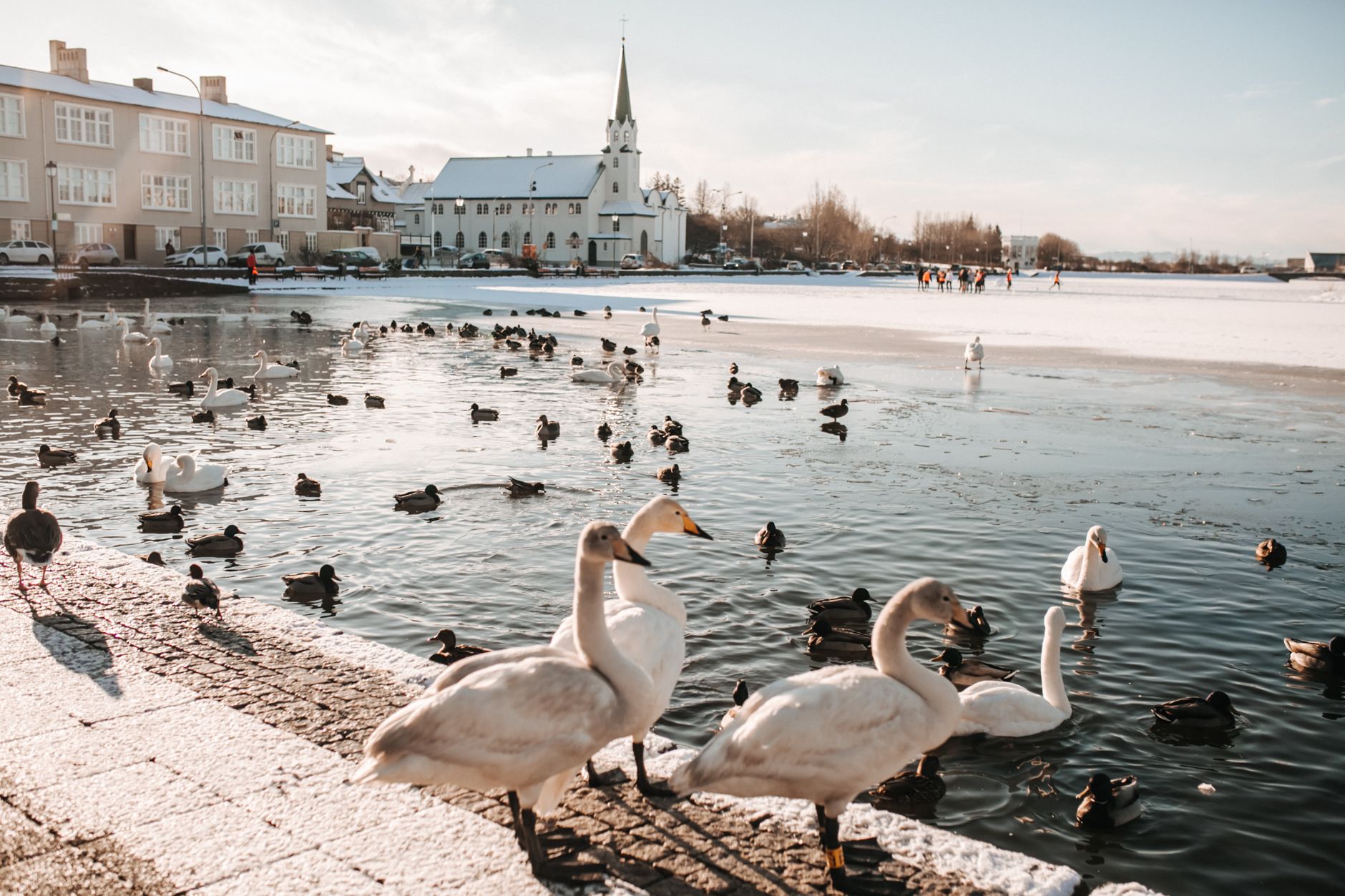
Swans and ducks gather on the partially frozen Tjörnin pond in the heart of Reykjavík, Iceland, during a crisp winter day.
Pavel Danilyuk on Pexels

The striking geometric glass facade of the Harpa Concert Hall stands as a modern architectural landmark on the waterfront of Reykjavík, Iceland.
Phil Evenden on Pexels

A stunning aerial perspective of Reykjavík, Iceland, capturing the vibrant rooftops and urban layout stretching toward the scenic coastline.
Benjamin Alanis Ibarra on Pexels

The iconic spire of Hallgrímskirkja rises above the Reykjavík skyline, framed by the dramatic, snow-dusted mountains of Iceland.
Jón T Jónsson on Pexels

A stunning aerial perspective of Reykjavík's vibrant, multi-colored rooftops set against a dramatic, golden-hued Icelandic sunset.
Stephen Leonardi on Pexels
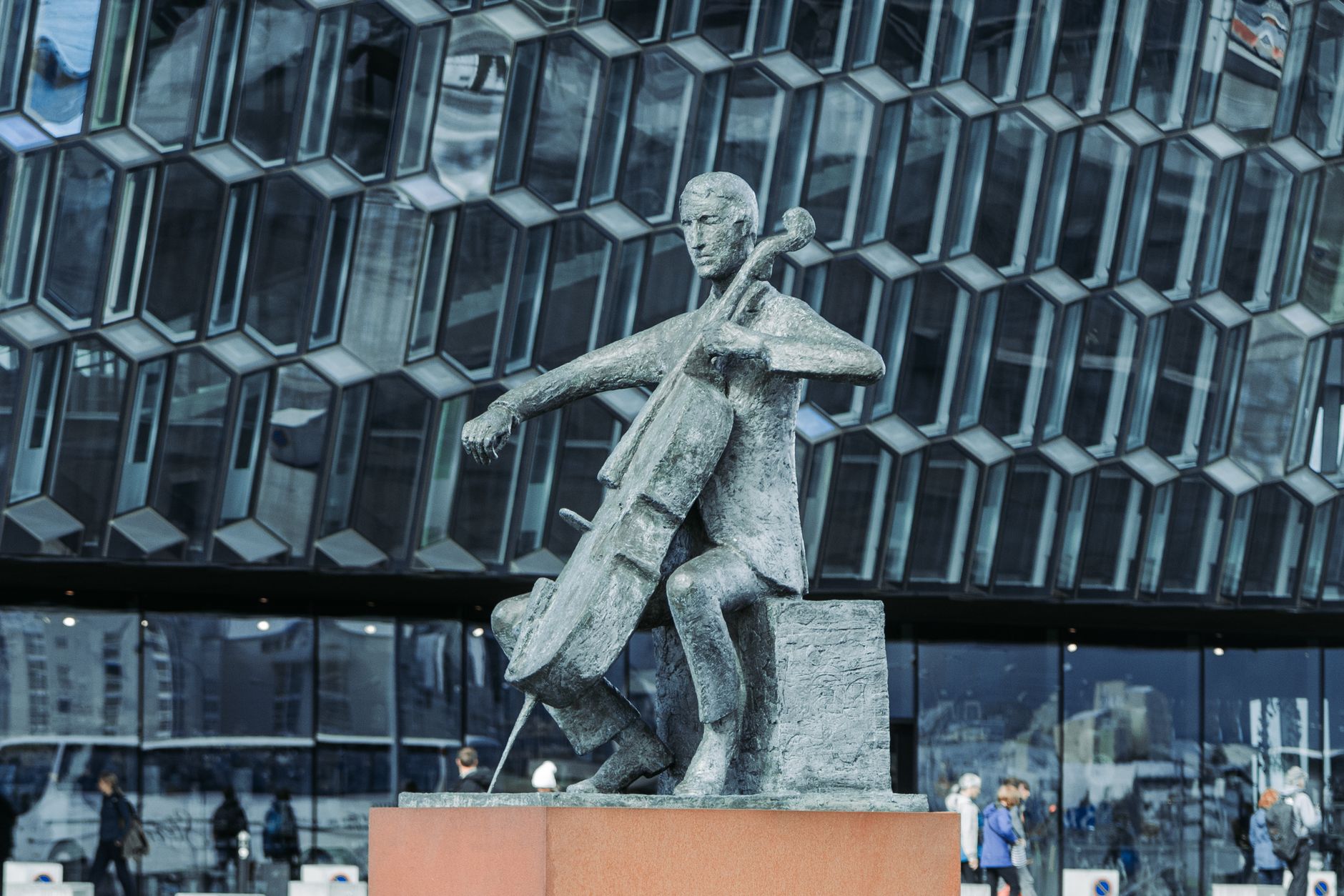
The artistic bronze cellist sculpture sits prominently in front of the iconic, geometric glass facade of the Harpa Concert Hall in Reykjavík.
Max S. on Pexels
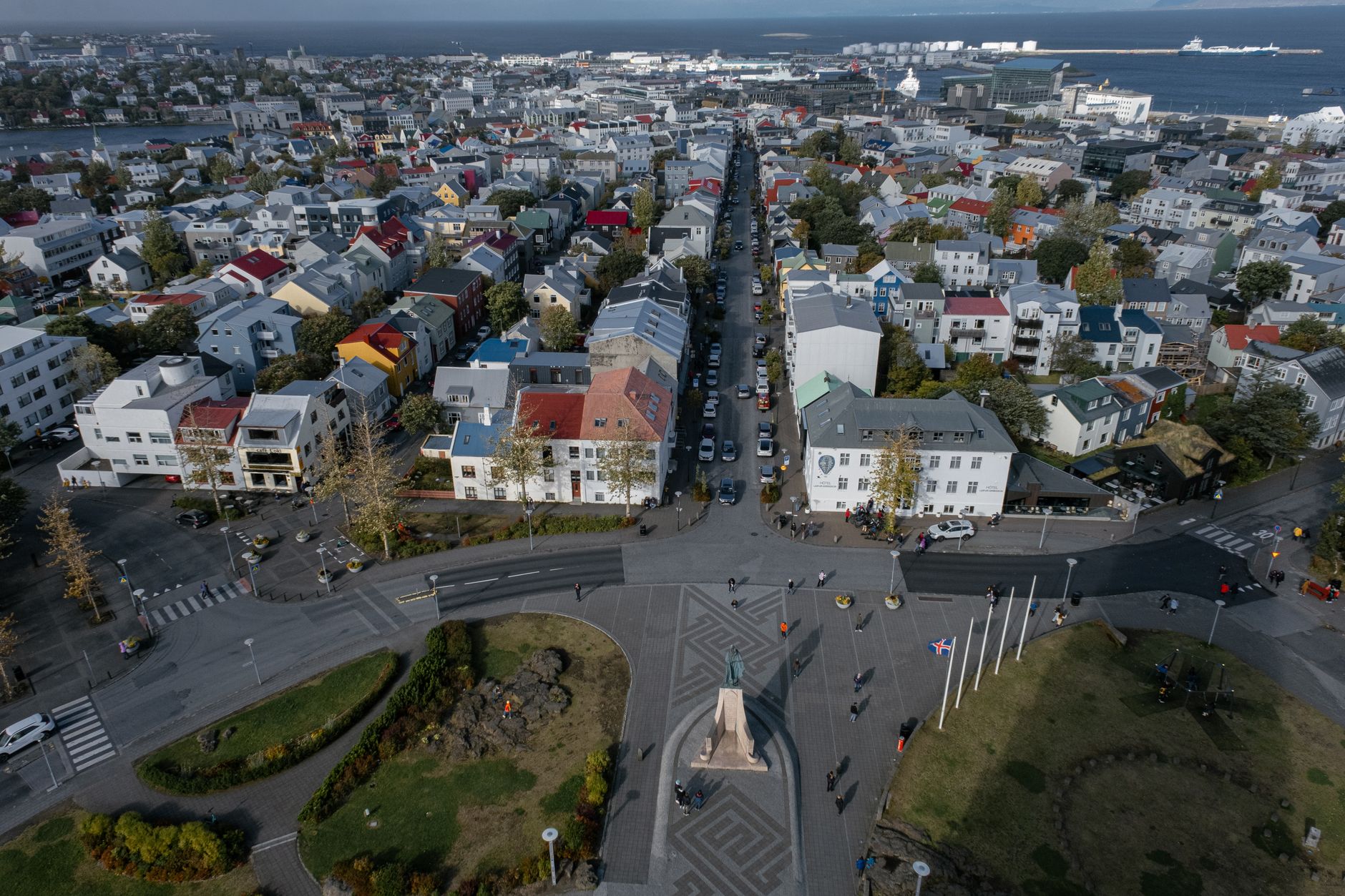
An elevated perspective of downtown Reykjavík, Iceland, showcasing the city's charming colorful buildings, bustling streets, and the scenic coastline.
Monica Oprea on Pexels

A scenic aerial perspective of Reykjavík, Iceland, showcasing the city's unique colorful architecture against the backdrop of distant mountains and the bay.
Magic K on Pexels
Absolutely—its 139,000 residents pack more writers, musicians, and geothermal pools per capita than any capital its size. You can walk from a 1986 Reagan-Gorbachev summit house to a midnight-sun vinyl set in fifteen minutes.
Two full days covers Harpa, Hallgrímskirkja tower, street-art Grandi, and the National Museum. Add a third day for Viðey Island or the Golden Circle.
Strætó public bus #55 costs ~€13 but runs infrequently, especially weekends. Flybus (€13–20) departs after every landing and drops at hotels—book online to guarantee a seat.
Iceland ranks #1 on the Global Peace Index; solo walkers feel secure downtown at 2 a.m. Winter ice, not crime, is the real hazard—wear spikes on your boots.
September–April, with peak darkness December–February. City lights dim them, so hop on the 15-minute ferry to Viðey Island where Yoko Ono’s Peace Tower beam cuts off for aurora viewing.
No—cards are accepted everywhere, even for a single espresso. Carry a small chip-and-pin card; mag-stripe cards sometimes fail.
Ready to book?
Curated from places in this city. Same price as official sites.
Prices shown are indicative — final pricing and availability are confirmed at checkout. Audiala may receive a commission from bookings made via these links.
Keflavík International Airport (KEF) is 50 km west via Route 41—Flybus timed to every landing, €13–20. Reykjavík Domestic (RKV) handles only internal flights plus Greenland hops.
No metro, no trams—Strætó buses only. Reykjavík City Card (2 400 ISK/24 h) covers buses, pools, and museums. Most sights in 101 district sit within a 20-minute walk; rainbow-painted Skólavörðustígur leads straight to Hallgrímskirkja.
Summer: 8–13 °C, midnight sun late May–July, peak crowds. Winter: -3 to 2 °C, Northern Lights Sept–April, cheapest beds. Rain arrives sideways any day—pack shell and wool layers year-round.
Icelandic spoken, but English fluent everywhere. Currency is Icelandic króna (ISK); cards rule—even hot-dog stands tap-only. Tipping not expected; round up if you loved the service.
Ranked #1 on Global Peace Index; PM's office has no fence. Sneaker waves at Reynisfjara and icy sidewalks in winter pose the only real threats—step back from the black-sand edge.
53 places to discover


Showing 1–48 of 53 places