Introduction to Cipők a Duna-parton
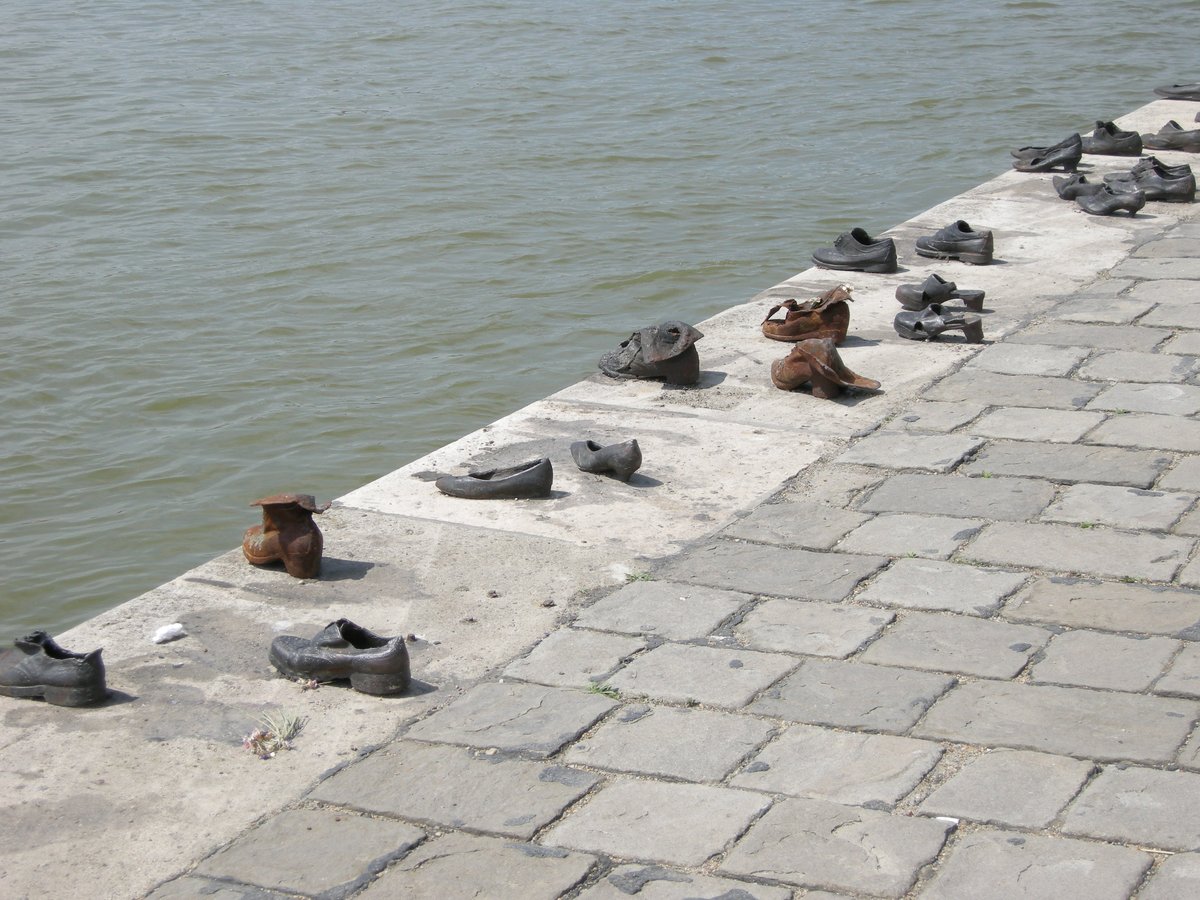
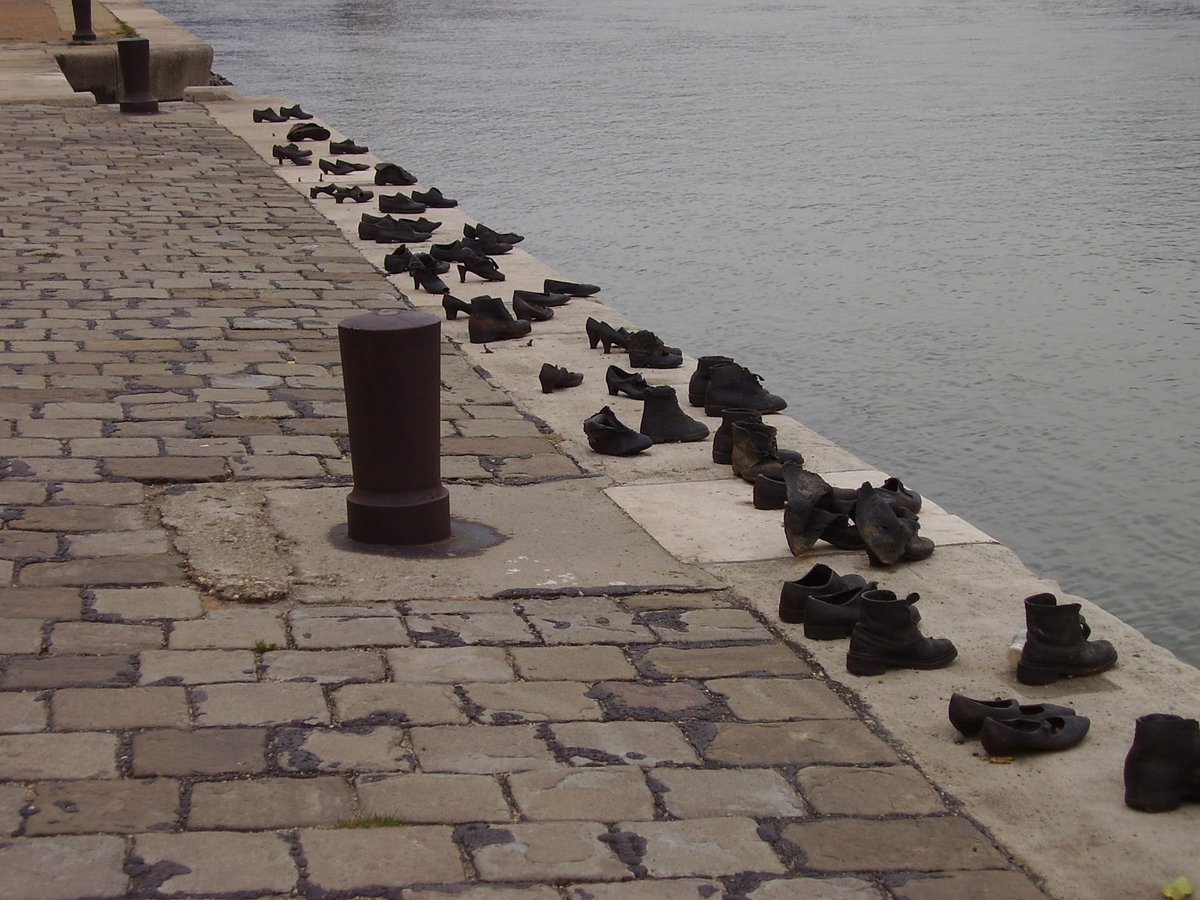
The 'Shoes on the Danube Bank' memorial, locally known as Cipők a Duna-parton, stands as a poignant and solemn reminder of one of the darkest chapters in Hungary's history. Located on the Pest side of the Danube Promenade in Budapest, this memorial commemorates the thousands of Jews who were executed by fascist Arrow Cross militiamen during World War II. Conceived by film director Can Togay and created by sculptor Gyula Pauer in 2005, the memorial features 60 pairs of iron shoes styled after 1940s fashion, symbolizing the men, women, and children who were ordered to remove their shoes before being shot into the river (Holocaust Memorial Center in Budapest, 2005). This guide aims to provide a comprehensive overview of the memorial's history, cultural significance, and practical visitor information, ensuring a meaningful visit for those who wish to pay their respects and learn more about this tragic period in history. For more detailed accounts of the Holocaust in Hungary, visitors can also explore resources from the United States Holocaust Memorial Museum and Yad Vashem.
Photo Gallery
Explore Shoes on the Danube Bank in Pictures
A panoramic photo showcasing the stunning cityscape of Budapest, featuring the river Danube and iconic historic buildings such as the Parliament and Buda Castle under a clear sky.
Rusty metal shoes sculpture on the Danube Promenade in Budapest, Hungary, a memorial to Holocaust victims.
Scenic view of Budapest city showcasing historic architecture along the Danube river, highlighting the beauty and cultural heritage of Hungary's capital.
A beautiful panoramic image showing Budapest cityscape with the Danube river flowing through and famous landmarks like the Parliament building and bridges across the river.
Scenic view of Budapest city on November 4, 2006, featuring the Danube River and iconic historic architecture in autumn.
History
Historical Context
The "Shoes on the Danube Bank" memorial in Budapest, Hungary, is a poignant tribute to the victims of the Holocaust, specifically those who were executed along the banks of the Danube River during World War II. The memorial was conceived by film director Can Togay and created by sculptor Gyula Pauer in 2005. It commemorates the thousands of Jews who were shot by the fascist Arrow Cross militiamen in 1944-1945. The victims were ordered to remove their shoes before being shot, and their bodies fell into the river, carried away by the current. This tragic event is a stark reminder of the atrocities committed during the Holocaust.
Design and Symbolism
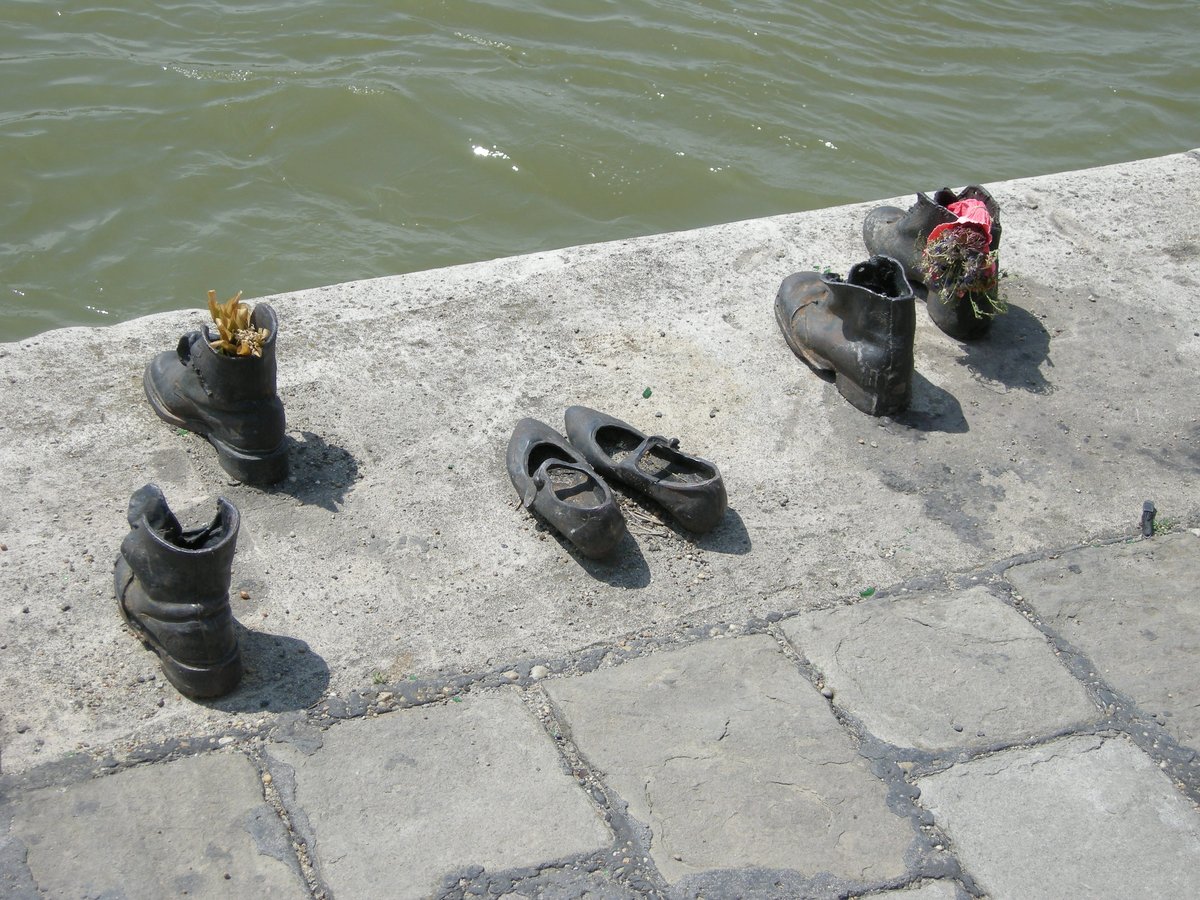
The memorial consists of 60 pairs of iron shoes, styled after 1940s fashion, affixed to the stone embankment. The shoes are of various sizes and styles, representing men, women, and children, symbolizing the indiscriminate nature of the violence. The choice of shoes is deeply symbolic; shoes are personal items that carry the imprint of the wearer, making their absence a powerful representation of the lives lost. The shoes are left empty, evoking a sense of loss and absence, and are positioned as if the victims had just stepped out of them, ready to be swept away by the river.
Visitor Information
Location and Installation
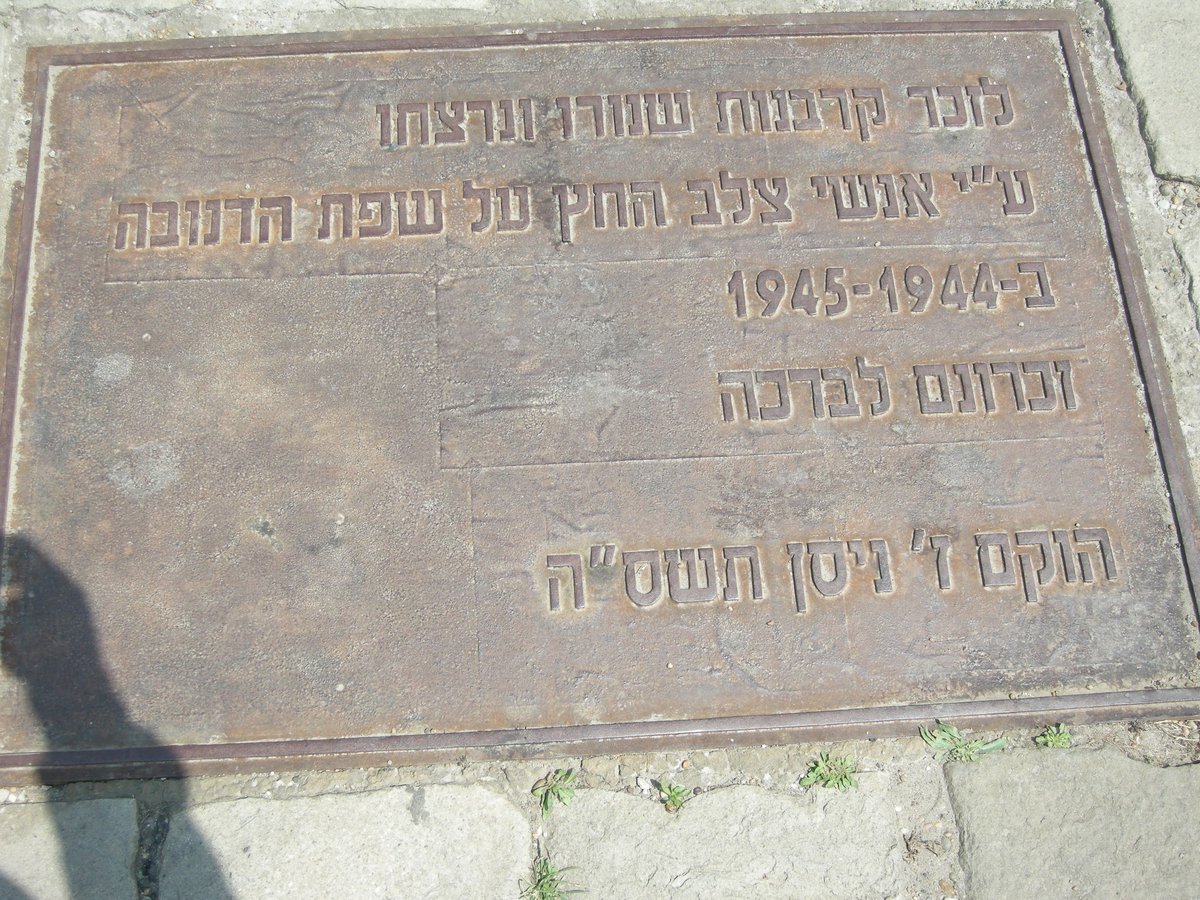
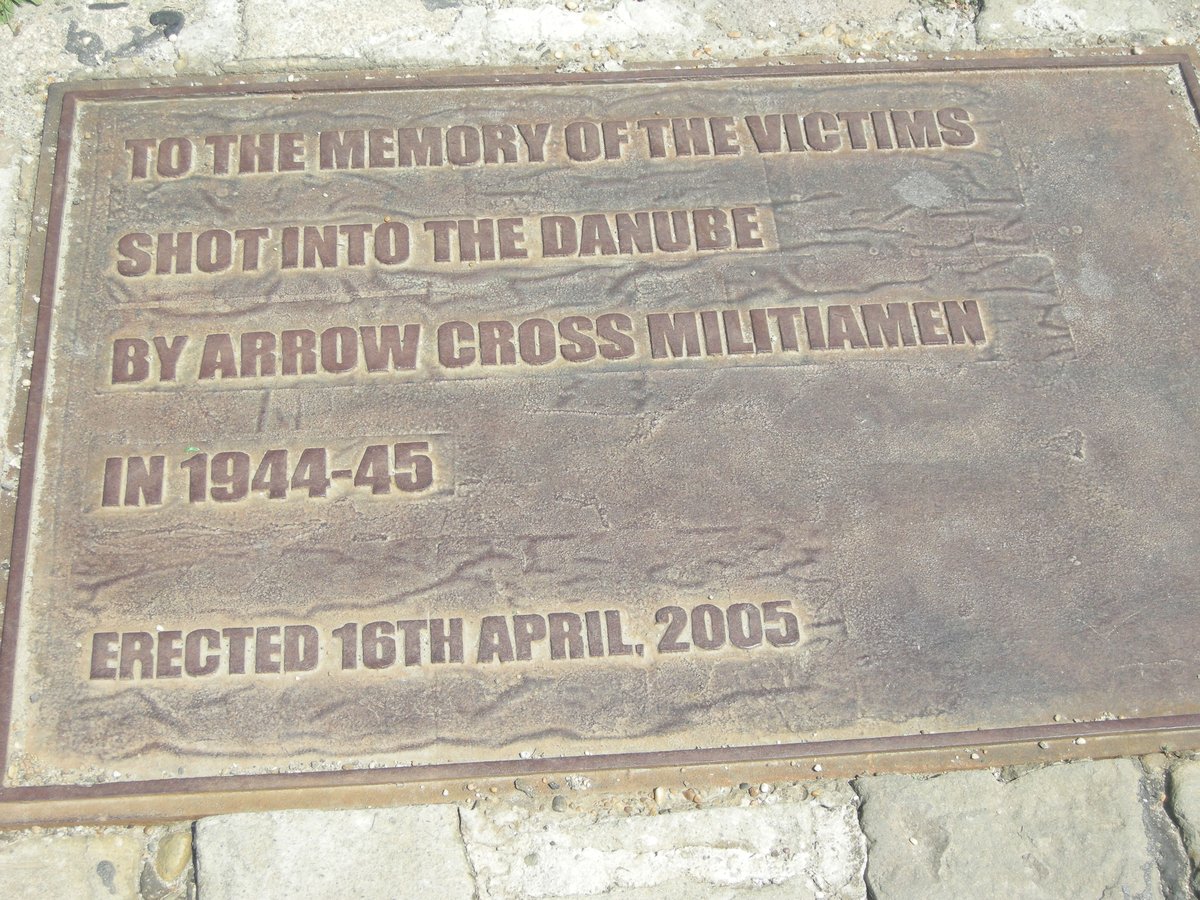
The memorial is located on the Pest side of the Danube Promenade, between the Hungarian Parliament Building and the Chain Bridge. This location is significant as it was one of the actual sites where the executions took place. The installation is simple yet powerful, with the shoes arranged in a seemingly haphazard manner, as if left behind in a moment of panic and despair. The memorial also includes a 40-meter long, 70-centimeter high stone bench with a cast iron plaque that reads in Hungarian, English, and Hebrew - "To the memory of the victims shot into the Danube by Arrow Cross militiamen in 1944-45. Erected 16 April 2005."
Visiting Hours and Tickets
The Shoes on the Danube Bank memorial is accessible year-round and is free to visit. It is recommended to visit during daylight hours to fully appreciate the details of the sculpture and the surrounding scenery. The site is also particularly moving at sunset, with the changing light casting shadows on the shoes, enhancing the sense of loss and remembrance.
Travel Tips and Nearby Attractions
When visiting the memorial, it is advisable to wear comfortable walking shoes, as the area surrounding the memorial involves some walking. Nearby attractions include the Hungarian Parliament Building, the Chain Bridge, and the Buda Castle, all within walking distance. Public transportation options, such as trams and buses, are readily available for easy access to the site.
Cultural and Educational Impact
The "Shoes on the Danube Bank" memorial serves as a powerful educational tool, reminding visitors of the horrors of the Holocaust and the importance of tolerance and human rights. It is a site of reflection and mourning, attracting both locals and tourists who come to pay their respects. The memorial has become an integral part of Budapest's cultural landscape, often included in guided tours and educational programs. It stands as a testament to the resilience of the human spirit and the importance of remembering history to prevent future atrocities.
Visitor Experience
Visitors to the memorial often leave flowers, candles, and other tokens of remembrance in the shoes, adding a personal touch to the site. The memorial is accessible year-round and is free to visit. It is recommended to visit during daylight hours to fully appreciate the details of the sculpture and the surrounding scenery. The site is also particularly moving at sunset, with the changing light casting shadows on the shoes, enhancing the sense of loss and remembrance.
Preservation and Maintenance
The memorial is maintained by the Budapest municipality, with regular cleaning and preservation efforts to ensure its longevity. The iron shoes are treated to prevent rust and decay, and the stone bench is periodically cleaned to remove graffiti and other damage. The site is monitored by security to prevent vandalism, ensuring that it remains a respectful and solemn place for reflection.
Related Memorials and Comparisons
The "Shoes on the Danube Bank" memorial is part of a broader network of Holocaust memorials around the world. It is often compared to other significant sites such as the Holocaust Memorial in Berlin and the Yad Vashem in Jerusalem. Each of these memorials offers a unique perspective on the Holocaust, using different artistic and architectural approaches to convey the magnitude of the tragedy. The use of everyday objects, like shoes, in the Budapest memorial, provides a deeply personal and relatable connection to the victims, making it a particularly powerful and moving tribute.
FAQ
What are the Shoes on the Danube Bank visiting hours?
The memorial is accessible year-round and is best visited during daylight hours.
Is there an entrance fee for the Shoes on the Danube Bank memorial?
No, the memorial is free to visit.
Where is the Shoes on the Danube Bank memorial located?
The memorial is on the Pest side of the Danube Promenade, between the Hungarian Parliament Building and the Chain Bridge.
Summary and Final Thoughts
Visiting the 'Shoes on the Danube Bank' memorial is a deeply moving experience that offers a profound reflection on the atrocities of the Holocaust and the importance of remembrance. This site serves not only as a tribute to the victims but also as an educational tool that underscores the necessity of tolerance and human rights. The memorial's powerful design, featuring empty shoes along the riverbank, evokes a sense of loss and absence, making it a significant cultural landmark in Budapest (Hungarian National Tourist Office, 2024). Nearby attractions such as the Hungarian Parliament Building and the Buda Castle further enrich the visitor experience, providing a broader historical context of the city (Budapest Tourism Official Website, 2024). By maintaining and preserving this site, Budapest ensures that future generations can learn from the past and honor the memory of those who suffered. For more information and updates, visitors are encouraged to explore related posts, download the Audiala mobile app, or follow on social media.
Listen to the full story in the app
Your Personal Curator, in Your Pocket.
Audio guides for 1,100+ cities across 96 countries. History, stories, and local insight — offline ready.
Audiala App
Available on iOS & Android
Join 50k+ Curators
Sources
- verified
- verified
- verified
- verified
- verified
Last reviewed: