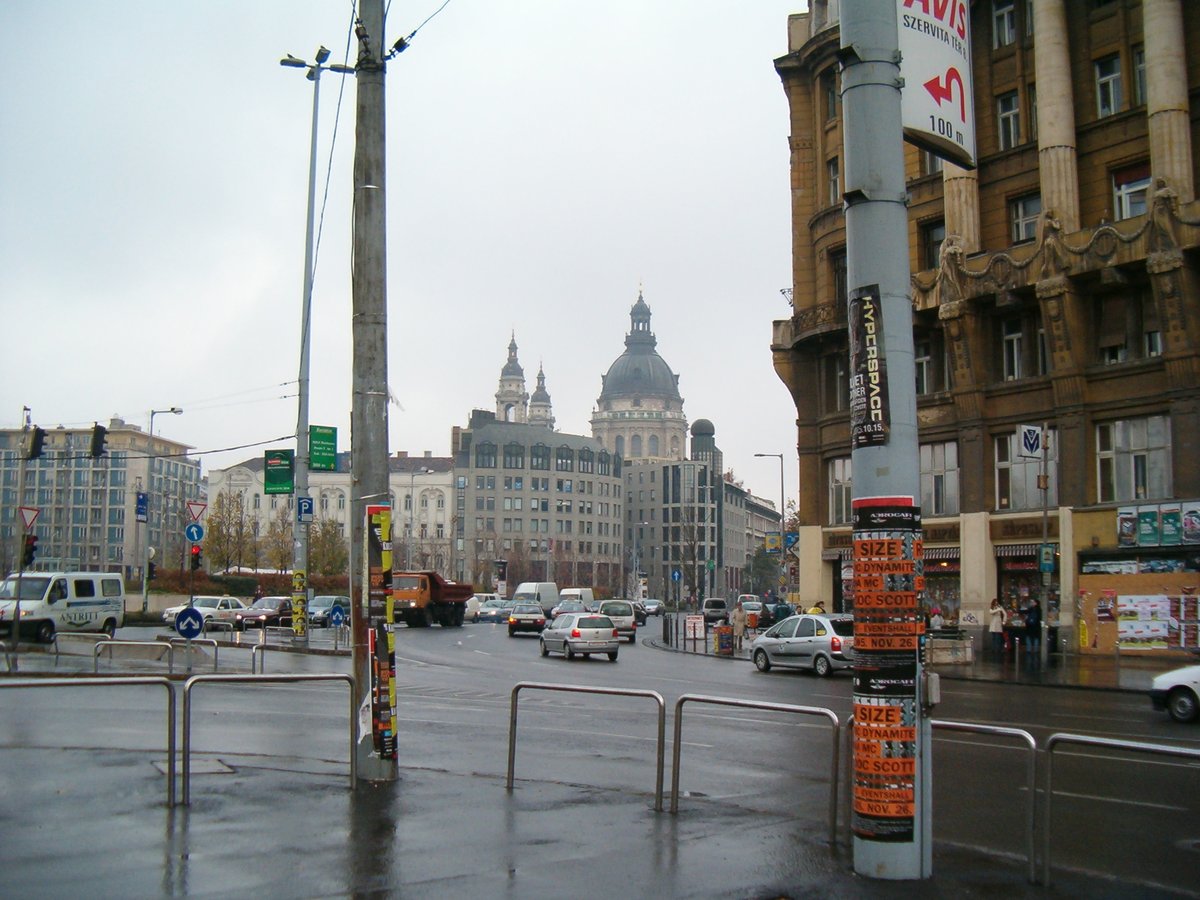
Introduction
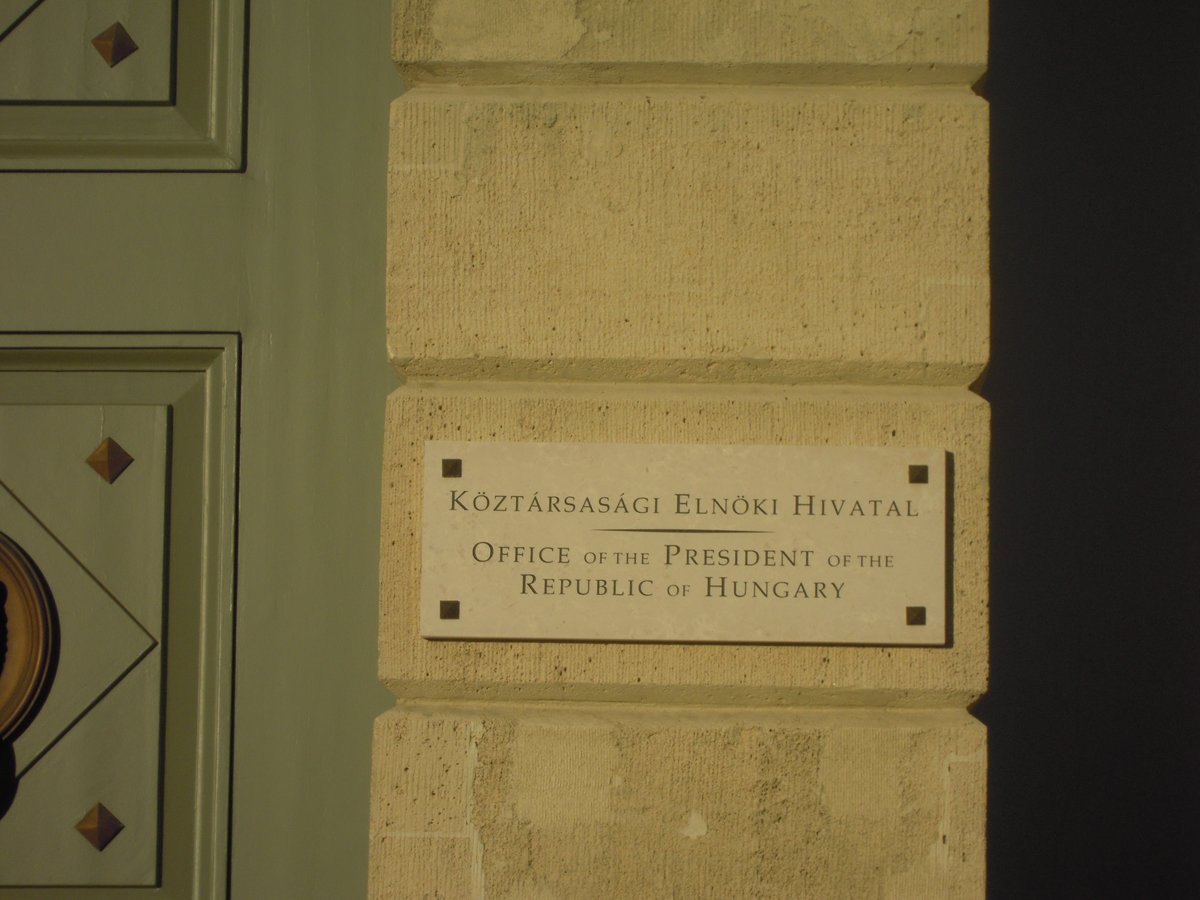
Sándor Palace (Sándor-palota) stands as an emblem of Hungary’s political heritage and neoclassical architectural beauty. Located in the UNESCO-listed Buda Castle District, the palace serves as the official residence and workplace of the President of Hungary. Its storied past, distinguished design, and ceremonial traditions make it a focal point for visitors interested in Hungarian culture and history. This guide provides a comprehensive overview of Sándor Palace’s history, architectural features, practical visitor information—including visiting hours and ticketing—as well as tips for exploring the surrounding area.
Sources: (pestbuda.hu, alluringworld.com, budacastlebudapest.com)
Photo Gallery
Explore Sándor Palace in Pictures
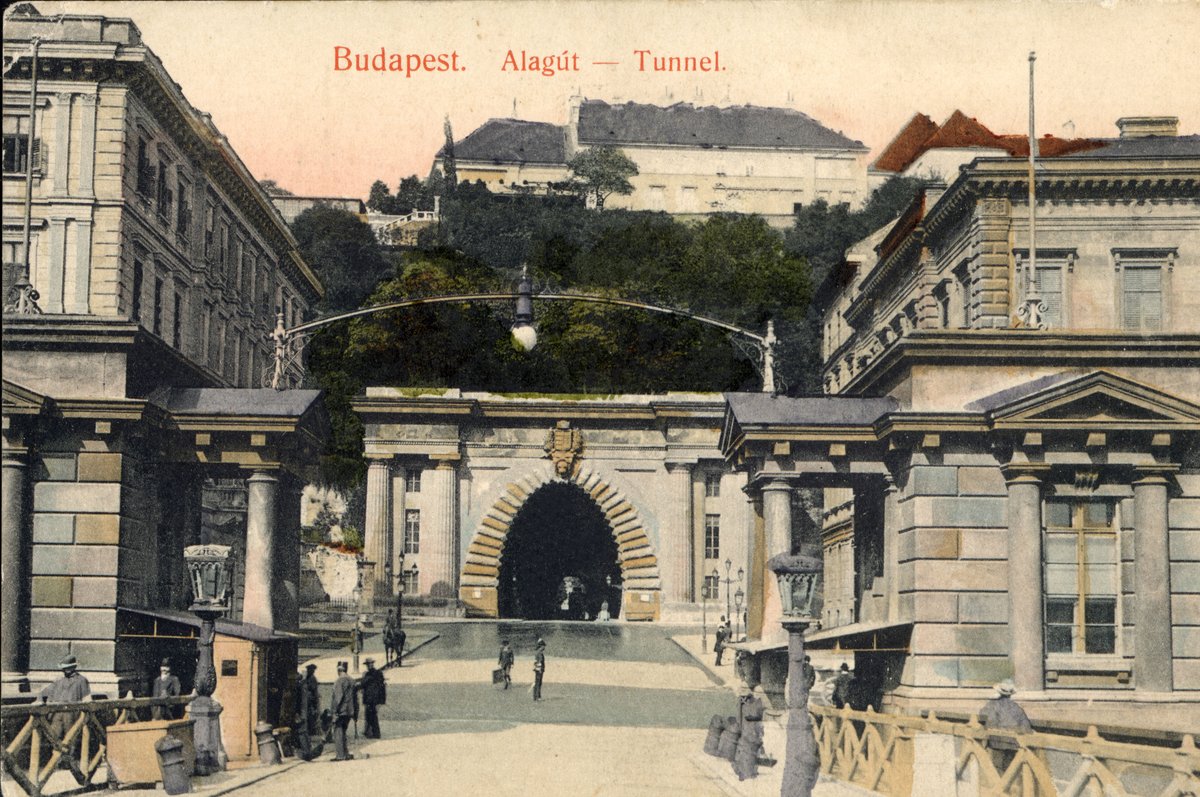
Black and white photograph of Budapest tunnel entrance in 1907 featuring pedestrians and a horse-drawn carriage, showcasing early 20th-century city life.
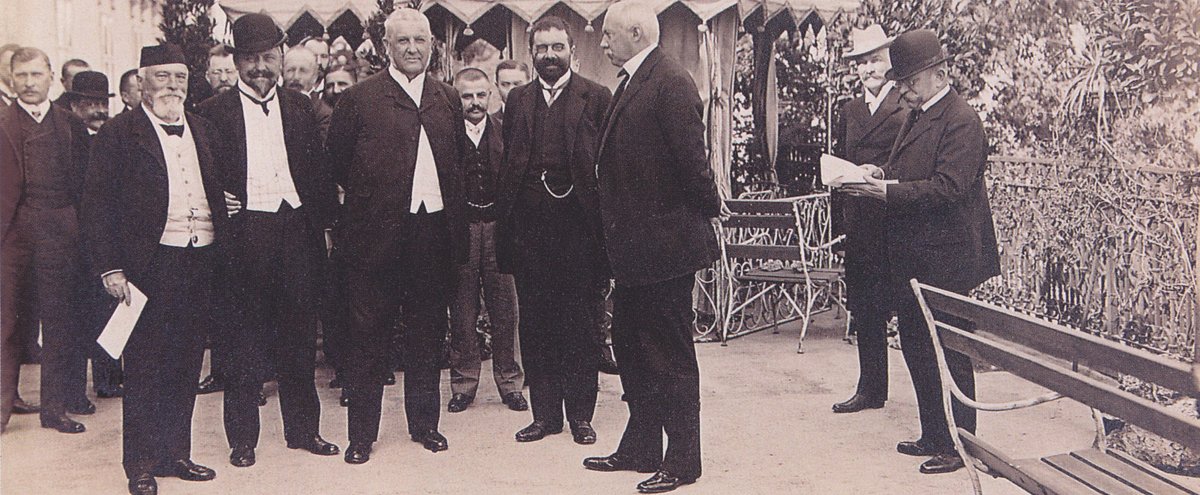
The renegotiation of the monetary and economic terms of the Austro-Hungarian Compromise taking place at Sándor Palace in October 1907, a significant historical event involving key political figures.
Stunning panoramic view of Budapest featuring the Danube River and the iconic Hungarian Parliament building during September 2013 in autumn colors.
A panoramic view of Budapest cityscape showcasing the Danube River and the historic architecture of the city in September 2013.
Panoramic image of Budapest in September 2013 showcasing its historic architecture and the Danube River
Scenic view of Budapest city featuring the historic Chain Bridge over the Danube River captured in September 2013
A panoramic cityscape of Budapest showing historic architecture along the Danube River captured in September 2013
Scenic view of Budapest cityscape featuring the Danube River and the Hungarian Parliament building captured in September 2013
Panoramic image showing Budapest city in September 2013 with prominent buildings and the Danube River under a partly cloudy sky
Scenic view of the Liberty Bridge over the Danube River in Budapest captured in September 2013, showcasing the city's architectural beauty and river landscape.
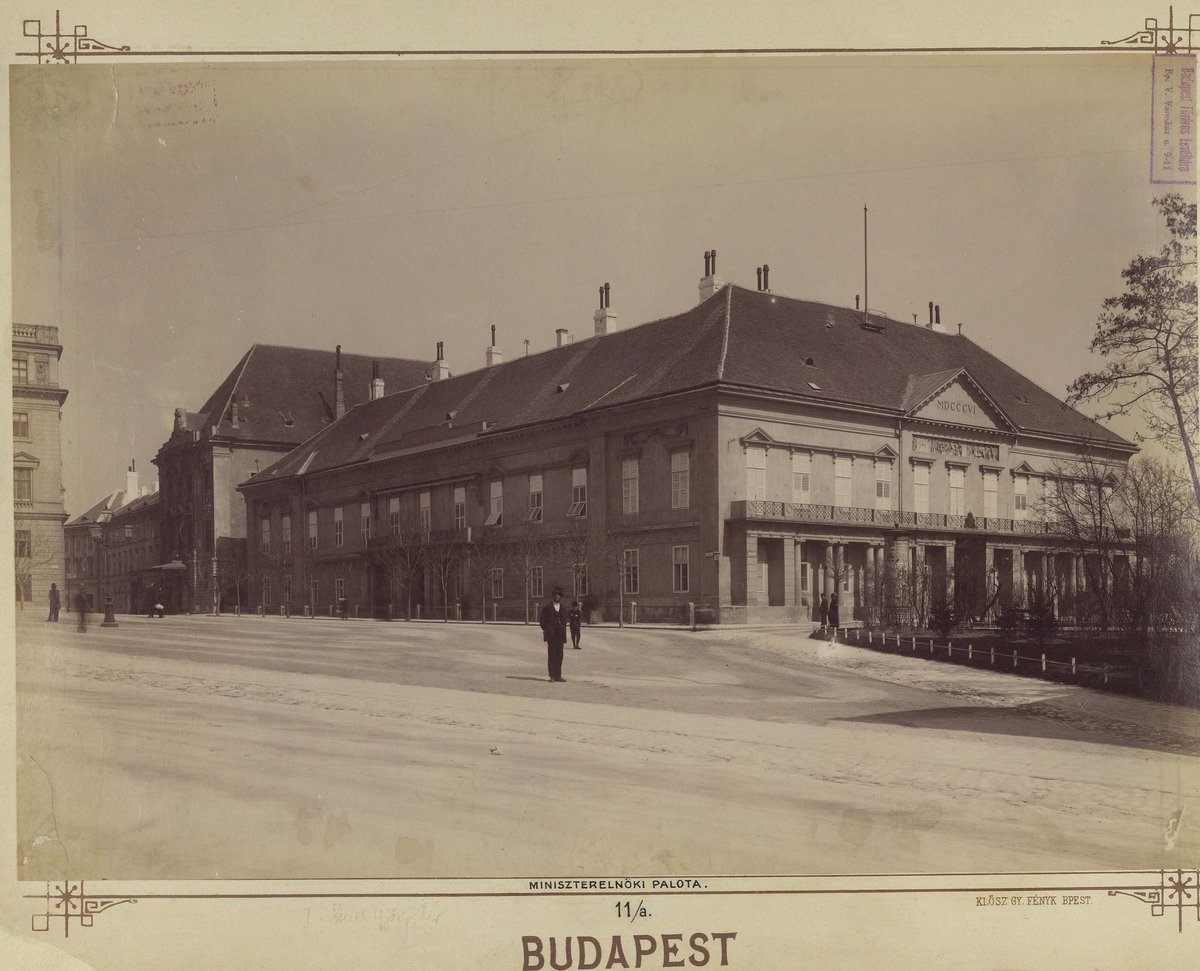
Black and white photograph of Szent György tér with the Sándor Palace, then Prime Minister's residence, in Budapest circa 1894. Image from Fortepan / Budapest City Archives.
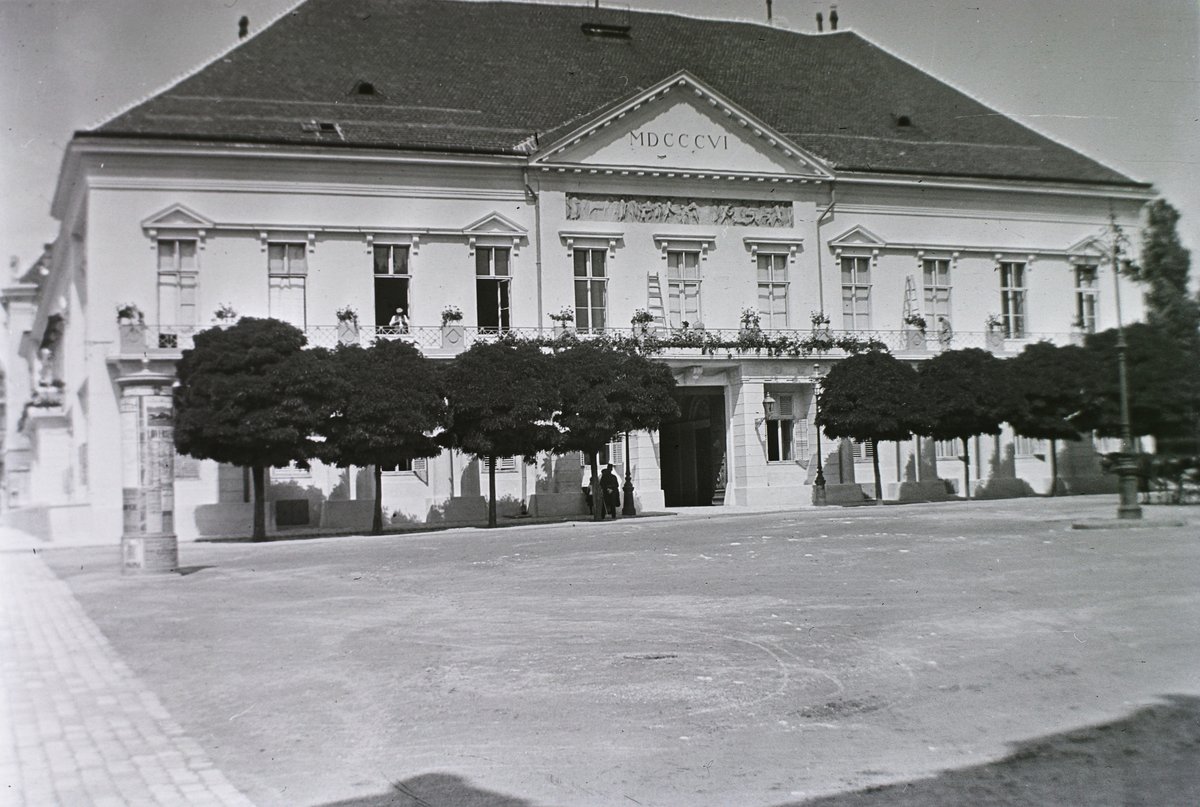
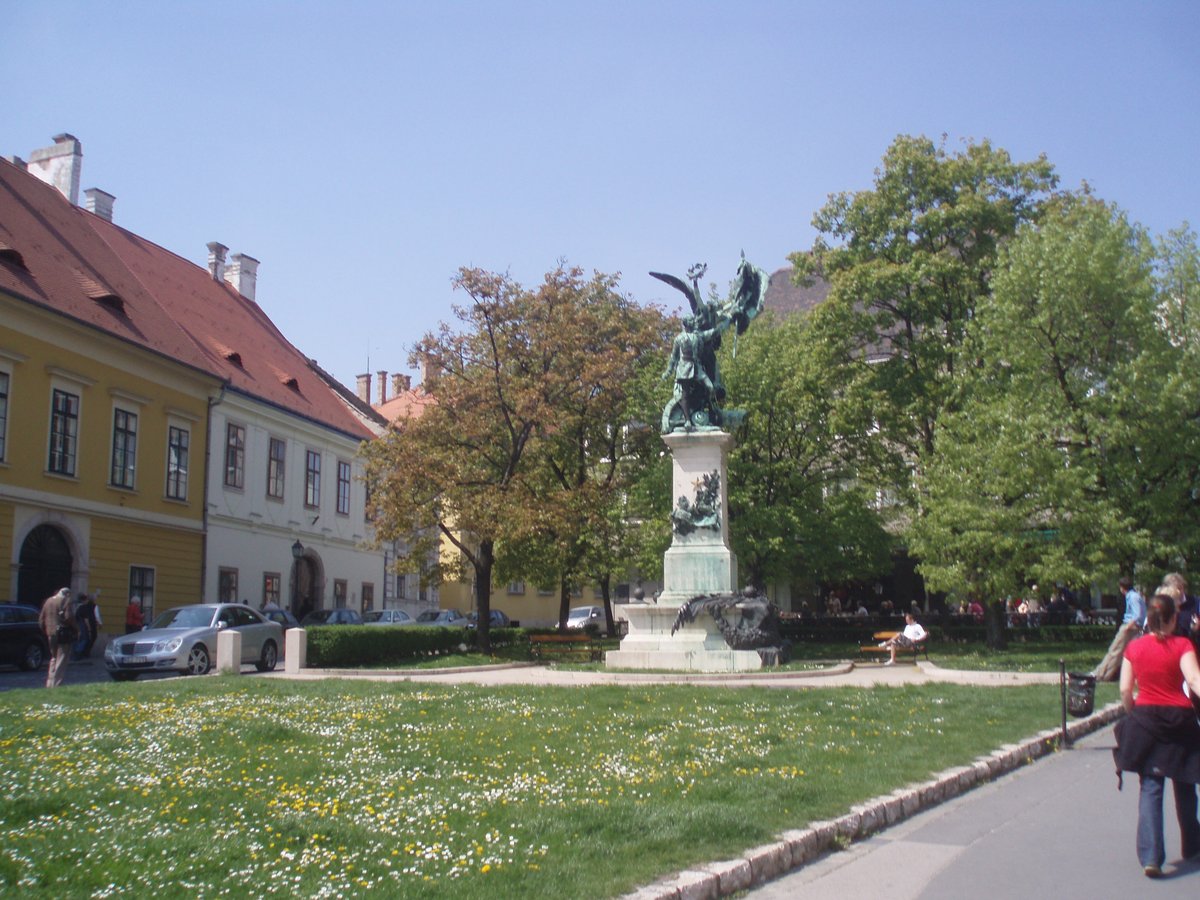
Historic view of Szent György tér square featuring the Sándor-palota palace, a significant landmark in Budapest
Construction and Early Ownership
Built between 1803 and 1806 for Count Vince Sándor, Sándor Palace was designed in the neoclassical style, likely by architects Johann Aman and Mihály Pollack. The site, formerly used by artillery barracks after the expulsion of the Ottoman Turks, became a statement of aristocratic prestige.
Ownership later passed to the Pallavicini family. The palace underwent modifications following the 1848–49 Hungarian Revolution and gained prominence as a residence of Archduke Albrecht.
Political Role and Symbolism
After the Austro-Hungarian Compromise of 1867, Sándor Palace became the official residence of Hungary’s Prime Minister. In 1874, the state acquired the building and commissioned Miklós Ybl to modernize its interiors. The palace became a center of political activity and witnessed major historical events up through World War II.
Destruction and Restoration
World War II caused severe damage to Sándor Palace, and for decades afterward, the building suffered neglect. Restoration began in earnest after the transition from communism, guided by historic blueprints found in 1983. By 2002, the palace had been fully restored in the Neo-Empire style, with careful attention to both exterior and interior details.
Architectural Features
Sándor Palace is celebrated for its neoclassical design, exemplified by:
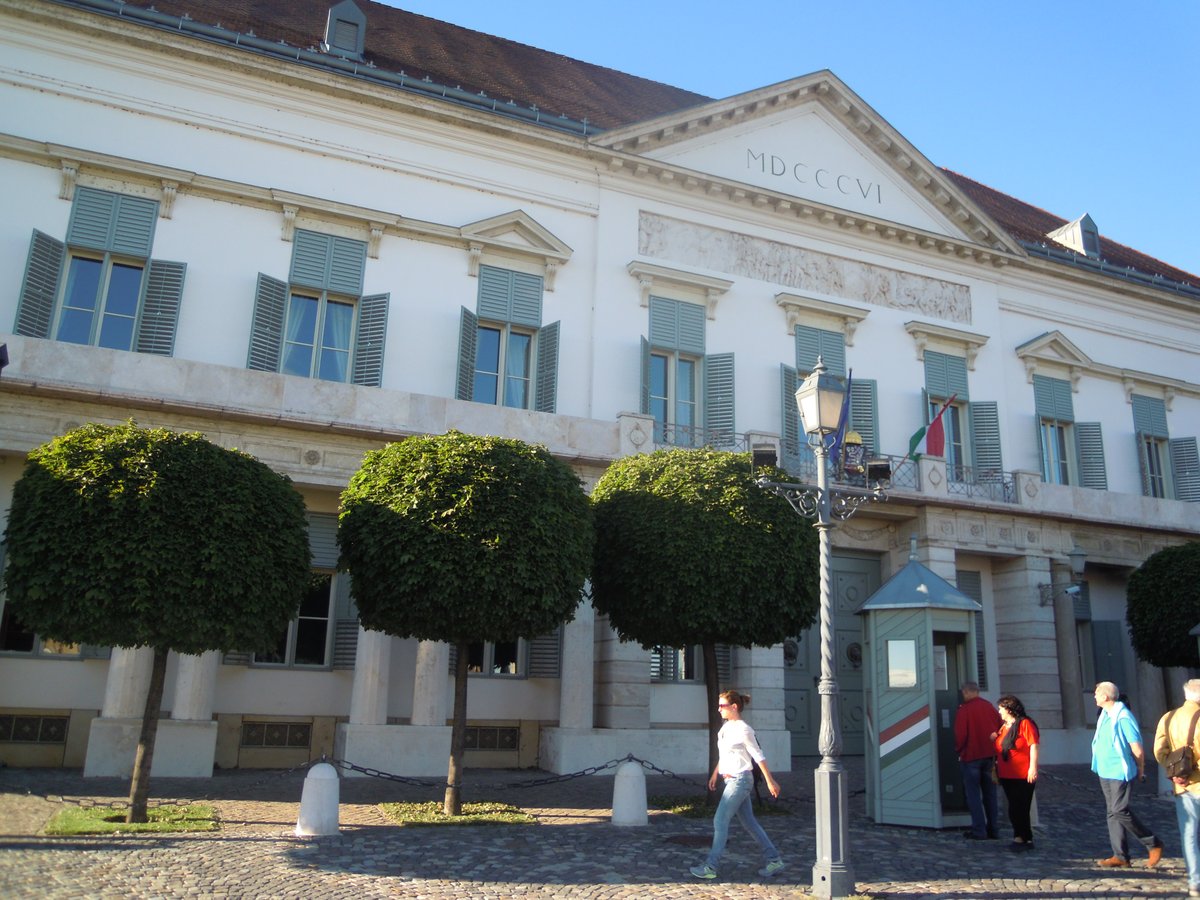
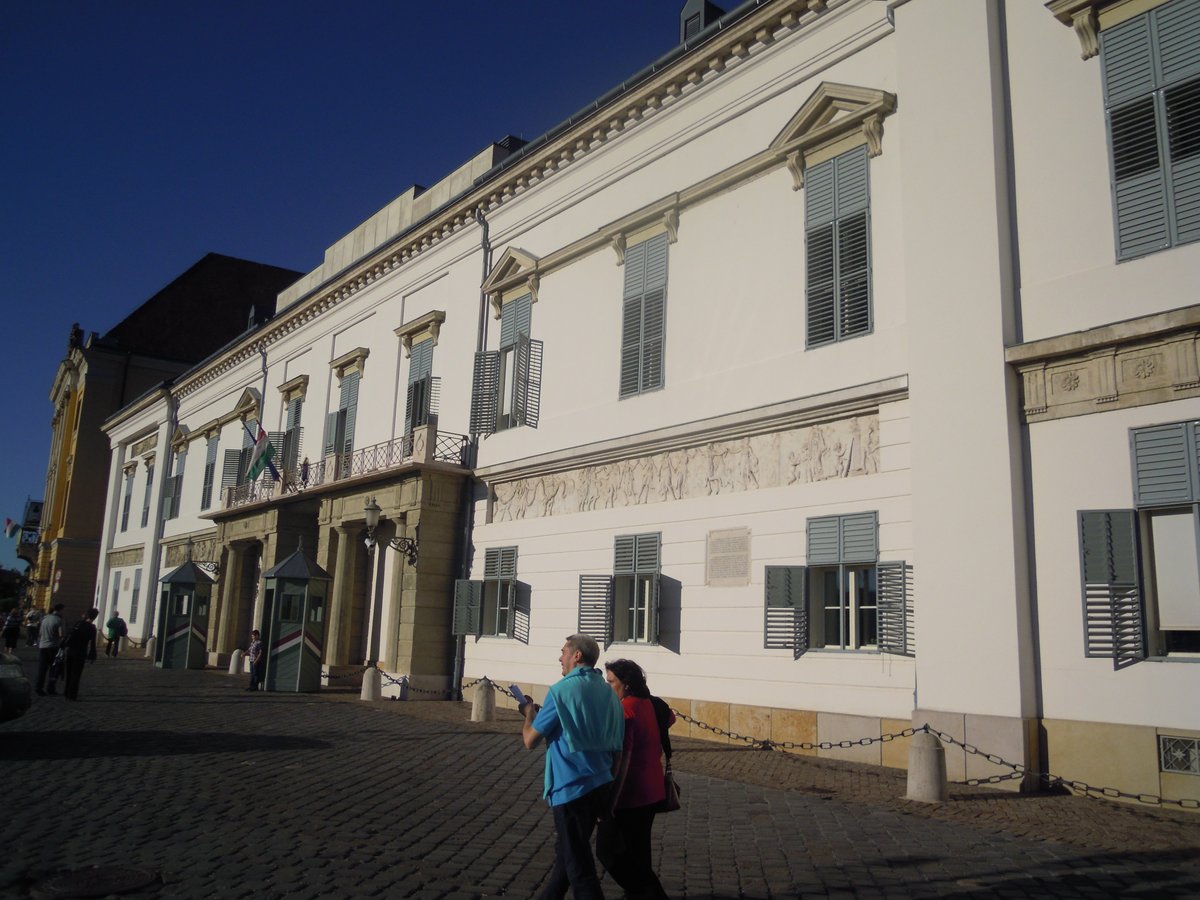
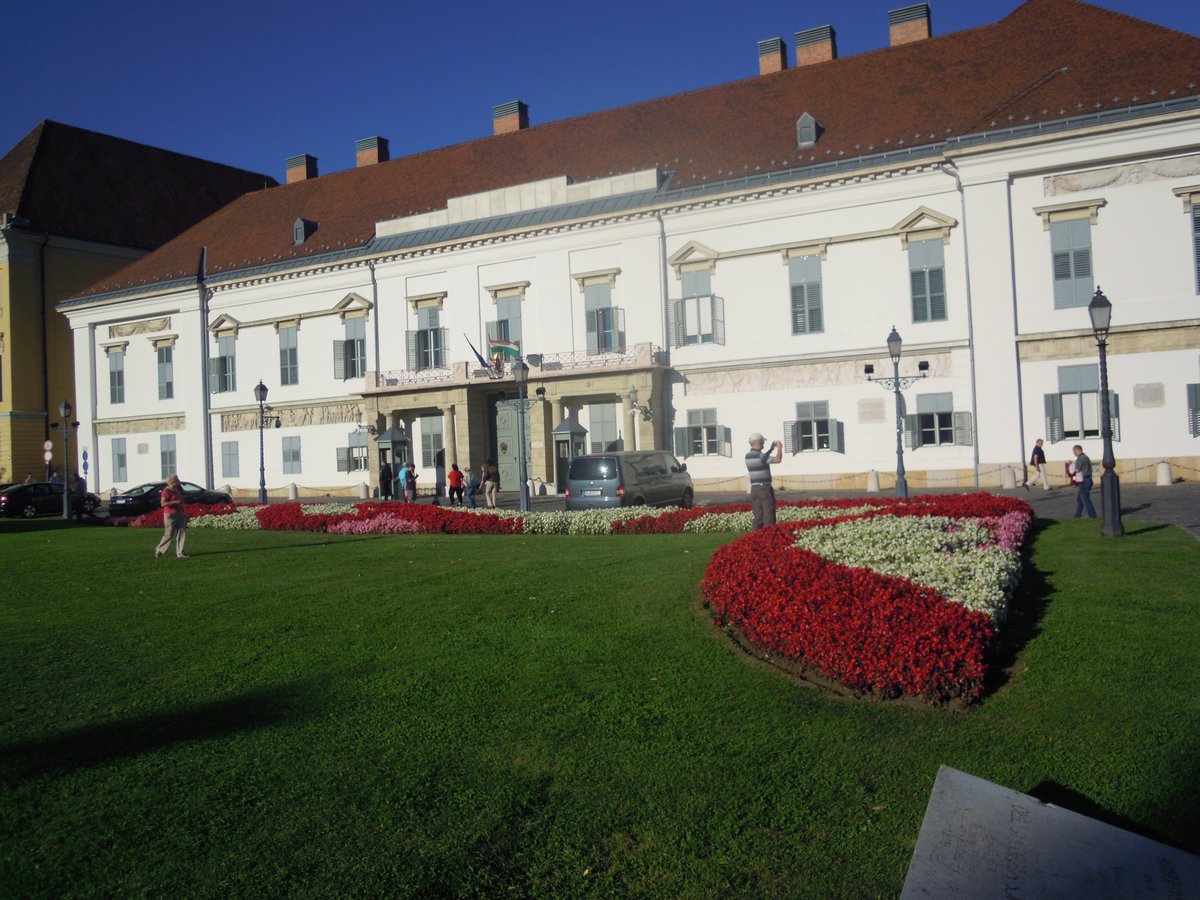
- Symmetrical facades and restrained ornamentation
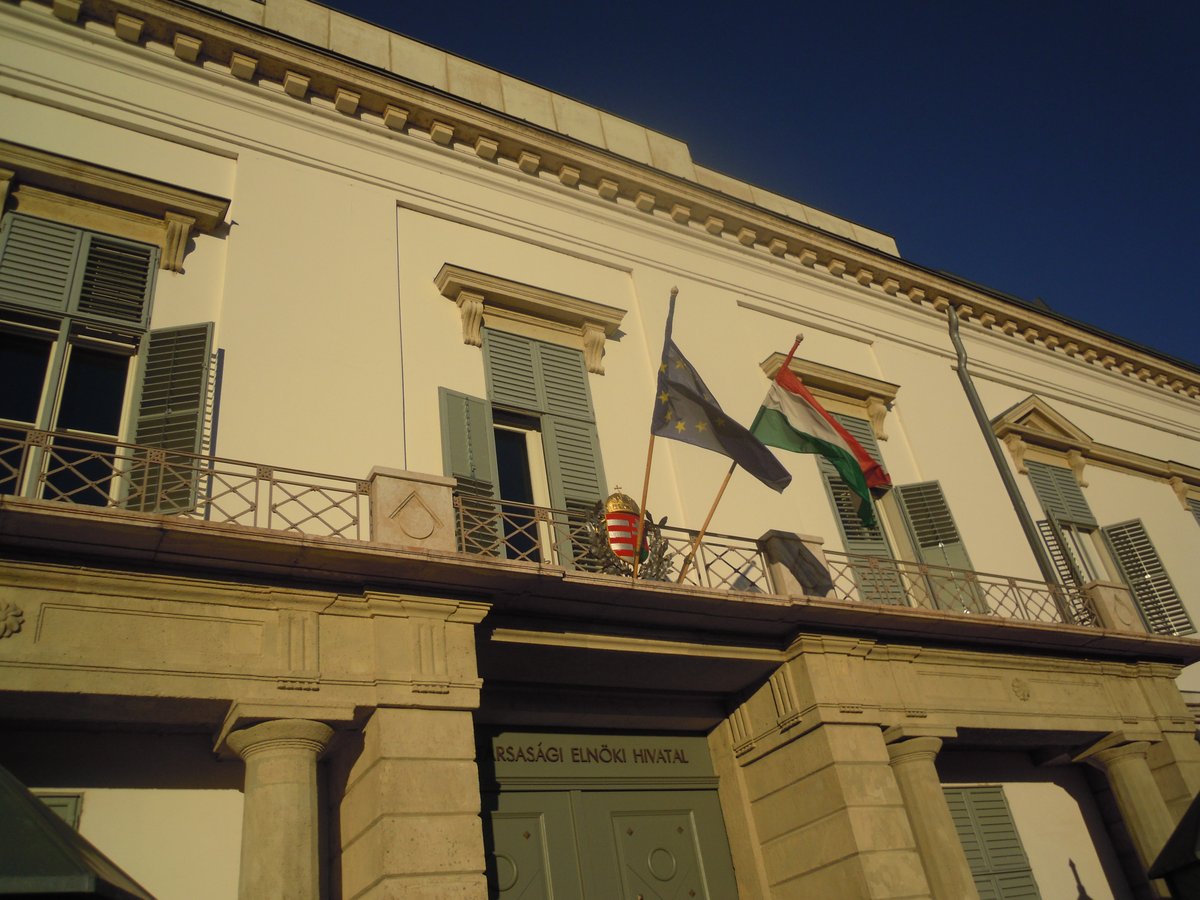
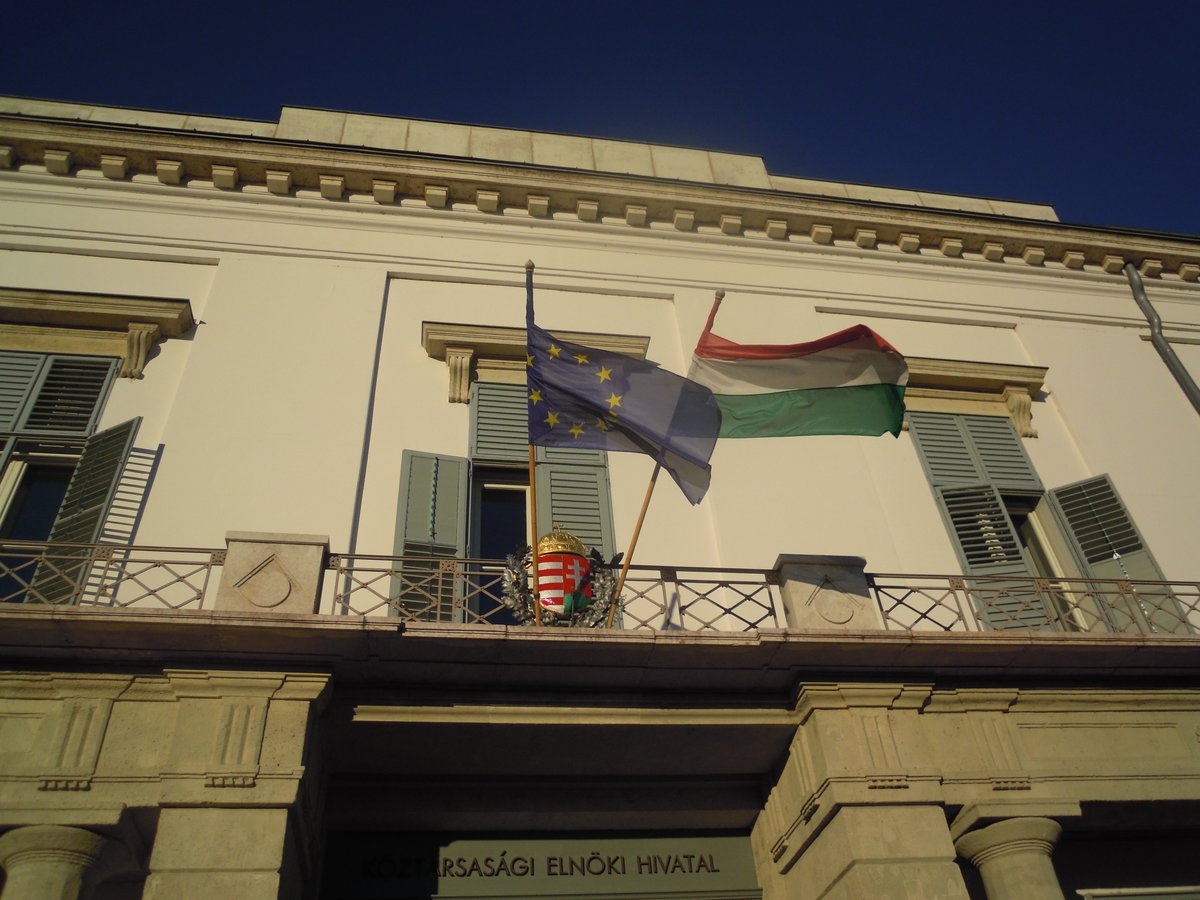
- Main entrance adorned with the Hungarian coat of arms and national symbols
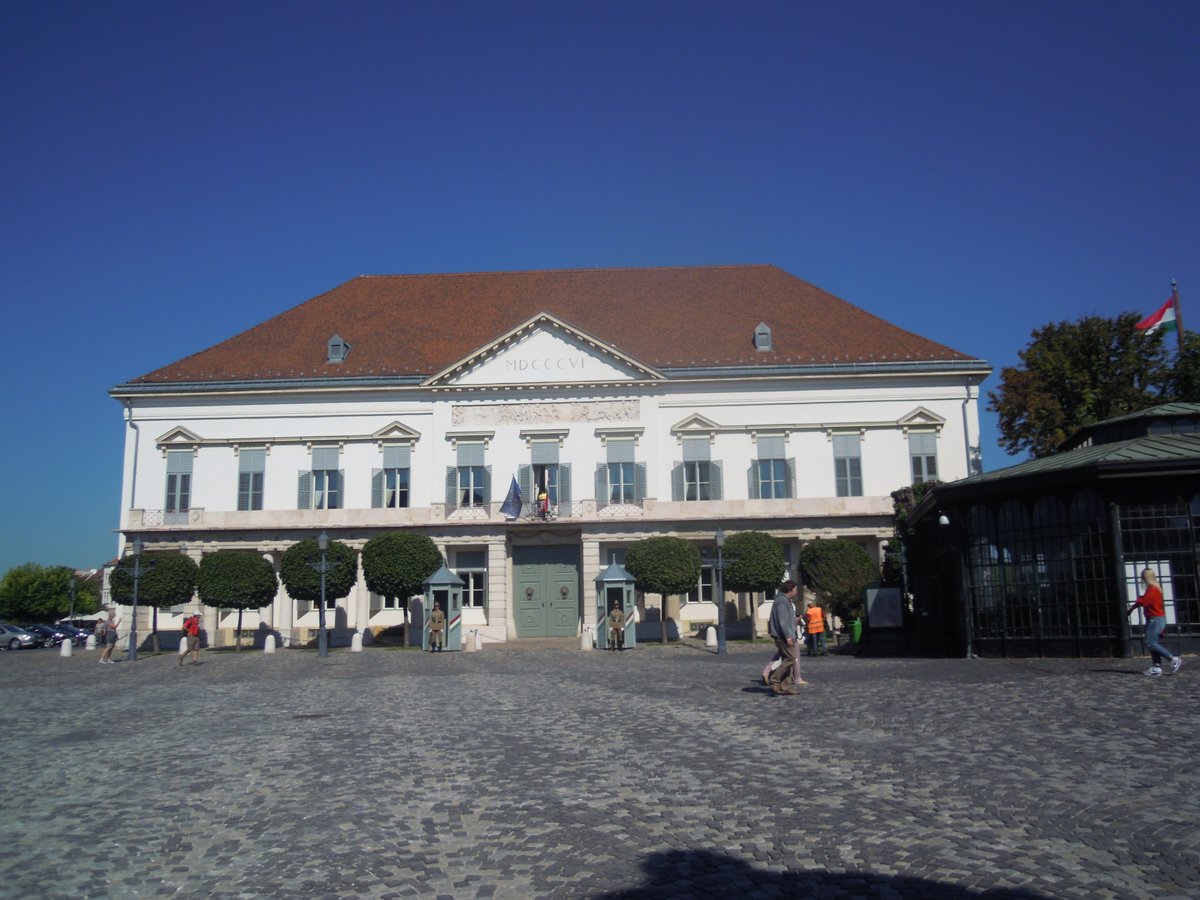
- Roman numerals “MDCCCVI” above the first floor, marking the completion year
- Elegant interiors featuring gilded moldings, the Mirror Room, and period-appropriate furnishings
The palace’s exteriors blend harmoniously with the surrounding Castle District, contrasting medieval and Baroque landmarks like Buda Castle, Matthias Church, and Fisherman’s Bastion.
(alluringworld.com, budacastlebudapest.com)
Visitor Information
Visiting Hours and Tickets
Interior Access:
Sándor Palace’s interior is generally closed to the public. However, guided tours and open days are occasionally announced, most notably during Hungary’s Cultural Heritage Day in late September. On these occasions, entry is free or ticketed, and guided tours may be available in multiple languages.
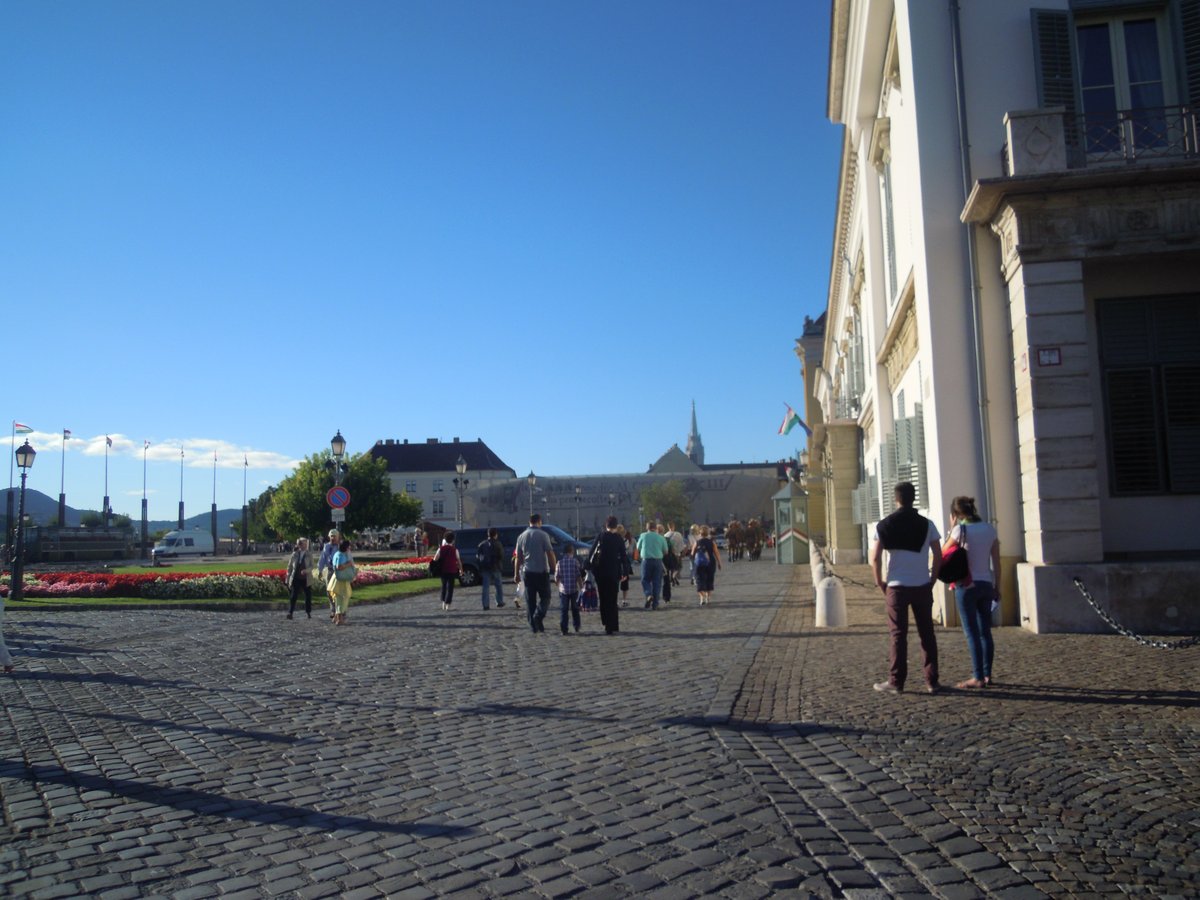
- Regular access: Exterior and ceremonial forecourt, year-round and free to visit.
- Special open days: Interior access with advance reservation or ticket, as announced on the official website.
Accessibility
- The palace’s forecourt and surrounding area are relatively flat and accessible to visitors with mobility challenges.
- For interior tours, contact organizers in advance to confirm accessibility arrangements.
Changing of the Guard
A highlight for visitors is the ceremonial Changing of the Guard:
- Schedule: Hourly from 9:00 AM to 5:00 PM daily, except Sundays and official state events.
- Special ceremony: At noon, an enhanced display with music and military choreography.
- Seasonal variations: From April to September, monthly enhanced ceremonies.
This event is free and provides excellent photo opportunities.
(budapestbylocals.com, travelnotesandthings.com)
Getting There
- By public transport: Take the Castle Hill Funicular from Clark Ádám Square or bus 16/16A to Dísz tér, then walk to Szent György tér.
- On foot: The Castle District is pedestrian-friendly, ideal for walking and exploring.
- By car: Driving is discouraged due to limited parking; use public transport or park at nearby hotels.
(budapestbylocals.com, travelnotesandbeyond.com)
Visitor Tips
- Visit during Cultural Heritage Day for interior tours.
- Arrive early to watch the Changing of the Guard and avoid crowds.
- Photography of the exterior and ceremonies is encouraged; tripods and drones are generally not permitted.
- Wear comfortable shoes for exploring cobbled streets of the Castle District.
Nearby Attractions
While at Sándor Palace, you can visit:
- Buda Castle (Royal Palace): Home to the Hungarian National Gallery and Budapest History Museum (nomadicmatt.com).
- Matthias Church: Gothic architecture and colorful tiled roof (travelnotesandthings.com).
- Fisherman’s Bastion: Panoramic views over the Danube and Pest.
- National Széchényi Library: Preserving Hungary’s literary heritage.
The Castle District also offers numerous cafés, restaurants, and walking tours.
Frequently Asked Questions (FAQ)
Q: Is Sándor Palace open for public tours?
A: Only on special occasions such as Cultural Heritage Day or national holidays, as announced on the official website.
Q: Do I need a ticket to visit Sándor Palace?
A: No ticket is needed to visit the exterior or watch the Changing of the Guard. Interior visits, when available, may require advance ticket reservation.
Q: Is the Changing of the Guard free to watch?
A: Yes, it’s a free, public event.
Q: Is the area accessible for visitors with disabilities?
A: The area around Sándor Palace is relatively flat; for interior tours, check accessibility in advance.
Q: How do I get to Sándor Palace?
A: Use the Castle Hill Funicular, buses 16/16A, or walk from Dísz tér.
Visual Gallery


Summary and Recommendations
Sándor Palace is a compelling destination for anyone interested in Hungarian history, politics, and architecture. Its neoclassical façades, ceremonial traditions, and prime location in the Buda Castle District make it a memorable stop on any Budapest itinerary. While interior access is rare, the exterior, guard ceremony, and surrounding historical sites ensure a rich visitor experience. Always consult official resources or the palace website for the most current information on opening hours, tours, and accessibility.
For a seamless experience, enhance your visit with virtual tours, interactive maps, and trusted travel guides. Use the Audiala app for real-time updates, and explore more of Budapest’s historical treasures to make the most of your journey.
Listen to the full story in the app
Your Personal Curator, in Your Pocket.
Audio guides for 1,100+ cities across 96 countries. History, stories, and local insight — offline ready.
Audiala App
Available on iOS & Android
Join 50k+ Curators
Sources
- verified
- verified
- verified
- verified
- verified
- verified
- verified
- verified
Last reviewed: