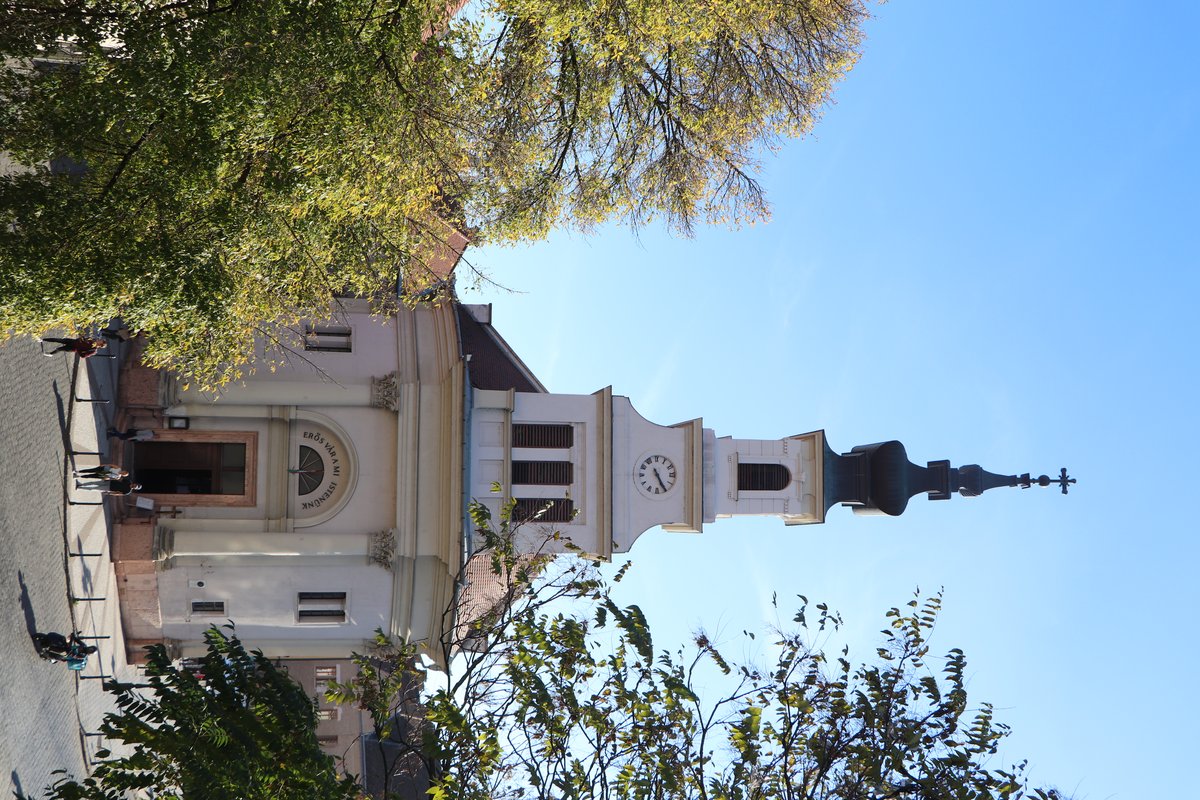
Introduction to Agrárminisztérium
The Agrárminisztérium, or Ministry of Agriculture, in Budapest, Hungary, stands as a testament to the nation's rich agricultural heritage and architectural grandeur. Established in 1889, during a period of significant political change due to the Austro-Hungarian Compromise of 1867, the ministry has played a pivotal role in shaping Hungary's agricultural policies and development. The building itself, designed by Gyula Bukovics and completed in 1887, is an eclectic masterpiece blending neo-Renaissance and neo-Baroque elements, reflecting the architectural trends of late 19th century Budapest (Budapestinfo). This comprehensive guide aims to provide visitors with a detailed understanding of the Agrárminisztérium's historical, cultural, and political significance, as well as practical information on how to explore the landmark and its surroundings effectively.
Photo Gallery
Explore Kossuth Square in Pictures
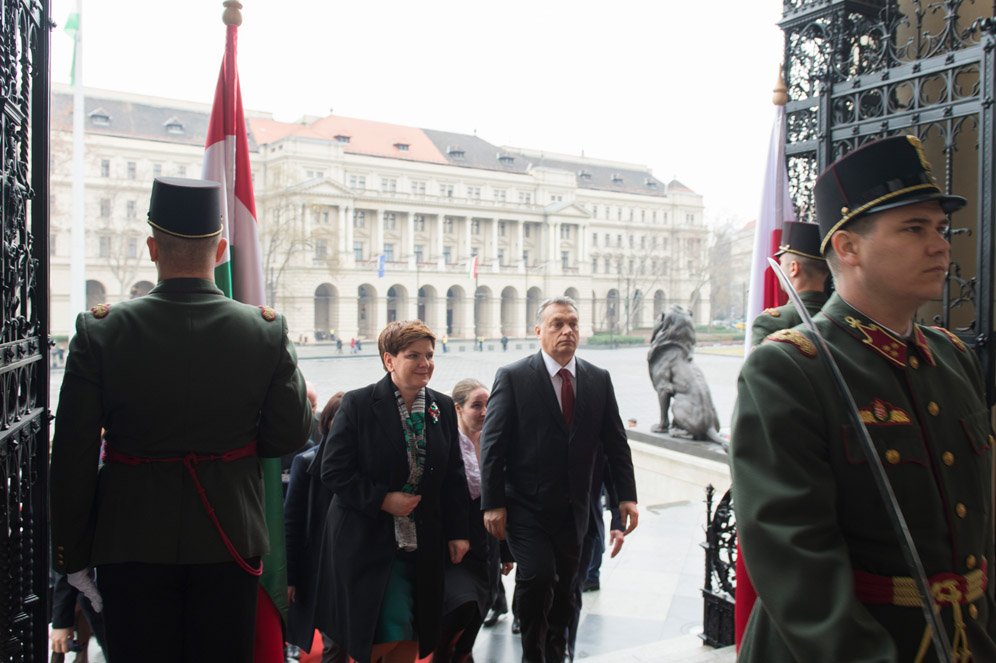
Polish Prime Minister Beata Szydło during her official visit to Hungary on 8 February 2016
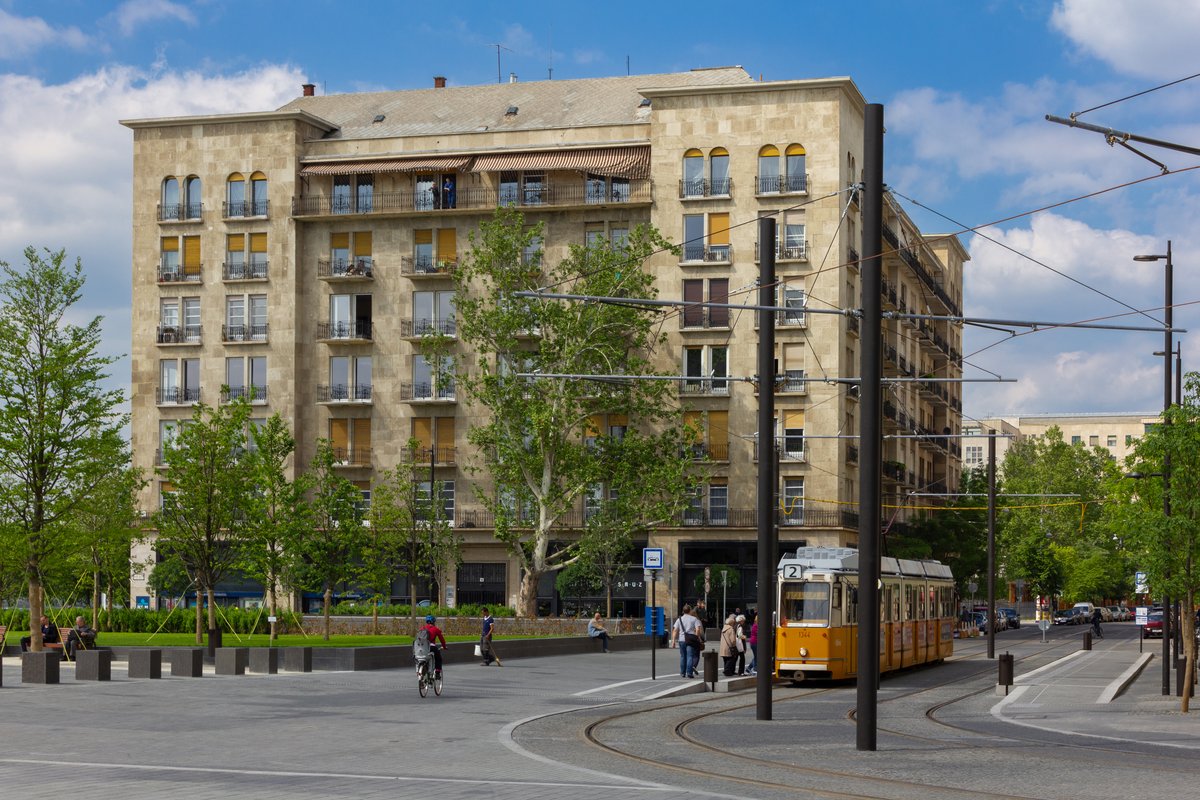
Photo of Biarritz house located at Kossuth Lajos tér 18 in Budapest, showcasing the restaurant and café with outdoor seating as seen in May 2014.

Festive Christmas tree decorated at Kossuth Lajos Square in Budapest, Hungary during the holiday season

Festive Christmas tree illuminated at night on Kossuth Lajos Square in Budapest, Hungary
History of Agrárminisztérium
Early Beginnings and Establishment
The Agrárminisztérium was established in 1889, a period marked by the Austro-Hungarian Compromise of 1867, which granted Hungary increased autonomy in various sectors, including agriculture.
Architectural Significance
Designed by Gyula Bukovics and completed in 1887, the Agrárminisztérium building is an eclectic masterpiece blending neo-Renaissance and neo-Baroque elements, reflecting Budapest's architectural trends of the late 19th century.
Role in Agricultural Development
In its early years, the Agrárminisztérium was instrumental in modernizing Hungary's agricultural sector, improving land management, and increasing productivity, establishing Hungary as a leading agricultural producer in Europe.
Impact of World Wars
Both World Wars significantly impacted the Agrárminisztérium. World War I brought food shortages and disrupted production, while World War II saw the ministry striving to maintain agricultural output amidst wartime chaos. Post-war efforts focused on rebuilding the sector.
Communist Era and Agricultural Collectivization
Under communist rule from 1949, the Agrárminisztérium implemented Soviet-style collectivization, consolidating individual farms into state-controlled collectives amidst significant resistance and upheaval.
Post-Communist Transition
The fall of communism in 1989 ushered in a market economy, necessitating reforms in agriculture. The Agrárminisztérium oversaw the privatization of collective farms and the establishment of new land ownership structures.
Modern Era and European Union Membership
Since Hungary joined the European Union in 2004, the Agrárminisztérium has aligned its policies with EU standards, implementing the Common Agricultural Policy (CAP) to support sustainable agricultural practices.
Recent Developments
Recently, the Agrárminisztérium has focused on innovation and sustainability, launching initiatives to support research, improve food safety, and promote environmentally friendly farming practices.
Notable Figures
Ignác Darányi, Minister of Agriculture from 1895 to 1903 and 1906 to 1910, is a notable figure associated with the ministry, remembered for his significant agricultural reforms.
Cultural and Educational Role
The Agrárminisztérium supports agricultural education and research, contributing to a skilled workforce and promoting Hungary's agricultural heritage and traditions.
Visitor Information
Location and Accessibility
The Agrárminisztérium is located in the heart of Budapest, near the iconic Parliament building. The area is well-served by public transportation.
Visiting Hours and Ticket Prices
While the Agrárminisztérium itself is not open to the public, the surrounding area offers numerous historical and cultural attractions. Check the Budapest tourism website for more details.
Guided Tours and Special Events
Guided tours of nearby attractions, including the Parliament building, provide insight into Hungary's political history and architecture. Special events in the area are often listed on local tourism websites.
Nearby Attractions
Visitors can explore Kossuth Lajos Square, home to important monuments and government buildings. The Parliament building, a key tourist attraction, offers guided tours.
Photographic Spots
The Agrárminisztérium's ornate façade and the surrounding historical area provide excellent photographic opportunities.
FAQ
What are the visiting hours for Agrárminisztérium? The Agrárminisztérium is not open to the public, but the surrounding area is accessible at all times.
How do I get tickets for Agrárminisztérium tours? While there are no tours of the Agrárminisztérium, tickets for nearby attractions like the Parliament building can be purchased online.
What are some nearby attractions? Nearby attractions include Kossuth Lajos Square and the Parliament building.
Visitor Experience
Educational Significance
The Ministry of Agriculture collaborates with various educational institutions to promote agricultural education and research. It offers scholarships, internships, and training programs for students and professionals in the agricultural sector.
Technological Significance
The Agrárminisztérium supports various research and development projects that focus on precision farming, biotechnology, and digital agriculture. These technological advancements are crucial in enhancing agricultural productivity, reducing environmental impact, and ensuring food security.
Social Significance
The Ministry of Agriculture plays a vital role in addressing social issues related to rural development and farmers' welfare. It implements various programs aimed at improving the living standards of rural communities, providing financial support to farmers, and promoting rural tourism.
Future Prospects
Looking ahead, the Ministry of Agriculture is focused on addressing the challenges posed by climate change, global food security, and sustainable development. The ministry's future policies will likely emphasize the importance of innovation, sustainability, and international collaboration in achieving these goals. As such, the Agrárminisztérium will continue to play a crucial role in shaping the future of Hungary's agricultural sector.
Discover More
For more detailed guides and updates on Budapest's historical sites, follow us on social media and check out our related posts.
Listen to the full story in the app
Your Personal Curator, in Your Pocket.
Audio guides for 1,100+ cities across 96 countries. History, stories, and local insight — offline ready.
Audiala App
Available on iOS & Android
Join 50k+ Curators
Sources
- verified
- verified
- verified
Last reviewed: