Plan and listen to Hungarian National Museum with Audiala.
Audio guide in your pocket, itinerary in your browser. Built for the way you actually visit.
Introduction
The Hungarian National Museum (Magyar Nemzeti Múzeum) is a cornerstone of Hungarian culture and history, located in Budapest’s city center. Established in the early 19th century following Count Ferenc Széchényi’s patriotic donation, the museum has grown into Hungary's foremost institution for national heritage. Housed in a magnificent neoclassical building designed by Mihály Pollack and completed in 1847, the museum is not only an architectural treasure but also a symbol of Hungary’s national identity—most famously serving as the focal point for the revolutionary events of 1848. Today, it offers a comprehensive journey through Hungary’s past, featuring collections from archaeological relics to royal regalia and revolutionary memorabilia. Visitors are invited to explore permanent and temporary exhibitions, participate in vibrant annual events, and enjoy a visitor-friendly experience with extensive amenities and accessibility features. For up-to-date details, consult the Hungarian National Museum Official Site, Budapest.com, and Budapest by Locals.

Origins and Historical Development
Founding and Early Growth
Founded in 1802 with Count Ferenc Széchényi’s generous donation of books, maps, and artifacts, the Hungarian National Museum was formalized by the Hungarian Parliament in 1807. The collection grew rapidly through public support, including a noteworthy mineral collection from Széchényi’s wife (Hungary Unlocked; Spotting History).
Role in National Identity
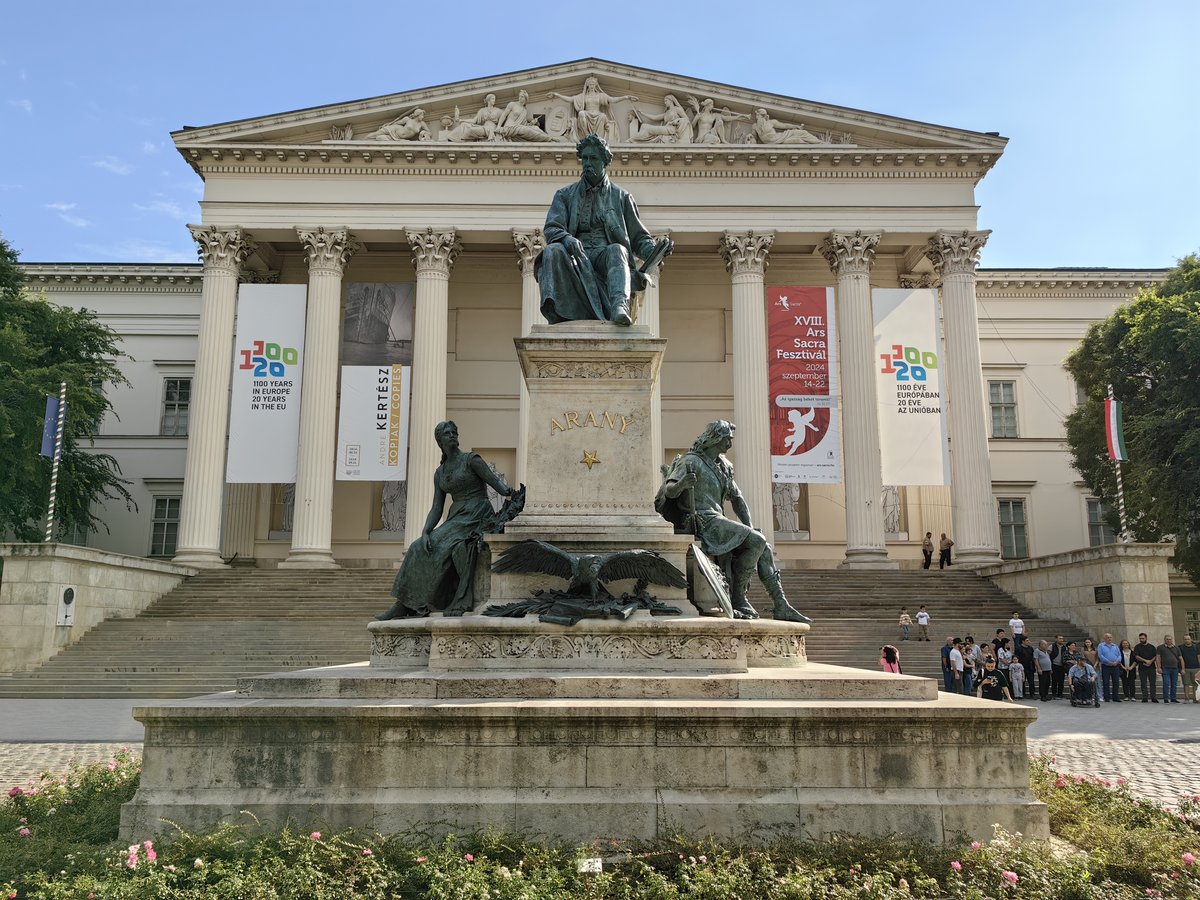
The museum played a pivotal role in Hungary’s national awakening. Its steps were historically significant as the site where Sándor Petőfi recited the National Poem and announced the "12 Points" on March 15, 1848, sparking the revolution for independence (Budapest.com; Xpatloop).
Institutional Evolution
Initially encompassing natural history and general collections, the museum gradually specialized in Hungarian history, archaeology, and art. The National Széchényi Library later moved to Buda Castle, and the museum became the principal repository of Hungarian historical artifacts (Spotting History).
Architectural Significance
Design and Construction
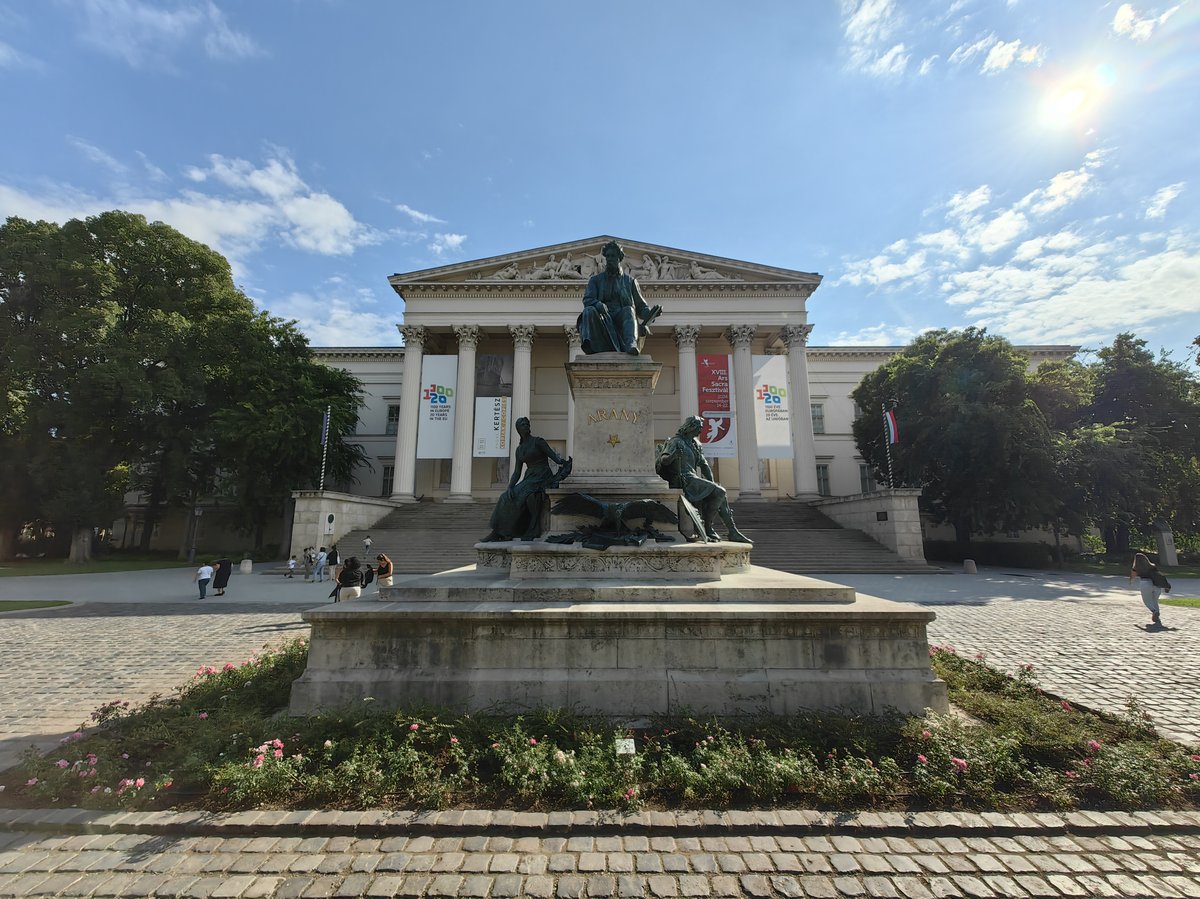
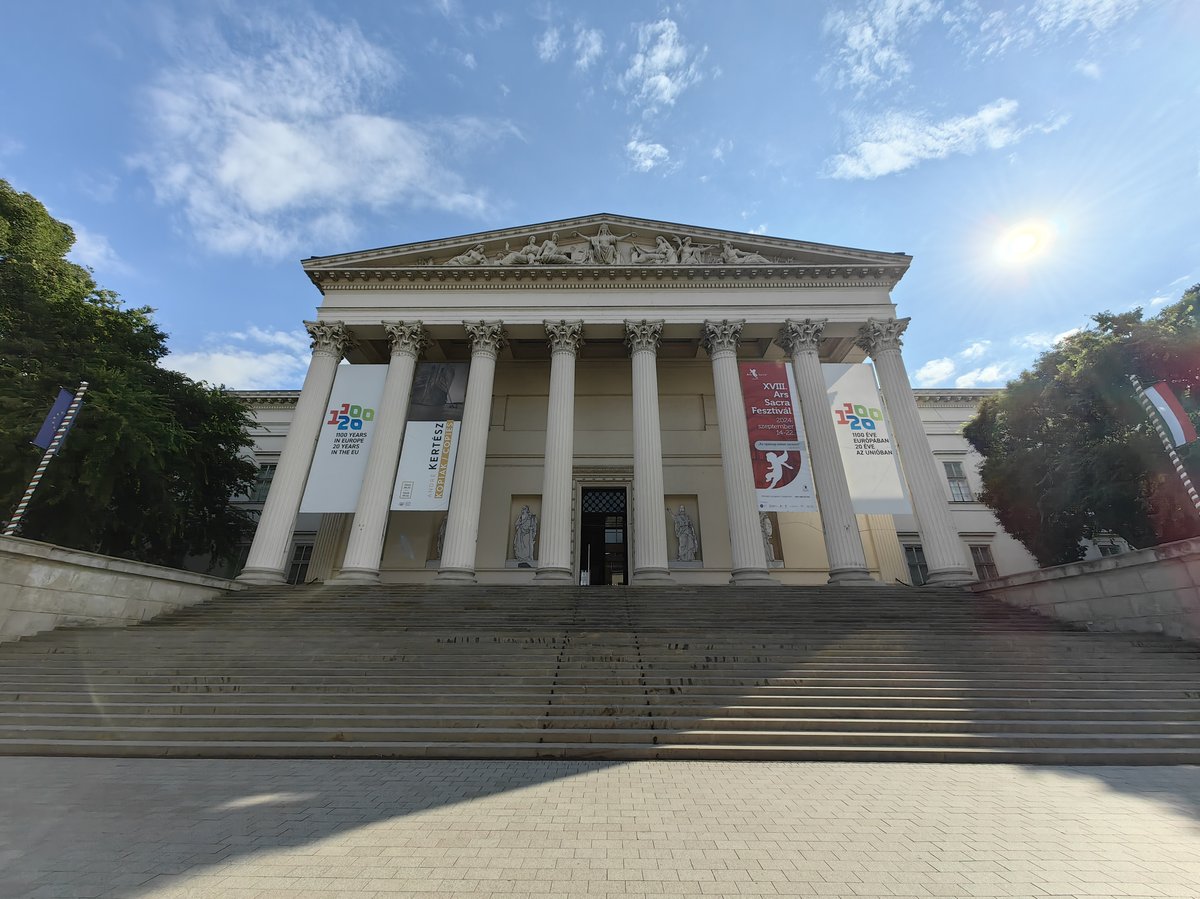
Architect Mihály Pollack’s neoclassical design was constructed between 1837 and 1847. The building’s grand façade, with its Corinthian columns and monumental staircase, became a landmark and a stage for historic events (Budapest.com; Spotting History; Xpatloop).
Exterior and Interior Features
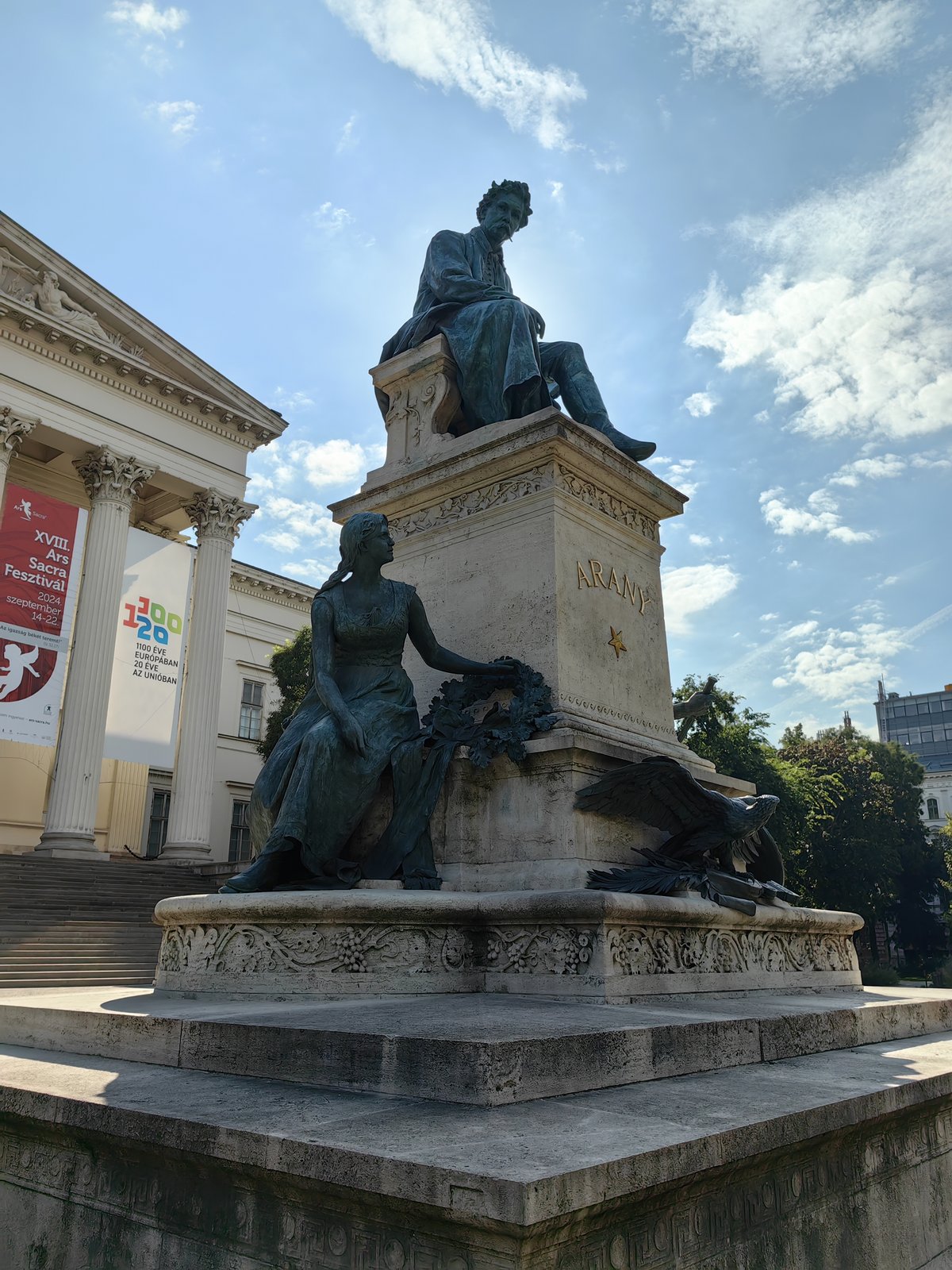
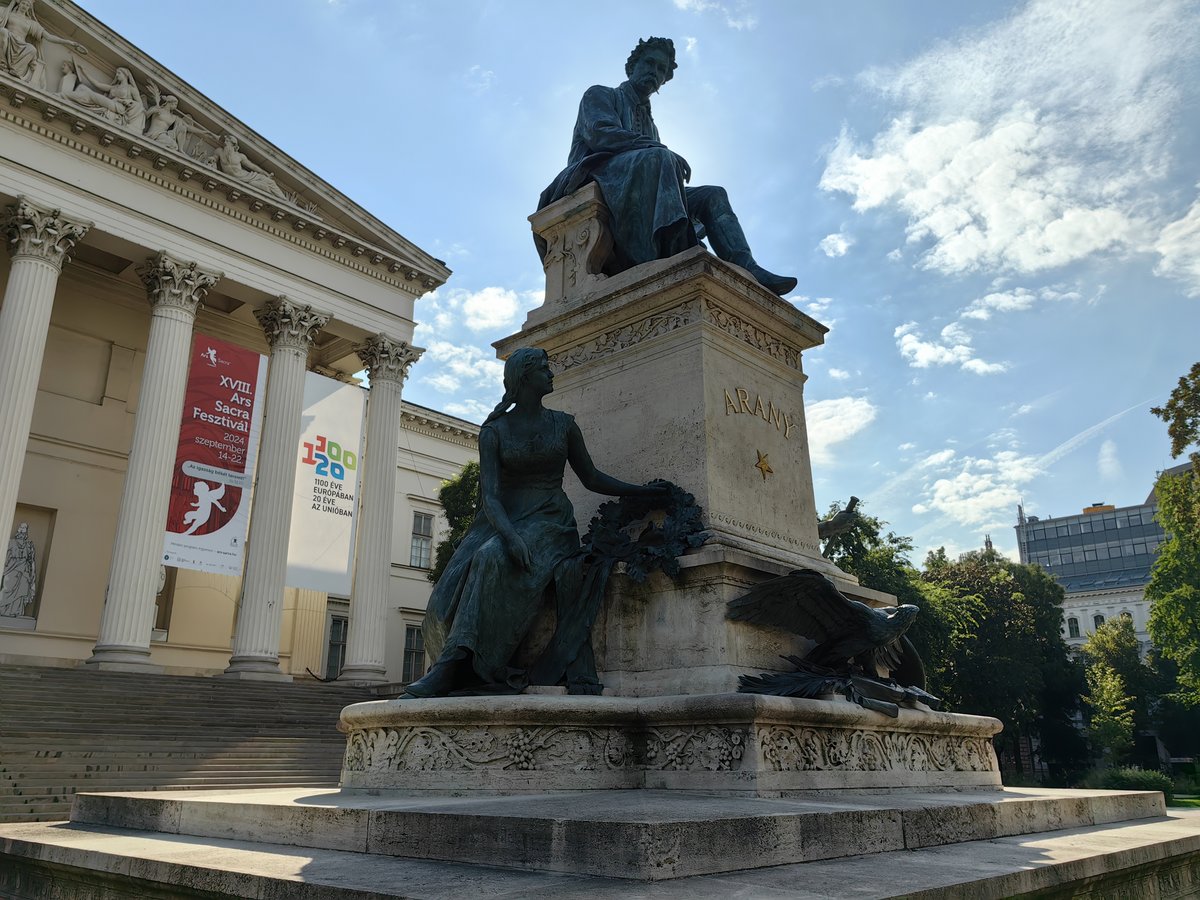
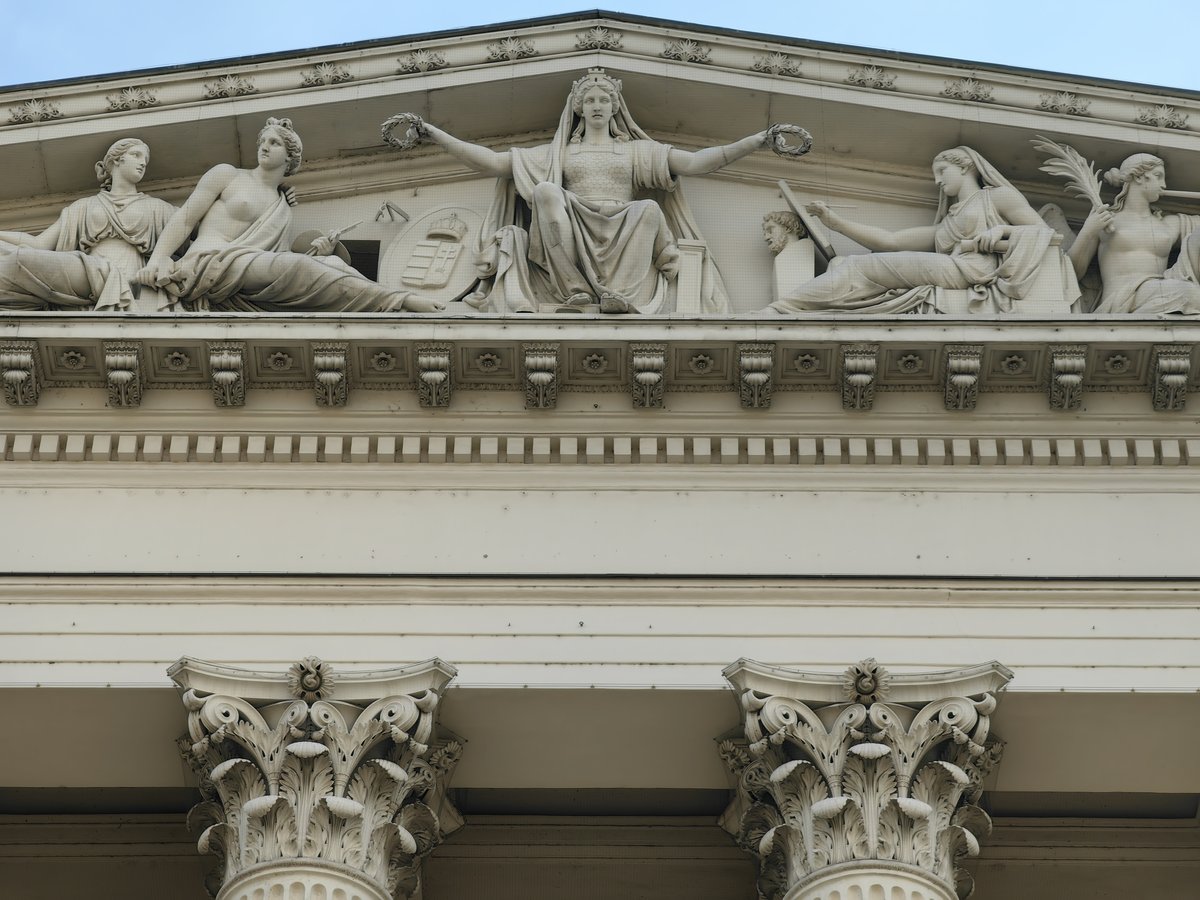
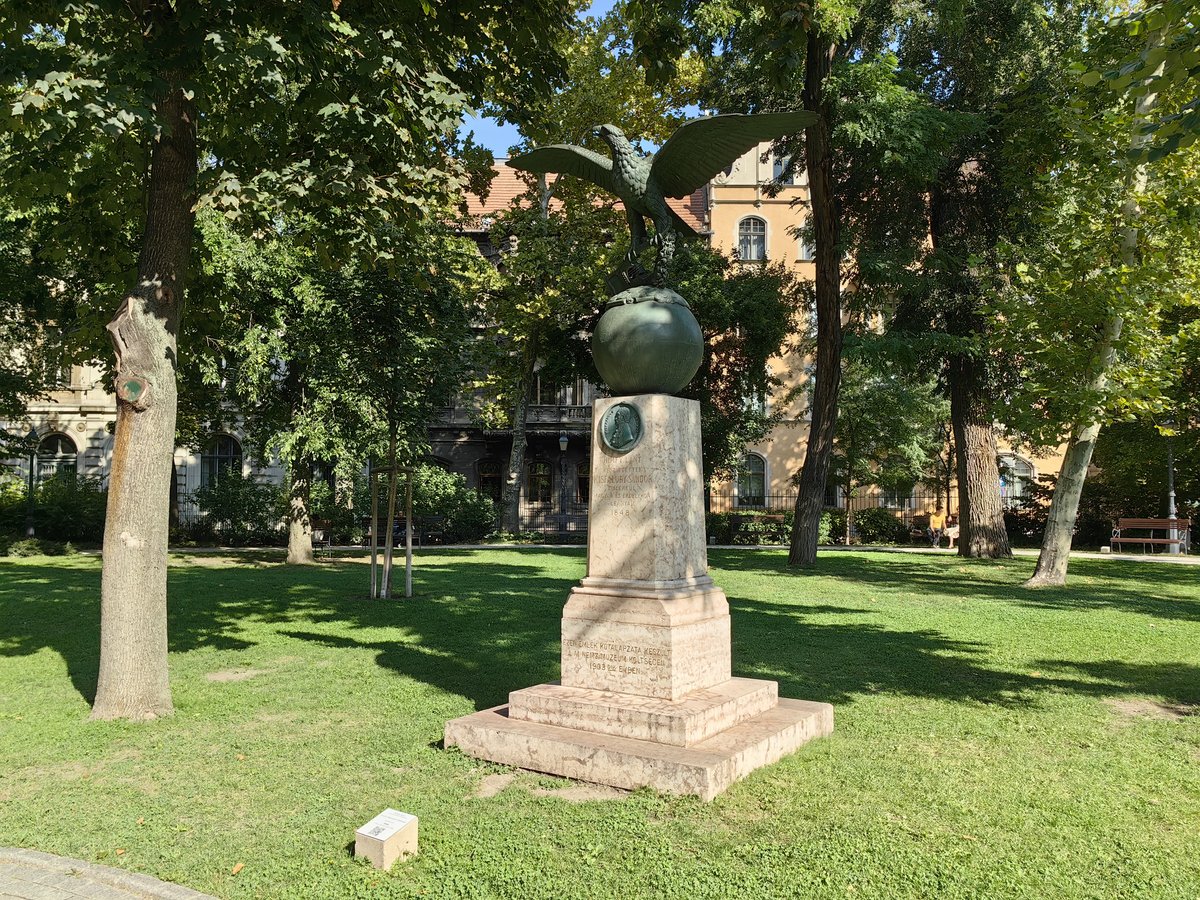
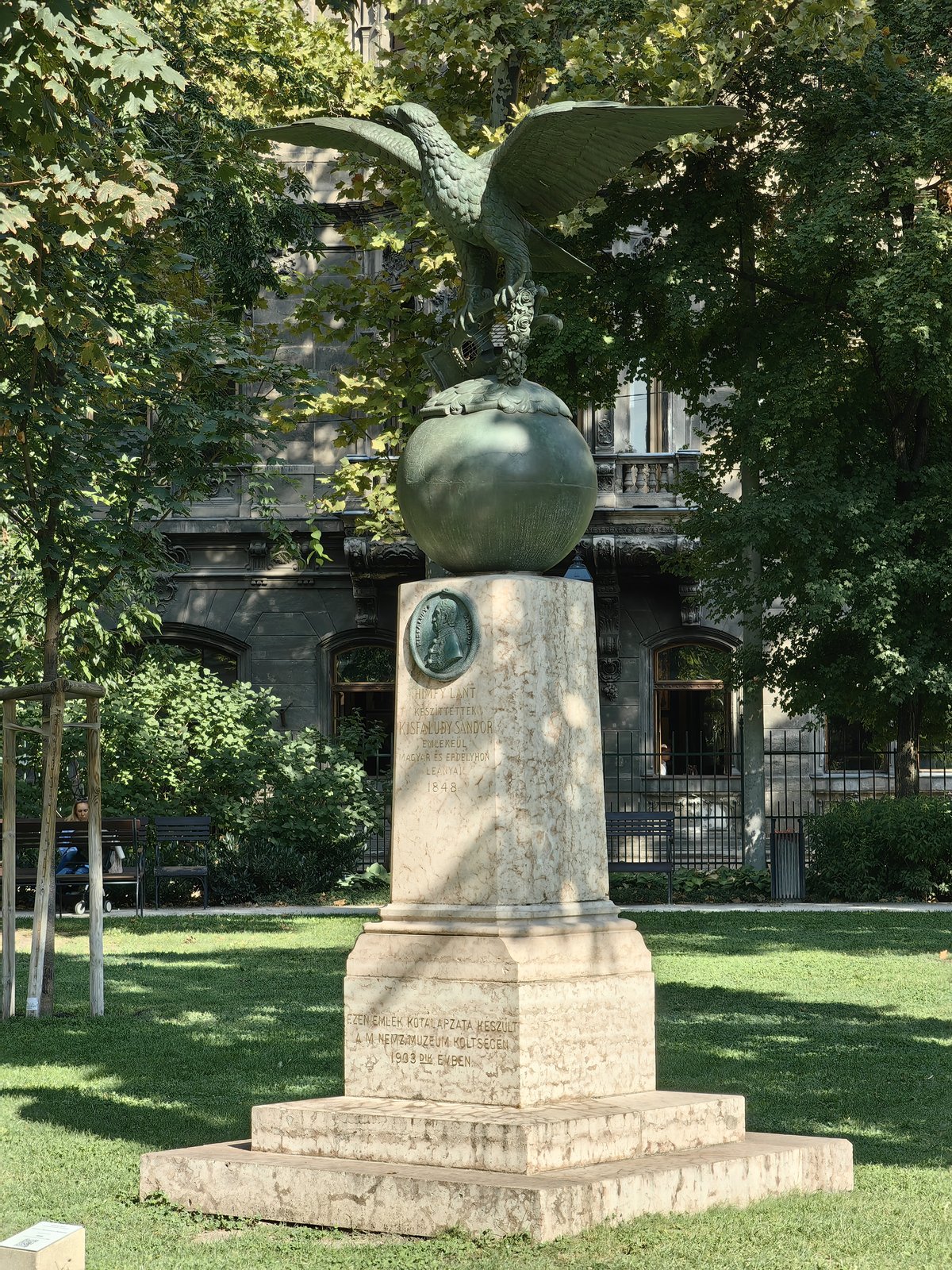
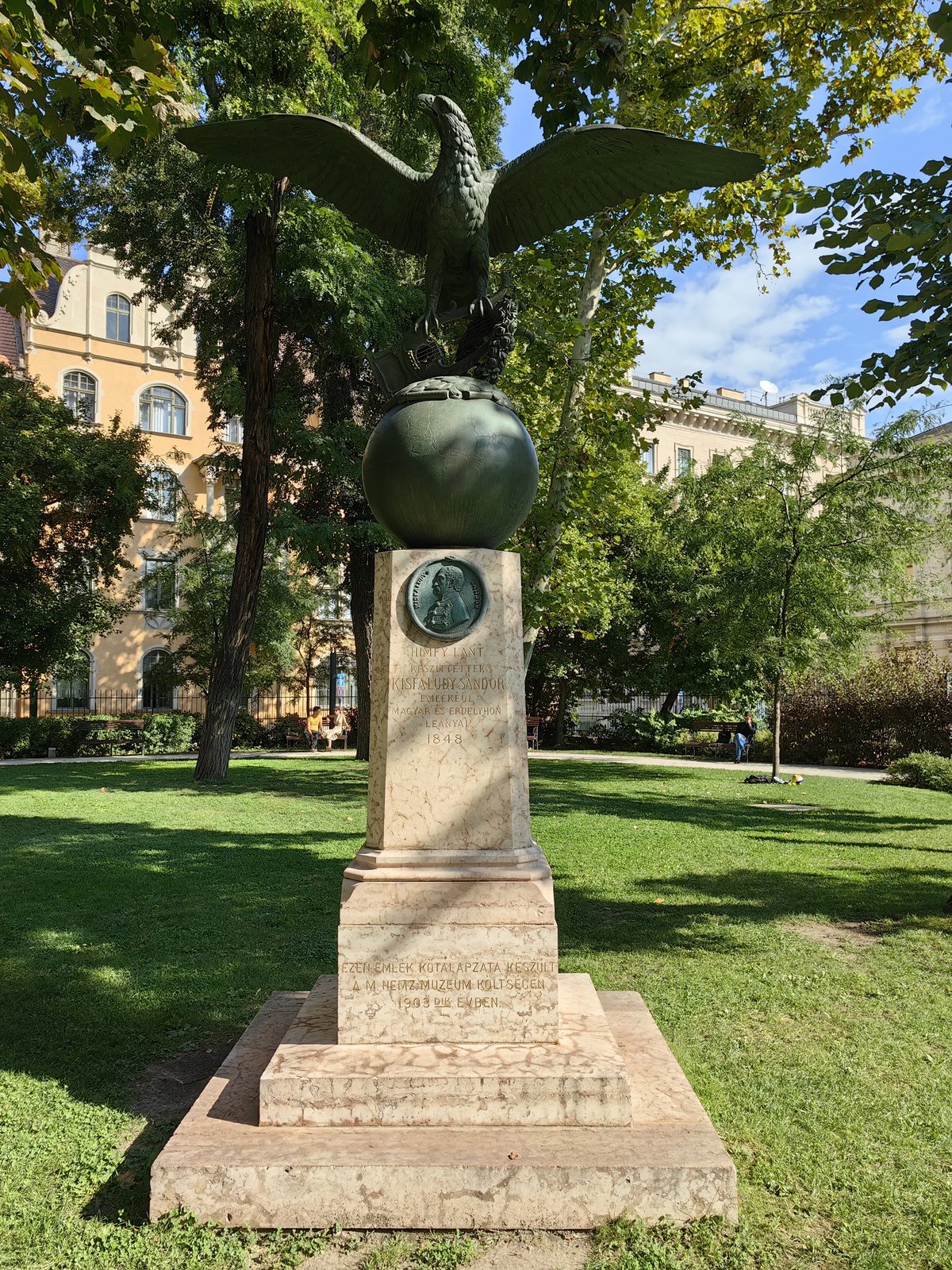
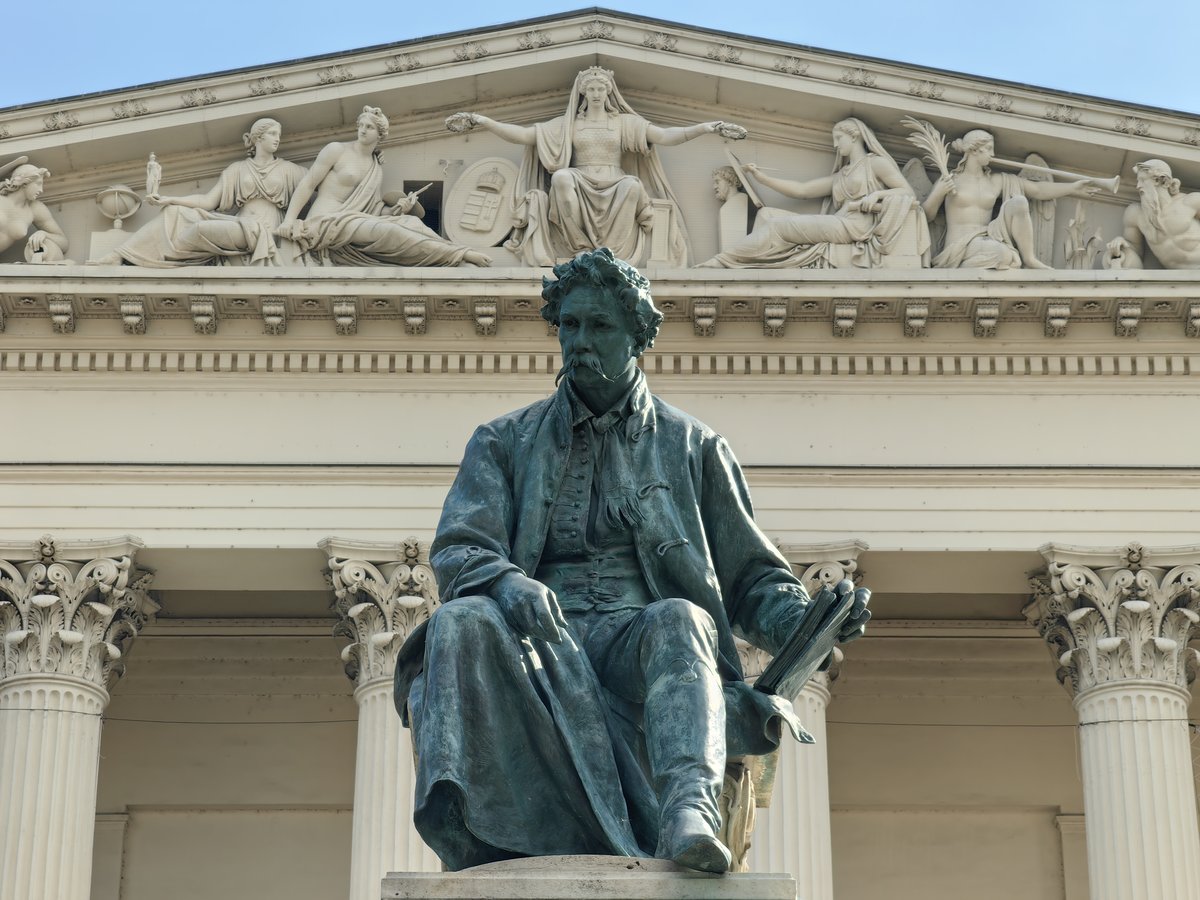
The exterior features statues by Raffael Monti symbolizing Hungarian virtues, and the recently renovated gardens display monuments to national figures (Hungary Unlocked). Inside, richly decorated neoclassical halls and frescoes by Károly Lotz and Mór Than create a majestic setting for the collections (Budapest.com).
Symbolism and Preservation
The building's neoclassical style represents Hungary’s aspirations for nationhood and cultural refinement. Ongoing renovations ensure both preservation and modern visitor comfort, maintaining its status as a central cultural landmark (Xpatloop; Budapest Flow).
Spanning 8,000 square meters, the museum’s collections trace Hungarian history from prehistory to the 20th century (budapest.city; timeout.com).
Archaeological Treasures
Chronological exhibits include:
- Prehistoric tools, pottery, and jewelry
- Roman artifacts from Pannonia: statues, mosaics, and daily items
- Migration Period finds: Huns, Avars, and Magyars
Medieval and Early Modern Hungary
- Replicas of the Holy Crown and coronation regalia
- Illuminated codices and medieval church treasures
- Weapons and armor from Ottoman and Habsburg conflicts
The 1848 Revolution and National Awakening
Key exhibits:
- Revolutionary artifacts: flags, proclamations, and leaders’ belongings
- Original documents: Copies of the "12 Points"
- Uniforms and period weapons
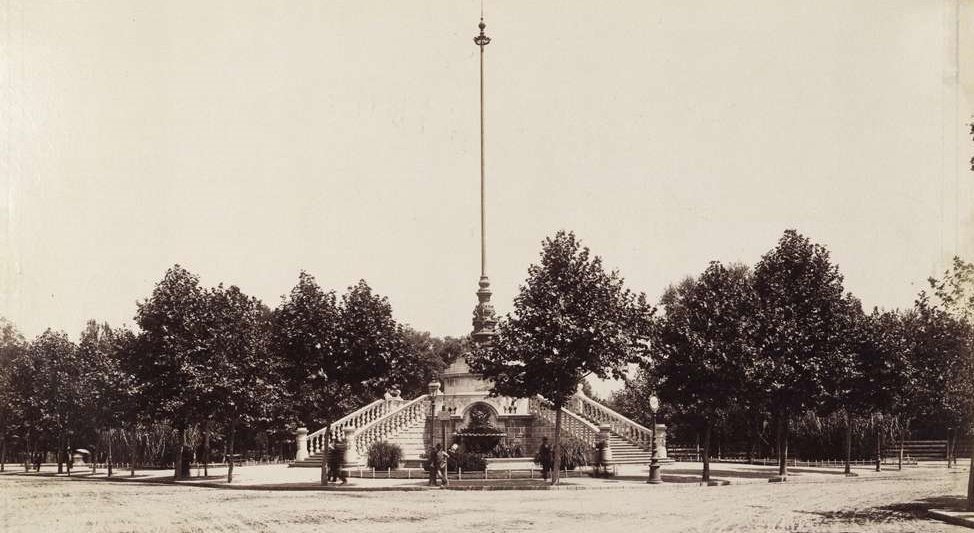
The Museum Garden, a historic gathering place, is still a community hub.
19th and 20th Century Hungary
- Personal belongings of historic figures
- Everyday life under communism: propaganda, household items, clothing
- 1956 Revolution: photographs and documents
Ethnographic and Cultural Collections
- Folk costumes and textiles
- Ceramics, woodwork, and musical instruments
Must-See Highlights
- The Coronation Mantle: 11th-century royal vestment
- The Seuso Treasure: Late Roman silverware
- Liszt and Beethoven’s piano
- The Museum Garden: Historic site for festivals and gatherings (budapestbylocals.com)
Temporary Exhibitions
Frequent temporary exhibitions feature topics from ancient civilizations to contemporary Hungarian culture.
Practical Visitor Information
Visiting Hours
- Tuesday–Sunday: 10:00 AM–6:00 PM
- Closed on Mondays
- Museum Garden: 5:30 AM–9:00 PM daily
For special hours or holiday closures, check the official website.
Tickets and Admission
- Standard adult: 3,500 HUF (~€9/US$10)
- Discounts: Seniors (62–70), students, groups
- Free entry: Children under 6, adults over 70, disabled visitors with companions, teachers, journalists, ICOM cardholders
- Free days: March 15, August 20, October 23; third Saturday monthly for youth
- Budapest Card: Free entry and public transport discounts (budapestbylocals.com)
Tickets are available online and at the entrance; advance purchase is recommended.
Accessibility
- Wheelchair accessible: Ramps, elevators, and wheelchairs available
- Multilingual info: Exhibits in Hungarian and English
- Interactive displays: Especially in 20th-century galleries
Facilities
- Cloakroom: Free storage for outerwear and large bags
- Accessible toilets and baby changing rooms
- Museum shop and café: Books, souvenirs, refreshments
- Free Wi-Fi
- Audio guides: Multilingual, with downloadable options
Guided Tours and Educational Programs
- Guided tours: English, Hungarian, German, and more; advance booking advised
- Workshops, family activities, educational resources for schools and groups
Getting There
- Address: Múzeum körút 14-16, Budapest, 1088
- Metro: Kálvin tér (M3, M4), Astoria (M2)
- Tram/bus: Multiple lines near Kálvin tér
- Parking: Limited; public transport is recommended
Nearby attractions include the Great Market Hall, Danube Promenade, St. Stephen’s Basilica, and the Hungarian Parliament.
Special Events and Educational Programs (2025)
March 15th National Holiday: Revolution Commemoration
The museum hosts free events commemorating the 1848 Revolution, including flag-raising, historical reenactments, workshops, and evening light projections (We Love Budapest). Note: Many city services close or reduce hours.
Museum Festival (May 24–25, 2025)
Hungary’s largest museum showcase, featuring 100+ institutions, interactive booths, concerts, children’s activities, and special exhibitions—free entry for all (Budapest by Locals).
Night of Museums (June 21–22, 2025)
Late-night access to the museum, special guided tours, performances, and family programs, with special wristband admission and dedicated night transport (Budapest.com).
Ongoing Educational Programs
- Permanent and temporary exhibitions
- Workshops, school programs, teacher resources
- Family-friendly activities and accessible events
Frequently Asked Questions (FAQ)
Q: What are the Hungarian National Museum visiting hours?
A: Tuesday to Sunday, 10:00 AM–6:00 PM; closed Mondays.
Q: How do I buy tickets?
A: Online via the official website or at the museum entrance.
Q: Is the museum wheelchair accessible?
A: Yes, with ramps, elevators, and wheelchair loans.
Q: Are guided tours available?
A: Yes, in multiple languages; book in advance.
Q: What are the best times to visit?
A: Weekday mornings or late afternoons for fewer crowds; arrive early for special events.
Listen to the full story in the app
The whole Hungarian National Museum,
told well.
Listen to sourced travel stories with local history and practical context — ready offline.
Verified, and shown.
Researched and written by the Audiala editorial team from historical records, architectural archives, and local expertise.
Built from cited sources · see the method · How we make our guides →