Introduction
Gresham Palace in Budapest is an iconic Art Nouveau masterpiece and a symbol of the city’s rich architectural and cultural heritage. Overlooking the Danube River at Széchenyi István tér, adjacent to the famous Széchenyi Chain Bridge, the palace is a testament to Budapest’s golden era and resilience through periods of prosperity, war, neglect, and renewal. Originally built between 1904 and 1906 as the headquarters of the London-based Gresham Life Assurance Company, the palace also provided luxury apartments for the city’s elite. Today, after extensive restoration, it operates as the Four Seasons Hotel Gresham Palace, offering visitors the chance to experience its grandeur—either as hotel guests, diners, or admirers of its public spaces.
This comprehensive guide covers the history of Gresham Palace, its architectural highlights, visiting hours, ticketing and access information, accessibility, practical tips, and suggestions for nearby attractions. Whether you are an architecture enthusiast, history lover, or a traveler planning a Budapest itinerary, this article equips you with everything you need for a rewarding visit (nellicioustravels.com; CNN Travel; visithungary.com; budapestbylocals.com).
Photo Gallery
Explore Gresham Palace in Pictures
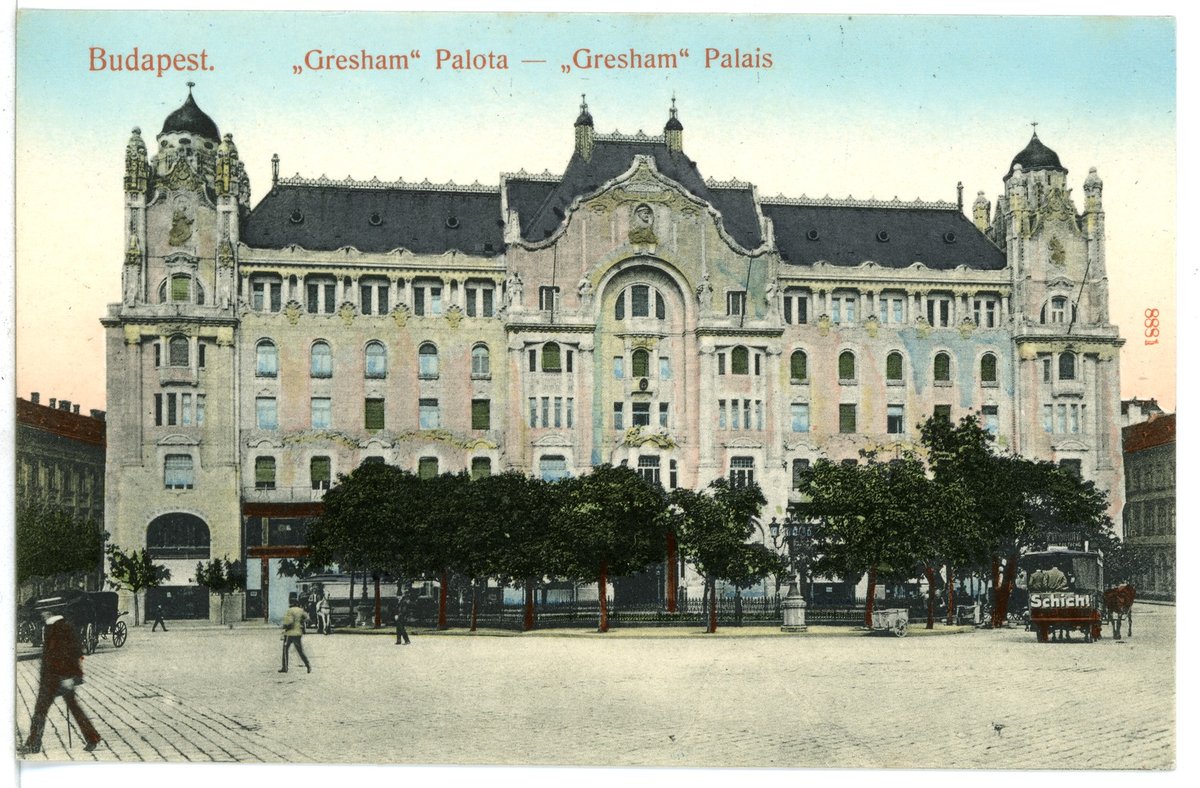
A detailed view of the Gresham Palace in Budapest taken in 1907, highlighting its architectural style and historical significance as a classic early 20th century building.
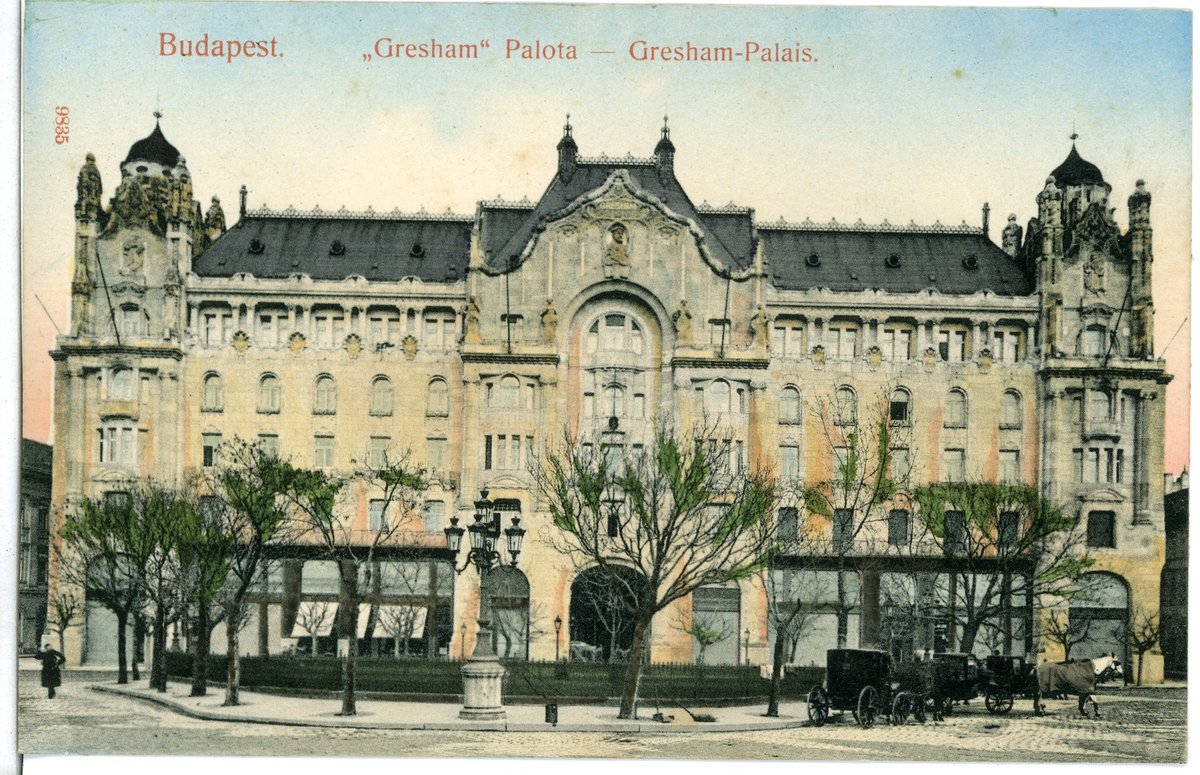
Historical image of Gresham Palais in Budapest taken in 1908, showcasing early 20th-century architecture.
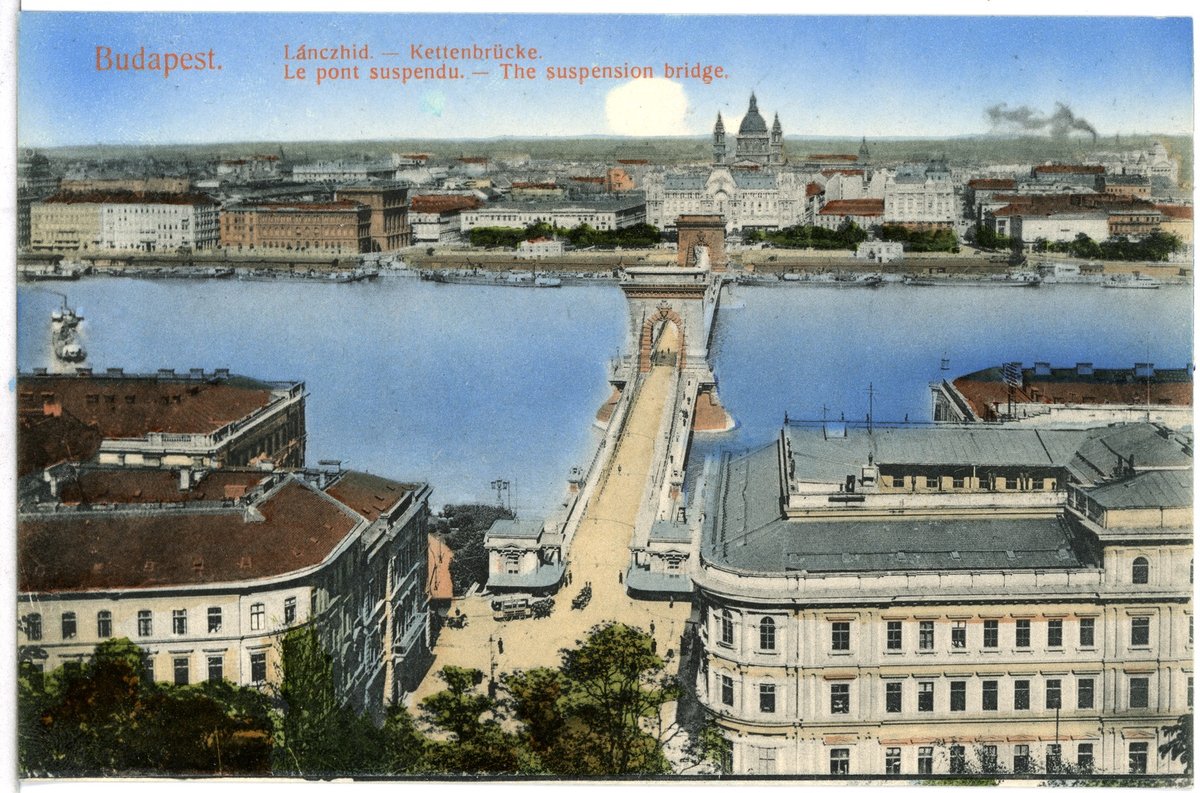
A vintage 1912 black and white image showing Budapest's iconic Chain Bridge (Kettenbrücke) spanning the Danube river, capturing the bridge's architectural details and historical atmosphere.
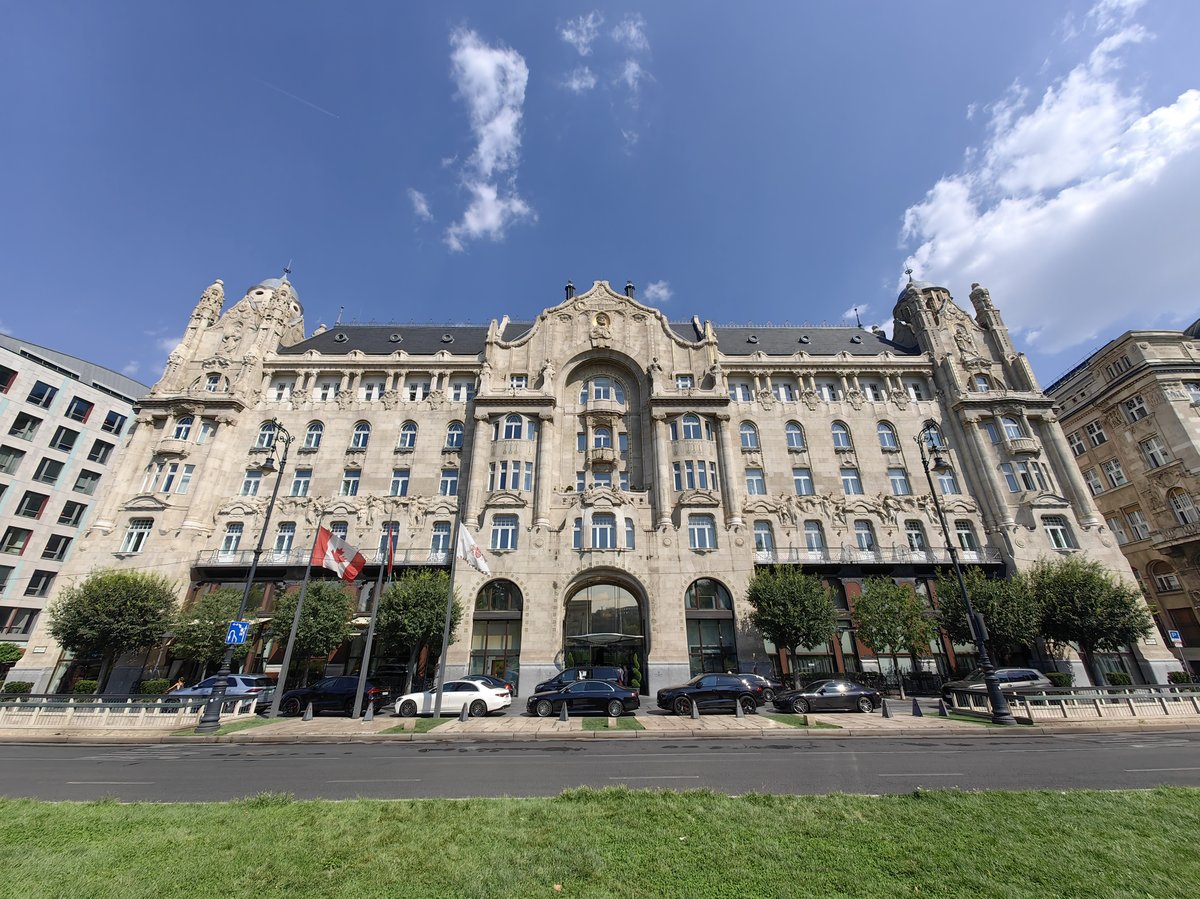
View of the Gresham Palace in Budapest showcasing its elaborate design and detailed facade against a bright clear blue sky
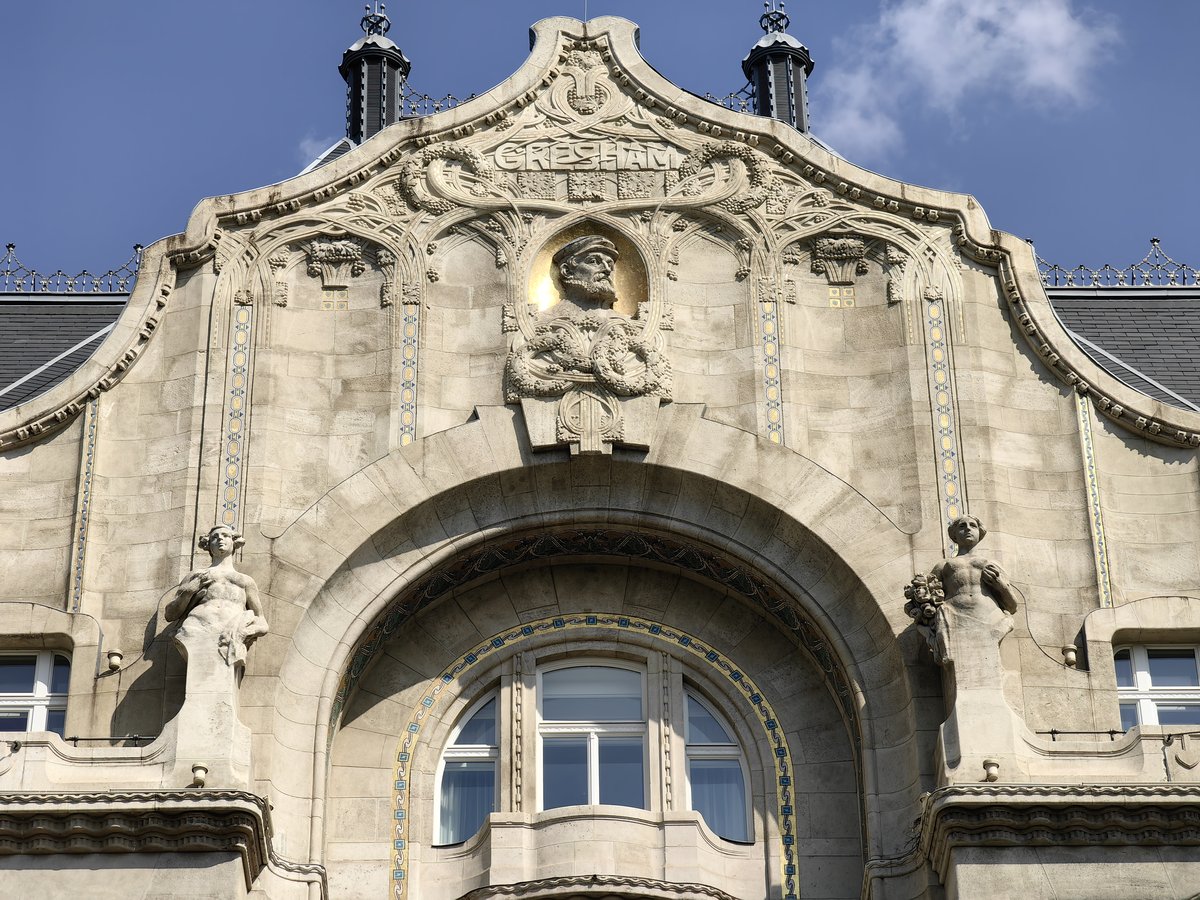
The iconic Gresham Palace in Budapest captured during a stunning sunset, showcasing its intricate architecture and vibrant sky colors.
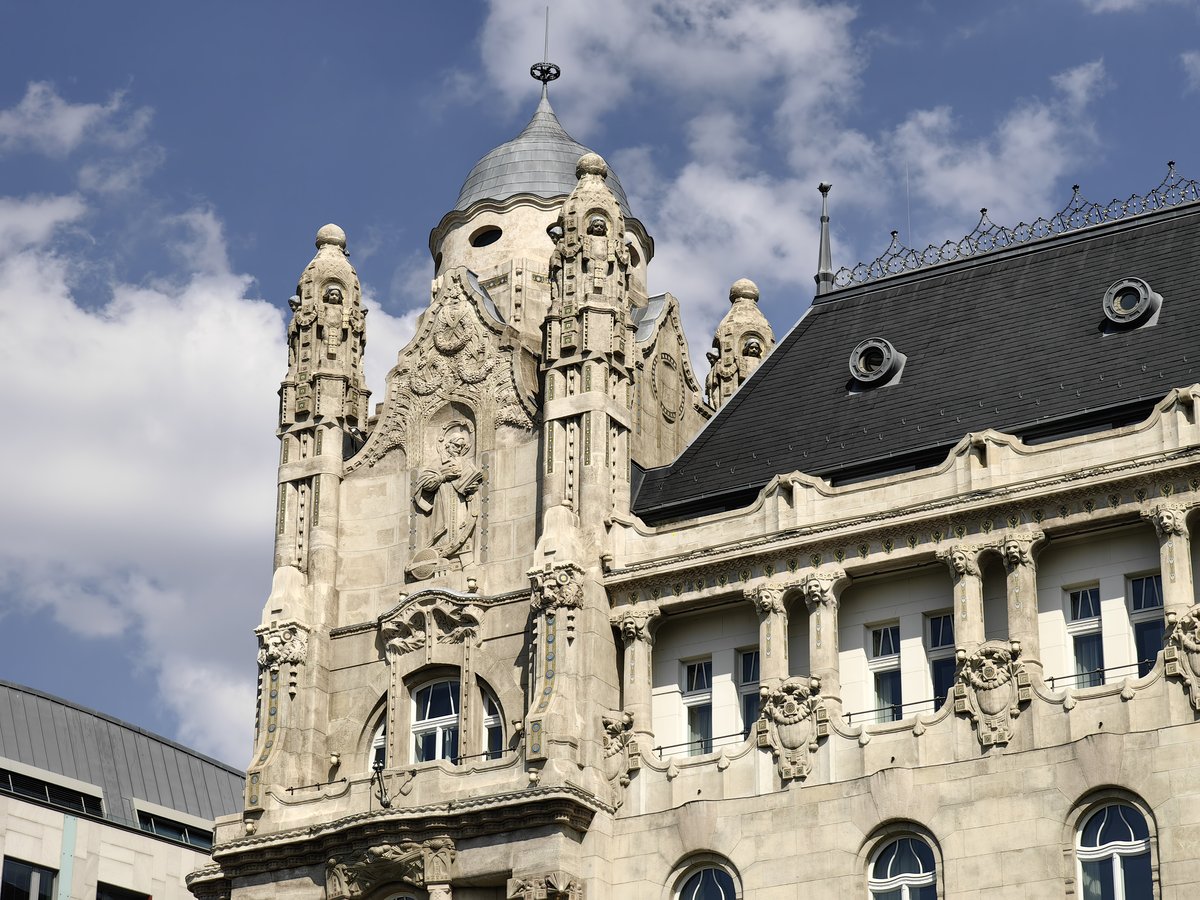
Photograph of Gresham Palace in Budapest showcasing its intricate facade and elegant architectural details under a clear blue sky
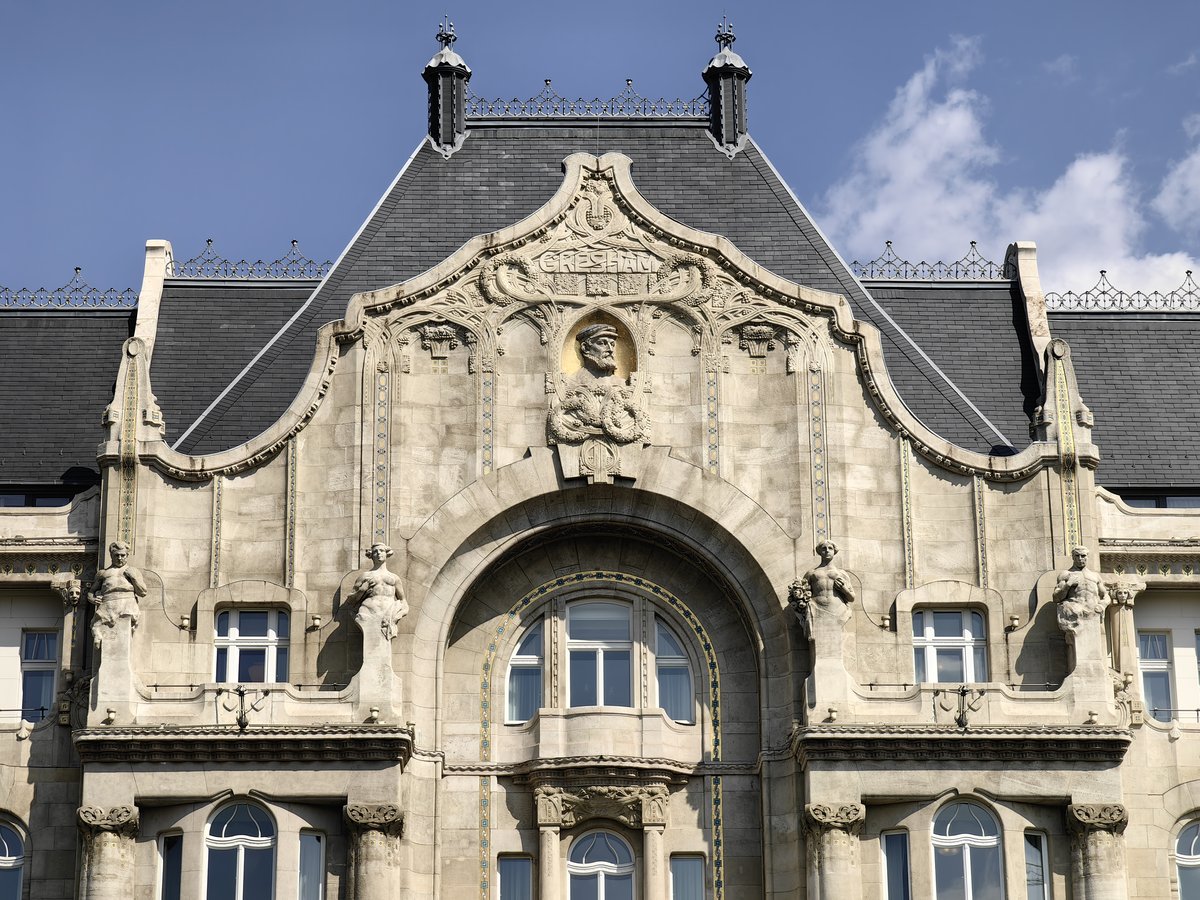
Night view of the historic Gresham Palace in Budapest showcasing its Art Nouveau architecture and exterior illumination
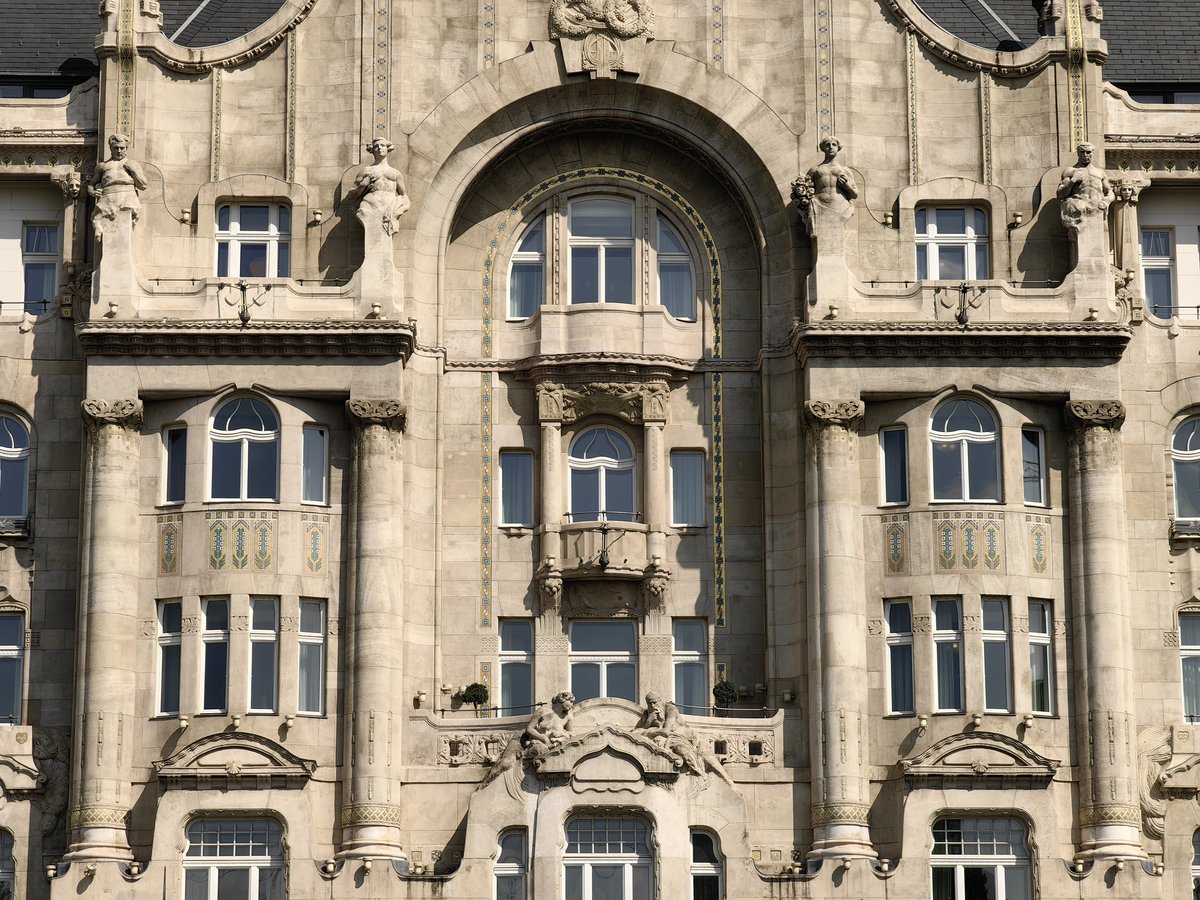
Ornate Gresham Palace in Budapest showcasing intricate architectural details and classic design under clear blue skies.
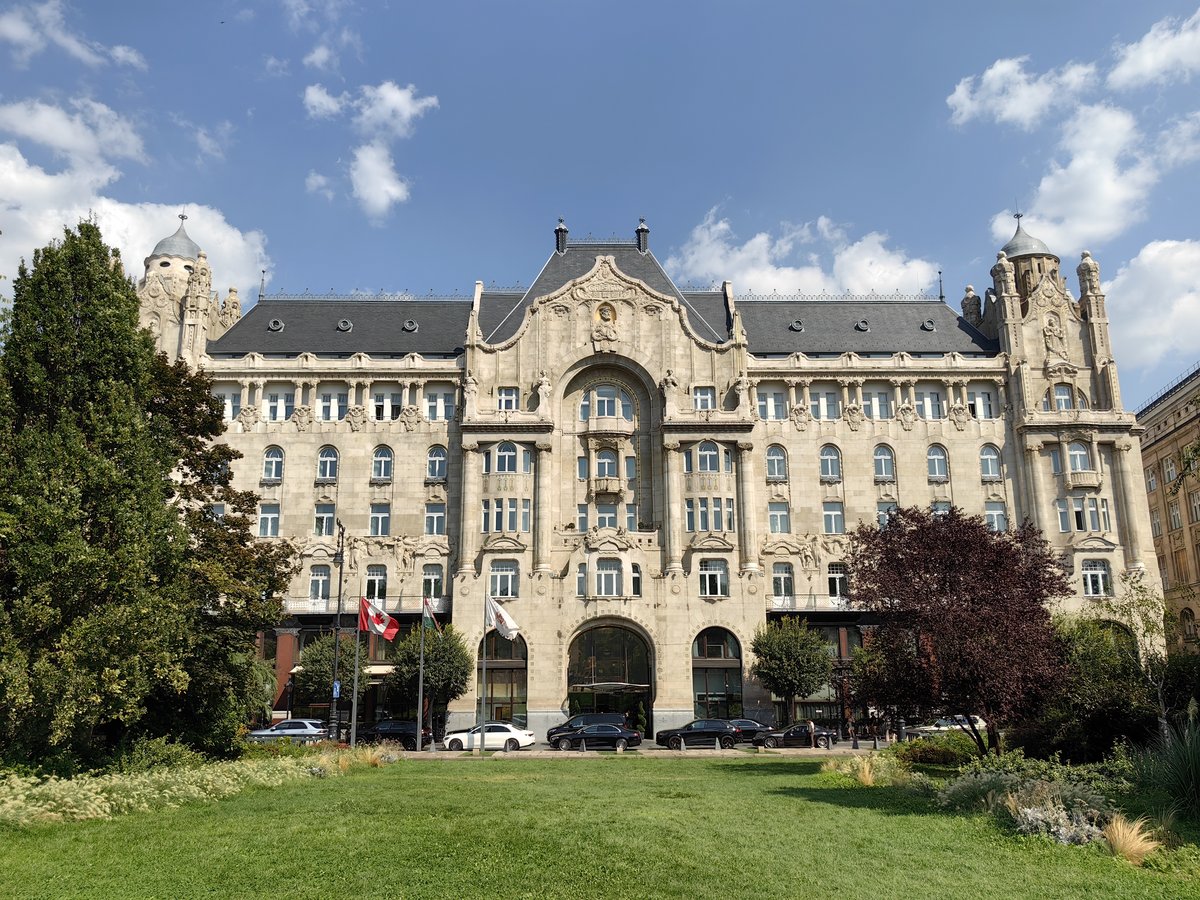
Detailed view of the historic Gresham Palace in Budapest showcasing its intricate architectural design and decorative elements.
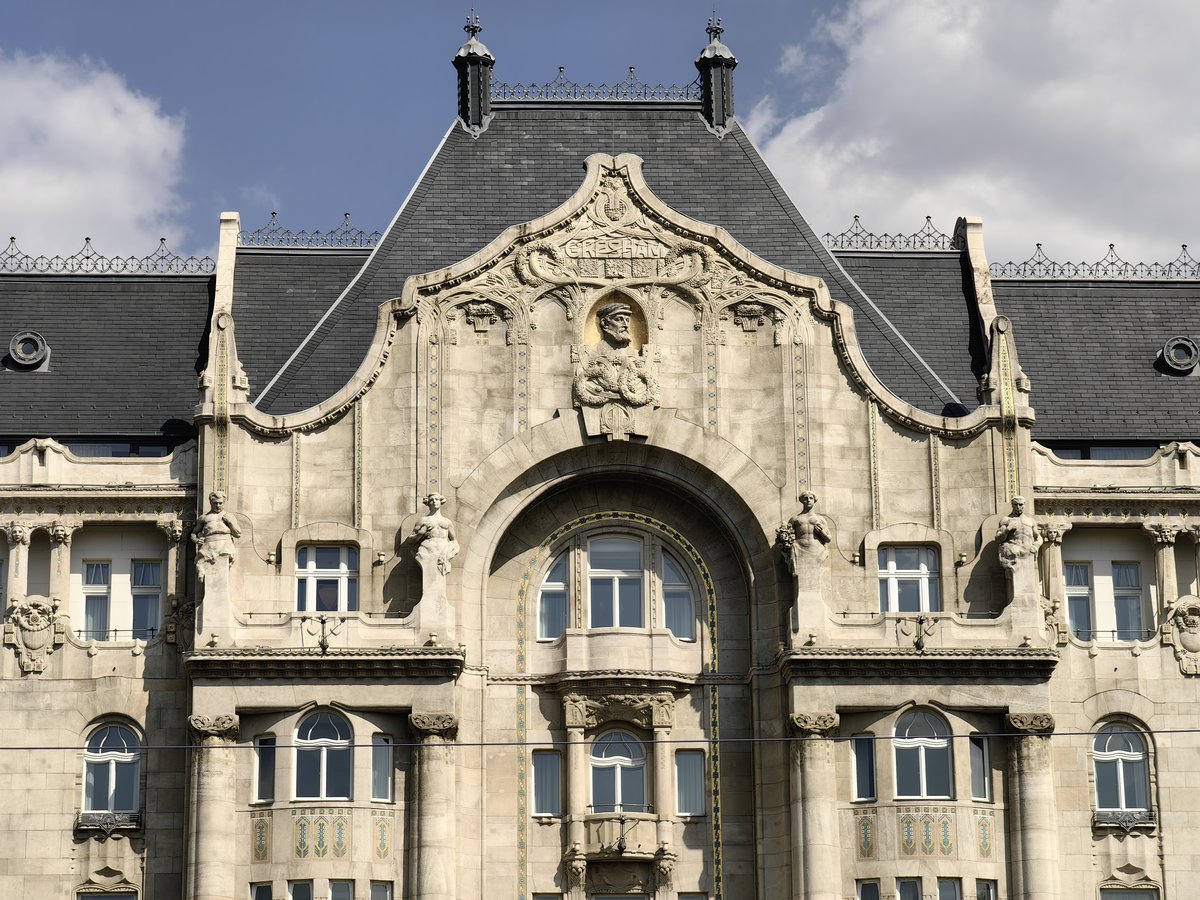
Gresham Palace in Budapest showcasing its luxurious art nouveau architectural facade with intricate ornamental details and grand design
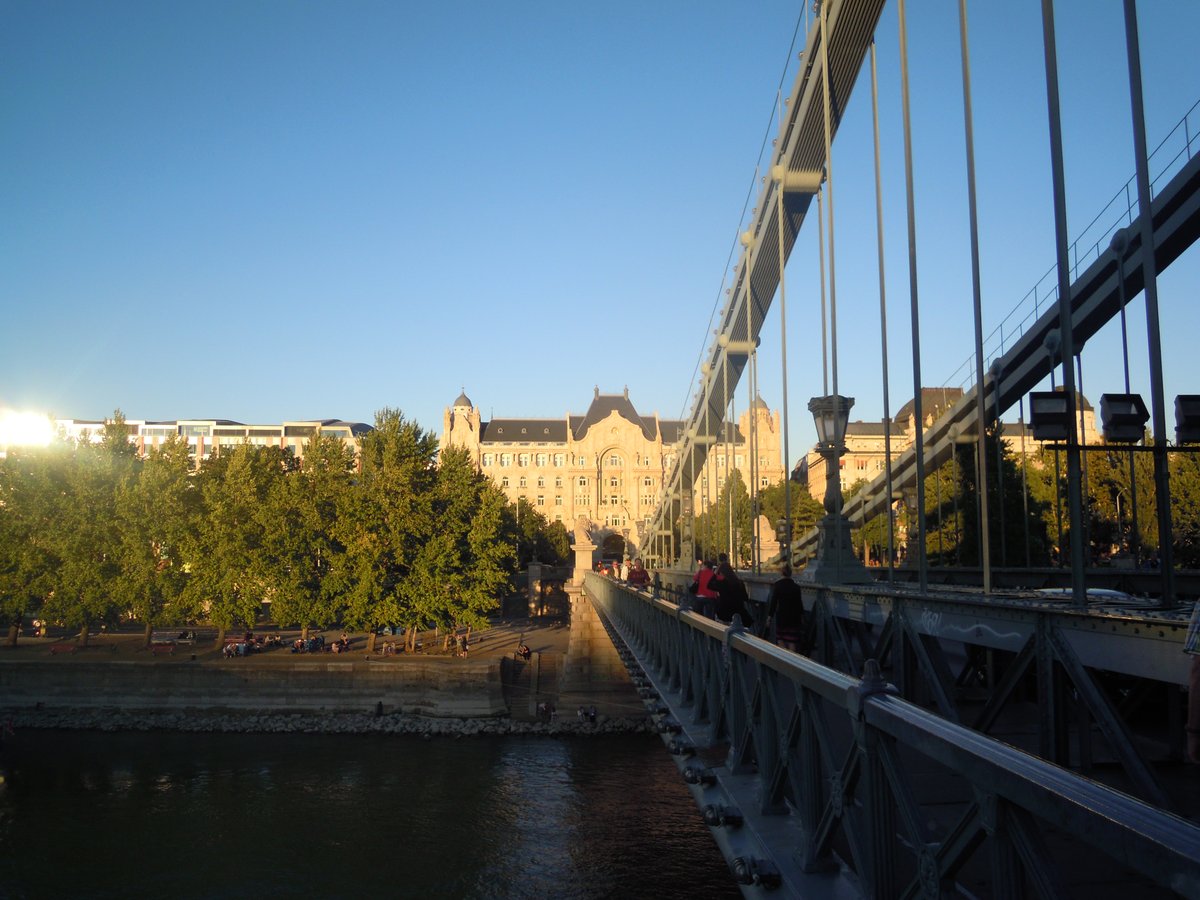
A scenic view of Budapest in September 2013 showcasing the Danube River and the city's historic architecture.
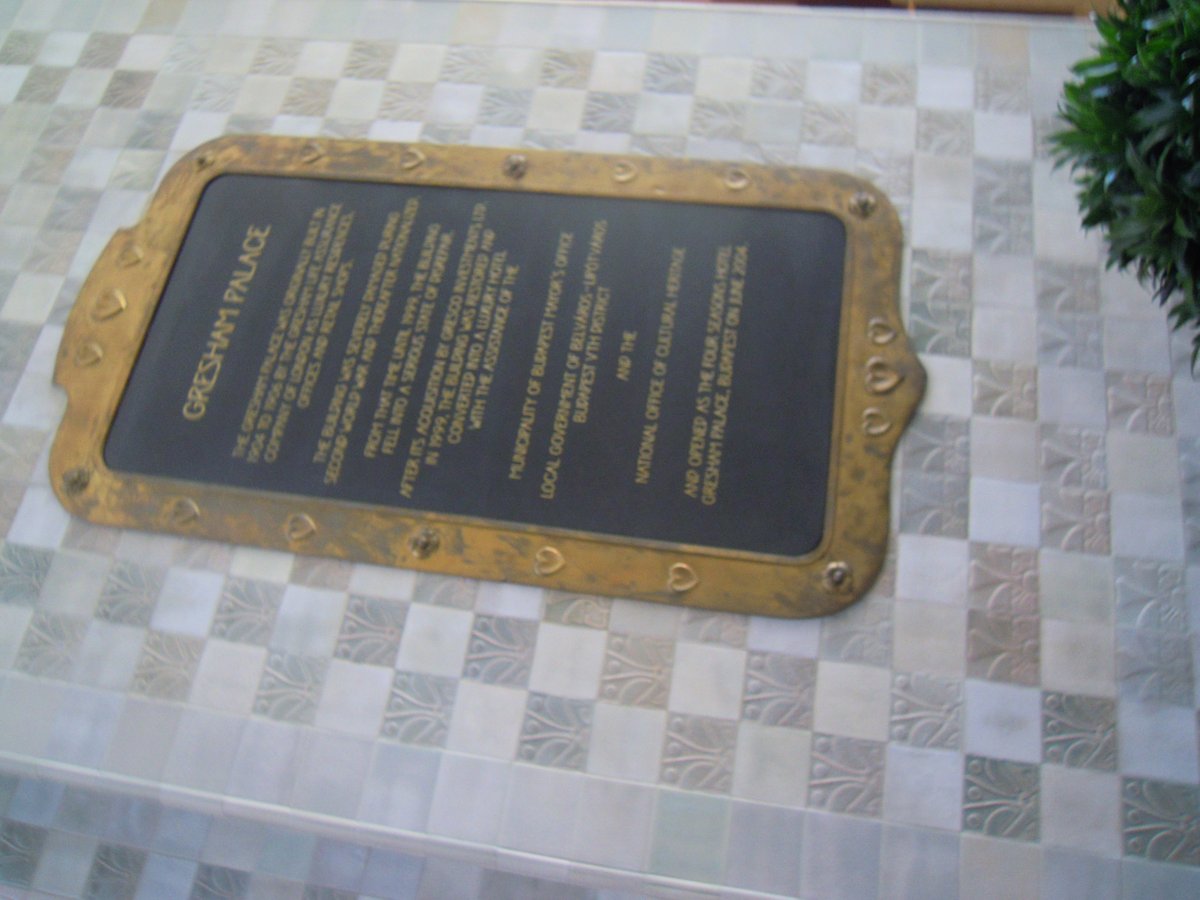
Panoramic view of Budapest cityscape featuring the Danube River and historic architecture during September 2013
History and Origins
The current site of Gresham Palace was originally occupied by the Classicist Nákó House (built in 1827). As Budapest rapidly developed after the unification of Buda, Pest, and Óbuda in 1873, the strategic location at the Pest end of the Chain Bridge became highly coveted. The Gresham Life Assurance Company acquired the property in 1880, envisioning an opulent headquarters and luxury apartment complex that would reflect both its prestige and the cosmopolitan aspirations of Budapest.
Construction began in 1904 under architects Zsigmond Quittner and József Vágó. Completed in 1906 and opened in 1907, the palace served as both a business hub and an exclusive residential address—a tangible “gateway” to the city for those arriving across the Danube (CNN Travel).
Architectural Significance
Exterior Features
Gresham Palace is celebrated as one of Central Europe’s finest examples of Art Nouveau (Szecesszió) architecture. Its symmetrical façade features copper turrets, decorative iron balconies, and a prominent triangular roof. The exterior is richly adorned with:
- Intricate wrought-ironwork (notably the gates and balconies, crafted by master Gyula Jungfer)
- Sculpted figures and floral motifs reflecting Hungarian folk art
- Zsolnay ceramics from the renowned Pécs manufactory
- Stained glass and mosaic panels by Miksa Róth (budapestbylocals.com; visithungary.com)
Interior Highlights
Inside, the palace impresses with:
- A grand lobby crowned by a vaulted glass roof, flooding the space with natural light
- Original wrought-iron “peacock” gates
- Mosaic floors and stained glass throughout
- A sweeping staircase featuring Art Nouveau ironwork
- Custom lighting and furnishings designed specifically for the palace
Innovations and Unique Elements
At its completion, Gresham Palace boasted advanced features for its time:
- Central heating
- An early dust extraction system
- A T-shaped shopping arcade with a glass roof
- Flexible apartment layouts catering to a diverse clientele
- The Télikert (Winter Garden), a glass-roofed conservatory for events
These features made it a sought-after address for Budapest’s elite (budapestbylocals.com).
Social and Cultural Role
From its opening, Gresham Palace was a vibrant social and cultural hub. The ground floor housed the Gresham-Venezia Café and the Pódium Cabaret, noted for their artistic and political vibrancy. The “Gresham-circle,” comprising influential artists and intellectuals, met here regularly before WWII, shaping the city’s cultural landscape. Local legend claims that the heart motifs adorning the palace were inspired by a romance between Countess Irma Széchenyi and Thomas Gresham, giving the palace its reputation as the “palace of hearts” (CNN Travel).
Wartime Damage and Restoration
In the 20th century, the palace’s fortunes mirrored those of Budapest:
- 1919: Seized during the brief communist regime of Béla Kun.
- Post-WWI: Converted into apartments, nicknamed “palace on the Danube.”
- WWII: Suffered extensive damage during the 1944 Soviet siege.
- Postwar: Nationalized in 1948, neglected during the communist era, and fell into disrepair (nellicioustravels.com).
Modern Revitalization
The end of communism in 1989 brought new hope. After a brief period under the Irish Corinthia Group, a comprehensive restoration began in 1999, led by Four Seasons Hotels and Resorts. Over five years, Hungarian and international experts painstakingly restored the palace’s original features, including stained glass, mosaics, and ironwork. Modern amenities were integrated discreetly to preserve historical integrity. In 2004, the palace reopened as the Four Seasons Hotel Gresham Palace Budapest, with 179 guest rooms and suites, and has since become one of the city’s premier luxury destinations (visithungary.com; budapestbylocals.com).
Visiting Information
Hours and Access
- Public Areas (lobby, Gresham Café): Generally open daily from 7:00 AM to 10:00 PM (budapestbylocals.com).
- Dining (Kollázs – Brasserie & Bar): Typically from 12:00 PM to 11:00 PM; check for holiday variations.
- Guest-only areas: Access is reserved for hotel guests.
Tickets and Reservations
- No entrance fee is required for public areas.
- Dining reservations are recommended for Kollázs or the Gresham Café.
- Private guided tours are available for hotel guests upon request; regular public tours are rare.
Accessibility
- Wheelchair accessible with ramps and elevators throughout.
- Accessible restrooms available for dining patrons.
Guided Tours and Events
- Private tours: Can be arranged via the hotel or specialized architectural tour companies (Insight Cities).
- Cultural events: Art exhibitions, concerts, and seasonal festivities are occasionally open to the public.
Dining and Leisure
- Kollázs – Brasserie & Bar: Hungarian and Central European cuisine in an Art Nouveau setting.
- Gresham Café: Light meals and afternoon tea.
- Wellness: Spa, fitness center, and pool with city views.
- Event spaces: Available for weddings, conferences, and special events.
Photography Tips
- Best times: Golden hour for façade shots; late morning for interior light.
- Etiquette: Photography allowed in public areas—be considerate of hotel guests.
Nearby Attractions
Gresham Palace’s central location makes it an excellent starting point to explore:
- Széchenyi Chain Bridge: Iconic span across the Danube
- St. Stephen’s Basilica: Grand cathedral with city views
- Hungarian Parliament Building: Neo-Gothic riverfront landmark
- Danube Promenade: Scenic riverwalk
- Váci utca: Pedestrian shopping street with Art Nouveau gems (Trip to Budapest)
For Art Nouveau aficionados, include Thonet House, the Former Royal Postal Savings Bank, and Párizsi Udvar on your itinerary.
FAQs
Q: What are the visiting hours for Gresham Palace?
A: The public lobby and café are open daily from 7:00 AM to 10:00 PM.
Q: Is there an entrance fee?
A: No, visiting public areas is free.
Q: Can non-guests dine at the restaurants?
A: Yes. Reservations are recommended.
Q: Are guided tours available?
A: Private tours for hotel guests or by prior arrangement with the hotel or specialized tour companies.
Q: Is the palace accessible for visitors with mobility issues?
A: Yes, with ramps, elevators, and accessible restrooms.
Q: Is photography permitted?
A: Yes, in public areas. Please be respectful.
Listen to the full story in the app
Your Personal Curator, in Your Pocket.
Audio guides for 1,100+ cities across 96 countries. History, stories, and local insight — offline ready.
Audiala App
Available on iOS & Android
Join 50k+ Curators
Sources
- verified
- verified
- verified
- verified
- verified
- verified
- verified
Last reviewed: