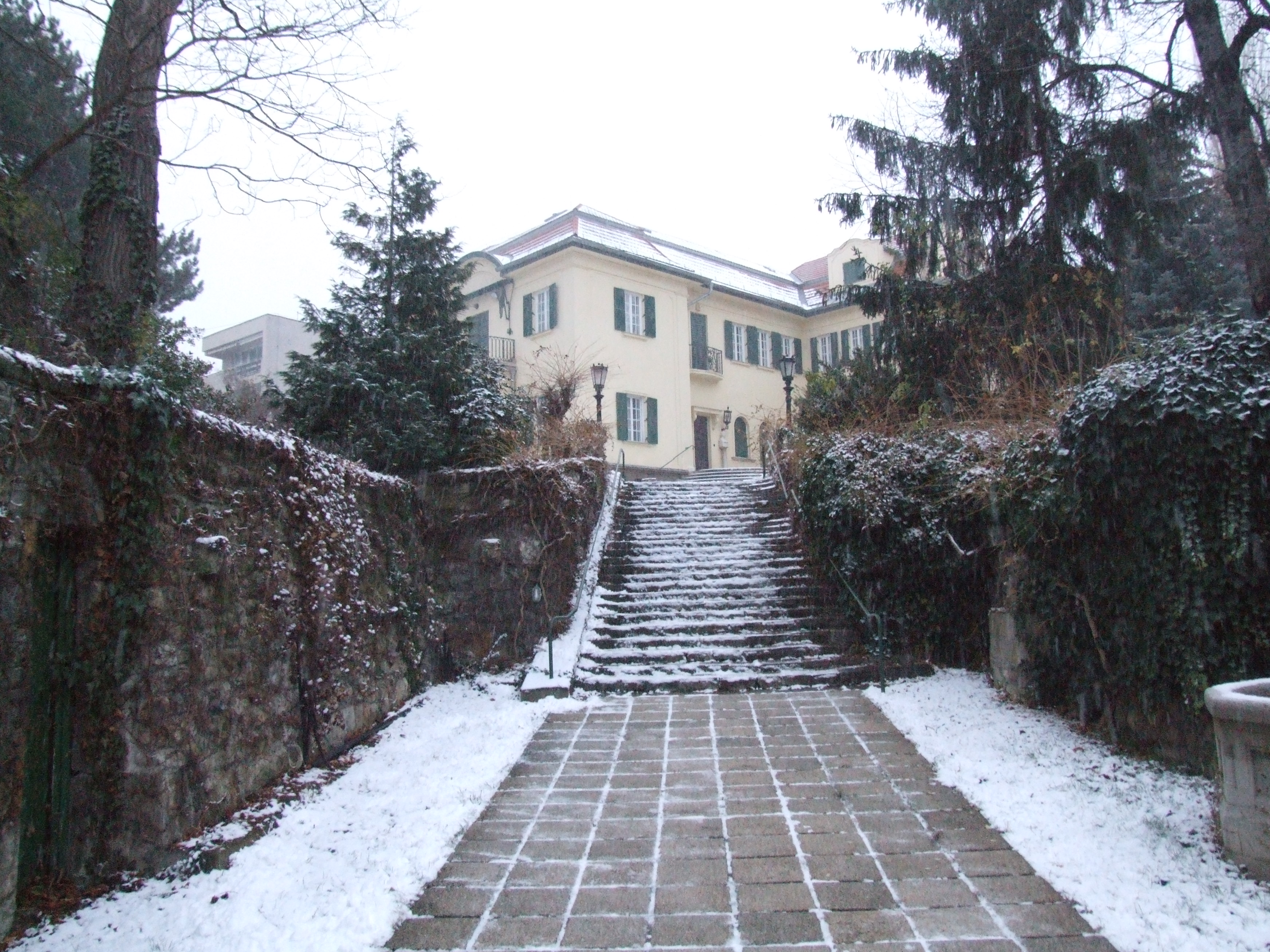
Introduction: Discovering Gercse – Budapest’s Hidden Medieval Gem
Situated on the tranquil northwestern fringes of Budapest, Gercse is a destination steeped in medieval history, Romanesque architectural marvels, and natural beauty. Often overlooked by mainstream tourism, this area—nestled near Budapest’s District II and Óbuda-Békásmegyer (District III)—is home to the remarkable Gercse Church and chapel, among the region’s best-preserved Romanesque monuments dating back to the 12th and 13th centuries. Gercse’s rare horseshoe-shaped apse and robust stonework offer a glimpse into Hungary’s early Christian heritage, reflecting a blend of local traditions and cross-regional influences (hidegkutihistoria.hu; We Love Budapest).
The area’s layered history—marked by destruction during the Mongol invasions, depopulation under Ottoman rule, and 18th-century resettlement by German-speaking communities—renders it a living testament to resilience. Today, Gercse is both a cultural and natural haven, offering visitors scenic hiking trails in the Gerecse Hills, panoramic views, and an ecosystem rich in biodiversity (panoramatours.com; telex.hu).
Entry to Gercse’s historical sites is free, and the area’s peaceful atmosphere makes it ideal for hiking, photography, and cultural exploration. While natural terrain and limited public transport make access a bit challenging, guided tours and local events help unlock Gercse’s secrets for the adventurous traveler (budapestinfo.hu; Insight Cities).
- Introduction
- Gercse Church: Budapest’s Medieval Treasure
- Historical Highlights
- Architecture and Unique Features
- Cycles of Destruction and Renewal
- Cultural Legacy
- Visitor Information
- Visiting Hours & Admission
- Accessibility
- Guided Tours
- Getting There
- Facilities and Safety
- Experiences and Activities
- Nearby Attractions
- Hiking and Nature Walks
- Photography
- Local Events
- Practical Tips & FAQs
- Visual Resources
- Conclusion
Gercse Church: Budapest’s Medieval Treasure
Historical Highlights
- Origins: Gercse is first mentioned in a 1212 royal charter as a prosperous medieval village, renowned for its vineyards and marked by ancient earthen mounds.
- Architecture: The 13th-century Romanesque church is distinguished by its horseshoe-shaped apse—a rarity in Hungary—thick stone walls, small arched windows, and a rectangular nave with dual entrances (Daily News Hungary).
- Survival: The church and village suffered destruction during the Mongol invasion (1241–1242) and later under Ottoman occupation, but the church was rebuilt in the 18th century by Swabian (German-speaking) settlers, who called it “Lust Kirché.”
- Legacy: The church remains a symbol of perseverance, hosting annual pilgrimages and local processions.
Archaeological research has revealed Roman-era artifacts at the site, suggesting a much older sacred and communal function (We Love Budapest).
Visitor Information
Visiting Hours & Admission
- Hours: The church can be visited year-round; there are no fixed hours, but daylight visits (8:00 AM–6:00 PM) are recommended for safety.
- Entry: Free of charge. Guided tours or special events may occasionally require advance booking or a small fee.
Accessibility
- Access is via forested hiking trails with uneven terrain—sturdy footwear is essential. The site is not wheelchair accessible.
Guided Tours
- Local heritage groups and Budapest tour operators occasionally organize guided walks. Check with Budapestinfo.hu or Insight Cities for current offerings.
Getting There
- Public Transport: Take tram 61 to Hűvösvölgy, then local buses towards the outskirts. From the final stop, a 20-minute hike leads to the church.
- By Car: Limited parking near trailheads—arrive early on weekends.
Facilities and Safety
- No visitor facilities (restrooms, cafes) are available on-site. Bring water, snacks, and dress for the weather.
- Emergency number: 112. The nearest hospital is Szent János Kórház.
Experiences and Activities
Nearby Attractions
- Hármashatár-hegy, Vihar-hegy, Csúcs-hegy: Forested hills with panoramic city views and excellent hiking.
- Solymár Castle & Virágos-nyereg: Historical and natural sites accessible by trail.
Hiking and Nature Walks
- Gercse is a gateway to the Gerecse Hills and the National Blue Trail (telex.hu). Trails range from easy to challenging, and the area is rich in birdlife and wildflowers.
Photography
- The church’s Romanesque features and tranquil setting are best captured during golden hour. Look for the interplay of light and shadow on the stone walls.
Local Events
- Annual pilgrimages and outdoor religious services take place, especially in May. Joining these offers insight into Hungary’s rural traditions and living heritage.
Practical Tips & FAQs
Tips
- What to Bring: Walking shoes, water, snacks, camera, and layered clothing.
- Best Time to Visit: Spring and autumn for pleasant weather and natural beauty.
- Respect: Do not climb on the church, pick flowers, or leave litter. Remain quiet during religious services.
Frequently Asked Questions
Q: When is Gercse Church open to visitors?
A: Year-round during daylight; special access for events. No fixed hours.
Q: Do I need a ticket?
A: No, entry is free except for occasional event fees.
Q: How do I get there?
A: Tram 61 to Hűvösvölgy, then local bus and a hike. Limited parking for cars.
Q: Are guided tours available?
A: Yes, check with local operators and the official Budapest tourism sites.
Q: Is the site accessible for people with disabilities?
A: Not fully, due to rough, hilly terrain.
Q: Are there facilities?
A: No—bring your own supplies.
Listen to the full story in the app
Your Personal Curator, in Your Pocket.
Audio guides for 1,100+ cities across 96 countries. History, stories, and local insight — offline ready.
Audiala App
Available on iOS & Android
Join 50k+ Curators
Sources
- verified
- verified
- verified
- verified
- verified
- verified
- verified
- verified
- verified
Last reviewed: