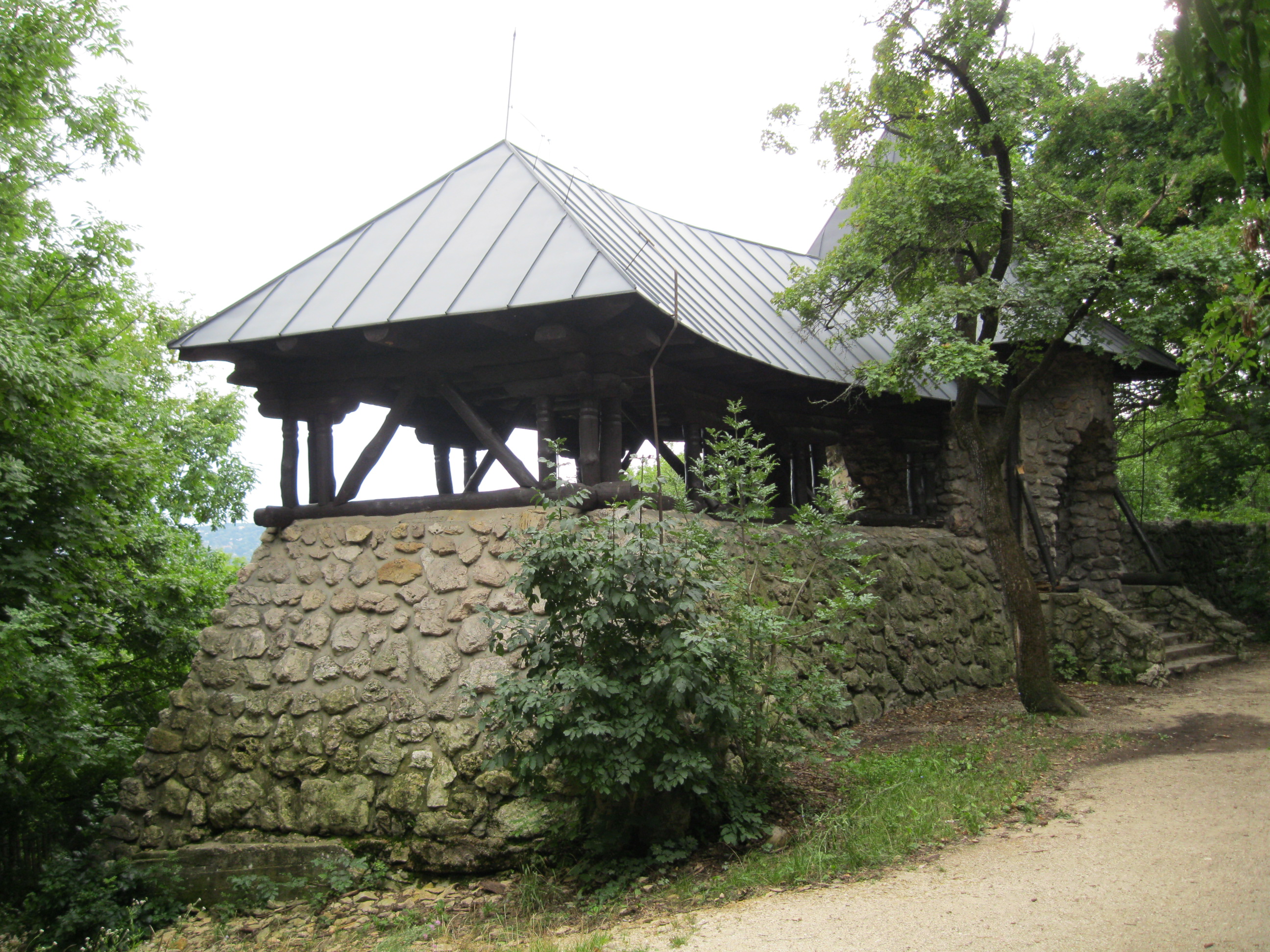
Introduction
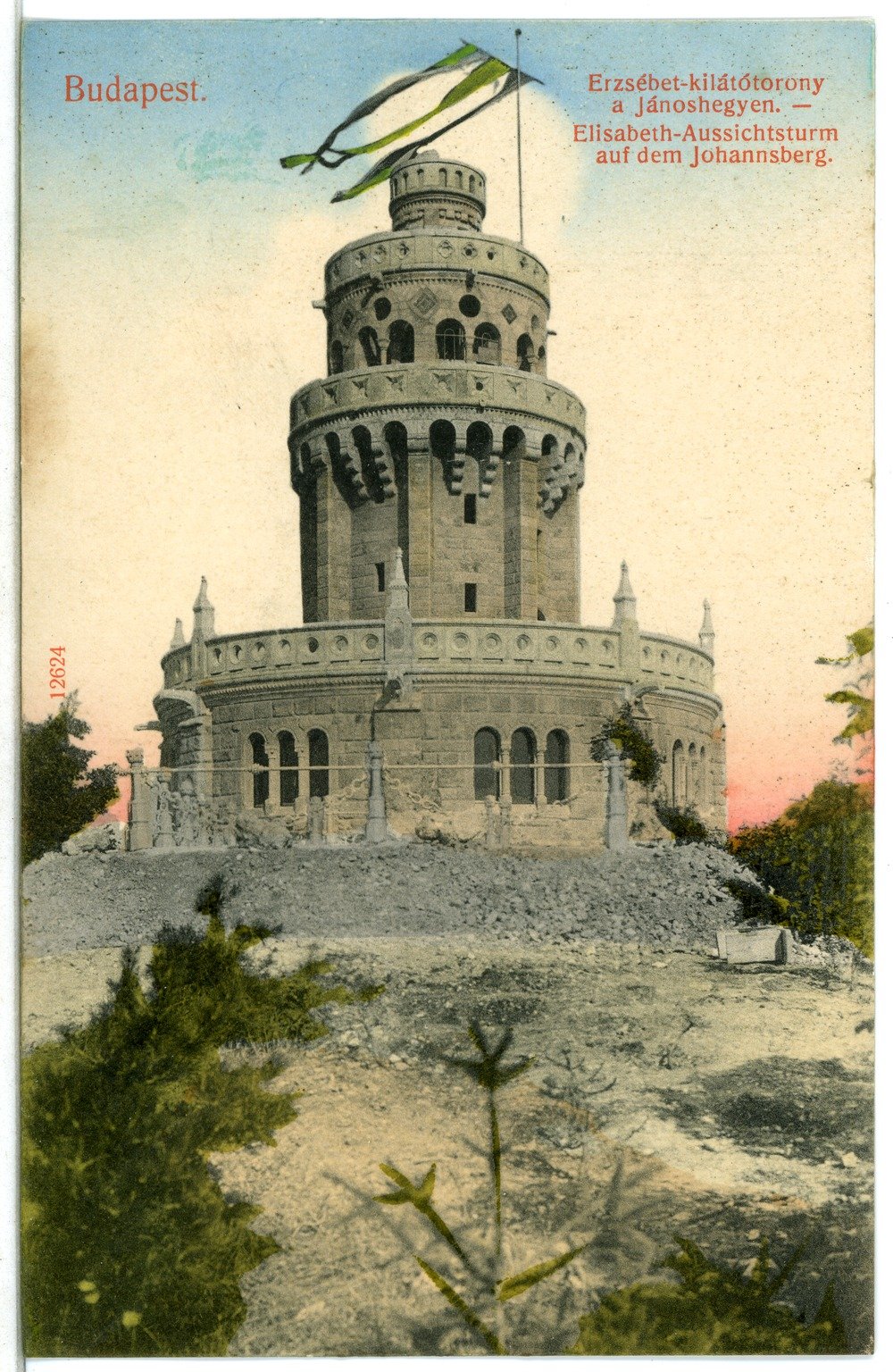
Árpád-kilátó, a historical lookout tower nestled in the picturesque Buda Hills of Budapest, Hungary, embodies the country's rich cultural heritage and architectural ingenuity. Built in 1929, the tower was designed by the renowned Hungarian architect Károly Kós, a key figure in the Hungarian Secession style, which blends Art Nouveau with traditional Hungarian motifs (Hungarian Architecture). Named after Árpád, the leader of the Hungarian tribes, the tower was part of a nationalistic movement to celebrate Hungary's heritage and promote outdoor activities in the Buda Hills.
Árpád-kilátó is not only a symbol of national pride but also a popular destination for hikers and nature enthusiasts. Its design features traditional Hungarian folk art elements, seamlessly blending with modernist principles, and offers breathtaking panoramic views of Budapest and the Danube River. Constructed during a time of significant political and social change, following World War I and the Treaty of Trianon, the tower played a role in fostering national pride and resilience (Treaty of Trianon).
This guide provides comprehensive information on Árpád-kilátó, including its historical background, visitor information, travel tips, nearby attractions, and more. Whether you are a history buff, nature enthusiast, or casual traveler, Árpád-kilátó offers a unique opportunity to explore Hungary's cultural and natural beauty.
Historical Background
Origins and Construction
Árpád-kilátó was designed by Károly Kós, a renowned Hungarian architect known for his contributions to the Hungarian Secession style, characterized by its unique blend of Art Nouveau and traditional Hungarian motifs (Hungarian Architecture). Named after Árpád, the leader of the Hungarian tribes, the tower was part of a nationalistic movement to celebrate Hungary's heritage. Its construction aimed to promote outdoor activities and tourism in the Buda Hills.
Architectural Significance
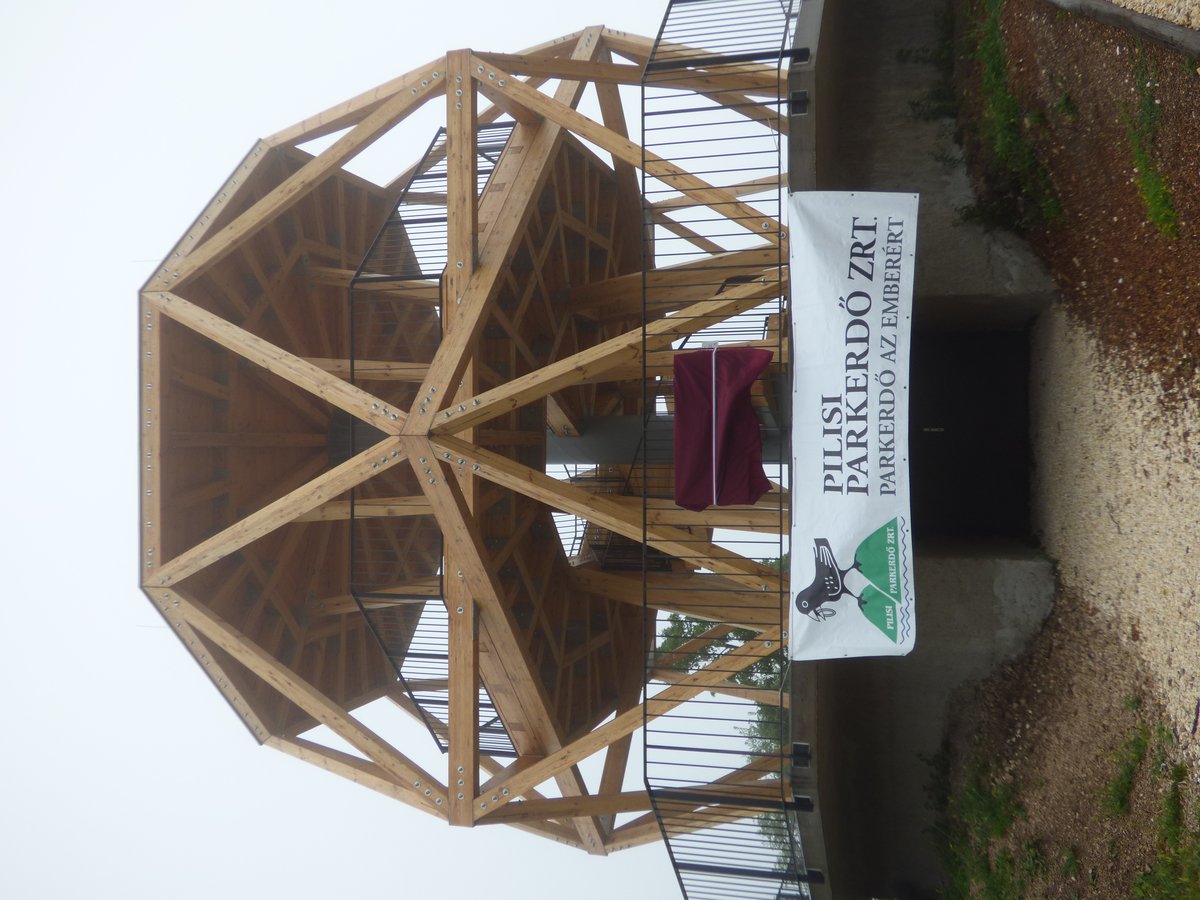
The tower's design features traditional Hungarian folk art elements, seamlessly blending them with modernist principles. Constructed primarily from stone and wood, Árpád-kilátó harmonizes with its natural surroundings. Intricate carvings and motifs inspired by Hungarian folklore adorn the structure, reinforcing the cultural narrative it embodies.
Historical Context
Built during a period of significant political and social change, Árpád-kilátó was part of efforts to foster national pride following World War I and the Treaty of Trianon (Treaty of Trianon). The tower quickly became a popular destination for hikers and nature enthusiasts, contributing to the area's reputation as a haven for outdoor activities.
Wartime and Post-War Period
During World War II, Árpád-kilátó survived relatively unscathed due to its remote location. Post-war renovations preserved its structural integrity and historical features, ensuring its status as a beloved landmark symbolizing continuity and resilience (Hungarian History).
Visitor Information
Tickets and Admission
Admission to Árpád-kilátó is free of charge, making it an accessible destination for all visitors. However, special events or guided tours may have associated fees. It is recommended to check the official Budapest Tourism website for the latest information on ticket prices and availability.
Visiting Hours
Árpád-kilátó is open daily from 8:00 AM to 8:00 PM. These hours may vary during holidays or special events, so visitors should verify the current schedule before planning their trip.
Travel Tips
To reach Árpád-kilátó, visitors can take public transportation to the Buda Hills, followed by a scenic hike. Comfortable walking shoes and weather-appropriate clothing are recommended. Bringing water and snacks is advisable, as there are limited facilities near the tower.
Nearby Attractions
While visiting Árpád-kilátó, tourists can explore other historical sites in Budapest, such as the Buda Castle, Fisherman's Bastion, and Matthias Church. The nearby János Hill and Normafa offer additional hiking and recreational opportunities.
Special Events and Guided Tours
Árpád-kilátó hosts various cultural events and guided tours throughout the year. These activities provide deeper insights into the tower's historical and architectural significance. Check the official website or local tourism boards for details on upcoming events.
Accessibility
Árpád-kilátó is accessible to visitors of all ages. However, the hike to the tower may be challenging for those with mobility issues. Efforts are ongoing to improve accessibility, including the potential installation of ramps and other aids.
FAQ
Q: What are the visiting hours for Árpád-kilátó?
A: The tower is open daily from 8:00 AM to 8:00 PM.
Q: Is there an admission fee for Árpád-kilátó?
A: Admission is free, but special events or guided tours may require a fee.
Q: How can I reach Árpád-kilátó?
A: Take public transportation to the Buda Hills, followed by a hike to the tower.
Listen to the full story in the app
Your Personal Curator, in Your Pocket.
Audio guides for 1,100+ cities across 96 countries. History, stories, and local insight — offline ready.
Audiala App
Available on iOS & Android
Join 50k+ Curators
Sources
- verified
- verified
- verified
- verified
- verified
- verified
- verified
- verified
- verified
- verified
- verified
- verified
- verified
- verified
- verified
- verified
- verified
Last reviewed: