Budapest.

47° N · 19° E Hungary

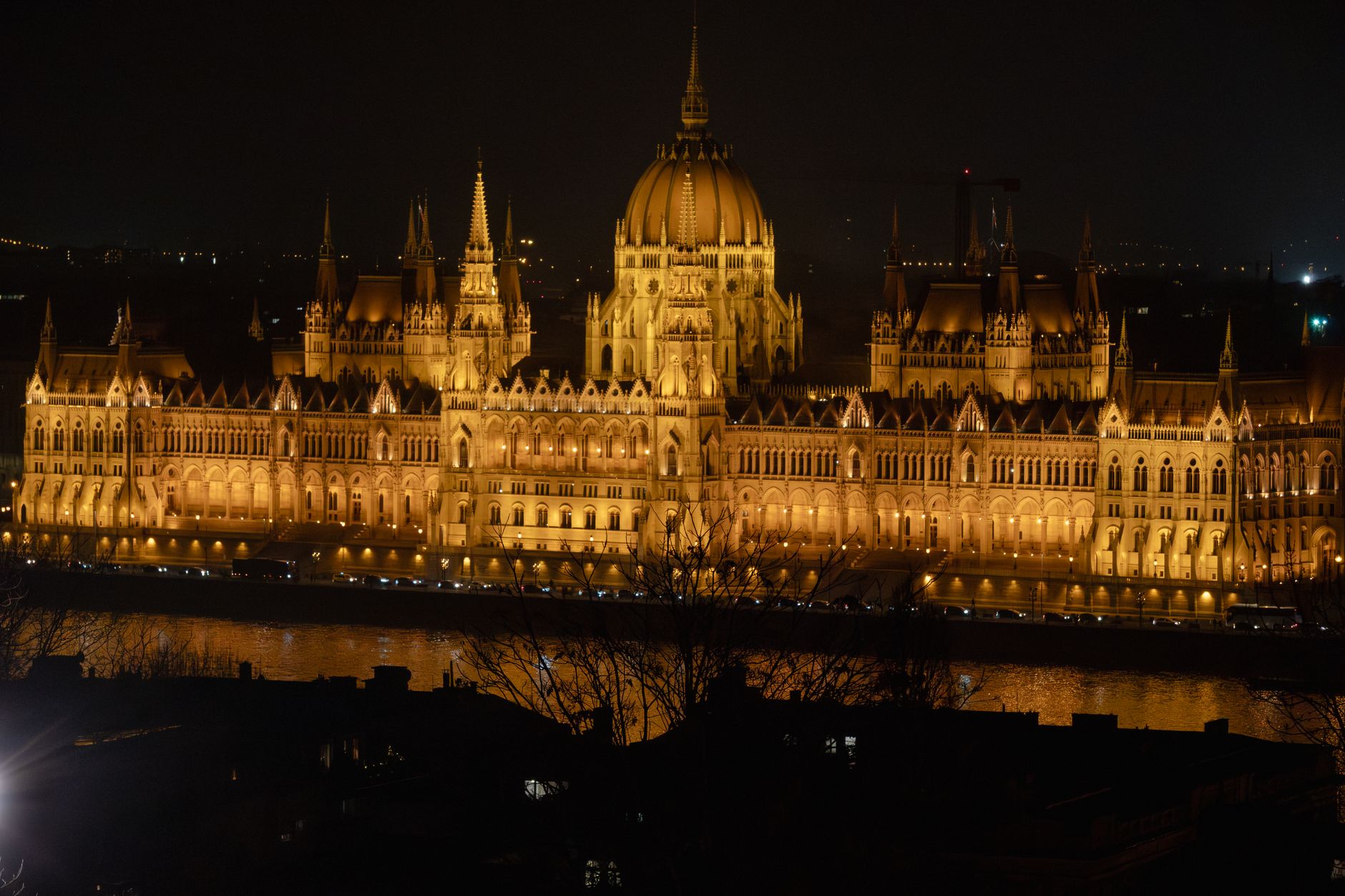
The first time you stand on the Chain Bridge at dusk, the Danube smells of wet stone and diesel while 250 meters of Neo-Gothic Parliament glows like a fairy-tale hallucination across the water. Budapest refuses to behave like other European capitals. One bank feels like a medieval hill town that survived Ottoman sieges; the other marches along an avenue built for an empire that no longer exists.

Listen to audio guide — 47 min Open the map
Budapest, Hungary
Budapest · Hungary
18
attractions
4-5 days
days suggested
Spring (April-May) or Autumn (September-October)
best season
EN · EN
narration

03 Top tickets in Budapest.

Book ahead

Curated from places in this city. Same price as official sites.

Budapest City Landmarks Walking Tour in 2 Hours
Shoes On The Danube Bank
Budapest City Landmarks Walking Tour in 2 Hours
4.9 from €3
Budapest Historical Sightseeing - Free Walking Tour
Shoes On The Danube Bank
Budapest Historical Sightseeing - Free Walking Tour
4.8 from €3
Budapest Highlights️ Live Guided Segway Tour
Citadella
Budapest Highlights️ Live Guided Segway Tour
4.9 from €40.05
Buda Castle District Dark History, Legends and Vampire Night Tour
Buda Castle
Buda Castle District Dark History, Legends and Vampire Night Tour
4.6 from €17
Budapest Highlights Bike Tour
Heroes' Square
Budapest Highlights Bike Tour
4.8 from €33
Budapest: 1-Hour Highlights Cruise with Welcome Drink
Buda Castle
Budapest: 1-Hour Highlights Cruise with Welcome Drink
4.1 from €15.50

Prices shown are indicative — final pricing and availability are confirmed at checkout. Audiala may receive a commission from bookings made via these links.

01 An introduction

synthesized from 240+ sources ·

BThe first time you stand on the Chain Bridge at dusk, the Danube smells of wet stone and diesel while 250 meters of Neo-Gothic Parliament glows like a fairy-tale hallucination across the water. Budapest refuses to behave like other European capitals. One bank feels like a medieval hill town that survived Ottoman sieges; the other marches along an avenue built for an empire that no longer exists.

The city sits on 120 thermal springs. You can soak in a neo-Baroque palace while it snows, then walk past bullet holes still visible from 1956. This is where Ödön Lechner stitched Hungarian folk motifs onto Art Nouveau roofs using Zsolnay tiles that change color with the light. Where the largest synagogue in Europe stands three blocks from the birthplace of the ruin pub.

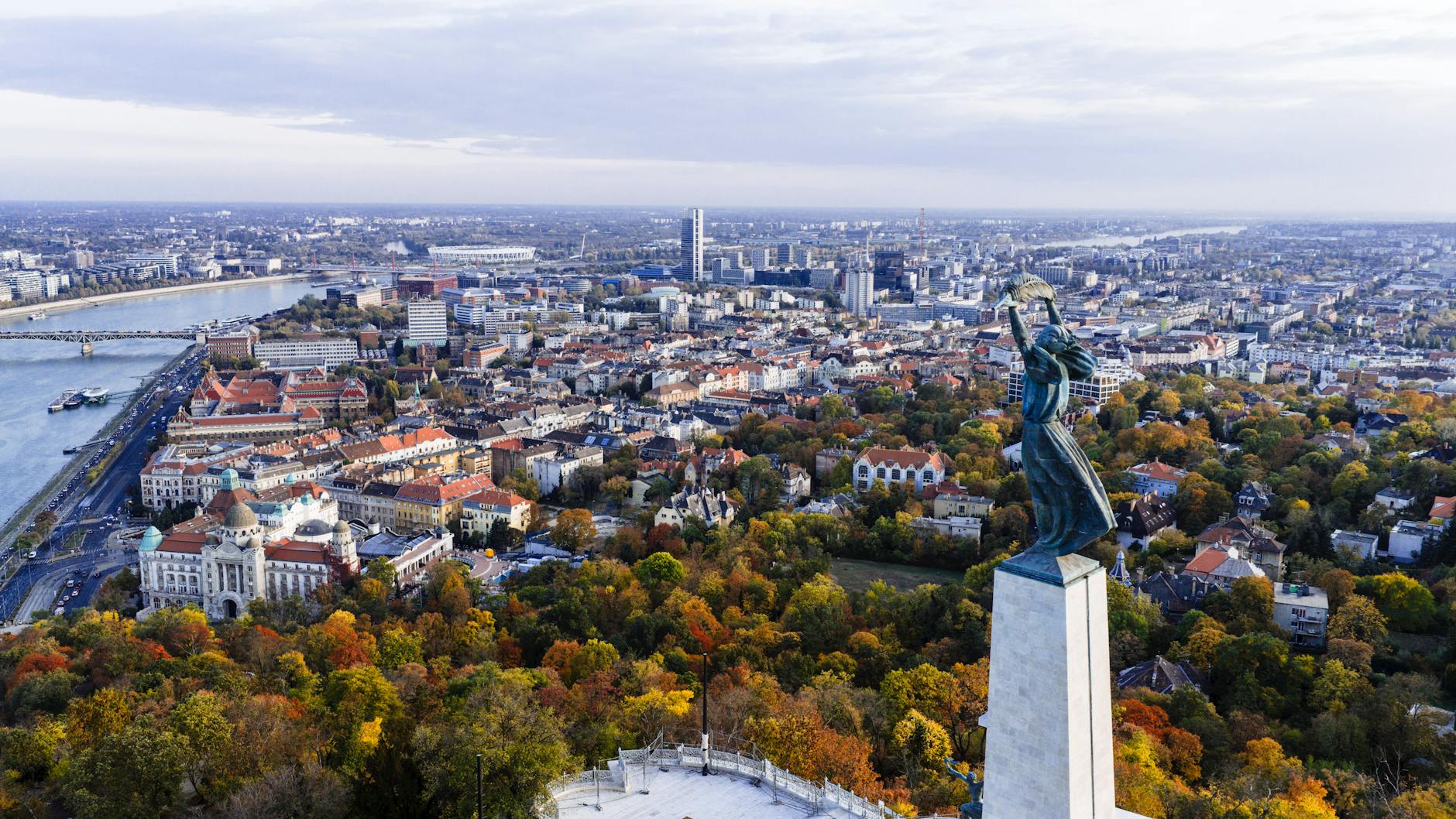
UNESCO listed the place in 1987 not for a single monument but for two entirely different cities that learned to share one river. Buda climbs. Pest stretches. Between them the Danube carries cargo barges past the Shoes memorial at dawn when the light is thin and merciless.

Photography Hotspot Budget Friendly

02 Why Budapest.

What makes this place worth slowing down for.

Danube Duality

The river splits two cities that still feel distinct. Buda climbs in medieval lanes and Baroque staircases while Pest spreads in grand 19th-century boulevards. Stand on the Chain Bridge at dusk and watch the Parliament glow gold against the hill; the contrast explains more about Hungary than most museums.

Thermal City

Over 100 natural hot springs surface here. Széchenyi’s neo-Baroque halls echo with chess players slapping clocks in 38 °C water even when snow falls. The smell of sulphur, the steam rising into winter air, the 19th-century tiles — this is Budapest’s true living tradition.

Secession Architecture

Ödön Lechner fused Hungarian folk patterns with Ottoman and Indian shapes nobody else dared combine. Look up at the Museum of Applied Arts’ green-and-yellow Zsolnay roof or the bee-hive details on the old Post Office Savings Bank. The city quietly holds one of Europe’s richest Art Nouveau collections.

Ruin Bars & Nightlife

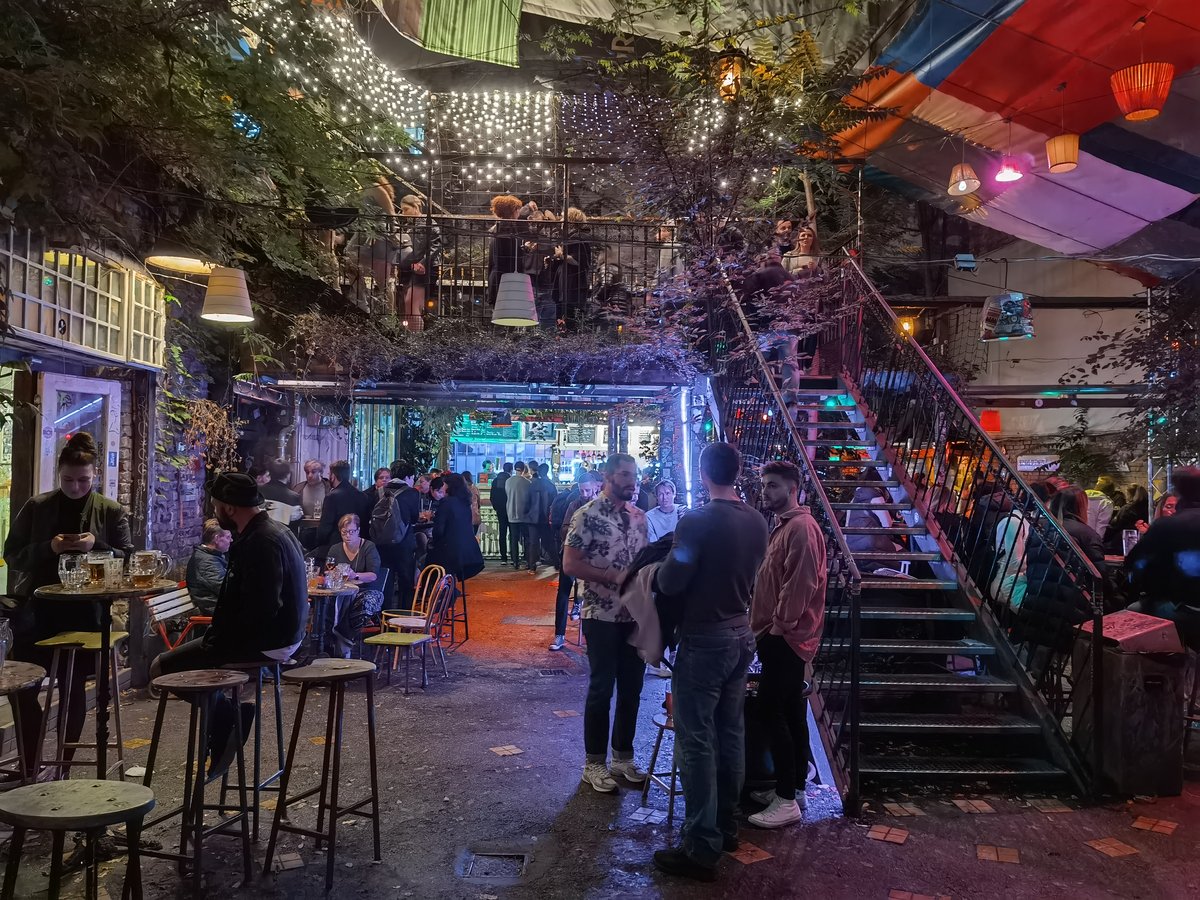
District 7’s crumbling Jewish-quarter courtyards became the world’s most atmospheric drinking scene. Szimpla Kert still mixes cheap local wine with Soviet memorabilia and fairy lights. The echo of conversations off peeling plaster changes how you see the 20th century.


03 Places to Visit.

Not every monument, just the ones we'd walk you past ourselves.

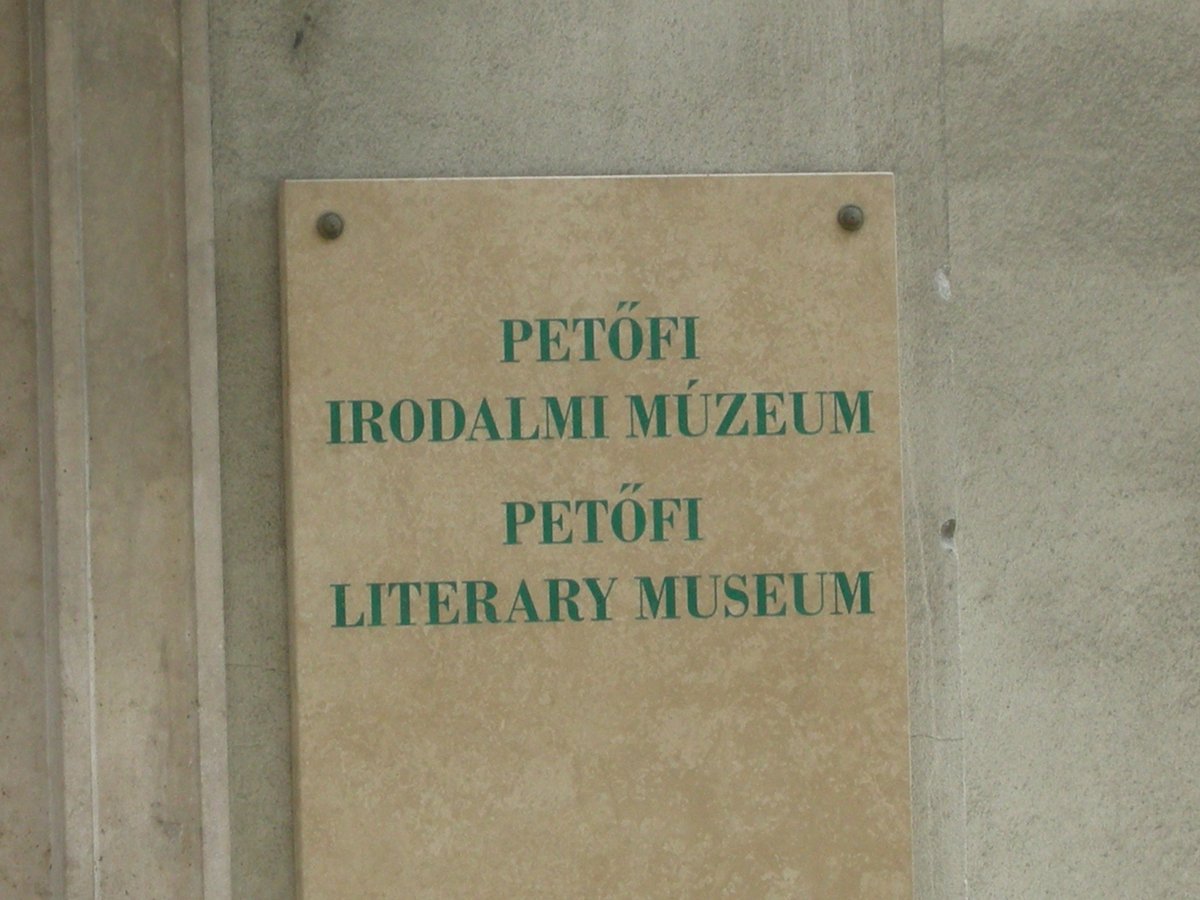
Petőfi Literary Museum
Editor's pick
01 · Place

Petőfi Literary Museum

The Petőfi Literary Museum (Petőfi Irodalmi Múzeum, PIM), situated in the heart of Budapest, stands as a distinguished cultural institution dedicated to…

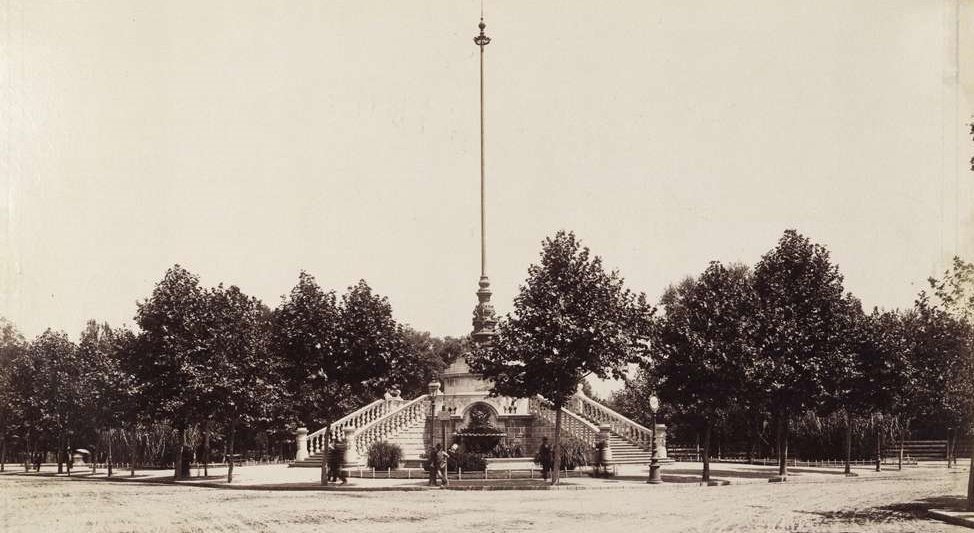
Heroes' Square
02 Place

Heroes' Square

Hősök tere, or Heroes' Square, stands as one of Budapest's most iconic and historically significant landmarks.

03 Place

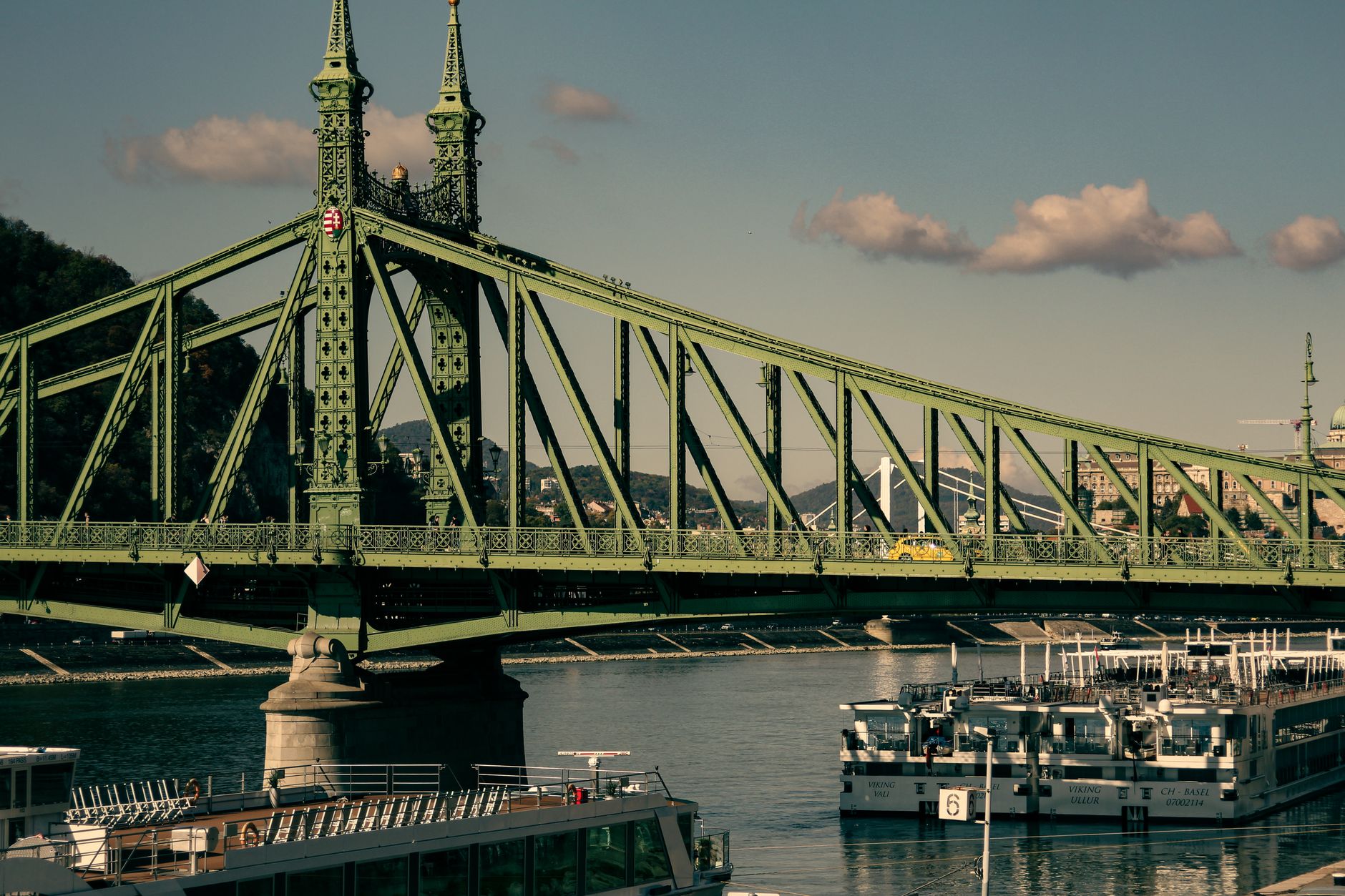
Széchenyi Chain Bridge

The Széchenyi Chain Bridge stands as one of Budapest’s most iconic landmarks, embodying the city’s unity, resilience, and architectural grandeur.

04 Place

Hungarian Theatre Museum and Institute

Nestled in the vibrant heart of Budapest, the Hungarian Theatre Museum and Institute (Országos Színháztörténeti Múzeum és Intézet, OSZMI) stands as a premier…

Buda Castle
05 Place

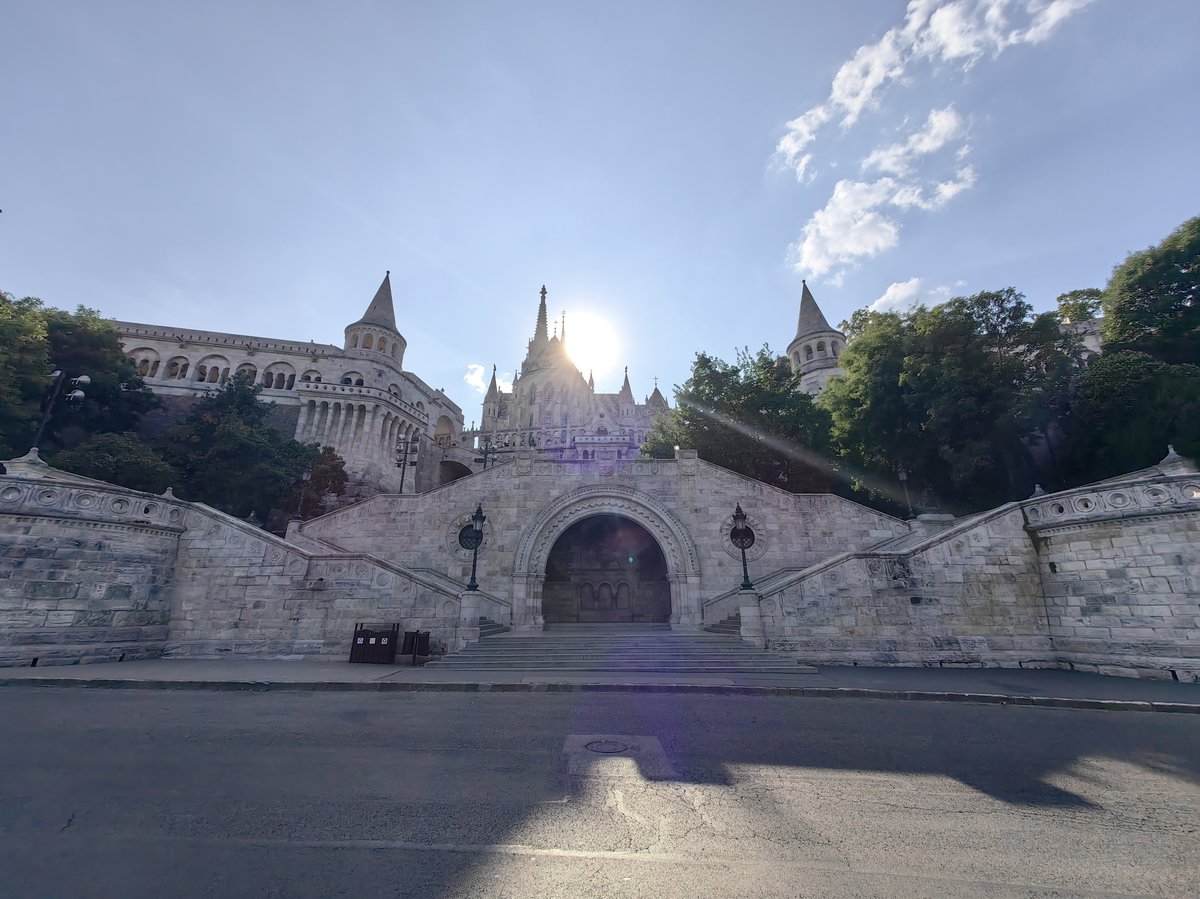
Buda Castle

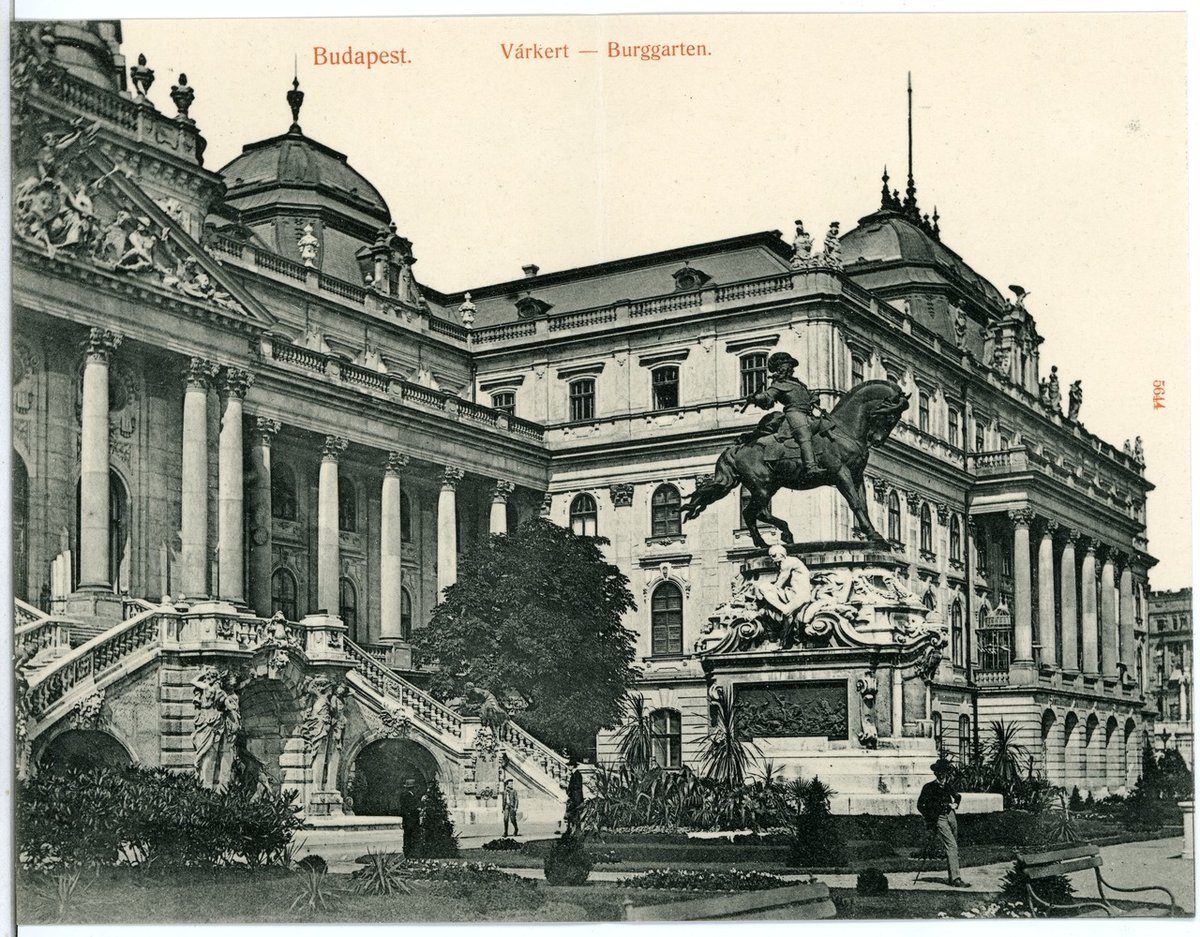
Budavári Palota, more commonly known as Buda Castle, is an architectural and historical gem situated in Budapest, Hungary.

Hungarian National Museum
06 Place

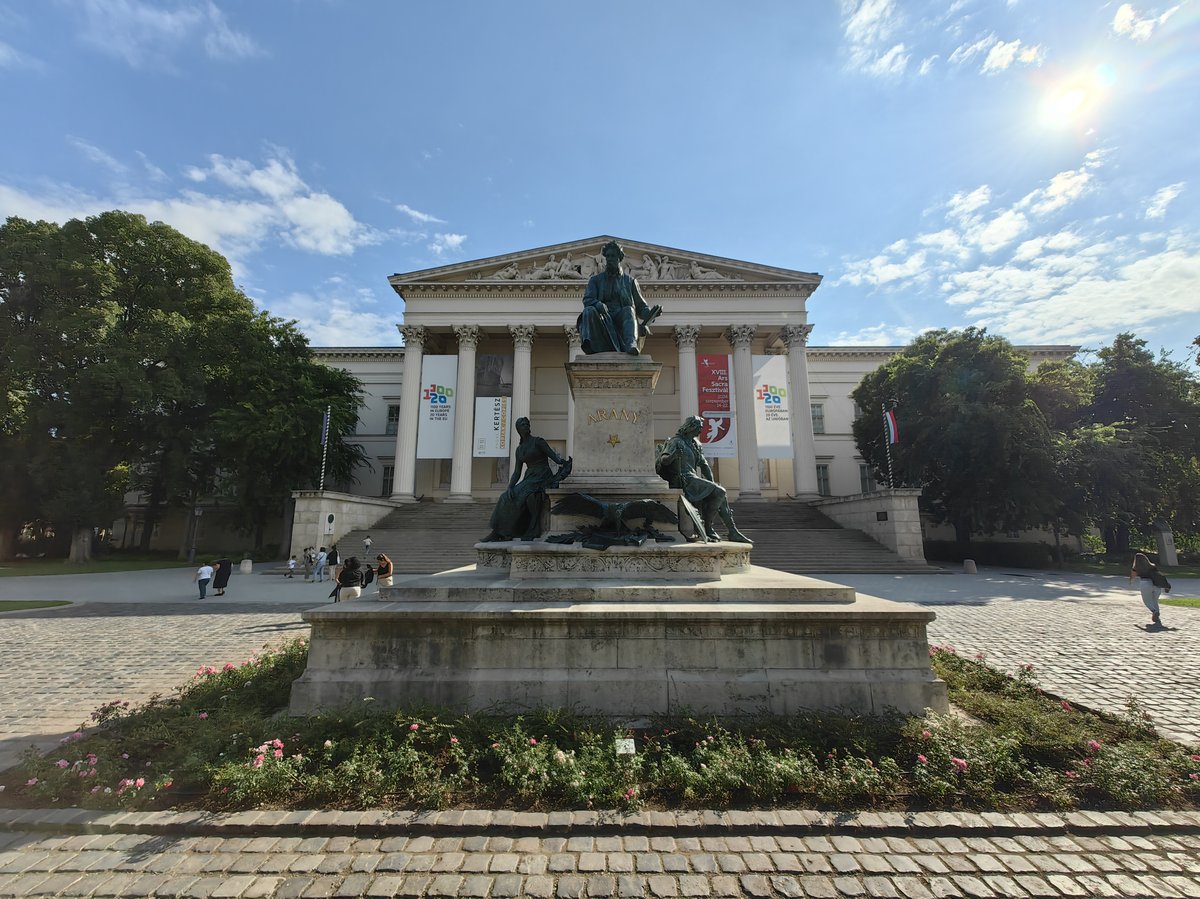
Hungarian National Museum

The Hungarian National Museum (Magyar Nemzeti Múzeum), located in the heart of Budapest, stands as a towering emblem of Hungary’s rich cultural and historical…

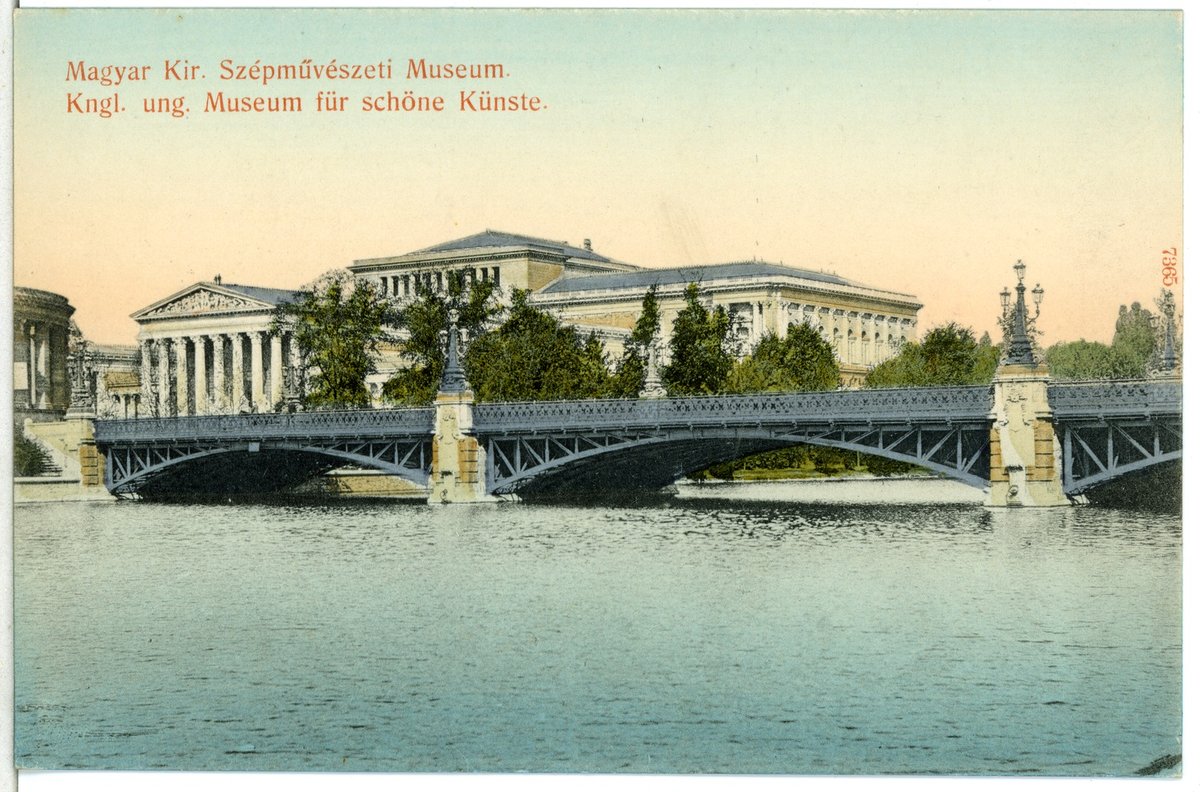
Museum of Fine Arts, Budapest
07 Place

Museum of Fine Arts, Budapest

Nestled in the vibrant heart of Hungary’s capital city, the Museum of Fine Arts Budapest (Szépművészeti Múzeum) stands as a premier cultural landmark offering…

All 409 places in Budapest

04 Neighborhoods.

Where to wander, by quarter — each with its own rhythm.

01

Castle Hill (District I)

Winding cobblestone lanes on Várhegy go quiet after 5pm once the tour buses leave. Matthias Church wears a roof of multicolored Zsolnay tiles that have survived seven centuries of coronations and sieges. Fisherman's Bastion delivers the money shot of Pest at sunset, but the real pleasure is getting lost in the Baroque backstreets where the light falls sideways across 300-year-old facades.

02

Jewish Quarter (District VII)

Europe's largest surviving Ashkenazi community still calls Erzsébetváros home. The area reinvented itself as the ruin pub district after the Iron Curtain fell, turning bombed-out buildings into Szimpla Kert and its chaotic offspring. By day the Great Synagogue on Dohány utca dominates; by night the courtyards fill with mismatched furniture and the smell of grilled meat from Mazel Tov.

03

Andrássy Avenue (District VI)

This 2.5-kilometer UNESCO-listed spine runs from St. Stephen's Basilica to Heroes' Square like a 19th-century architectural thesis. Halfway along sits the Hungarian State Opera House, heavily subsidized so tickets cost less than most Viennese beers. The side streets hide Art Nouveau masterpieces most visitors never notice.

04

Belváros-Lipótváros (District V)

The downtown core contains the Parliament, Chain Bridge, and enough neoclassical banks to bankrupt a small nation. Vigadó Square holds the Little Princess statue and river views worth the tram fare. Come at opening time to the Central Market Hall on Vámház körút for paprika that doesn't taste like tourist dust.

05

Víziváros

The underrated strip between Castle Hill and the Danube rarely makes the postcards. Narrow streets, baroque churches, and fewer crowds than its hilltop neighbor. The locals know this is where you find the best early evening light on the Buda side.

06

Újlipótváros (District XIII)

North of the Grand Boulevard, this residential quarter feels like the Budapest that actually lives here. Quiet cafes, excellent local restaurants, and the northern end of Margaret Island within easy reach. The opposite of ruin-bar chaos.

07

Ferencváros (District IX)

The old working district around Ráday utca has become the city's current restaurant row without losing its edge. The new National Museum sits at one end, the Palace of Arts at the other. Gentrification is happening, but the bones remain gloriously stubborn.

08

Józsefváros (District VIII)

The city's most layered quarter. Once gritty, now studded with the Metropolitan Ervin Szabó Library whose fourth-floor ballroom makes you forget you're in a public reading room. Still carries an edge that the Jewish Quarter traded away years ago.

Historical Timeline

A City Forged by Conquest and Rebirth

From Roman baths to Soviet scars, the Danube has seen it all

Roman Period
35 BCE

Romans Claim the Thermal Springs

Roman legions moved into the Celtic settlement without a fight. They named the place Aquincum, meaning "abundant in water." Within decades they built the first public baths over the mineral springs. The smell of sulfur still rises from the same sources today.

Migration Period
376 CE

Huns Sack Aquincum

The Huns swept in and ended 400 years of Roman order. Legend says Attila later built his own city on these ruins. The thermal springs kept flowing regardless. Stone walls cracked, but the water never stopped.

Magyar Conquest
896

Magyars Arrive Under Árpád

Árpád led seven tribes into the Carpathian Basin and chose the ruins of Aquincum as their new home. They called the area Pest, possibly after the Slavic word for kiln, referencing the warm springs. The conquerors settled on both banks of the Danube.

Early Hungarian Kingdom
1000

Stephen I Crowned

Stephen received his crown from the Pope and turned the Magyars into a Christian kingdom. Buda and Pest remained modest villages while the royal court sat elsewhere. Yet the seeds of a future capital were planted on these hills.

Medieval Kingdom
1241

Mongols Destroy Buda and Pest

The Mongol horsemen burned everything. Crops, houses, people. Famine followed. When the khan died suddenly the invaders rode east, leaving two smoking ruins beside the Danube. The silence after the hoofbeats must have been deafening.

1248

Béla IV Builds New Castle

King Béla IV raised a fortress on Castle Hill to prevent another disaster. He granted Buda royal free-city status. Stone by stone the town rose again. The walls he built still define the silhouette visitors photograph today.

1361

Buda Becomes Official Capital

The royal court finally settled permanently on Castle Hill. Gothic palaces expanded. Foreign kings arriving from Anjou and Luxembourg poured money into the city. For the first time both banks felt like one ambitious capital.

Renaissance Golden Age
1458

Matthias Corvinus Elected King

Nobles chose the young Hunyadi prince while standing on the frozen Danube. Matthias turned Buda into Renaissance Europe's shining center. He collected 2,000 illuminated manuscripts and hosted artists from Italy. The palace rang with humanist debates until his death in 1490.

Ottoman Period
1526

Ottomans Seize Buda

After the catastrophe at Mohács, Suleiman the Magnificent took the city. His troops looted and burned what Matthias had built. Pest emptied. The minarets and domed baths that rose next changed the skyline for 145 years.

1550

Rudas Baths Constructed

Turkish engineers channeled the same thermal springs the Romans once used. The Rudas Baths opened with their distinctive Ottoman cupola. Steam still rises under that same dome today. Some traditions refuse to die.

Habsburg Era
1686

Habsburgs Recapture Buda

After a brutal two-month siege the Habsburg army stormed the castle on 2 September. Both towns were left in ruins once again. The 145-year Ottoman chapter ended in smoke and rubble. Reconstruction would take decades.

1777

University Moves to Buda

Empress Maria Theresa relocated the university from Nagyszombat to Castle Hill. Professors and students flooded in. Hungarian intellectual life suddenly had a prestigious home. The move planted seeds that would later fuel reform and revolution.

1818

Ignaz Semmelweis Born

The man who would discover that hand-washing saves lives entered the world in Tabán district. His later work in Vienna was ignored, but Budapest still claims him fiercely. The smell of carbolic acid in maternity wards everywhere owes something to this city.

Reform and Revolution
1848

Hungarian Revolution Erupts

On 15 March crowds gathered in Pest demanding independence from Habsburg rule. Lajos Kossuth's words ignited the streets. The revolution was crushed within a year, but the desire for self-rule never left the city.

1849

Chain Bridge Opens

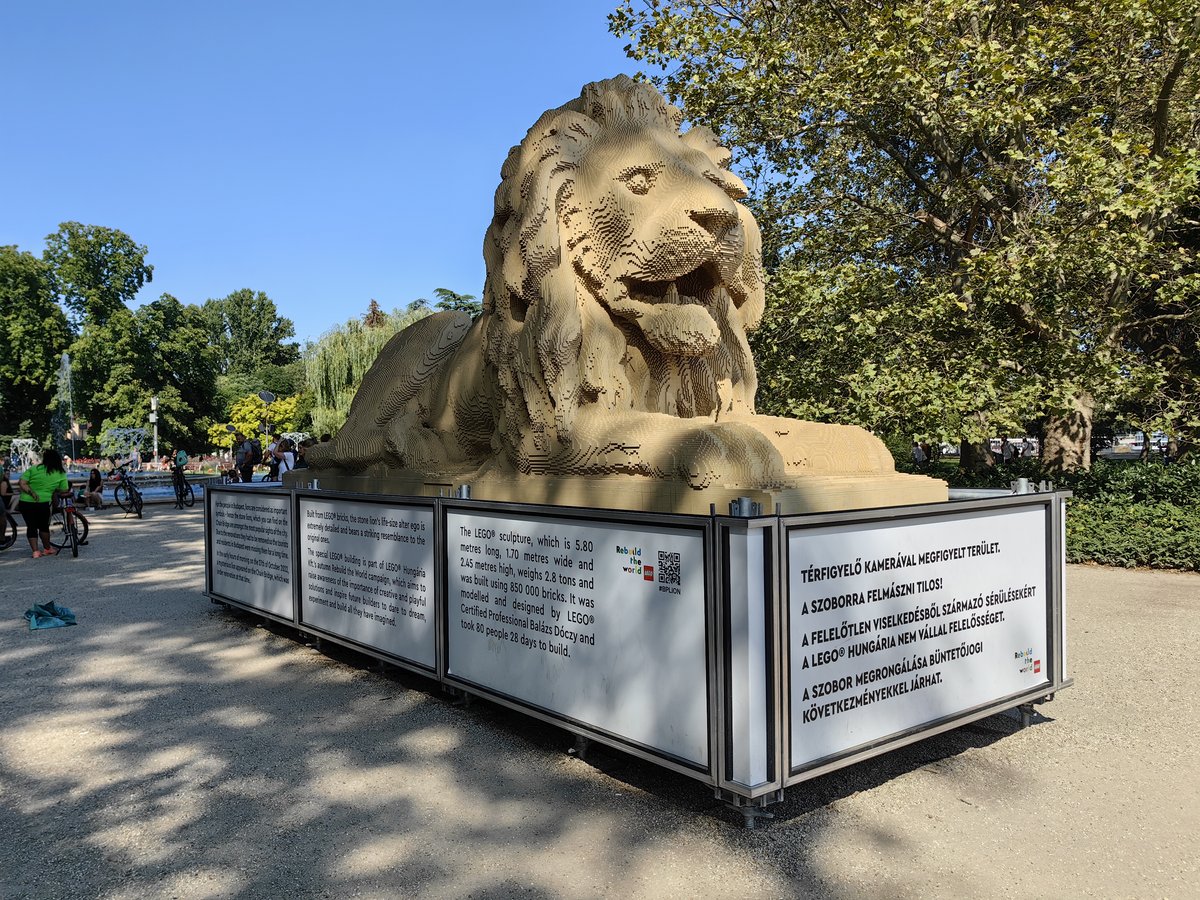
The first permanent bridge across the Danube was completed. Designed by William Tierney Clark and built by Adam Clark, its neoclassical lions still guard each end. For the first time Buda and Pest felt physically joined. The bridge became a symbol before the city even had that name.

Austro-Hungarian Golden Age
1873

Buda, Pest and Óbuda Unite

The three towns formally became one city called Budapest. Andrássy Avenue was carved through the Pest side. Europe's second metro line began construction. Within decades the city transformed into the Austro-Hungarian Empire's glittering second capital.

1874

Harry Houdini Born

Erich Weisz came into the world on the Pest side before his family emigrated when he was four. The future escape artist learned his first tricks on these streets. Budapest still quietly claims the man who could slip any handcuff the world invented.

1896

Millennium Celebrations

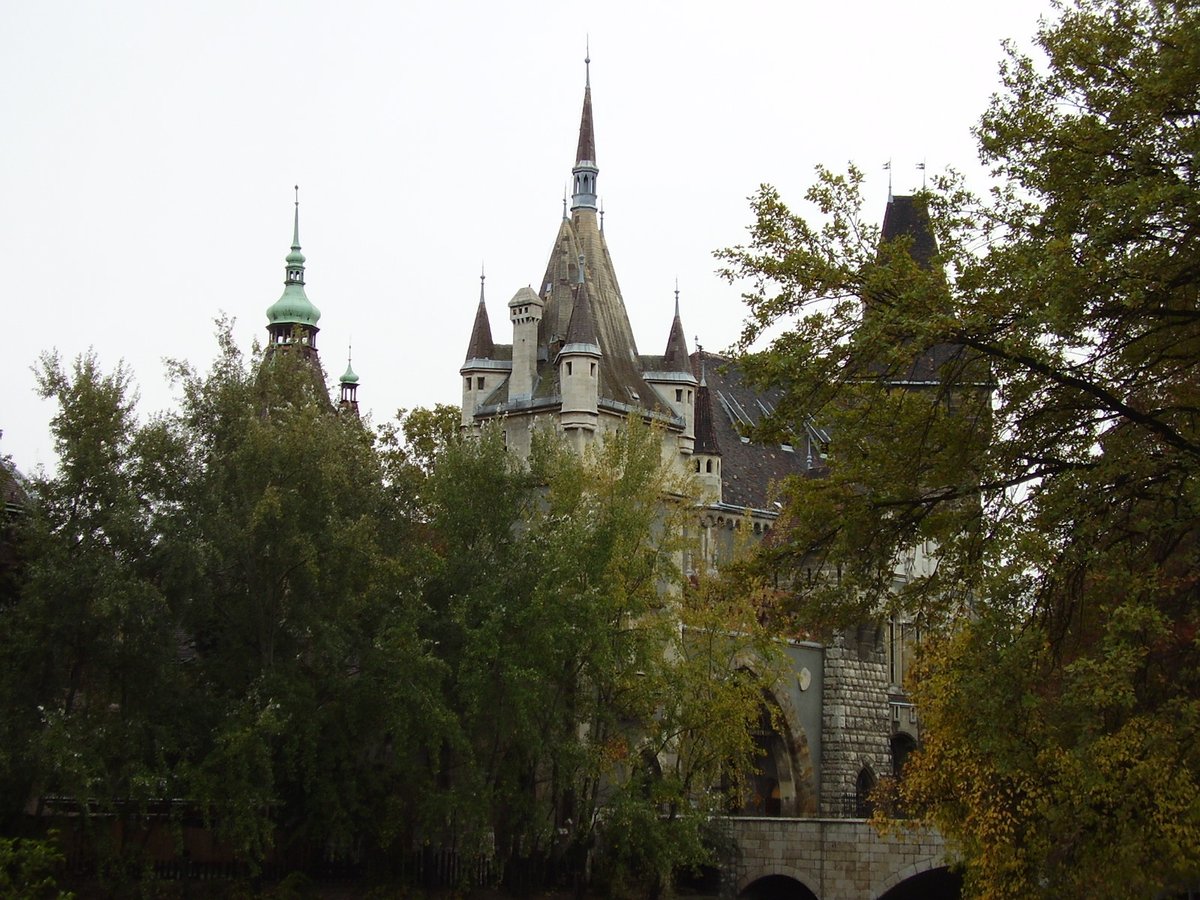
Exactly one thousand years after the Magyar conquest, Heroes' Square and Vajdahunyad Castle rose in City Park. The continent's first underground railway opened. Electric lights replaced gas lamps. Budapest showed the world it had arrived.

1902

Parliament Building Completed

The Neo-Gothic colossus stretches 250 meters along the Danube. Its 691 rooms and 10 courtyards required 40 million bricks. The Holy Crown found its permanent home inside. Even empty, the building feels like it is still making speeches.

1903

John von Neumann Born

The boy who would revolutionize mathematics, computing, and game theory was born in a elegant apartment near the City Park. Budapest's golden age produced an astonishing cluster of geniuses. Neumann may have been the most extraordinary of them all.

Interwar Period
1920

Trianon Mutilates Hungary

The Treaty of Trianon stripped Hungary of two-thirds of its territory. Budapest suddenly became an oversized capital for a shrunken nation. The shock and resentment that followed would echo through the rest of the century.

1927

Ferenc Puskás Born

The greatest footballer Hungary ever produced first kicked a ball on the streets of Kispest. His "Galloping Major" led the Mighty Magyars who beat England 6-3 at Wembley in 1953. Even today, older fans still speak his name with something close to reverence.

World War II
1945

Siege of Budapest Ends

Soviet forces captured the city after 102 days of brutal fighting. Every bridge lay destroyed in the Danube. Nearly 40,000 civilians had died. The shoes left on the riverbank still mark where Arrow Cross militiamen executed Jews in the final weeks.

Communist Era
1956

Revolution Against Soviet Rule

In October students and workers rose against their Soviet-backed government. For twelve heady days it seemed freedom might return. Soviet tanks crushed the revolt. Bullet holes from that autumn remain visible on some buildings if you know where to look.

Post-Communist Era
1989

Communism Collapses

The Iron Curtain tore open in Budapest. Thousands of East Germans used the city as their escape route to the West. The Republic of Hungary was declared. What began here helped bring down an entire empire.

2004

Hungary Joins the European Union

Budapest became an official EU capital. New bridges and renovated tram lines followed. The city that spent centuries under foreign rule finally joined a voluntary community of nations. Old wounds did not vanish, but the future looked wider than before.

Present Day

06 Who lived here.
The people who shaped the city — and were shaped by it.

Physician 1818–1865

Ignaz Semmelweis

Born in Budapest

Semmelweis noticed that doctors going straight from autopsies to childbirth wards were killing mothers with invisible contamination. He ordered hand-washing in chlorinated lime and cut mortality from 18% to 2%. Budapest still argues about the statue they finally gave him.

Escape artist 1874–1926

Harry Houdini

Born in Budapest

Erich Weisz left at age four but the city still claims the boy who taught himself to slip out of police restraints. Today street performers on the Danube promenade still fail at tricks he perfected before most of them were born.

Architect 1845–1914

Ödön Lechner

Worked and died in Budapest

Lechner fused Hungarian folk patterns with Indian and Persian motifs, then coated the results in shimmering Zsolnay tiles. Walk past the Museum of Applied Arts and the roof looks like it was designed by a magician who had never seen snow.

Inventor born 1944

Ernő Rubik

Born and worked in Budapest

In a small flat near the Danube, Rubik spent weeks trying to solve the cube he had invented to explain spatial relationships to his students. Budapest still sells more of them per capita than almost anywhere else.
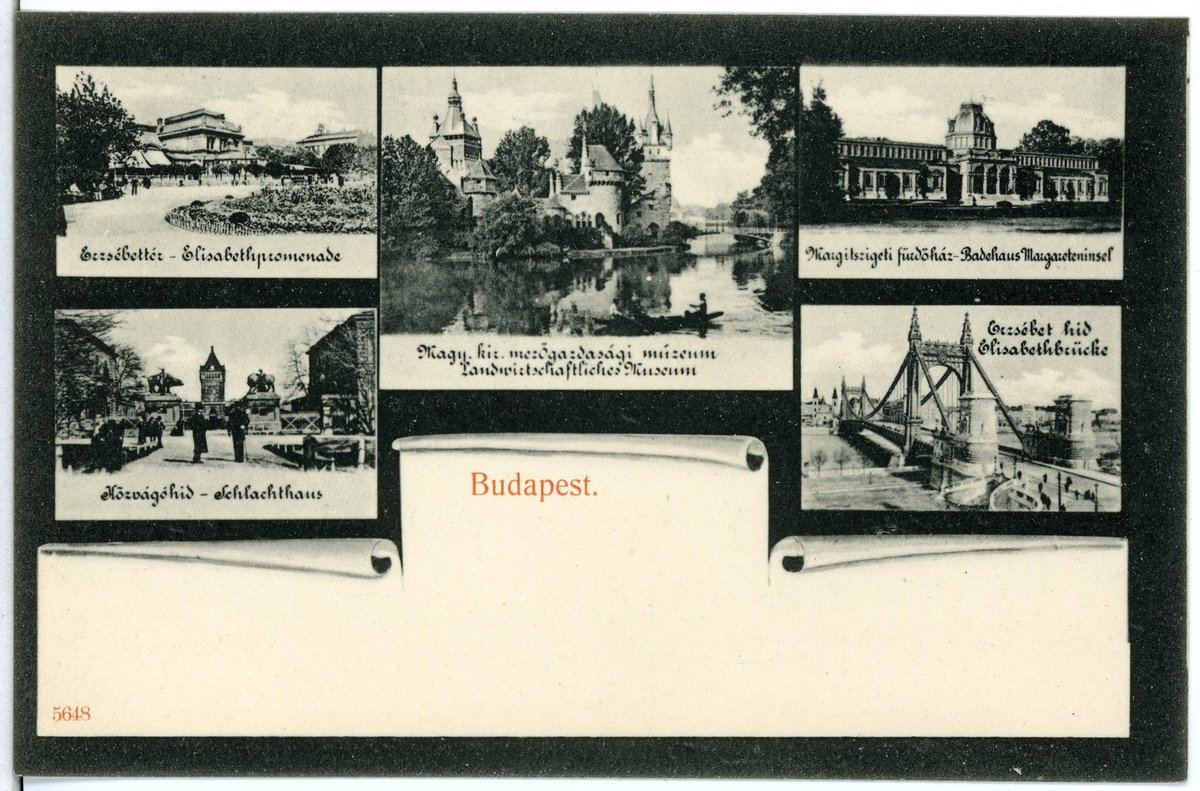
Solar energy pioneer 1900–1995

Mária Telkes

Born in Budapest

The woman they called the Sun Queen left Hungary, built the first solar-heated house in Massachusetts in 1948, and designed a solar still that kept American pilots alive in the Pacific. She never forgot the thermal springs under her childhood city.
08 Where to Eat.

Where locals actually book dinner — not the tourist menus.

Parasztkonyha Restaurant Parasztkonyha Restaurant
Local favorite €€

Parasztkonyha Restaurant

4.8 View
Fat Mama Fat Mama
Local favorite €€

Fat Mama

4.8 View
Retek Bisztro Retek Bisztro
Local favorite €€

Retek Bisztro

4.8 View
Parisi 6 Parisi 6
Local favorite €€

Parisi 6

4.8 View
Aranybástya Aranybástya
Fine dining €€

Aranybástya

4.8 View
Meshuga Meshuga
Local favorite €€

Meshuga

4.8 View

09 Insider tips.

Small things that change how the city treats you.

Visit in September

September brings 23°C days, low rainfall and far fewer crowds than July. The Music Fountain on Margaret Island still performs its 8pm show.

Ride Tram 2

Buy a standard 450 HUF ticket and board Tram 2 along the Pest Danube bank. It passes the illuminated Parliament and Chain Bridge for the price of a coffee.

Skip Airport Exchange

Airport booths offer terrible rates. Withdraw forints from a bank ATM in the city or pay contactless on the 100E bus with your card.

Book Baths Early

Széchenyi gets packed on weekends. Book tickets online and arrive at opening or choose the quieter Gellért with its 1900s Zsolnay tiles.

Watch for Pickpockets

Keep valuables secure on the M3 metro, at Central Market Hall and inside thermal baths. Use the lockers provided.

Try Lángos Fresh

At Great Market Hall order lángos with sour cream and cheese. Eat it hot while watching the stallholders work the dough.

12 Frequently Asked

Is Budapest worth visiting?

Yes. The city sits on 120 thermal springs, holds two distinct UNESCO zones on opposite banks of the Danube, and still has Europe’s largest functioning Jewish quarter. Three days barely scratches the surface.

How many days do you need in Budapest?

Four days works for most people. Two for the Buda side (Castle Hill, Gellért Hill, Hospital in the Rock), two for Pest (Parliament, ruin bars, thermal baths). Five days lets you add a Danube Bend trip.

What is the best way to get from Budapest airport to the city center?

The 100E Airport Express bus runs every 7–20 minutes and reaches Deák tér in 35–50 minutes for 2200 HUF. Bolt ride-hailing costs €19–21 and avoids the hassle of luggage on stairs.

Is Budapest safe for tourists?

Yes by European standards. Watch for pickpockets in Váci utca, on crowded trams and inside baths. Avoid taxis touting inside the airport terminal and bars in District 7 that use aggressive “local friends.”

When is the best time to visit Budapest?

April–May or September–October. Temperatures sit between 17–23°C with manageable crowds. December brings strong Christmas markets at Vörösmarty tér and St. Stephen’s Basilica.

Should I buy the Budapest Card?

Only if you plan to visit at least three paid museums plus unlimited transport. Otherwise a 72-hour travelcard plus individual museum tickets usually works out cheaper.

Ready to book?

03 Top tickets in Budapest.

Book ahead

Curated from places in this city. Same price as official sites.

Budapest City Landmarks Walking Tour in 2 Hours
Shoes On The Danube Bank
Budapest City Landmarks Walking Tour in 2 Hours
4.9 from €3
Budapest Historical Sightseeing - Free Walking Tour
Shoes On The Danube Bank
Budapest Historical Sightseeing - Free Walking Tour
4.8 from €3
Budapest Highlights️ Live Guided Segway Tour
Citadella
Budapest Highlights️ Live Guided Segway Tour
4.9 from €40.05
Buda Castle District Dark History, Legends and Vampire Night Tour
Buda Castle
Buda Castle District Dark History, Legends and Vampire Night Tour
4.6 from €17
Budapest Highlights Bike Tour
Heroes' Square
Budapest Highlights Bike Tour
4.8 from €33
Budapest: 1-Hour Highlights Cruise with Welcome Drink
Buda Castle
Budapest: 1-Hour Highlights Cruise with Welcome Drink
4.1 from €15.50

Prices shown are indicative — final pricing and availability are confirmed at checkout. Audiala may receive a commission from bookings made via these links.

13Before you go

Practical Information

Flight

Getting There

Budapest Ferenc Liszt International Airport (BUD) lies 21 km southeast. The 100E Airport Express bus reaches Deák Ferenc tér in 35–50 minutes for 2,200 HUF. Official Főtaxi costs around 12,500 HUF; Bolt ride-hailing usually lands between 6,800–7,500 HUF. Keleti, Nyugati and Déli stations connect to Vienna, Prague and most Hungarian cities.

Directions transit

Getting Around

BKK runs four metro lines, 30 tram routes and dozens of buses. The M1 Millennium line, opened 1896, remains continental Europe’s oldest electric underground. Tram 2 along the Pest Danube bank ranks among the world’s most scenic rides for the price of a single 450 HUF ticket. Buy 24-hour (1,650 HUF) or 72-hour (4,150 HUF) travelcards; the Budapest Card adds museum entries.

Thermostat

Climate & Best Time

Continental climate brings cold winters (−3 °C average low in January) and warm summers (28 °C highs in July–August). September offers 23 °C days, low rainfall and thinner crowds. April–May works nearly as well. Christmas markets fill Vörösmarty tér and St. Stephen’s Basilica square in December.

Translate

Language & Currency

Hungarian remains the official language and sounds unrelated to anything familiar. English works in tourist zones, hotels and most restaurants; German is still widely understood. Forint (HUF) rules — expect roughly 370 HUF to the euro in 2026. Tell waiters the total including tip; they won’t pick up cash left on the table.

Take Budapest with you

47 minutes of Budapest,
downloaded once.

409 places, one continuous walking route. Free with your first city.

Get this guide on the app Open in browser

All Places to Visit.

409 places to discover

Petőfi Literary Museum
Place

Petőfi Literary Museum

Heroes' Square
Place

Heroes' Square

Place

Széchenyi Chain Bridge

Place

Hungarian Theatre Museum and Institute

Buda Castle
Place

Buda Castle

Hungarian National Museum
Place

Hungarian National Museum

Museum of Fine Arts, Budapest
Place

Museum of Fine Arts, Budapest

Hungarian State Opera House
Place

Hungarian State Opera House

Place

National Theatre

Eugene of Savoy
Place

Eugene of Savoy

Szimpla
Place

Szimpla

Hungarian National Gallery
Place

Hungarian National Gallery

Matthias Church
Place

Matthias Church

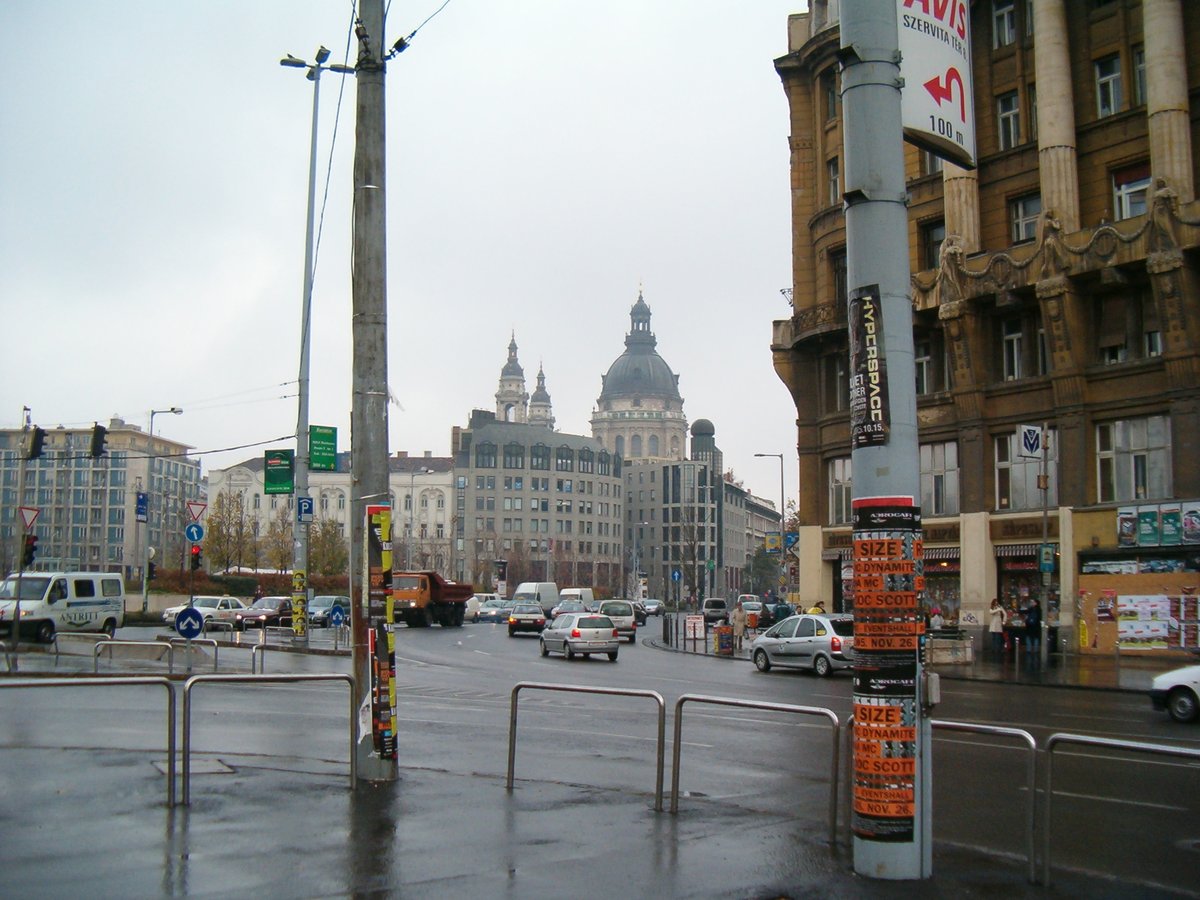
St. Stephen'S Basilica
Place

St. Stephen'S Basilica

St. Stephen'S Basilica
Place

St. Stephen'S Basilica

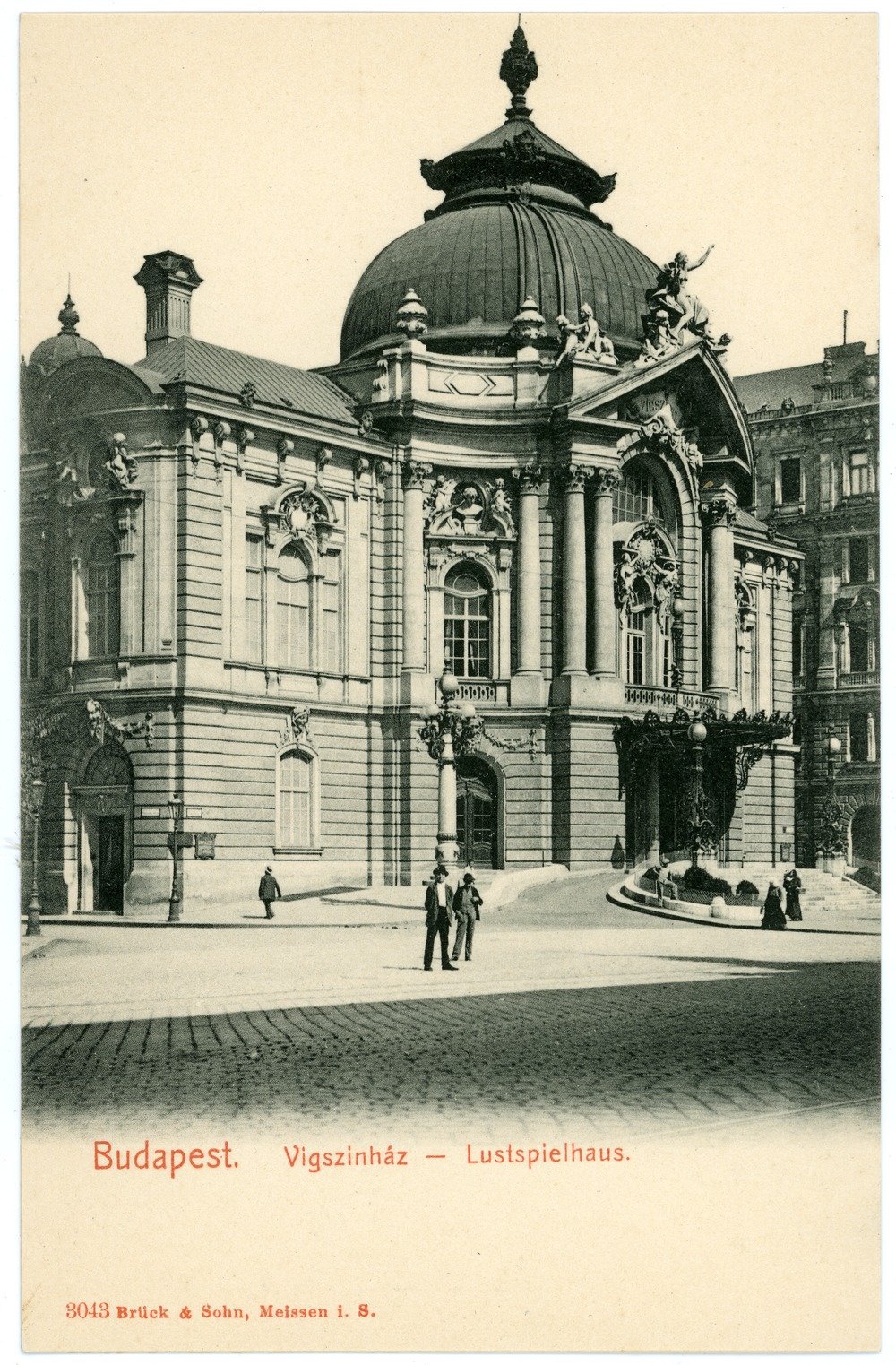
Comedy Theatre of Budapest
Place

Comedy Theatre of Budapest

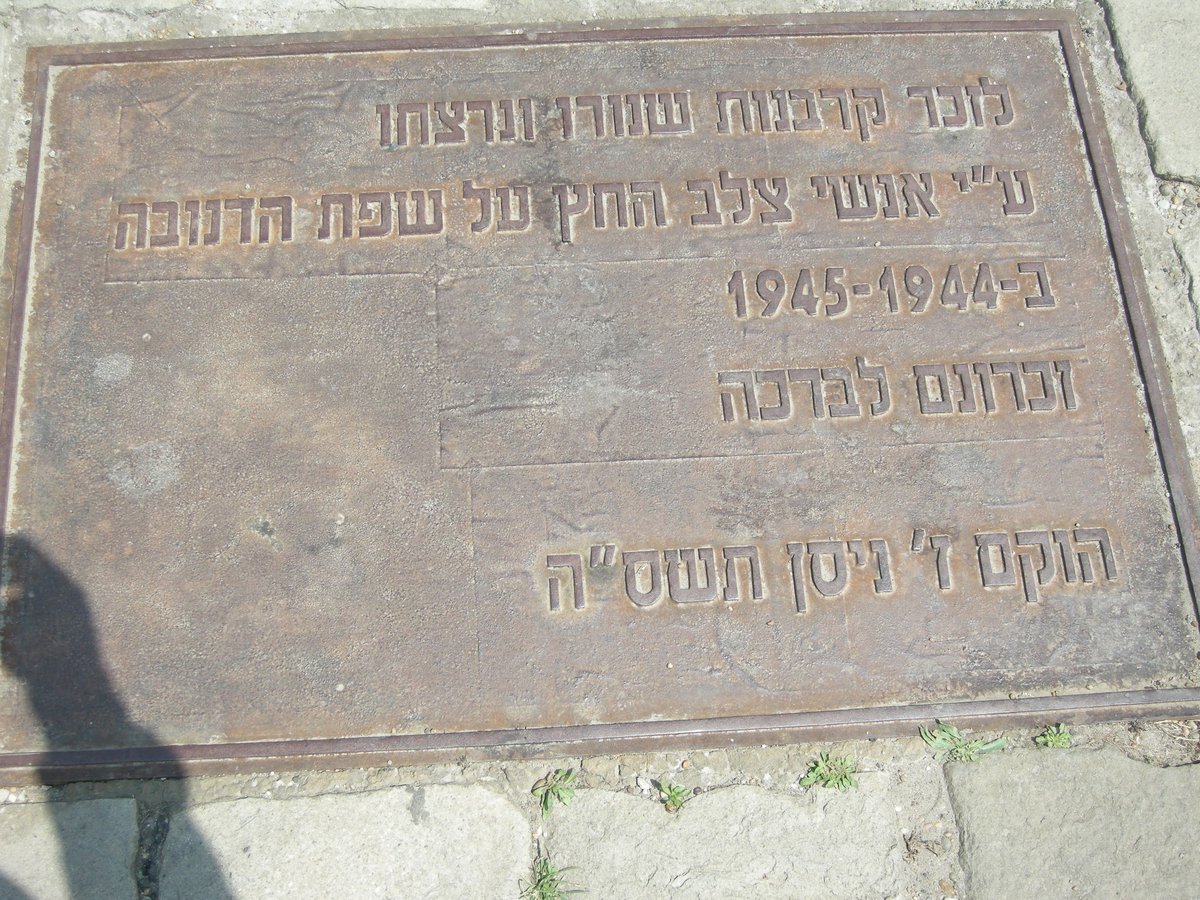
Shoes on the Danube Bank
Place

Shoes on the Danube Bank

Dohány Street Synagogue
Place

Dohány Street Synagogue

Sándor Palace
Place

Sándor Palace

Place

City Park

National Széchényi Library
Place

National Széchényi Library

Margaret Island
Place

Margaret Island

Museum of Applied Arts
Place

Museum of Applied Arts

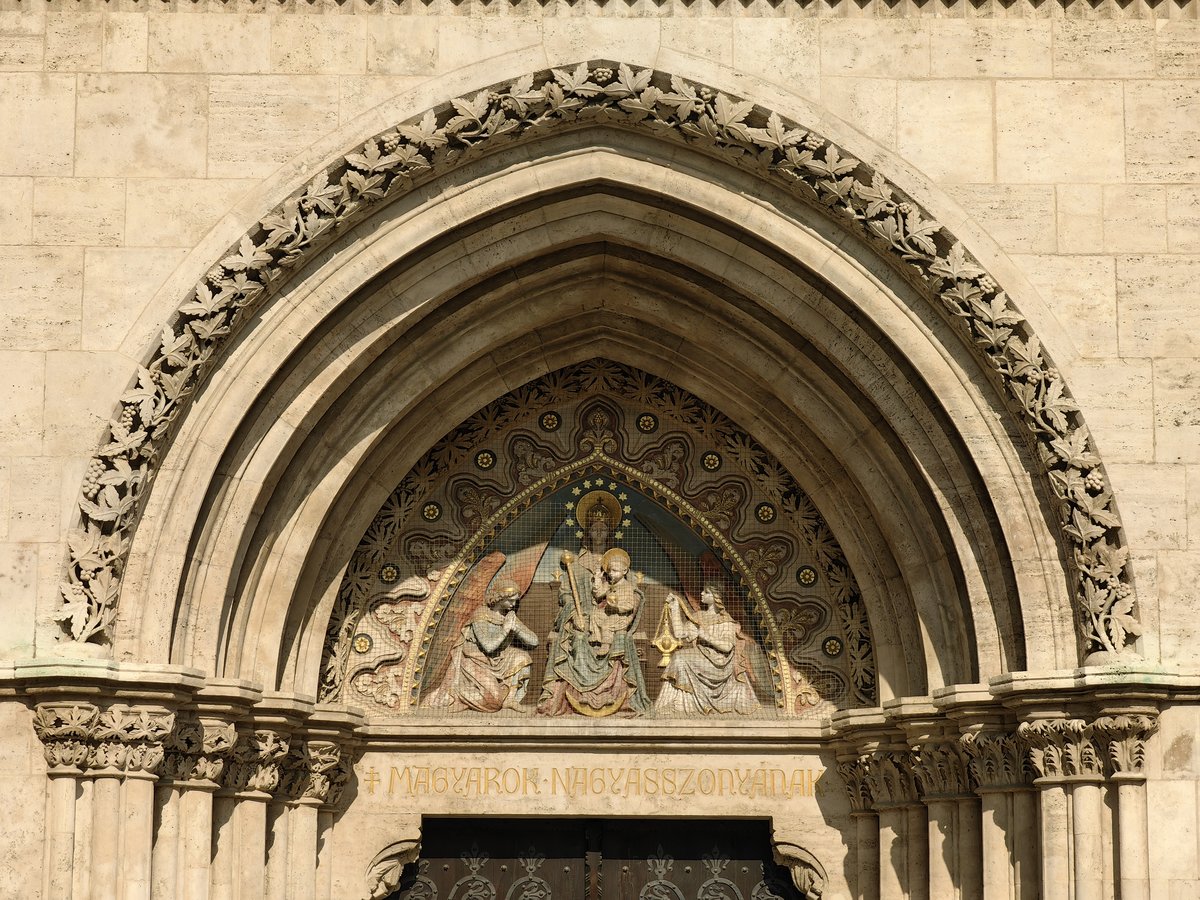
Magyar Theatre
Place

Magyar Theatre

Buda Castle Quarter
Place

Buda Castle Quarter

House of Terror Museum
Place

House of Terror Museum

Erzsébet Tér
Place

Erzsébet Tér

Kossuth Square
Place

Kossuth Square

Erkel Theatre
Place

Erkel Theatre

Place

Ethnographic Museum

Vajdahunyad Castle
Place

Vajdahunyad Castle

Place

People'S Park

Place

People'S Park

Place

Hungarian Natural History Museum

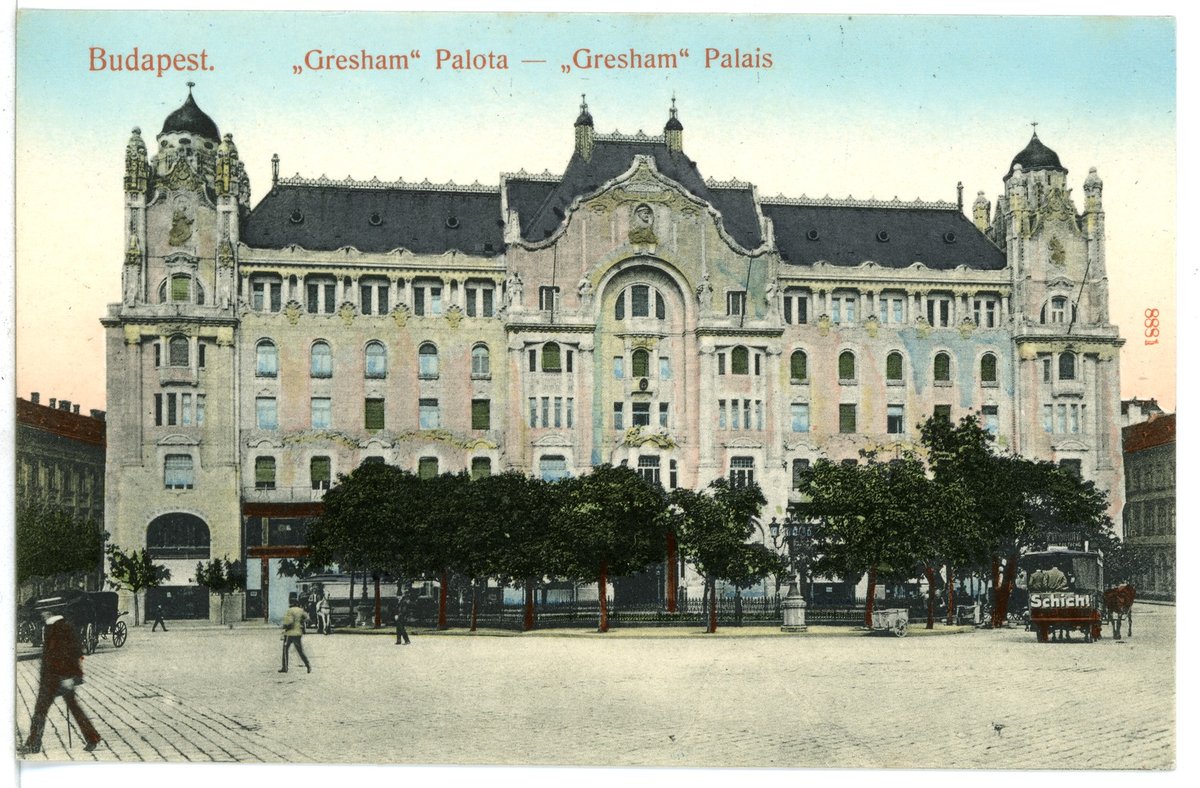
Gresham Palace
Place

Gresham Palace

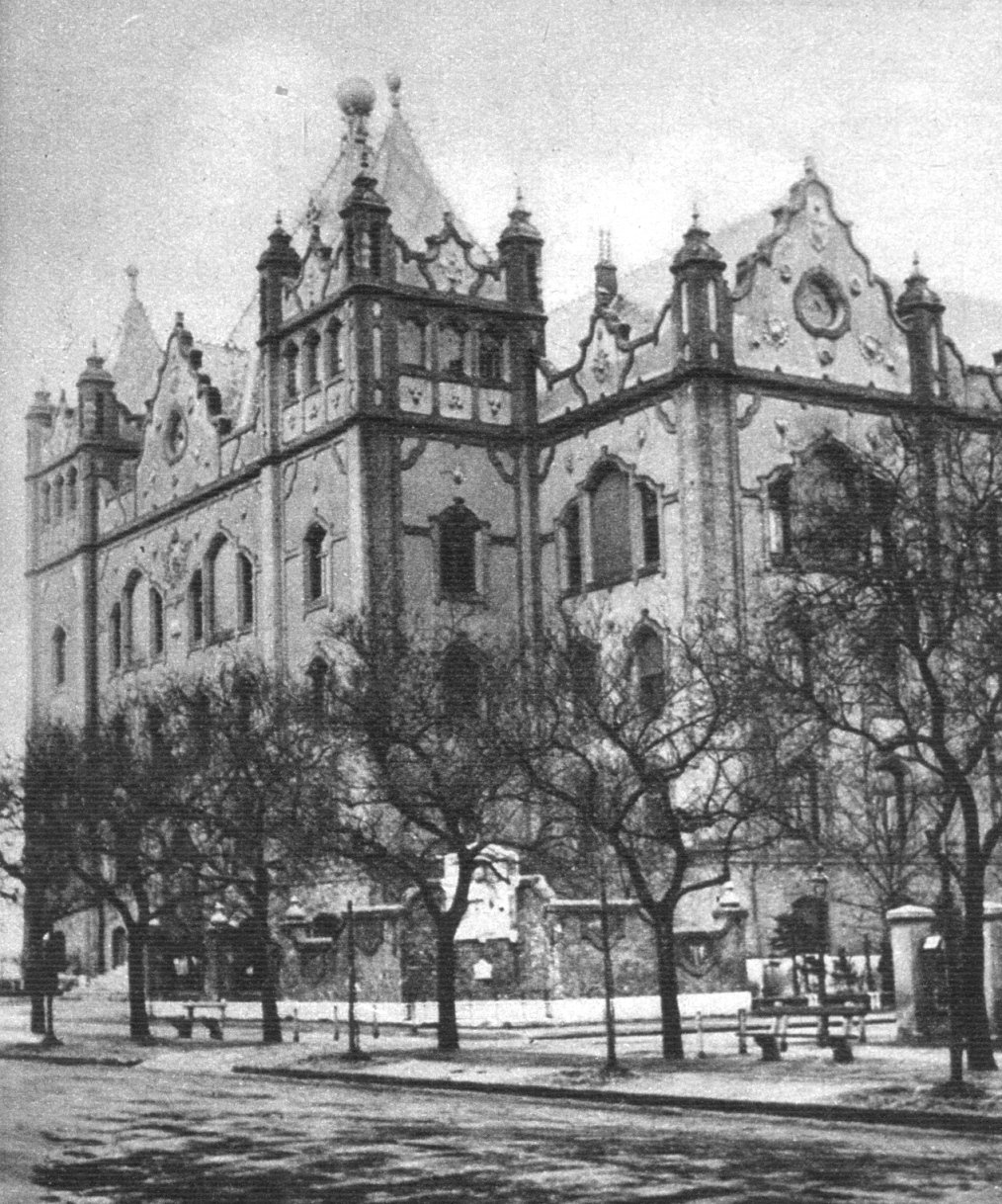
Geological Museum of Budapest
Place

Geological Museum of Budapest

Place

Budapest Castle Hill Funicular

Place

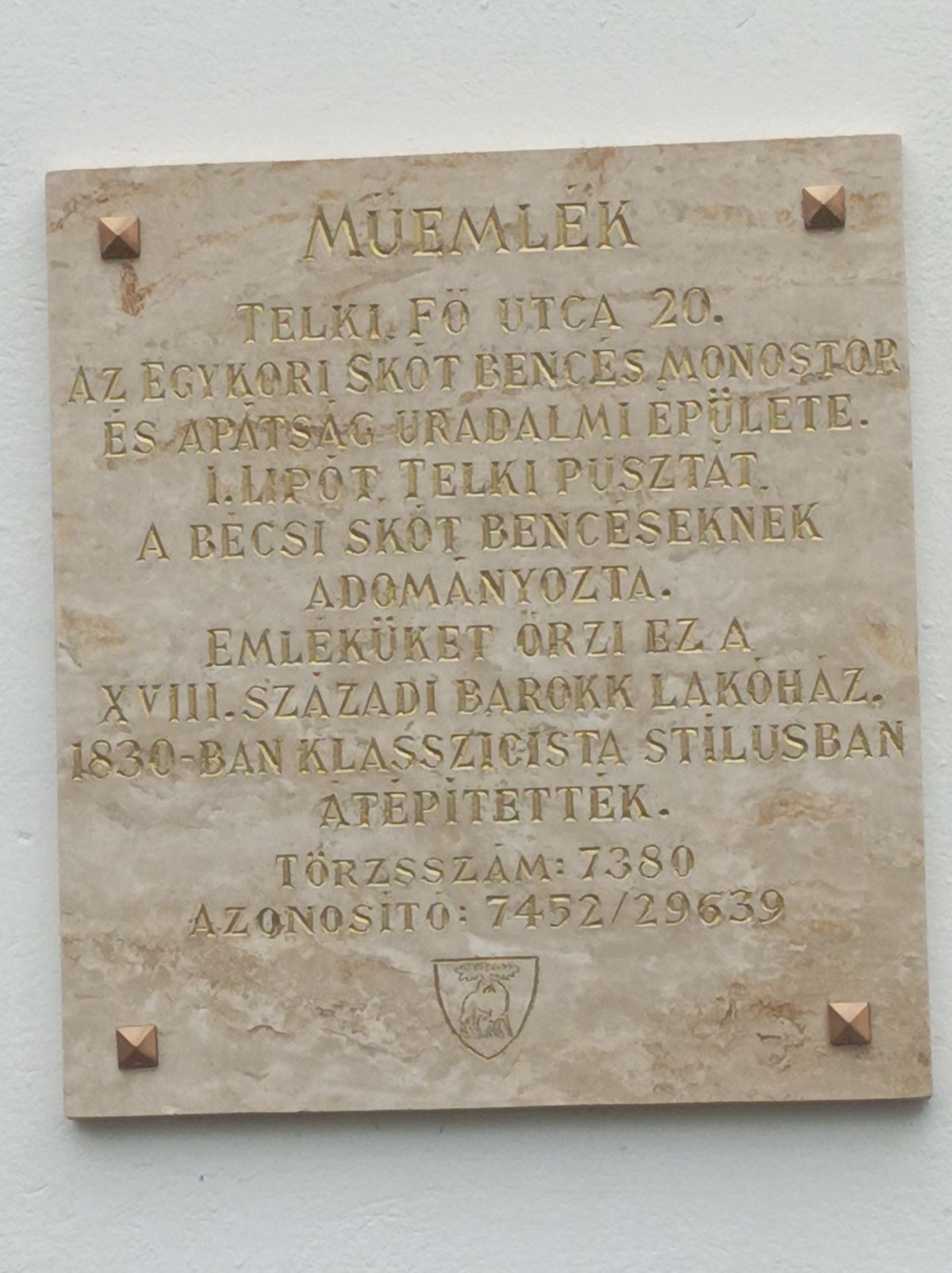
Telki

Place

József Attila Theater

Budapest History Museum
Place

Budapest History Museum

Place

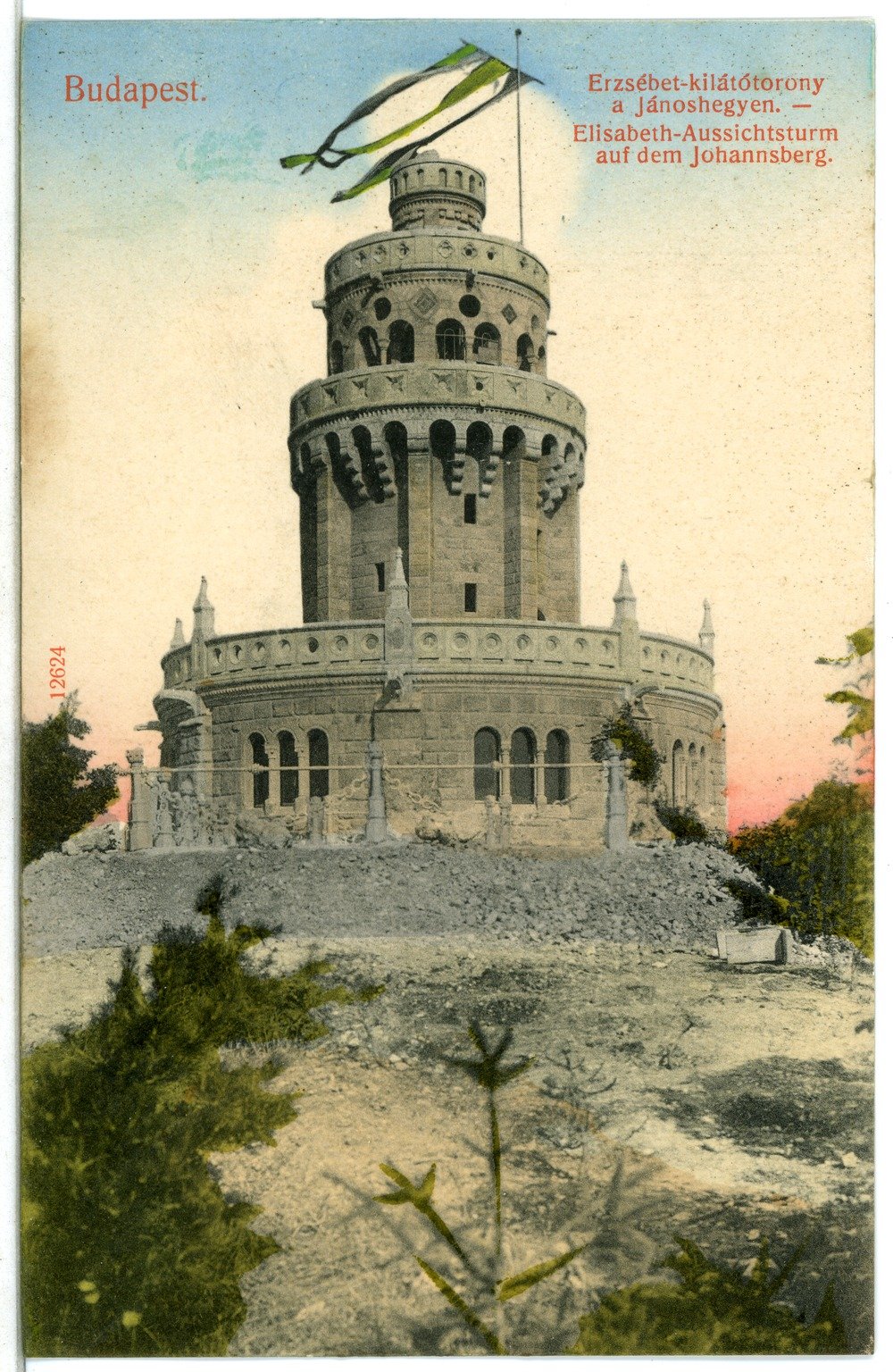
Belvedere Tower in the Buda Hills

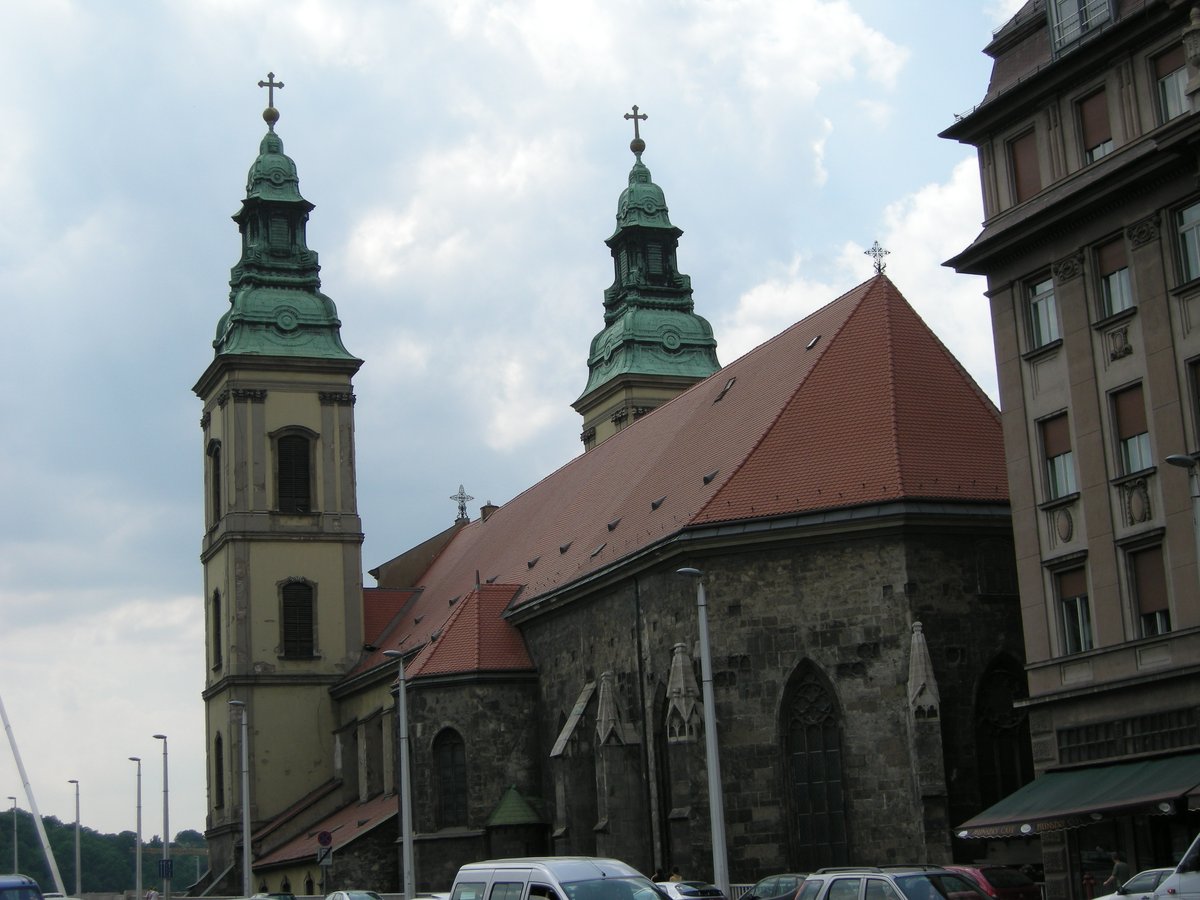
Inner City Parish Church
Place

Inner City Parish Church

Thália Theater
Place

Thália Theater

Place

Budapest District Ii

Lutheran Church of Budavár
Place

Lutheran Church of Budavár

Rumbach Street Synagogue
Place

Rumbach Street Synagogue

Place

Hungarian Railway Museum

Aquincum Museum
Place

Aquincum Museum

Showing 48 of 409 — search any place to jump straight there.