Tegucigalpa

Honduras

Tegucigalpa

Tegucigalpa, Honduras’ highland capital, keeps a 1765 gold-soaked cathedral, a cloud-forest national park 40 min away, and nightlife inside 17th-century convents—most

location_on 18 attractions
calendar_month Nov–Mar (dry season)
schedule 2–3 days

Introduction

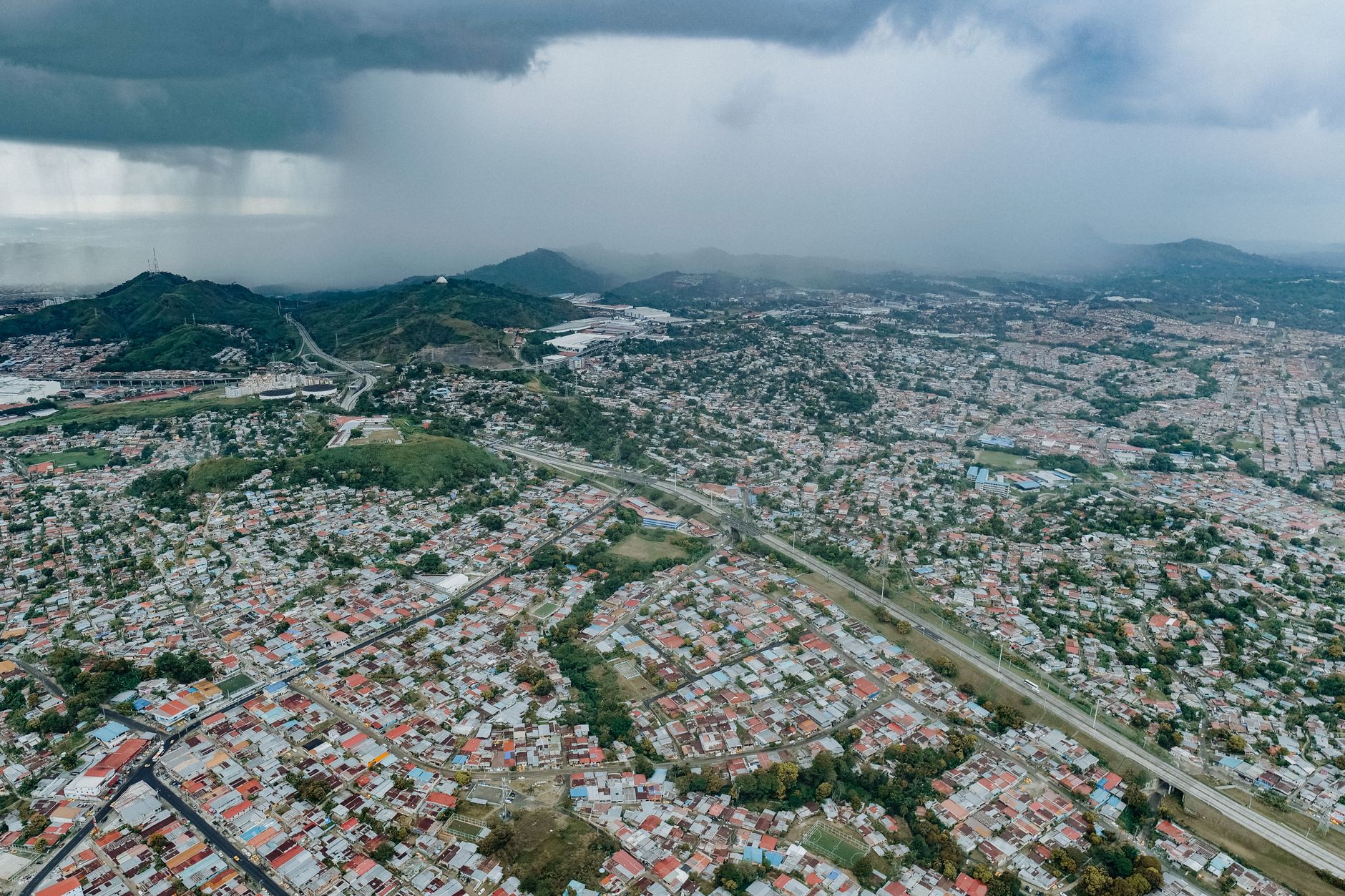
The first thing that hits you in Tegucigalpa is the altitude—1,000 metres up, the air is thin enough to make church bells sound sharper and the smell of woodsmoke carry farther. Honduras’ capital clings to a bowl of pine-covered mountains like a secret the country forgot to whisper. Ignore the scare stories; the only thing likely to mug you is traffic at rush hour when the Choluteca River gorge funnels diesel echoes straight into your ribs.

Silver built this city in the 1560s, and you still feel it in the cracked baroque altars of Los Dolores and in the way street-vendors weigh out quesillo like precious metal. Colonial mansions lean against 1980s pastel towers, while neo-Gothic spires—built to house a 6 cm cedar Virgin—pierce the clouds that roll in at 4 p.m. sharp. The result is a skyline that looks half cathedral, half circuit board.

What keeps you here is the underground current: DJs spinning Garifuna drums in former bodegas, painters turning crumbling walls into canvases, and the smell of baleadas—thick tortillas folded over beans and crema—rising from carts faster than the city can gentrify. Tegus doesn’t shout; it murmurs, then laughs when you finally hear the joke.

What Makes This City Special

Silver-Rush Churches

Tegucigalpa’s 17th-century Iglesia de la Merced and Catedral de San Miguel still feel like frontier chapels—low ceilings, cedar altars glinting with leftover silver leaf. Their thick walls echo the same prayers miners sang when this valley financed half of colonial Central America.

Cloud-Forest on the City Line

La Tigra National Park starts 30 minutes uphill from downtown traffic; at 1,800 m the air turns cool and mossy, quetzals whistle overhead, and you can stand under a 40 m waterfall before making the last Uber back for dinner.

Pedestrian-Only Art Run

Paseo Liquidámbar is a single 300-meter cobblestone strip closed to cars since 2014. Stenciled walls, pop-up galleries and one excellent espresso bar now occupy the old telegram offices—proof the city’s creatives reclaimed the capital before the tourists noticed.

High-Altitude Night Lights

Ride the switch-back road to El Picacho at 9 pm: the entire bowl of Tegucigalpa flickers 400 m below you, framed by pine-dark mountains. Bring a jacket—at 1,200 m the night air drops to 14 °C even in April.

Historical Timeline

Silver Dust and Earthquake Weather

How a mining camp became the capital of Honduras

public
c. 800 BCE

Lenca Settlements

Lenca farmers plant maize on the valley floor at 975 m, where morning mist traps the scent of pine. Their villages scatter along the Río Choluteca—no walls yet, just thatched houses and grinding stones that will later be found beneath colonial cellars. The name they use is lost; the mountains they call 'place of painted rocks'.

factory
1560

Silver Spark in the Hills

A Spanish muleteer chips a vein of silver ore while lighting a cooking fire on Cerro El Picacho. Within months, ramshackle mine shafts snake into the hillside; mercury vapour hangs over makeshift camps. The Nahuatl-speaking miners nickname the ridge Teguz-galpa—‘silver mountain’—a word the Crown will later spell Tegucigalpa.

castle
29 Sept 1578

Royal Mining Charter

Captain Alonso de Cáceras reads the founding act beside a cedar cross: Real de Minas de San Miguel de Tegucigalpa. The grid of 12 blocks is measured with a knotted rope; each solteiro gets a solares lot and the obligation to sink a shaft. A parish priest arrives with a portable altar and a single bell.

church
c. 1590

Iglesia de San Francisco Rises

Masons lay volcanic stone for the first permanent church, its doorway carved with suns and half-moons borrowed from Lenca iconography. Inside, miners leave sacks of ore to be blessed; outside, African slaves mix quicksilver in courtyard troughs. The roof timbers still smell of pine resin four centuries later.

church
1765

Gold-Leaf Cathedral Finished

Baroque columns sheathed in gold leaf catch the highland light inside the new Catedral de San Miguel Arcángel. Indigenous painters stencil tropical flowers between saints’ feet—tiny acts of subversion. The tower bell weighs 780 kg; when it cracks in 1813 the sound will be described as ‘a wounded moon’.

person
1792

Francisco Morazán Born

In a house on Calle de los Dolores, María Morazán delivers a boy who will speak four languages and dream of a united Central America. Young Francisco watches silver convoys leave for Comayagua and vows to replace Spanish rule with a federal republic. The city will later name its entire department after him.

gavel
15 Sept 1821

Independence Shouted in Plaza

At dawn the mayor unrolls the Act of Independence before 300 miners, merchants and priests. No shots are fired; the Spanish flag is lowered and the new blue-and-white banner raised while someone plays a borrowed fiddle. Tegucigalpa becomes a city overnight, but the silver seams are already thinning.

school
1847

First University Opens in a Convent

Priest José Trinidad Reyes moves benches into the cloister of Iglesia de la Merced and hangs a slate that reads ‘La Sociedad del Genio Emprendedor’. Forty students—half of them the mixed-race sons of artisans—study Latin, hydraulics and the poetry of Quevedo. The cloister still smells of ink and incense.

gavel
30 Oct 1880

Capital Moves from Comayagua

President Marco Aurelio Soto loads government archives onto mule trains and climbs the 12 km pass in a rainstorm. By nightfall the treasury chest sits in a former mint office; clerks sleep on packing crates. The decision is pragmatic: Tegucigalpa has telegraph wires and a population willing to vote Liberal.

music_note
1899

Teatro Manuel Bonilla Opens

Gas lamps flicker over velvet seats imported from New Orleans as sopranos launch into Verdi. The neoclassical façade hides iron trusses forged in Pittsburgh—proof that silver money now buys global goods. When the tenor hits high C the crystal chandelier trembles like a hummingbird.

science
1944

Salvador Moncada Born

In the maternity ward of Hospital San Felipe, a boy takes his first breath beneath a ceiling fan that stirs the scent of disinfectant and mountain rain. Forty years later he will isolate the role of nitric oxide in human blood, earning a knighthood and a marriage proposal from a Belgian princess.

church
1954

Basilica of Suyapa Consecrated

Six kilometers east, a neo-Gothic spire rises above cornfields to shelter the 6 cm cedar Virgen de Suyapa—found in 1747 by a farmer who thought she was a firefly. Pilgrims arrive on blistered knees; buses park where pineapple once grew. The stained glass throws blue shards across faces at evening mass.

factory
1975

Shantytowns Swallow Hillsides

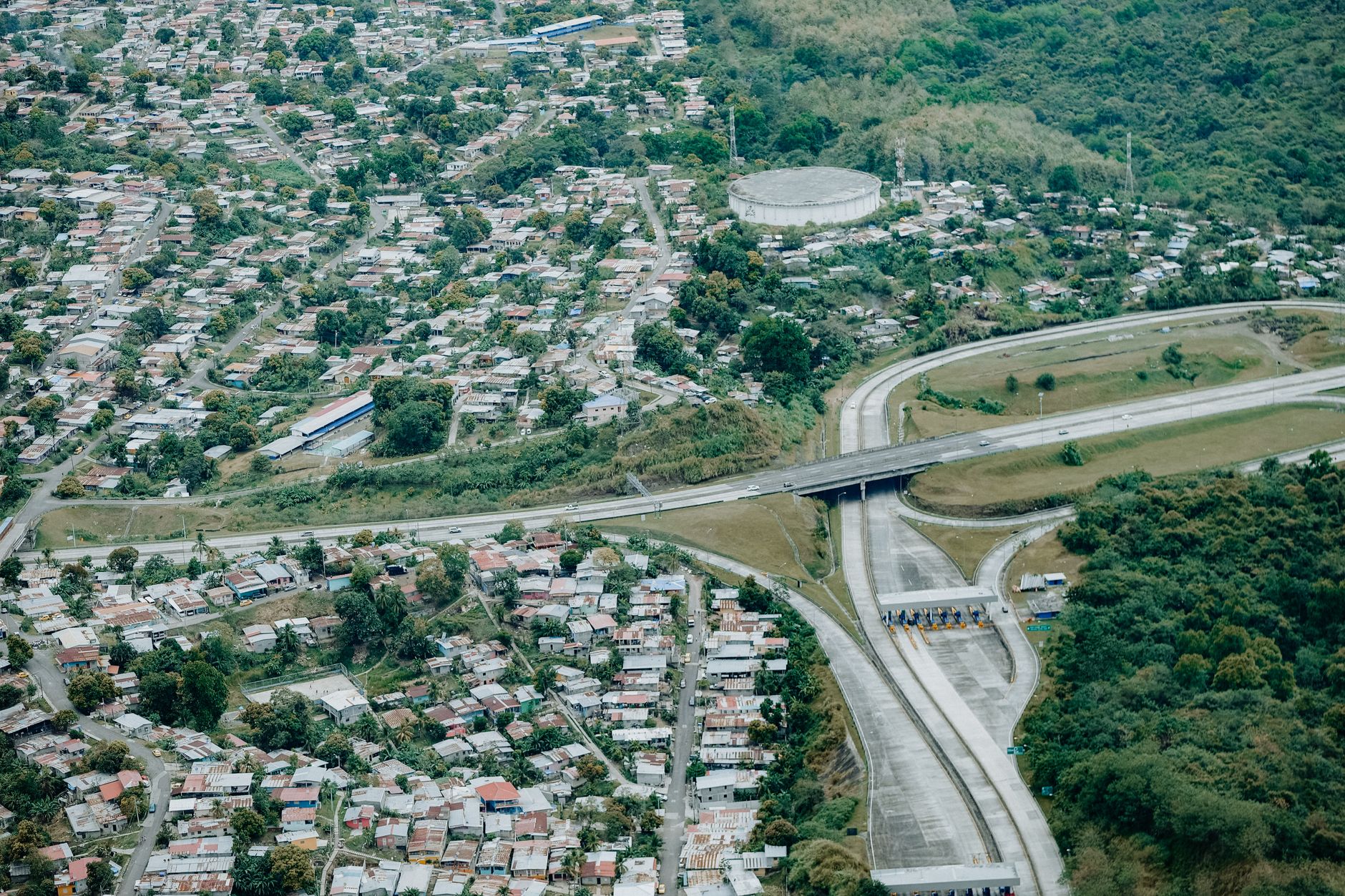
Rural migrants hammer together tin and cardboard on 45-degree slopes; by dusk the city smells of kerosene and woodsmoke. Water arrives in tankers that play marimba tunes to announce their presence. The population has tripled since 1950, and the mayor admits the sewer system was designed for 80,000 souls, not half a million.

local_fire_department
30 Oct 1998

Hurricane Mitch Erases Barrio Soto

Five days of rain loosen El Berrinche hill; at 2:14 a.m. the slope gives way and half a mountain rides into the Choluteca River. Barrio Soto vanishes under 15 m of mud. Mayor César Castellanos dies inspecting the damage; his body is found clutching a notebook listing families still missing.

palette
2006

Museo para la Identidad Nacional Opens

A 19th-century mansion on Paseo Liquidámbar becomes a time machine: interactive floors show Copán ruins rising from jungle, a theatre screens grainy footage of banana trains. Schoolchildren stare at the 6 cm Virgin’s jeweled cloak while graffiti artists tag the alley outside with stencil jaguars.

gavel
2022

First Female President Sworn In

Xiomara Castro lifts her right hand in the plaza where independence was declared 201 years earlier. The crowd chants ‘Ni una más’—not one more woman murdered—as clouds gather over Cerro El Picacho. Her childhood home three blocks away now houses a bakery that sells coffee and feminist stickers.

flight
2024

Cable Car Over Gridlock Opens

Silver-grey gondolas glide 1.7 km above the traffic jam that used to take 90 minutes to cross. Commuters snap photos of tiled roofs and the scar where Barrio Soto once clung to the hill. The ride costs 18 lempiras—less than a dollar—and delivers you to the basilica in eight silent minutes.
schedule
Present Day

Notable Figures

Francisco Morazán

1792–1842 · Central American statesman
Born here

He grew up above the silver mines that financed the city, dreamed of a united Central America, and would still recognise the Plaza Morazán where his statue stands—though the pigeons now outnumber the demonstrators.

Salvador Moncada

born 1944 · Pharmacologist
Born here

In a quiet lab in Tegucigalpa’s public hospital he first toyed with nitric-oxide pathways; today the city’s traffic fumes would probably horrify him, but the cool mountain air that sharpened his teenage lungs is still there above the smog line.

Óscar Rodríguez Maradiaga

born 1942 · Cardinal & papal advisor
Archbishop of Tegucigalpa

He cycles the same steep streets once climbed by silver mule trains, preaching debt relief from a neo-Gothic basilica whose stained glass he helped choose—proof the colonial capital still shapes Vatican policy.

Emilio Izaguirre

born 1987 · Footballer
Born here

The left-back learned the game on the cracked concrete of El Picacho’s flank before conquering Celtic Park; when he returns, kids wearing Glasgow green still wait outside the same bare-bones clubhouse where he polished his first boots.

Horacio Castellanos Moya

born 1957 · Novelist
Born here

His manic narrators stalk the same Paseo Liquidámbar cafés where he once scribbled—today the espresso is better, but the political absurdity he satirised still drifts through the morning mountain mist.

Practical Information

flight

Getting There

Toncontín International (TGU) sits 6 km south of downtown—famous for its hair-pin runway. Several carriers shifted to Palmerola International (XPL) at Comayagua (80 km north) in 2026; double your ticket before landing. Direct shuttles connect XPL to Tegucigalpa in 75 min for $15–25 USD.

directions_transit

Getting Around

No metro, no trams. Urbanos buses charge L 8–12 ($0.30–0.50) flat fare; rapidito minibuses L 10–15. Uber and InDriver operate across the valley—expect L 180–280 for Centro Histórico to Colonia Palmira. Cash only on public transport; no city-wide tourist pass exists.

thermostat

Climate & Best Time

Dry-season evenings can dip to 14 °C Nov–Mar; daytime peaks hover 26 °C thanks to 1,000 m elevation. Rains arrive May–Oct, especially Sep–Oct when afternoon storms flood cobblestone streets. Visit Dec–Feb for clear skies and the coolest hiking weather in La Tigra.

shield

Safety

Crime has fallen since 2018; most visitors stick to Centro Histórico by day and Colonia Palmira or Boulevard Morazán after dark. Use app-based rides instead of street taxis, keep phones pocketed on crowded buses, and avoid Comayagüela’s side alleys after sunset.

Tips for Visitors

local_taxi
Use Uber, not street taxis

Street taxis carry a real risk of express kidnapping. Uber or InDriver are half the price and safe—just walk past the touts to the pick-up lane outside the terminal.

wb_sunny
Pack a jacket for June

At 1 000 m it’s cooler than the coast, and cloud-forest hikes like La Tigra hit 15 °C even in ‘summer’. A light fleece fits in your day-pack.

attach_money
Carry small lempira bills

Markets, buses and street cafés rarely break a L500 note. Hit a BAC Credomatic ATM inside Multiplaza mall first thing and ask for L50 notes.

church
Peek inside the cathedral at 5 pm

The gold side-altars catch the lowering sun through the west door—photographers get ten minutes of free, perfect light before the guard closes the gate.

hiking
Take the weekday minibus to La Tigra

Weekend shuttles sell out; the local ‘rapidito’ from Jacaleapa terminal (L30, 45 min) drops you at the park gate at 7 a.m.—you’ll have the cloud-forest trails to yourself.

Explore the city with a personal guide in your pocket

Your Personal Curator, in Your Pocket.

Audio guides for 1,100+ cities across 96 countries. History, stories, and local insight — offline ready.

smartphone

Audiala App

Available on iOS & Android

download Download Now

Join 50k+ Curators

Frequently Asked

Is Tegucigalpa worth visiting? add

Yes—if you like your capitals raw and real. Downtown’s 18th-century core survives almost intact, the national museum rivals anything in the region, and the cool highland air makes walking pleasant. Most travellers use it only as a transit hub; that’s their loss.

How many days in Tegucigalpa? add

Two full days covers the colonial centre, the identity museum and a half-day craft run to Valle de Ángeles. Add a third if you want to hike cloud-forest in La Tigra or tour the silver-mining towns.

Is Tegucigalpa safe for tourists? add

Safer than its reputation. Violent crime has dropped sharply since 2018; the real daily hassle is traffic. Stick to Centro Histórico by day, Uber at night, and avoid Comayagüela after dark—same rules as any mid-size Latin city.

Do I fly into Toncontín or Palmerola airport? add

Check your ticket. Most US carriers still land at Toncontín (TGU), 20 min from downtown, but Copa and some Avianca flights now use Palmerola (XPL) 80 km north. If you land at XPL, pre-book the Hedman Alas shuttle ($18) or a private driver—there’s no public bus.

Can I use US dollars in Tegucigalpa? add

Hotels and upmarket restaurants on Boulevard Morazón will take them, but change is given in lempiras and the rate is usually worse than the bank. Markets, buses and cafés are lempira-only—pull cash from the BAC machines inside Multiplaza mall for the best rate.

Sources

Last reviewed: