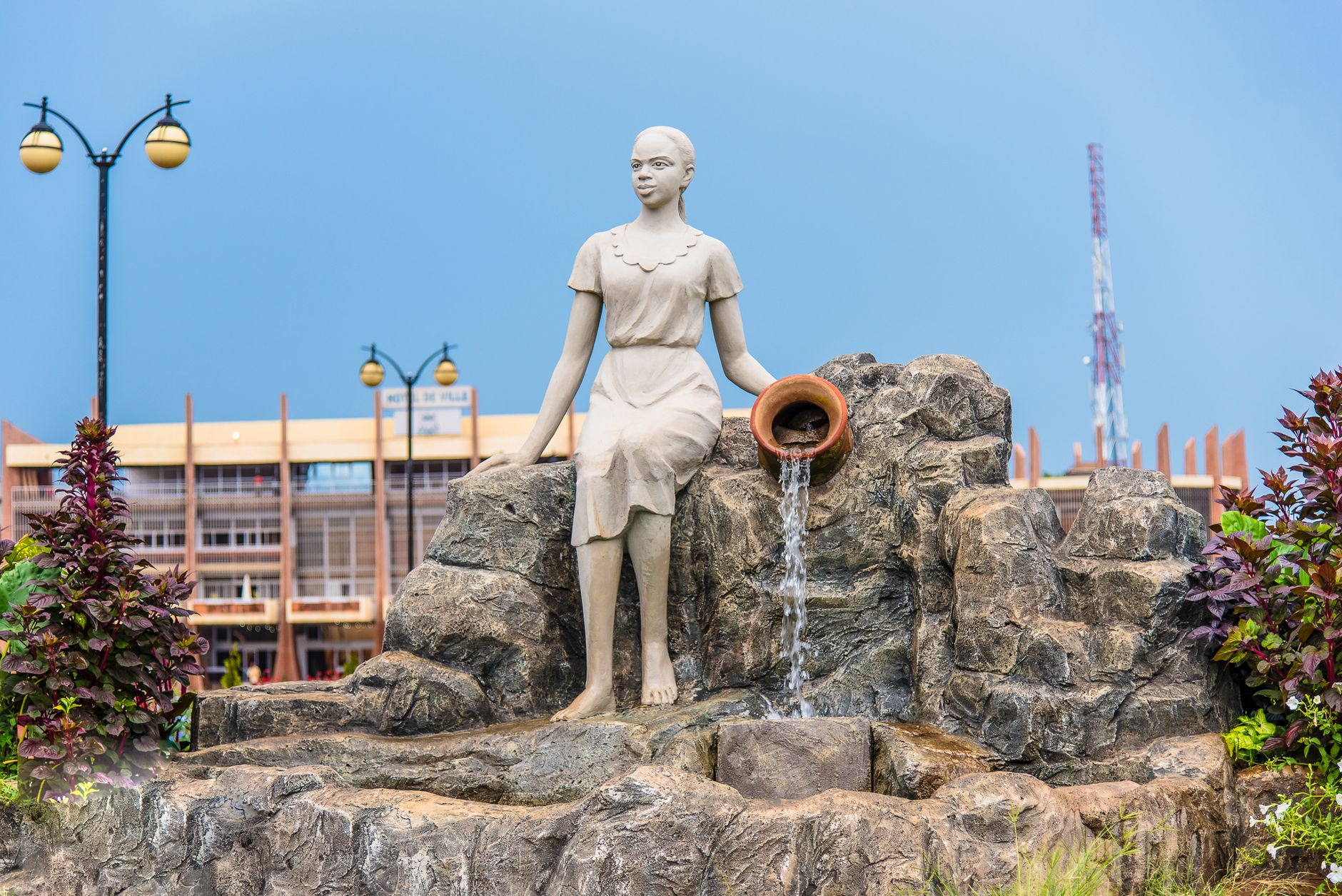
Africa’s Largest Mosque
The Grand Mosque dominates the Kaloum skyline with 2,500 m² of marble and a 54 m minaret; non-Muslims can photograph the exterior at sunset when the call to prayer rolls across the peninsula.
Conakry smells first of diesel, then of brine, then of onions caramelizing in palm oil at 2 a.m. while a griot’s electric guitar bends notes you thought only existed in vinyl crackle. Guinea’s capital is a skinny peninsula barely wider than a runway, yet it squeezes in 2.3 million people, a port that never sleeps, and a nightclub scene louder than Lagos on a payday Friday.
Researched from Wikidata, Wikipedia & official sources · fact-checked · How we make our guides →
CConakry smells first of diesel, then of brine, then of onions caramelizing in palm oil at 2 a.m. while a griot’s electric guitar bends notes you thought only existed in vinyl crackle. Guinea’s capital is a skinny peninsula barely wider than a runway, yet it squeezes in 2.3 million people, a port that never sleeps, and a nightclub scene louder than Lagos on a payday Friday.
The city’s edges dissolve into water: fishing pirogues painted Crayola-bright slide between rusted cargo ships, and the Iles de Los hover on the horizon like a rumor of clean sand. Back on land, colonial façades peel in fist-sized flakes next to mosques whose minarets were funded by Istanbul and next-door Catholic cathedrals where the priest still counts offerings in French francs. Everyone speaks Susu, Fula, Malinke, French, and a dialect of honking that conveys entire conversations through horn length.
What keeps you off balance is the tempo. Morning starts at 5:45 with the Grand Mosque’s first call, but the night doesn’t concede until the last club on Route de Donka unplugs its amps around 4. Between those markers, money changes hands at the Madina market faster than the central bank can print it, and a single plate of rice-with-cassava-leaves can anchor a family conference that decides who gets the next visa stamp. Come for the music, stay because someone’s aunt insists you taste the mango sauce before you leave, and leave realizing you’ve been measuring time in shared meals rather than hours.
What makes this place worth slowing down for.
The Grand Mosque dominates the Kaloum skyline with 2,500 m² of marble and a 54 m minaret; non-Muslims can photograph the exterior at sunset when the call to prayer rolls across the peninsula.
Taouyah’s open-air clubs keep guitars and balafons going until 04:00—Conakry is one of West Africa’s last cities where live bands still outnumber DJs.
Thirty minutes by pirogue, three islands offer empty red-sand coves and an abandoned colonial prison; Tamara’s lighthouse logbook dates to 1892 and you can still climb the rusting spiral stairs.
One room, 300 objects: Baga snake masks, Sekou Touré’s radio, a 16th-century Fulani saddle; arrive before 11 a.m. and the curator will unlock the storeroom for an extra 50,000 GNF.
Where to wander, by quarter — each with its own rhythm.
The original colonial grid, barely three streets wide, holds the presidential palace you can’t photograph, the national museum you’ll have almost to yourself, and patisseries that still pipe éclairs at dawn. Walk the cracked sea-wall at sunset when the port’s neon floods the water and cigarette boats zip in from Freetown with contraband diesel.
After dark this district switches from daytime fabric stalls to open-air clubs where DJs spin coupé-décalé at airplane decibels. The Indian-owned restaurants on Route Le Prince serve thali under Christmas lights while, two blocks away, Lebanese grocers stock Alpella chocolate and South African wine at 2 a.m.
Perched on the corniche, Camayenne gives you ocean breezes and the city’s best live-music porch: La Paillotte, where veteran griot Sékouba Bambino might drop in unannounced. The Noom Hotel’s Sunday pool buffet is the expat equivalent of church, complete with bottom-up bissap jugs.
Spread-out and residential, Ratoma hides the Kakimbon Caves—sacred Baga sanctuary guarded by baobabs older than the republic. Surfaced roads end quickly here; follow a motorbike taxi down laterite tracks to find weekend palm-wine bars that serve from 40-liter calabashes.
Nightlife ground zero along Route de Donka: Le Climax, Le Waffou, and Belvédère line up like dominoes, each with its own DJ and grilled-brochette smoke cloud. University students argue politics over 5,000-GNF Flag beers until the power cuts, then keep debating in darkness lit only by phone screens.
The working port smells of diesel and the sea. At 5 p.m. pirogues slide onto the beach and auction tuna by flashlight; buy a kilo, walk 20 meters, and a woman will charcoal-grill it with lime-pepper sauce while you sit on an upended crate.
Government ministries and embassies give Dixinn a manicured frontage, but duck one block inland for quiet residential lanes where lunchtime pop-up kitchens dish out fouti rice and mango sauce (April–July only). The Camp Boiro memorial sits here—an unmarked wall behind which thousands disappeared under Sékou Touré; visit with a local guide who remembers the names.
From Susu fishing villages to the capital that told France 'Non'
Fishermen from the Susu people discover Tombo Island's protected harbor. They call the twin villages Conakry and Boubinet — barely 300 souls living on fish and cassava, unaware their island will one day carry the nation's heartbeat.
Commander Étienne Noël plants the tricolor on Conakry Island. The French rename the fishing village 'Conakry' and begin clearing palm groves for administrative buildings. Within two years, they've built 47 stone structures where thatched huts once stood.
London formally hands Tombo to Paris for 60,000 francs. In the treaty room at Boulbinet harbor, British officials sign away rights they'd never truly exercised. The French immediately begin constructing the causeway that will merge island and peninsula forever.
The Governor's Palace rises above the harbor as Conakry becomes capital of French Guinea. Steamships now unload 2,000 tons of rubber and palm oil monthly. The population swells to 8,000 — clerks, soldiers, and traders from five continents creating West Africa's newest port city.
In the working-class district of Faranah, Ahmed Sékou Touré enters the world. The boy who'll grow up in Conakry's markets will become the only African leader to reject De Gaulle's French Community — and make this city the capital of a truly independent nation.
Solomana Kante publishes the first N'Ko newspaper in Conakry's Medina quarter. His indigenous script for Manding languages spreads from this single room above a tailor's shop. Today, N'Ko is written from Guinea to Mali — a writing system born in the shadow of French colonial schools.
September 28th: 95% of Guineans vote 'Non' to De Gaulle's referendum. Within hours, French administrators begin destroying files and cutting phone lines. When the last French ship departs on October 2nd, they leave behind empty offices and a nation determined to define itself on its own terms.
Sékou Touré inaugurates the Guinea National Museum in a former colonial administrator's villa. The masks and fetishes once labeled 'primitive artifacts' now stand as testament to 3,000 years of West African civilization. Schoolchildren file past Bambara sculptures and Baga masks, learning their history in their own language for the first time.
350 Portuguese commandos storm the beaches at dawn, hunting PAIGC guerrillas. Machine gun fire rattles through the palm-lined streets for four hours. Though the raiders retreat, the attack gives Touré justification to tighten his grip — Camp Boiro's gates swing open for thousands of political prisoners.
Guinea-Bissau's revolutionary leader steps from his car outside Conakry's Amílcar Cabral Institute when gunmen strike. His assassination in this city that sheltered his struggle sends shockwaves through Pan-African circles. PAIGC soldiers line the streets for his funeral, their redji songs turning grief into renewed determination.
The Black Power activist lands at Gbessia Airport, welcomed by President Touré. Renaming himself Kwame Ture, he builds a life in Conakry's Taouyah neighborhood. His Sunday lectures at the Kwame Nkrumah Institute draw militants and intellectuals from across West Africa — Malcolm X's comrade finds his final home in revolutionary Guinea.
Colonel Lansana Conté seizes the radio station at 4 AM, announcing Sékou Touré's death from America. By sunrise, soldiers control every intersection from Tombo Island to the airport. The military band plays Guinea's anthem as Conté promises democracy — a promise that will echo hollow for 24 years.
West Africa's largest mosque opens its four minarets above Conakry's skyline. The 2,500 worshippers inside can hear the Atlantic's waves through the marble arches. Built with Libyan funds and North African craftsmen, its green dome becomes the city's new compass point — visible from every fishing boat entering the harbor.
September 28th: Soldiers seal Stade du 28-Septembre and open fire on 50,000 protesters. The stadium named for independence becomes a killing ground. When the bodies are counted — 157 officially, hundreds more by other counts — Conakry's reputation as West Africa's cultural capital dies with them.
Alpha Condé wins Guinea's first genuine presidential vote. Voters wait six hours in lines that snake through Conakry's hills. When results are announced, crowds dance from the Grand Mosque to the Cathedral, their footsteps echoing off buildings that have witnessed coups, revolutions, and the long journey from colony to republic.
Special forces storm the presidential palace, ending Condé's controversial third term. Colonel Mamadi Doumbouya addresses the nation from the same television studio where Sékou Touré once declared independence. Conakry wakes to find its 63-year cycle of strongman rule has turned once more.
The people who shaped the city — and were shaped by it.
His kora-driven hit ‘Yé ké yé ké’ sold over a million copies in Europe and still blasts from Conakry taxis today. He spent his last years in the city, mentoring kids who now remix the track on cracked smartphones.
The poet-general who armed farmers against Portuguese rule was gunned down outside his Conakry safe-house in 1973. Every January 20, activists lay wreaths where he fell—steps from a bakery that still smells of yeast at dawn.
The man who coined ‘Black Power’ traded U.S. marches for Conakry’s dusty Boulevard du 22 Novembre, renaming himself after Nkrumah and Touré. He’s buried in the city’s main cemetery, his gravestone a discreet slab you’d miss without a guide.
In a hillside house above the port, Niane typed the first written version of the Sundiata epic, turning griots’ verses into required reading across Africa. Students still quote his lines in Conakry cafés where the Wi-Fi barely reaches the door.
The Liverpool midfielder learned cut-backs on the cracked concrete of Taouyah’s mini-stadium and now sends home boots for kids who play barefoot at dusk. When he visits, traffic stops along the same route he once took in shared taxis.
Where locals actually book dinner — not the tourist menus.
Onion-mustard chicken grilled over charcoal, served with broken rice at sidewalk stalls near Stade du 28 Septembre—ask for extra lime and the cook will throw in attiéké.
A silky spinach-and-palm-oil stew ladled over white rice; women sell it by the cup from aluminum pots in Taouyah market for 5,000 GNF before noon.
Order when you land on Roume—fishermen price by weight (about 80,000 GNF per kilo) and serve with a mustard-chili relish while you wait in a plastic chair on the sand.
Deep-red hibiscus or fiery-ginger juice poured from recycled bottles; the gingembre version will clear your throat faster than any espresso.
Puffy doughnuts rolled in sugar, sold after 18:00 outside mosques—still hot from oil drums and perfect for 1,000 GNF a piece.
Small things that change how the city treats you.
Photographing the Presidential Palace, police or military sites can get you detained. Point your lens at the mosque or cathedral instead.
Cards work only in a handful of hotels. Stock up on Guinean francs at the airport ATM before you leave the terminal.
Yango and Heetch display the fare upfront and accept cards, sparing you the haggle and the airport taxi gouge.
On Îles de Los, tell the beach restaurant you want lunch the moment you dock; otherwise you’ll wait two hours while they catch it.
Looking lost invites helpers you may not need. If directions are required, step inside a shop and ask the owner.
May–October downpours flood streets and churn up coastal waves that can strand you overnight on the islands.
The city, as it actually looks.
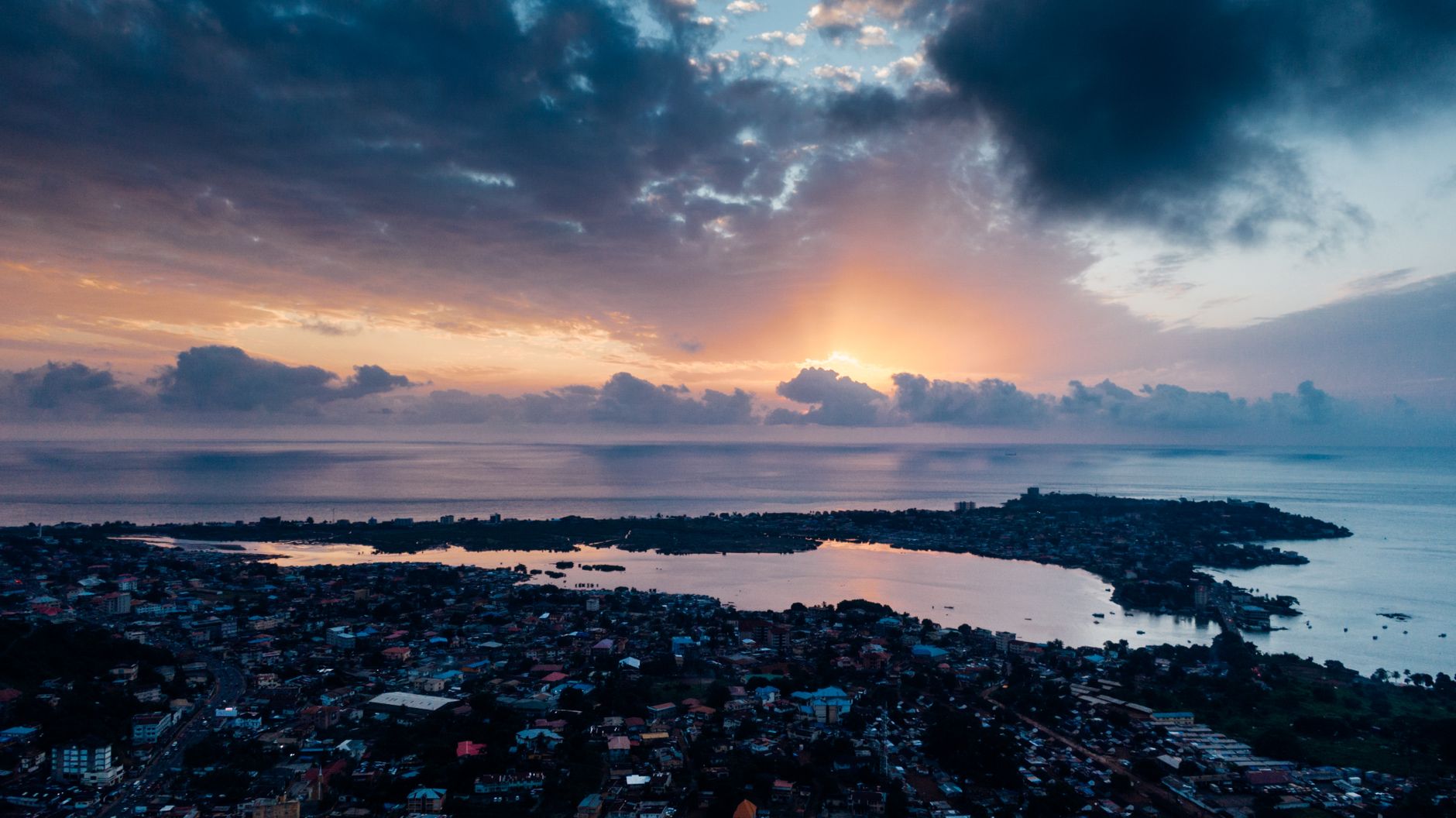
A breathtaking aerial view of Conakry, Guinea, capturing the city's coastal landscape and dense urban layout during a vibrant sunset.
Kelly on Pexels

A peaceful, palm-lined road winds through a lush park in Conakry, Guinea, leading toward a distinctive white arched bridge.
Media Lens King on Pexels

A high-angle perspective captures the diverse architectural density and urban layout of Conakry, Guinea, under a bright, clear sky.
SINAL Multimédia on Pexels

A breathtaking panoramic aerial view of Conakry, Guinea, capturing the sprawling coastal city nestled between the Atlantic Ocean and rolling hills.
Kelly on Pexels
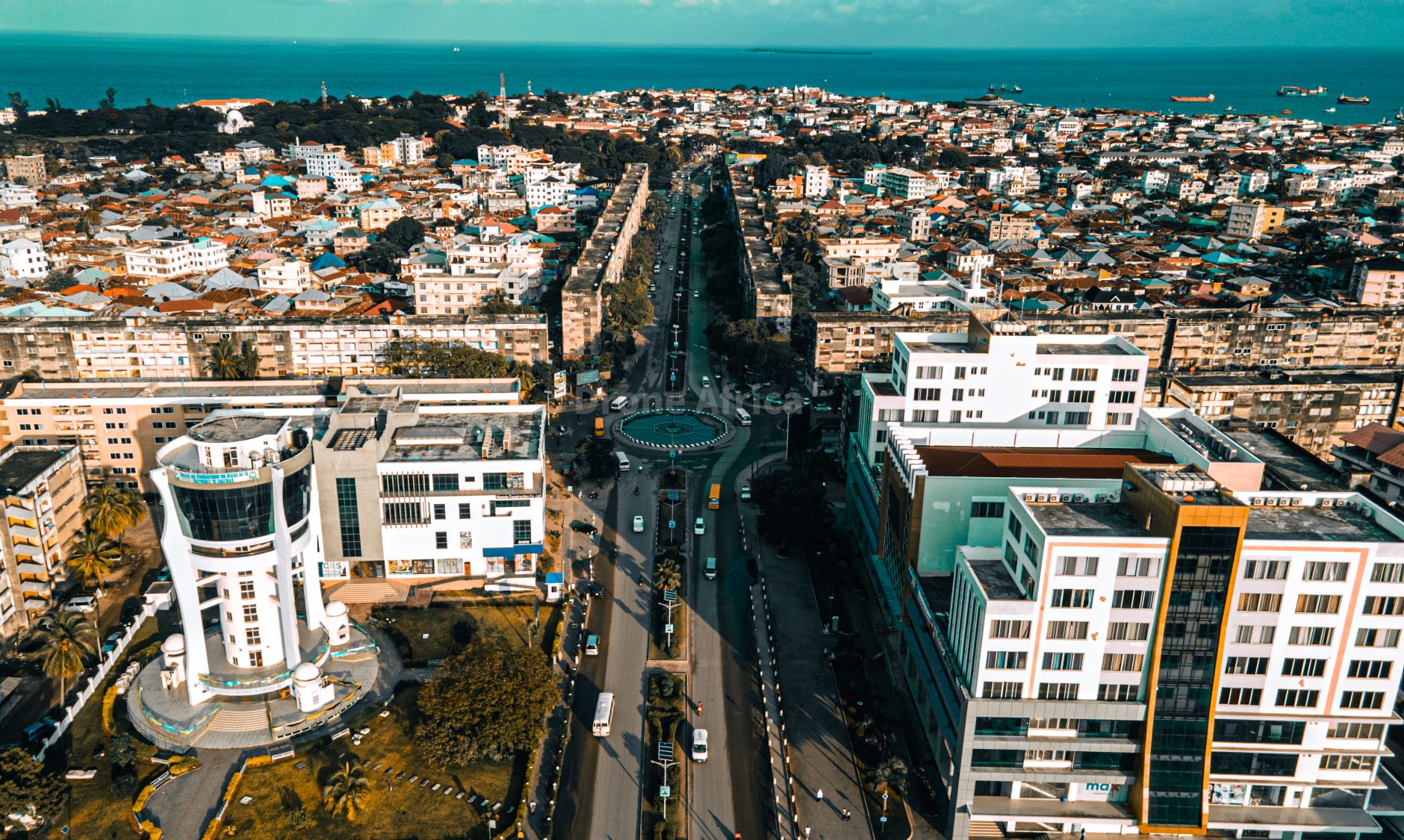
A stunning aerial perspective of Conakry, Guinea, capturing the city's unique blend of modern urban architecture and its scenic coastal location.
Alex Levis on Pexels

A high-angle view captures the daily life of fishermen and their colorful wooden boats along the coastline of Conakry, Guinea.
The Artboard on Pexels

An expansive aerial perspective of Conakry, Guinea, capturing the unique blend of coastal beaches, urban development, and the surrounding lagoon.
Kelly on Pexels
Yes, if you want live West-African music, Atlantic beaches a ferry ride away, and a capital that still feels like a village that outgrew its shoes. The chaos is real, but so are sunrise fish markets and kora solos at midnight.
Plan three full days: one for the mosques, cathedral and museums downtown, one for Îles de Los beaches, and one for day-tripping to Kindia’s cloth markets or Kakimbon Caves. Add two more if you’re heading into Fouta Djalon.
Generally yes during daylight. Petty theft and corrupt checkpoints exist, but violent crime against visitors is rare. Walk with purpose, avoid night road travel, and keep your bag zipped in the markets.
There’s no public bus. Book a Yango or Heetch ride for fixed-price transparency, or negotiate a yellow cab down to around 300,000 GNF. The 23 km ride takes 45–90 minutes depending on traffic.
West Africa’s largest mosque, the first African million-selling pop hit (Mory Kanté’s ‘Yé ké yé ké’), and being the only French colony to vote ‘Non’ in 1958. The music scene is still one of the continent’s best-kept secrets.
No. Guinean francs (GNF) are the only legal tender. Exchange at the airport or official bureaux; street changers offer better rates but count the notes carefully.
November–March: dry, 30 °C days, calm seas for island hopping. April turns humid; May–October brings floods and choppy ferry rides.
Ready to book?
Ahmed Sékou Touré International Airport (CKY) is 23 km east of town; no rail link—settle the taxi in euros (€25–30) before you leave the terminal. Shared taxis to central Kaloum run when full, about 400,000 GNF for the whole car.
Conakry has zero metro or tram lines; move by yellow taxi collectif (1,500–3,000 GNF per seat) or Yango app with card payment. Moto-taxis cut through traffic for 10,000–15,000 GNF—helmets are mandatory and usually provided.
Tropical heat hovers 28–32 °C year-round. November–April dry season brings dust-laden harmattan winds but zero flooding; May–October downpours can strand you on Iles de Los. Visit December–February for 10-hour sunshine days and bearable humidity.
Guinean francs (GNF) rule—ATMs work at BICIGUI and UBA branches but empty on weekends. Carry small notes; nobody breaks 20,000. Cards accepted only at the Novotel and supermarkets inside Grand Marché de Madina.
0 places, one continuous walking route. Free with your first city.