Plan and listen to Hagia Sophia with Audiala.
Audio guide in your pocket, itinerary in your browser. Built for the way you actually visit.
Introduction
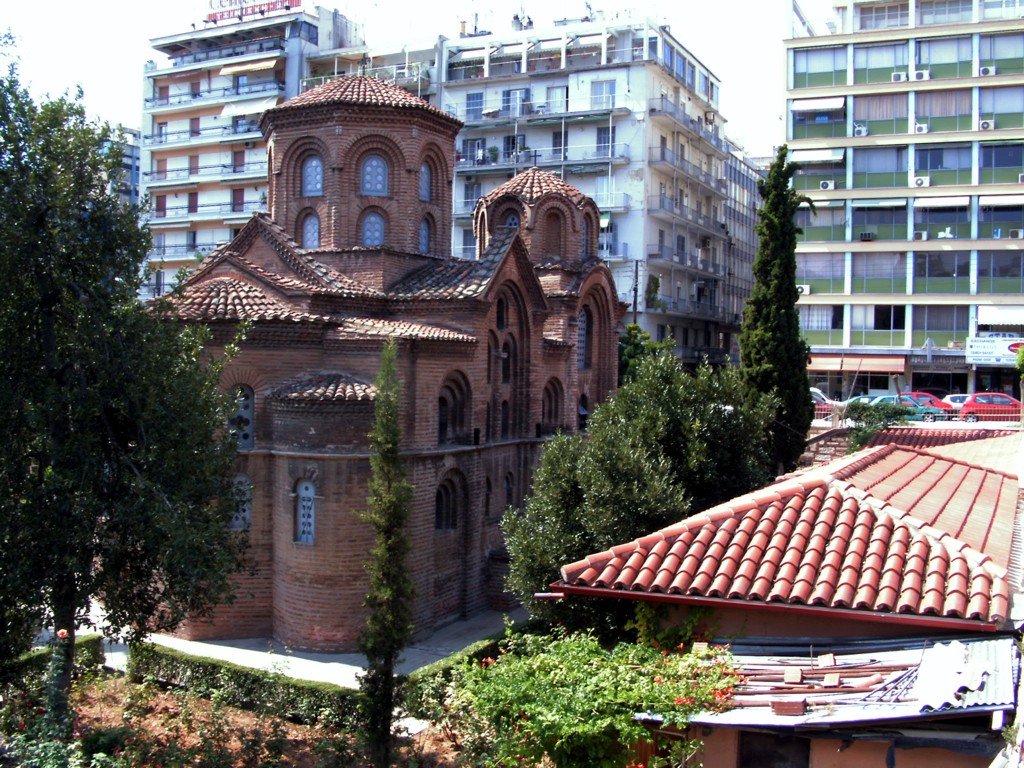
Hagia Sophia in Thessaloniki is a masterpiece of Byzantine architecture and an enduring spiritual landmark. Built in the 7th century atop a 5th-century basilica's remains, this UNESCO World Heritage Site has served as a cathedral, mosque, and now an active church. Renowned for its central dome, intricate mosaics, and rich history, Hagia Sophia stands at the heart of Thessaloniki’s cultural and religious life, inviting visitors to explore its layered past and awe-inspiring artistry.
This comprehensive guide covers everything you need to know about Hagia Sophia Thessaloniki: historical background, visiting hours, tickets, accessibility, travel tips, and highlights of its artistic and architectural treasures. Whether you are a history buff, architecture enthusiast, or spiritual traveler, this resource will help you plan a meaningful visit.
For the latest visitor information, consult the official UNESCO World Heritage listing, Nikana.gr guide, and The Byzantine Legacy.

Origins and Foundation
The Church of Hagia Sophia in Thessaloniki has roots stretching back to the early Christian era. The original basilica, dating from the 5th century CE, was likely destroyed by an earthquake between 620 and 630 CE (Nikana.gr). The current structure, begun in the 7th century, is one of the oldest surviving churches in the city and represents a key development in Byzantine ecclesiastical architecture (Sacred Destinations).
Architectural Evolution
Hagia Sophia’s design reflects the transition from the early Christian basilica to the domed cruciform plan emblematic of Byzantine architecture. The nearly square floor plan and monumental dome—supported by four massive piers and pendentives—demonstrate innovative solutions for creating large, open worship spaces (world4.eu). The structure’s robust construction was a response to the city’s seismic activity, ensuring its longevity.
Religious and Cultural Role
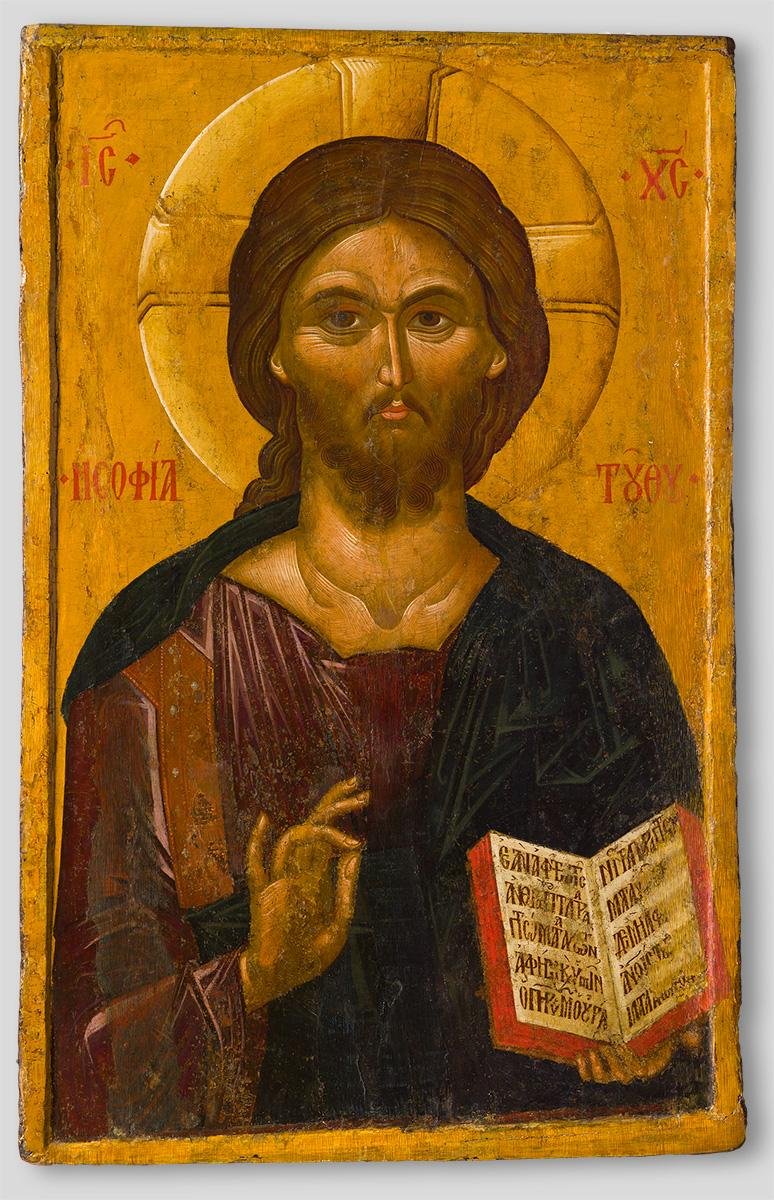
For more than seven centuries, Hagia Sophia was Thessaloniki’s metropolitan cathedral, dedicated to Christ as the True Wisdom of God (Nikana.gr). It hosted major liturgical events and embodied the city’s spiritual identity. The church’s inclusion as a UNESCO World Heritage Site highlights its universal cultural value (UNESCO).
Transformations Through the Ages
- Byzantine and Latin Periods: The church briefly served as a Catholic cathedral following the Fourth Crusade (1204–1224), before returning to Orthodox worship.
- Ottoman Era: After the Ottoman conquest in 1430, Hagia Sophia was converted into a mosque (Ayasofya Camii). Islamic elements such as a mihrab and minaret were added, though much of the Christian structure was preserved (Sacred Destinations).
- Modern Era: Fires and wars damaged Hagia Sophia, notably after the 1890 fire and again during the 1917 Great Fire. Restoration campaigns from the early 20th century through the 1980s have safeguarded its mosaics, frescoes, and structure (Nikana.gr).
Architectural Design and Structure
Layout and Dome
Hagia Sophia’s nearly square plan (about 31 x 29 meters) is typical of Middle Byzantine domed basilicas (thebyzantinelegacy.com). The church features a cruciform nave crowned by a central dome measuring approximately 10 meters in diameter (world4.eu). This dome, supported by four piers and pendentives, creates a spacious, open interior—an architectural innovation that influenced later Byzantine churches.
Exterior Features
The exterior is built mainly of brick and stone, with an understated, austere appearance. This plainness contrasts with the lavish interior decoration and allows the church to blend seamlessly into the urban landscape (cestee.com; traveltriangle.com). Over centuries, the church has become sunken below the modern street level, creating a peaceful retreat in the city center (thessalonikilocal.com).
Artistic Significance: Mosaics and Frescoes
Dome Mosaic: The Ascension
The dome mosaic, completed in the late 8th or early 9th century, is Hagia Sophia’s crowning artistic achievement (thebyzantinelegacy.com). It depicts Christ ascending in glory, encircled by angels, the Virgin Mary, and the apostles. The gold background and dynamic figures draw the viewer’s eyes upward, evoking transcendence and spiritual awe. An inscription from Acts 1:11 encircles the dome, emphasizing the theological message.
Apse Mosaic: Theotokos and Christ Child
In the apse, a mosaic of the Virgin Mary (Theotokos) enthroned with the Christ Child is a classic motif of Byzantine art, symbolizing divine wisdom and the incarnation (thebyzantinelegacy.com).
Narthex and Gallery Frescoes
Frescoes in the narthex and upper galleries, dating from the 11th to 14th centuries, depict saints and biblical scenes. Though some are fragmentary, they offer insight into the evolution of Byzantine iconography and local religious traditions.
Artistic Continuity and Restoration
Significant damage from fire, earthquakes, and time has necessitated multiple restoration campaigns. Efforts in the 20th century have revealed and preserved the church’s original mosaics and frescoes (traveltriangle.com). Some mosaics and artifacts are housed in the Museum of Byzantine Culture (thebyzantinelegacy.com).
Visitor Information: Hours, Tickets, Accessibility, and Tips
- Visiting Hours:
- Standard: Tuesday–Sunday, 8:00 AM–2:30 or 3:00 PM (may vary seasonally and on holidays).
- Alternative: Some sources report extended summer hours (8:00 AM–7:00 PM).
- Always check the official tourism website before your visit.
- Admission:
- Entry is free to all visitors. Donations are appreciated to support preservation.
- Dress Code:
- Modest attire is required; shoulders and knees should be covered.
- Accessibility:
- The main entrance has ramps and the nave is accessible, though some areas have uneven flooring or stairs.
- Guided Tours:
- Local guides and tour operators offer in-depth tours, often in multiple languages. Audio guides may be available on-site or via apps.
- Photography:
- Non-flash photography is usually allowed, but check for restrictions.
- Nearby Amenities:
- Restrooms, cafés, and souvenir shops are available in the surrounding square.
Travel Tips and Nearby Attractions
- Getting There:
- Centrally located at Hagia Sophia Square, a short walk from Aristotelous Square. Public transit is recommended due to limited parking.
- Best Time to Visit:
- Early mornings or late afternoons are quieter and ideal for photography.
- Nearby Sights:
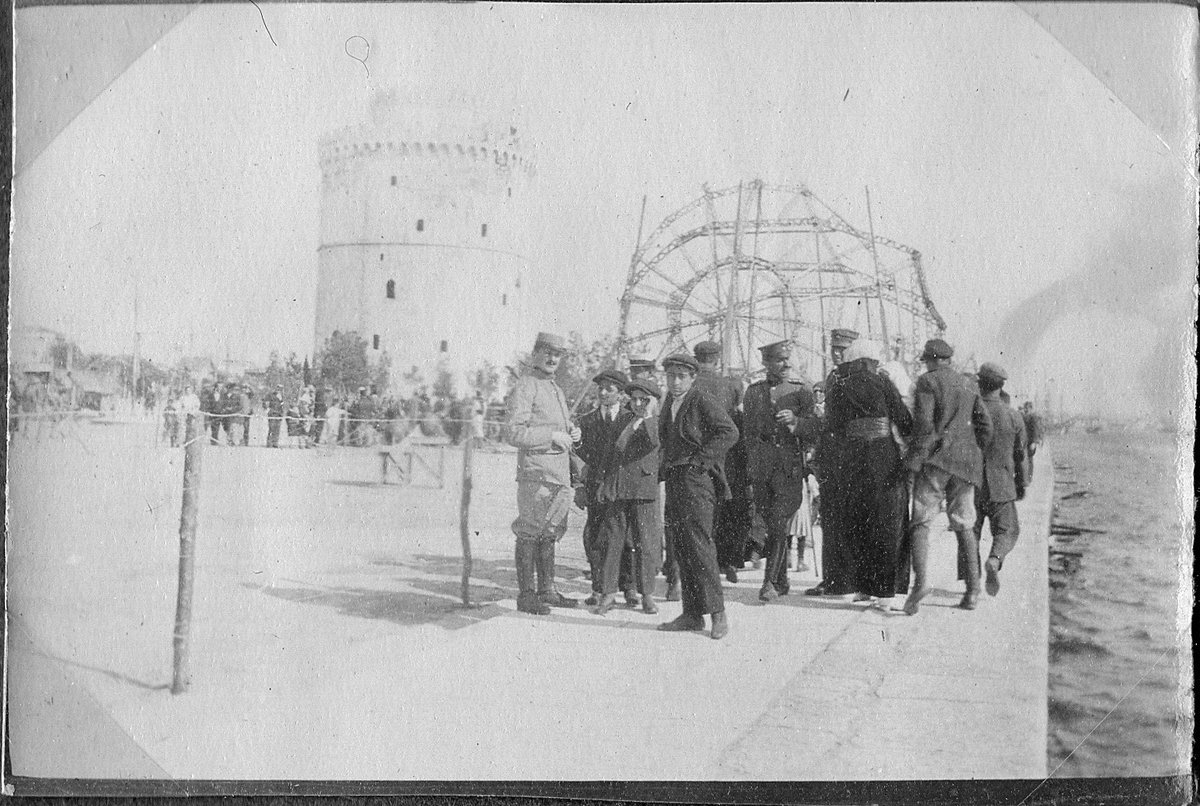
- Rotunda of Galerius, Archaeological Museum of Thessaloniki, White Tower, and other UNESCO-listed Byzantine churches.
Preservation and Legacy
Hagia Sophia’s domed basilica design influenced Byzantine architecture across the empire (world4.eu). Its mosaics and frescoes are masterpieces, representing key theological and artistic shifts from the Iconoclastic period through the Palaiologan renaissance. The church’s transformation through Christian and Islamic use reflects Thessaloniki’s multicultural heritage and resilience.
Ongoing conservation efforts ensure that Hagia Sophia remains accessible and inspiring for future generations.
Frequently Asked Questions (FAQ)
Q: What are Hagia Sophia Thessaloniki’s opening hours?
A: Typically Tuesday–Sunday, 8:00 AM–2:30/3:00 PM; extended hours in summer. Closed Mondays and on holidays. Always confirm before your visit.
Q: Is there an entrance fee?
A: No, entry is free. Donations support preservation.
Q: Are guided tours available?
A: Yes, through local guides and agencies; audio guides may be available.
Q: Is Hagia Sophia wheelchair accessible?
A: The main entrance and nave are accessible; some areas may be challenging.
Q: Can I take photographs inside?
A: Non-flash photography is usually permitted; follow on-site instructions.
Q: What else should I see nearby?
A: The Rotunda, Archaeological Museum, and other Byzantine churches.
Discover More
Hagia Sophia Thessaloniki is a living testament to the city’s Byzantine legacy, architectural innovation, and spiritual significance. Its mosaics, dome, and layered history offer a profound experience for all visitors. Plan your visit with the information above, and consider booking a guided tour or using an audio app to enrich your exploration.
For up-to-date details, guided tour options, and nearby attractions, visit the official Thessaloniki Tourism guide. Stay connected with us on social media for news and travel inspiration.
Visuals and Media


Note: Images are illustrative. Please verify visiting hours and tour availability prior to your visit.
Listen to the full story in the app
The whole Hagia Sophia,
told well.
Audio guides for 1,100+ cities across 96 countries. History, stories, and local insight — offline ready.
Verified, and shown.
Researched and written by the Audiala editorial team from historical records, architectural archives, and local expertise.
Researched from Wikidata, Wikipedia & official sources · fact-checked · How we make our guides →