Plan and listen to Bust Of Ioannis Papafis, Thessaloniki with Audiala.
Audio guide in your pocket, itinerary in your browser. Built for the way you actually visit.
Introduction
Thessaloniki, Greece’s dynamic second-largest city, stands at the confluence of history, culture, and philanthropy. Among its many landmarks, the bust of Ioannis Papafis—one of the 19th century’s most influential Greek benefactors—is a vital symbol of the city’s spirit. Papafis, born in Thessaloniki during the Ottoman era, built a successful career in international trade, yet always retained a deep commitment to his homeland. His enduring legacy is most notably represented by the Papafeio Orphanage, which has played a transformative role in Thessaloniki’s social welfare and remains a living testament to his vision (Wikiwand; ekathimerini.com).
This comprehensive guide details the historical context of Papafis and his monument, offers practical information for visitors—including hours, tickets, accessibility, and transportation—and recommends nearby attractions for a well-rounded experience in Thessaloniki.
Thessaloniki’s Historical Tapestry
Ancient and Roman Heritage
Founded in 315 BCE by Cassander of Macedon, Thessaloniki’s location on the Thermaic Gulf and the Via Egnatia made it a linchpin of commerce and governance. Key sites from this era include the Roman Forum (Ancient Agora), the Arch of Galerius, and the Rotunda—each reflecting the city’s imperial past (KiwiBox; Rent a Car Potos).
Byzantine and Ottoman Influences
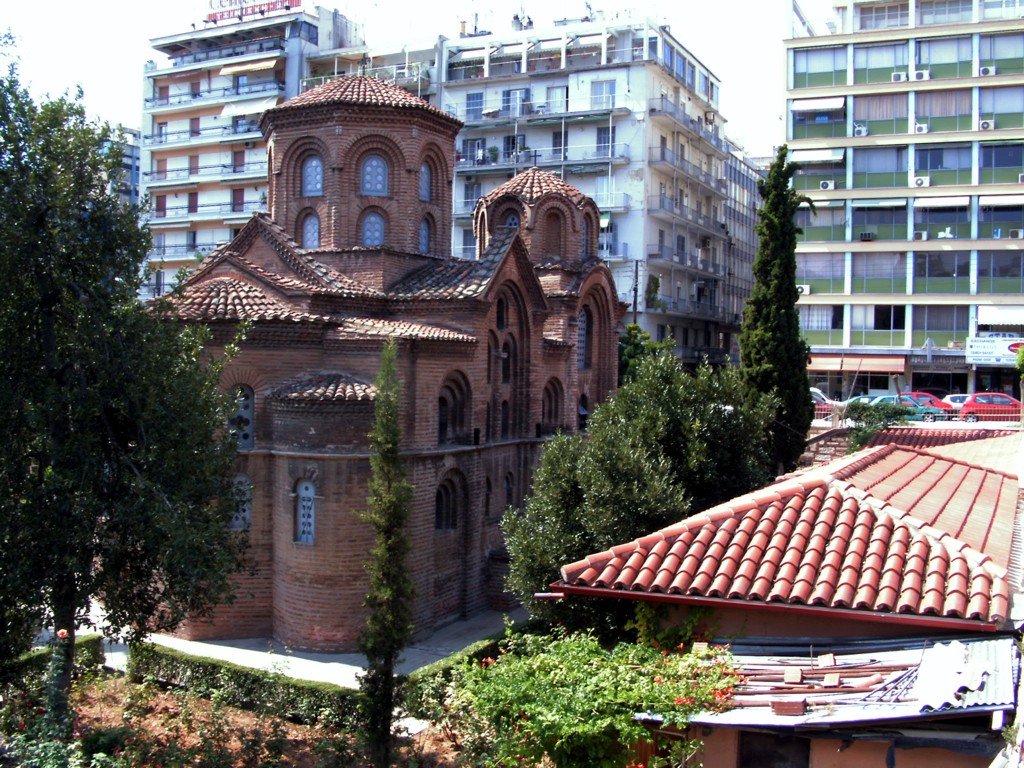
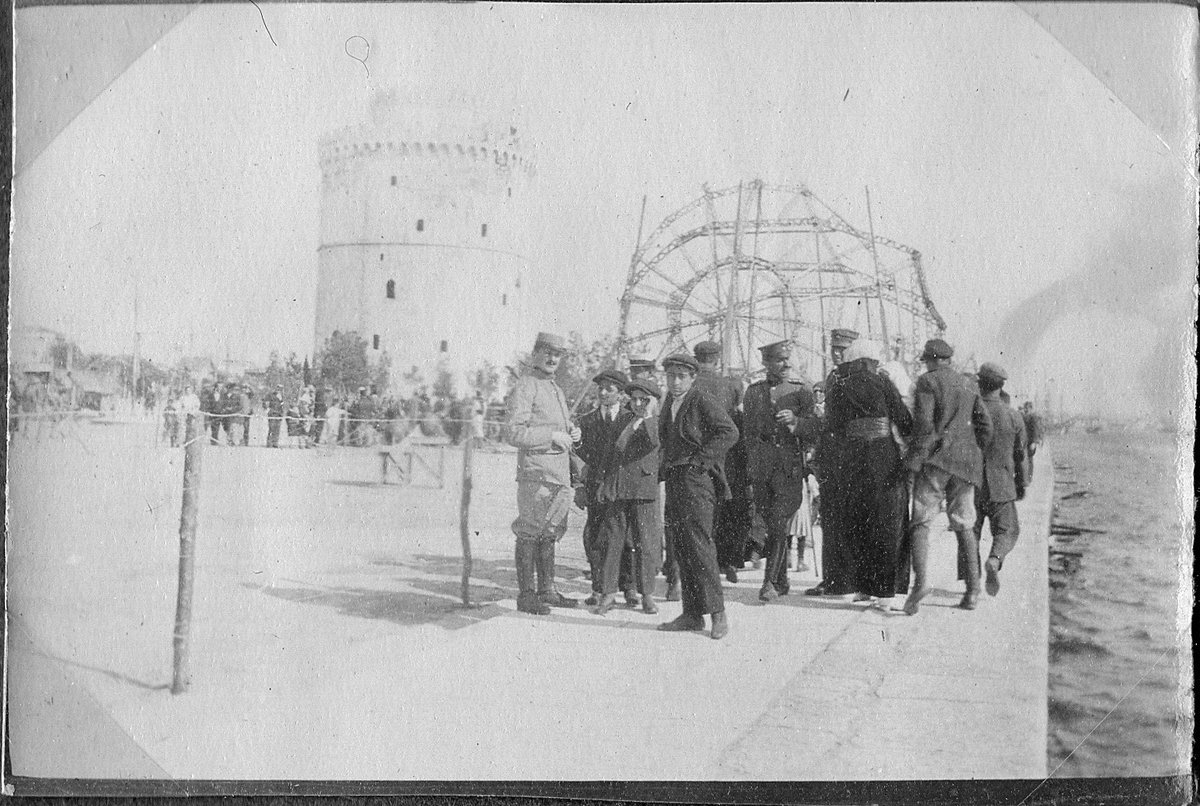
The city’s Byzantine Walls and UNESCO-listed churches like Agios Dimitrios and Aghioi Apostoloi showcase Thessaloniki’s medieval and Orthodox heritage (KiwiBox; Rent a Car Potos). The Ottoman period brought the construction of the iconic White Tower, now a symbol of Thessaloniki (Greece Is).
Ioannis Papafis: Life and Philanthropic Legacy
Early Life & Diaspora Connections
Born in Thessaloniki in 1792, Ioannis Papafis (Giovanni di Niccolò Pappaffy) hailed from a merchant family. His international career spanned Malta, Egypt, and Smyrna, where he established a thriving brokerage business (Wikiwand; biographies.net).
Support for Independence & Education
Papafis’s financial support for the Greek War of Independence and leading roles in founding the National Bank of Greece and the University of Athens were pivotal to the formation of the modern Greek state (Wikiwand).
Papafeio Orphanage: Visitor Information
The Papafeio Orphanage, at 15 Papafi Street, is an impressive neoclassical complex designed by architect Paionidis. It remains an active institution providing vocational training and care for youth, and has served as a hospital during wartime (ekathimerini.com).
- Visiting Hours: Monday to Friday, 9:00 AM – 5:00 PM
- Tickets: Free entry; guided tours require advance booking
- Accessibility: Wheelchair friendly
- Guided Tours: Available by request
The Bust of Ioannis Papafis: Locations & Visitor Tips
Papafis’s bust is found in several notable Thessaloniki locations: the Papafeio Orphanage grounds, the waterfront promenade near the White Tower, and the Thessaloniki International Exhibition & Conference Center (TIF-HELEXPO). Each site is accessible, free to visit, and positioned amidst gardens or public spaces.
Description and Setting
The bronze neoclassical bust portrays Papafis with dignity and contemplation, set on a marble pedestal inscribed with his achievements. It is surrounded by landscaped gardens or plazas, offering a tranquil environment for reflection (welcome-greece.gr; HELEXPO official site).
Cultural Significance
More than a statue, the bust embodies Thessaloniki’s philanthropic ethos and collective memory. The Papafeio Orphanage continues to operate, and alumni gatherings reinforce Papafis’s impact on the city’s social fabric (ekathimerini.com).
Artistic Features
The bust’s neoclassical style and detailed bronze work reflect the era’s public monument traditions. Its placement and design encourage visitors to consider the values of generosity and civic responsibility.
Visiting Hours, Tickets, and Accessibility
Bust at Papafeio Orphanage
- Location: Maglio Gardens, Papafi district
- Hours: Daily, dawn to dusk
- Tickets: Free
- Access: Wheelchair accessible; easy via public transit
Bust at TIF-HELEXPO
- Address: Egnatia 154, 546 36 Thessaloniki (HELEXPO official site)
- Hours: Typically 8:00 AM – 8:00 PM; check event schedules
- Tickets: Free for outdoor areas; fees may apply for exhibitions
- Access: City buses, taxi, on foot from city center, or by car (ample parking)
Waterfront Promenade Bust
- Location: Near White Tower and thematic gardens
- Hours: 24/7, year-round
- Tickets: Free
Planning Your Visit: Transportation and Tips
- Public Transport: OASTH buses serve all major destinations, including the orphanage, HELEXPO, and waterfront (Thessaloniki Bus Guide).
- Taxis/Rideshare: Widely available; specify “HELEXPO,” “Papafeio Orphanage,” or “White Tower.”
- On Foot: Short walks connect most central attractions.
- Accessibility: All locations are generally wheelchair accessible; check details with visitor centers if needed.
- Visitor Etiquette: Respect the sites—avoid loud behavior, keep areas clean, and seek permission for photographing people.
Nearby Attractions
- White Tower of Thessaloniki: City’s most recognizable landmark
- Archaeological Museum: Ancient Macedonian artifacts
- Museum of Byzantine Culture: Explore Thessaloniki’s Byzantine legacy
- Byzantine Walls and Churches: UNESCO-listed sites
- Aristotelous Square: Central neoclassical plaza
- Modiano Market: Bustling food and spice market
- Parks and Gardens: Shaded walks and public art installations
For a deeper experience, join one of the city’s guided walking tours that include the bust and related sites (voyagetips.com).
Frequently Asked Questions (FAQ)
Q: What are the visiting hours for the bust of Ioannis Papafis?
A: Most locations are accessible daily during daylight hours; the waterfront site is open 24/7.
Q: Is there an entrance fee?
A: No, all bust locations are in public spaces with free access.
Q: Are guided tours available?
A: Yes, tours can be arranged during commemorative events or through local guides.
Q: How do I reach the bust using public transportation?
A: City buses and taxis serve all main sites; walking is also an option from central Thessaloniki.
Q: Is the area accessible for disabled visitors?
A: Yes, the main sites are wheelchair accessible, though some nearby streets may have cobblestones.
Listen to the full story in the app
The whole Bust Of Ioannis Papafis, Thessaloniki,
told well.
Audio guides for 1,100+ cities across 96 countries. History, stories, and local insight — offline ready.

Verified, and shown.
Researched and written by the Audiala editorial team from historical records, architectural archives, and local expertise.
Researched from Wikidata, Wikipedia & official sources · fact-checked · How we make our guides →