
Origins and Early Construction
Construction of the Temple of Olympian Zeus began in the 6th century BCE under the Athenian tyrant Peisistratos and his sons. Designed to surpass all other Greek temples in scale, the original plan featured a grand Doric layout. Political upheaval, including the fall of the Peisistratid tyranny, brought work to a halt, leaving only the foundations and a few columns. For centuries, the unfinished temple symbolized both Athens’ aspirations and its shifting fortunes. (Wikipedia; Art History Project; Pleiades)
Hellenistic Revival and Roman Completion
Efforts to resume the project surfaced in the 2nd century BCE, when Antiochus IV Epiphanes enlisted Roman architect Decimus Cossutius and adopted the more elaborate Corinthian order. However, construction stalled again after Antiochus’s death. The temple was finally completed in the 2nd century CE by Emperor Hadrian, a noted Philhellene, who made the Olympieion a centerpiece of his building program in Athens. At its completion, it was the largest temple in Greece, boasting 104 Corinthian columns—each 17 meters tall—crafted from fine Pentelic marble. (Shiny Greece; The Archaeologist)
Role in Ancient Athens
Dedicated to Zeus, king of the Olympian gods, the temple was both a religious sanctuary and a monumental symbol of Athenian and Roman imperial power. It housed a massive chryselephantine statue of Zeus and became a focal point of festivals, processions, and imperial cult worship. Hadrian’s nearby arch marked the boundary between classical Athens and the Roman quarter, highlighting the temple’s role in the city’s urban development and religious life. (Greek Reporter)
Decline and Rediscovery
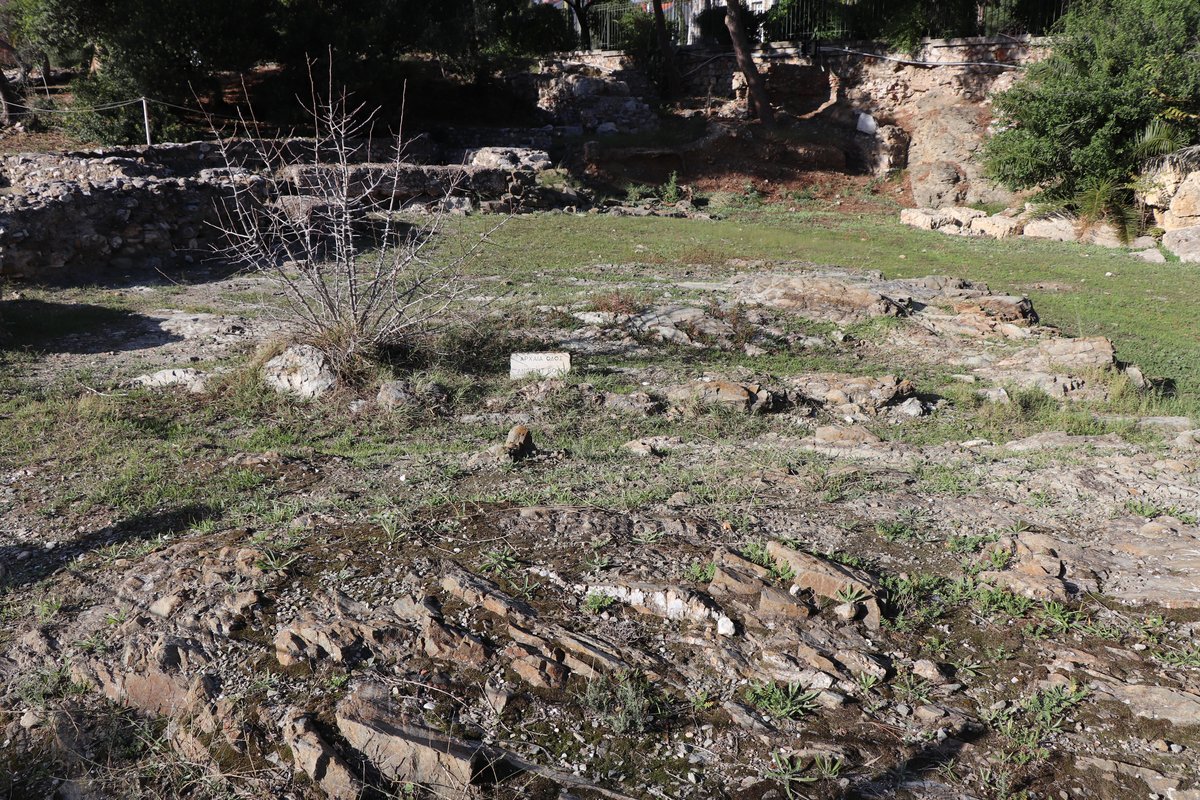
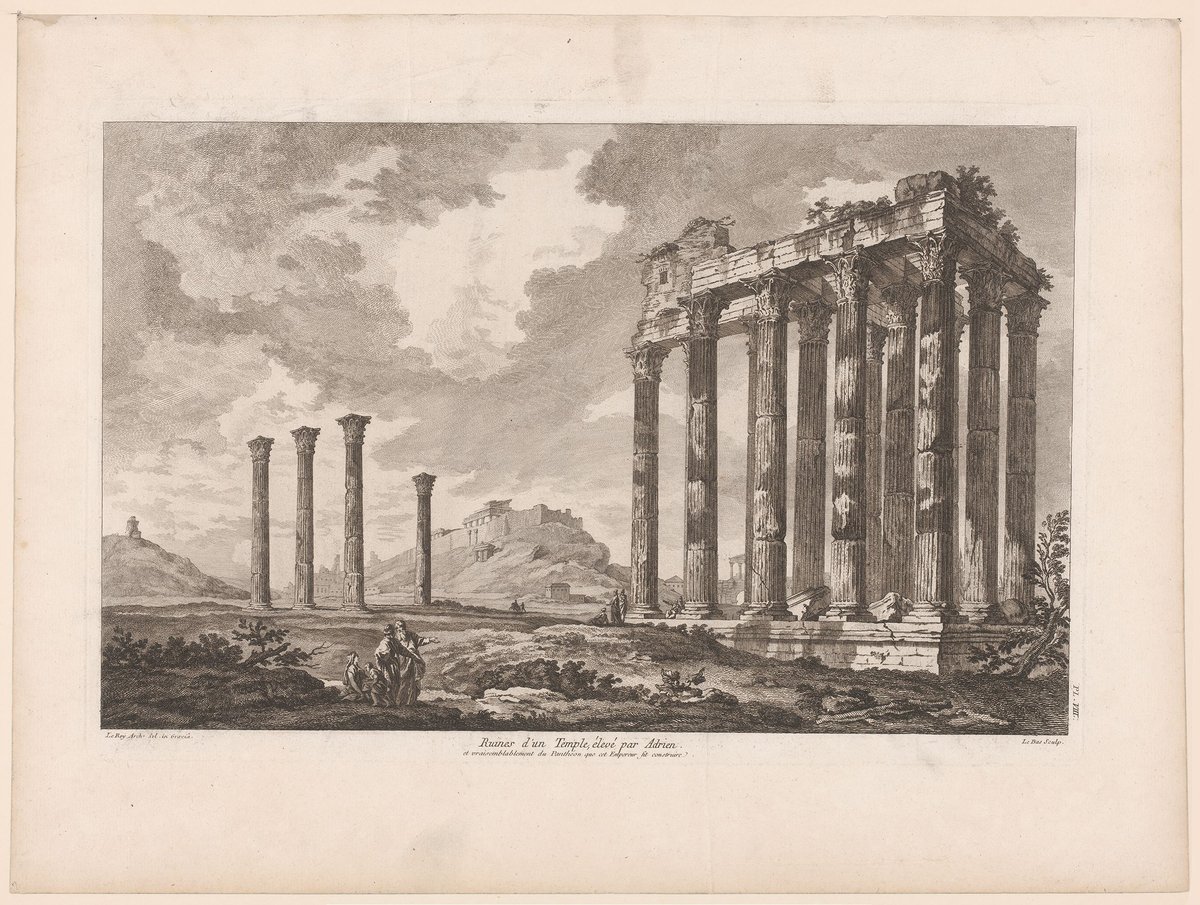
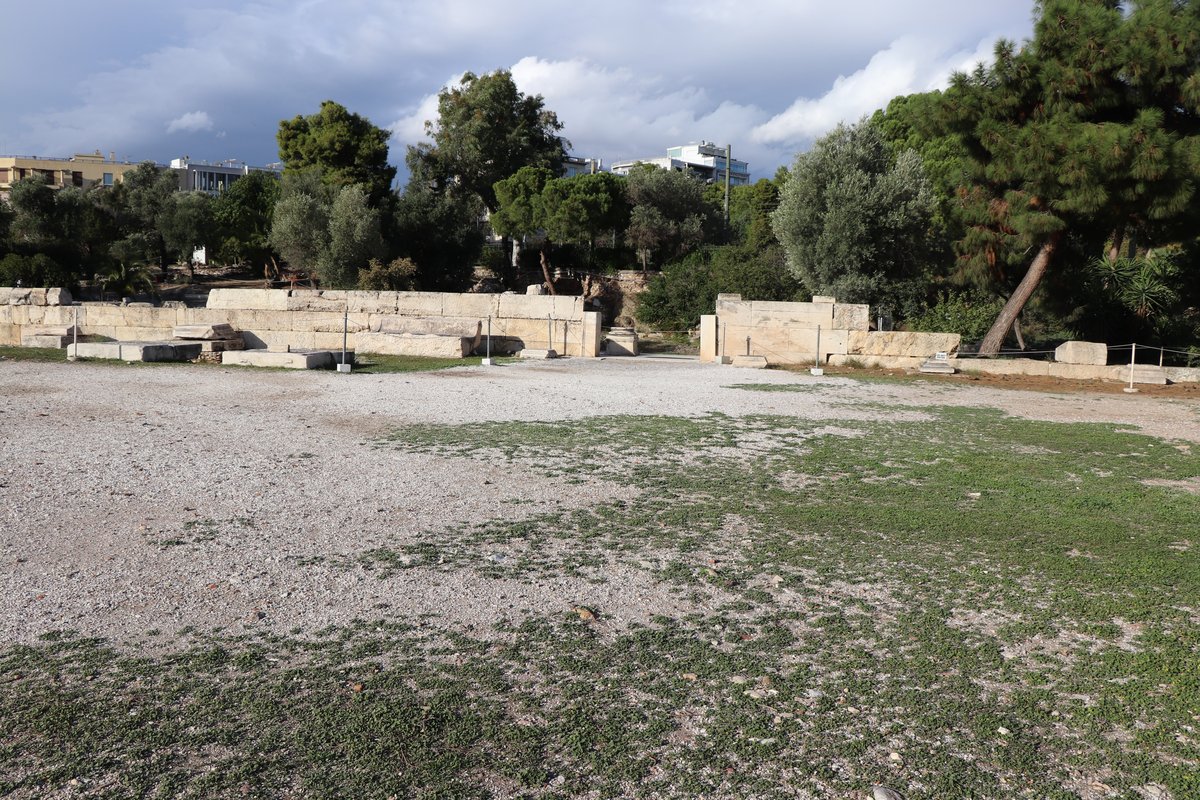
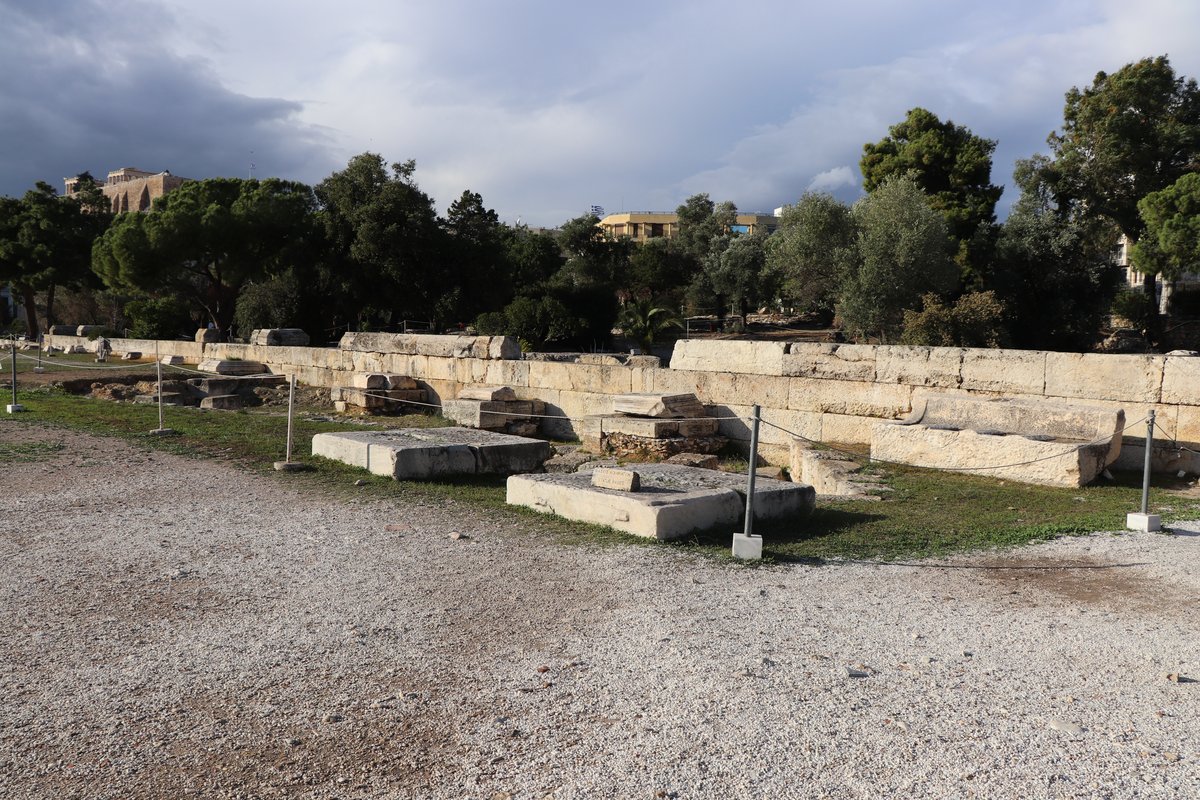
The temple began to decline after invasions in the late 3rd century CE. Over centuries, much of its marble was repurposed, and earthquakes and neglect contributed to its ruinous state. By the Middle Ages, only fragments remained, and the site was largely abandoned until archaeological interest revived in the 19th century following Greek independence. Ongoing excavations and conservation efforts have stabilized the remaining columns and unveiled parts of the temple’s original footprint. (Greek Reporter; Wikipedia)
Architectural Significance
Scale and Layout
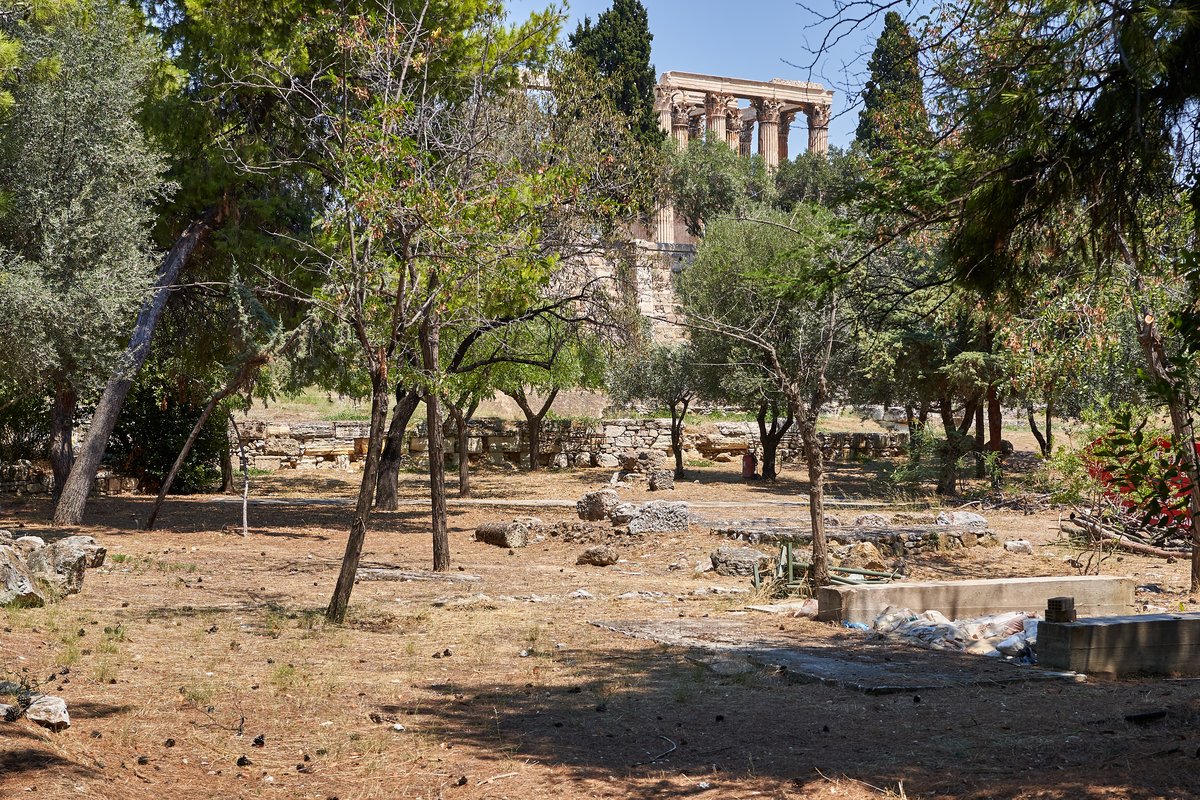
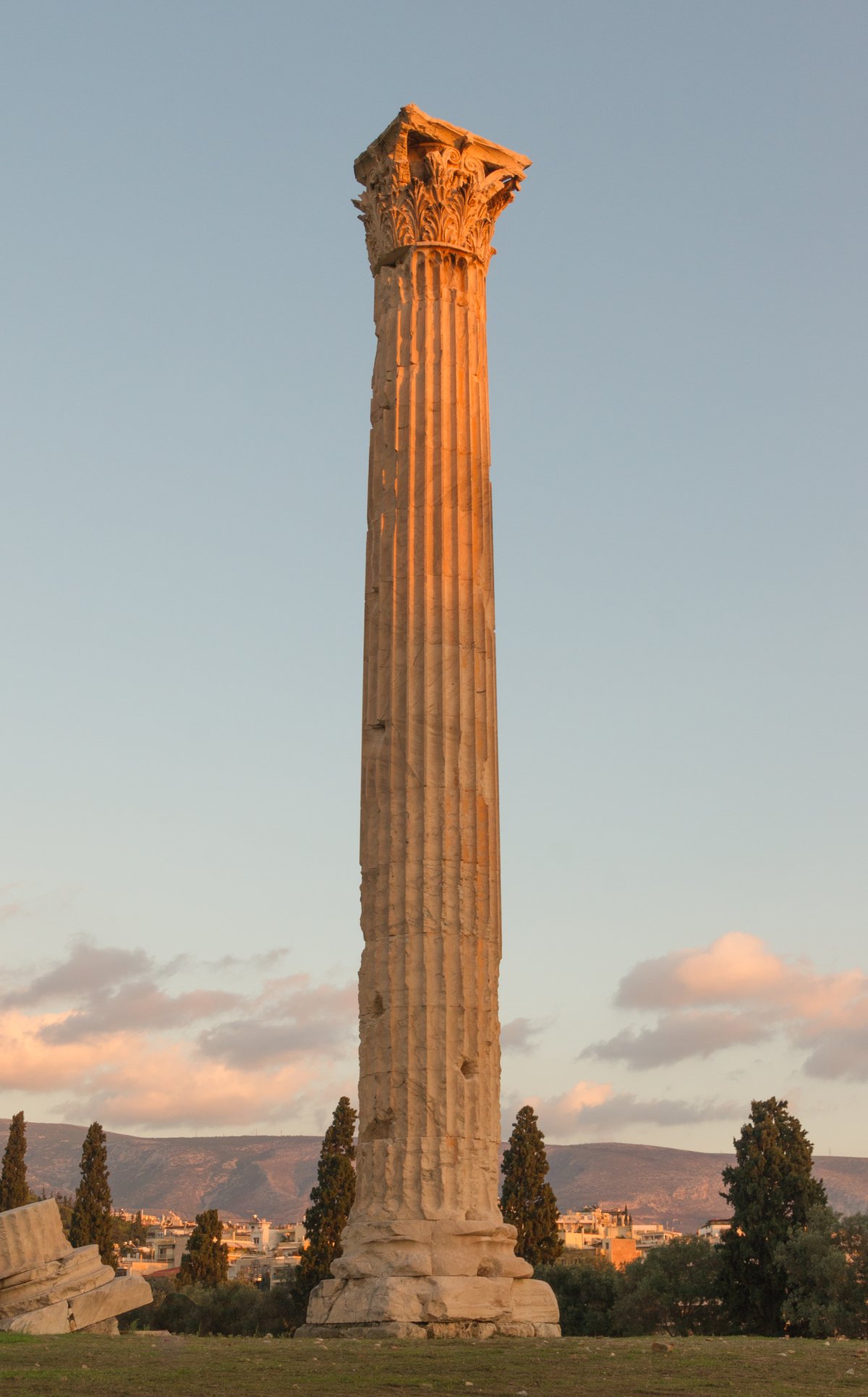
At 96 by 40 meters, the Temple of Olympian Zeus was the largest temple in Greece and one of the largest in the ancient world. Its original design called for 104 colossal columns arranged in a double peristyle: 8 columns on each short side and 20 on each long side. Today, 15 columns remain standing, with a 16th lying on the ground, toppled during a storm in 1852. (Greek History Hub; The Archaeologist)
Corinthian Order and Innovations
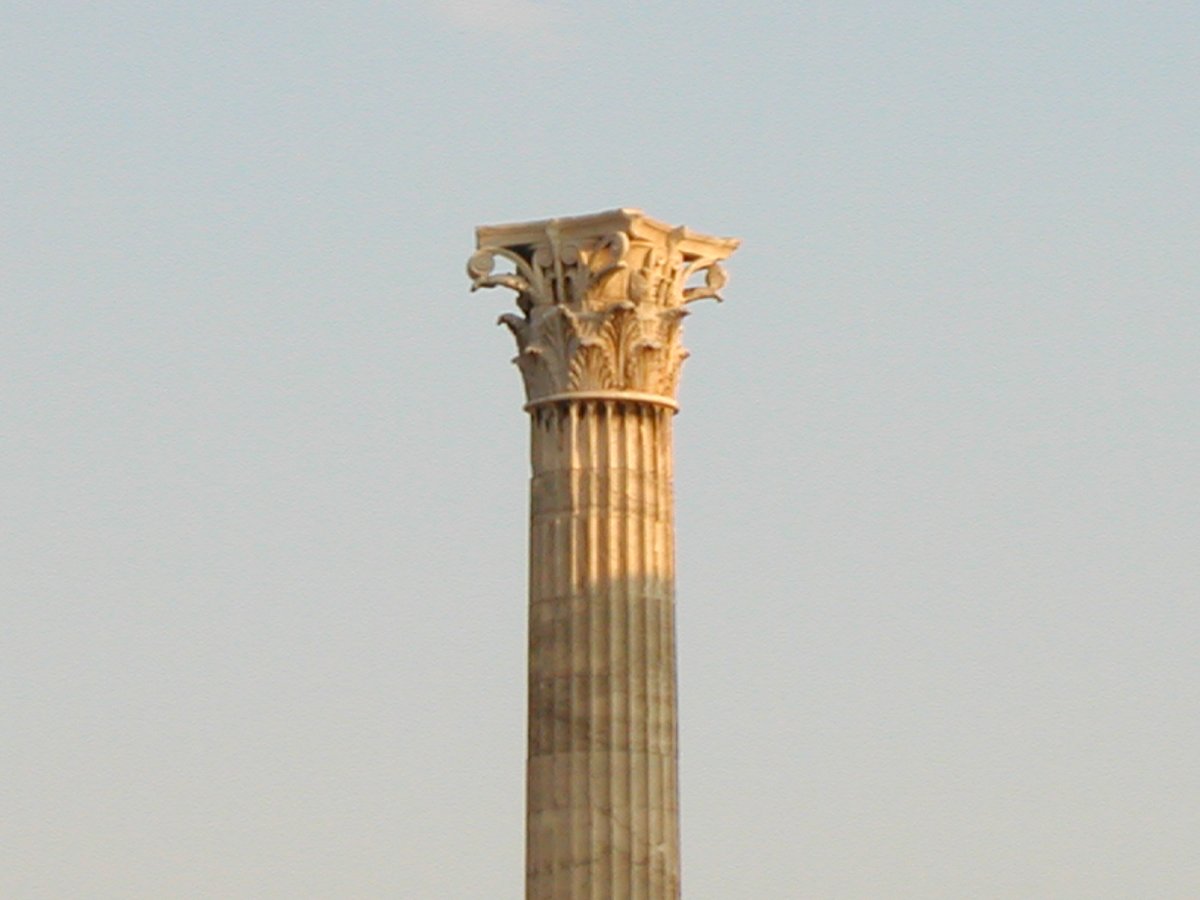
The adoption of the Corinthian order—characterized by ornate capitals with acanthus leaves—was a significant innovation, representing a shift toward more elaborate architectural styles under Hellenistic and Roman influence. The Olympieion’s columns, at nearly 17 meters tall and 2 meters in diameter, are among the tallest of any ancient Greek temple and showcase the skill and ambition of its builders. (World History Edu)
Materials and Engineering
Constructed mainly from Pentelic marble, quarried northeast of Athens, the temple’s massive columns were assembled from stacked drums joined by metal dowels. The foundation incorporated advanced engineering to ensure stability on Athens’ seismic terrain. Archaeological studies have revealed complex substructures and drainage systems, reflecting the technical prowess of ancient engineers. (Greek History Hub; The Archaeologist)
Visiting the Temple
Location and Getting There
Centrally located in Athens, the temple is about 700 meters south of Syntagma Square and near the Acropolis, making it easily accessible on foot or by public transit.
- By Metro Akropoli Station (Line 2) is the closest stop (introducingathens.com).
- By Bus Bus 209 stops outside the main entrance on Leof. Vasilissis Olgas (historyhit.com).
- By Car Limited parking is available, but central Athens traffic and parking can be challenging.
- From the Acropolis or Syntagma Both are a 10-minute walk.
Tip: Use an interactive map or navigation app for walking directions.
Opening Hours
- Summer (April–October) 08:00 – 19:00 or 20:00 (last entry 30 minutes before closing)
- Winter (November–March) 08:00 – 15:00 or 17:00
- Public Holidays Hours may vary; check official sources before your visit.
(travelthegreekway.com; acropolis-athens-tickets.com)
Tickets and Entry Fees
- Standard Adult €8 (April–October); €4 (Nov–March)
- Reduced €4 (non-EU visitors 6–25; EU citizens over 65)
- Free EU residents under 25, children under 5, select public holidays
- Combined Ticket €30 (valid 5 days, includes Acropolis, Ancient Agora, Roman Agora, Hadrian’s Library, Kerameikos, Aristotle’s School, and the Temple of Olympian Zeus)
Tickets can be bought at the entrance (cash or card) or online to skip queues. (acropolis-athens-tickets.com; temple-of-zeus.com)
Accessibility
- Wheelchair Access The main entrance on Vasilissis Olgas Avenue is accessible, but the site has some uneven terrain.
- Facilities Braille boards and tactile maps for visually impaired visitors, accessible restrooms, and priority seating are available.
- Assistance Staff can provide help; contact ahead for detailed access info.
(travelthegreekway.com; acropolis-athens-tickets.com)
Facilities and Site Rules
- Museum Shop Sells books, souvenirs, and replicas.
- Café Small café serves refreshments (eating/drinking prohibited in archaeological area except water).
- Restrooms Accessible toilets on site.
- Seating Limited shaded seating—bring hats and water in warm months.
- Rules No touching or climbing ruins; no smoking or littering; only service animals allowed; commercial/professional photography requires a permit.
(historyhit.com; acropolis-athens-tickets.com)
What to See
- Temple Ruins Fifteen standing Corinthian columns, each nearly 17 meters tall; a toppled column offers insight into ancient construction methods.
- Hadrian’s Arch Marble gateway marking the transition between ancient Greek and Roman Athens.
- Other Features Remnants of Roman bathhouses, the altar of Zeus, and ancient shrines.
(travelthegreekway.com; introducingathens.com)
Guided Tours and Audioguides
- Guided Tours Available in multiple languages, often combined with visits to the Acropolis and Plaka.
- Audioguides Some online tickets include audioguides or downloadable apps.
- Visit Duration Most visitors spend 1–2 hours at the site.
(acropolis-athens-tickets.com; temple-of-zeus.com)
Travel Tips
- Weather Summers are hot—bring water, sunscreen, and hats.
- Footwear Sturdy shoes recommended for uneven paths.
- Best Times Early morning or late afternoon for fewer crowds and better lighting.
- Payment Most facilities accept cards.
- Restoration Occasionally, areas may be closed for maintenance—check ahead for updates.
(historyhit.com; travelthegreekway.com)
Nearby Attractions
- Acropolis & Acropolis Museum Essential visits, included in the combined ticket.
- Plaka District Historic neighborhood with dining and shopping.
- Ancient Agora, Roman Agora, Hadrian’s Library All accessible with the combined ticket and within walking distance.
- Panathenaic Stadium Site of the first modern Olympics.
- National Garden & Zappeion Hall Ideal for relaxation after your visit.
Frequently Asked Questions
How long should I spend at the temple?
Most visits last 30 minutes to 2 hours, depending on your interest and whether you join a tour. (travelthegreekway.com)
Is this the same as the Temple of Zeus at Olympia?
No, this is a different temple in Athens; the Olympia temple was the site of the ancient Olympic Games.
Can I buy tickets at the site?
Yes, but online purchase is recommended during busy seasons.
Are guided tours suitable for families?
Many are family-friendly—check with providers for child-friendly options.
Is photography allowed?
Yes, for personal use. Professional photography requires a permit.
Is the site accessible for those with mobility issues?
The site is mostly flat but has uneven surfaces; assistance may be necessary.