Plan and listen to Bust Of Andreas Miaoulis, Piraeus with Audiala.
Audio guide in your pocket, itinerary in your browser. Built for the way you actually visit.
Introduction
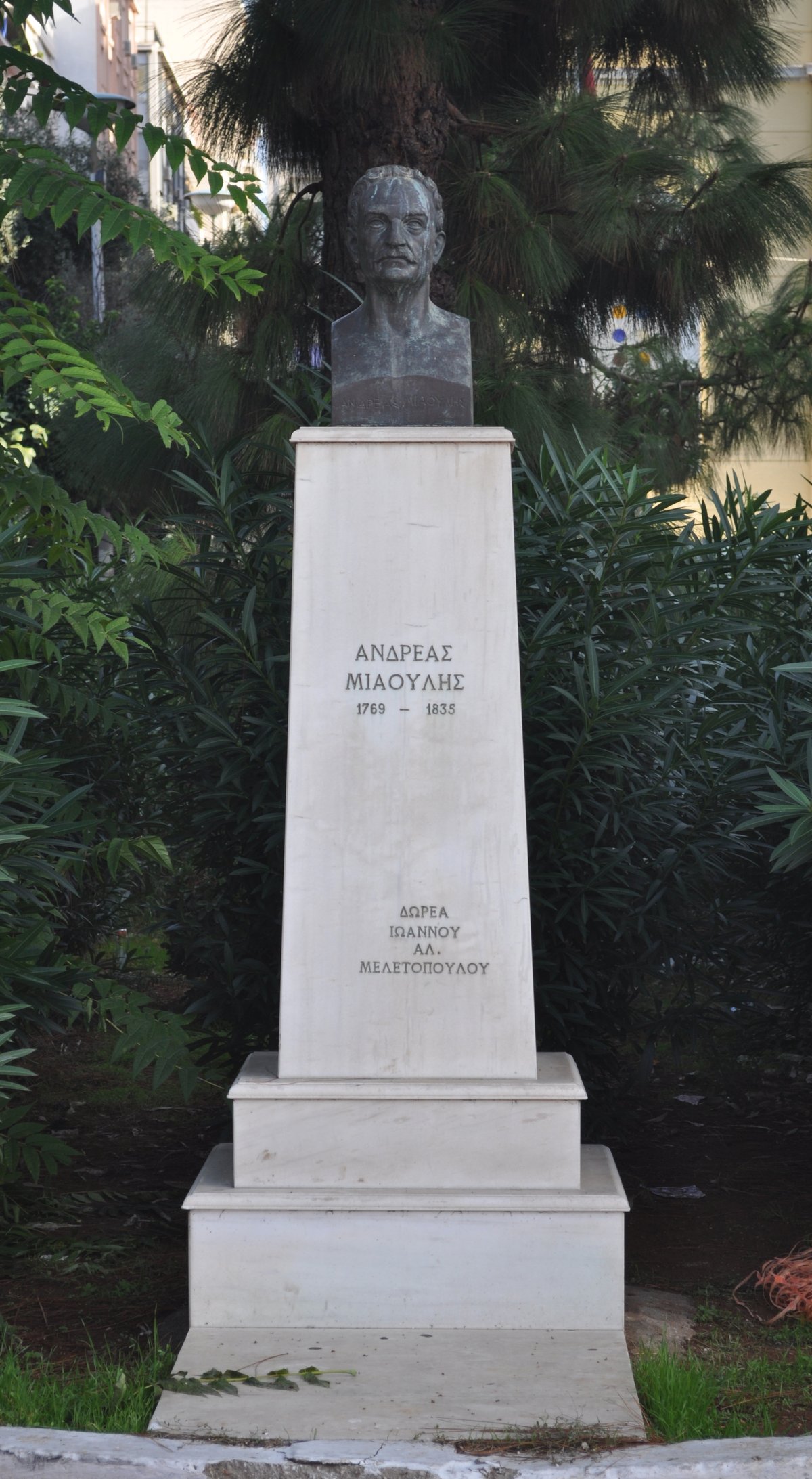
The Bust of Andreas Miaoulis in Piraeus is a significant monument dedicated to one of Greece’s most revered naval heroes of the Greek War of Independence (1821–1829). Located in the heart of Piraeus, Greece’s principal port city, this monument serves as a testament to Miaoulis’s enduring legacy and the city’s pivotal role in the nation’s maritime history. This comprehensive guide explores the historical background of Andreas Miaoulis, provides detailed visitor information (including location, accessibility, and visiting hours), and highlights nearby attractions and annual cultural events.

Historical Background: Andreas Miaoulis and Greek Maritime Heritage
Andreas Miaoulis (born Andreas Vokos) was a distinguished naval commander from Hydra, an island renowned for its maritime tradition. Born in the late 18th century—most likely in 1769, though some sources suggest 1765—Miaoulis rose from a prominent ship-owning family with roots in Hydra and possibly Euboea (Britannica, Greek Boston, Wikipedia). As a merchant captain, he amassed wealth during the Napoleonic Wars, often breaking blockades and supplying European cities under threat.
When the Greek War of Independence erupted in 1821, Miaoulis and other Hydra shipowners pledged their fleets and fortunes to the revolutionary cause. Appointed admiral of the Hydra fleet, he quickly distinguished himself in key naval engagements, including the destruction of Turkish frigates at Patras and Gerontas. His strategic acumen and willingness to sacrifice personal wealth were instrumental in securing Greek victories at sea, disrupting Ottoman supply lines, and inspiring unity among the Greek islands (Greek Herald, Greece High Definition).
After independence, Miaoulis continued to influence national politics and naval affairs, ultimately being honored with the Grand Cross of the Order of the Redeemer by King Otto. He died in 1835 and was initially buried in Piraeus, near the tomb of Themistocles, later being reinterred on Hydra (Lessons and Joys of Travel).
The Bust of Andreas Miaoulis in Piraeus
Location and Access
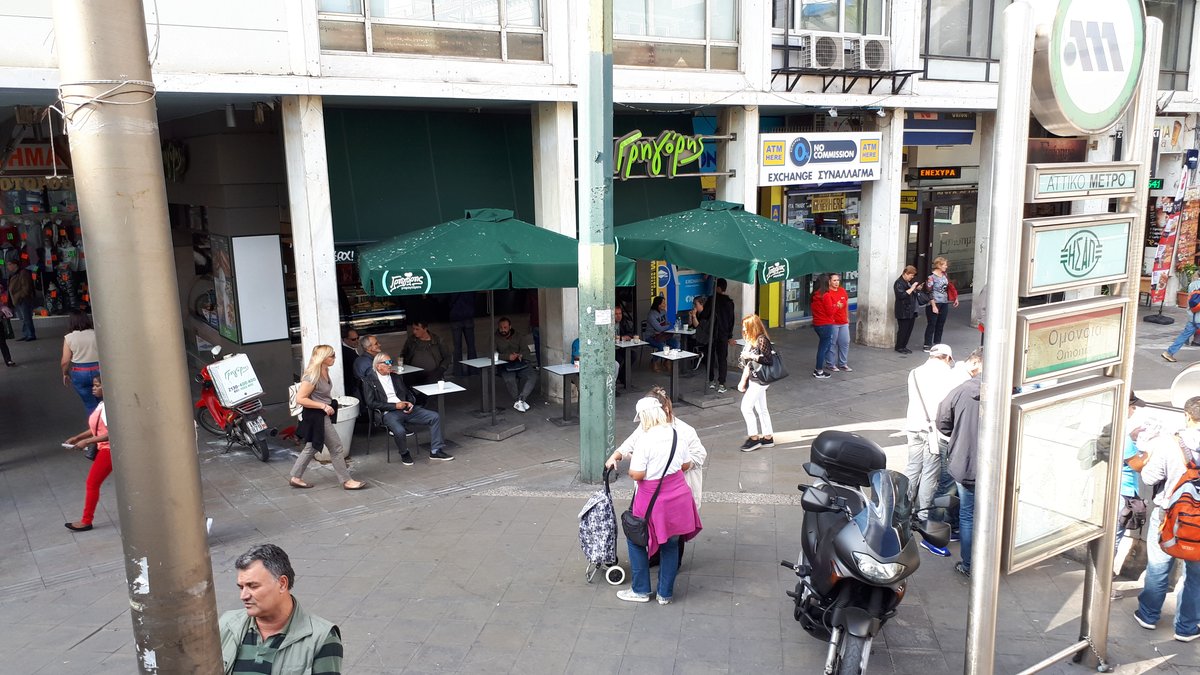
The bust is prominently situated on Akti Miaoulis, along the right coast of Piraeus harbor, near Terminal A “Miaoulis” (Gate E11), and within walking distance of the Piraeus Municipal Theatre and main ferry terminals. Miaoulis Square (Πλατεία Μιαούλη) serves as a lively hub, surrounded by cafes, shops, and public spaces, making the monument easily accessible for both locals and visitors (Piraeus.org).
- Metro: Piraeus Metro station (Line 1, Green Line) is about 500 meters from Miaoulis Square.
- Bus and Taxi: Multiple bus routes and taxis connect the port, square, and central Athens.
- Ferries: Arriving by sea, visitors can reach the bust within a 10–15 minute walk from the cruise terminals.
Visiting Hours and Admission
- Hours: The bust is outdoors and accessible 24/7, year-round.
- Admission: Free of charge; no tickets required.
Accessibility
The area around the bust is wheelchair accessible, featuring paved walkways and ramps. The square’s open design ensures close viewing of the monument, with benches, shaded areas, and nearby restrooms providing comfort for all visitors.
Photographic Opportunities
The bust’s position by the harbor provides a stunning backdrop for photography, especially at sunrise or sunset. The open square allows for diverse photo angles, capturing both the monument and the bustling port.
Nearby Attractions
- Archaeological Museum of Piraeus: Artifacts from the Mycenaean to Roman eras.
- Hellenic Maritime Museum: Chronicles Greece’s naval history.
- Municipal Theatre of Piraeus: Iconic neoclassical building and cultural venue.
- Saint Spyridon Church: Renowned for its architecture and mosaics.
- Bay of Zea (Pasalimani): Picturesque marina with cafes and shipyard ruins.
- Tinan Garden, Troumpa District, and Kastella Neighborhood: Offer green spaces, nightlife, and panoramic views.
- Upcoming National Museum of Underwater Antiquities: (Opening in 2026, located in the SILO building).
Cultural and National Significance
The bust of Andreas Miaoulis is part of Greece’s tradition of commemorating the heroes of 1821 through public monuments crafted from bronze and marble, symbolizing resilience and national pride. Miaoulis’s contributions, alongside those of other naval commanders like Constantine Kanaris and Laskarina Bouboulina, are central to the Greek identity and the nation’s maritime legacy (Greece High Definition, Wikipedia).
Annual Events and Commemorations
Miaoulia Festival
The Miaoulia Festival, primarily celebrated on Hydra, honors Admiral Miaoulis’s legacy with religious services, naval reenactments, parades, and fireworks. Piraeus also marks this occasion with memorial ceremonies and cultural events, typically during the last weekend of June (hydra.gr, Hydra Direct).
Other Local Events
Piraeus hosts various cultural activities throughout the year, including concerts, exhibitions, and the Sea Days festival, celebrating the city’s maritime culture.
Practical Visitor Tips
- Best Times to Visit: Spring (April–June) and autumn (September–October) offer mild weather and fewer crowds.
- Amenities: Cafes, shops, public restrooms, and benches are available near the square and harbor.
- Safety: Piraeus is generally safe, but it’s advisable to remain aware of your belongings, particularly during busy periods.
- Language and Currency: Greek is the official language, but English is widely spoken. The Euro (€) is the local currency, with many ATMs in the vicinity.
- Photography: The monument is unobstructed and well-lit, ideal for photography at different times of day.
Frequently Asked Questions (FAQ)
Q: What are the visiting hours for the Bust of Andreas Miaoulis?
A: The bust is accessible 24/7 as it is located in an open public space.
Q: Is there an admission fee to visit the bust?
A: No, visiting the bust is free of charge.
Q: How do I reach the bust from the port or city center?
A: It is within walking distance from the Piraeus Cruise Terminal and accessible via Metro (Line 1), buses, taxis, or ferry.
Q: Are guided tours available?
A: Yes, many walking tours of Piraeus’s historic and maritime sites include the bust.
Q: Is the area accessible to people with disabilities?
A: Yes, the square and monument area are wheelchair accessible.
Q: What other attractions are nearby?
A: The Archaeological Museum of Piraeus, Hellenic Maritime Museum, Municipal Theatre, Saint Spyridon Church, Bay of Zea, and more.
Listen to the full story in the app
The whole Bust Of Andreas Miaoulis, Piraeus,
told well.
Audio guides for 1,100+ cities across 96 countries. History, stories, and local insight — offline ready.
Verified, and shown.
Researched and written by the Audiala editorial team from historical records, architectural archives, and local expertise.
Researched from Wikidata, Wikipedia & official sources · fact-checked · How we make our guides →