Plan and listen to Castalian Spring with Audiala.
Audio guide in your pocket, itinerary in your browser. Built for the way you actually visit.
Introduction
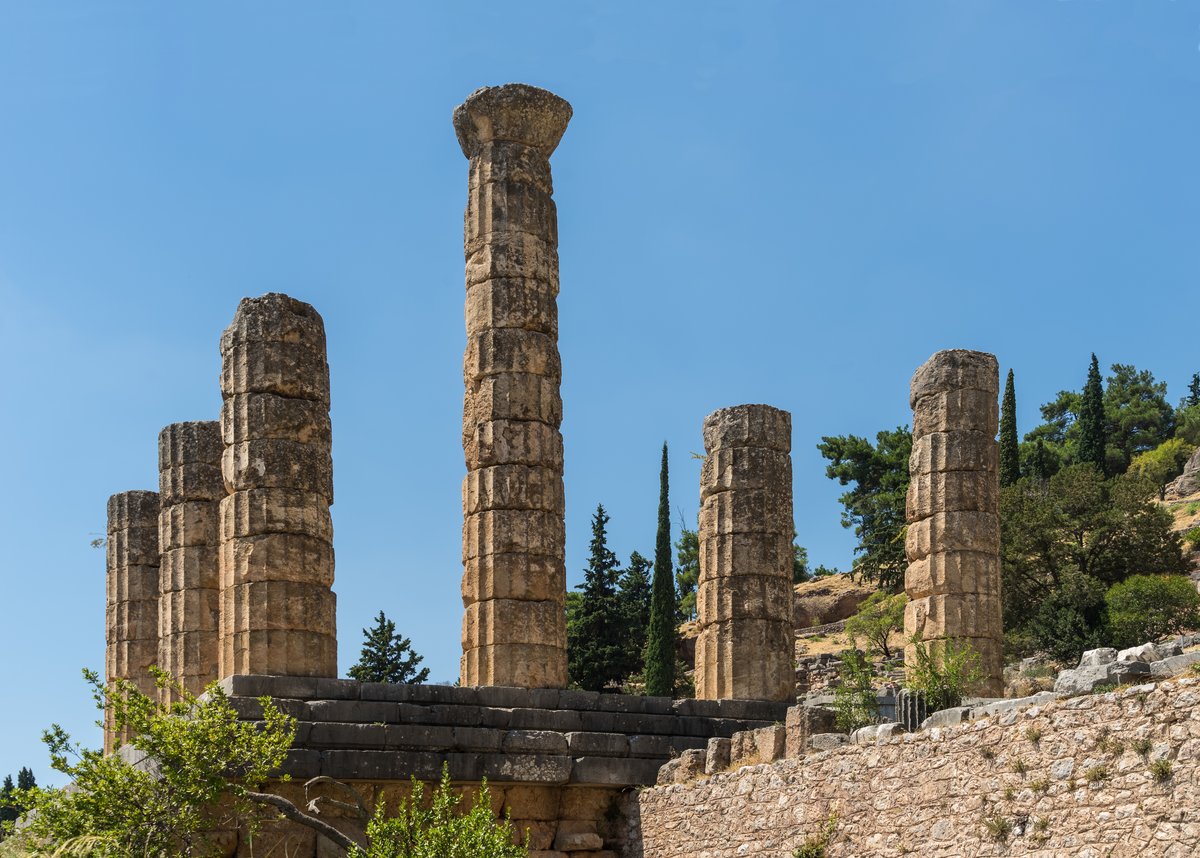
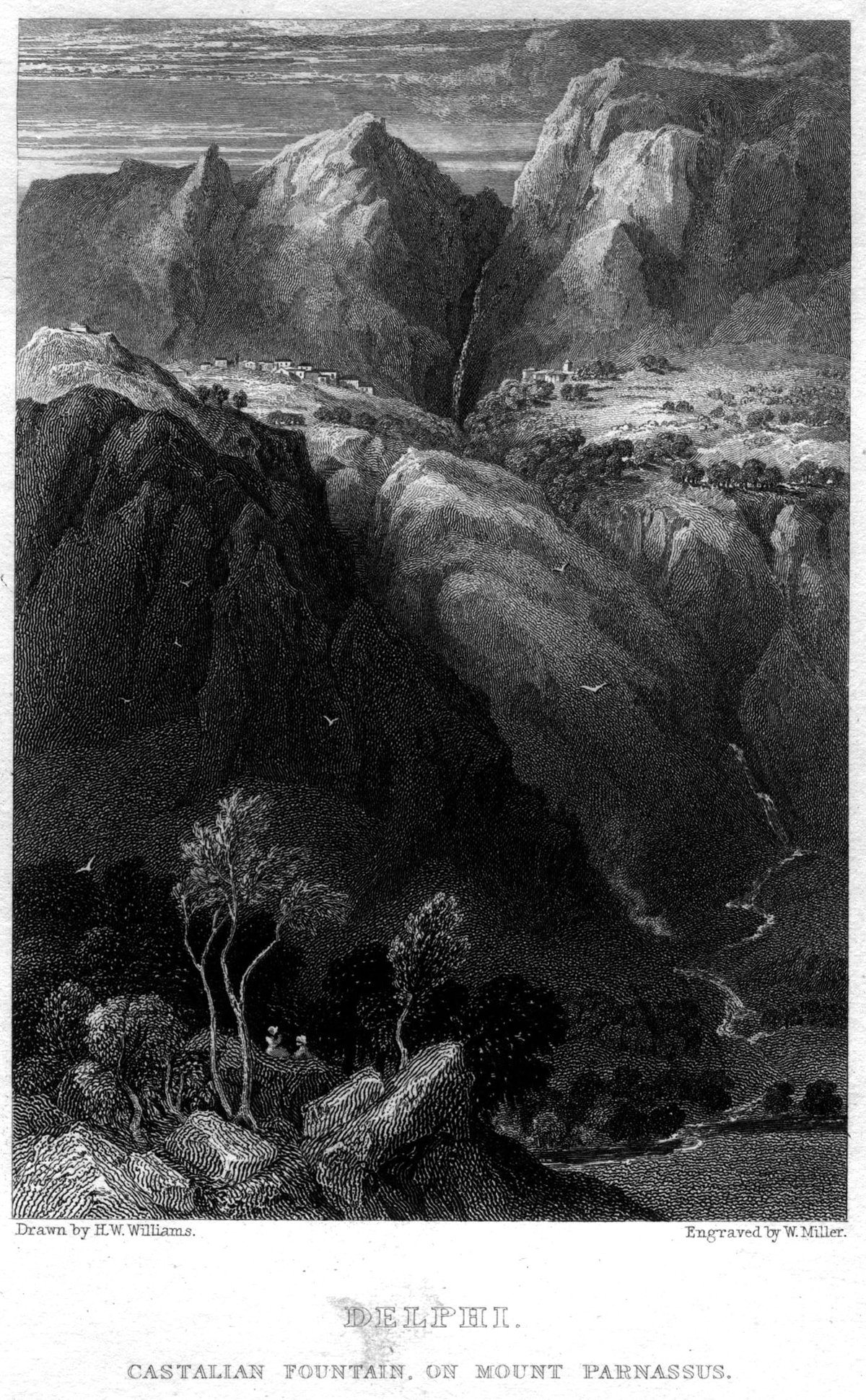
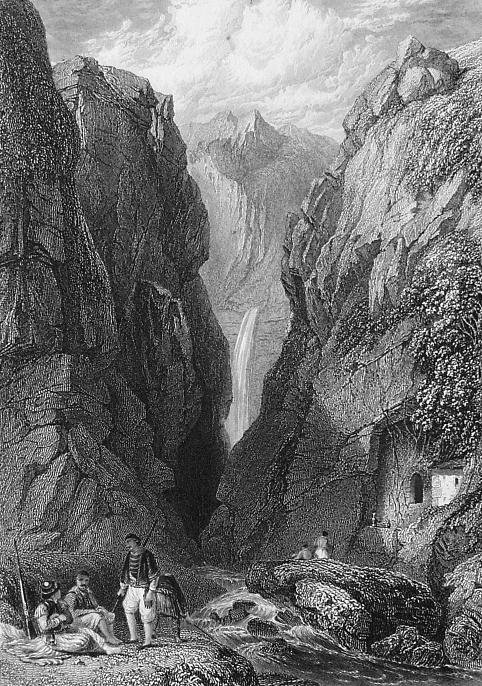
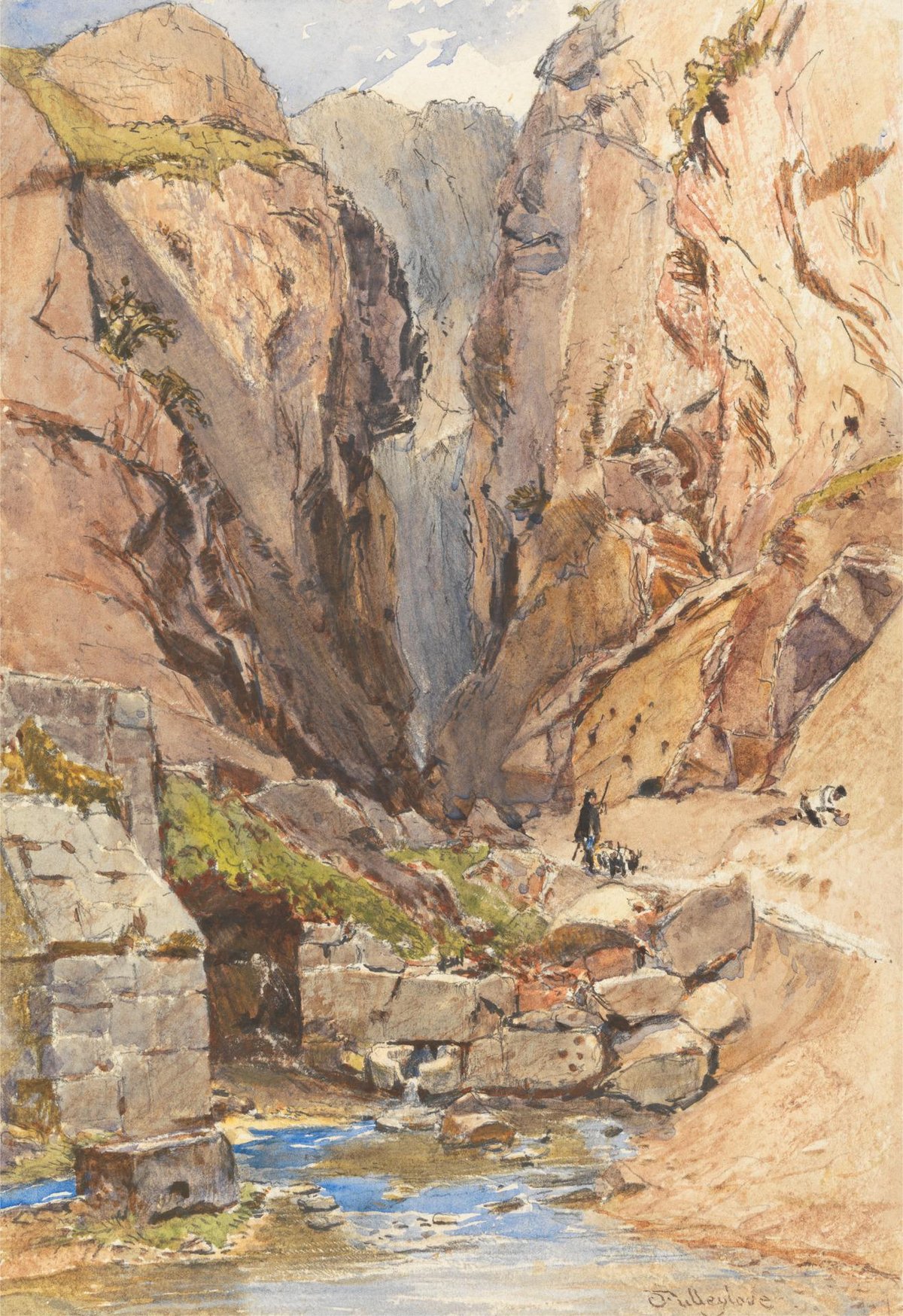
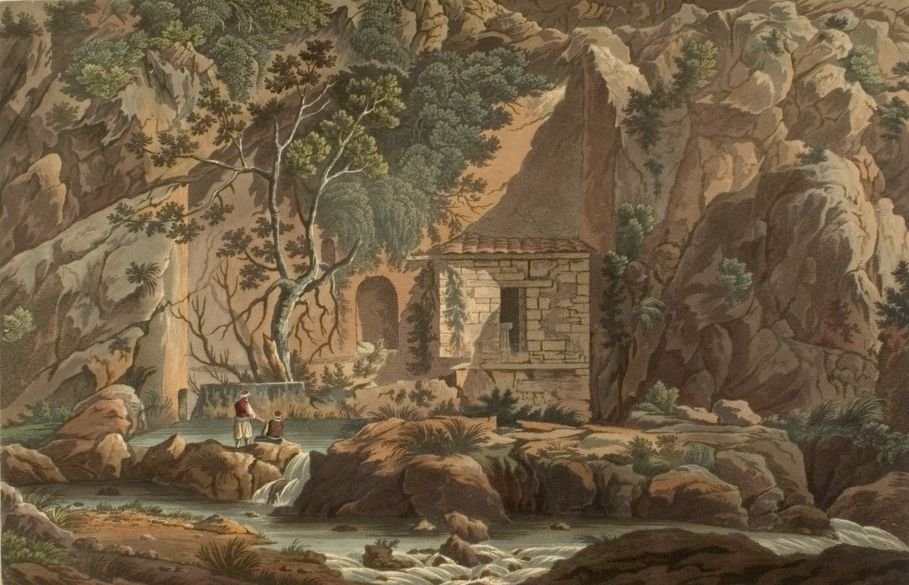
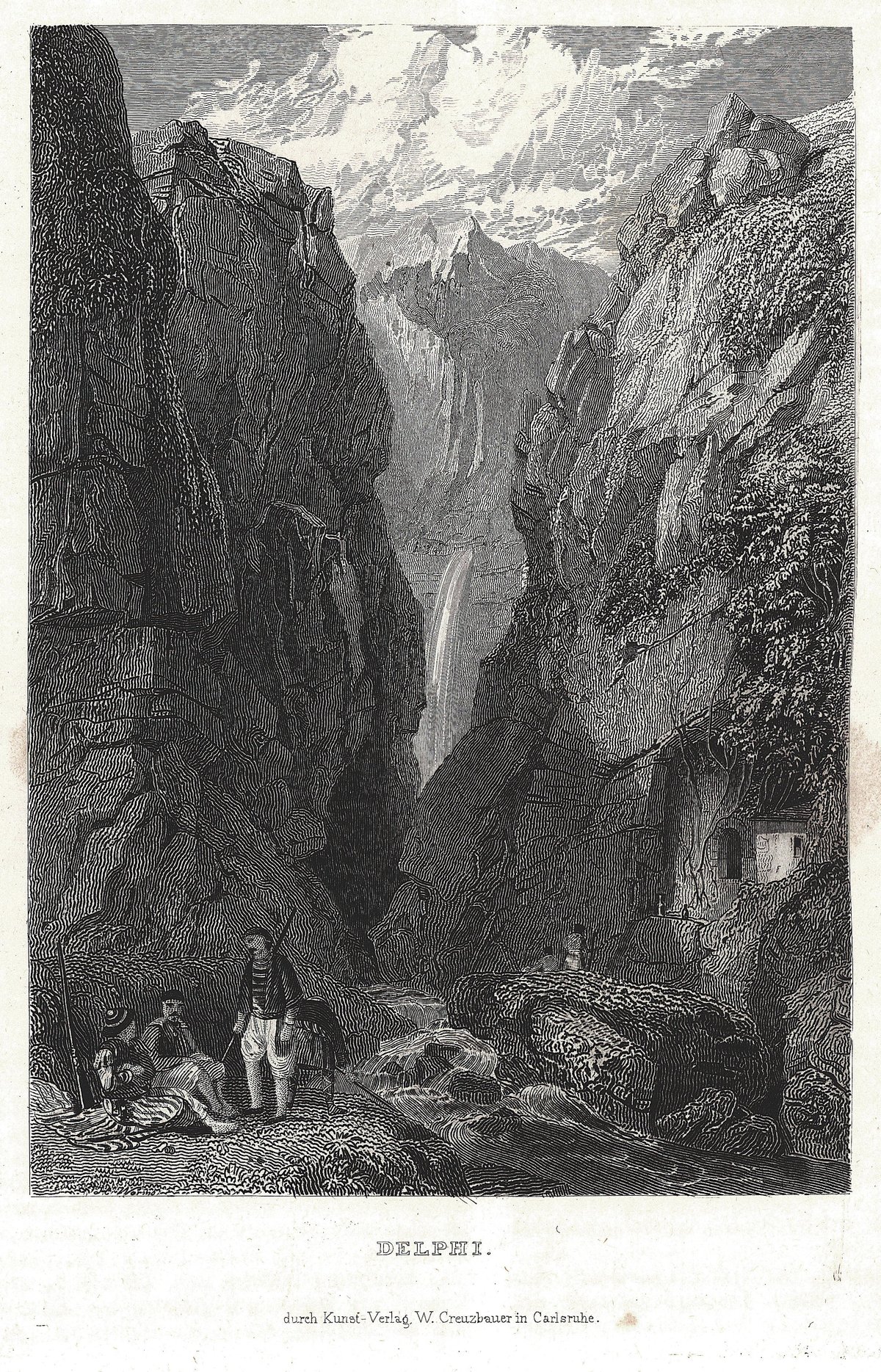
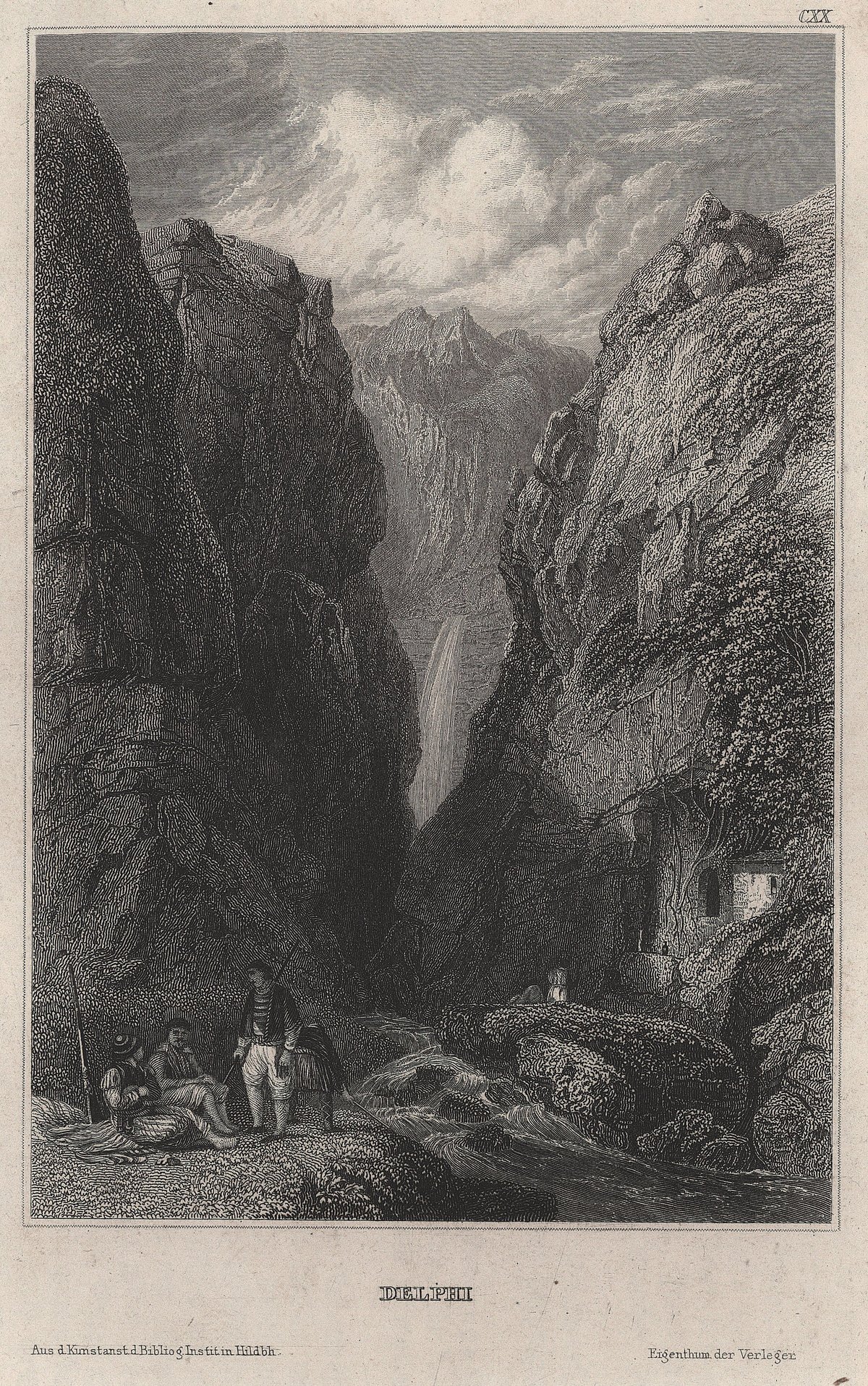
Nestled at the foot of Mount Parnassus and woven into the mythic landscape of Delphi, the Castalian Spring stands as a symbol of sacred purification, poetic inspiration, and enduring heritage. Once an essential stop for pilgrims, priests, and the legendary Pythia of the Oracle, its waters have been a source of spiritual and cultural vitality for millennia. Today, the spring remains a focal point for travelers seeking to connect with Greece’s ancient past, offering a blend of archaeological intrigue and natural tranquility. This comprehensive guide brings together the history, mythology, and practical information you need for a memorable visit to the Castalian Spring—one of Delphi’s most evocative sites (Greek Ministry of Culture & Sports, Wikipedia: Castalia, Travel.gr, Greek Mythology Worldwide).

Historical Background
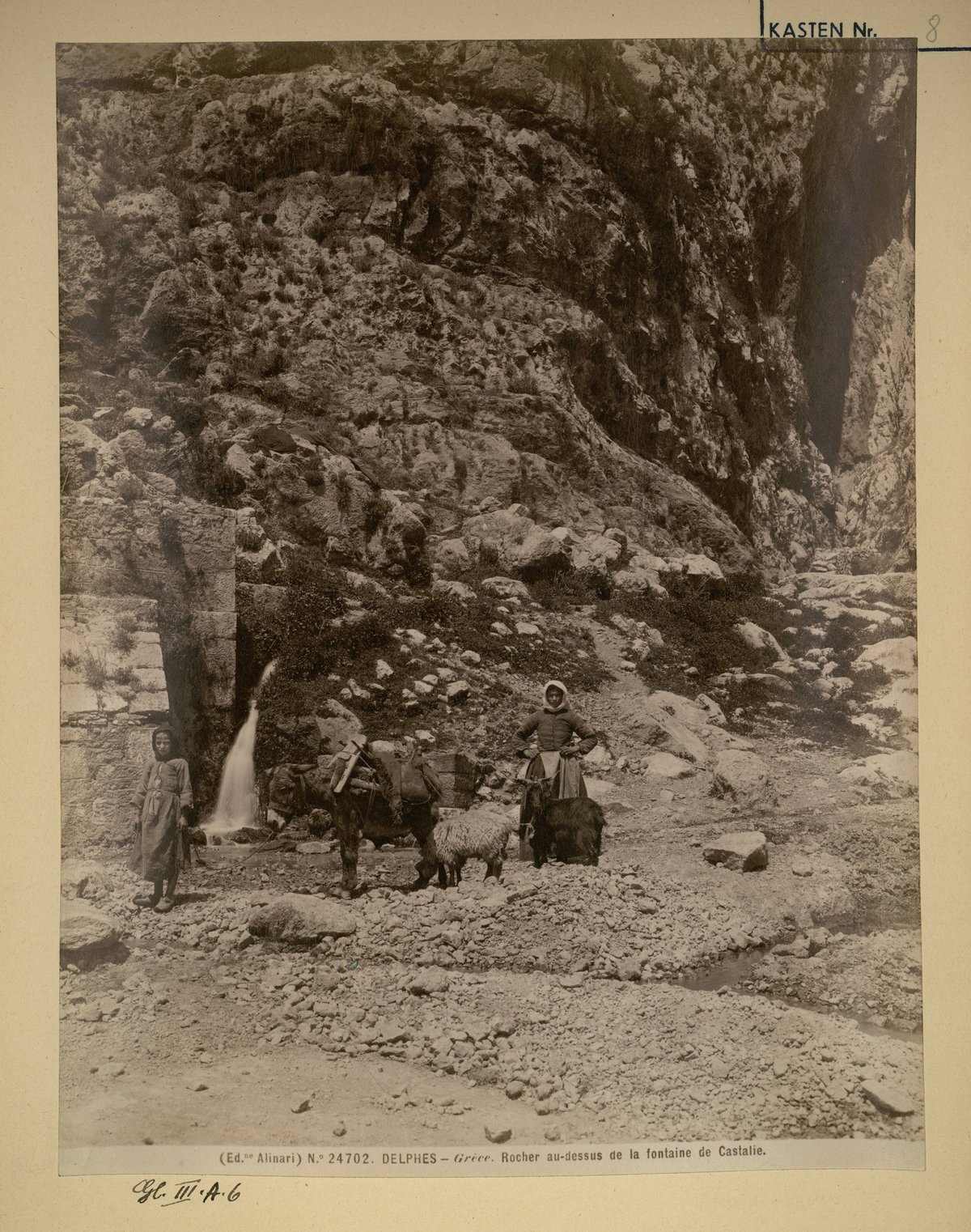
The Castalian Spring (Κασταλία, Kastalia) predates the formal sanctuaries of Delphi, with archaeological evidence indicating its use as a place of worship and purification long before the rise of the Temple of Apollo. In classical times, it became the designated spot for ritual ablutions for all who wished to enter Delphi’s sacred precincts, including participants of the Pythian Games. Its proximity to both the Temple of Apollo and the Sanctuary of Athena Pronaia cemented its importance in the spiritual landscape of the ancient world (Wikipedia: Castalia, Travel.gr).
Mythology and Ritual Use
Mythical Origins
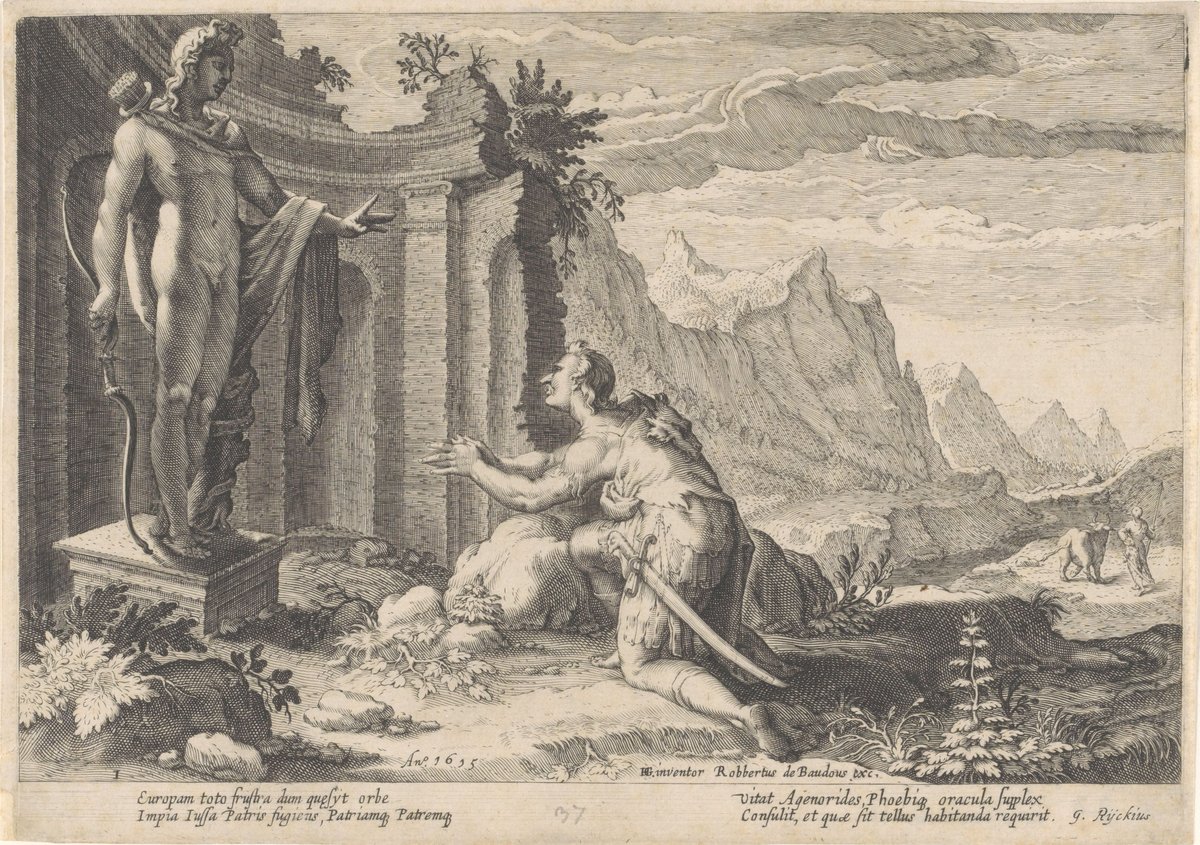
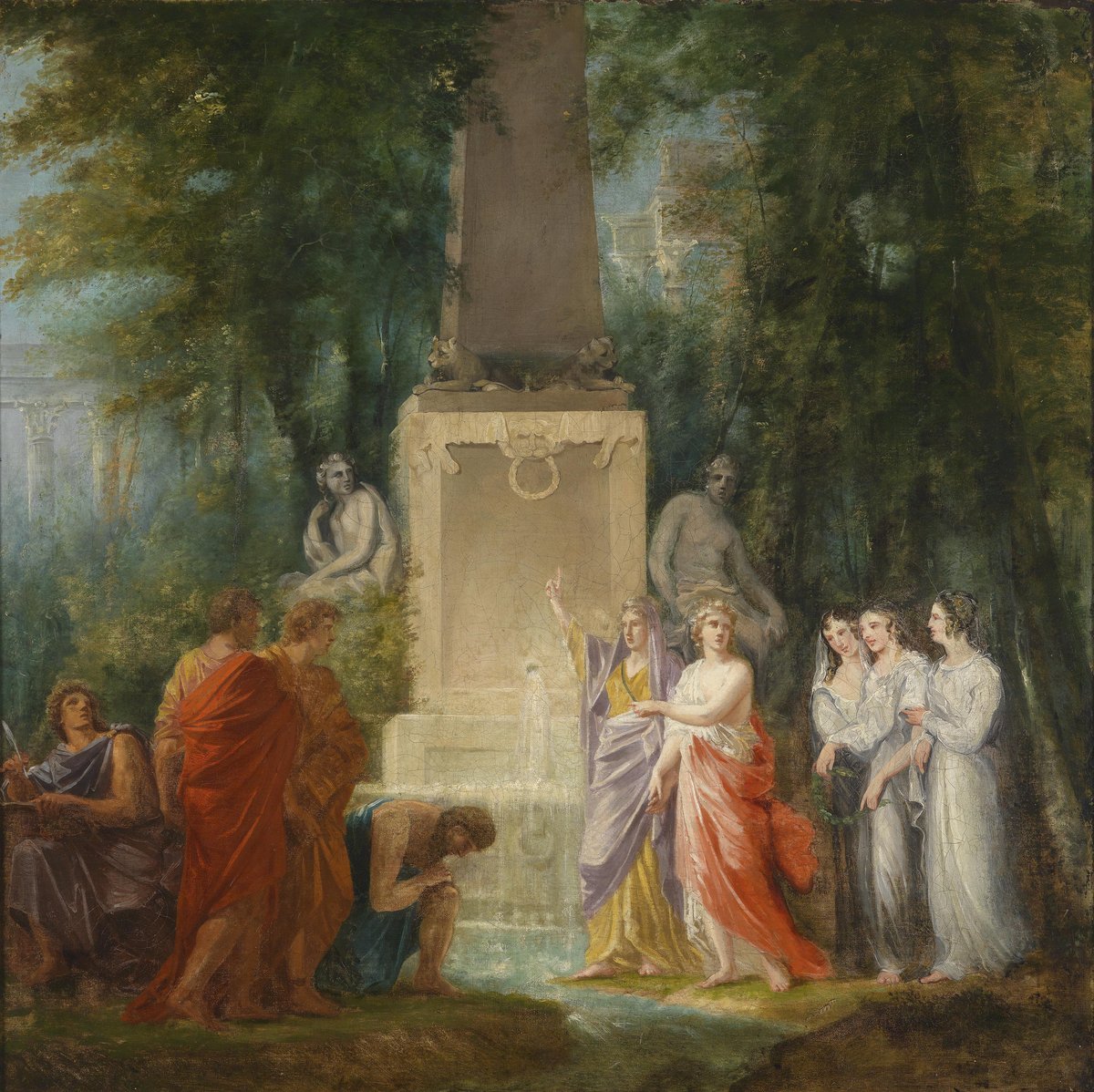
The spring’s name comes from the naiad-nymph Castalia, daughter of the river-god Achelous. Legend tells that Castalia, pursued by Apollo, threw herself into the spring to escape him, merging her essence with the water and forever sanctifying the site (Wikipedia: Castalia). Apollo then dedicated the spring to the Muses, bestowing it with powers of poetic and prophetic inspiration.
Ritual Significance
The Castalian Spring’s waters were essential for purification rituals before consulting the Oracle or participating in religious ceremonies. Ritual cleansing—often involving washing of hands, face, or full body—was mandatory for priests, the Pythia, athletes, and pilgrims. Even sacrificial animals underwent purification here, underscoring the spring’s role in both spiritual and community rites (Greek Mythology Worldwide).
Festival Center
During the Pythian Games and other Panhellenic gatherings, the spring served as a communal hub. Its waters united diverse visitors through shared rituals, reinforcing Delphi’s role as the “navel of the world” and a crossroads of Greek culture (Panhellenic Delphi).
Archaeological Features
The Archaic Fountain (6th Century BCE)
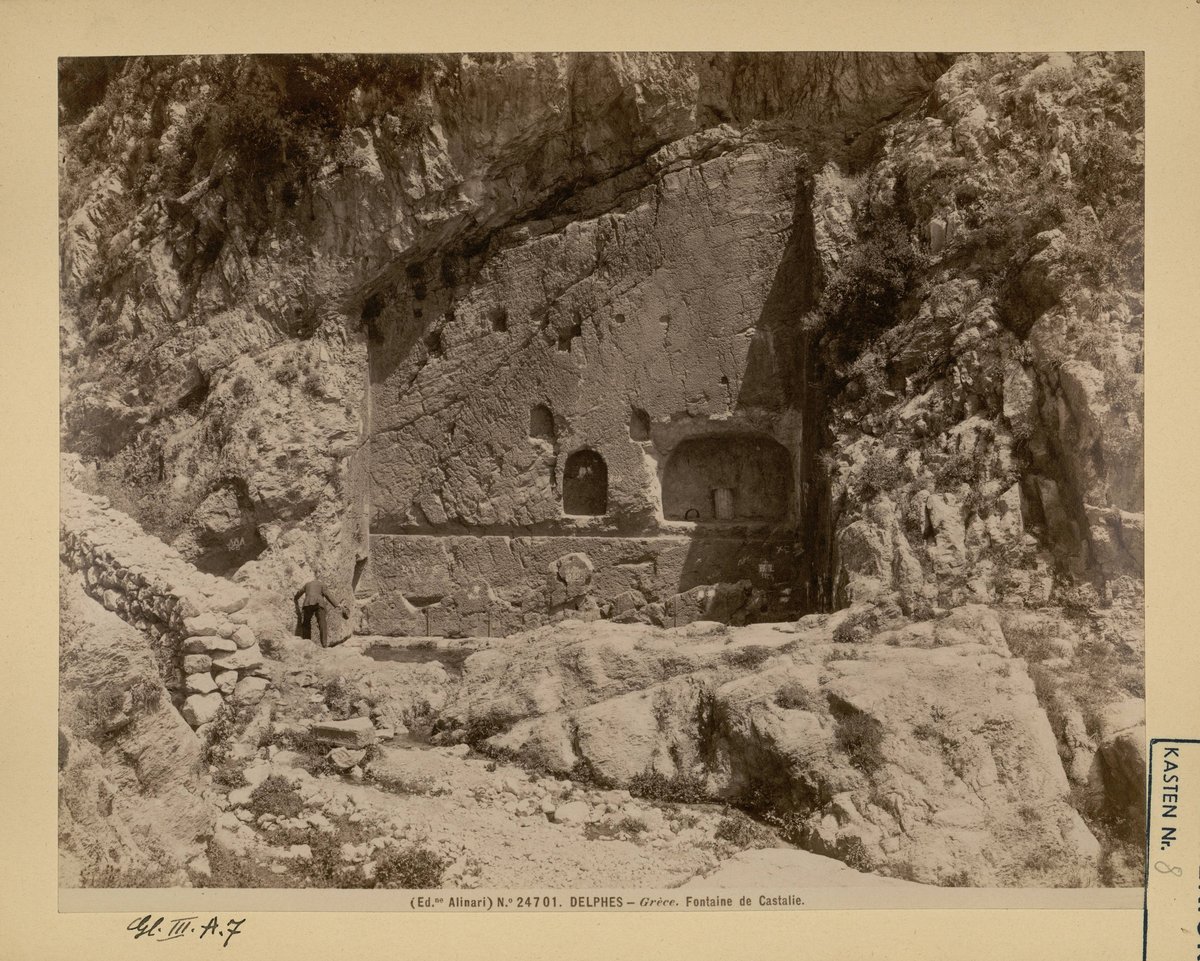
- Structure: A marble-lined rectangular basin fed by aqueducts, with original lion-headed bronze spouts (two survive), stone benches, and clay pipes for water distribution.
- Purpose: Designed for ritual cleansing, with infrastructure facilitating orderly and communal use.
The Roman Fountain (1st Century CE)
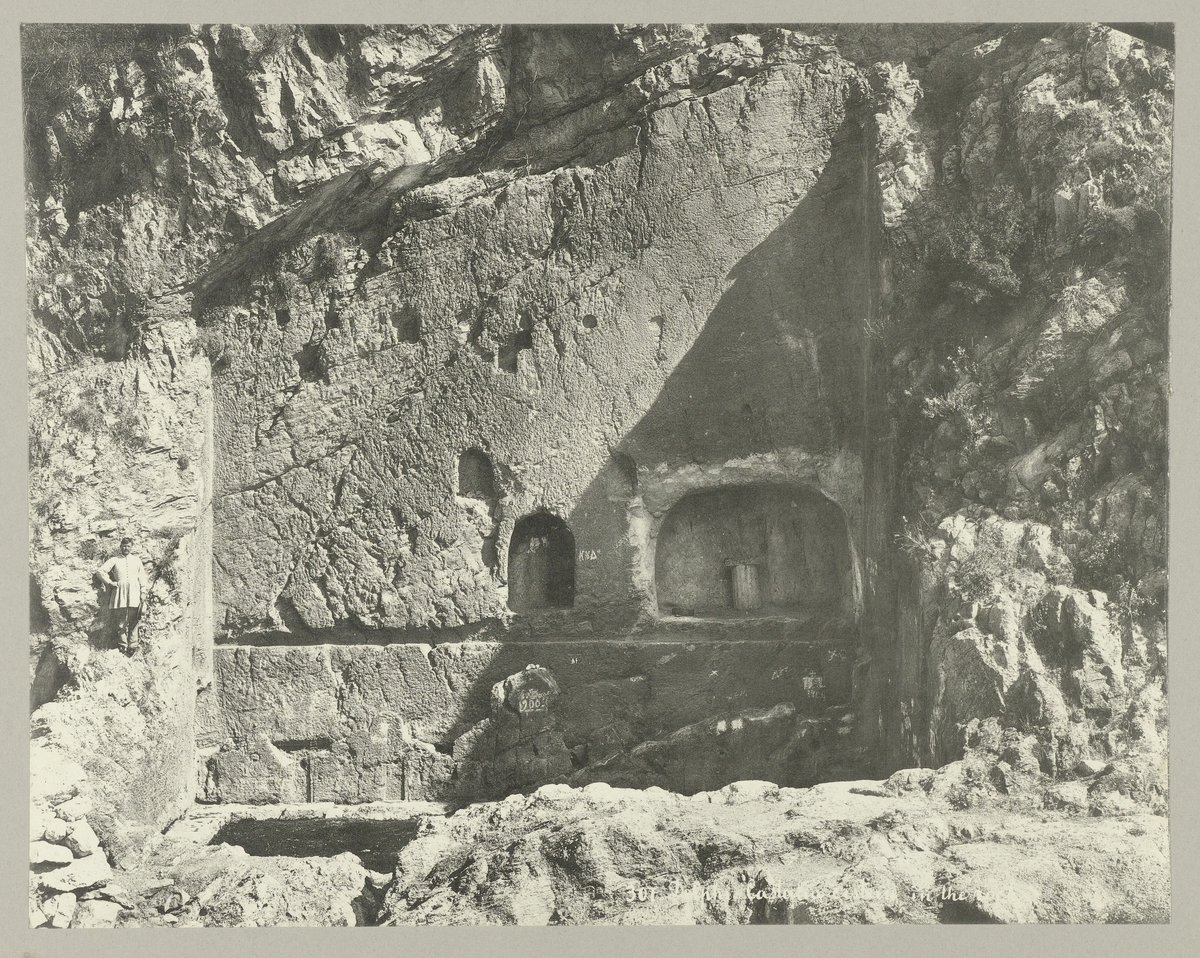
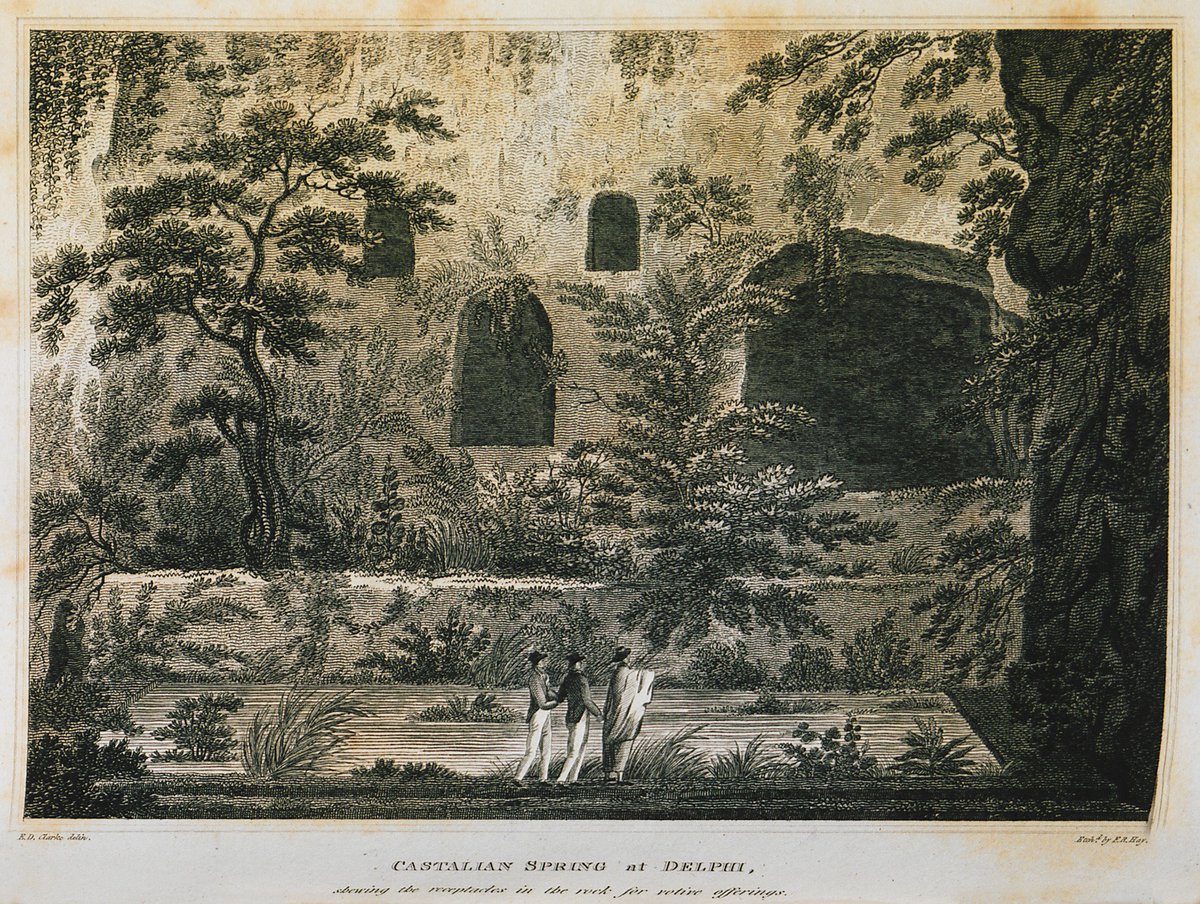
- Structure: Located above the Archaic fountain; features niches for votive offerings (the largest later became the Church of St. John the Baptist), seven bronze spouts, a paved courtyard, and stone benches.
- Engineering: Highlights Roman hydraulic skill, with a closed aqueduct system.
Both fountain houses are partially preserved, and archaeological studies have revealed votive objects and inscriptions, attesting to the spring’s enduring religious function (Travel.gr, Greek Mythology Worldwide).
Visiting Information
Hours
- April to October: 8:00 AM – 8:00 PM
- November to March: 8:00 AM – 5:00 PM
- Last entry is typically 30 minutes before closing. Always confirm current hours on the official site.
Tickets
- Admission: Included with Delphi Archaeological Site ticket.
- Prices: ~€12 general, ~€6 reduced (EU citizens 18–25), free for children under 18 and eligible seniors.
- Purchase: Buy online in advance or at the site entrance to avoid queues (Travel.gr).
Accessibility
- The footpath to the spring is steep, uneven, and rocky, unsuitable for wheelchairs and difficult for those with mobility issues. Wear sturdy shoes and allow 10–15 minutes for the walk.
Tips & Facilities
- Best time: Spring and autumn (April–June, September–October) for pleasant weather and lighter crowds.
- What to bring: Sturdy shoes, water, sun protection, and snacks.
- Facilities: No restrooms or food at the spring; nearest amenities are at the café between the museum and site entrance or in Delphi village (Athens Taxi Tour).
- Etiquette: Respect the sacredness—keep quiet, stay on paths, and do not drink directly from the spring.
Nearby Attractions
- Temple of Apollo: The heart of Delphi’s sanctuary.
- Ancient Theatre & Stadium: Venues for performances and the Pythian Games.
- Delphi Archaeological Museum: Extensive displays of artifacts and art.
- Village of Delphi & Arachova: Dining, shopping, and local culture (Chasing the Donkey).
Frequently Asked Questions (FAQ)
Q: What are the visiting hours for the Castalian Spring?
A: April–October: 8:00 AM–8:00 PM; November–March: 8:00 AM–5:00 PM. Check official updates.
Q: Is there a separate entrance fee?
A: No, access is included with the Delphi Archaeological Site ticket.
Q: How do I get there?
A: Walk from the main entrance (10–15 minutes). The trail is steep and uneven.
Q: Is the spring wheelchair accessible?
A: No, the path is not suitable for wheelchairs.
Q: Are guided tours available?
A: Yes, many tours incorporate the spring and provide in-depth context.
Q: Can I drink the water?
A: Drinking is discouraged; the water is primarily for historical interest.
Summary & Recommendations
The Castalian Spring is a living testament to Delphi’s spiritual, cultural, and architectural legacy. Its role in purification, myth, and inspiration makes it a must-see for anyone interested in ancient Greece. Plan your visit by checking current hours and tickets, prepare for a moderate hike, and allow time to reflect at this serene, history-laden site. Enhance your experience with a guided tour and consider exploring the wider archaeological area for a holistic appreciation of Delphi’s wonders (Travel.gr, Greek Mythology Worldwide).
By respecting the Castalian Spring’s sacredness and supporting ongoing preservation, you contribute to the enduring story of Delphi for generations to come.
Listen to the full story in the app
The whole Castalian Spring,
told well.
Audio guides for 1,100+ cities across 96 countries. History, stories, and local insight — offline ready.
Verified, and shown.
Researched and written by the Audiala editorial team from historical records, architectural archives, and local expertise.
Researched from Wikidata, Wikipedia & official sources · fact-checked · How we make our guides →