Plan and listen to Kydonia with Audiala.
Audio guide in your pocket, itinerary in your browser. Built for the way you actually visit.
Introduction
Nestled on the northwest coast of Crete, Chania—historically known as Kydonia—is a city where ancient civilizations meet vibrant modern life. With a history stretching back to Minoan times, Chania offers travelers a unique blend of archaeological wonders, multicultural influences, and living traditions. This guide provides in-depth historical context, practical visitor information on site access and tickets, and cultural highlights so you can plan a rewarding journey to one of Greece’s most captivating destinations (minoancrete.com; chaniatourism.gr).

The Ancient City: Kydonia’s Historical Evolution
Minoan Foundations and Mycenaean Prosperity
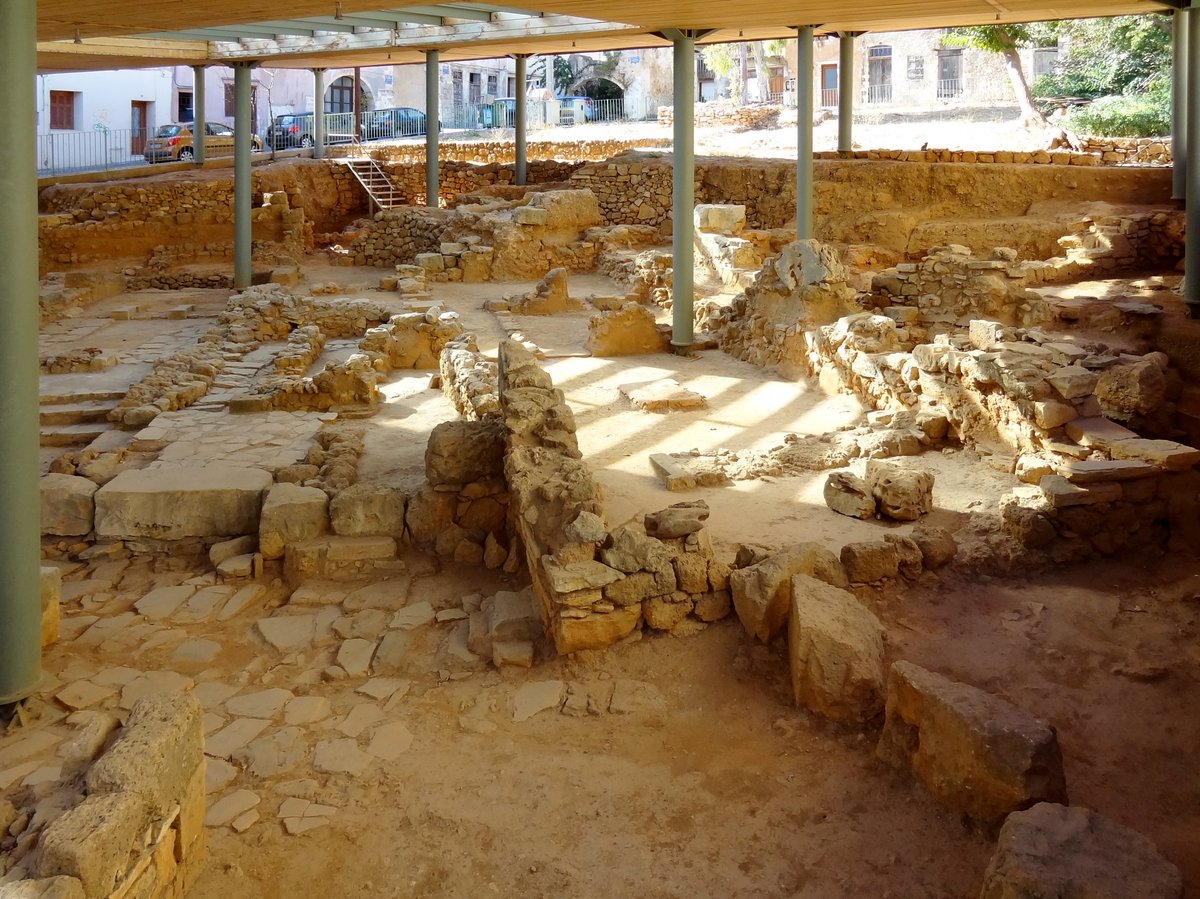
Kydonia’s origins date back to 3650 BCE, making it one of Crete’s most significant ancient settlements. Situated on Kastelli Hill, the city thrived during the Minoan period, evidenced by continuous habitation layers, sophisticated urban planning, and the discovery of Linear A and B tablets. These finds reveal a complex administrative system and highlight Kydonia’s role as a major maritime and commercial hub (minoancrete.com; destinationcrete.gr).
After the Minoan era, Kydonia prospered under Mycenaean influence. The city exported pottery, olive oil, and wine across the Mediterranean, while the presence of Linear B texts demonstrates a robust religious and economic life. Kydonia’s resilience is reflected in its recovery after periods of destruction, maintaining its importance in the region (minoancrete.com).
From Classical to Byzantine Eras
Kydonia continued to be a prominent city-state during Classical, Hellenistic, and Roman times. It was both a commercial and military power, often engaging in rivalries with neighboring cities. Under Roman rule, Kydonia became an administrative center, its prosperity visible in public buildings, mosaics, and theaters (incrediblecrete.gr). The Byzantine period added fortifications and churches, further layering the city’s architectural landscape (chaniatourism.gr).
Venetian and Ottoman Transformations
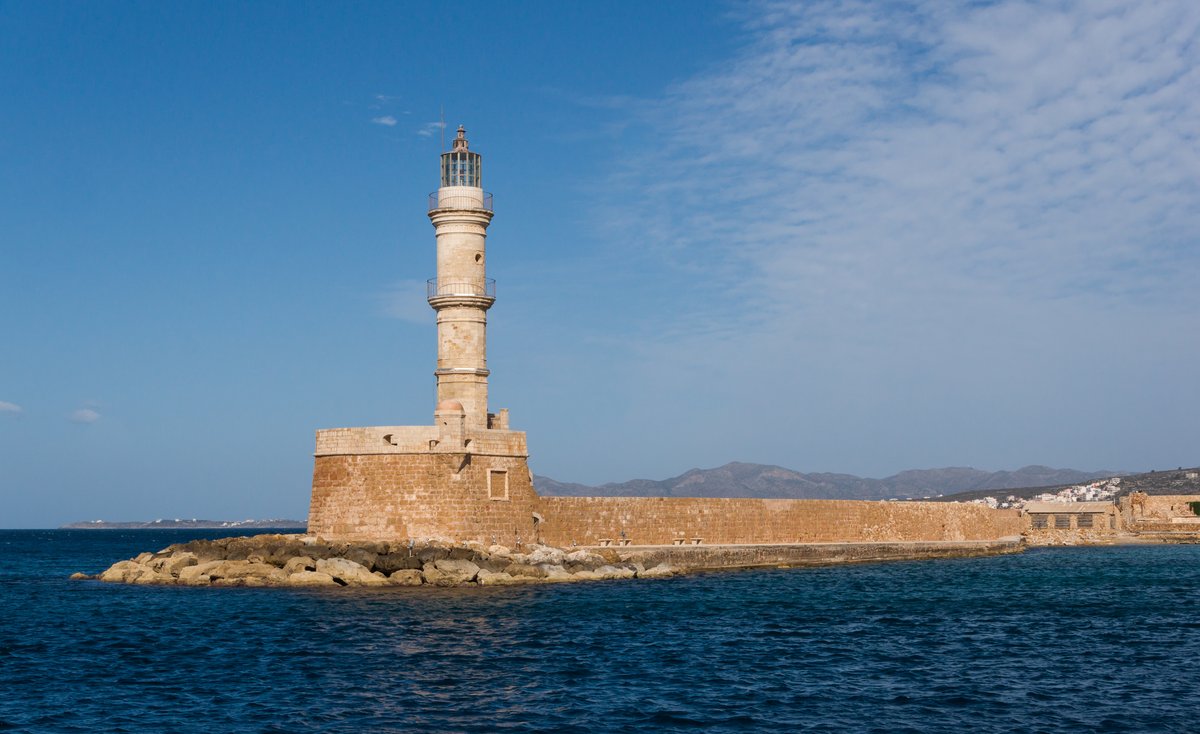
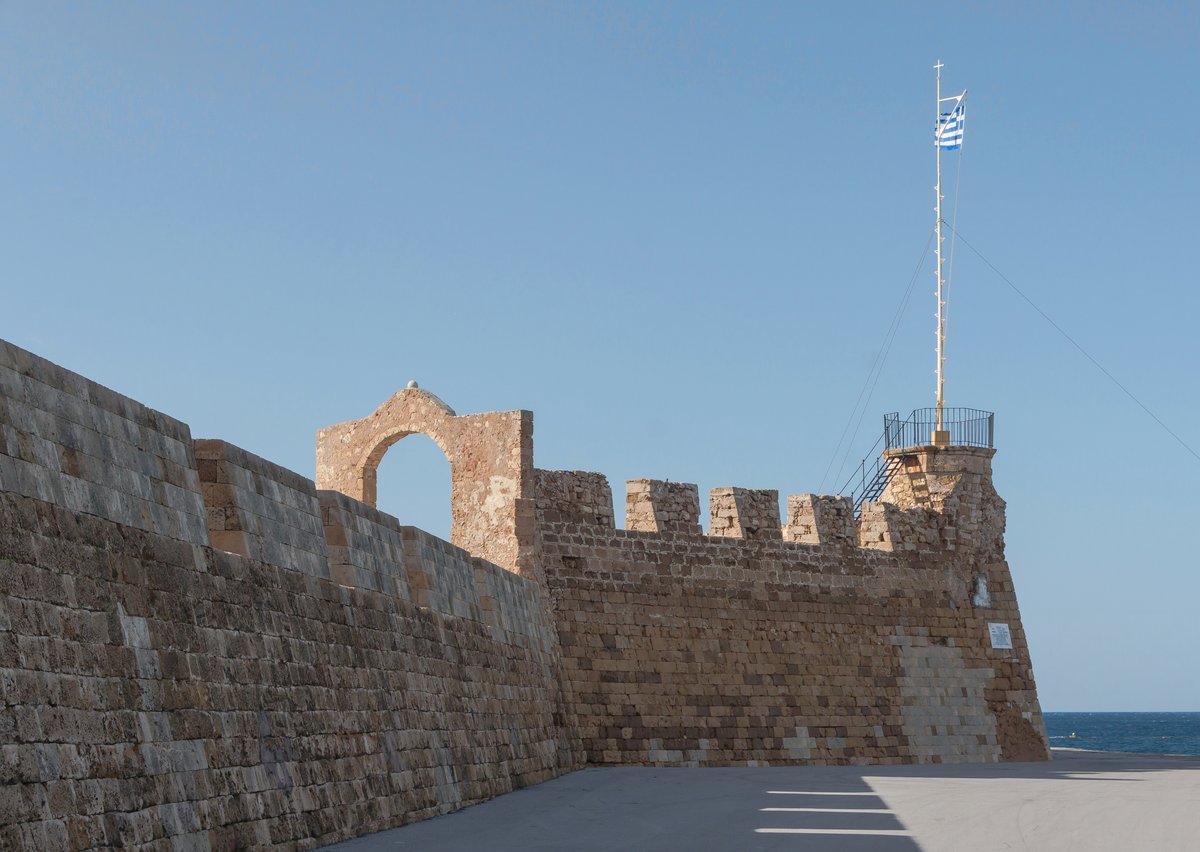
In 1204, the Venetians captured Chania, renaming it La Canea and transforming it into a fortified port city. The Venetian Harbor, arsenals, and defensive walls from this era remain iconic landmarks. The Ottoman conquest in 1645 introduced new elements—mosques, baths, and fountains—creating a multicultural cityscape that endures today (welcome-greece.gr; travelthegreekway.com).
Following the union with Greece in 1913, Chania evolved into a lively urban center, where the intertwining of Minoan, Venetian, Ottoman, and modern Greek influences is visible in its architecture, public spaces, and daily life (greeking.me).
Living Heritage: Culture, Traditions, and Cuisine
Festivals, Music, and Social Customs
Chania’s culture is deeply rooted in “philoxenia” (hospitality), extending a warm welcome to all visitors. Annual festivals celebrate religious and historical events, featuring processions, traditional music, and Cretan dances like pentozali and syrtos (overyourplace.com). Music, led by the Cretan lyra and laouto, infuses local gatherings and public celebrations alike.
Greek is the primary language, but Chania’s cosmopolitan history ensures English and other languages are widely spoken. Local dialects and traditional phrases reflect the city’s strong regional identity.
The Essence of Cretan Cuisine
Cretan cuisine is renowned for its health benefits and deep roots in local tradition. Staples such as olive oil, fresh vegetables, wild herbs, and cheeses form the basis of dishes like dakos, kalitsounia, boureki, and antikristo lamb (authenticfoodquest.com; discovergreece.com). Meze culture (shared small plates) is central to dining, often accompanied by raki or local wine.
Seaside tavernas serve fresh seafood, while village restaurants offer rustic specialties. Food markets, street vendors, and family-run bakeries further enrich the culinary scene. Seasonal and regional variations ensure there’s always something new to discover (The Culture Map).
Archaeological and Historical Sites: Visiting Hours & Tickets
Key Sites and Practical Information
Archaeological Museum of Chania
- Hours: Tuesday to Sunday, 8:30 AM–3:00 PM; closed Mondays and public holidays.
- Tickets: Approx. €6; reduced rates for EU youth and seniors; free for children under 18.
Venetian Harbor and Fortifications
- Hours: Open year-round, free access. Firkas Fortress: 9:00 AM–5:00 PM (check for updates).
Kastelli Hill and Ayia Aikaterini Square
- Hours: Limited public access due to ongoing excavations. Check local sources or the museum for up-to-date information.
Other Key Sites
- Monasteries of Akrotiri Peninsula: Open during daylight hours; no fee.
- Municipal Market: Mornings to early afternoon, daily.
- Samaria Gorge: Open April–October; entrance fee at park entry.
General Notes: Most museums charge modest entrance fees (€3–€10). Outdoor sites such as the Venetian Harbor are free. Always verify current hours and ticket prices before visiting, especially during holidays or special events.
Accessibility and Guided Tours
- The Old Town is best explored on foot; be prepared for cobbled streets and occasional uneven surfaces.
- Many museums offer wheelchair access; check in advance for accessibility at archaeological sites.
- Guided tours are available through local agencies and museums, enriching your visit with expert commentary (thetinybook.com).
Top Attractions in Chania
- Old Town and Venetian Harbor: Iconic architecture, lively atmosphere, and scenic harbor walks.
- Archaeological Museum of Chania: Minoan, Roman, and Byzantine artifacts.
- Kastelli Hill: Ancient Kydonia’s heart, with ongoing excavations.
- Byzantine Walls: Panoramic views and layered history.
- Akrotiri Monasteries: Tranquil religious sites amid natural beauty.
- Municipal Market: Taste and shop for local produce and specialties.
- Samaria Gorge: Europe’s longest gorge, ideal for hiking enthusiasts.
- Balos Lagoon & Beaches: Pristine sands and turquoise waters.
- Religious and Cultural Landmarks: Church of St. Nicholas, Etz Hayyim Synagogue.
- Cultural Museums: Maritime Museum, Minoan’s World 3D Museum.
Practical Visitor Tips
- Getting Around: Walk in Old Town; car rentals or buses for outlying sites.
- Best Time to Visit: April–June and September–October for pleasant weather and fewer crowds.
- Language & Currency: Greek is official; the Euro is used.
- Tipping: 5–10% appreciated but not required.
- Accommodation: Choose from boutique hotels in Old Town or modern hotels in new areas.
- Dining: Reservations recommended in peak season. Vegetarian options widely available.
- Water: Tap water is safe.
Frequently Asked Questions (FAQ)
Q: What are the visiting hours for the Archaeological Museum of Chania?
A: Tuesday–Sunday, 8:30 AM–3:00 PM; closed Mondays/public holidays.
Q: Do historical sites require tickets?
A: Museums and some monuments require tickets (approx. €3–€10); many outdoor sites are free.
Q: Are guided tours available?
A: Yes, through local agencies and museums.
Q: Is Chania accessible for visitors with mobility issues?
A: Major museums offer wheelchair access; some Old Town areas may be challenging.
Q: What is the best time to visit Chania?
A: Spring and autumn offer mild weather and fewer tourists.
Listen to the full story in the app
The whole Kydonia,
told well.
Audio guides for 1,100+ cities across 96 countries. History, stories, and local insight — offline ready.
Verified, and shown.
Researched and written by the Audiala editorial team from historical records, architectural archives, and local expertise.
Researched from Wikidata, Wikipedia & official sources · fact-checked · How we make our guides →