Plan and listen to Theatre "Athenon" with Audiala.
Audio guide in your pocket, itinerary in your browser. Built for the way you actually visit.
Introduction
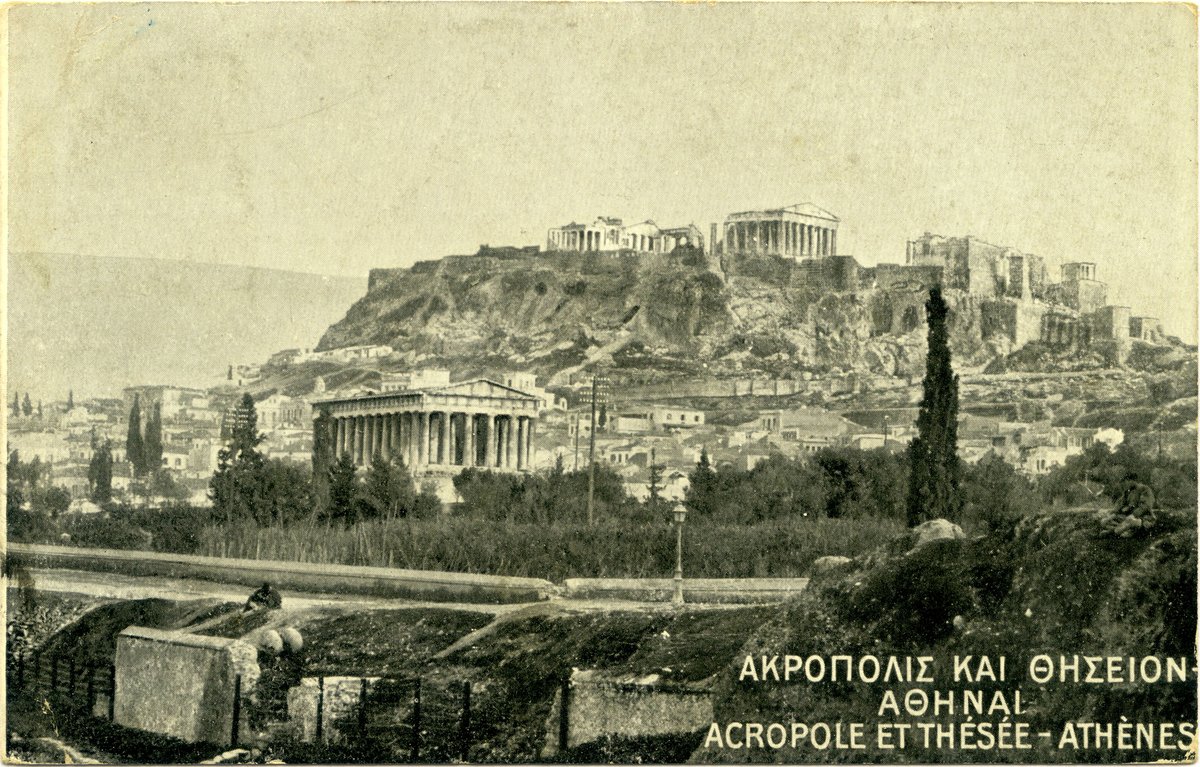
The Odeon of Herodes Atticus—often referred to as Theatre Athenon—is a crowning jewel among Athens’ historical landmarks and a thriving venue for arts and culture. Constructed in 161 AD by the Roman senator Herodes Atticus as a tribute to his wife Regilla, this open-air stone theatre gracefully melds Roman architectural innovation with the deep-rooted traditions of ancient Greek drama. Its strategic location on the southwestern slope of the Acropolis, combined with its semicircular design and renowned acoustics, has cemented its status as a symbol of Athens’ enduring cultural heritage and a must-visit destination for travelers.
Rooted in the evolution of Athenian drama that began in the 6th century BCE, the Odeon represents the legacy of playwrights like Aeschylus, Sophocles, and Euripides, whose works transformed theatre into a communal and civic experience (Greece High Definition). Unlike earlier Greek theatres, the Odeon features Roman architectural hallmarks, such as a semicircular cavea (seating area) and a wooden roof (now lost) that once enhanced acoustics for up to 5,000 spectators (greekpathways.com; yourathensguide.gr).
Today, the Odeon is synonymous with the Athens Epidaurus Festival, which since 1955 has drawn international artists and audiences to opera, classical concerts, dance, and theatre (ABC News). This guide details the historical importance, architectural marvels, visitor information, ticketing, accessibility, and tips for a memorable experience at this iconic venue (Athens by Locals; The Tourist Checklist).
Whether you attend a live performance beneath the stars or simply admire the structure’s grandeur, the Odeon of Herodes Atticus is a living testament to the timeless power and influence of the Athenian stage.
- Origins and Development of Theatre in Athens
- Architectural Features and Innovations
- Evolution of Dramatic Genres
- Social and Cultural Significance
- The Role of Actors and Performance Techniques
- Visiting Historic Theatres: Key Venues & Practical Information
- Modern Theatres and Ongoing Relevance
- Preservation of Athens’ Theatres
- Visiting the Odeon of Herodes Atticus: Hours, Tickets & Insights
- Odeon of Herodes Atticus: Cultural Significance and Visitor Guide
- Comprehensive Guide: Hours, Tickets & Tips
- Summary and Recommendations
- References
1. Origins and Development of Theatre in Athens
Theatre in Athens began as a central feature of religious festivals dedicated to Dionysus, the god of wine and theatre, in the 6th century BCE. The City Dionysia festival laid the groundwork for Western drama, with playwrights such as Aeschylus, Sophocles, and Euripides premiering their works (Greece High Definition). Performances took place in open-air amphitheaters, such as the Theatre of Dionysus, whose design—carved into hillsides—enabled large audiences and exceptional acoustics (The Archaeologist).
2. Architectural Features and Innovations
Athenian theatres were revolutionary, with semicircular seating (theatron) carved into natural hillsides, providing unobstructed views and optimal sound projection (Greece High Definition). Key elements included:
- Theatron: Audience seating, maximizing visibility and community experience.
- Orchestra: Central circular area for the chorus, crucial for performance.
- Skene: Backdrop and changing area for actors.
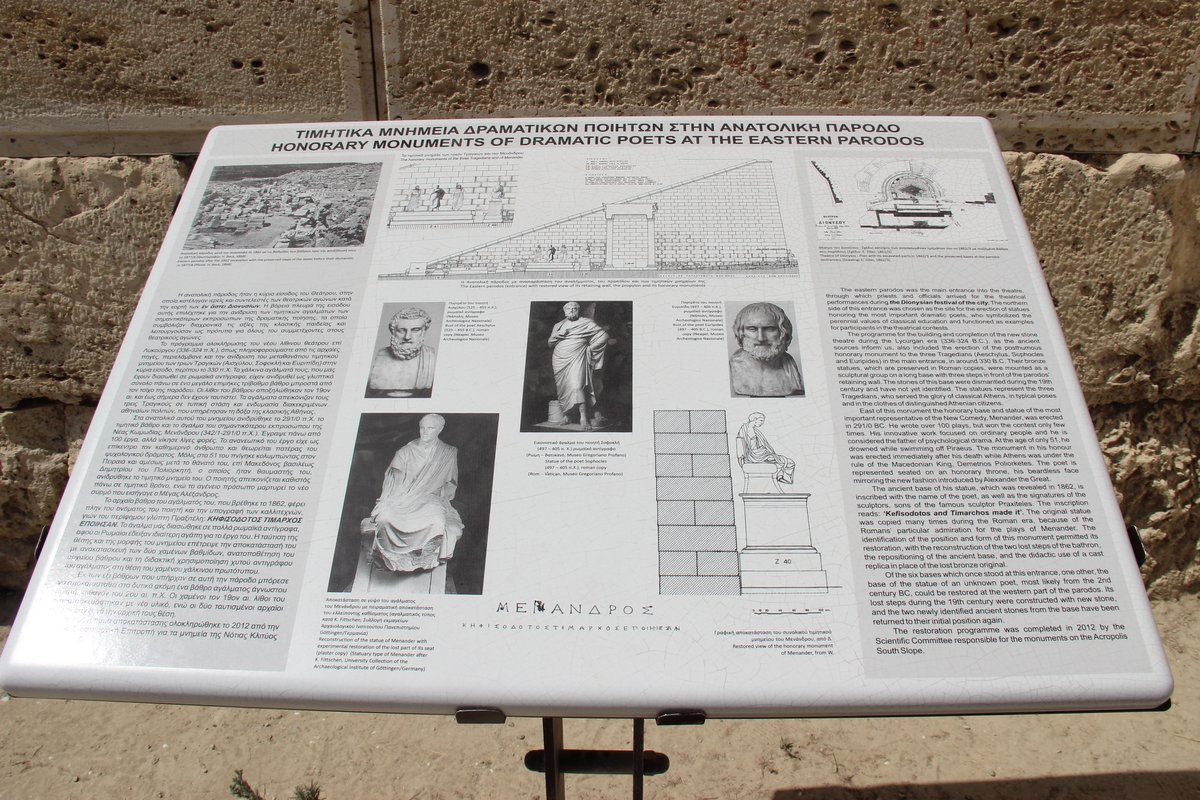
- Parodoi: Side entrances for performers.
These features influenced theatre architecture for centuries (Greece High Definition).
3. Evolution of Dramatic Genres
Athenian theatre gave rise to tragedy and comedy. Tragedy, pioneered by Aeschylus, focused on profound human themes, while comedy, championed by Aristophanes, critiqued society and politics. These genres set the standard for Western drama (Greece High Definition).
4. Social and Cultural Significance
Theatre in ancient Athens was integral to civic identity and public discourse. Attendance was both a right and a duty, often subsidized for poorer citizens (The Archaeologist). Plays explored justice, politics, and ethics, reinforcing social cohesion and democratic values (Greece High Definition).
5. The Role of Actors and Performance Techniques
Actors in ancient Athens were exclusively male and highly respected. They used masks for character changes and expressive storytelling. The "three actor rule" encouraged creative use of roles, while choruses provided narrative depth (Athens Tourist Information; The Archaeologist).
6. Visiting Historic Theatres: Key Venues & Practical Information
Theatre of Dionysus
- Location: South slope of the Acropolis
- Hours: 8:00 AM – 7:00 PM (seasonal variation)
- Tickets: Included with Acropolis ticket; discounts for EU citizens and youth
- Accessibility: Limited, but some accommodations available
Odeon of Herodes Atticus
- Location: Southwest slope of the Acropolis
- Hours: Open during festival performances (primarily June–September)
- Tickets: Purchase online or at official box offices
Other Notable Venues
- Lycabettus Theatre: Panoramic views, diverse events (Why Athens)
- Dora Stratou Theater: Traditional music and dance
7. Modern Theatres and Ongoing Relevance
Athens is home to restored ancient theatres and new venues that continue the city’s dramatic legacy. The Odeon of Herodes Atticus, in particular, hosts international artists and major festivals, maintaining its role as a living cultural hub (Athens Tourist Information; Why Athens).
8. Preservation of Athens’ Theatres
Ongoing restoration efforts ensure these monumental theatres remain accessible and safe for future generations. The Odeon of Herodes Atticus, for instance, is scheduled for extensive restoration following the 2025 festival season, highlighting Greece’s commitment to heritage preservation (Athens Tourist Information; ABC News).
9. Visiting the Odeon of Herodes Atticus: Hours, Tickets & Insights
Architectural Highlights
- Roman Semicircular Design: Seats 5,000, originally with a wooden roof for acoustics (greekpathways.com).
- Integration with Acropolis Hill: Offers panoramic city and Acropolis views (in2greece.com).
- Materials & Restoration: Built from Pentelic marble, with modern restoration using digital modeling (yourathensguide.gr).
Acoustics
- Natural Sound Amplification: Marble and semicircular layout project voices throughout (acropolis-tickets.com).
- Skene’s Role: Original three-story backdrop aided sound reflection (in2greece.com).
Seating and Accessibility
- Tiered Seating: Steep tiers ensure clear sightlines; front rows (prohedria) reserved for dignitaries (greecehighdefinition.com).
- Accessibility: Disabled access available—choose lower tiers for easier entry (whyathens.com). Flat shoes are required.
Visitor Information
- Opening Hours: Primarily during Athens Epidaurus Festival (summer months).
- Tickets: Purchase online via official platforms (sunnyathens.com). Early booking is advised.
- Getting There: Metro to Acropolis station, short uphill walk; limited parking.
Venue Rules
- No high heels to protect marble.
- No food, drink, or chewing gum inside.
- Children under six not permitted.
- No photography during performances.
- Phones off or silent.
10. Odeon of Herodes Atticus: Cultural Significance and Visitor Guide
Living Heritage
The Odeon’s connection to the Athens Epidaurus Festival and its roster of world-renowned performers—Maria Callas, Pavarotti, Frank Sinatra—has cemented its place as a global cultural landmark (ABC News). Its illuminated backdrop and acoustics create an unparalleled atmosphere for both artists and audiences.
Accessibility & Guided Tours
- Wheelchair Access: Ramps and designated seating available (Athens by Locals).
- Guided Tours: Offered during festival season; combine with Acropolis for a comprehensive experience.
Nearby Attractions
- Acropolis Museum
- Theatre of Dionysus
- Plaka neighborhood
11. Comprehensive Guide: Hours, Tickets & Tips
Booking Tickets
- Festival Events: Book early via Athens Epidaurus Festival, Greek National Opera, or authorized sites (The Tourist Checklist).
- Admission: No general visiting hours; access only during scheduled events.
What to Expect
- Seating: Marble can be hard; bring a cushion.
- Arrive Early: Security checks may take time.
- Weather: Bring a jacket or rain poncho. Umbrellas not allowed during events.
Safety & Security
- Standard security checks; keep valuables secure (Dave’s Travel Pages).
12. Summary and Recommendations
The Odeon of Herodes Atticus is an exceptional convergence of ancient Greek drama and Roman architecture, positioned as a vibrant part of Athens’ modern cultural scene. Attending an event or simply visiting the site offers insight into centuries of artistic tradition and innovation. For the best experience:
- Book tickets in advance, especially for festival events.
- Follow venue rules to preserve this heritage site.
- Wear comfortable shoes and bring a cushion.
- Explore nearby historic attractions for a full cultural immersion.
The Odeon’s ongoing restoration ensures its legacy for future generations, and with resources like the Audiala app, visitors can plan and enrich their cultural journey (Audiala; Athens Epidaurus Festival).
Listen to the full story in the app
The whole Theatre "Athenon",
told well.
Listen to sourced travel stories with local history and practical context — ready offline.

Verified, and shown.
Researched and written by the Audiala editorial team from historical records, architectural archives, and local expertise.
Built from cited sources · see the method · How we make our guides →