Introduction
The Temple of Rome and Augustus, set within Athens’ iconic Acropolis, is a unique monument that reveals the city’s nuanced relationship with the Roman Empire and its cultural evolution. Constructed around 19 BCE during the reign of Augustus—the first Roman emperor—this small yet significant temple stands apart for its rare circular monopteros design, consisting of nine Ionic columns made from Pentelic marble. The temple’s creation marked a pivotal moment for Athens, symbolizing both political allegiance to Rome and the integration of imperial cult worship into a sacred Greek precinct (Ancient Athens 3D; madainproject.com).
Today, the Temple of Rome and Augustus offers visitors not only a glimpse into ancient architectural innovation but also a chance to engage with the complex layers of history, religion, and politics that shaped Athens during the early Roman imperial period. This guide provides detailed information on the temple’s history, architectural features, visiting hours, ticketing, accessibility, and tips for making the most of your experience. It also highlights nearby attractions, ensuring a holistic journey through one of Athens’ lesser-known but culturally significant landmarks.
- Historical Background and Cultural Significance
- Architectural Features and Placement
- Religious and Political Significance
- Visitor Information: Hours, Tickets, and Accessibility
- Nearby Attractions and Suggested Itineraries
- Visuals and Photography Tips
- Frequently Asked Questions (FAQ)
- Summary and Recommendations
- References
Photo Gallery
Explore Temple of Rome and Augustus in Pictures
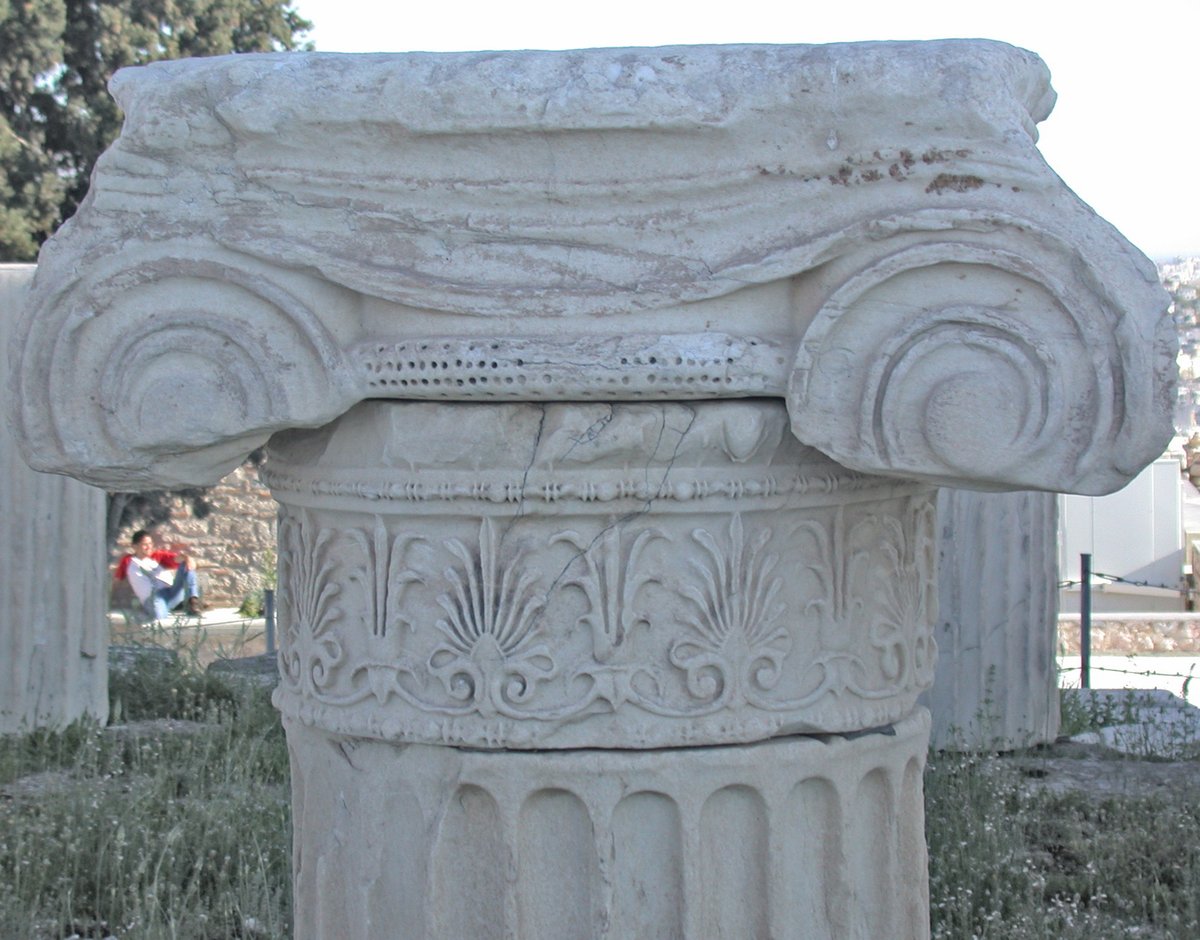
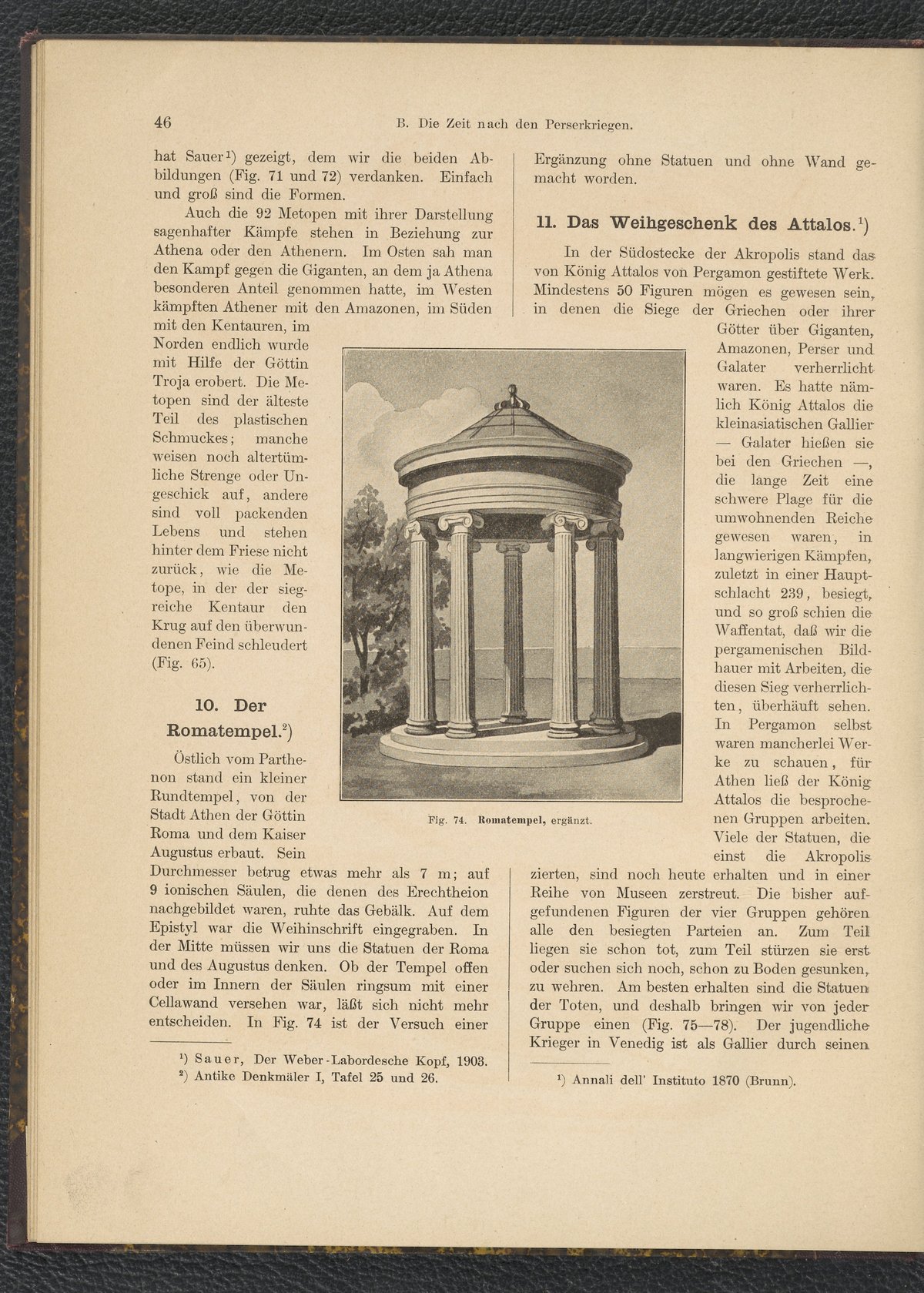
Ionic capital from the Temple of Rome and Augustus in Athens, Greece, inspired by the Erechteum's Ionic capitals on the Acropolis.
Historic photograph of the Acropolis of Athens taken in 1905, showcasing ancient Greek architecture on the hill with clear details of the structures.
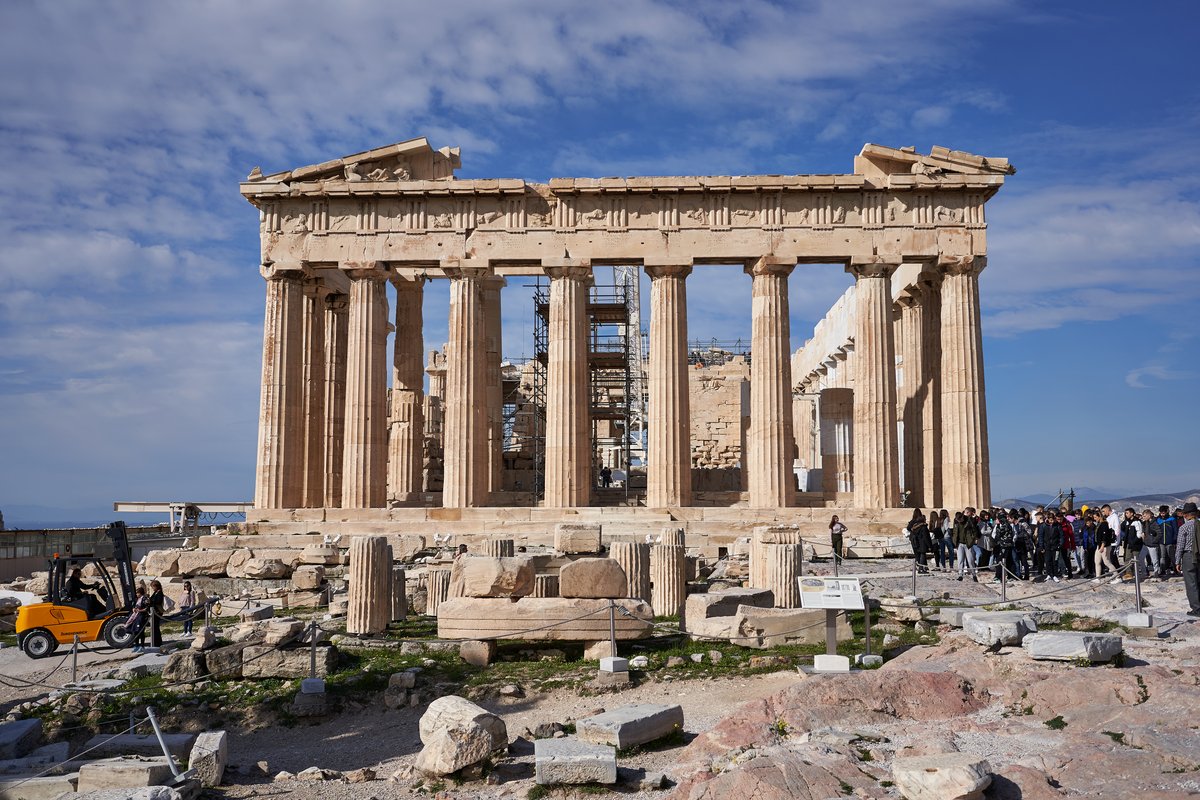
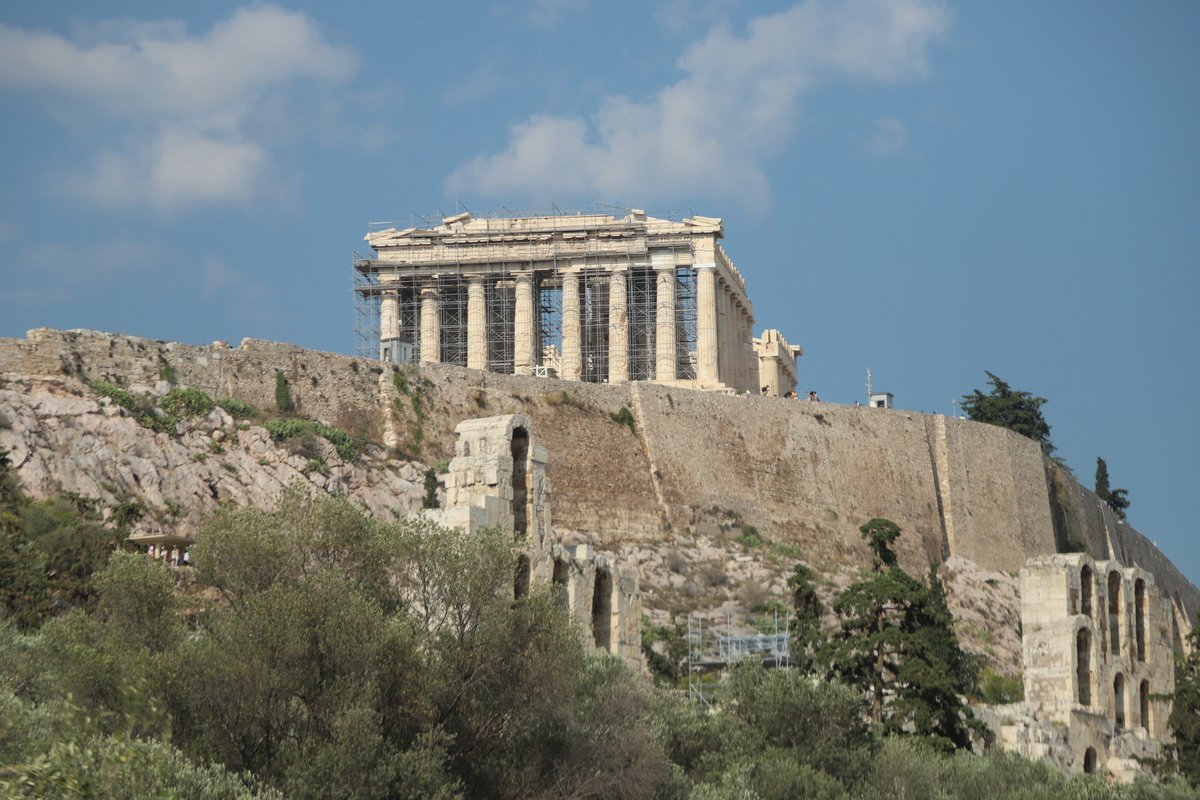
A clear daytime view of the East Facade of the Parthenon alongside the Temple of Rome and Augustus, captured on March 5, 2020, showcasing classical Greek and Roman architectural elements in Athens.
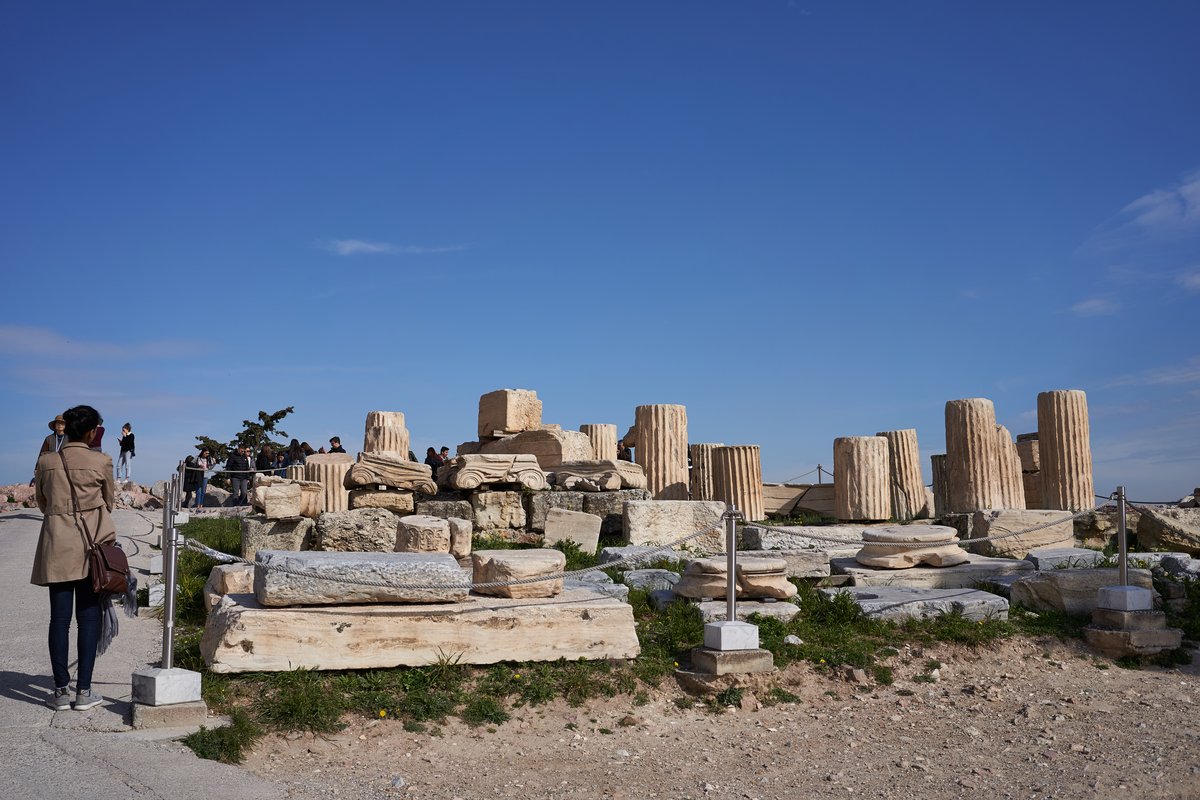
Ruins of the Temple of Rome and Augustus located east of the Parthenon on the Acropolis in Athens, featuring the foundations of a small Ionic order, circular temple with nine columns, dating from 19-17 B.C., dedicated to the goddess Rome and Emperor Augustus.
Sideview photograph of the Temple of Rome and Augustus located on the Acropolis of Athens, taken on March 5, 2020
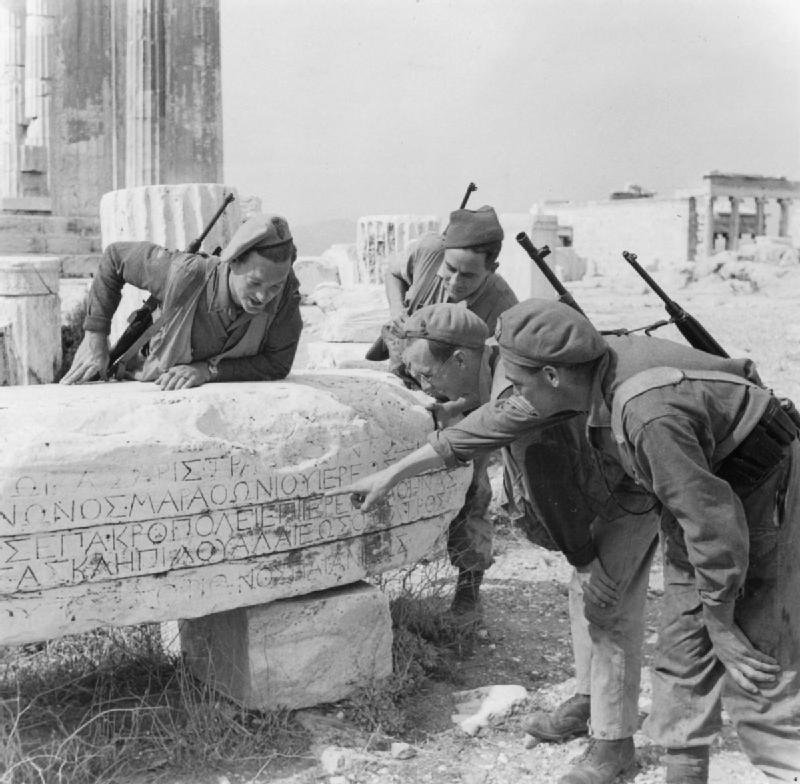
Men of L Squadron SBS (Special Boat Squadron) exploring the ruins of the Acropolis in Athens during October 1944 in the aftermath of World War II
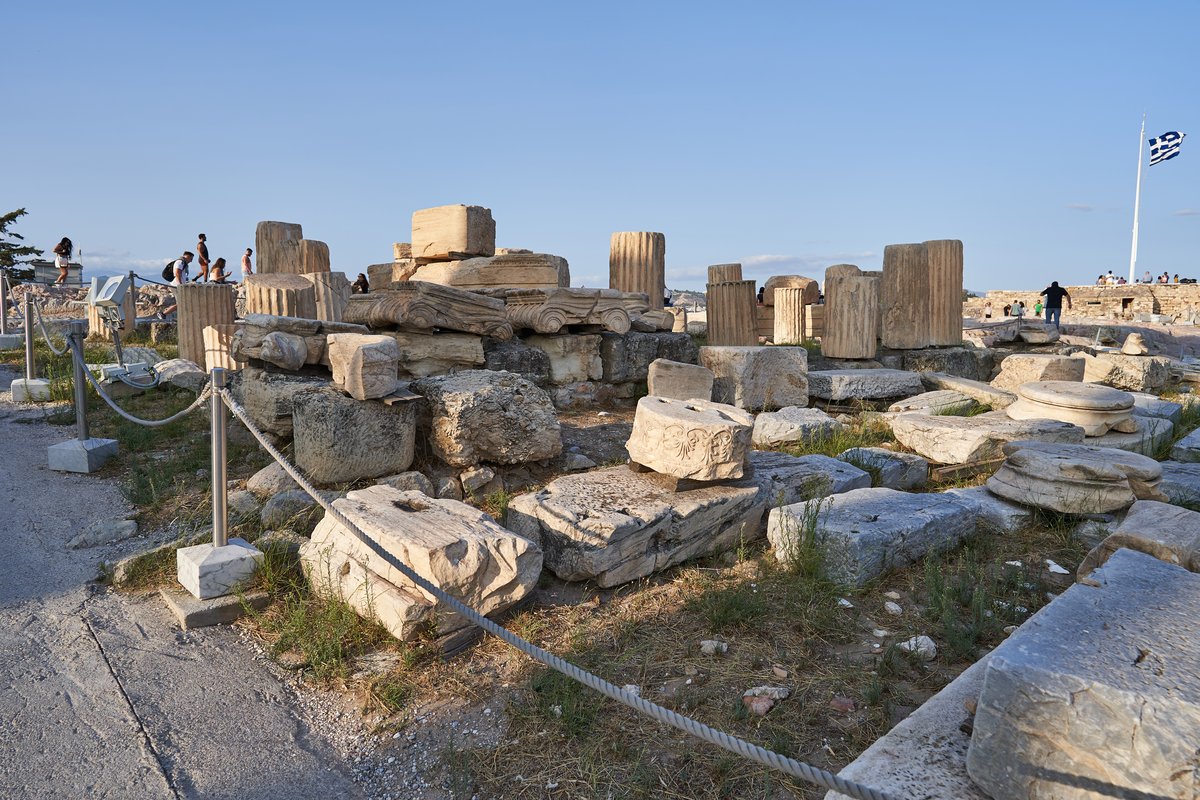
The ancient ruins of the Temple of Rome and Augustus located in Athens, Greece, captured on September 20, 2020, showcasing historic stone structures with a bright sky backdrop.
Historical Background and Cultural Significance
The Temple of Rome and Augustus was constructed during a period when Athens forged a new identity under Roman rule. While the Romans made relatively restrained interventions on the Acropolis compared to previous eras, the temple stands as their most significant contribution. Built around 19 BCE, it was both a political gesture—expressing gratitude and loyalty to Augustus—and a religious innovation, as it honored both the emperor and the goddess Roma (Ancient Athens 3D).
This temple’s presence on the Acropolis—a space traditionally reserved for Greek deities—reflects the city’s pragmatic adaptation to imperial realities. The dedication to Augustus as “Savior” (Soter), evidenced by contemporary inscriptions, confirms the establishment of an imperial cult in Athens and marks a turning point in the city’s spiritual life (Ancient Athens 3D).
Architectural Features and Placement
The Temple of Rome and Augustus was designed as a monopteros, a circular temple without an enclosed chamber, featuring nine Ionic columns—unusual in Athenian architecture. Measuring 8.6 meters in diameter and about 7.3 meters high, it was crafted from Pentelic marble, the same material as the Parthenon.
Its location is thought to be approximately 23 meters east of the Parthenon, intentionally positioned for visibility and symbolic integration into the sacred topography. This placement connected the new imperial cult with Athens’ revered classical traditions, while the temple’s modest scale ensured it complemented rather than rivaled its grand neighbors (Ancient Athens 3D; madainproject.com).
Religious and Political Significance
The temple’s dual dedication to Augustus and Roma was unprecedented in Athens and indicative of broader changes across the Roman world. Augustus was deified and celebrated as a divine benefactor, while Roma personified the strength and unity of the Roman state. The existence of a priesthood for the imperial cult on the Acropolis is confirmed by inscriptions found nearby (Ancient Athens 3D).
By venerating both emperor and empire, Athens secured imperial favor and resources, while negotiating its place within the new order. The temple thus became a focal point for ceremonies blending Greek religious forms with Roman innovations, illustrating the adaptive nature of Athenian identity.
Visitor Information: Hours, Tickets, and Accessibility
Visiting Hours
- Summer (April–October): 8:00 AM to 8:00 PM (last entry at 7:30 PM)
- Winter (November–March): 8:00 AM to 5:00 PM (last entry at 4:30 PM)
- Hours may vary due to weather or special events. Always check the official Acropolis website before your visit.
Tickets
- Standard adult ticket: €30 (summer), €15 (winter)
- Reduced ticket: €15 (summer) for EU citizens aged 18–25
- Free entry: Under 18s, EU students, and certain other categories
- Tickets cover entry to the entire Acropolis site, including the Temple of Rome and Augustus
- Purchase tickets online in advance to avoid queues (etickets.tap.gr; welcome-greece.gr)
Accessibility
- The Acropolis has ramps and handrails, with improved pathways for visitors with reduced mobility. However, the area around the Temple of Rome and Augustus remains rugged and may be challenging for some.
- For detailed accessibility information, consult the official site.
Guided Tours and Apps
- Guided tours of the Acropolis often include the Temple of Rome and Augustus.
- Audio guides and augmented reality apps like Ancient Athens 3D enhance the visitor experience.
- Special events and educational programs may be available; check local listings for details.
Nearby Attractions and Suggested Itineraries
- Within the Acropolis: Parthenon, Erechtheion, Temple of Athena Nike, Propylaea
- Nearby: Acropolis Museum, Ancient Agora, Roman Agora, Theatre of Dionysos
- Travel Tips: Wear sturdy shoes, bring water and sun protection, and visit early or late in the day to avoid crowds (earthtrekkers.com; neverendingfootsteps.com).
Visuals and Photography Tips
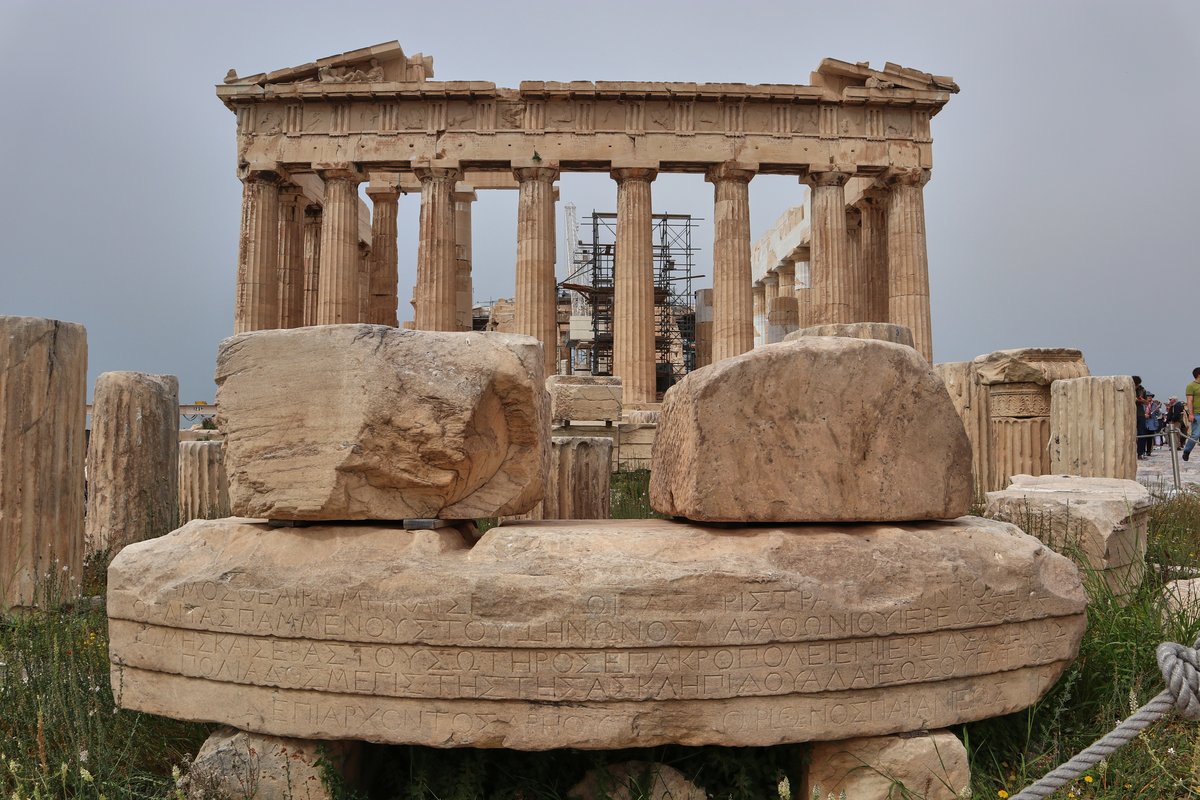
- The temple’s remains include a circular foundation, column drums, and an inscribed architrave—ideal subjects for thoughtful photography.
- Best light is during early morning or late afternoon.
- Use the temple’s ruins as a foreground for panoramic shots of the Acropolis and cityscape.
- Interactive digital reconstructions are available online (Ancient Athens 3D).
Frequently Asked Questions (FAQ)
Can I visit the Temple of Rome and Augustus separately?
No, access is via the Acropolis archaeological site and included in the Acropolis ticket.
Are there guided tours focused on the temple?
Most Acropolis tours include the temple. For more detail, consider using an audio guide or specialized app.
Is the site accessible to all visitors?
Partial accessibility is provided, but uneven terrain remains a challenge in some areas.
When is the best time to visit?
Early mornings and late afternoons are optimal for fewer crowds and comfortable temperatures.
Are there nearby museums with related exhibits?
Yes, the Acropolis Museum at the foot of the hill offers extensive displays on the site’s history and Roman-era artifacts.
Summary and Recommendations
The Temple of Rome and Augustus is a modest but evocative monument that encapsulates Athens’ transformation under Roman rule. Its unique circular design, strategic placement, and dual dedication make it an important symbol of cultural fusion. While only fragments survive, the site offers an immersive historical experience, especially when paired with guided tours, digital reconstructions, and visits to the Acropolis Museum.
For the best experience:
- Purchase tickets in advance and plan your visit early or late in the day.
- Use audio guides or apps for deeper context.
- Combine your visit with other Acropolis and central Athens attractions.
- Prepare for uneven terrain and bring sun protection.
For updates, ticketing, and digital resources, download the Audiala app and follow our channels for the latest in Athens historical site exploration.
Listen to the full story in the app
Your Personal Curator, in Your Pocket.
Audio guides for 1,100+ cities across 96 countries. History, stories, and local insight — offline ready.
Audiala App
Available on iOS & Android
Join 50k+ Curators
Sources
- verified
- verified
- verified
- verified
- verified
- verified
- verified
Last reviewed: