Plan and listen to Temple Of Athena Nike with Audiala.
Audio guide in your pocket, itinerary in your browser. Built for the way you actually visit.
Introduction
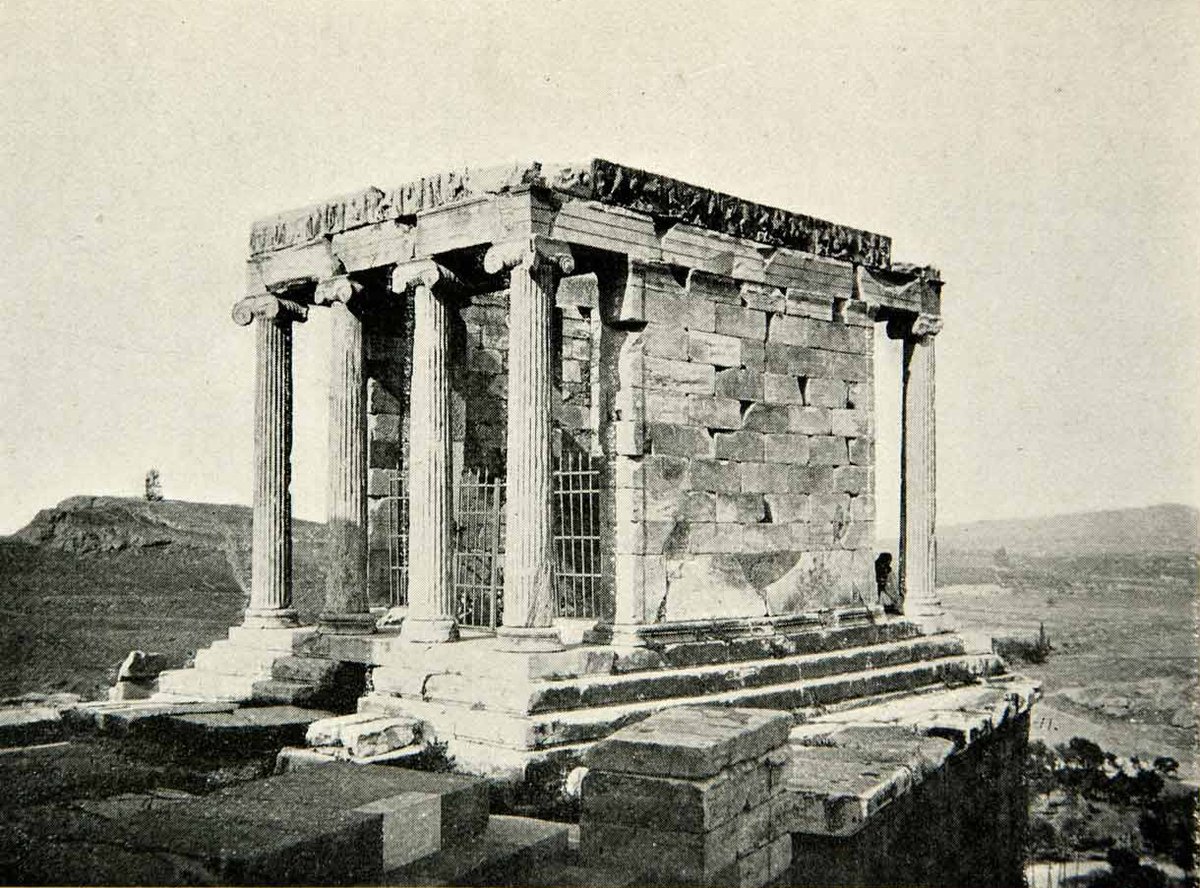
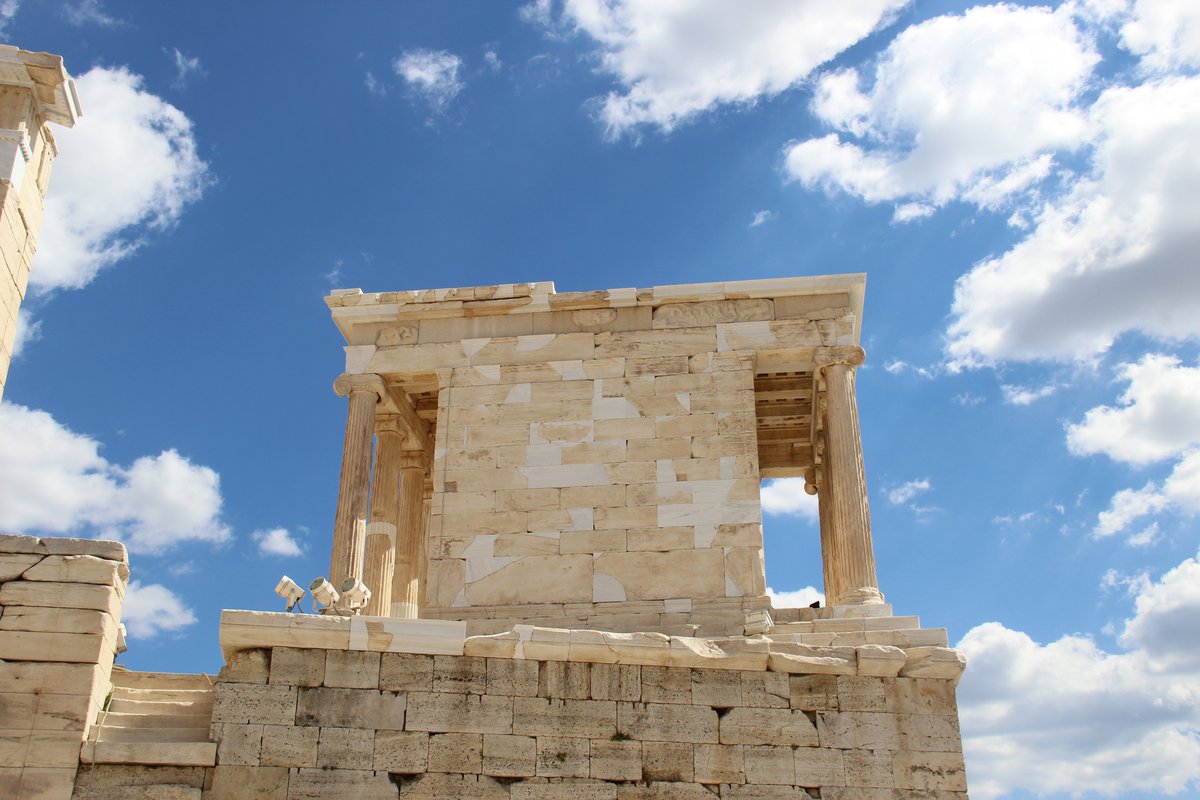
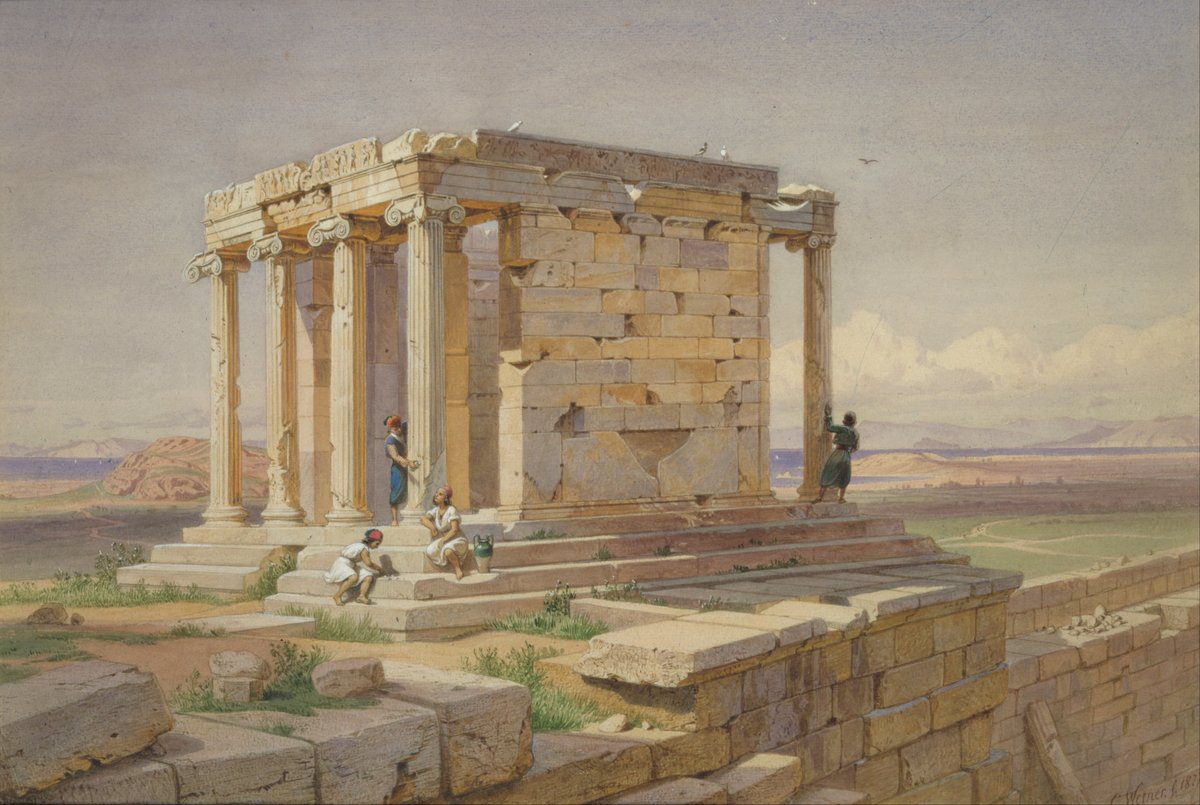
The Temple of Athena Nike is one of the most elegant and symbolically rich monuments on the Acropolis of Athens. Dedicated to Athena Nike, the goddess of victory, this small Ionic temple stands on the southwest bastion, overlooking the entrance to the Acropolis. Its strategic location, exquisite architecture, and enduring legacy make it an essential stop for anyone interested in ancient Greek history, art, and culture.
This guide provides comprehensive information on visiting hours, ticketing, accessibility, and travel tips, along with detailed insights into the temple’s history, religious significance, and architectural features. Whether you are a history enthusiast, art lover, or curious traveler, this guide will help you plan a memorable visit to this iconic site.
For the latest updates on hours and tickets, consult the Acropolis official website and the Ministry of Culture. For cultural context and practical insights, resources like Greek History Hub and Go Explore Greece are valuable tools.


Visiting the Temple of Athena Nike
Location and Setting
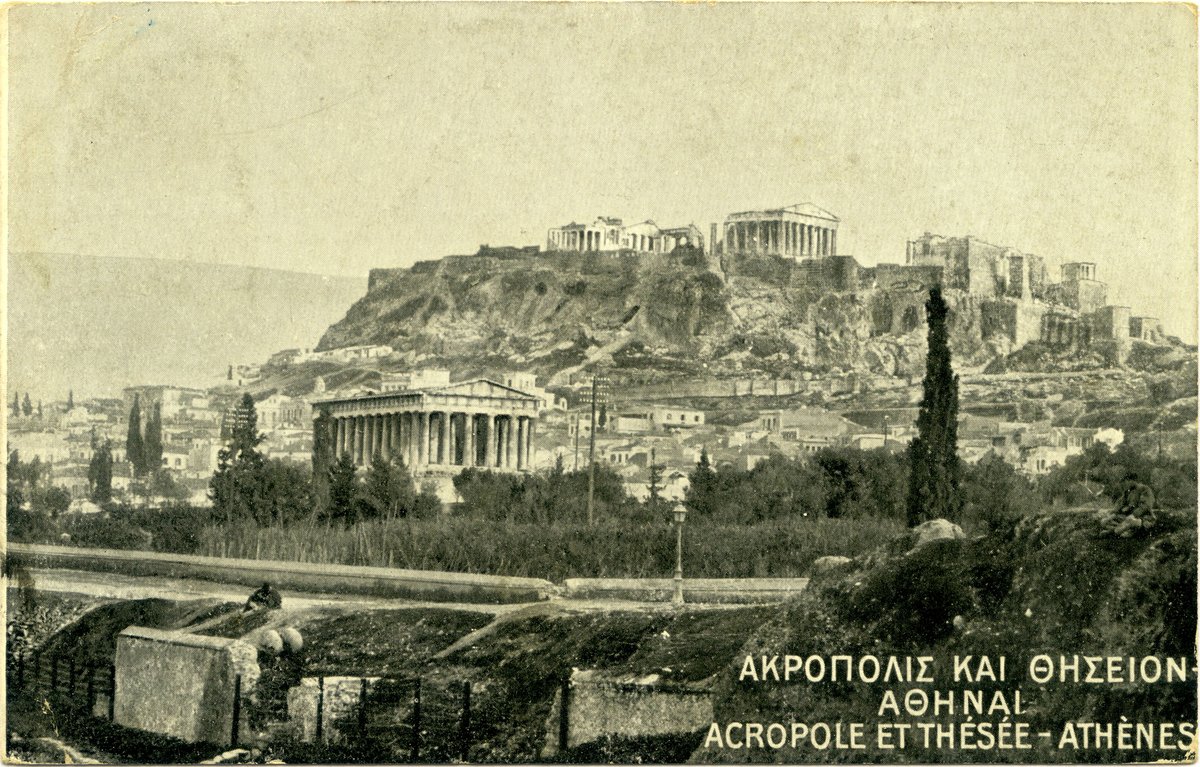
The temple occupies a prominent position on the southwest bastion of the Acropolis, adjacent to the Propylaea. This vantage point not only provided symbolic protection over Athens but also offered panoramic views of the city and the Saronic Gulf (World History Encyclopedia). The site is a short walk from the Acropolis main entrance, with clear signage guiding visitors.
Visiting Hours and Days
- Summer (April–October): 8:00 AM – 8:00 PM
- Winter (November–March): 8:00 AM – 5:00 PM
Hours may vary on holidays or due to maintenance, so always check the official Ministry of Culture website before your visit.
Tickets and Entry Information
- General Admission: €20 (high season), €10 (low season)
- Reductions: EU citizens aged 18–25, seniors, and students benefit from reduced prices.
- Free Entry: Children under 18, EU seniors, and certain groups.
- Combination Tickets: €30 ticket covers additional archaeological sites around Athens, valid for five days (Acropolis Athens Tickets).
Advance online booking is strongly recommended, especially in peak months, to avoid queues (Go Explore Greece).
Accessibility
The Acropolis terrain is uneven and includes steps and slopes. While an elevator is available for visitors with mobility challenges, access to the Temple of Athena Nike may remain partly limited due to ancient stone surfaces and narrow pathways (Go Explore Greece). Contact site staff in advance to arrange assistance and check elevator status.
Guided Tours and Travel Tips
- Guided Tours: Available in multiple languages, these tours provide expert commentary on temple history, architecture, and symbolism (The Tour Guy).
- Audio Guides: Rentable or downloadable for self-paced exploration.
- Best Times to Visit: Early morning (opening) or late afternoon to avoid crowds and enjoy ideal lighting.
- Practical Advice: Wear sturdy shoes, bring water, use sunscreen, and pack light—large bags are not permitted.
Historical Context and Significance
Origins and Construction
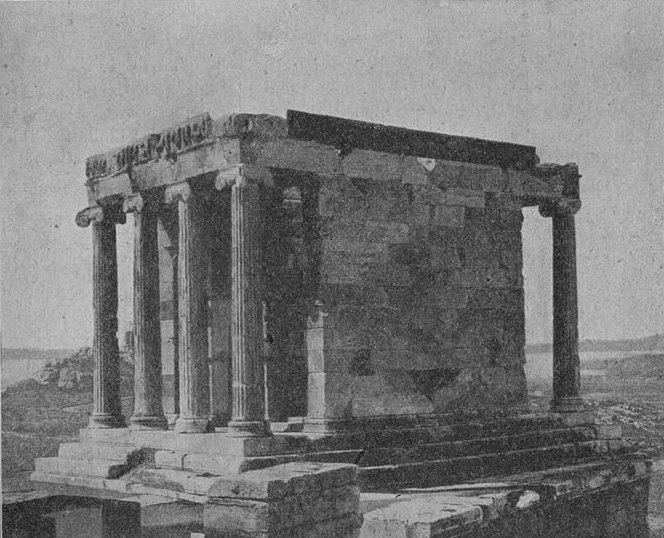
The bastion on which the temple stands has been significant since the Mycenaean era. The present temple was constructed between 426 and 421 BCE, during Athens’ Golden Age and the Peloponnesian War, by architect Kallikrates (acropolis-athens-tickets.com). Built in the Ionic order, it is Athens’ earliest fully Ionic temple on the Acropolis and ingeniously designed to fit the limited space of the bastion.
Religious and Civic Importance
Dedicated to Athena as Nike (Victory), the temple’s cult statue depicted the goddess without wings (“Apteros Nike”), symbolizing victory remaining in Athens (Athens Tour Greece). Rituals and offerings, often conducted by a specially appointed priestess, sought divine favor in times of war (Greek History Hub).
The temple’s placement at the Acropolis entrance reinforced its role as both guardian and symbol of Athenian military and civic identity (Ancient Greece Wanderings). Its friezes and reliefs celebrated military victories and divine protection, further linking the city’s political triumphs to its religious devotion.
Architectural Features and Artistic Highlights
Despite its modest size (about 8 by 5.5 meters), the Temple of Athena Nike is a masterpiece of Ionic architecture (Greek Reporter). Notable features include:
- Ionic Columns: Four slender, fluted columns on both front and rear facades, crafted from Pentelic marble.
- Continuous Frieze: Carved reliefs depict scenes of gods, battles, and processions, including the historic Battle of Plataea and the famed “Nike Adjusting Her Sandal” (now in the Acropolis Museum) (Smarthistory).
- Parapet Reliefs: Surrounding the bastion, they show dynamic representations of Nike in various poses.
- Decorative Elements: Lion-headed cornices and bronze akroteria originally adorned the roof, enhancing its symbolic presence.
Preservation, Restoration, and Modern Legacy
The temple has endured considerable change—dismantled by Ottomans in 1686, restored by 19th-century archaeologists, and most recently stabilized in 2010 (acropolis-athens-tickets.com). Original sculptures are preserved in the Acropolis Museum, with replicas displayed on-site.
Today, the Temple of Athena Nike stands as a testament to Athenian creativity, resilience, and devotion, inspiring visitors from around the world.
Nearby Attractions and Planning Your Trip
- Other Acropolis Monuments: Parthenon, Erechtheion, Propylaea.
- Acropolis Museum: Houses original temple sculptures and extensive exhibits.
- Neighborhoods: Explore Plaka and Monastiraki for food, shopping, and local culture.
Interactive maps and further resources are available on our website to help you plan your visit effectively.
Frequently Asked Questions (FAQ)
Q: What are the Temple of Athena Nike visiting hours?
A: 8:00 AM to 8:00 PM (summer), 8:00 AM to 5:00 PM (winter). Always verify via the Ministry of Culture website.
Q: How much are tickets?
A: €20 adult, reductions available; €30 for combination tickets (Acropolis Athens Tickets).
Q: Is the temple accessible for people with disabilities?
A: Partial accessibility via elevator; contact staff for details (Go Explore Greece).
Q: Can I take photos?
A: Yes, but tripods and drones require special permission.
Q: Are guided tours available?
A: Yes, bookable in advance (The Tour Guy).
Tickets & tours.
These are guided options from our partners — same price as booking direct.
Prices are indicative — final pricing and availability are confirmed at checkout. Audiala may earn a commission from bookings made through these links.
Listen to the full story in the app
The whole Temple Of Athena Nike,
told well.
Audio guides for 1,100+ cities across 96 countries. History, stories, and local insight — offline ready.
Verified, and shown.
Researched and written by the Audiala editorial team from historical records, architectural archives, and local expertise.
Researched from Wikidata, Wikipedia & official sources · fact-checked · How we make our guides →