Plan and listen to Stoa Poikile with Audiala.
Audio guide in your pocket, itinerary in your browser. Built for the way you actually visit.
Introduction
The Stoa Poikile, or "Painted Porch," stands as a cornerstone of Athenian history and Western philosophy. Situated within the Ancient Agora of Athens, this once-vividly decorated colonnade is celebrated not only for its artistic grandeur but also as the birthplace of Stoicism—a school of thought that continues to influence philosophical discourse worldwide. This comprehensive guide details everything you need to know about visiting the Stoa Poikile: its historical and cultural importance, practical visitor information, accessibility updates, and nearby attractions to help you make the most of your Athens experience (Britannica; jaymeiliunas.substack.com).

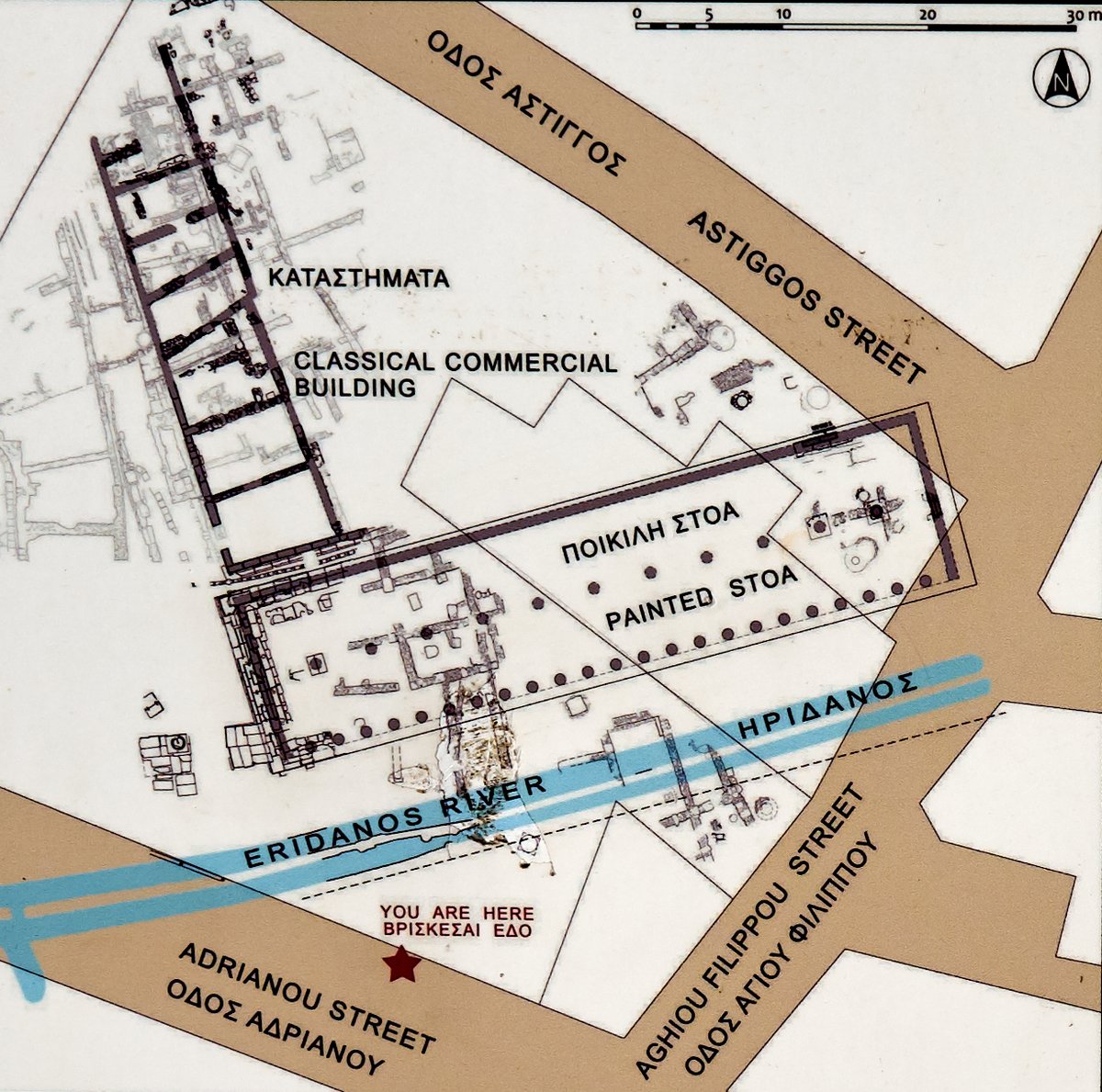
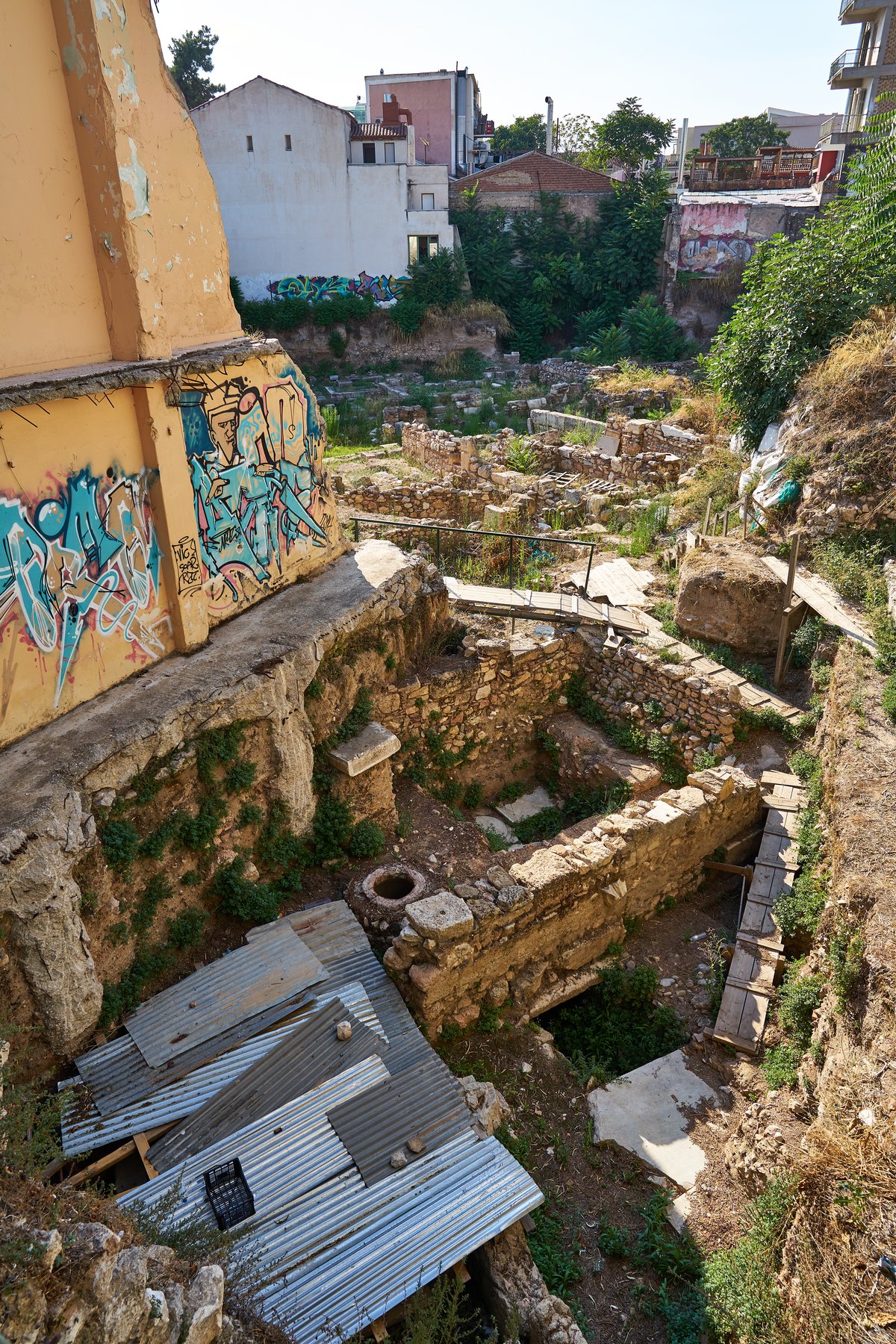
Historical Background: The Origins and Construction of the Stoa Poikile
Built shortly after 460 BCE, the Stoa Poikile was positioned along the northern edge of the bustling Athenian Agora. This rectangular structure, measuring about 36 by 12 meters, featured a harmonious blend of Doric and Ionic columns. Its open-air design created a gathering place for Athenians to walk, debate, and contemplate, embodying the civic and democratic ethos of the city (Britannica; jaymeiliunas.substack.com).
Artistic Significance: The Painted Murals
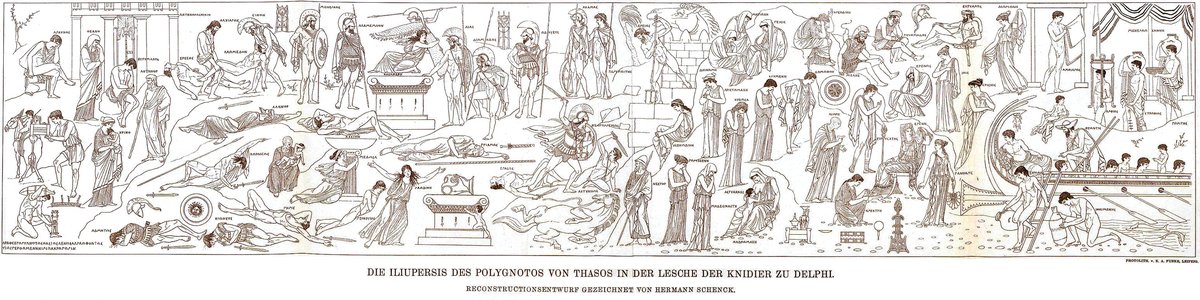
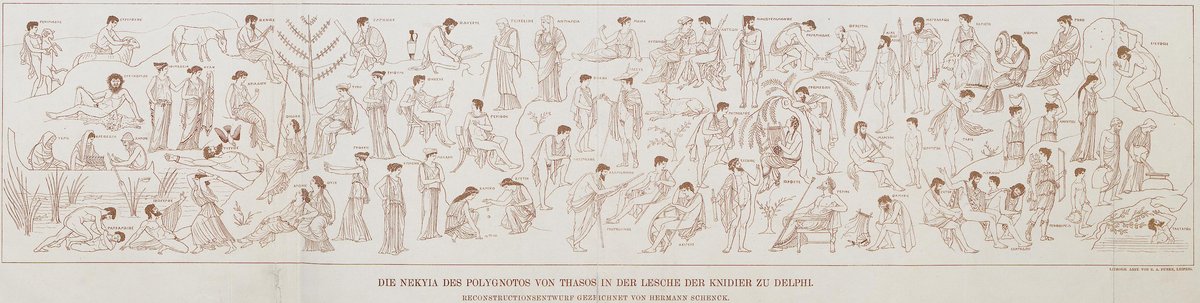
The stoa’s defining feature was its elaborate murals, painted by celebrated artists such as Polygnotus of Thasos and Micon. These panels depicted pivotal events from Greek history and mythology, including the Battle of Marathon and the sack of Troy. More than decorative art, these murals functioned as visual storytelling, reinforcing Athenian civic pride and collective memory (Britannica).
The Birthplace of Stoicism
In the early 3rd century BCE, the Stoa Poikile became synonymous with a new philosophical movement. Zeno of Citium began teaching here, laying the foundations of Stoicism—a philosophy emphasizing virtue, rationality, and living in harmony with nature. The stoa’s public setting reflected the accessibility of Stoic thought, which was open to all and not confined to elites (Britannica; jaymeiliunas.substack.com).
Practical Visitor Information
Location and Getting There
The Stoa Poikile is located in the northern section of the Ancient Agora, near Monastiraki Metro Station (Lines 1 & 3) and easily accessible from the city center. Clear signage guides visitors through the Agora to the key monuments, including the Stoa Poikile (The Collector).
Visiting Hours (as of 2025)
- Summer (April–October): 8:00 AM – 8:00 PM
- Winter (November–March): 8:00 AM – 5:00 PM
- Note: Last entry is typically 30 minutes before closing. Hours may vary during public holidays or due to weather conditions—always confirm on the Hellenic Ministry of Culture website.
Tickets
- Standard Adult: €10
- Reduced (students, seniors): €5
- Children under 18 & EU seniors 65+: Free (with ID)
- Combined Ticket: €30 (includes entry to major Athens sites; valid for 5 days)
- Where to Buy: Onsite or online via the Hellenic Ministry of Culture
Accessibility and Facilities
Recent upgrades led by the Ministry of Culture and the American School of Classical Studies at Athens (ASCSA) are improving visitor access, with new pathways and ramps expected to be completed by late 2025 (Protothema). As of June 2025:
- Terrain: Uneven, with gravel and ancient stone surfaces; sturdy footwear recommended.
- Ramps/Paths: New secondary pathways are increasing mobility access, but some areas remain challenging.
- Facilities: Restrooms, shaded seating, and water fountains are available at the main entrance and select points within the Agora.
- Dining: No food service inside the site, but Monastiraki and Thiseio neighborhoods offer abundant dining options nearby.
The Visitor Experience
What to Expect
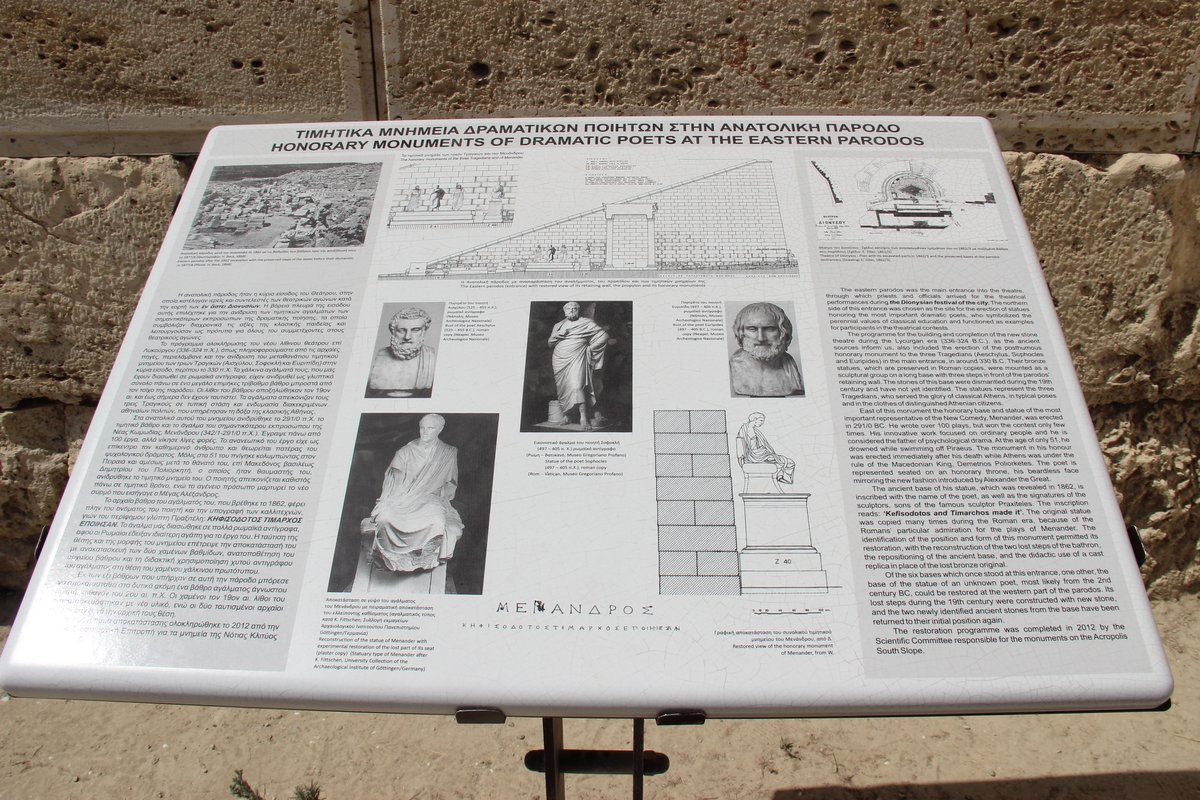
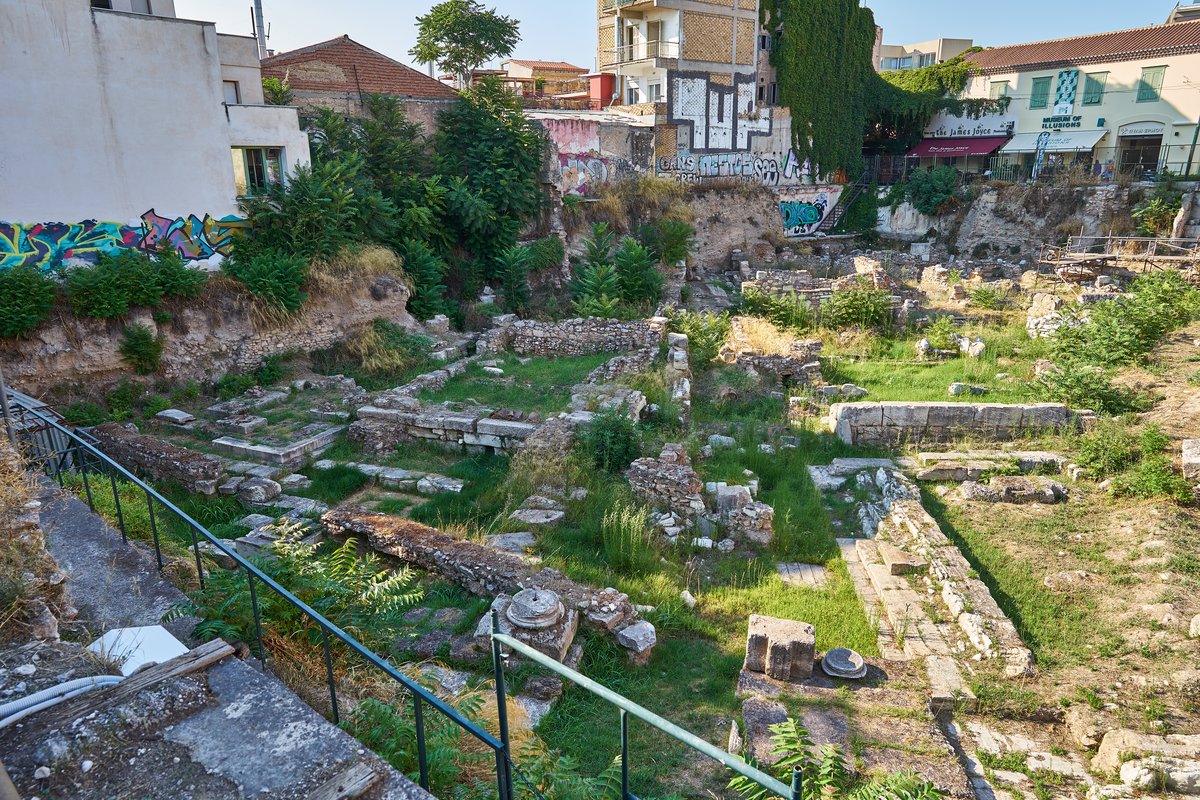
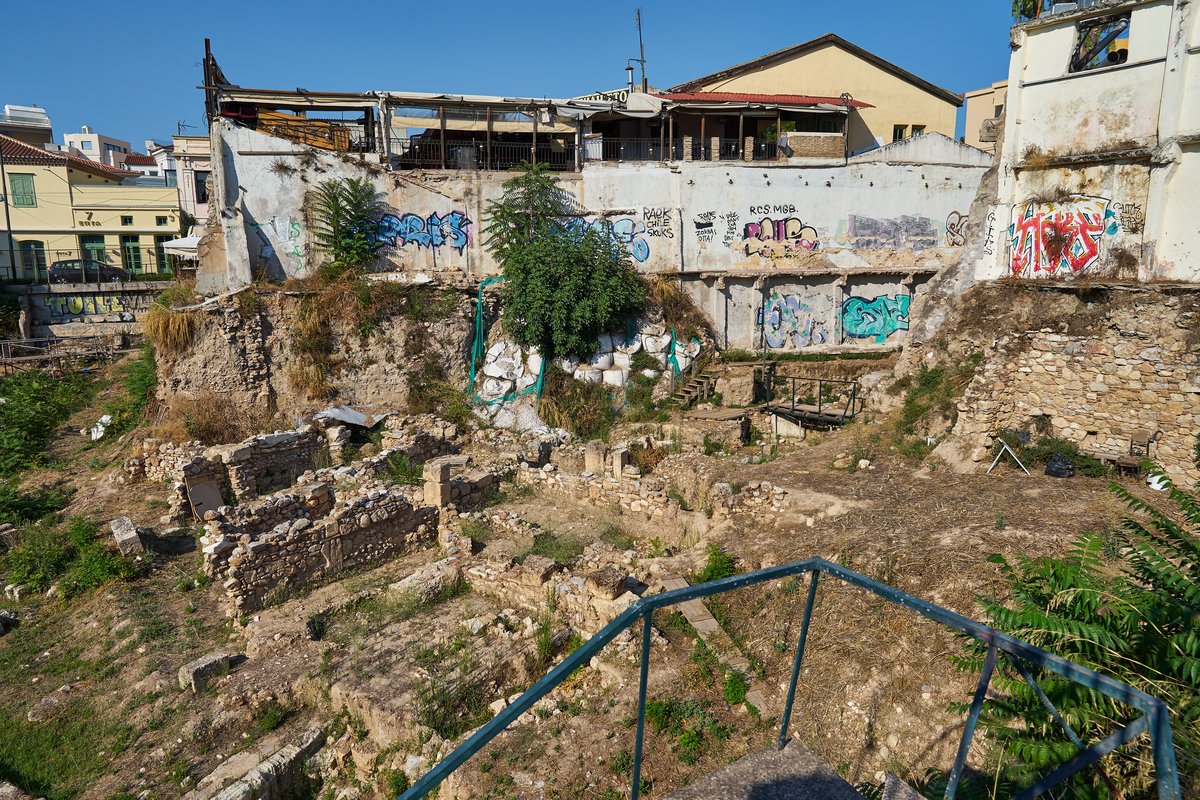
While the Stoa Poikile’s murals and much of its superstructure have not survived, visitors can explore its foundational remains and view interpretive signage. Ongoing excavations sometimes restrict access to certain areas, but new viewing platforms and educational displays help bring the history to life (Biblical Archaeology Society).
Tips and Best Times to Visit
- Best Hours: Early morning or late afternoon for fewer crowds, cooler temperatures, and optimal photography lighting.
- Seasonal Considerations: Spring and autumn offer the most comfortable weather and lighter crowds.
- Safety: The Agora is well-patrolled, but as with any city attraction, keep an eye on your belongings.
Nearby Attractions
Make the most of your visit with these nearby highlights:
- Stoa of Attalos: Reconstructed stoa hosting the Museum of the Ancient Agora.
- Temple of Hephaestus: Among the best-preserved ancient Greek temples.
- Altar of the Twelve Gods: A key civic and religious monument.
- Monastiraki Flea Market: Bustling market for food, gifts, and local color.
A new circular walking route is under development to connect these sites, offering a comprehensive tour of the Agora and its treasures (Protothema).
Photography and Conduct
- Photography: Permitted for personal use throughout the Agora, including the Stoa Poikile. For professional shoots, apply for permission from the Ministry of Culture.
- Conduct: Respect site barriers and do not touch or remove any historic materials.
Special Events, Closures, and Ongoing Excavations
Sections of the Agora, including the Stoa Poikile, may close temporarily for archaeological work or special events. Check the official site for the latest updates and notices.
Frequently Asked Questions (FAQ)
Q: Are the original murals still visible?
A: No, the painted panels have long since disappeared, but the foundational remains and informative signage help reconstruct their story (Britannica).
Q: Is the site wheelchair accessible?
A: Accessibility is improving, but some areas remain difficult. Check for latest updates before visiting.
Q: Are guided tours available?
A: Yes, guided and audio tours are available, covering the Stoa Poikile and the wider Agora.
Q: Can I visit with children?
A: Yes, but supervision is recommended due to uneven terrain.
Q: What are the best times to visit?
A: Early morning or late afternoon for fewer crowds and better lighting.
Related Articles
- Top Athens Historical Sites to Visit
- Athenian Agora Museum Guide
- Exploring Ancient Greek Philosophy: From Socrates to Stoicism
Listen to the full story in the app
The whole Stoa Poikile,
told well.
Listen to sourced travel stories with local history and practical context — ready offline.
Verified, and shown.
Researched and written by the Audiala editorial team from historical records, architectural archives, and local expertise.
Built from cited sources · see the method · How we make our guides →