Introduction
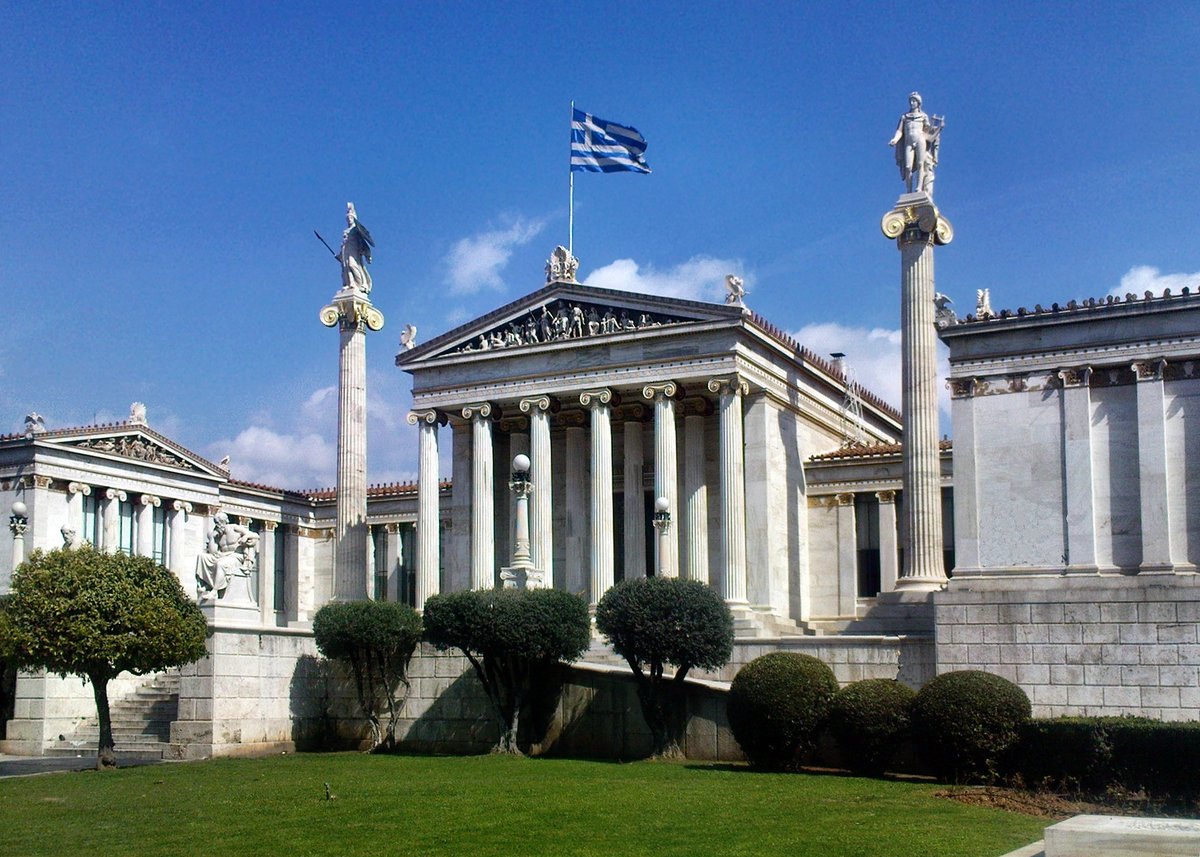
The Ancient Agora of Athens, known in Greek as Αρχαία Αγορά της Αθήνας, is a monumental testament to the rich history and cultural heritage of ancient Greece. Situated in the heart of Athens, this archaeological site was the epicenter of public life from the 6th century BCE, serving as a central hub for political, commercial, administrative, and social activities. The Agora's significance extends beyond its role as a marketplace; it was a cornerstone of Athenian democracy and a vibrant center for intellectual and cultural exchange (Ancient History Encyclopedia).
History of the Ancient Agora of Athens
Origins and Early Development
The agora, meaning "gathering place" or "assembly," served as the heart of public life in Athens from the 6th century BCE. Initially established as a marketplace and a place for citizens to gather for various activities, including political, commercial, administrative, and social purposes, its earliest evidence dates back to the late Neolithic period (3000 BCE). Under the leadership of Solon in the 6th century BCE, the Agora began to shape as a central public space, becoming a focal point for democratic activities (Ancient History Encyclopedia).
Classical Period
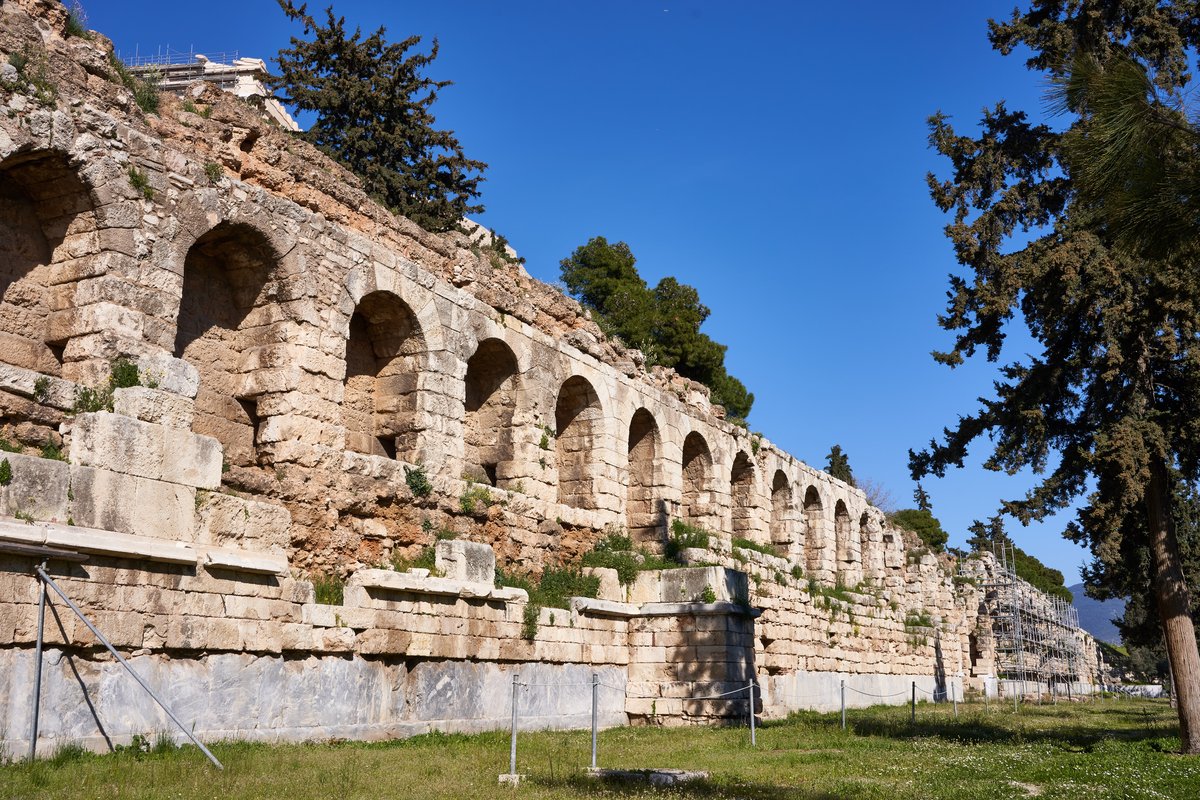
The Classical Period (5th-4th centuries BCE) marked the golden age of the Agora. It became the center of Athenian democracy, with the construction of significant buildings such as the Bouleuterion, where the council of 500 met, and the Tholos, which served as the headquarters for the executive committee. The Stoa of Attalos, a grand colonnaded building, functioned as a marketplace and meeting place and now houses the Museum of the Ancient Agora (Stoa of Attalos).
Hellenistic and Roman Periods
During the Hellenistic period (323-31 BCE), the Agora continued to thrive, with new buildings and monuments added. The Macedonian kings, particularly Antigonus and Demetrius, contributed to the development of the Agora by constructing the Middle Stoa, which divided the Agora into northern and southern sections. The Roman period (31 BCE - 3rd century CE) brought further changes, such as the construction of the Odeon of Agrippa, a large concert hall, and the Temple of Ares, relocated from another site (Odeon of Agrippa).
Decline and Rediscovery
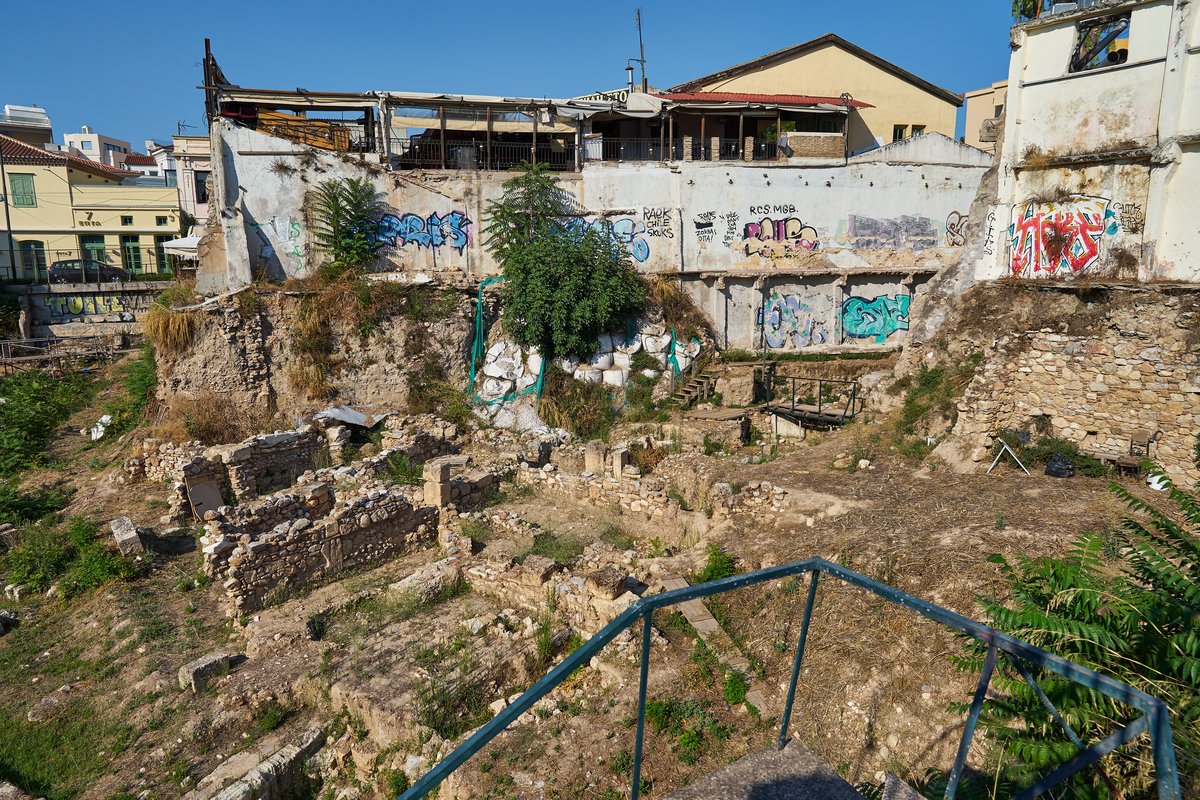
The decline of the Agora began in the late Roman period, particularly after the invasion of the Heruli in 267 CE, which led to significant destruction. The area gradually fell into disuse and was buried under layers of debris. The rediscovery of the Agora began in the 19th century with modern archaeology. Systematic excavations by the American School of Classical Studies at Athens starting in 1931 unearthed a wealth of artifacts and structures (American School of Classical Studies).
Significance in Athenian Democracy
The Agora was not just a marketplace but the epicenter of Athenian democracy. Citizens gathered to discuss and vote on important issues, making it a symbol of democratic governance. The practice of ostracism, where citizens could vote to exile a political leader deemed too powerful, took place in the Agora, highlighting its importance as a space for civic engagement and accountability (Ostracism).
Architectural and Cultural Legacy
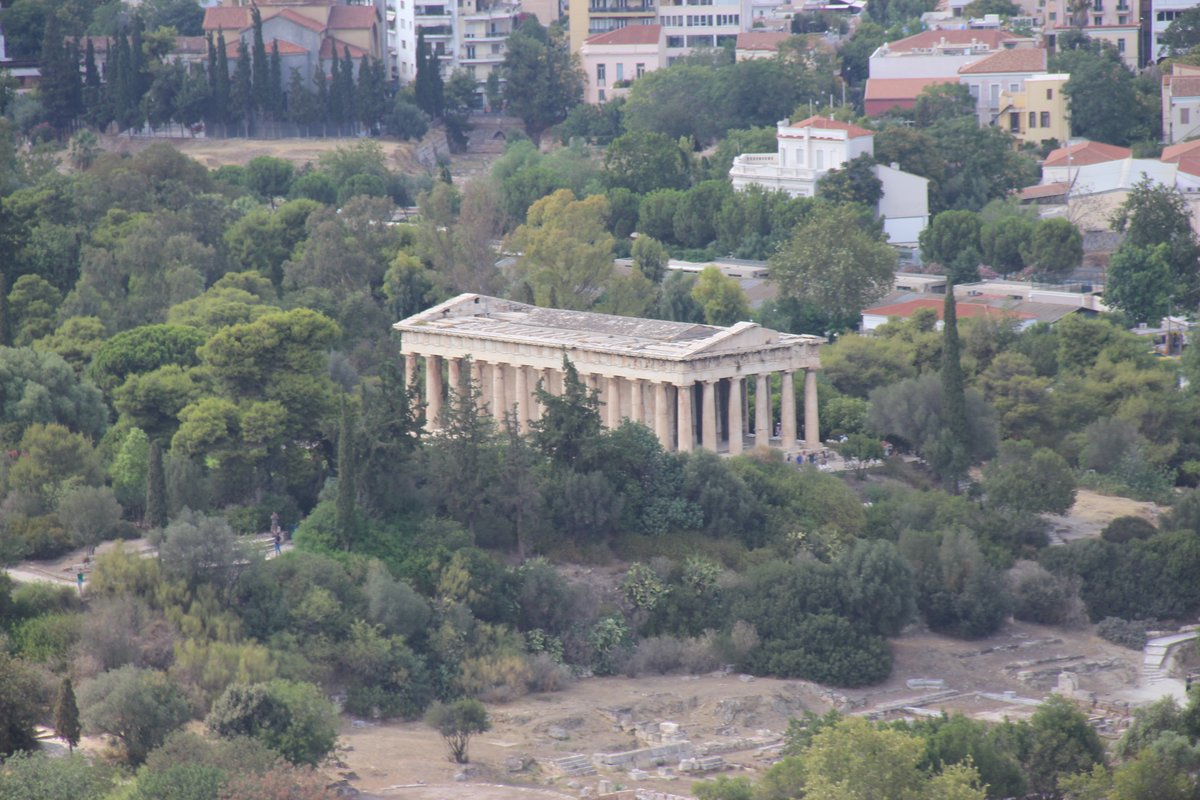
The architectural legacy of the Agora is evident in the numerous buildings and monuments preserved or reconstructed. The Hephaisteion, also known as the Temple of Hephaestus, is one of the best-preserved ancient Greek temples and stands as a testament to the architectural prowess of the Athenians (Temple of Hephaestus). The Agora was also a hub of intellectual activity, frequented by philosophers such as Socrates, Plato, and Aristotle, contributing to the development of Western thought and philosophy.
Visitor Information for the Ancient Agora of Athens
Visiting Hours and Tickets
The Ancient Agora of Athens is open throughout the year, with varying hours by season. During the summer months (April to October), the site is typically open from 8:00 AM to 8:00 PM, and during the winter months (November to March), from 8:00 AM to 5:00 PM. Check the official website for the most up-to-date information.
Tickets can be purchased at the entrance or online. A standard adult ticket costs around €10, with reduced prices for students and seniors. A combination ticket, including access to other major archaeological sites in Athens, is also available.
Guided Tours and Special Events
Guided tours of the Ancient Agora are highly recommended for a deeper understanding of its historical significance. Numerous tour operators offer guided walks, often including other nearby historical sites. Special events, such as reenactments and cultural festivals, are occasionally held at the Agora, providing a unique experience.
Photographic Spots
The Ancient Agora offers numerous spots for photography enthusiasts. The Temple of Hephaestus, with its well-preserved structure, and the panoramic views from the Stoa of Attalos are particularly popular. Early morning or late afternoon visits are ideal for capturing the site in the best light.
Nearby Attractions
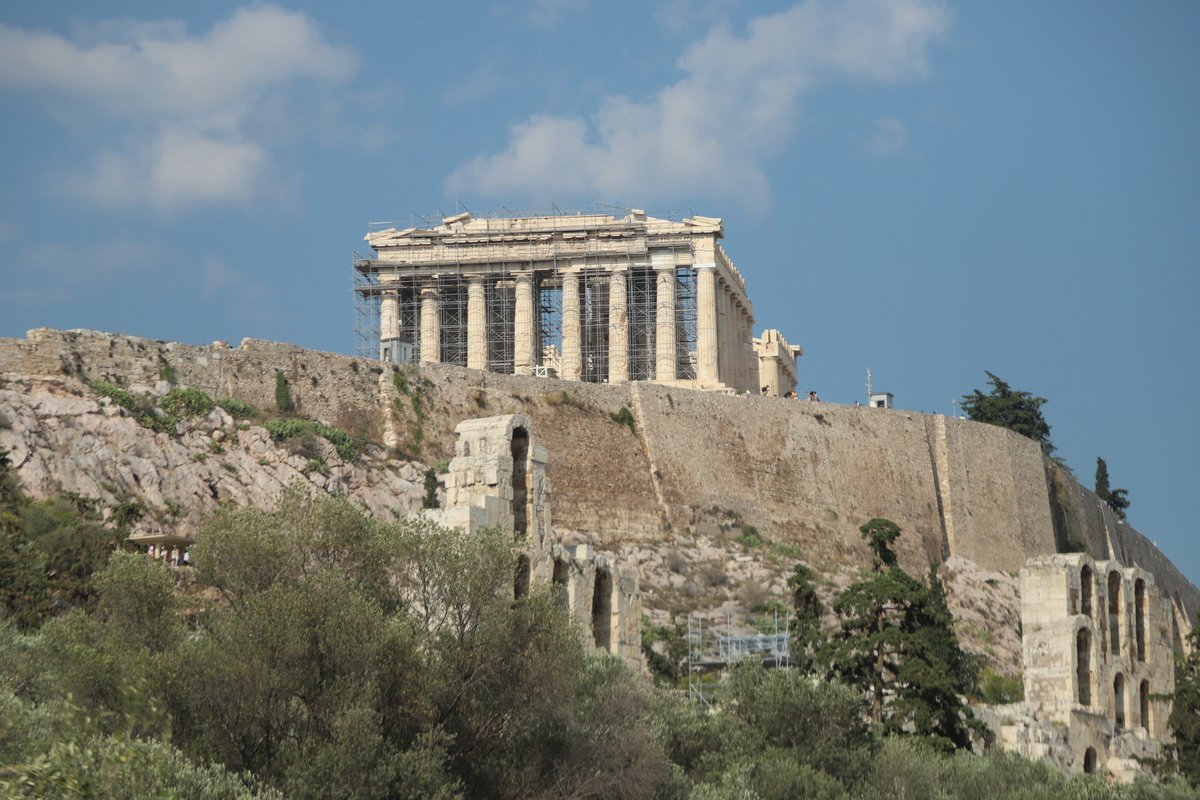
Located in the heart of Athens, the Ancient Agora is easily accessible to several other attractions. Nearby sites include the Acropolis, the Roman Agora, and the Monastiraki Flea Market. Visitors can also explore the vibrant neighborhoods of Plaka and Thissio, which offer a mix of historical landmarks, shops, and dining options.
Accessibility
The site is partially accessible to visitors with mobility issues. While some areas have uneven terrain and steps, efforts have been made to provide ramps and accessible pathways where possible. Contact the site in advance for detailed accessibility information and assistance.
Preservation and Modern-Day Significance
Today, the Ancient Agora of Athens is a protected archaeological site and a popular tourist destination. Efforts to preserve and restore the site continue, ensuring that future generations can appreciate its historical and cultural significance. The site offers a unique glimpse into the daily life of ancient Athenians and the functioning of one of the earliest democratic societies.
FAQ Section
Q: What are the visiting hours for the Ancient Agora of Athens?
A: The site is open from 8:00 AM to 8:00 PM during the summer months and 8:00 AM to 5:00 PM in the winter. Check the official website for the latest hours.
Q: How much do tickets cost?
A: Standard adult tickets are approximately €10, with reduced prices for students and seniors. Combination tickets are also available.
Q: Are guided tours available?
A: Yes, guided tours are available and highly recommended for a comprehensive experience.
Q: Is the site accessible for visitors with mobility issues?
A: The site is partially accessible with ramps and pathways. Contact the site for detailed information and assistance.
Listen to the full story in the app
Your Personal Curator, in Your Pocket.
Audio guides for 1,100+ cities across 96 countries. History, stories, and local insight — offline ready.
Audiala App
Available on iOS & Android
Join 50k+ Curators
Sources
- verified
-
verified
Athens Guide
Stoa of Attalos
-
verified
Athens Guide
Temple of Hephaestus
- verified
- verified
Last reviewed: