Plan and listen to Rigas Velestinlis with Audiala.
Audio guide in your pocket, itinerary in your browser. Built for the way you actually visit.
Introduction to the Statue of Rigas Velestinlis in Athens
Nestled in the vibrant heart of Athens, the Statue of Rigas Velestinlis (Rigas Feraios) stands as a monumental tribute to one of Greece’s leading national heroes and intellectual pioneers. Rigas’s revolutionary ideas and writings played a formative role in igniting the Greek War of Independence and shaping the Modern Greek Enlightenment. His vision of freedom, equality, and a democratic Balkan federation continues to resonate in Greece’s cultural identity.
This guide provides detailed insights into the statue’s history, precise location, accessibility, practical visitor information, and recommendations for maximizing your experience. Additionally, it highlights nearby attractions and cultural sites for a comprehensive exploration of Athens’s heritage.
For further planning, refer to the University of Athens Historical Archive, the National Historical Museum, and travel features from Greek City Times.


Historical Background of Rigas Velestinlis
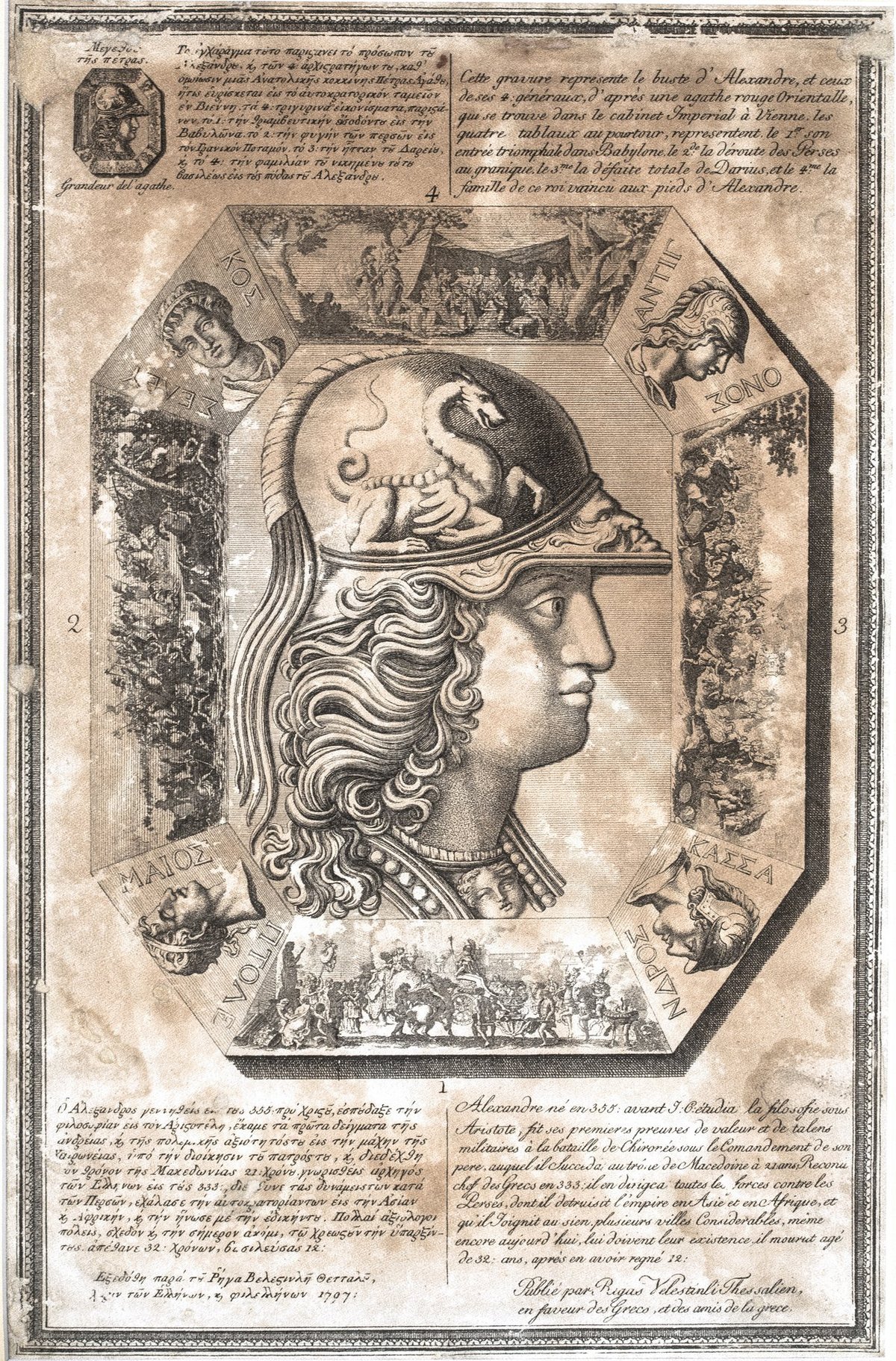
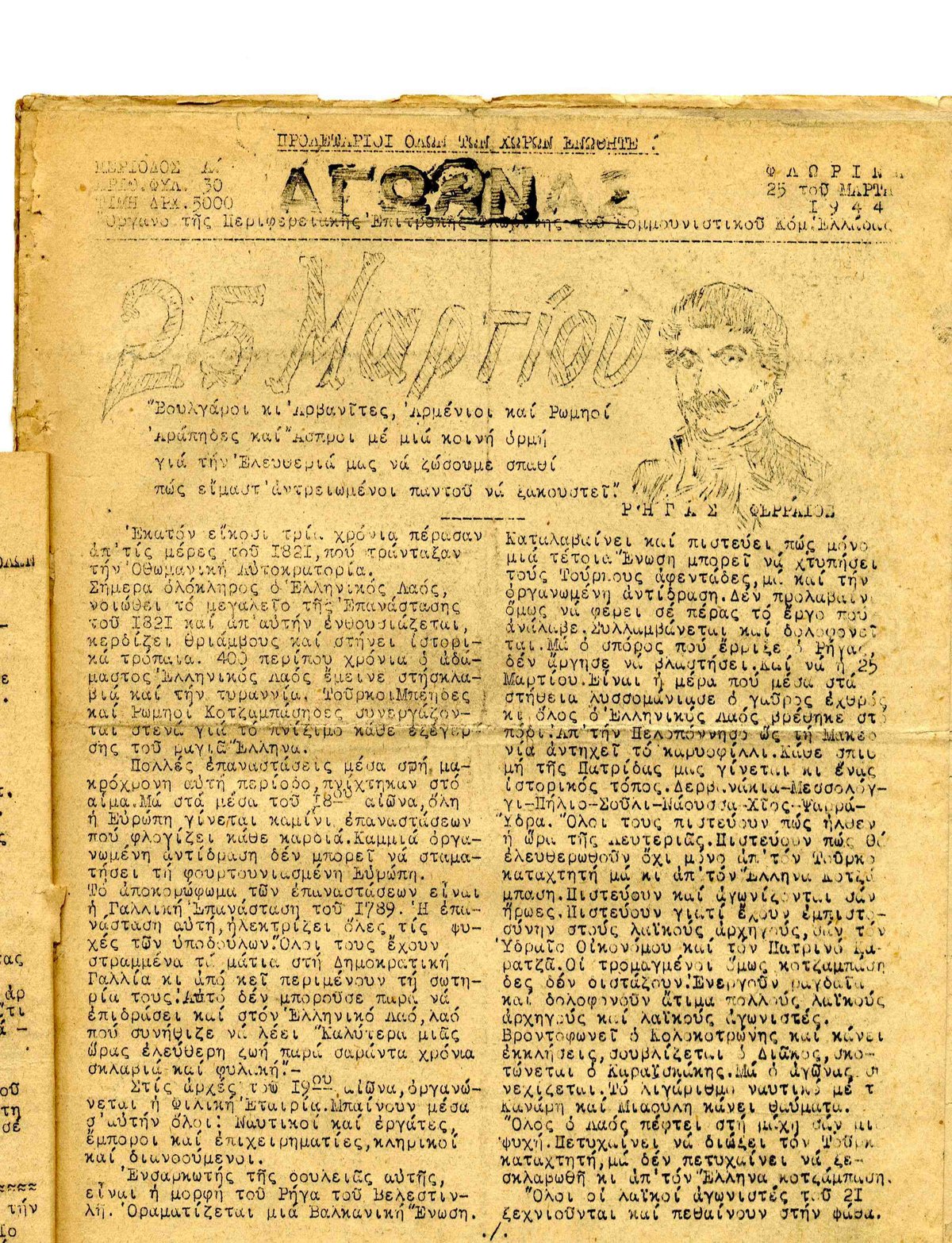
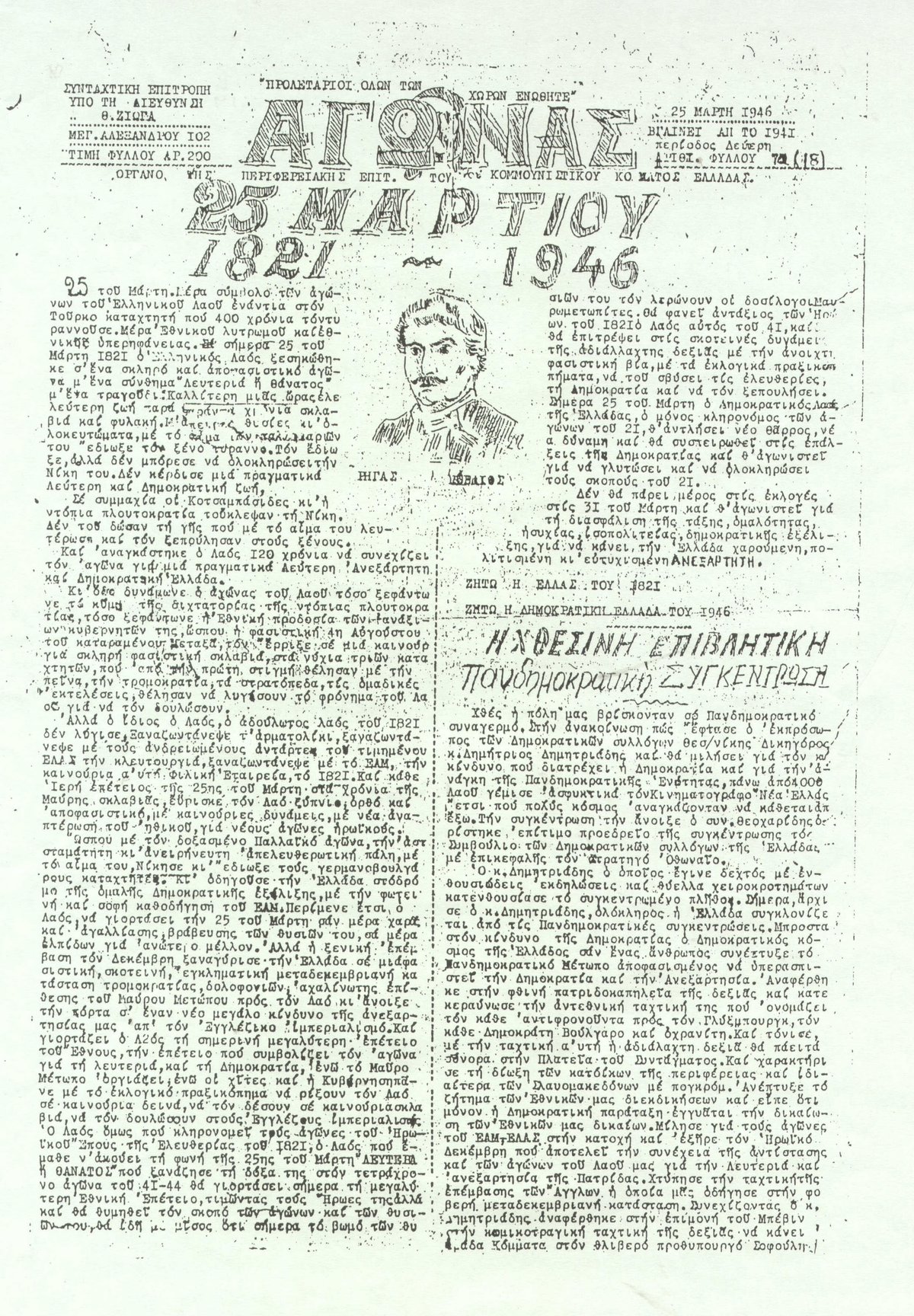
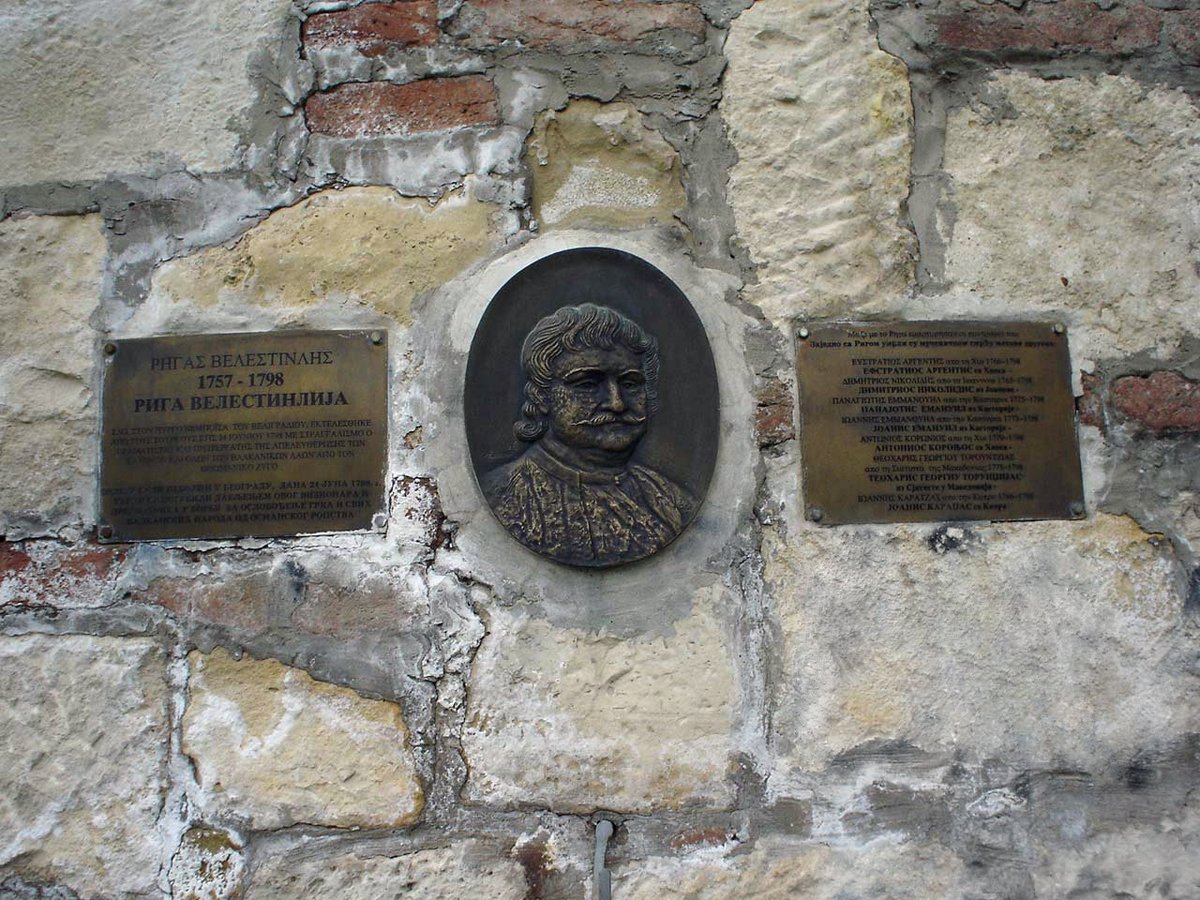
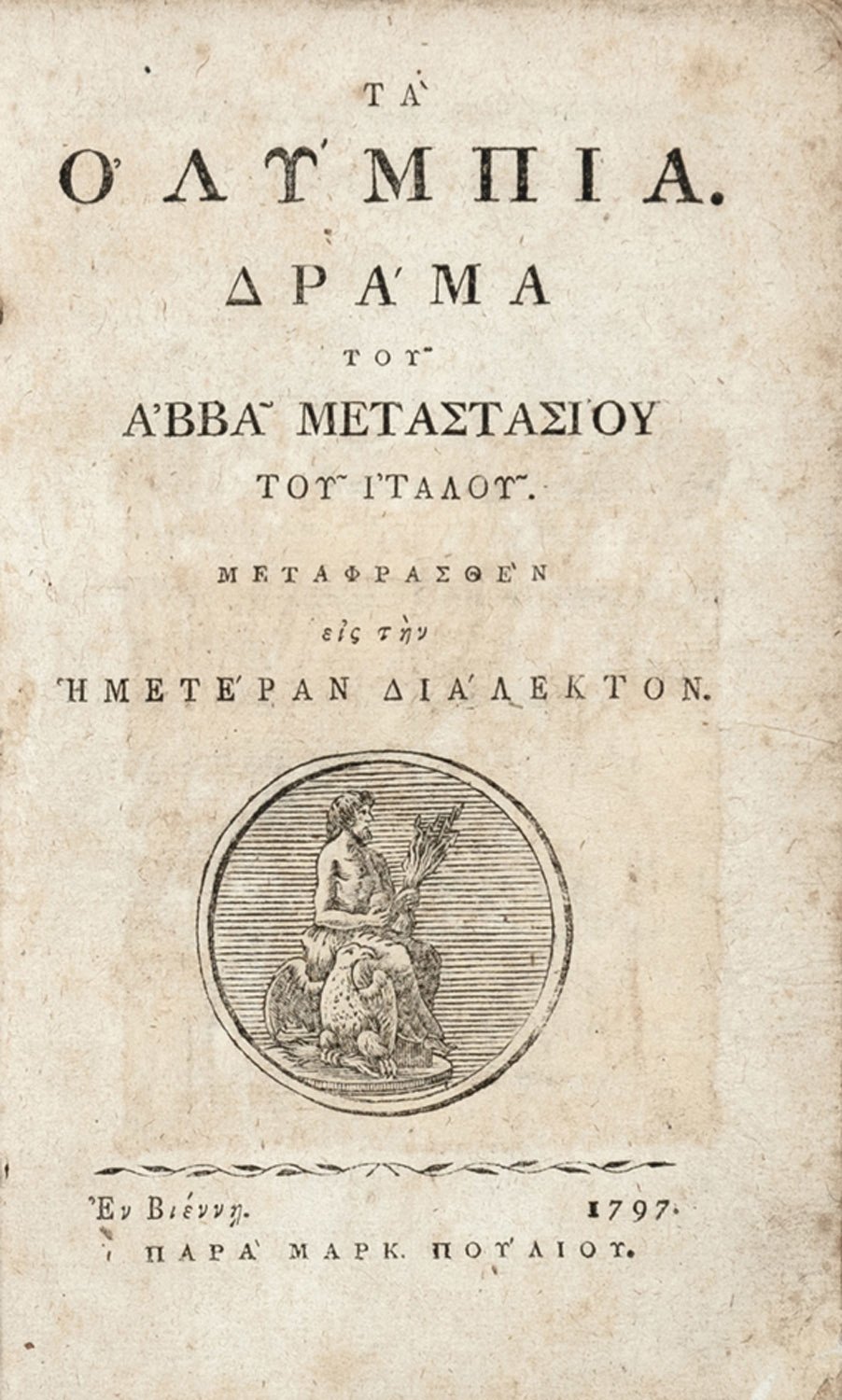
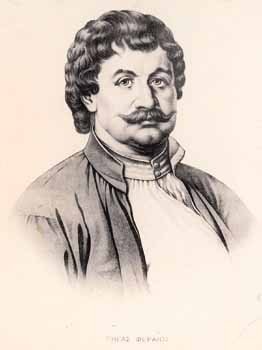
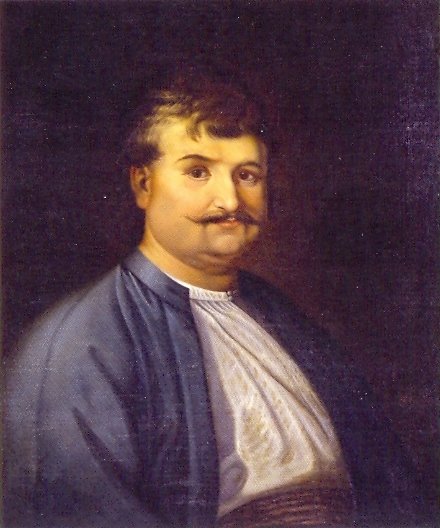
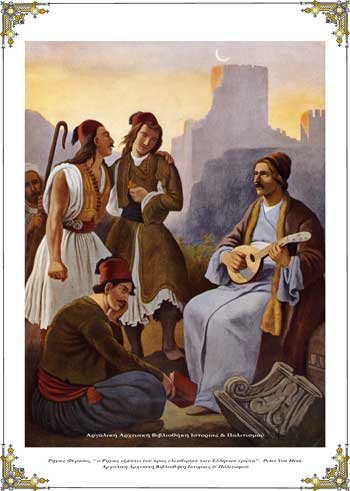
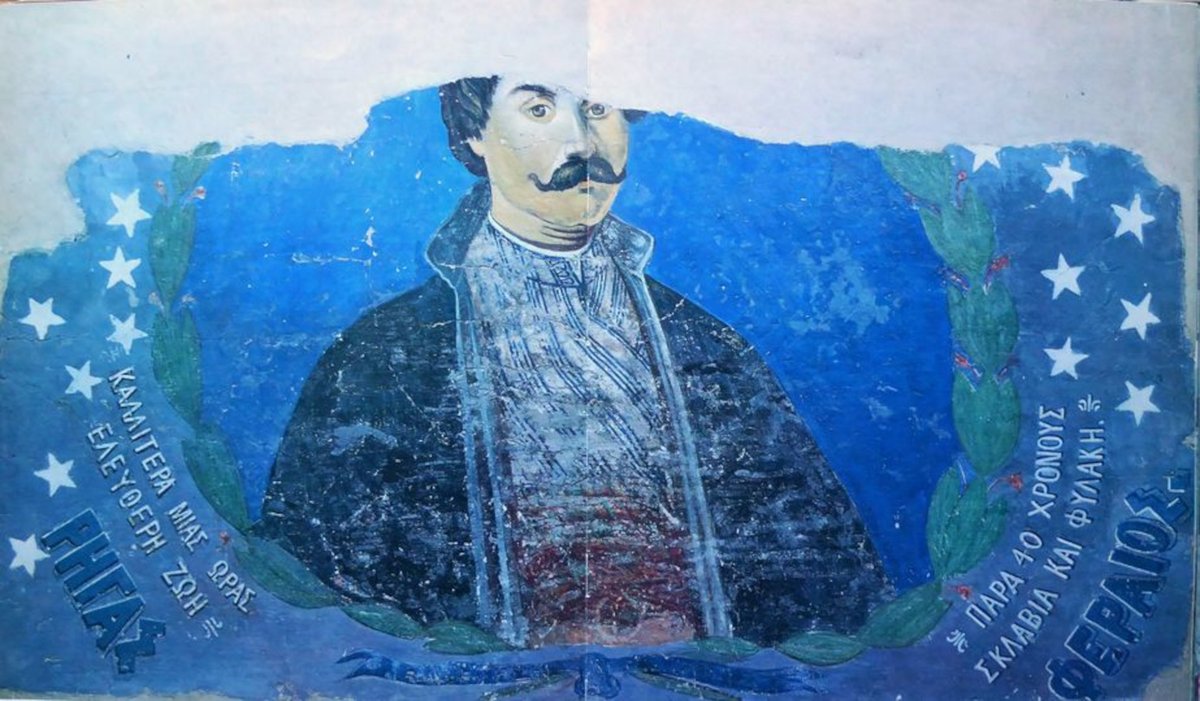
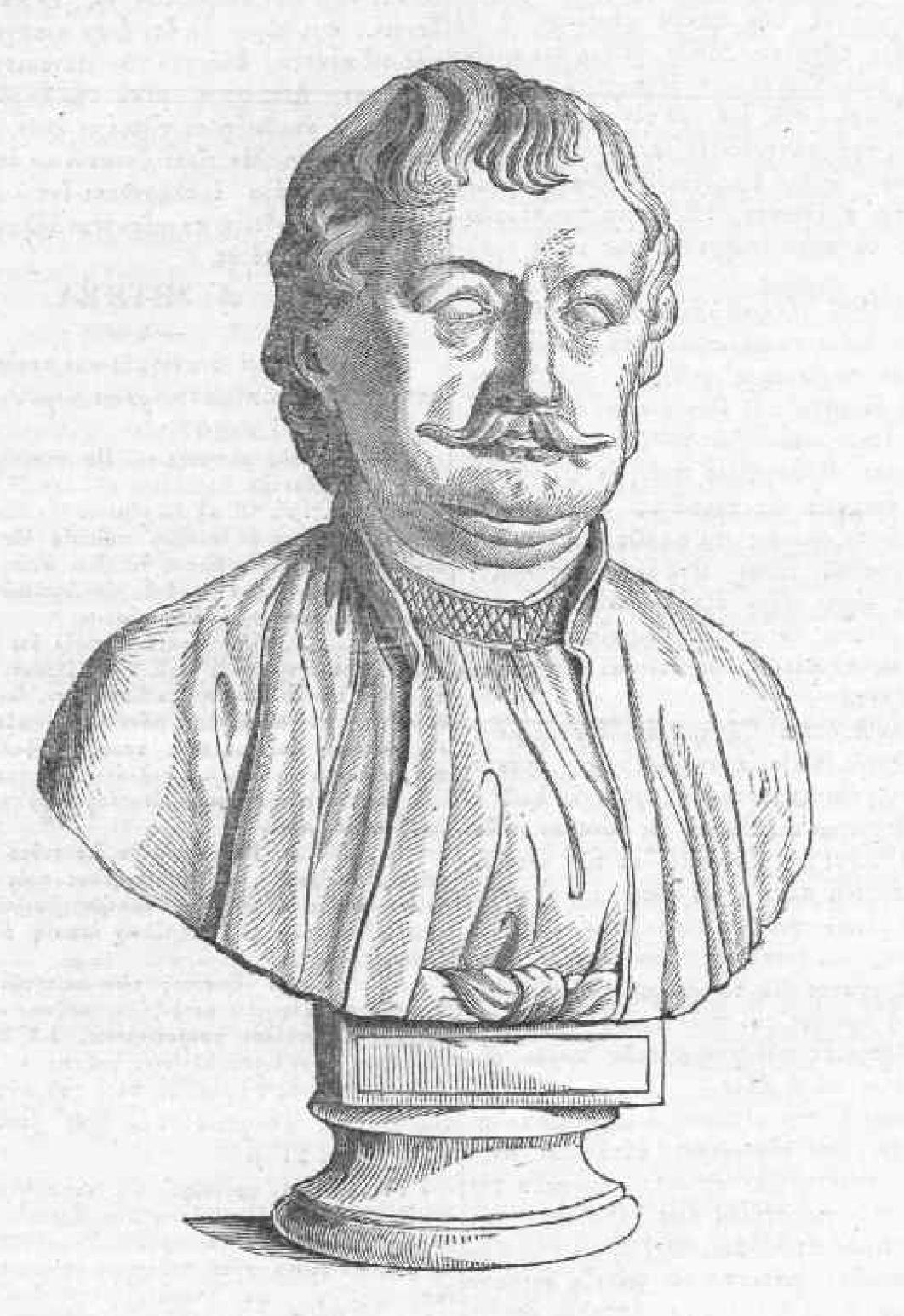
Rigas Velestinlis (Rigas Feraios; 1757–1798), born in Velestino, Thessaly, was a pioneering figure in the Modern Greek Enlightenment and a seminal voice for liberation from Ottoman rule. His writings—including the famed “Thourios” war hymn and the visionary “Charta of Greece” (1796–1797)—inspired Greeks and Balkan peoples to dream of freedom and equality (Academia.edu, Greek Herald). After being executed in 1798 for his revolutionary activities, Rigas became an enduring symbol of martyrdom and hope (Greek Reporter).
The Statue: Creation, Artist, and Location
Commissioned in 1869 and unveiled in 1871, the marble statue was created by Ioannis Kossos, a prominent Greek sculptor. It stands in the courtyard of the National and Kapodistrian University of Athens at 30 Panepistimiou Street, in front of the Propylaea (University of Athens Historical Archive, Greek City Times).
As the first statue erected after Athens became Greece’s capital, it symbolizes the city’s intellectual revival and commitment to freedom. The statue’s dynamic pose, with an outstretched arm and resolute gaze, visually encapsulates Rigas’s ideals.
Artistic and Symbolic Features
Crafted from marble, the statue features Rigas Velestinlis in an expressive stance, right arm extended, symbolizing leadership and vision. Broken chains at his feet represent liberation from oppression. The pedestal bears an inscription by Professor Filippos Ioannou:
«ΣΠΕΡΜΑΤ ΕΛΕΥΘΕΡΙΗΣ Ο ΦΕΡΑΙΟΣ ΣΠΕΙΡΕΝ ΑΟΙΔΟΣ ΚΑΙ Ο ΜΕΝ ΩΛΕΤΟ ΦΕΥ ΣΠΕΡΜΑ Δ ΕΒΛΑΣΤΕ ΜΕΓΑ»
(“Feraios the poet has sown a seed of freedom, he perished but the seed flourished”)
(Poetry Homoludens).
The neoclassical style harmonizes with the University and the adjacent Academy and National Library—collectively known as the “Athenian Trilogy” (Nomadic Matt).
Visiting Information: Hours, Location, and Tickets
Location: National and Kapodistrian University of Athens, 30 Panepistimiou St., Athens, Greece (Poetry Homoludens).
Nearest Metro: Panepistimio Station (Line 2, Red Line), a short walk from the statue.
- Visiting Hours: Open-air plaza, accessible 24/7.
- Admission: Free; no tickets required.
- Best Times to Visit: Early morning or late afternoon for optimal lighting and fewer crowds (Kimkim).
Safety Tips:
Central Athens is generally safe, but be mindful of pickpockets in busy tourist areas (Dave’s Travel Pages). Photography is encouraged.
Accessibility
The courtyard is fully wheelchair accessible, with level walkways and ramps. If you require additional assistance, contact the University in advance for support (militarytourism.warmuseum.gr).
Nearby Attractions
- Athenian Trilogy: University, Academy of Athens, and National Library (Nomadic Matt).
- Syntagma Square: Central square with the Greek Parliament and changing of the guard.
- Plaka and Monastiraki: Historic neighborhoods with shops, cafes, and ancient ruins.
- National Historical Museum: Home to original artifacts and the “Charta of Greece” (National Historical Museum).
Experiencing Rigas’s Legacy: Educational and Cultural Context
The statue is a focal point for civic and educational activities. The University hosts exhibitions and commemorative events, especially on significant anniversaries such as Rigas’s martyrdom. The National Historical Museum’s exhibits offer original documents and interactive displays on Rigas’s life, the Modern Greek Enlightenment, and the Greek War of Independence.
Notable Inscriptions and Memorials
The statue’s pedestal inscription, referencing the “seed of freedom,” echoes Rigas’s last words:
“I have sown a bountiful seed; the hour is approaching when my nation will enjoy its wonderful fruits.”
(Greek Herald)
Integration into the Urban Landscape
This monument is part of Athens’s extensive network of sites honoring the heroes of the Greek Revolution and Enlightenment. Its neoclassical form complements the city’s architectural heritage, inviting daily engagement with Greece’s historical narrative (Greek City Times).
Special Events and Tours
- Commemorative Events: Held on June 24th and during national holidays, featuring speeches and performances.
- Guided Tours: Available through local tour operators and the National Historical Museum. Book in advance for multilingual options.
Practical Visitor Information for Related Exhibits
National Historical Museum (Old Parliament House, Kapnikareas 10, Athens):
- Hours: Tuesday–Sunday, 9:00 AM – 5:00 PM; closed Mondays and public holidays
- Admission: €8 general, €4 reduced; free for children under 18 and seniors
- Accessibility: Fully wheelchair accessible
- Tours: Multilingual guided tours available by appointment
More details at the National Historical Museum's official website.
Frequently Asked Questions (FAQ)
Q: Is there an entry fee to visit the statue?
A: No, the statue is free and open to the public.
Q: What are the visiting hours?
A: The statue is accessible 24/7 as it is in an open public space.
Q: Is the site wheelchair accessible?
A: Yes, the courtyard and statue area are fully accessible.
Q: Are guided tours available?
A: Yes, through local operators and the National Historical Museum.
Q: What’s the best time to visit?
A: Early morning or late afternoon for optimal lighting and fewer crowds.
Recommendations for a Meaningful Visit
- Combine your visit with a walk through the Athenian Trilogy and historic neighborhoods.
- Attend commemorative events for a deeper cultural experience.
- Read the pedestal inscription and reflect on Rigas’s message of liberty.
- Support nearby local businesses and maintain the site’s cleanliness.
Internal Links
Explore our other resources:
- Top Historical Sites in Athens
- Visiting the National Library of Greece
- Exploring the Neoclassical Architecture of Athens
Listen to the full story in the app
The whole Rigas Velestinlis,
told well.
Listen to sourced travel stories with local history and practical context — ready offline.
Verified, and shown.
Researched and written by the Audiala editorial team from historical records, architectural archives, and local expertise.
Built from cited sources · see the method · How we make our guides →