Plan and listen to Propylaea Of Athens with Audiala.
Audio guide in your pocket, itinerary in your browser. Built for the way you actually visit.
Introduction: The Propylaea’s Enduring Legacy
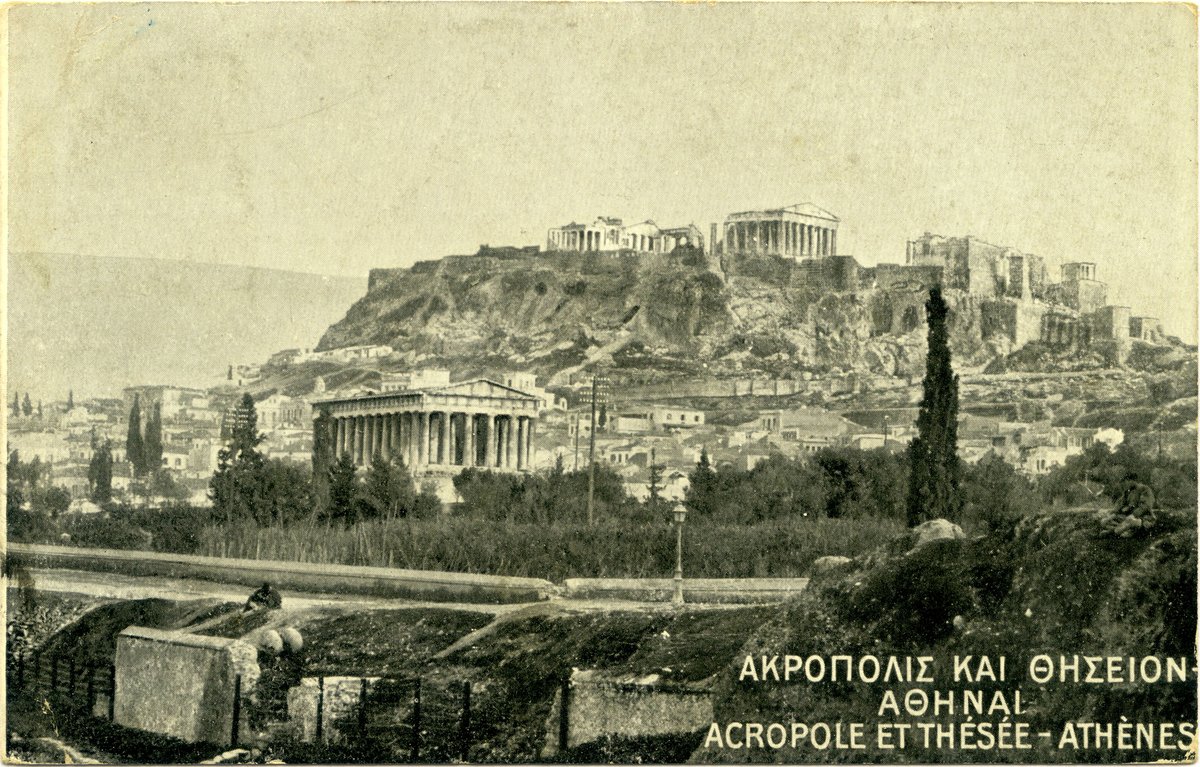
The Propylaea of Athens stands as one of the most magnificent gateways of the ancient world, epitomizing the architectural brilliance and cultural grandeur of classical Greece. Built as the monumental entrance to the Acropolis, it marked the threshold between the secular city and the sacred domain of Athena. Commissioned during the Golden Age of Athens under Pericles and designed by the architect Mnesikles, the Propylaea began construction in 437 BCE. Though unfinished due to the Peloponnesian War, this iconic structure remains a testament to Athenian ambition, religious devotion, and enduring artistry. Today, it attracts millions of visitors, offering a tangible link to Athens’ storied past (ancient-greece.org; Wikipedia).
- Origins and Construction
- Architectural Features and Innovations
- Interrupted Construction and Unfinished State
- Function and Symbolism
- Visiting the Propylaea: Practical Visitor Information
- Travel Tips and Nearby Attractions
- Visuals and Media Recommendations
- Restoration and Preservation Efforts
- Frequently Asked Questions (FAQs)
- Summary and Recommendations
- References

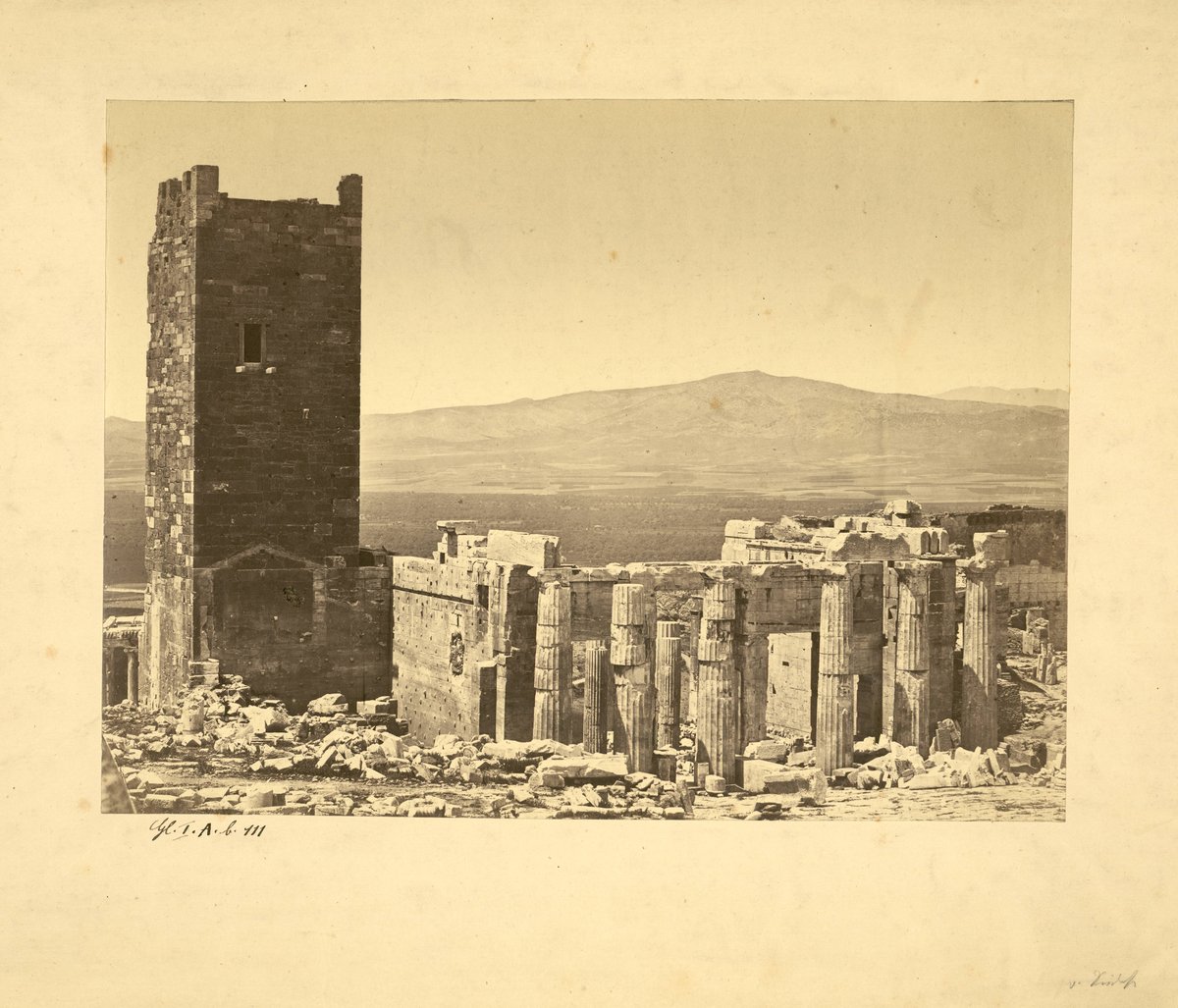
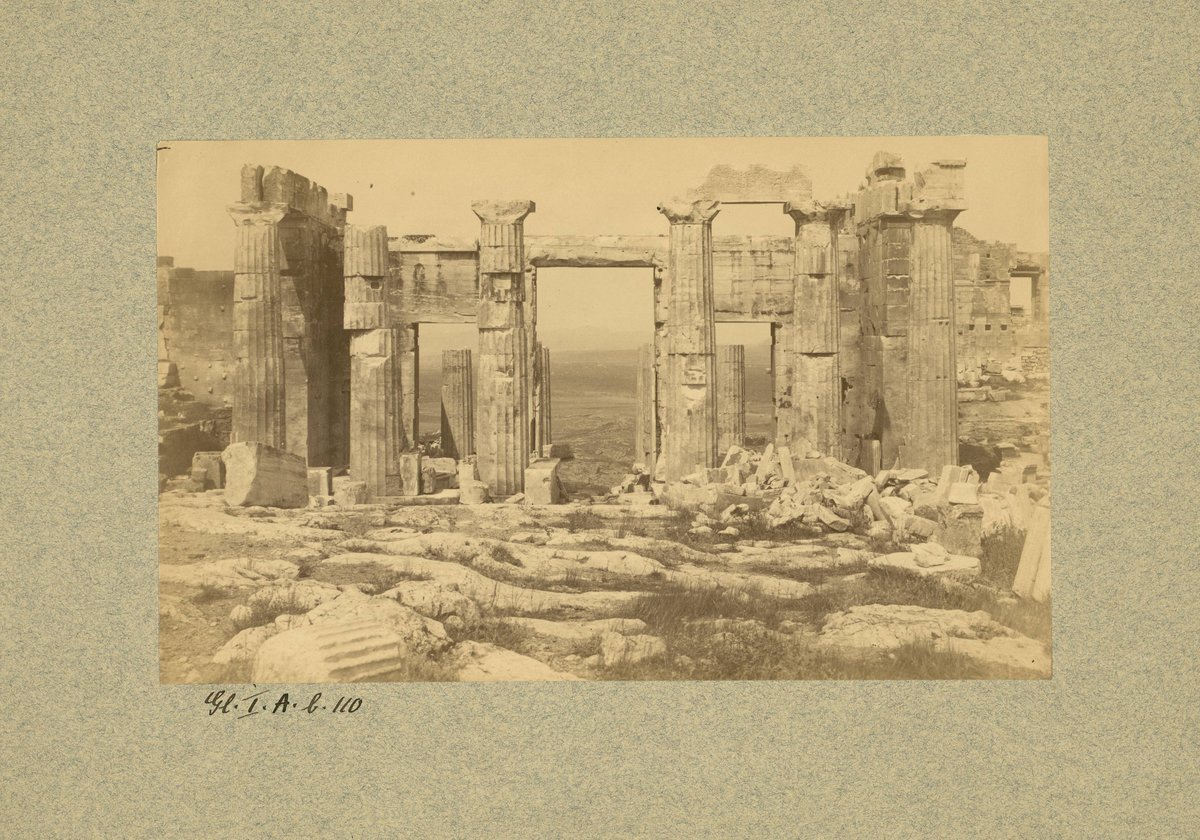
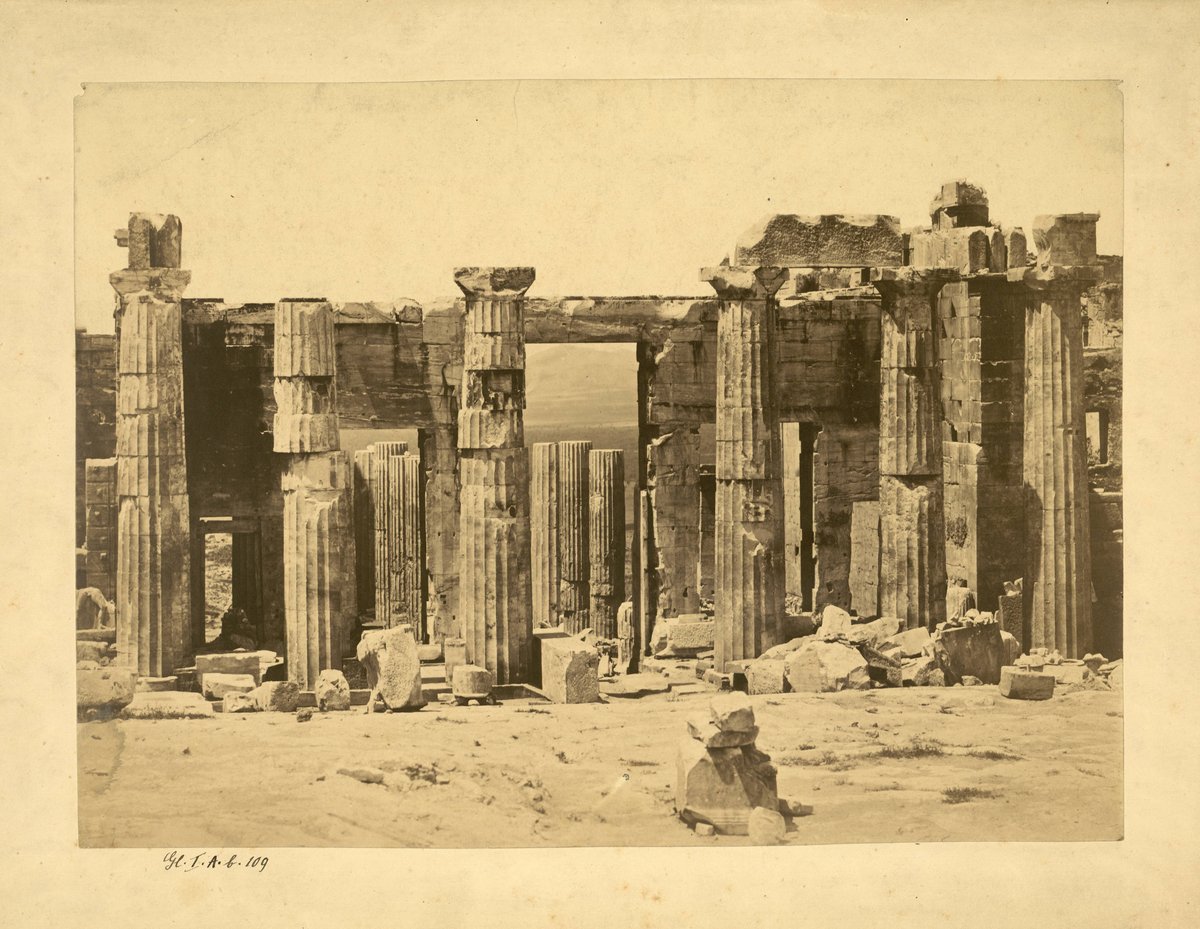
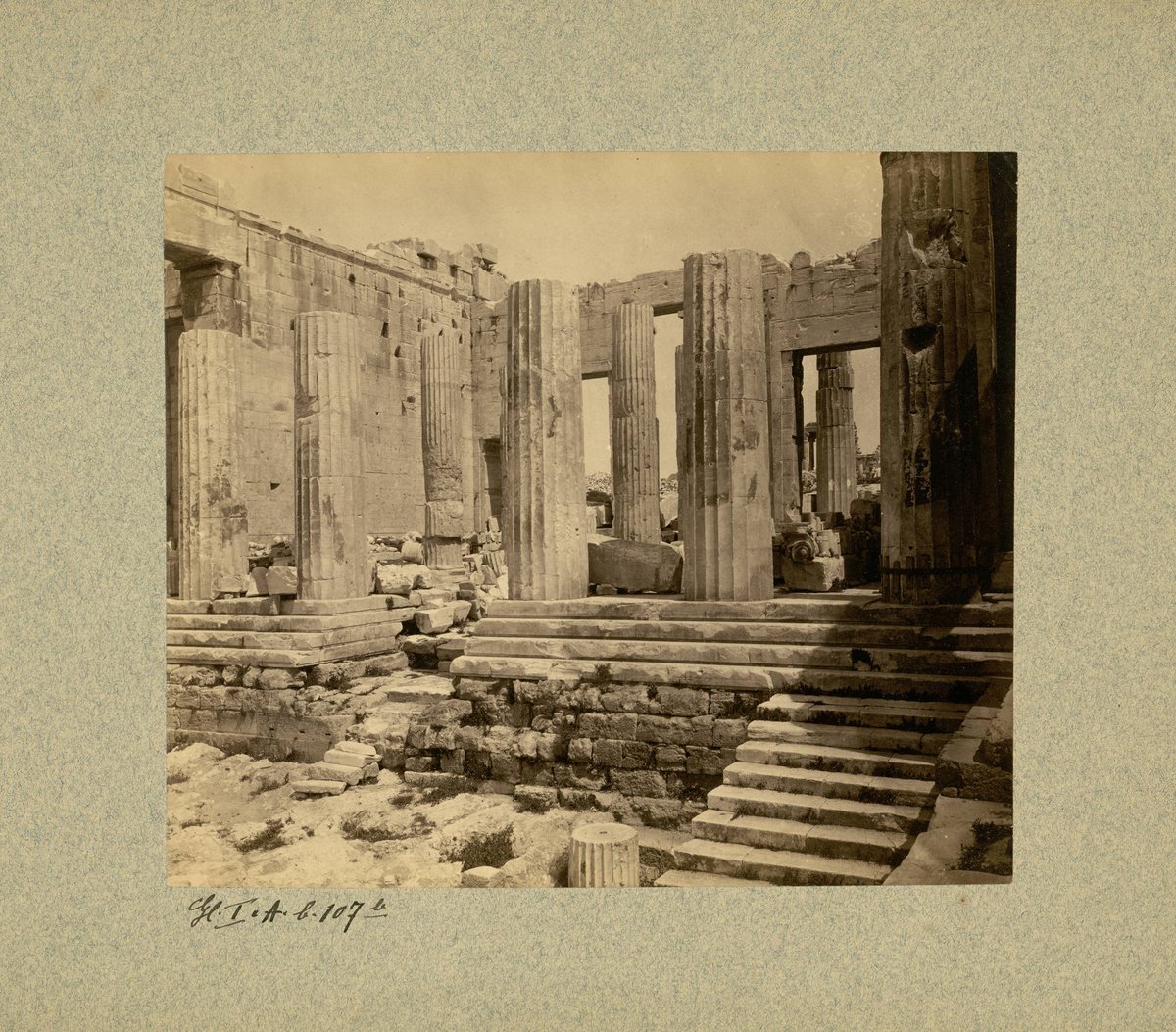
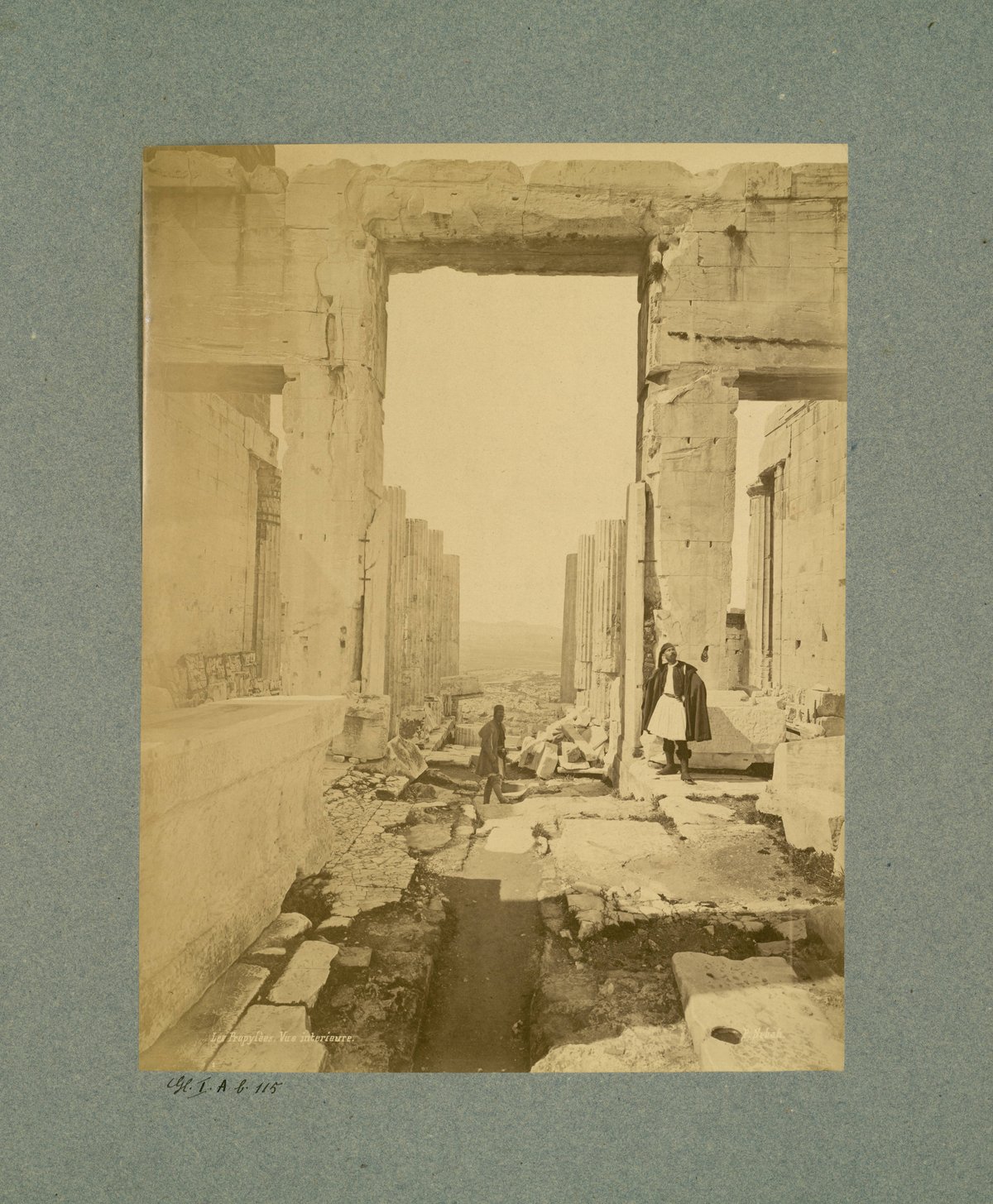
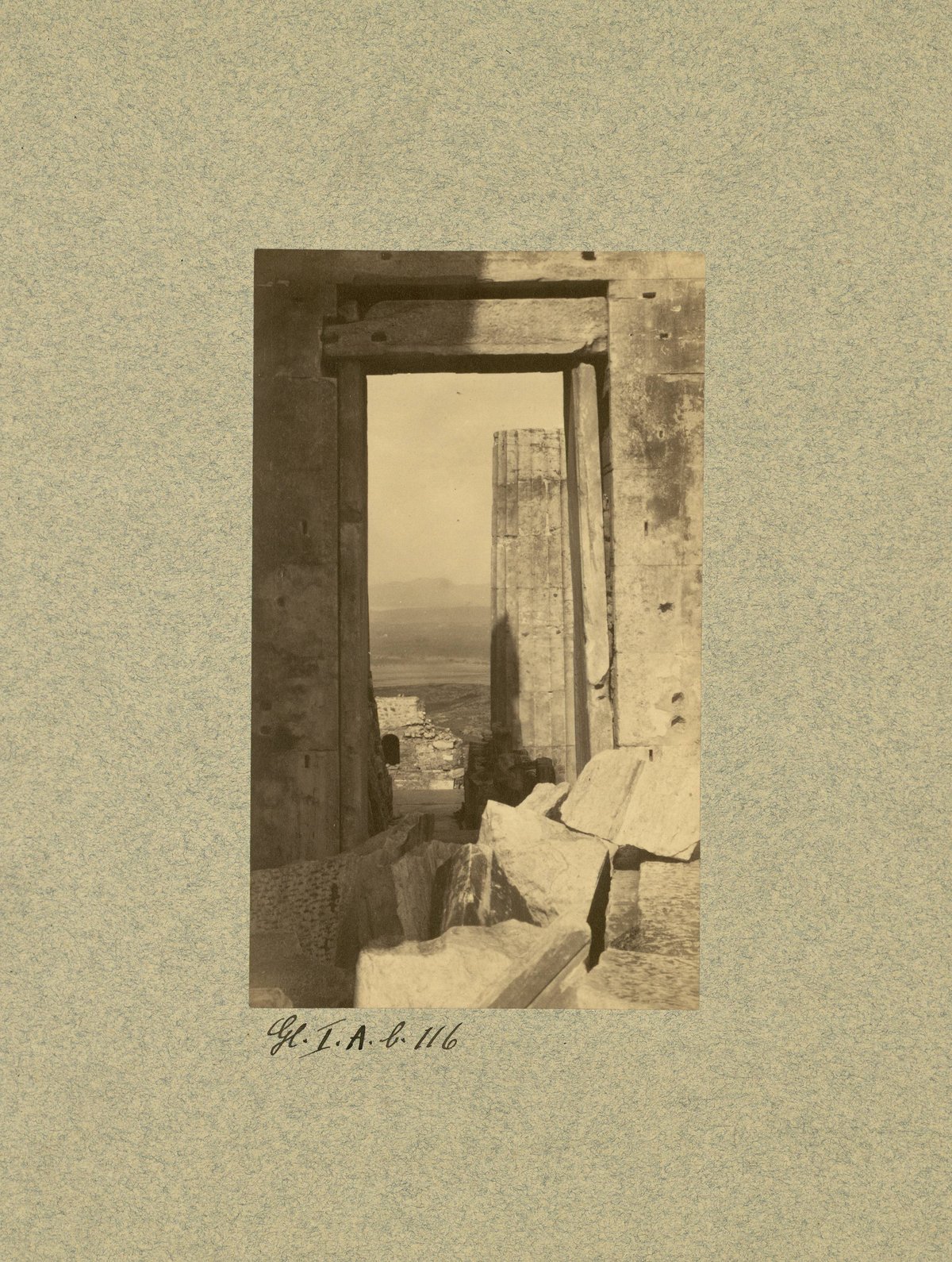

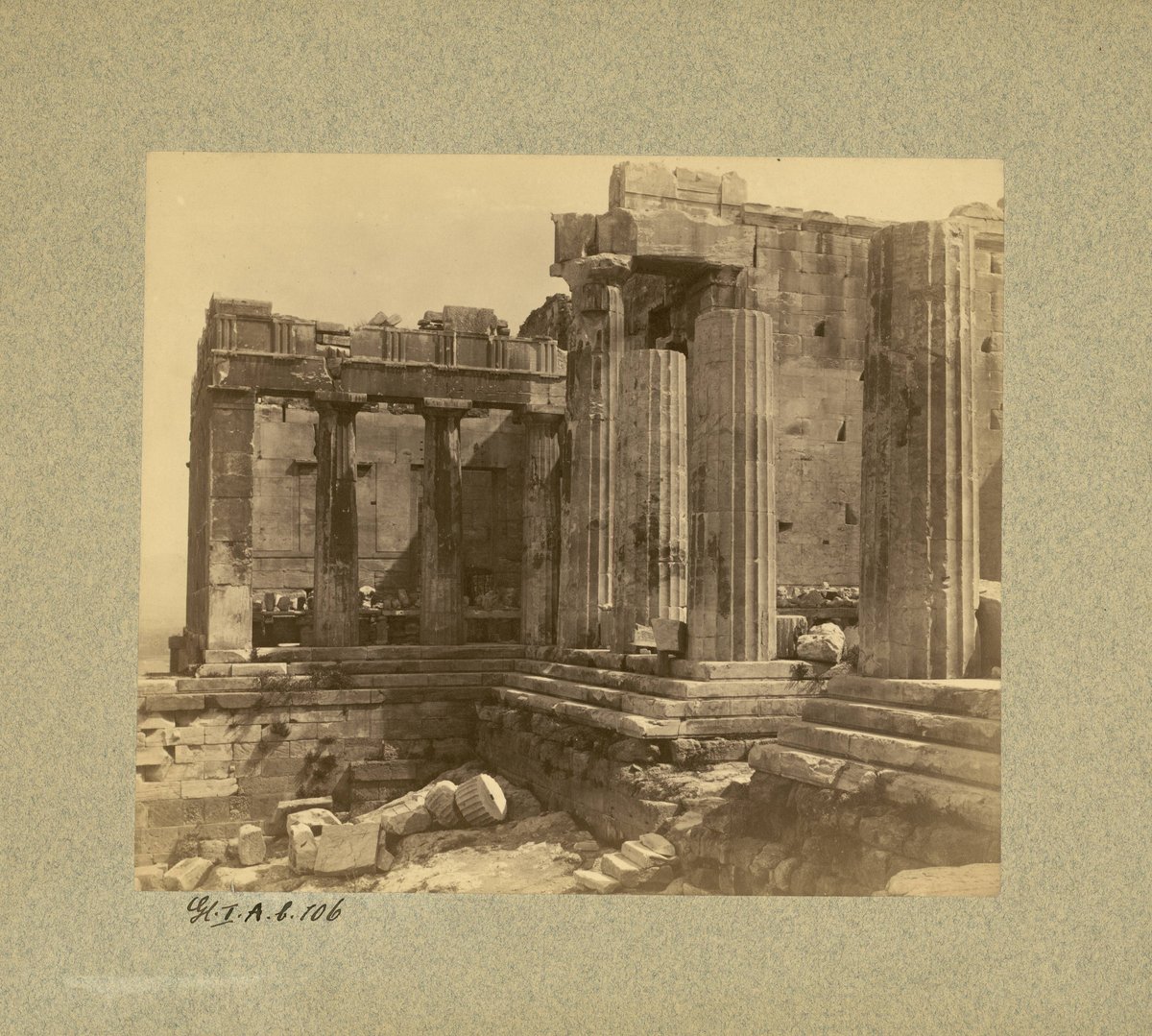
1. Origins and Construction
The Propylaea, from the Greek for “gates,” was envisioned as the ceremonial entrance to the Acropolis, complementing the newly finished Parthenon. Mnesikles, the architect, designed a gateway that would both control access and impress all who entered. Its construction began after the completion of the Parthenon, as part of the ambitious Periklean Building Program (ancient-greece.org; Wikipedia).
Replacing a smaller gateway damaged during the Persian invasions, the new Propylaea was to be both functional and awe-inspiring. Its scale and artistry were intended to symbolize the power and cultural achievement of Athens (thetourguy.com).
2. Architectural Features and Innovations
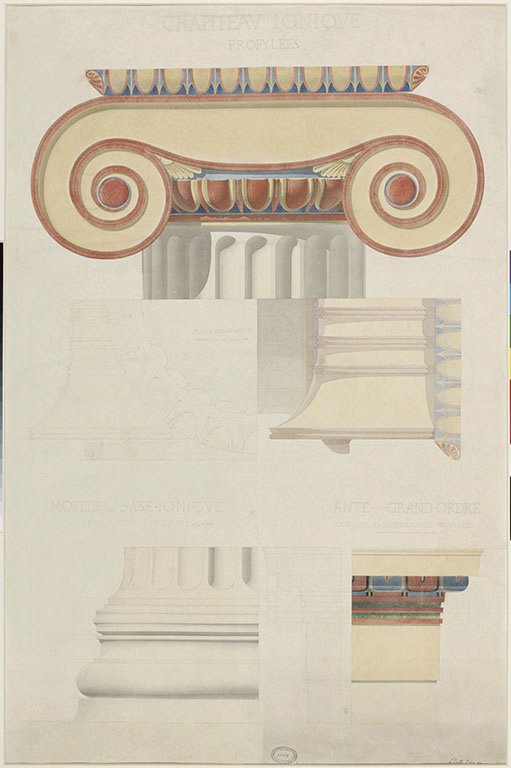
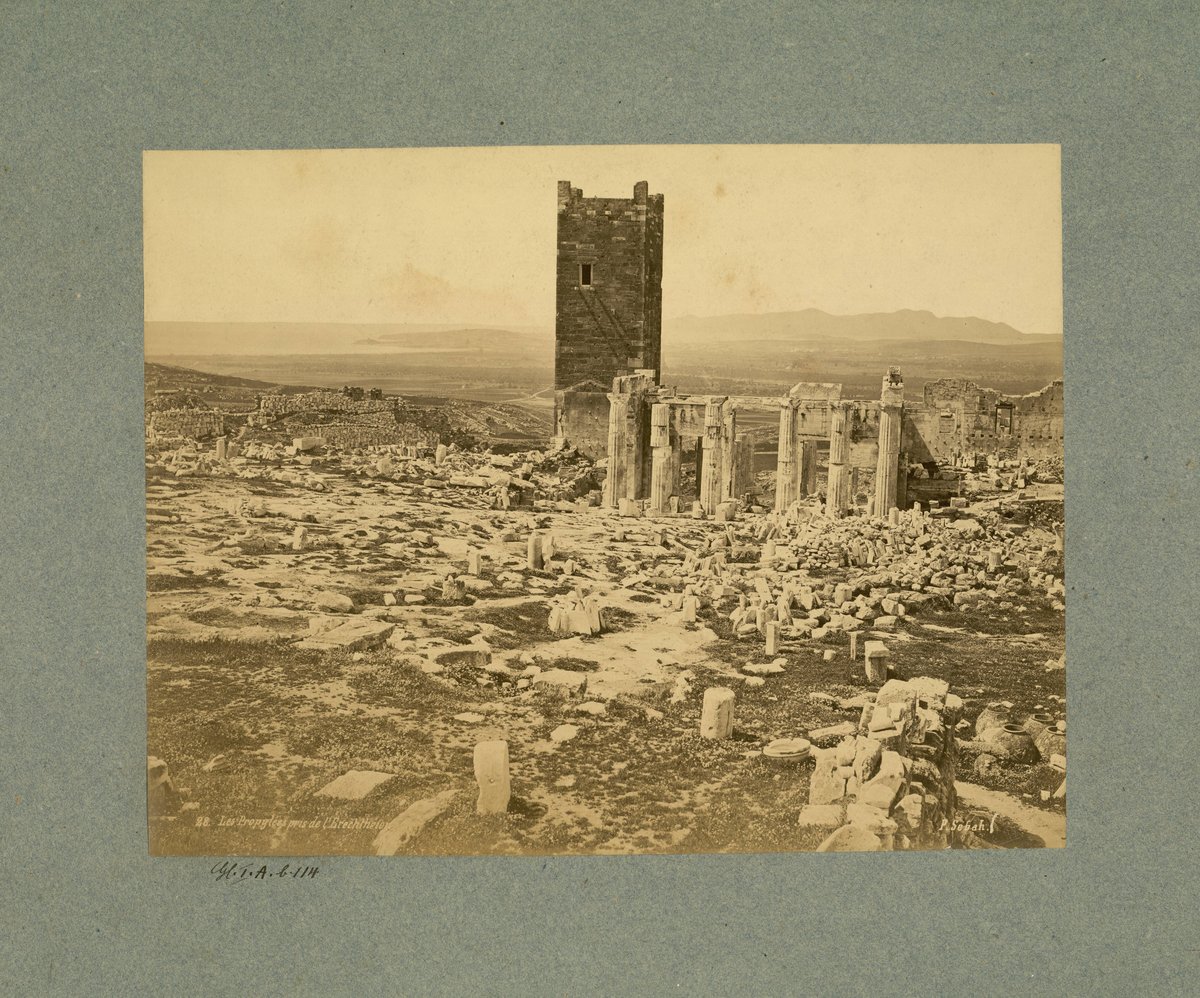
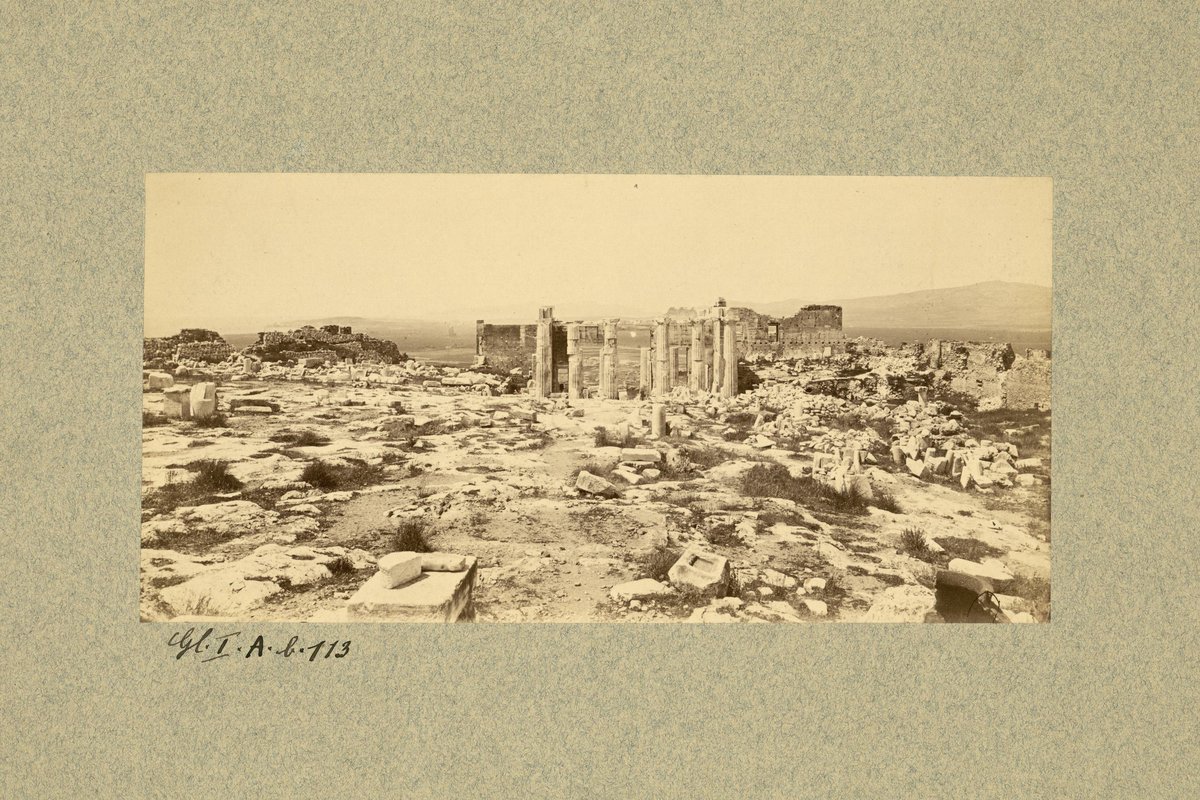
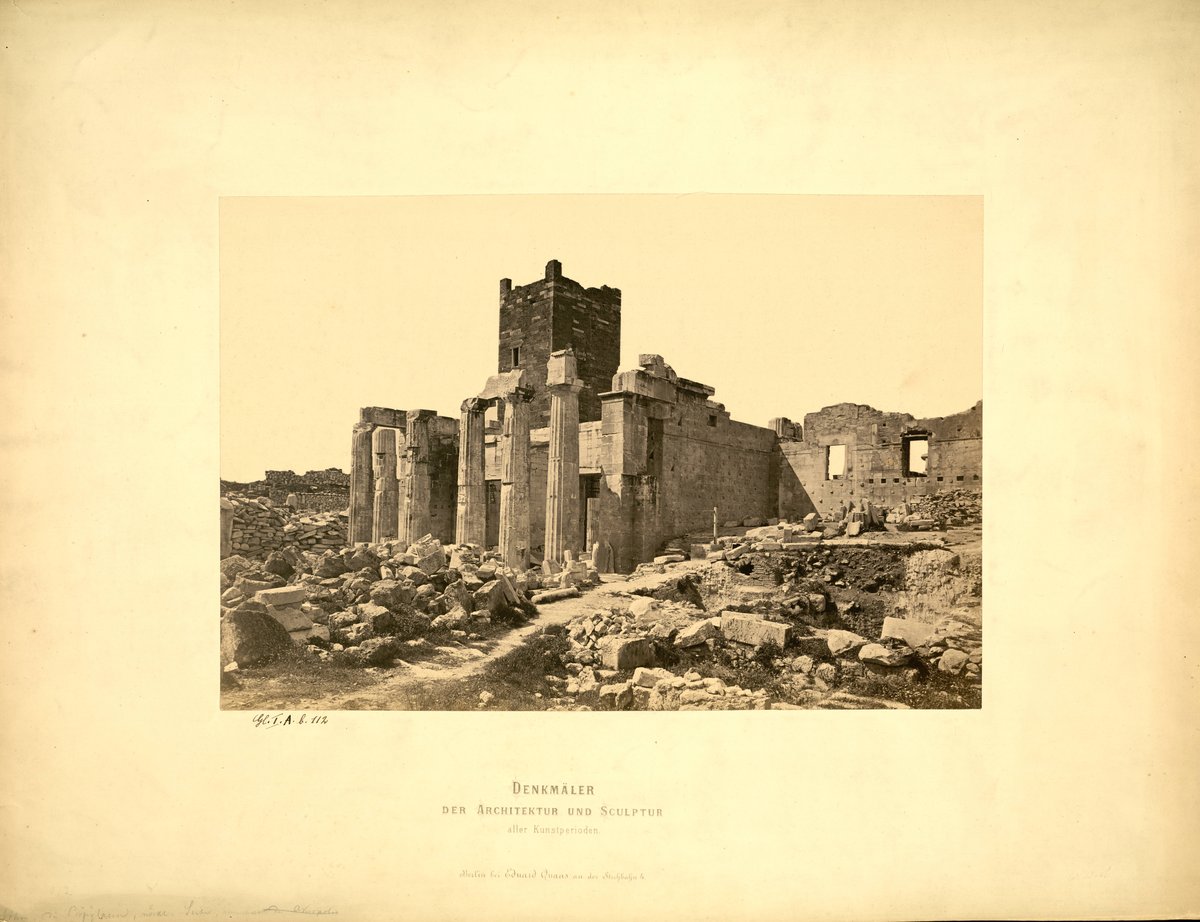
The Propylaea is a masterwork of classical Greek architecture, harmoniously blending the Doric and Ionic orders. The central building features six massive Doric columns on both its west (entrance) and east (exit) facades, flanked by two wings. The interior is lined with Ionic columns, providing a striking visual contrast and structural support (ancient-greece.org).
The structure’s proportions mirror those of the Parthenon, reflecting the unified vision of the Acropolis’ layout. Built predominantly from Pentelic marble, the Propylaea glows with a golden hue under the Greek sun. Its coffered marble ceilings, supported by beams spanning over five meters, were considered an engineering marvel (travelasker.com; acropolis-athens-tickets.com).
Artistic highlights include intricate carvings and statues, particularly in the north wing’s Pinakotheke, which served as an ancient art gallery. The south wing, though less developed, likely had religious or ceremonial functions (acropolis-athens-tickets.com).
3. Interrupted Construction and Unfinished State
Despite its grandeur, the Propylaea was never fully completed. Construction ceased abruptly in 432 BCE with the onset of the Peloponnesian War (ancient-greece.org; thetourguy.com). Archaeological evidence shows unfinished floors and stair surfaces, as well as marble bosses left in place for lifting blocks (historyhit.com). These details offer rare insight into ancient construction methods.
4. Function and Symbolism
The Propylaea was more than an entrance; it was a ceremonial passage, marking the transition from the everyday city to the sacred realm of Athena. Its grandeur inspired reverence, underscoring the religious and civic importance of the Acropolis. Historically, it controlled access, protected treasures, and was adorned with symbols such as the lioness statue dedicated to Leaena, signifying resistance and sacrifice (historyhit.com).
5. Visiting the Propylaea: Practical Visitor Information
Visiting Hours
- Summer (April–October): 8:00 AM – 7:00 PM
- Winter (November–March): 8:00 AM – 5:00 PM
- Note: Hours may change on public holidays or during special events. Confirm with the official Acropolis Museum or Hellenic Ministry of Culture websites.
Tickets and Admission
- Tickets to the Propylaea are included in the Acropolis entrance ticket.
- Standard adult admission: Approx. €20 (high season), €10 (low season).
- Discounts: EU citizens under 25, seniors; free for children under 18.
- Where to buy: Online, or at the entrance.
- Combination tickets include access to other historical sites like the Ancient Agora and Temple of Olympian Zeus.
Accessibility
- Ramps and designated paths assist visitors with mobility challenges, though some areas remain difficult due to uneven terrain. Wear sturdy footwear and bring water, especially in summer.
Guided Tours and Audio Guides
- Many guided tours and audio guides are available for the Acropolis, often featuring expert commentary on the Propylaea. Booking in advance is recommended for skip-the-line access and enriched experiences.
6. Travel Tips and Nearby Attractions
- Best times to visit: Early morning or late afternoon for fewer crowds and cooler temperatures.
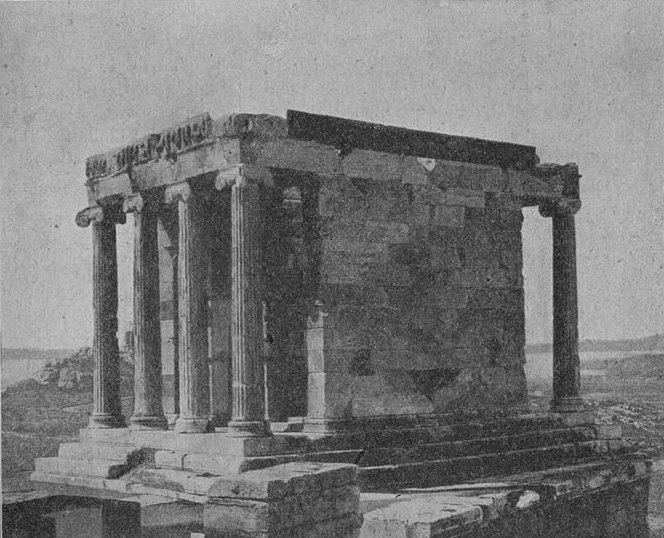
- Nearby attractions: Parthenon, Erechtheion, Temple of Athena Nike, Acropolis Museum, Ancient Agora, and Plaka.
- Amenities: Cafés, shops, and rest areas are available around the Acropolis complex.
7. Visuals and Media Recommendations
- Browse high-resolution images of the Propylaea’s facade, interior columns, and panoramic Acropolis views (acropolis-athens-tickets.com).
- Use interactive maps to plan your visit and understand the monument’s layout within the Acropolis.
- Virtual tours and museum apps provide immersive experiences prior to arrival.
8. Restoration and Preservation Efforts
Historical Context
The Propylaea has endured centuries of natural decay, warfare, and earlier restoration attempts—some causing more harm than good. Modern restoration, led by the Acropolis Restoration Service (YSMA), emphasizes authentic materials, minimal intervention, and reversibility, setting an international standard (YSMA).
Recent Projects
- Marble Staircase Restoration: Reinstating original steps using traditional techniques and Pentelic marble, enhancing both authenticity and visitor safety (Greek City Times).
- Colonnade Conservation: Cleaning, stabilizing, and replacing damaged elements in the North Wing.
- Digital Documentation: 3D modeling and photogrammetry guide precise restoration.
- Sustainability: Environmental monitoring and use of compatible, durable materials.
Public Engagement
- Educational panels, digital archives, and interactive apps are available for visitors (YSMA).
- Most areas remain open during restoration, allowing visitors to observe conservation in progress.
9. Frequently Asked Questions (FAQs)
Q: What are the Propylaea’s visiting hours?
A: Generally 8:00 AM–7:00 PM (summer), 8:00 AM–5:00 PM (winter). Check official sites for updates.
Q: Do I need a separate ticket for the Propylaea?
A: No, it is included in the Acropolis ticket.
Q: Is the Propylaea accessible for wheelchair users?
A: Ramps and accessible paths exist, but some areas have uneven terrain; contact the visitor center for assistance.
Q: Are guided tours available?
A: Yes, both in-person and audio guides are widely available.
Q: Is photography allowed?
A: Yes, but flash and tripods may be restricted, particularly during restoration.
10. Summary and Recommendations
The Propylaea captures the artistic vision and cultural spirit of ancient Athens. Its harmonious design, symbolic significance, and ongoing preservation make it a must-visit for anyone seeking to understand the city’s history. Modern restoration ensures that visitors can continue to experience its grandeur while learning about the challenges of heritage conservation (YSMA; Greek City Times).
Recommended Actions:
- Check visiting hours and buy tickets online for a smooth experience.
- Wear sturdy footwear and prepare for uneven terrain.
- Combine your visit with nearby historical sites for a full Acropolis experience.
- Make use of guided tours or audio guides for deeper insight.
- Download the Audiala app for interactive tours and updates.
Listen to the full story in the app
The whole Propylaea Of Athens,
told well.
Listen to sourced travel stories with local history and practical context — ready offline.
Verified, and shown.
Researched and written by the Audiala editorial team from historical records, architectural archives, and local expertise.
Built from cited sources · see the method · How we make our guides →