Plan and listen to Pedestal Of Agrippa with Audiala.
Audio guide in your pocket, itinerary in your browser. Built for the way you actually visit.
Introduction
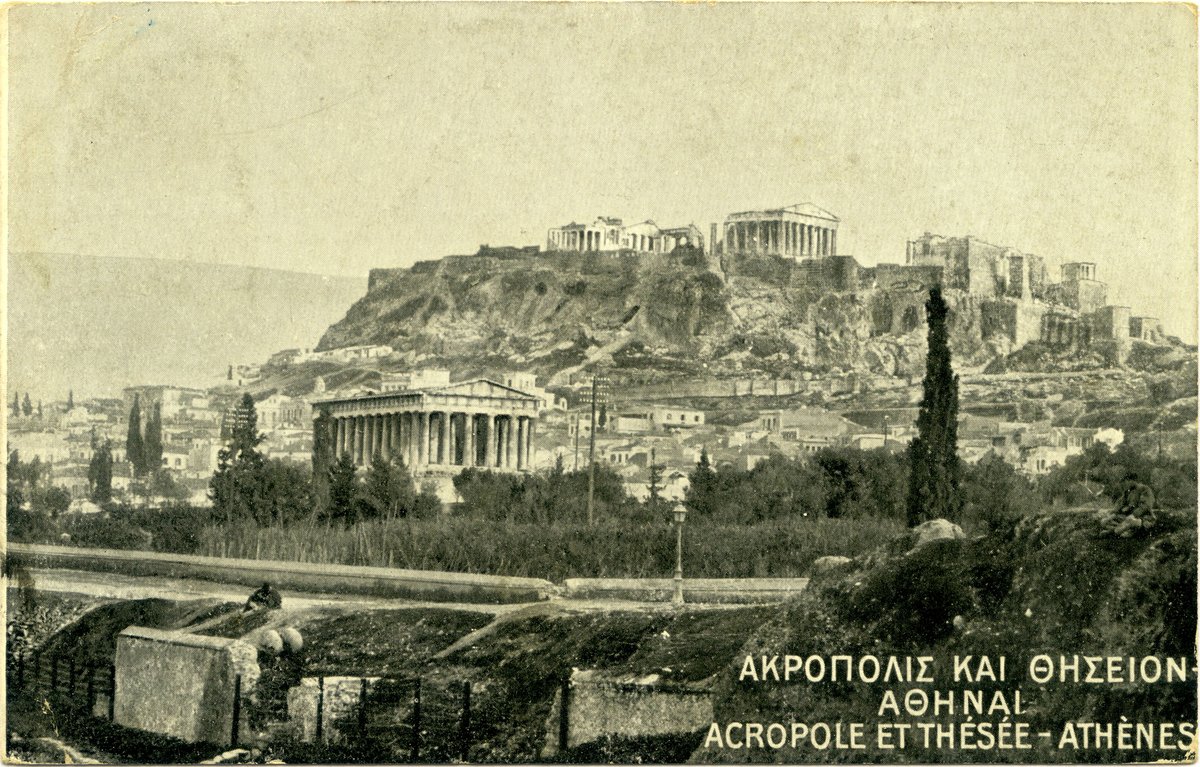
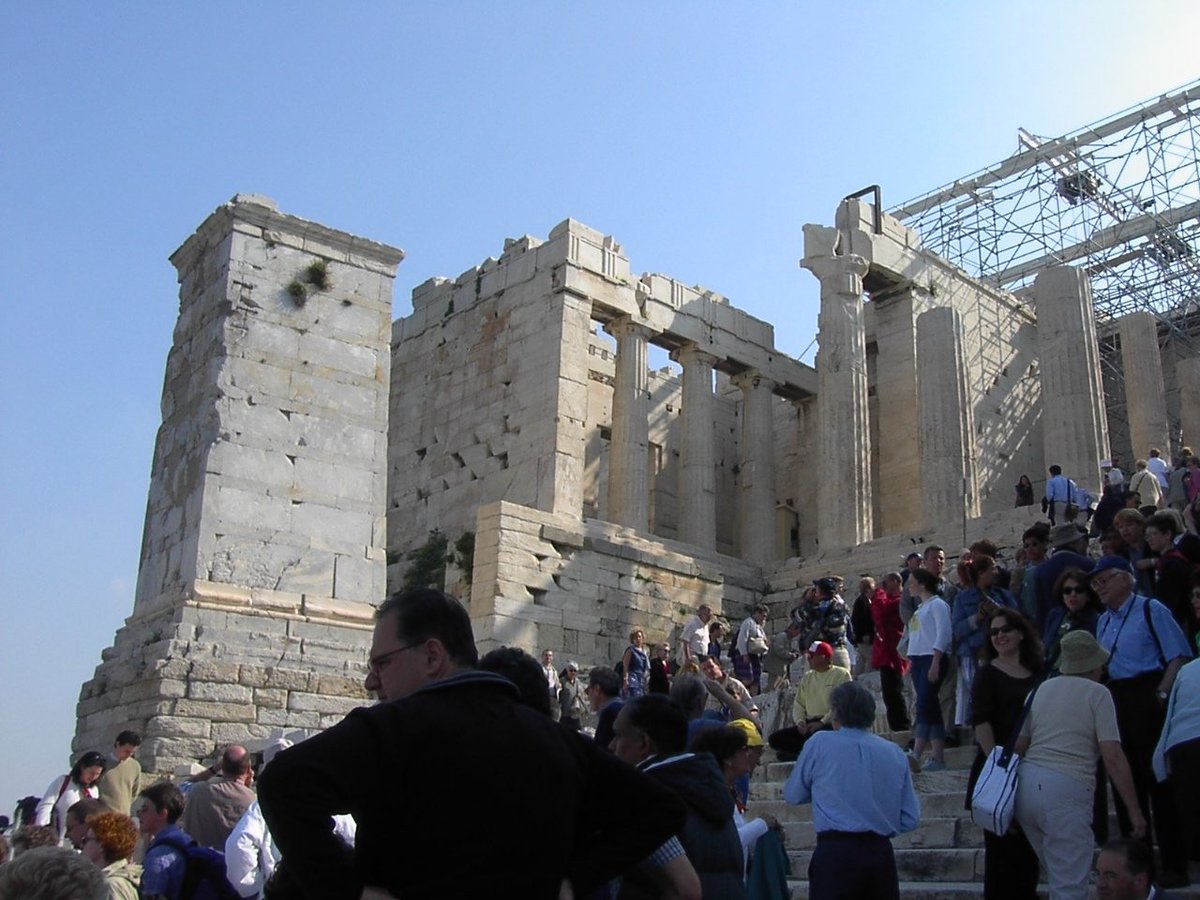
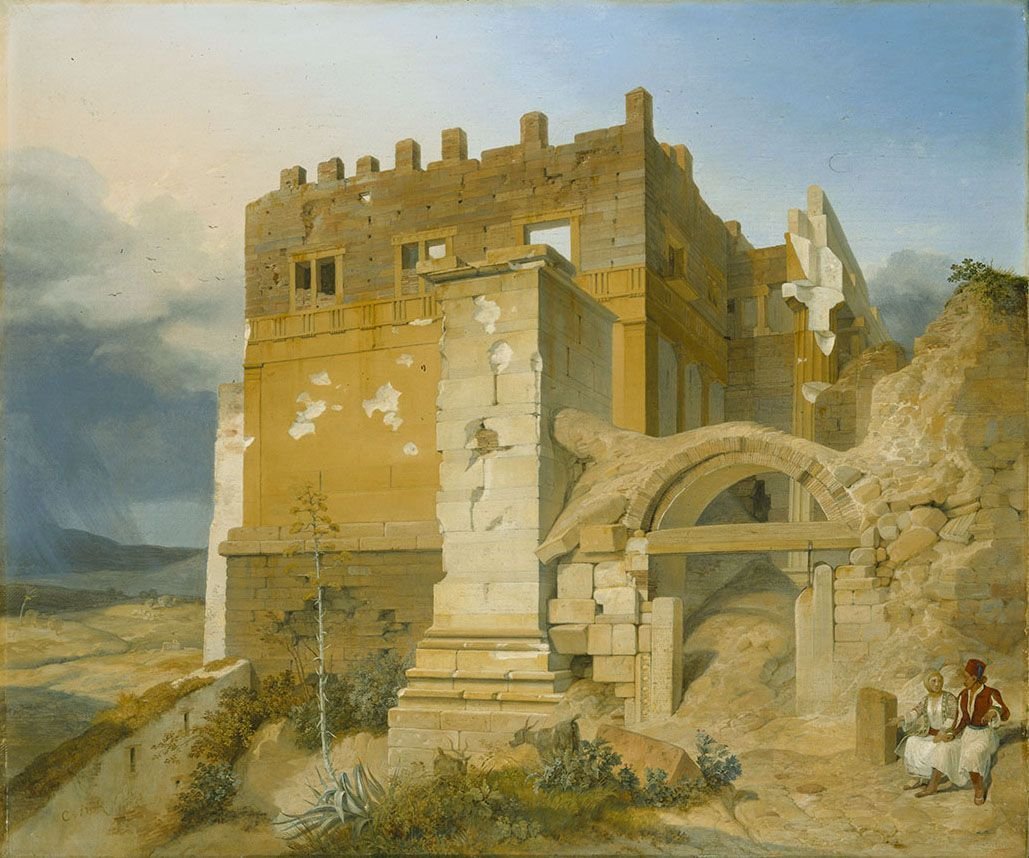
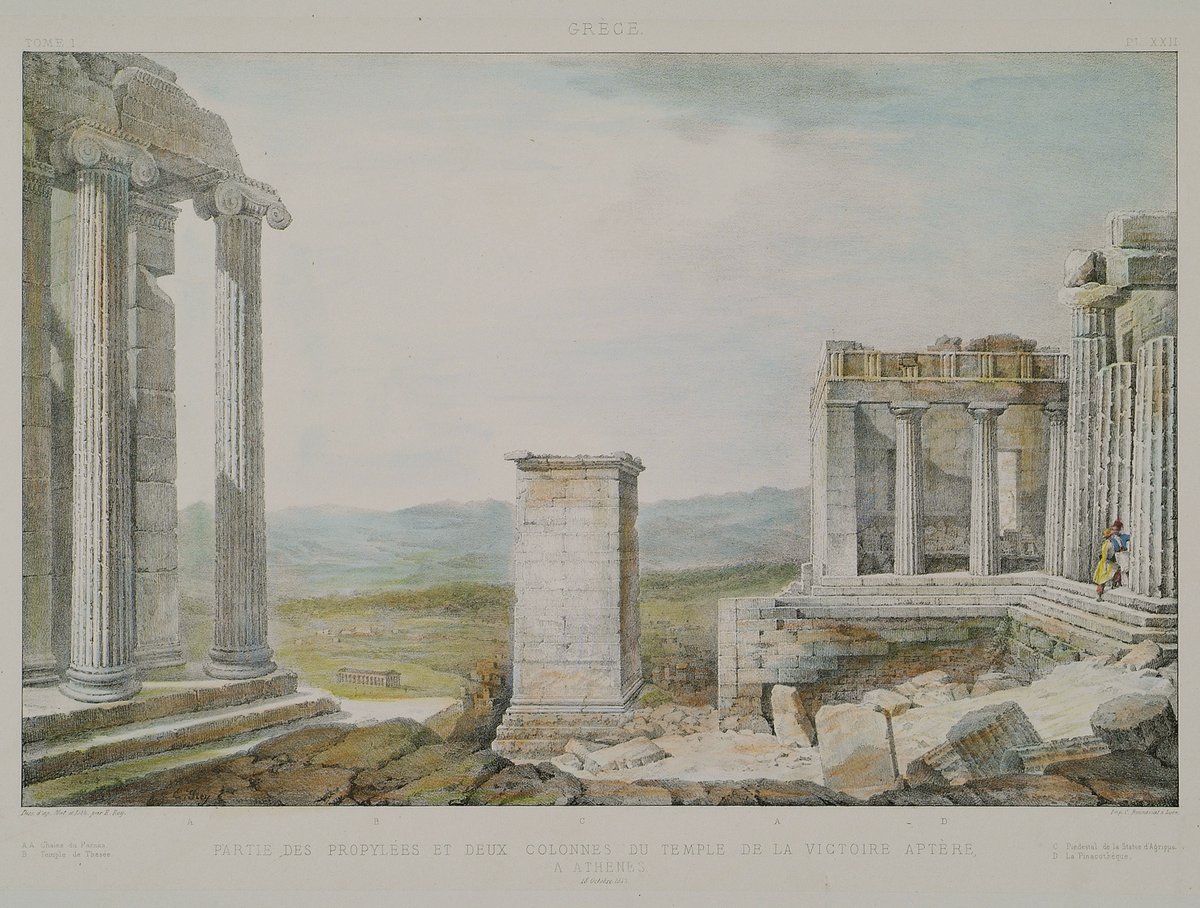
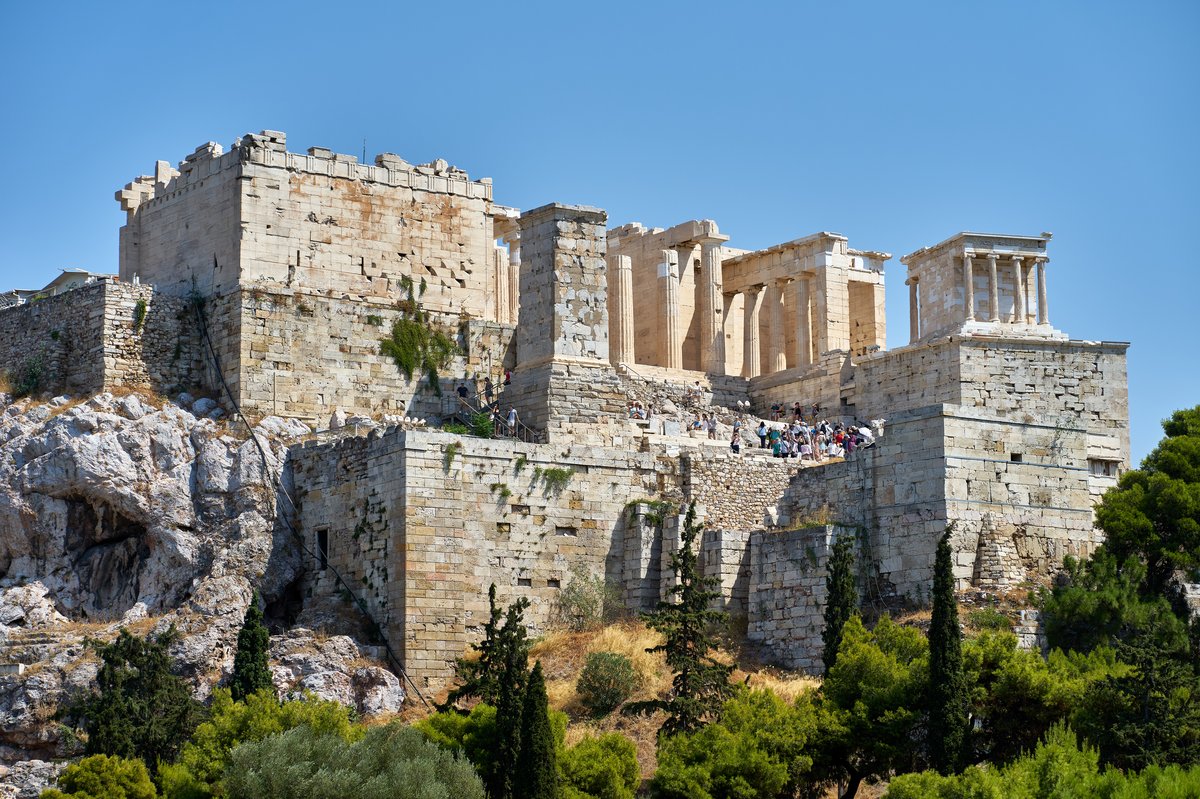
The Pedestal of Agrippa stands as a monumental symbol at the western entrance of the Acropolis of Athens, near the Propylaea. Erected in the late Hellenistic period and later rededicated during Roman times, this marble base captures the city’s transition from Greek independence to Roman imperial influence. Initially supporting a grand bronze quadriga commissioned by the Attalid kings of Pergamon, it was later re-dedicated to Marcus Vipsanius Agrippa, a prominent Roman general and ally of Emperor Augustus. The Pedestal embodies centuries of artistic achievement, political alliances, and ceremonial life, making it an essential stop for history enthusiasts and travelers alike (Acropolis Museum, Acropolis Restoration Service).
This guide details the history, artistic features, visiting information, and practical tips for experiencing this iconic monument, ensuring your visit is both informed and memorable.


Origins and Construction
The Pedestal of Agrippa was built around 178 BCE at the northwest corner of the Propylaea, the monumental gateway of the Acropolis. Commissioned during the Hellenistic era by the Attalid dynasty of Pergamon, the pedestal originally supported a bronze quadriga—a four-horse chariot, symbolizing military victory and divine favor. Crafted from Pentelic and Hymettian marble, the pedestal stands roughly 8.9 meters tall with a square base of about 2.3 meters per side. Its construction reflects the advanced masonry techniques of the era, with massive marble blocks precisely joined without mortar (Acropolis Museum, Acropolis Restoration Service).
Dedications and Inscriptions
Hellenistic Dedication: The Attalid Kings
The Attalid rulers, particularly Eumenes II, sponsored the original dedication, commemorating their victories and cultural patronage. An inscription—partially preserved—indicates a link to athletic and civic celebrations, possibly the Panathenaic Games. The quadriga statue may have depicted Eumenes II or his brother Attalus II, both prominent benefactors of Athens.
Roman Rededication: Marcus Vipsanius Agrippa
Around 27 BCE, as Athens came under Roman sway, the pedestal was rededicated to Agrippa, a Roman general and son-in-law to Augustus. The new inscription, still visible on the north face, proclaims in Greek:
“Marcus Agrippa, son of Lucius, three times consul.”
The statue atop the base was replaced with a bronze equestrian figure of Agrippa, blending Greek artistic traditions with Roman iconography, symbolizing the shift in political power and cultural identity (Acropolis Restoration Service).
Historical and Cultural Significance
Political Symbolism
The Pedestal’s dual dedications reflect the ebb and flow of power in the Eastern Mediterranean. The Attalid dedication demonstrated Pergamon's strategic alliance with Athens, while the Roman rededication signaled Athens' adaptation to imperial rule and its continued relevance in the Roman world (Acropolis Museum, Acropolis Restoration Service).
Artistic and Architectural Merit
The pedestal is a rare surviving example of monumental Hellenistic base architecture, showcasing high-quality marblework and decorative motifs such as cyma reversa and egg-and-dart moldings. These features, along with its imposing dimensions, made it a prominent landmark for ancient and modern visitors alike.
Religious and Ceremonial Role
Located on the Panathenaic Way—Athens’ sacred processional route—the monument played a role in religious festivals and public rituals, serving as both a political statement and a focal point in the ceremonial landscape (Acropolis Museum).
Practical Visitor Information
Visiting Hours
- Summer (April–October): 8:00 AM – 7:30 PM
- Winter (November–March): 8:00 AM – 5:00 PM
Hours may vary on holidays; check official sources before visiting.
Tickets and Admission
- Standard Ticket: €20 (April–October), €10 (November–March)
- Discounts: Free or reduced rates for children under 18, EU students, and on specific free-entry days
- Where to Buy: Online (recommended) or at Acropolis ticket offices
- Combined Tickets: The Athens Combined Ticket was discontinued in April 2025 (Welcome Greece).
Accessibility
The Acropolis terrain is uneven and involves steep paths. Improvements have been made, but full accessibility is not guaranteed. Contact the visitor center ahead of time for assistance (Ancient Greece Wanderings).
Guided Tours and Travel Tips
- Guided Tours: Available in multiple languages; audio guides and mobile apps also enhance interpretation.
- Travel Tips:
- Visit early morning or late afternoon to avoid crowds and heat.
- Wear sturdy, non-slip shoes.
- Bring water and sun protection.
- Photography is allowed (tripods/drones require special permits).
Nearby Attractions
- Parthenon
- Erechtheion
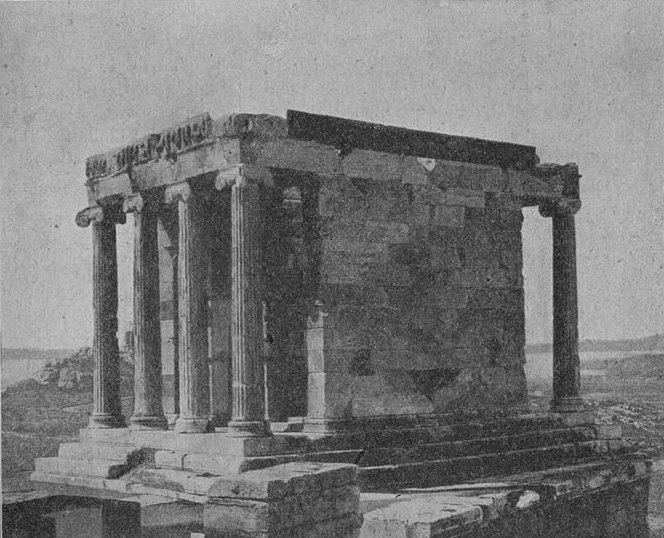
- Temple of Athena Nike
- Acropolis Museum
- Ancient Agora and Odeon of Herodes Atticus (all within walking distance)
(The Crazy Tourist)
Archaeological Discoveries and Preservation
The pedestal has been the focus of archaeological study since the 19th century, with inscription fragments preserved at the Acropolis Museum. Conservation efforts—particularly those launched in 2023 by the Greek Ministry of Culture and European Regional Development Fund—focus on stabilizing and protecting the monument from environmental damage (YSMA News).
Frequently Asked Questions (FAQ)
What are the opening hours for visiting the Pedestal of Agrippa?
The Acropolis is open daily from 8:00 AM to 7:30 PM in summer and 8:00 AM to 5:00 PM in winter. Always check official sources for updates.
How do I get tickets for the Pedestal of Agrippa?
Tickets can be purchased online or at the Acropolis entrance. Online purchase is recommended to avoid queues.
Is the site accessible for visitors with disabilities?
There are some accessibility improvements, but the site remains challenging due to uneven terrain. Contact the Acropolis visitor center for assistance.
Are guided tours available?
Yes, guided tours and audio guides are widely available and recommended for in-depth understanding.
Can I take photos at the Pedestal of Agrippa?
Photography is permitted; tripods and drones require special permission.
Legacy and Interpretation
The Pedestal of Agrippa remains a powerful symbol of Athens’ layered history, encapsulating the city’s artistic, political, and ceremonial traditions. Its prominent location, architectural grandeur, and complex history reflect the city’s enduring influence in the ancient Mediterranean world. Ongoing preservation ensures that future generations can continue to engage with this remarkable monument (Acropolis Museum, Acropolis Restoration Service).
Planning Your Visit
- Arrive early/late to avoid crowds.
- Purchase tickets in advance online.
- Consult official sources for accessibility and restoration updates.
- Download the Audiala app for interactive audio guides.
- Explore the Acropolis Museum and nearby sites for a complete experience.
Stay connected via our social media channels for updates, tips, and special events, and browse related articles for more insights into Athens’ historical treasures.
Listen to the full story in the app
The whole Pedestal Of Agrippa,
told well.
Listen to sourced travel stories with local history and practical context — ready offline.
Verified, and shown.
Researched and written by the Audiala editorial team from historical records, architectural archives, and local expertise.
Built from cited sources · see the method · How we make our guides →