Plan and listen to Pandroseion with Audiala.
Audio guide in your pocket, itinerary in your browser. Built for the way you actually visit.
Introduction: The Pandroseion’s Role in Athens’ Heritage
Tucked on the western edge of Athens’ Acropolis, the Pandroseion is an open-air sanctuary rich in myth and history. Unlike the iconic Parthenon or Erechtheion, the Pandroseion offers an intimate look at the city’s foundational legends, especially the legendary contest between Athena and Poseidon. The sanctuary honors Pandrosos, daughter of Cecrops—the city’s mythical first king—and features the sacred olive tree, the trident mark of Poseidon, and the tomb of Cecrops. These elements connect ancient mythology, cult practice, and civic identity, making the Pandroseion a vital part of Athens’ ancient topography.
Today, visitors can explore the Pandroseion as part of the Acropolis archaeological complex. Its integration with the Erechtheion and its role in festivals like the Panathenaea highlight its ongoing cultural importance. Although much of its original structure has faded, the replanted olive tree stands as a living symbol of Athens’ resilience and tradition.
This guide provides practical visiting details—hours, ticketing, accessibility—and delves into the sanctuary’s historical and architectural significance. For the latest information and detailed tours, consult official and expert resources (Pandroseion Sanctuary in Athens; Madain Project; Headout).

Location and Access within the Acropolis Complex
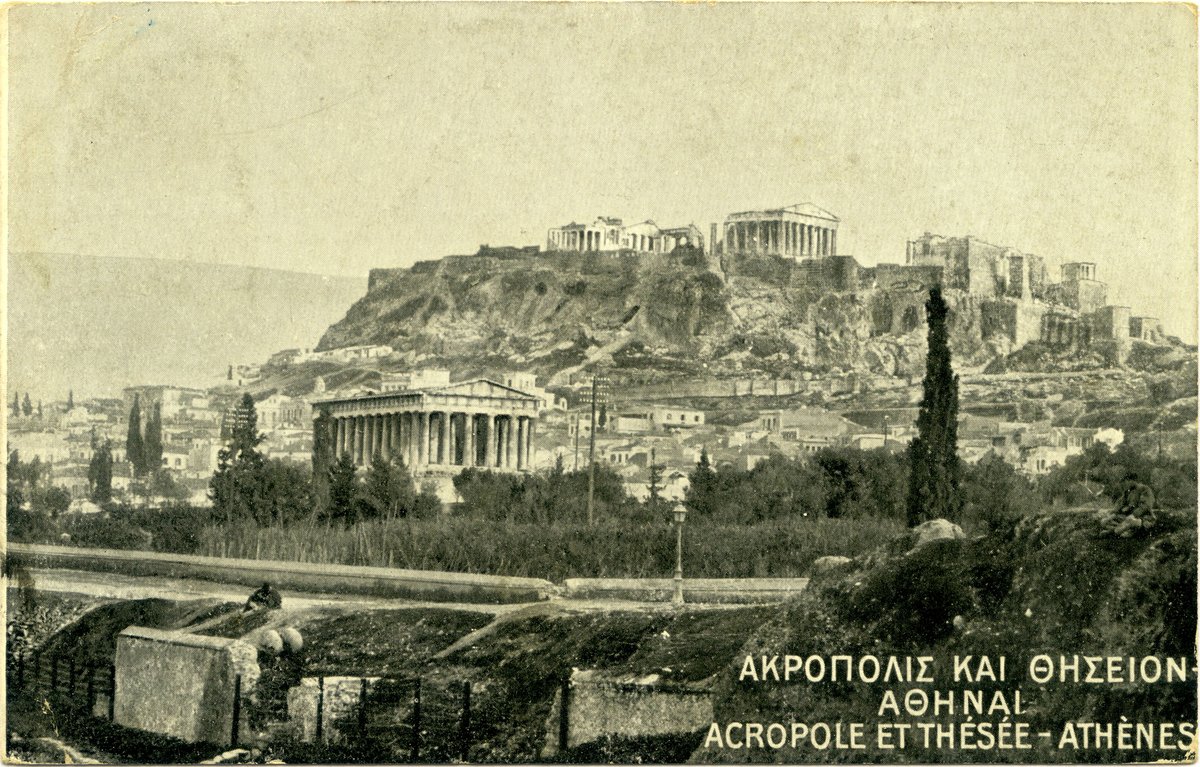
The Pandroseion lies on the Acropolis, beside the Erechtheion and near the old Temple of Athena Polias. Entry is via the main Acropolis gate (Propylaea), after which the Parthenon is to the right and the Erechtheion and Pandroseion to the left. The sanctuary is not a standalone building but an open precinct, partially visible from paths around the Erechtheion (Acropolis Athens Tickets; Madain Project). Some areas may be roped off for conservation, but key features like the sacred olive tree are visible.
Historical and Mythological Significance
Mythological Foundations
The Pandroseion is closely linked to Athens’ founding myth: the contest between Athena and Poseidon. Poseidon struck the rock, producing a saltwater spring, but Athena’s olive tree was deemed the greater gift. This olive tree, resilient even after the Persian sack of 480 BCE, became a symbol of the city’s endurance.
The sanctuary was dedicated to Pandrosos and was associated with the Arrephoroi—young priestesses who performed secret rites for Athena. The tomb of Cecrops, Athens’ mythic first king, lies here, connecting the site to ancestral veneration and civic identity.
Architectural Features
Open-Air Sanctuary
The Pandroseion is an irregular, open-air enclosure, not a conventional temple. Its low boundary wall defines a sacred grove rather than a roofed structure (Madain Project; Wikipedia). The sanctuary is accessible from the north porch of the Erechtheion and the Acropolis courtyard.
Notable Relics
- Sacred Olive Tree: Said to be Athena’s original tree, symbolizing peace, prosperity, and divine favor. The tree seen today is a modern descendant (Ancient Greece Wanderings).
- Trident Mark: A fissure associated with Poseidon’s trident.
- Saltwater Well: The spot where Poseidon’s spring appeared.
- Tomb of Cecrops: The legendary king’s burial site, marked by a rectangular stone enclosure.
Integration with the Erechtheion
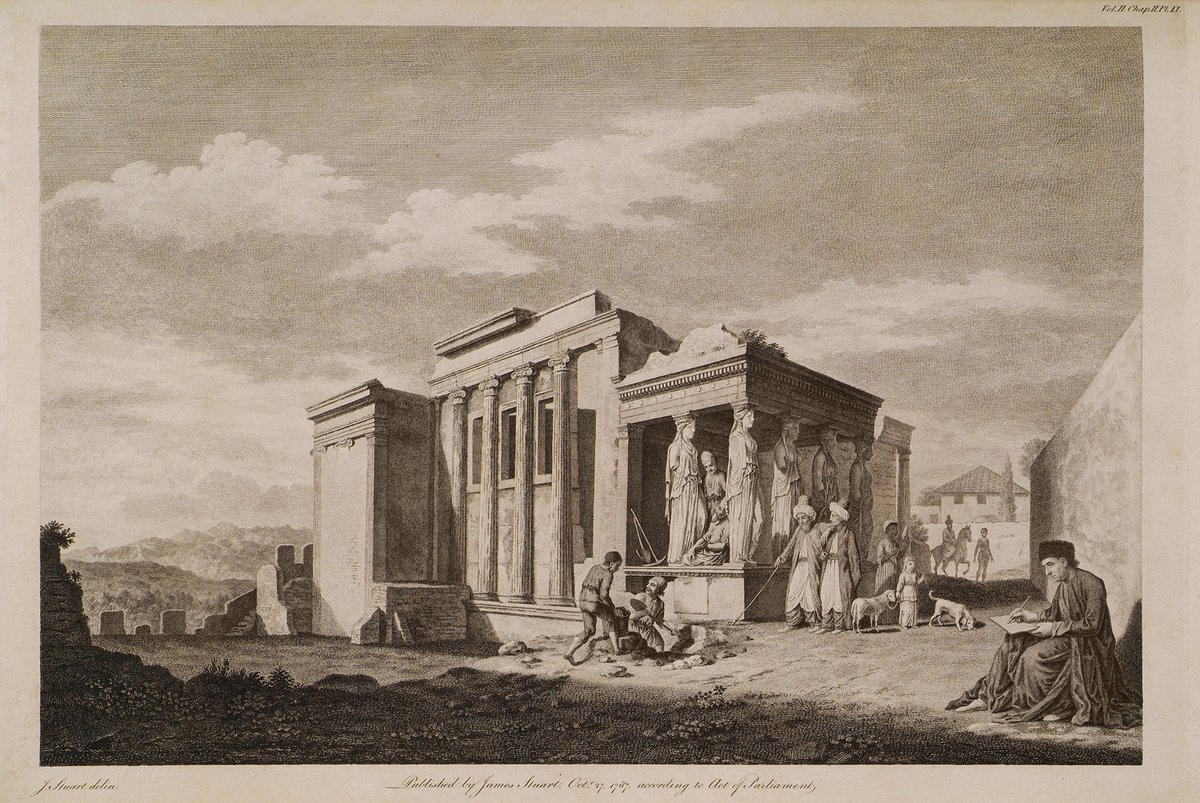
The Erechtheion’s unusual, multi-level design was influenced by the need to incorporate the Pandroseion’s sacred sites. A small doorway from the Erechtheion’s north porch leads directly into the sanctuary (Travel Curious; PlanetWare).
Visiting the Pandroseion: Hours, Tickets, and Accessibility
Opening Hours:
The Acropolis is open daily, generally 8:00 AM–8:00 PM (April–October) and 8:00 AM–5:00 PM (November–March). Hours may vary on holidays; check the official Acropolis website.
Tickets:
Admission to the Pandroseion is included with the Acropolis ticket. Prices:
- Standard adult: €20 (April–October), €10 (November–March)
- Discounts for students, seniors, and children
- Combination tickets (€30) cover other archaeological sites in Athens
Buy tickets online in advance to avoid queues (Headout; The Novel Sphere).
Accessibility:
The Acropolis has uneven surfaces and marble steps. A lift at the north entrance improves accessibility, but some areas around the Pandroseion remain difficult for wheelchairs. Wear sturdy, non-slip shoes and bring sun protection (Acropolis Athens Tickets).
Travel Tips for Visitors
- Best time to visit: Early morning or late afternoon for fewer crowds and cooler temperatures.
- Guided tours: Enrich your visit with expert context, especially for subtle sites like the Pandroseion.
- Water and shade: Bring water; shaded areas are limited.
- Photography: Allowed, but drones and tripods are not.
- Combine your visit: Include the Erechtheion, Parthenon, and Acropolis Museum for a full experience.
Nearby Attractions
- Parthenon: The most famous Athenian temple.
- Erechtheion: Known for the Caryatid Porch.
- Ancient Agora: Explore Athenian civic life.
- Acropolis Museum: See artifacts and models relating to the Pandroseion.
Conservation and Visitor Conduct
Ongoing restoration may restrict some areas. Visitors must not touch or climb on ancient remains, and should stay on marked paths. Eating and drinking (except water) are prohibited. Security staff ensure compliance and safety (Acropolis Athens Tickets).
Visuals and Media Recommendations
- Photos: Sacred olive tree, trident mark, panoramic views with Erechtheion.
- Maps: Highlighting the Pandroseion’s location on the Acropolis.
- Virtual tours: Check reputable travel and archaeological websites for immersive experiences.
Frequently Asked Questions (FAQ)
Q: What are the Pandroseion visiting hours?
A: The site is open during Acropolis hours (generally 8:00 AM–8:00 PM in summer, shorter in winter). Check the official website for updates.
Q: Is there a separate entrance fee?
A: No. Admission is included with the general Acropolis ticket.
Q: Can I enter the Pandroseion sanctuary?
A: Direct access to the interior is restricted to preserve the remains, but the site is visible from the Erechtheion and nearby paths.
Q: Is the site suitable for children?
A: Yes, with supervision due to uneven terrain.
Q: Are guided tours available?
A: Most Acropolis tours include the Pandroseion. Specialized tours can be arranged.
Q: Is it wheelchair accessible?
A: The Acropolis offers some accessible pathways and a lift, but the area around the Pandroseion may be challenging.
Summary of Key Points and Final Tips
The Pandroseion is a must-see within the Acropolis, offering a direct link to Athens’ foundational myths and religious traditions. Visit early or late for the best experience, wear suitable footwear, and consider a guided tour for deeper understanding. The sanctuary’s symbolic olive tree, trident mark, and ties to the Erechtheion make it a meaningful stop for any visitor.
For current information and enhanced visitor experiences, consult official resources, and consider using digital guides like the Audiala app (Pandroseion Sanctuary in Athens; Madain Project; Headout).
Listen to the full story in the app
The whole Pandroseion,
told well.
Listen to sourced travel stories with local history and practical context — ready offline.
Verified, and shown.
Researched and written by the Audiala editorial team from historical records, architectural archives, and local expertise.
Built from cited sources · see the method · How we make our guides →