Introduction
Nestled in the suburb of Chaidari in Western Athens, Palataki Tower stands as a testament to Greece's rich historical, architectural, and cultural tapestry. Known for its pivotal role in the Greek War of Independence and its dark history during World War II, Palataki has evolved into a cultural and educational landmark. Constructed in the 19th century, this tower features a blend of neo-Gothic and neoclassical architectural elements, making it a unique structure in the region (Athens Attica). From the Battle of Chaidari in 1826 to its use as a concentration camp run by the German Schutzstaffel (SS), Palataki has witnessed some of Greece's most significant historical events (Historical Sites). Today, it serves as a Municipal Cultural Centre and Library, preserving its storied past for future generations. This guide aims to provide you with comprehensive information about visiting Palataki, including its history, visiting hours, ticket prices, and nearby attractions.
Historical Background
The Battle of Chaidari
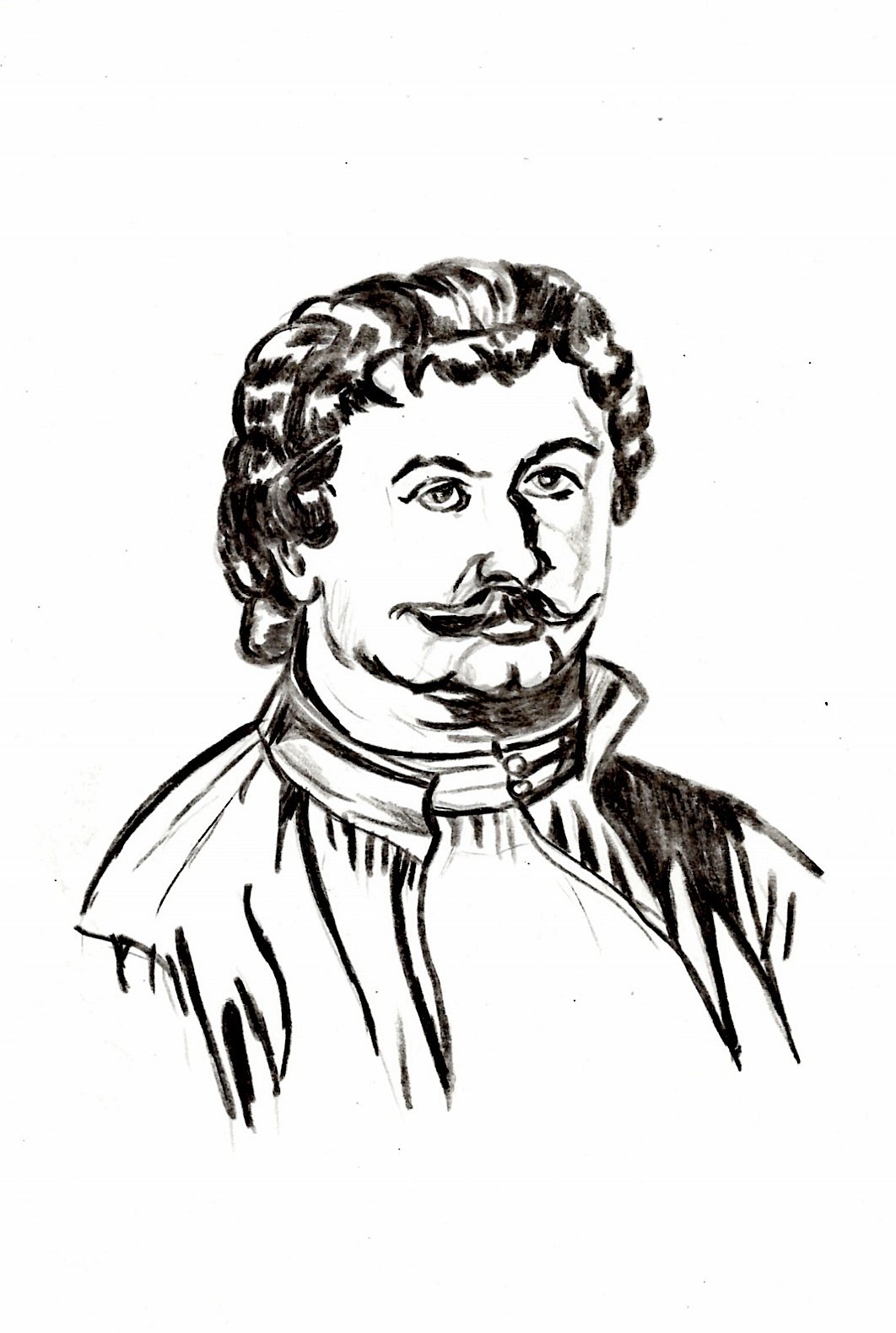
Palataki Tower is located in Chaidari, a suburb in the western part of Athens. This area is historically significant due to the Battle of Chaidari, which took place in 1826 during the Greek War of Independence. The battle was fought between the Greek forces led by Georgios Karaiskakis and the Ottoman troops commanded by Kioutahi Pasha. This battle is a pivotal moment in Greek history, symbolizing the struggle for independence from Ottoman rule (Athens Attica).
Architectural Significance
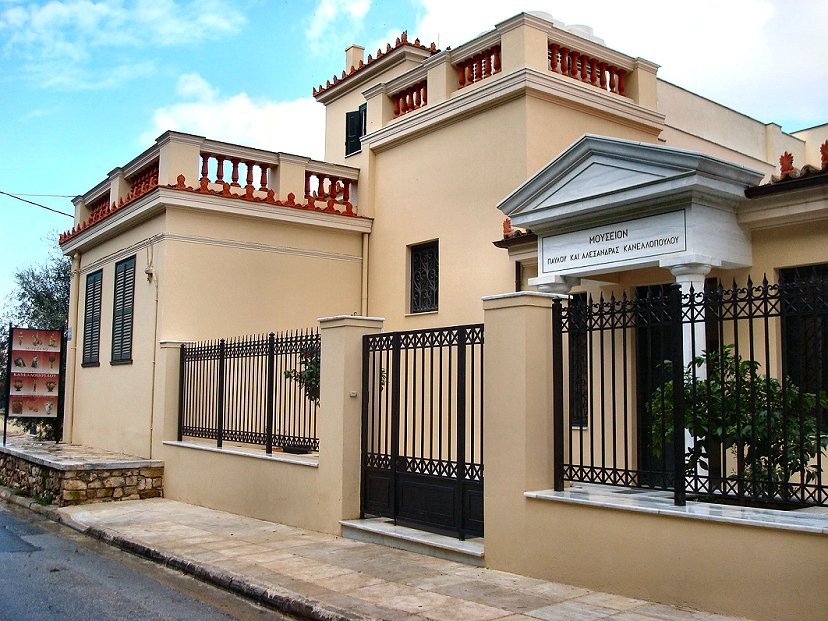
Constructed in the 19th century, Palataki Tower is a prime example of romantic historicism. The tower features several neo-Gothic elements, which were quite popular during that era. The auxiliary buildings, such as the guest house, are decorated with murals by Nikolaos Gyzis and exhibit neoclassical design elements. This blend of architectural styles makes Palataki Tower a unique structure in the region (Athens Attica).
Role During the Ottoman Period
During the Ottoman rule, the area of Chaidari was under the control of Haydar Pasha, from whom the suburb gets its name. The name "Haydar" is derived from the Arabic word for "lion," reflecting the power and influence of its ruler during that period (Wikipedia).
The Haidari Concentration Camp
One of the darker chapters in the history of Chaidari is the establishment of the Haidari concentration camp during World War II. Operated by the German Schutzstaffel (SS) from September 1943 to September 1944, the camp was initially used to imprison political opponents. Later, it became a central transit camp for Jews awaiting deportation to Auschwitz and other concentration camps in Poland. Approximately 21,000 people were imprisoned in Haidari, with around 2,100 dying in the camp itself due to executions, illness, or torture (Historical Sites).
Post-War Period and Modern Use
After World War II, the Haidari concentration camp was partly preserved and now serves as a monument to the Greek Resistance. The Palataki Tower itself has been repurposed over the years. The main tower currently houses the Municipal Cultural Centre, while the renovated guest house operates as part of the Municipal Library. The site also includes other structures like an olive mill and stables, which have been converted into a snack bar (Athens Attica).
Visitor Information
Visiting Hours and Tickets
Palataki Tower is open to visitors from Tuesday to Sunday, 10:00 AM to 6:00 PM. The site is closed on Mondays and public holidays. Tickets can be purchased at the entrance, with prices as follows:
- Adults: €5
- Students and Seniors: €3
- Children under 12: Free
Accessibility and Location
Palataki Tower is easily accessible by car, and its location in Chaidari makes it a convenient destination for those exploring the western suburbs of Athens. The site is well-connected by major roads, including the Greek National Road 8 and Iera Odos, making it easy to reach from the city center (Wikipedia).
Cultural and Educational Significance
Since 1979, the Greek Ministry of Culture has listed Palataki Tower and its surroundings as a historic location. This designation underscores the cultural and educational importance of the site. The Municipal Cultural Centre and the Municipal Library serve as hubs for local cultural activities and educational programs, making Palataki Tower a vital part of the community (Athens Attica).
Preservation Efforts
Efforts to preserve Palataki Tower and its surrounding structures have been ongoing. These efforts aim to maintain the architectural integrity of the site while making it accessible to the public. The preservation of murals by Nikolaos Gyzis and the neoclassical design elements of the guest house are particularly noteworthy. These efforts ensure that future generations can appreciate the historical and architectural significance of Palataki Tower (Athens Attica).
Special Events and Guided Tours
The Municipal Cultural Centre often hosts exhibitions and cultural events, providing a rich experience for those interested in history and the arts. Guided tours of Palataki Tower are available by appointment, offering visitors deeper insights into the site's history and architecture. Contact the centre for more information.
Photographic Spots
Palataki Tower and its surroundings offer numerous picturesque spots perfect for photography. The neo-Gothic and neoclassical architectural elements provide a stunning backdrop for photos, making it a favorite location for both amateur and professional photographers.
Nearby Attractions
While visiting Palataki Tower, consider exploring other nearby attractions in Chaidari:
- Daphni Monastery: A UNESCO World Heritage site known for its Byzantine mosaics (UNESCO).
- Diomedes Botanical Garden: The largest botanical garden in Greece, offering a peaceful retreat.
- Schisto Quarry: An impressive natural site with historical significance.
Future Prospects
The future of Palataki Tower looks promising, with ongoing efforts to enhance its role as a cultural and educational hub. Plans for further renovations and the introduction of new programs and events are in the works, ensuring that Palataki Tower remains a vibrant part of the community. These initiatives aim to attract more visitors and provide them with a deeper understanding of the site's historical and cultural significance (Athens Attica).
FAQs
What are the visiting hours for Palataki Tower?
Palataki Tower is open from Tuesday to Sunday, 10:00 AM to 6:00 PM. It is closed on Mondays and public holidays.
How much are the tickets for Palataki Tower?
Tickets are priced at €5 for adults, €3 for students and seniors, and free for children under 12.
Is Palataki Tower accessible by public transport?
Yes, Palataki Tower is well-connected by major roads and can be easily reached by car or public transport.
Are guided tours available at Palataki Tower?
Yes, guided tours are available by appointment. Contact the Municipal Cultural Centre for more information.
Listen to the full story in the app
Your Personal Curator, in Your Pocket.
Audio guides for 1,100+ cities across 96 countries. History, stories, and local insight — offline ready.
Audiala App
Available on iOS & Android
Join 50k+ Curators
Sources
-
verified
Athens Attica
Palataki Tower
-
verified
Historical Sites
Chaidari Concentration Camp
-
verified
Wikipedia
Haidari
-
verified
UNESCO
Daphni Monastery
-
verified
Wonder Greece
Giustiniani Building (Palataki)
-
verified
Adventure in You
Best Time to Visit Greece
Last reviewed: