Plan and listen to National Observatory Of Athens with Audiala.
Audio guide in your pocket, itinerary in your browser. Built for the way you actually visit.
Introduction
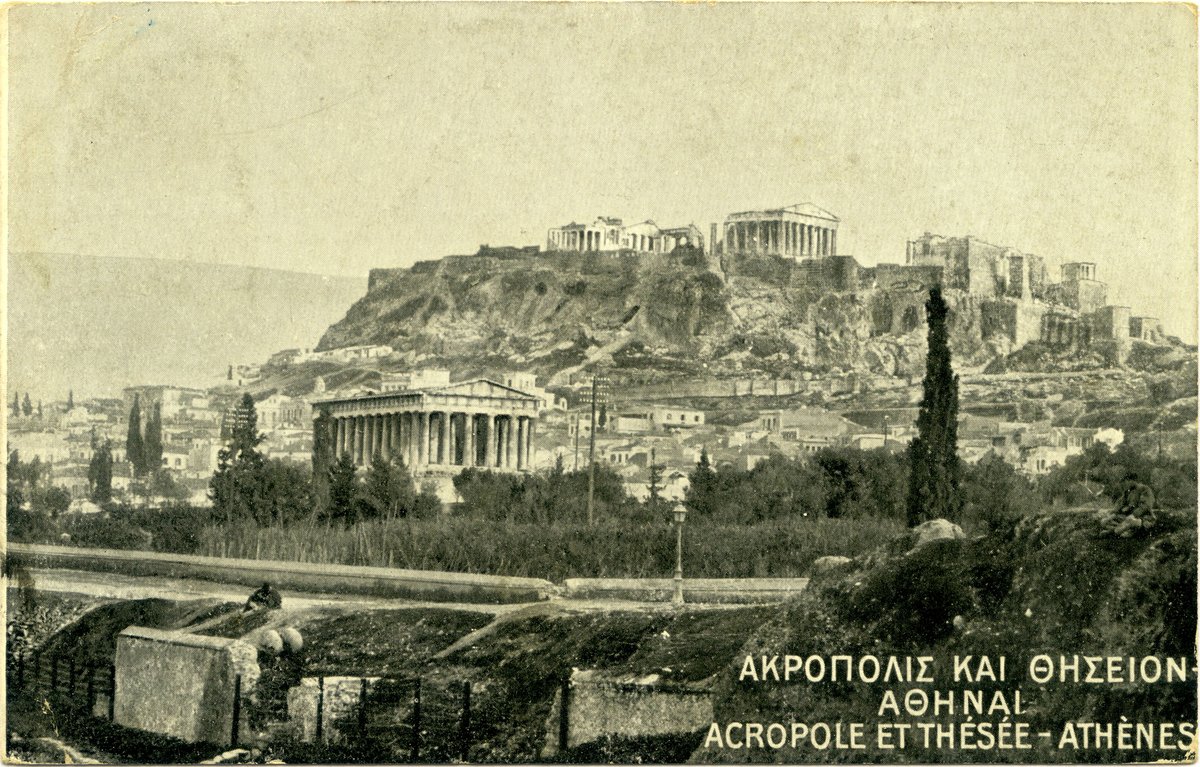
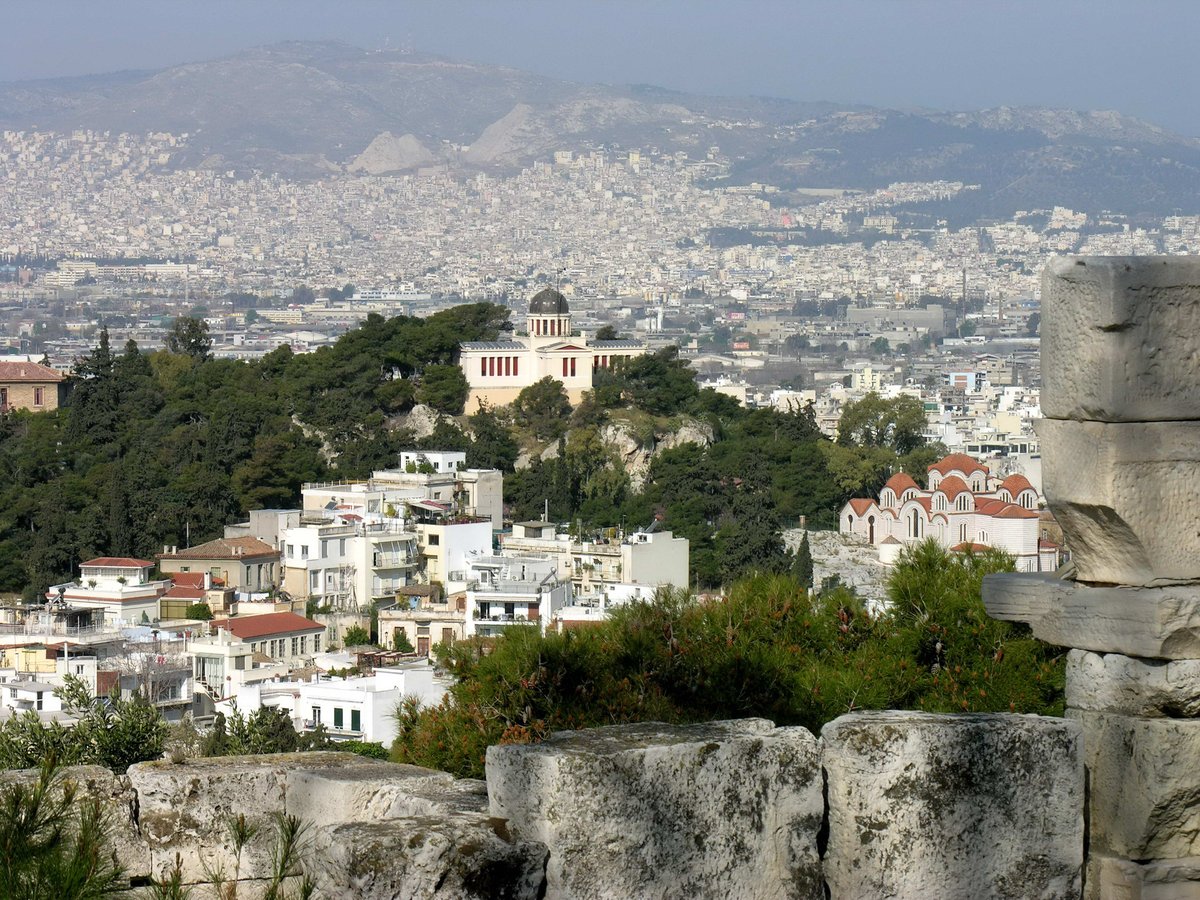
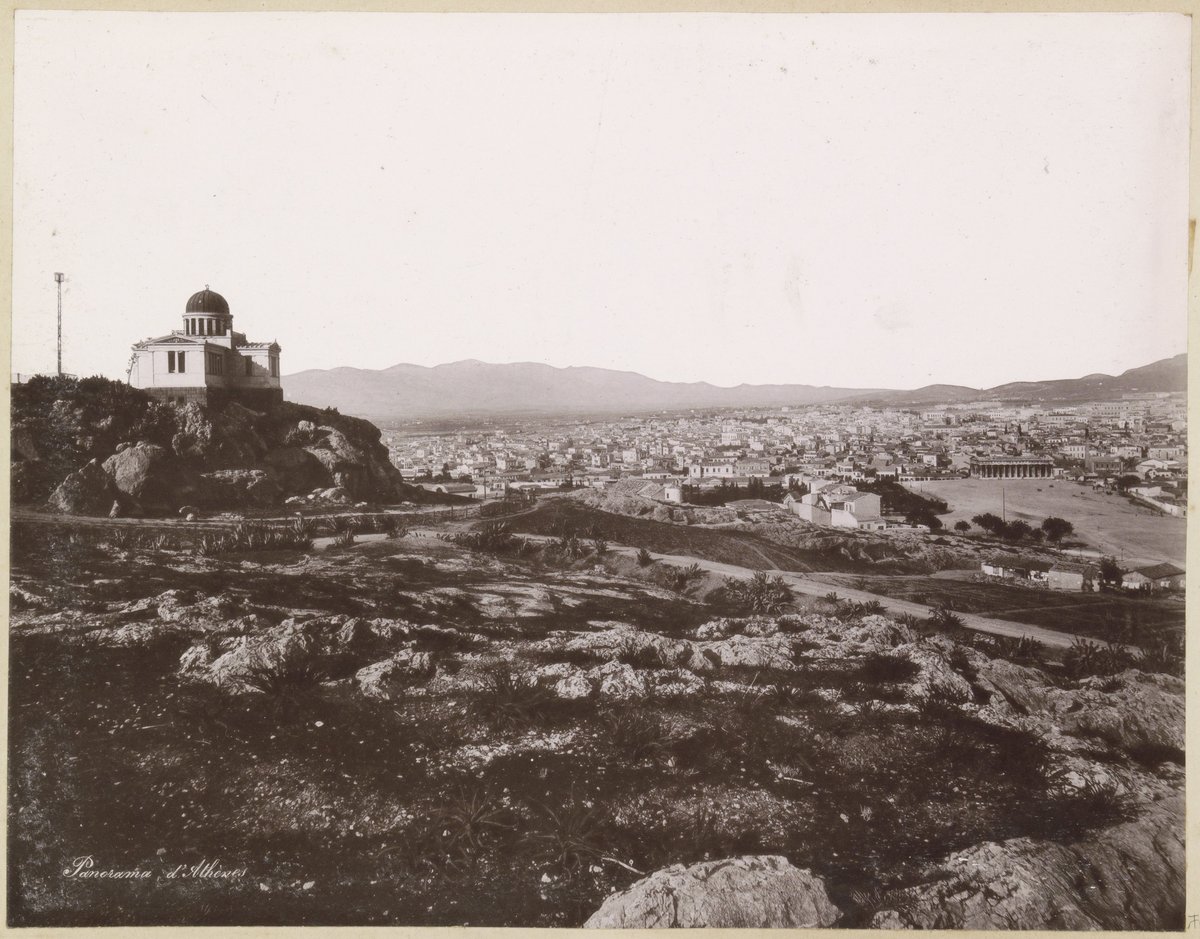
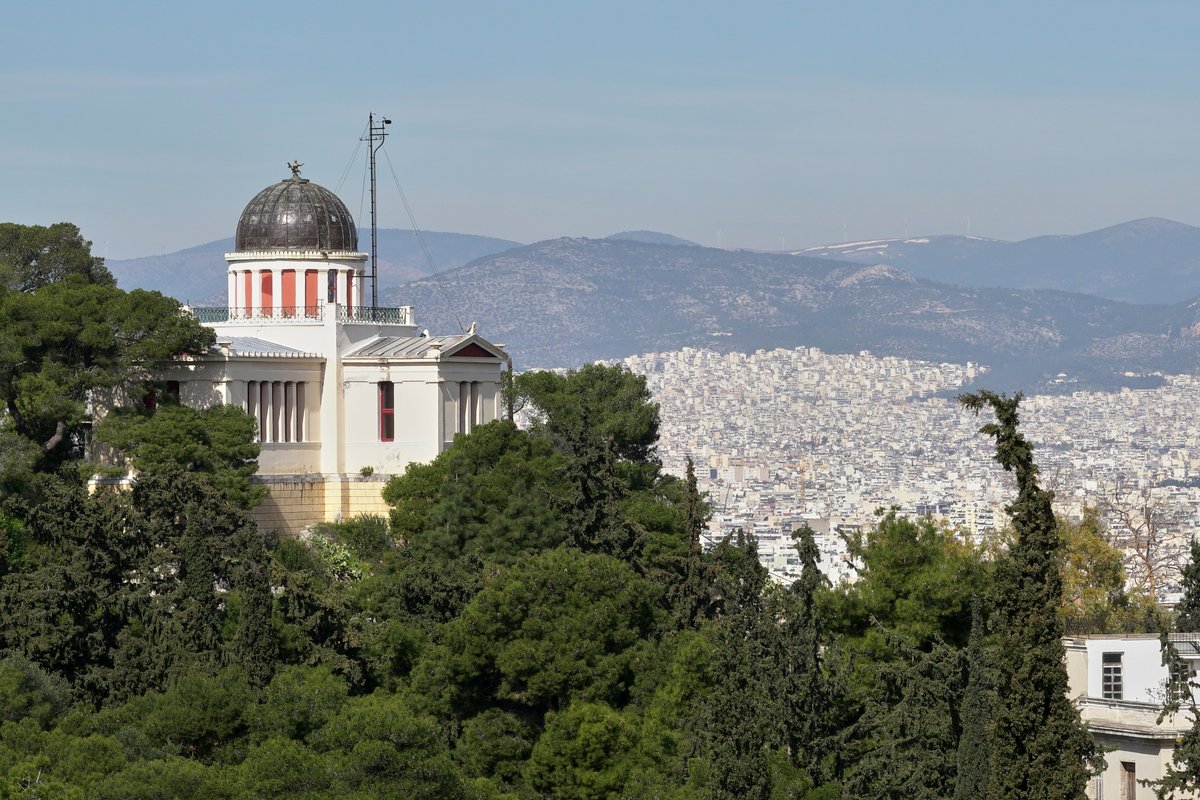
The National Observatory of Athens (NOA) is one of Greece’s most significant scientific institutions and a remarkable historical site. Founded in 1842, shortly after Greece’s independence, the Observatory stands as a symbol of the country’s commitment to scientific advancement and cultural renewal. Perched atop the Hill of the Nymphs, just southwest of the Acropolis, the NOA offers visitors not only a deep dive into the history of astronomy and scientific research in Greece, but also sweeping views of Athens’ ancient and modern landmarks (NOA History; This is Athens; Greeka).
Today, the Observatory is a vibrant center for research in astronomy, astrophysics, meteorology, and geodynamics, with international collaborations involving agencies such as NASA and ESA (Greek News Agenda). For visitors, NOA provides guided tours, access to historic telescopes like the Doridis refractor, and special sky-watching events, making it a unique destination for both science enthusiasts and travelers exploring Athens’ cultural treasures.


Founding and Early History
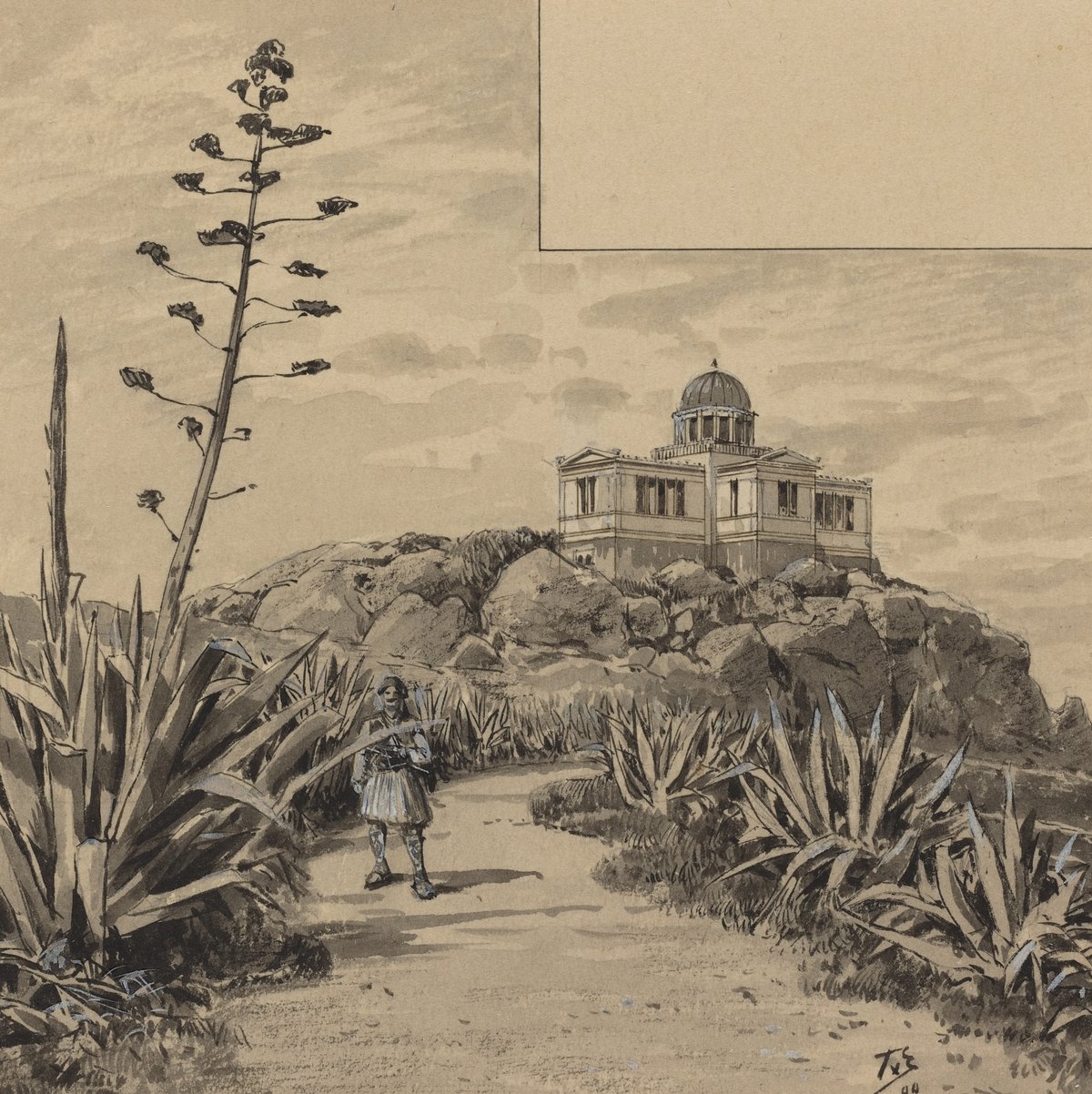
The National Observatory of Athens was established in 1842, thanks to the philanthropic efforts of Georgios Sinas, a prominent Greek banker and ambassador. Sinas’s vision was to promote scientific inquiry in the newly independent Greek state. The chosen location, the Hill of the Nymphs, was historically significant; ancient astronomer Meton of Athens conducted observations in this area during the 5th century BCE (NOA History; This is Athens).
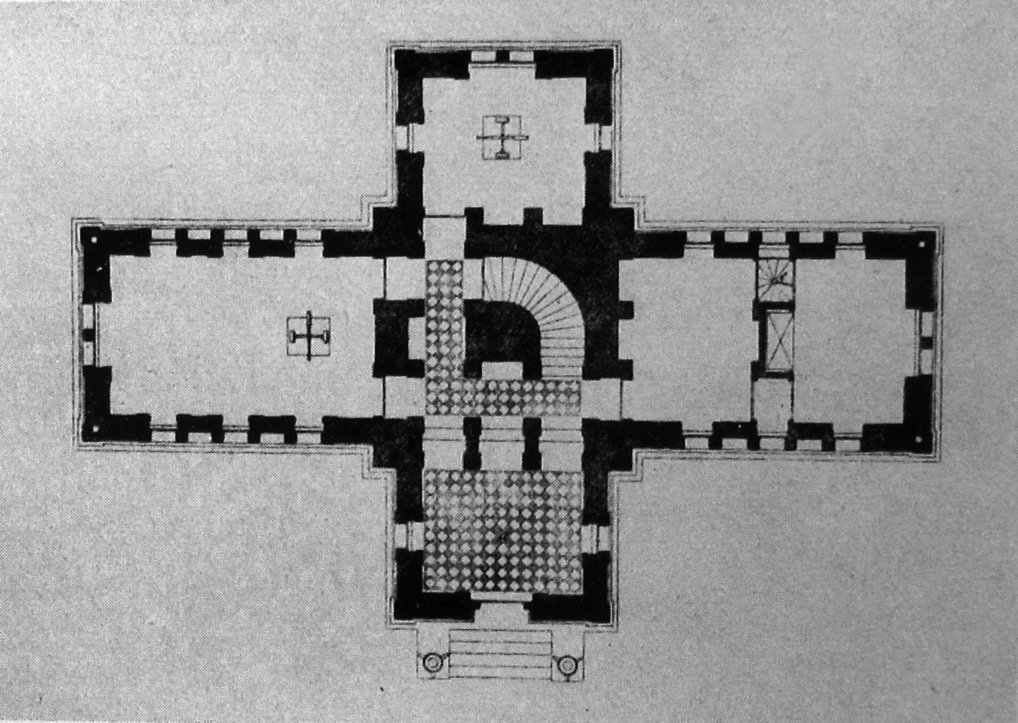
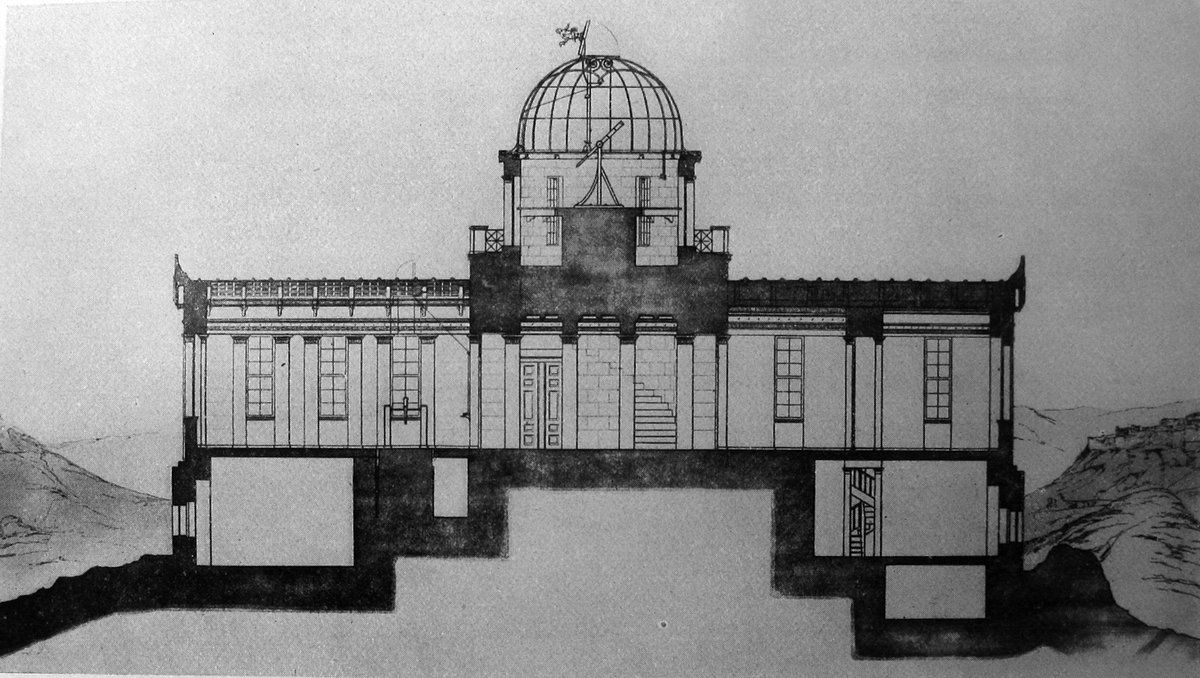
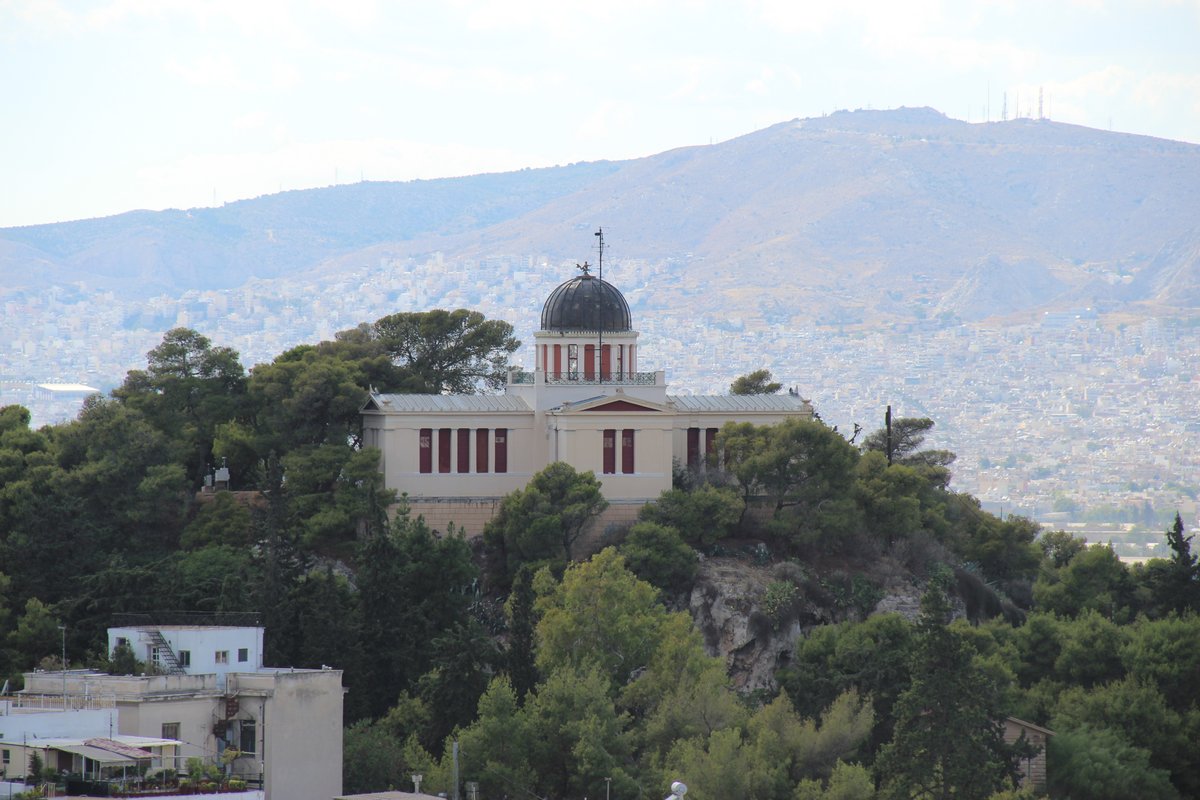
The Observatory's distinctive neoclassical building, designed by Theophil Hansen, features an X-shaped layout aligned with the four cardinal points, highlighting its dedication to celestial study. The first director, Georg Bouris, played a crucial role in establishing the scientific direction and reputation of the institution.
Expansion and Scientific Achievements
In the latter half of the 19th century and early 20th century, the NOA expanded its research activities. Under directors such as Johann Friedrich Julius Schmidt and Dimitrios Eginitis, it became a leading center for astronomy, meteorology, seismology, and cartography (Astronomical Heritage). Schmidt’s precise lunar maps and Eginitis’s modernization efforts—including the introduction of the World Time Zone system and the Gregorian calendar in Greece—cemented the Observatory’s global reputation. Eginitis also expanded the Observatory’s network with new meteorological and seismological stations throughout the country.
Architectural and Scientific Heritage
The NOA’s Sinas building is a masterpiece of neoclassical architecture and houses the Astrogeophysics Museum, a collection of 19th-century scientific instruments, historic telescopes, and a notable scientific library (Greeka). Until the mid-1960s, the Observatory was responsible for setting Athens’ official time, a tradition marked by the noon dropping of a large ball from the Observatory’s flagpole (This is Athens).
Modern Research and International Collaborations
Today, the National Observatory of Athens comprises three main research institutes:
- Institute of Astronomy, Astrophysics, Space Applications and Remote Sensing (IAASARS)
- Institute of Environmental Research and Sustainable Development
- Geodynamics Institute
These institutes conduct advanced research in astrophysics, seismology, climate science, and space technology. The Observatory operates several research stations, including the Astronomical Station of Penteli, established to minimize the impact of urban light pollution (NOA; NEON). NOA’s telescopes have been chosen for NASA’s Psyche mission, and the Observatory is actively involved in ESA’s EarthCARE satellite project (Greek News Agenda).
Visiting the National Observatory of Athens
Visiting Hours
- Tuesday to Sunday: 9:00 AM – 5:00 PM
- Closed: Mondays and public holidays
- Evening Tours: Select dates, usually Wednesday, Friday, and Saturday at 8:00 PM (check the official website for updates)
Tickets and Admission
- General admission: €5
- Students and seniors: €3
- Children under 12: Free
- Group rates: Available with advance booking
- Special events: Fees may apply
- How to buy: Tickets can be purchased online via the official NOA website or at the entrance
Accessibility
The Observatory is committed to accessibility, with wheelchair access and guided tours available for visitors with disabilities. Some historic buildings may have limited accessibility due to their age.
Travel Tips
- Location: Hill of the Nymphs, Thissio district, opposite the Acropolis
- Metro: Thissio station (short walk)
- Footwear: Wear comfortable shoes for uneven terrain
- Nearby sites: Acropolis Museum, Ancient Agora, Philopappos Hill
Special Events and Programs
NOA organizes public lectures, astronomy workshops, and evening sky-watching events. Educational programs for schools and inclusive initiatives for vulnerable groups are offered throughout the year (Greeka; NOA).
Guided Tours and Visitor Experience
Tour Highlights
Guided tours (in Greek and English) encompass the main Sinas building, the library, and the museum. Visitors can view rare scientific instruments and antique star charts, and learn about the evolution of astronomy in Greece. Tours typically last 60–90 minutes.
Historic Telescopes
- Doridis Telescope: A 40 cm refractor from 1902, restored for public use during evening tours.
- Meridian Refractor: Housed in the Ziller building and used for educational demonstrations.
- Schmidt’s Telescope: Used for the famous lunar map.
Panoramic Views
The Observatory’s hilltop location provides two stunning outlooks: one toward the Acropolis and another to the city’s western hills. Sunset and night tours offer especially memorable vistas.
Facilities and Accessibility
Amenities include restrooms and a gift shop. Some pathways are steep or uneven, so comfortable footwear and sun protection are recommended. The Observatory and its grounds are partially accessible; visitors with mobility concerns should contact staff in advance.
Nearby Attractions
The NOA is within walking distance of the Acropolis, Ancient Agora, Philopappos Hill, and the lively Thissio and Plaka neighborhoods. Its central location makes it easy to combine with other Athens historical sites (Greece Is).
Photography and Multimedia
Photography is permitted in most areas, though flash and tripods may be restricted during telescope sessions. The Observatory’s panoramic views are ideal for memorable photos. Virtual tours and high-quality images are available on the official website.
Practical Tips for Visitors
- Visit during evening hours in summer for comfortable temperatures and stargazing.
- Wear sun protection and carry water, especially in summer months.
- Book tours in advance during peak tourist seasons.
- Dress appropriately for walking on uneven terrain.
Frequently Asked Questions (FAQ)
Q: What are the visiting hours?
A: Tuesday to Sunday, 9:00 AM to 5:00 PM; evening tours on select days.
Q: How much are tickets?
A: €5 for adults, €3 for students/seniors, free for children under 12. Special events may require additional fees.
Q: Are guided tours available?
A: Yes, in Greek and English. Advance booking is recommended.
Q: Is the site accessible?
A: Partial accessibility for visitors with disabilities. Contact the Observatory for details.
Q: Can I take photographs?
A: Yes, except where restricted during telescope use.
Q: How do I get there?
A: Via Thissio metro station or on foot from central Athens.
Cultural Significance and Legacy
The National Observatory of Athens is a beacon of Greek scientific and educational progress. As Greece’s first research institution, it played a foundational role in establishing the country’s scientific identity and advancing public engagement in science. Its educational outreach, public events, and research collaborations reflect an ongoing commitment to both national heritage and global scientific discovery (Astronomical Heritage; NOA).
The Observatory’s neoclassical architecture and panoramic setting make it an enduring symbol of Athens, bridging the city’s ancient legacy and modern aspirations. Today, the NOA continues to inspire visitors of all ages through its blend of history, science, and public programming.
Listen to the full story in the app
The whole National Observatory Of Athens,
told well.
Listen to sourced travel stories with local history and practical context — ready offline.
Verified, and shown.
Researched and written by the Audiala editorial team from historical records, architectural archives, and local expertise.
Built from cited sources · see the method · How we make our guides →