
History
Origins and Early Development
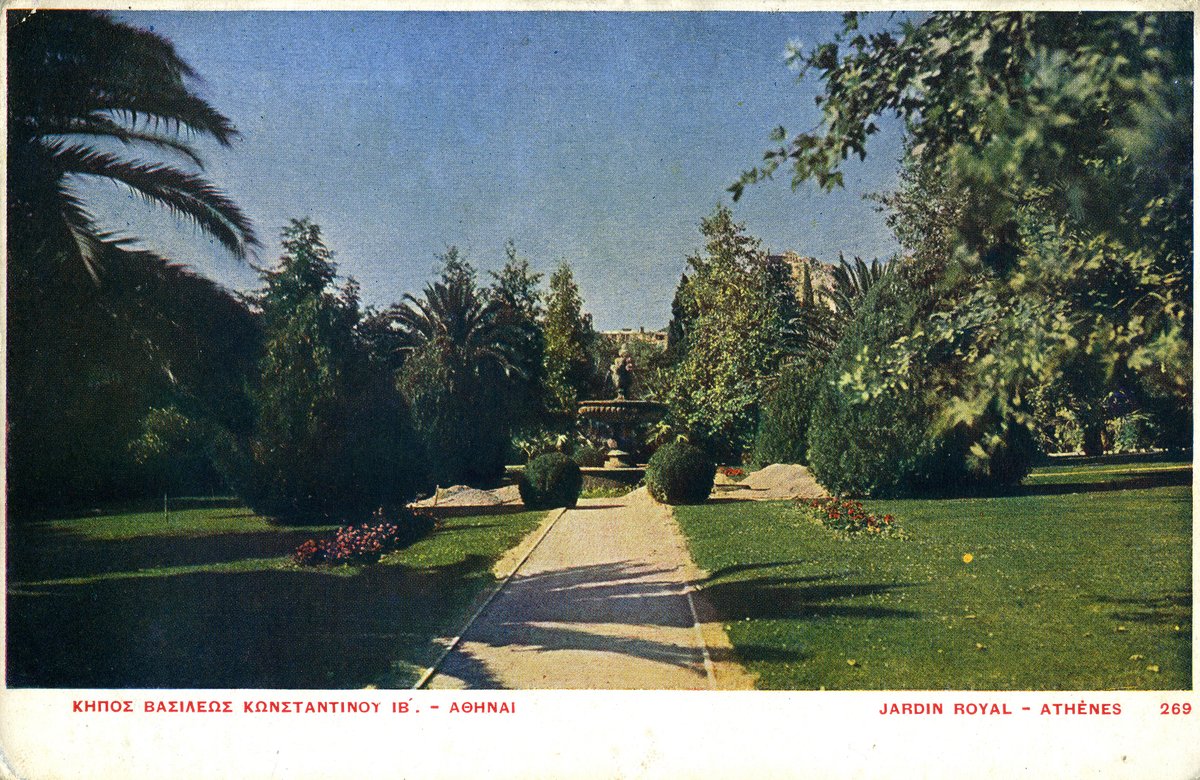
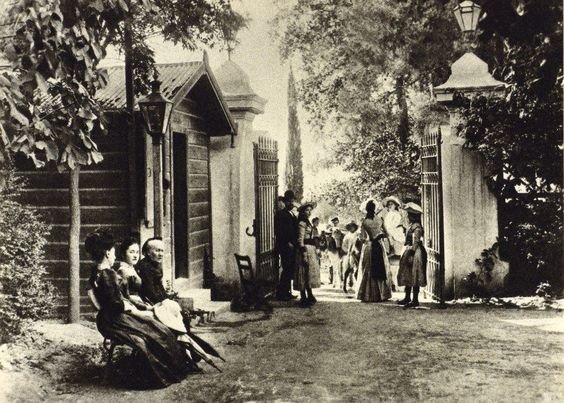
The Athens National Garden, originally known as the Royal Garden, was commissioned by Queen Amalia of Greece in 1838. The garden was designed by the German agronomist Friedrich Schmidt, who was tasked with transforming a barren area into a lush, green space. The project was completed in 1840, and the garden was initially intended to serve as a private retreat for the royal family. The garden's design was influenced by the European landscape gardening trends of the time, incorporating elements of both formal and informal styles.
Botanical Significance
The garden was planted with a diverse array of flora, sourced from various parts of the world. Queen Amalia herself took a keen interest in the selection of plants, and many species were imported from countries such as Italy, France, and Egypt. The garden's collection includes over 500 species of plants, making it a significant botanical repository. Notable among these are the Washingtonia palms, which were among the first of their kind to be planted in Europe.
Transition to Public Space
In 1923, following the abolition of the monarchy, the garden was renamed the National Garden and opened to the public. This transition marked a significant shift in the garden's role, transforming it from a royal enclave to a public amenity. The garden quickly became a popular destination for Athenians, offering a tranquil escape from the bustling city.
Historical Events and Changes
Throughout its history, the National Garden has witnessed numerous historical events and changes. During World War II, the garden suffered damage due to bombings and neglect. However, post-war restoration efforts helped to revive its former glory. In the 1950s and 1960s, the garden underwent further enhancements, including the addition of new plant species and the construction of various structures such as fountains and statues.
Architectural and Cultural Landmarks
The National Garden is home to several architectural and cultural landmarks. One of the most notable is the Zappeion Hall, an impressive neoclassical building located within the garden's grounds. The Zappeion was constructed in the late 19th century and has since served as a venue for numerous important events, including the signing of the documents formalizing Greece's accession to the European Community in 1979 (Zappeion Hall History).
Another significant landmark is the small Roman mosaic, which dates back to the 3rd century AD. This mosaic was discovered during excavations in the garden and is a testament to the area's rich historical heritage.
Visitor Information and Tips
Opening Hours and Tickets
- Visiting Hours The Athens National Garden is open daily from 6:00 AM to 7:30 PM.
- Tickets Entry to the garden is free of charge.
Travel Tips
- Best Time to Visit Early mornings or late afternoons are ideal to avoid the midday sun.
- Accessibility The garden is wheelchair accessible, with paved paths suitable for strollers and wheelchairs.
Nearby Attractions
- Greek Parliament Located adjacent to the garden, visitors can witness the changing of the guard ceremony at Syntagma Square.
- Zappeion Hall A short walk within the garden, offering historical and cultural insights.
Modern-Day Significance
Today, the Athens National Garden continues to be a cherished green space in the heart of the city. It serves as a vital ecological and recreational resource, attracting both locals and tourists. The garden's historical significance, combined with its botanical diversity and cultural landmarks, makes it a unique and valuable asset to Athens.
Preservation Efforts
In recent years, there have been concerted efforts to preserve and enhance the National Garden. These efforts include initiatives to protect the garden's biodiversity, restore historical structures, and improve visitor facilities. The garden is managed by the Municipality of Athens, which works in collaboration with various organizations and experts to ensure its continued preservation.
Visitor Experience
For visitors, the National Garden offers a serene and picturesque environment. The garden's winding paths, shaded by towering trees, provide a perfect setting for leisurely strolls. Visitors can also explore the various themed sections of the garden, such as the botanical museum, the children's library, and the small zoo.
The garden's central location makes it easily accessible, and it is situated near several other major attractions, including the Greek Parliament and Syntagma Square. This proximity allows visitors to conveniently incorporate a visit to the National Garden into their broader exploration of Athens.
FAQ
Q: What is the best way to reach the Athens National Garden? A: The garden is centrally located and accessible by metro, bus, and on foot from Syntagma Square.
Q: Are there guided tours available? A: Yes, guided tours can be arranged through the official website or local tour operators.
Q: Can I bring pets to the garden? A: Pets are not allowed in the Athens National Garden to protect the flora and fauna.