Plan and listen to Metroon with Audiala.
Audio guide in your pocket, itinerary in your browser. Built for the way you actually visit.
Introduction: The Metroon of Athens – A Portal into Ancient Civic and Sacred Life
The Metroon, nestled in the heart of Athens' Ancient Agora, stands as a powerful symbol of the city’s unique fusion of religious devotion and democratic governance. Originally serving as both a sanctuary dedicated to the Mother of the Gods—primarily Cybele, Demeter, or Rhea—and as the official state archive, the Metroon is a testament to the intertwined nature of spiritual and civic life in ancient Athens. Built atop the site of the Old Bouleuterion (the city’s former council house) in the late 5th century BCE, the Metroon’s architecture and function reflect the sanctity Athenians placed on their laws, public records, and religious traditions.
Today, the Metroon’s evocative ruins are part of the Ancient Agora archaeological park, a must-see for anyone interested in the origins of Western democracy and classical culture. Enhanced by informative signage, guided tours, and practical amenities, the site invites visitors to explore the very foundations of Athenian society while enjoying easy access from central Athens. Whether you are a history enthusiast or a curious traveler, the Metroon offers a captivating window into the city’s enduring legacy.
For more details and up-to-date visitor information, consult the official Ancient Agora website, the Greek Ministry of Culture, and travel guides like Earth Trekkers.

Origins and Early Development
The name "Metroon" (Μητρῷον) refers to a sanctuary dedicated to a mother goddess—most commonly Cybele, Demeter, or Rhea. The Metroon in Athens was built atop the Old Bouleuterion after the latter was replaced by the New Bouleuterion. This transition occurred in the late 5th century BCE, a period marked by the flourishing of Athenian democracy and the growing importance of both civic and religious institutions (greeceathensaegeaninfo.com).
Transformation and Dual Purpose
With the construction of the New Bouleuterion, the Old Bouleuterion was repurposed as the Metroon, now dedicated to Cybele, the Mother of the Gods. This transformation illustrates the Athenian practice of blending civic function with religious sanctity—official state archives were placed under the goddess's protection, signifying the divine importance of civic records and law (Perseus Project).
Role as State Archive
Unique among Greek temples, the Metroon functioned as Athens’ official archive. Laws, decrees, treaties, and other vital records were stored here, watched over by the cult statue of the Mother of the Gods. This arrangement symbolized both the transparency of Athenian democracy and the sanctity of its legal framework (Brewminate).
Architectural Features and Site Layout
The Metroon’s footprint is rectangular, oriented north-south and facing east toward the Agora. Measuring roughly 43 meters by 15 meters, the building was divided into four main chambers, with a grand Ionic façade featuring 14 columns. The second chamber from the south was the sanctuary proper, housing the goddess's cult statue and marked by a pronaos (porch) with columns in antis (Perseus Project).
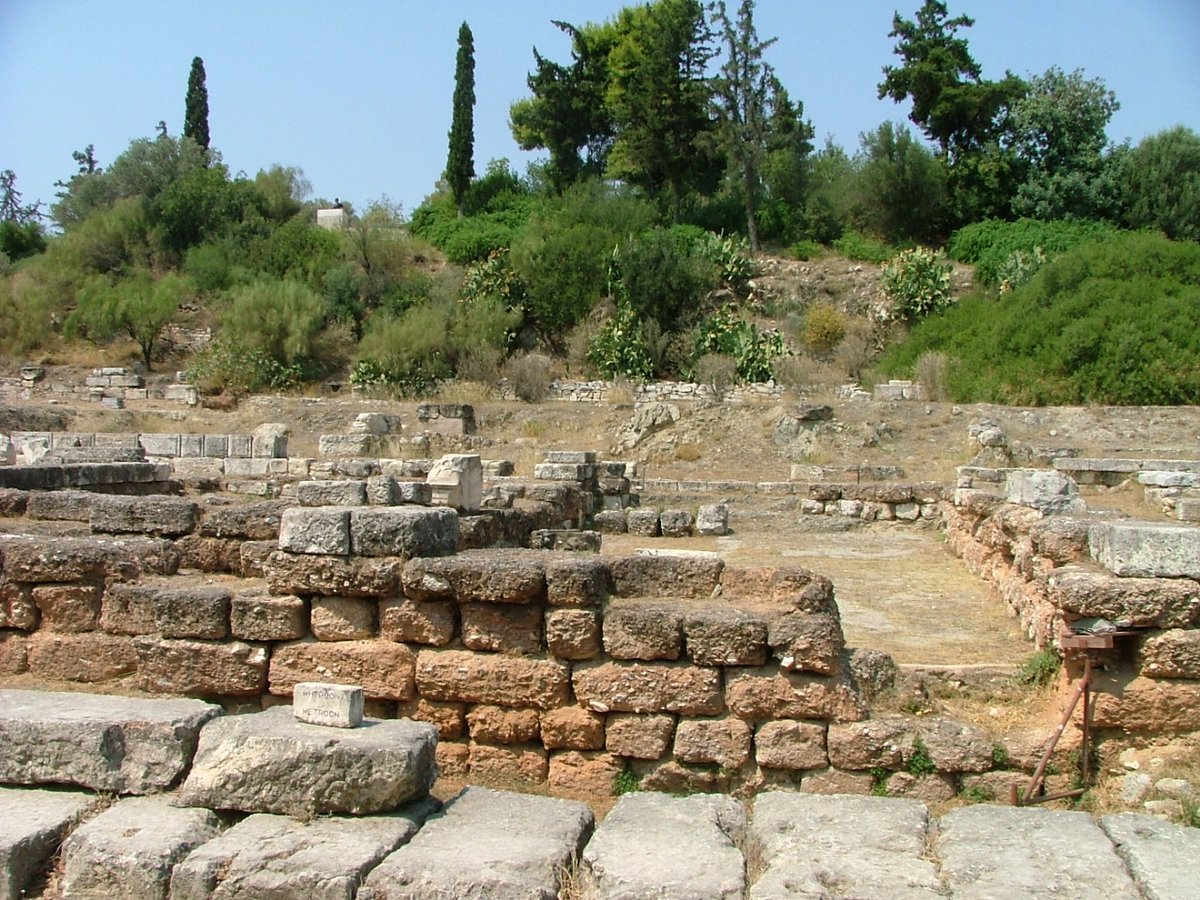
The northernmost chamber served as the archive, storing Athens’ official documents. Constructed from red-brown stone and possibly adorned with marble and limestone, the Metroon’s remains today include exposed foundations, column bases, and informative signage to help visitors visualize its original grandeur (greeceathensaegeaninfo.com).
Later History and Excavations
The Metroon suffered damage during the Heruli invasion in 267 CE and was later repurposed for various secular uses in Byzantine times, including as a tavern and a synagogue. Systematic excavations in the 20th century revealed its foundations and clarified its architectural features (nomadicniko.com).
Visiting the Athenian Metroon
Location and Getting There
The Metroon is located on the west side of the Ancient Agora, adjacent to the Bouleuterion and Tholos, with clear signage throughout the site. The Agora itself lies northwest of the Acropolis, bordered by Adrianou Street, and can be accessed on foot from central Athens or via the Monastiraki and Thissio metro stations (Earth Trekkers).
Opening Hours
- April to October: 8:00 AM – 8:00 PM
- November to March: 8:00 AM – 5:00 PM
- Last entry is 30 minutes before closing. Always verify hours on the official site before your visit.
Tickets and Admission
- Single-site ticket: €10 (full price), €5 (reduced)
- Combined ticket (valid 5 days): €30, covers the Agora, Acropolis, and other key sites
- Eligibility: Reduced/free tickets for EU citizens under 18 and over 65, and students
- Tickets can be purchased at the entrance or pre-booked online via the Greek Ministry of Culture.
Accessibility
While the main paths of the Agora are relatively accessible, the site features uneven surfaces, gravel, and steps. Wheelchair users and those with limited mobility should consult the official website for up-to-date information.
Guided Tours and Visitor Tips
- Guided tours: Available through licensed operators and the American School of Classical Studies at Athens, providing in-depth historical context.
- Audio guides: Download the Audiala app for independent exploration with immersive commentary.
- Best time to visit: Early mornings or late afternoons in spring or autumn for cooler weather and fewer crowds.
- Visitor etiquette: Photography is permitted, but climbing on ruins is not. Respect signage and barriers.
Nearby Attractions
Enhance your visit by exploring:
- Stoa of Attalos: Agora Museum with artifacts and inscriptions, including material from the Metroon.
- Temple of Hephaestus: One of the best-preserved Greek temples.
- Bouleuterion and Tholos: Key civic buildings adjacent to the Metroon.
- Acropolis: A 10-minute walk uphill from the Agora.
Visuals and Media
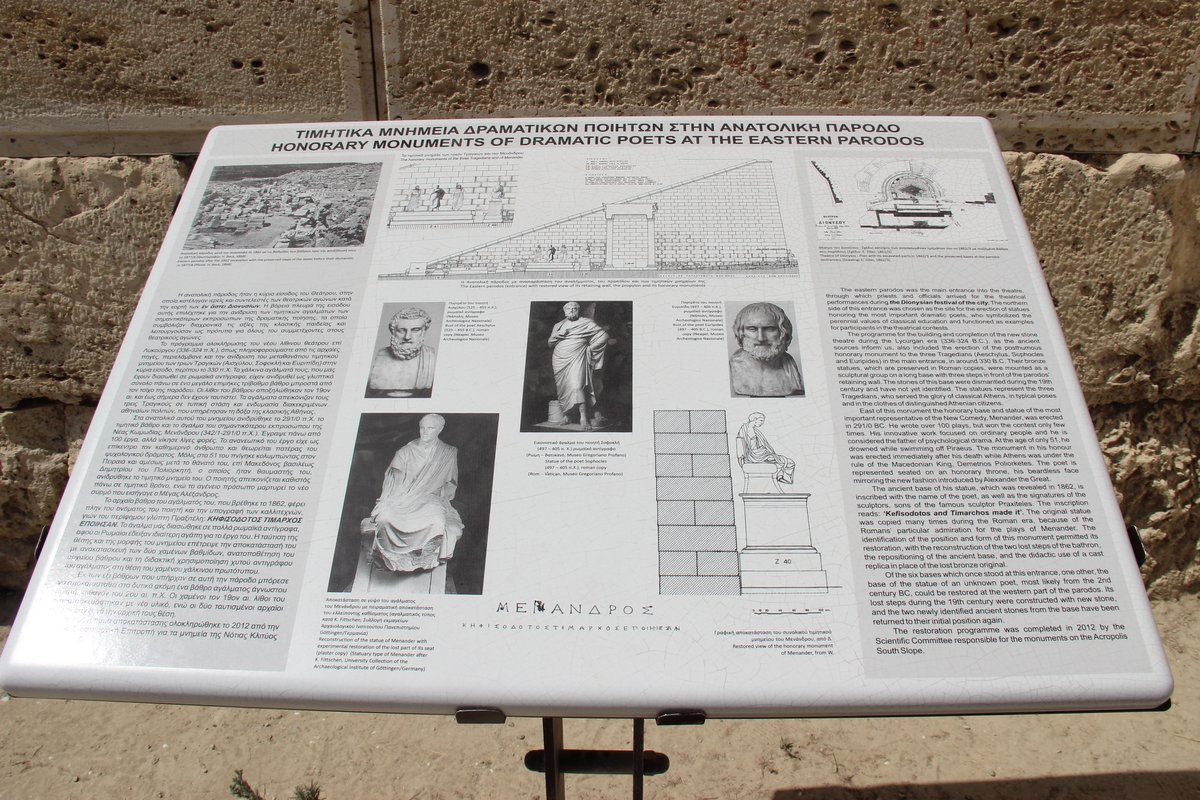
Onsite panels and interactive maps (available via apps like Audiala) provide visual reconstructions and site navigation. For a preview, explore virtual tours and image galleries on the official Agora website.
Frequently Asked Questions (FAQ)
Q: What are the Metroon Athens opening hours?
A: 8:00 AM – 8:00 PM (summer); 8:00 AM – 5:00 PM (winter). Last entry 30 minutes before closing.
Q: How much are tickets to the Metroon?
A: €10 (full); €5 (reduced); €30 (combined ticket valid for 5 days at major sites).
Q: Is the Metroon accessible for people with disabilities?
A: Some main paths are accessible, but uneven terrain is present. Check the official Agora site for current accessibility updates.
Q: Are guided tours or audio guides available?
A: Yes, both are available. The Audiala app offers audio guides.
Q: Can I take photographs at the Metroon?
A: Yes, but use of tripods may require special permission. Please respect site rules and avoid climbing on ruins.
Q: Are there restroom facilities?
A: Yes, restrooms are available near the Agora entrance.
Summary & Recommendations
The Metroon of Athens is a singular cultural and historical landmark that bridges the realms of ancient religious worship and the foundations of democracy. Its dual role as sanctuary and state archive underlines the reverence Athenians had for the rule of law and civic life, uniting public administration with divine protection. The site’s evocative ruins, accessible amenities, and proximity to other major attractions make it an essential stop for any Athens itinerary.
For the best experience:
- Visit in early morning or late afternoon, especially in spring or autumn.
- Combine your tour with the Stoa of Attalos Museum, Temple of Hephaestus, and a walk to the Acropolis.
- Download the Audiala app for in-depth audio guides.
- Stay updated on hours, tickets, and accessibility via official sources.
Discover More
Plan your visit to the Metroon today and experience a cornerstone of Athens’ ancient heritage. For tickets, updates, and guided tours, consult the official resources above. Enhance your exploration with the Audiala app and follow the American School of Classical Studies at Athens on social media for news and events.
Audiala2024
Listen to the full story in the app
The whole Metroon,
told well.
Listen to sourced travel stories with local history and practical context — ready offline.
Verified, and shown.
Researched and written by the Audiala editorial team from historical records, architectural archives, and local expertise.
Built from cited sources · see the method · How we make our guides →