Plan and listen to José Gervasio Artigas with Audiala.
Audio guide in your pocket, itinerary in your browser. Built for the way you actually visit.
Introduction
Nestled in the vibrant cityscape of Athens, Greece, the José Gervasio Artigas Monument stands as a powerful symbol of historical valor and cultural diplomacy. This monument honors José Gervasio Artigas (1764–1850), the father of Uruguayan independence, whose advocacy for federalism, social justice, and popular sovereignty resonates internationally. Erected through collaboration between the Uruguayan Embassy and the local community, the monument not only commemorates a Latin American hero but also celebrates the enduring friendship between Uruguay and Greece.
This comprehensive guide provides historical context, practical visitor information, and cultural insights to help you make the most of your visit to one of Athens’ distinctive historical sites. Whether you’re a history enthusiast, a cultural traveler, or interested in international relations, the Artigas Monument offers a unique experience at the crossroads of Latin American and Greek heritage.
For further background and visitor details, refer to the Uruguayan Embassy in Greece, Athens Metro Information, and Britannica.
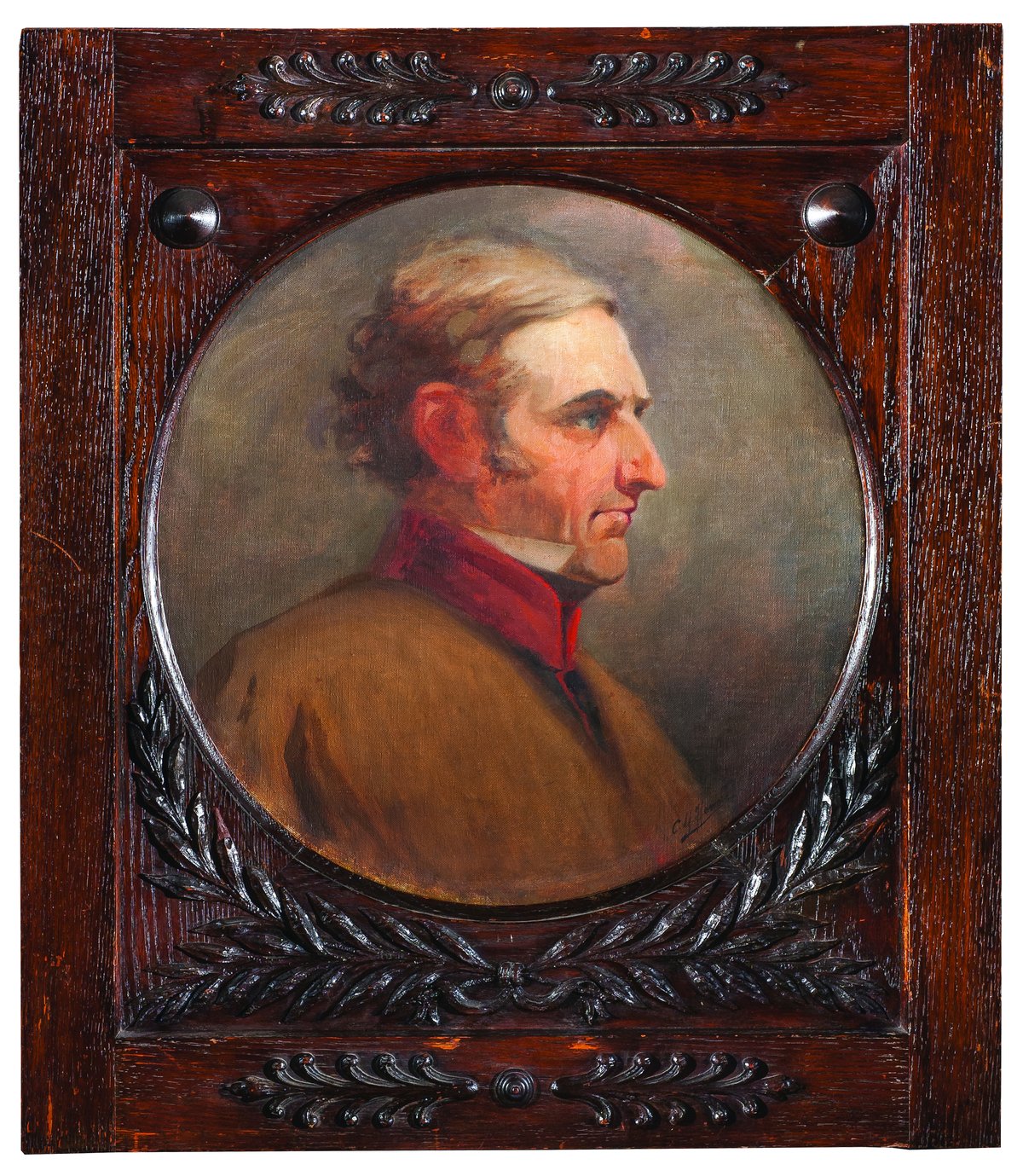

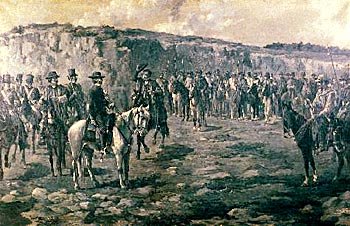
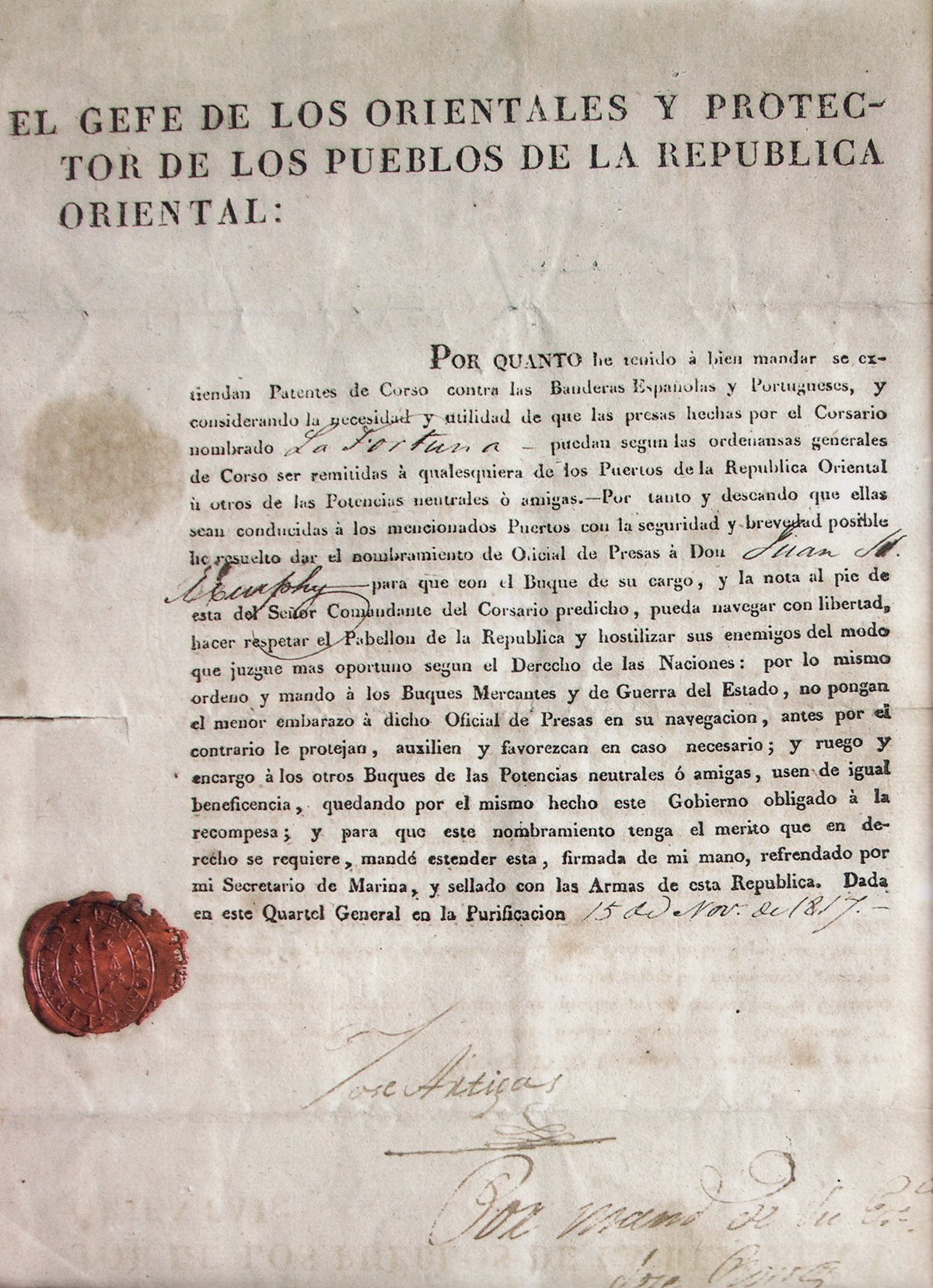
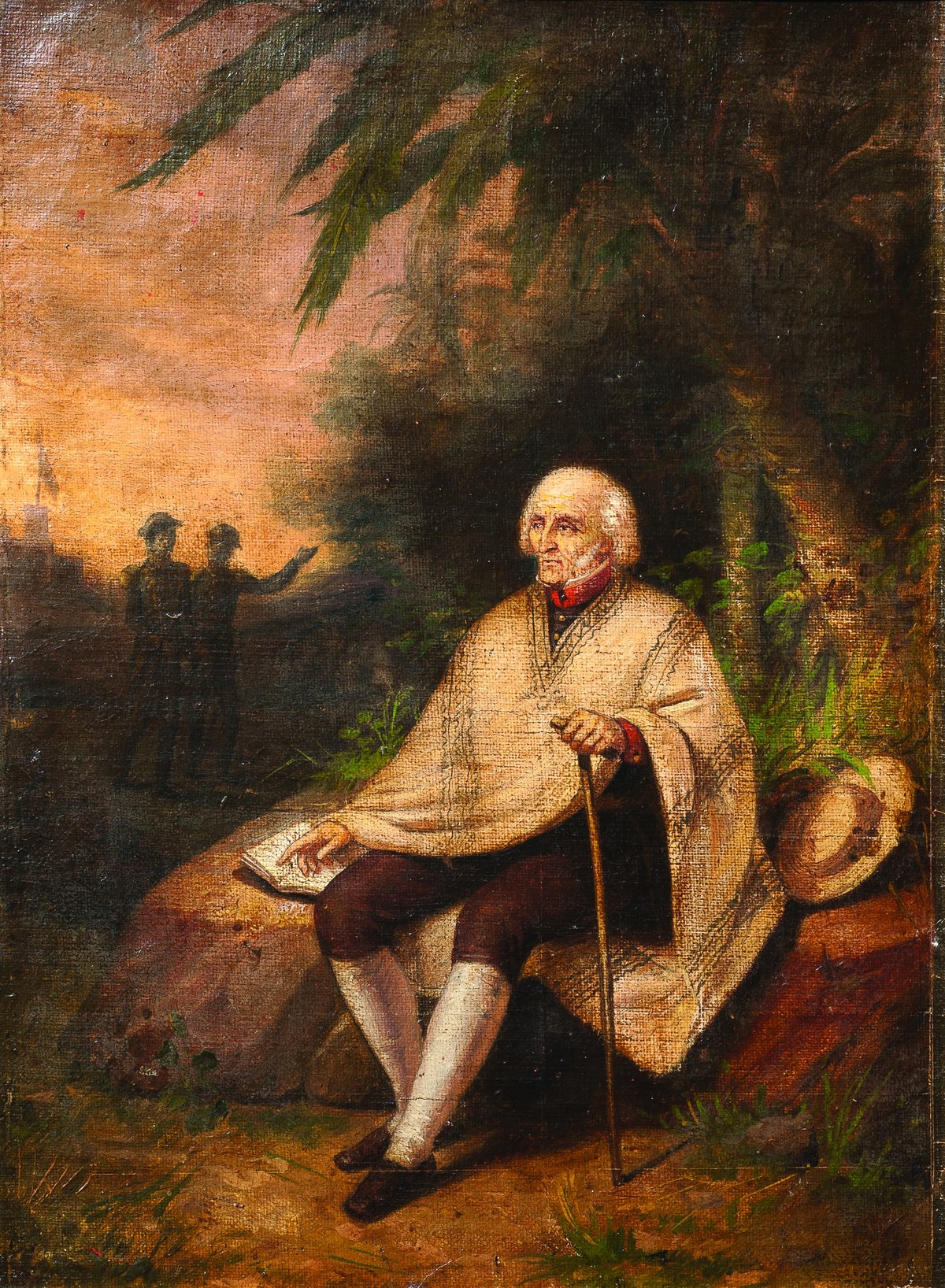
Historical Background of José Gervasio Artigas
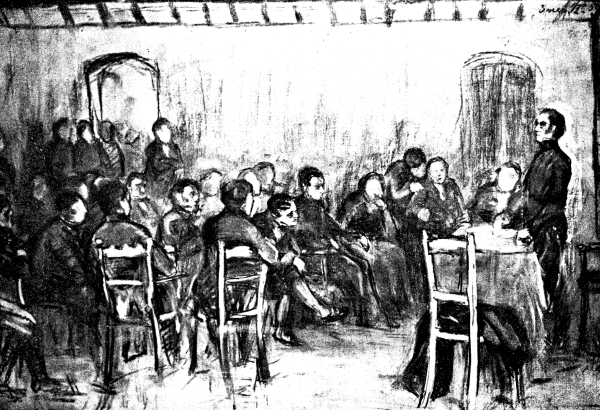
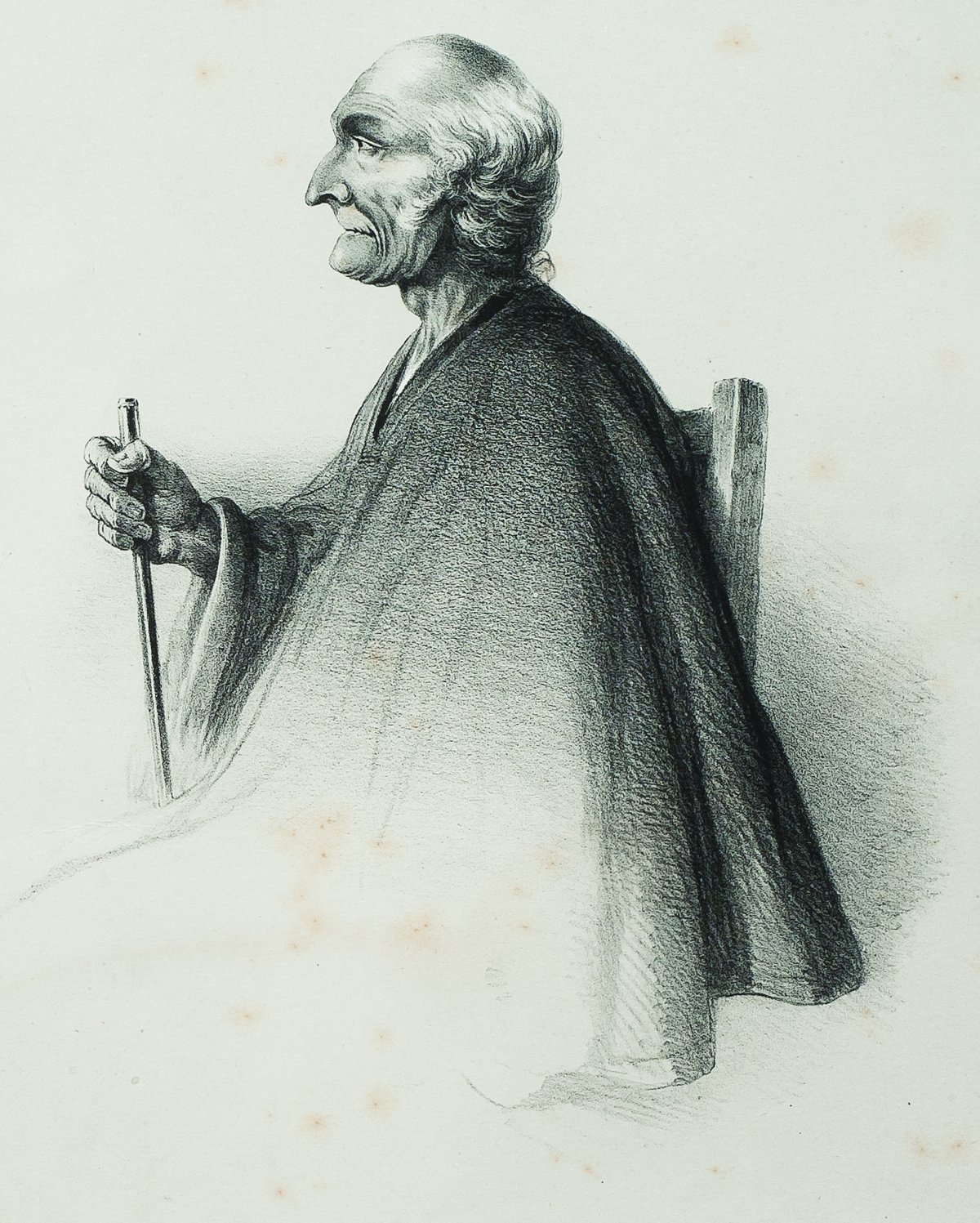
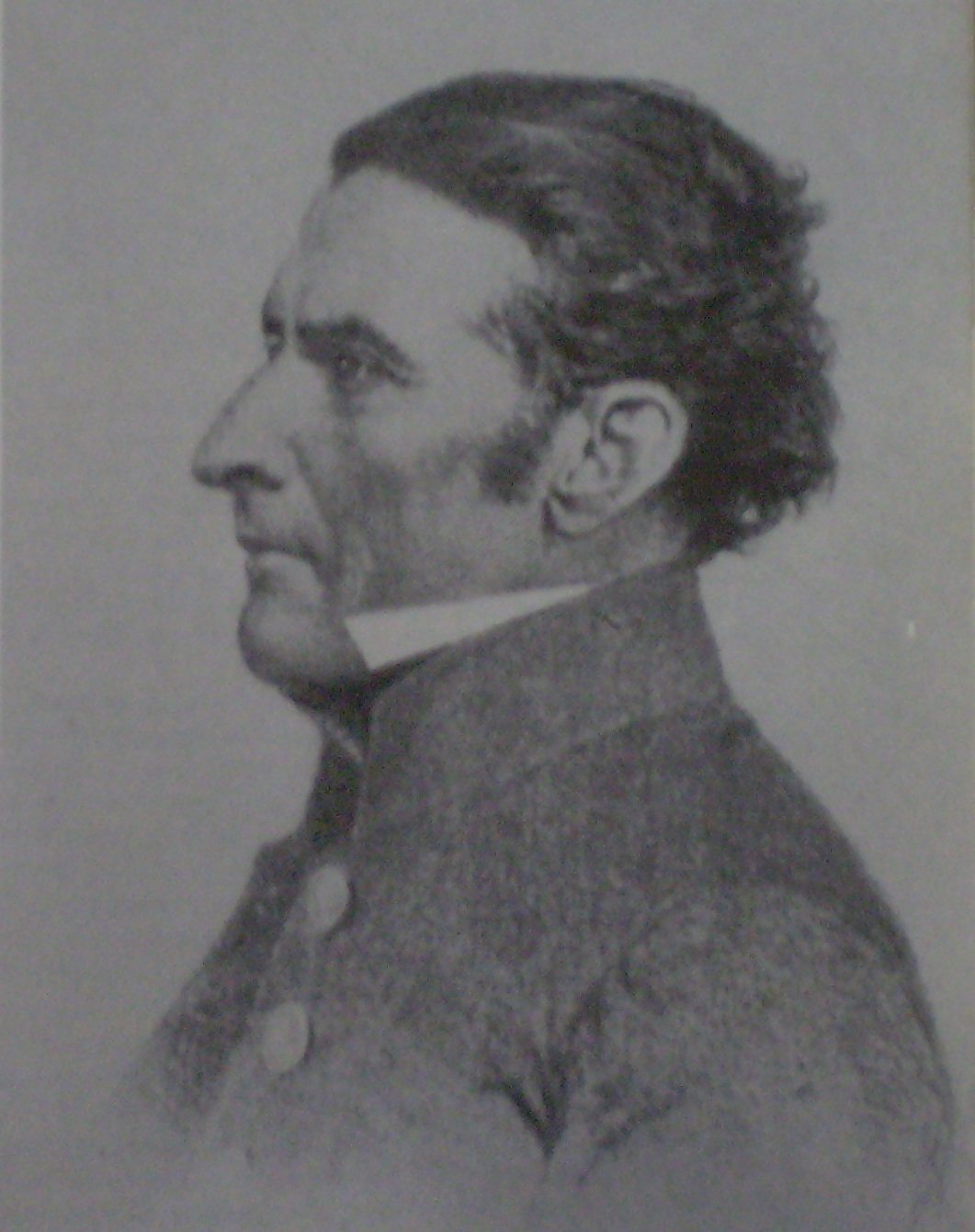
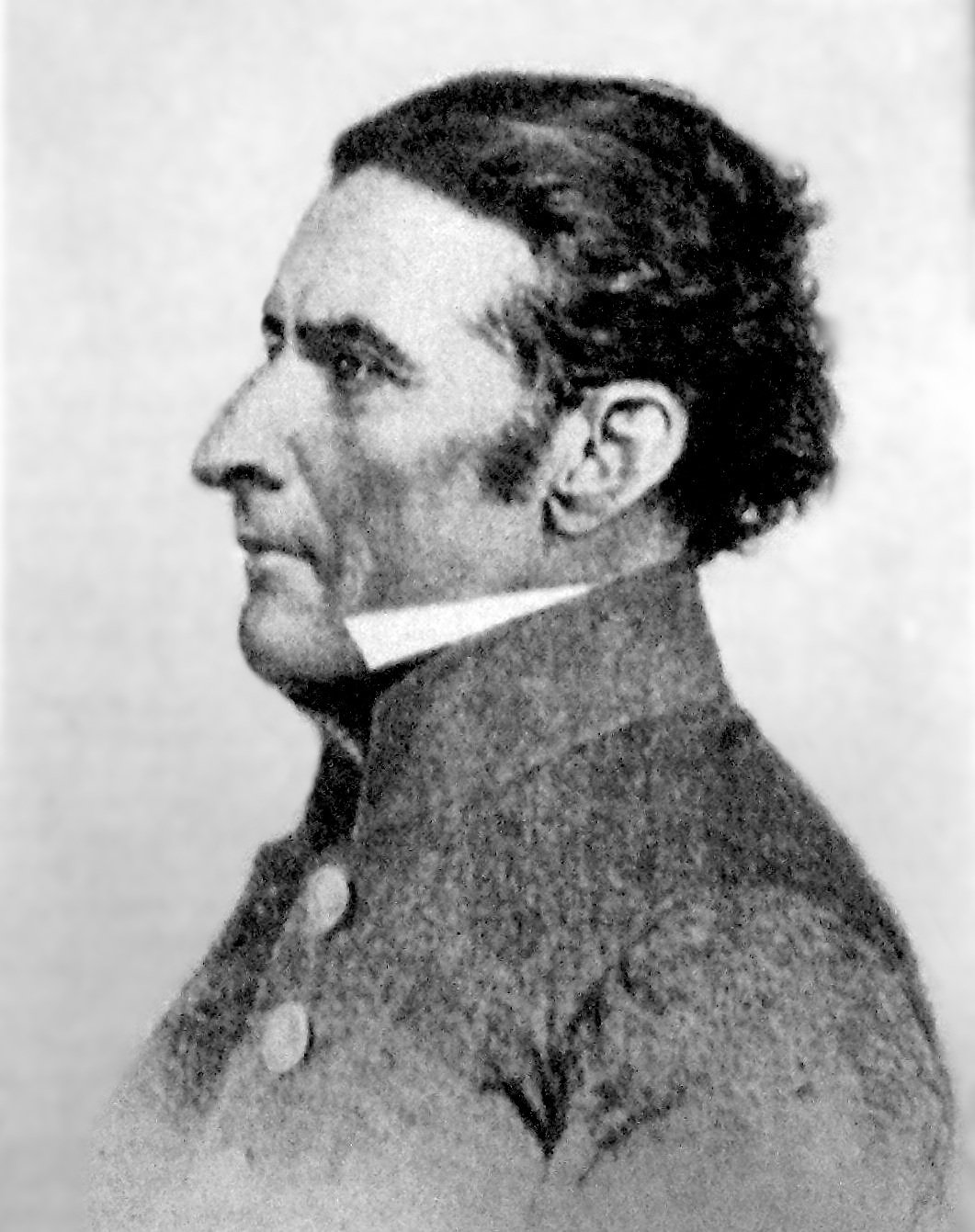
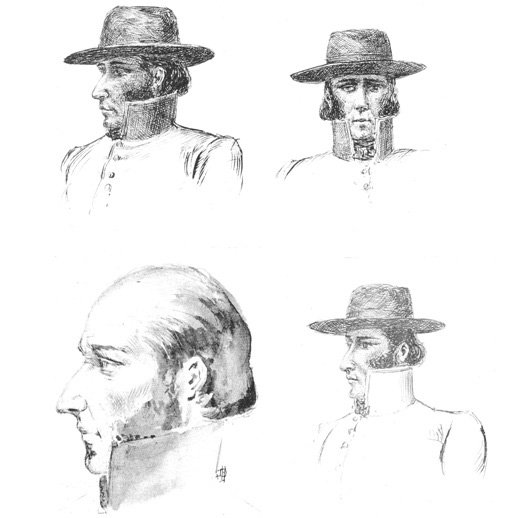
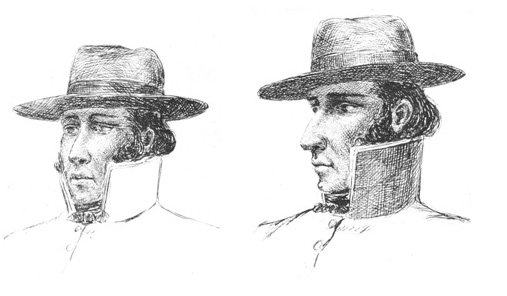
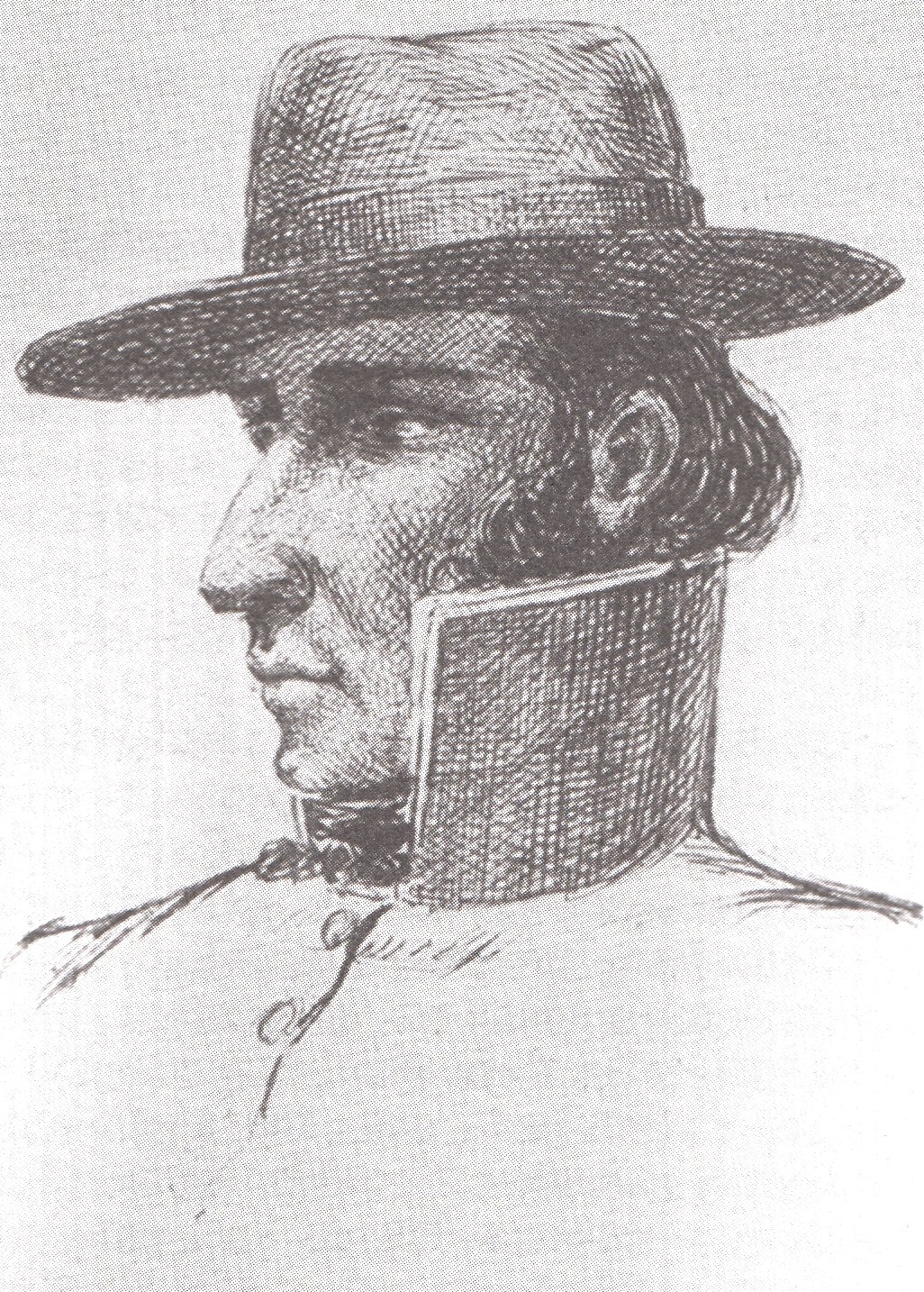
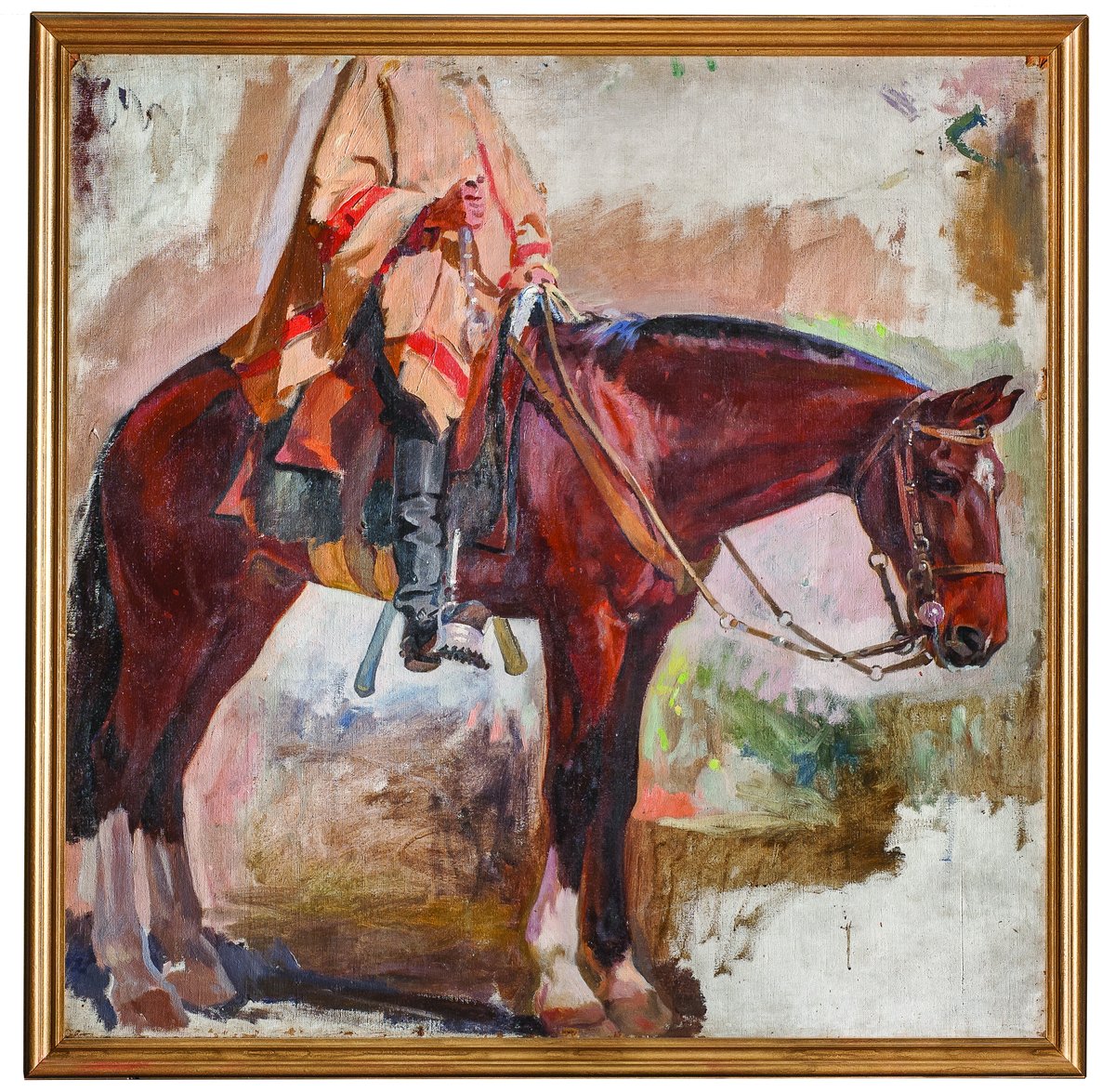
José Gervasio Artigas was born in Montevideo in 1764. As a military leader and statesman, he played a pivotal role in the Spanish American wars of independence, championing political and civil liberties in the Río de la Plata region. Artigas governed a vast territory, advocating for federalism and social justice before his exile in Paraguay, where he died in 1850. His legacy is deeply embedded in Uruguay’s national identity and celebrated globally as a symbol of liberty and resistance (Britannica).
The José Gervasio Artigas Monument in Athens
Location and Setting
The statue is prominently located in Plaza Uruguay, at 25 Michalakopoulou Street in the Ilisia district, near the Kolonaki neighborhood. This tranquil square, distinguished by its greenery and benches, provides a serene environment for reflection. Its placement highlights Athens’ cosmopolitan character and welcomes both locals and international visitors.
Artistic and Symbolic Features
The monument features a bronze bust of Artigas in military attire, exuding resolve and dignity. Inscriptions in Spanish and Greek honor his legacy and the friendship between Uruguay and Greece. The modest pedestal allows for close viewing, and the surrounding lawns and trees create an inviting atmosphere. The choice of bronze symbolizes permanence and respect, mirroring the style of Artigas memorials worldwide.
Visiting the Monument: Hours, Access, and Practical Information
- Visiting Hours: Open to the public 24 hours a day, 7 days a week.
- Tickets/Entry: There is no entry fee or ticket required.
- Accessibility: The plaza offers level, paved walkways, curb cuts for wheelchair access, and benches for comfort. It is suitable for visitors of all ages and abilities.
- Guided Tours: While there are no official tours specific to the monument, some guided walks through Kolonaki or Ilisia include a stop at Plaza Uruguay. Check with local tour operators or the Uruguayan Embassy for schedules.
- Photography Tips: The monument is especially photogenic in the morning or late afternoon, when sunlight highlights its details against the greenery.
How to Get There
- By Metro: Evangelismos station (Line 3) is the nearest stop, approximately a 7–10 minute walk from Plaza Uruguay.
- By Bus: Several lines run along Michalakopoulou Street and Vasilissis Sofias Avenue.
- By Taxi/Ride-Share: Services like Beat and Uber are widely available and provide convenient access.
Parking is limited in the area; public transportation is recommended.
Nearby Attractions
From Plaza Uruguay, it’s easy to explore:
- National Gallery of Greece
- Byzantine & Christian Museum
- The Panathenaic Stadium
- The National Garden of Athens
- The Benaki Museum and Museum of Cycladic Art in Kolonaki
The area is also home to cafes, restaurants, and boutique shops, making it ideal for a cultural outing.
Cultural Significance and Greek-Uruguayan Relations
The Artigas Monument is a testament to the shared values of freedom, democracy, and cultural exchange between Uruguay and Greece. Uruguay recognized Greece’s independence early, and formal diplomatic relations date back to 1928. The monument’s presence reflects ongoing cooperation, commemorated in official visits and joint cultural events. Annual gatherings on Artigas’s birthday (June 19) and Uruguayan national holidays foster community among the Uruguayan diaspora in Athens and promote Latin American heritage (Greek Diplomatic Life).
Commemorative Events and Community Engagement
While regular public ceremonies are infrequent, significant dates—such as Artigas’s birthday and Uruguayan Independence Day (August 25)—may feature gatherings or cultural programs organized by the embassy or local associations. These events affirm the monument’s role as a site of memory, cultural pride, and international friendship.
Accessibility and Amenities
- Access: Level walkways and curb cuts ensure ease of movement for all.
- Amenities: While the plaza itself does not have restrooms or cafes, nearby hotels and businesses offer these facilities.
- Safety: The area is well-lit at night, and the monument is illuminated for visibility.
Frequently Asked Questions (FAQs)
Q: Do I need a ticket to visit the monument?
A: No, the site is free and accessible at all times.
Q: Is the monument wheelchair accessible?
A: Yes, Plaza Uruguay has level, paved walkways and curb cuts.
Q: Are guided tours available?
A: Some Kolonaki and Ilisia walking tours include the monument. Inquire with local operators or the Uruguayan Embassy.
Q: Are there special events at the monument?
A: Cultural and diplomatic events are held occasionally, particularly on Uruguayan holidays.
Q: Can I take photos?
A: Yes, photography is welcome.
Plan Your Visit: Tips and Recommendations
- Best Times: Early morning or late afternoon for ideal lighting and fewer crowds.
- Transport: Use public transportation or taxis to avoid parking difficulties.
- Events: Check with the Uruguayan Embassy or local cultural centers for event schedules.
- Respect: Do not climb on the monument or engage in disruptive behavior.
For real-time updates, consult the Uruguayan Embassy in Greece, Athens Metro Information, and This is Athens.
Useful Links
- Uruguayan Embassy in Greece
- Athens Metro Information
- National Gallery of Greece
- This is Athens Official Tourism Website
- Byzantine & Christian Museum
- Benaki Museum
Listen to the full story in the app
The whole José Gervasio Artigas,
told well.
Listen to sourced travel stories with local history and practical context — ready offline.

Verified, and shown.
Researched and written by the Audiala editorial team from historical records, architectural archives, and local expertise.
Built from cited sources · see the method · How we make our guides →